What are Oxygen Gas (Medical & Industrial)?
Oxygen gas is a colorless, odorless, and tasteless gas essential for various industrial and medical applications. It is a vital component of the atmosphere, making up about 21% of the air we breathe. In industrial contexts, oxygen is used in processes like combustion, welding, and chemical manufacturing. In medical settings, it is crucial for patient care, particularly in respiratory therapies, surgeries, and emergency medical situations.
The primary applications of oxygen gas are divided into medical and industrial uses. In the medical field, it is used to support patients with respiratory issues, facilitate anesthesia, and during surgeries. In industrial settings, oxygen plays a critical role in steel manufacturing, glass production, and wastewater treatment. The relevance of oxygen gas in today's market is underscored by its versatility, with demand growing in sectors such as healthcare, energy, and environmental management.
𝗞𝗲𝘆 𝗙𝗲𝗮𝘁𝘂𝗿𝗲𝘀 𝗮𝗻𝗱 𝗦𝗽𝗲𝗰𝗶𝗳𝗶𝗰𝗮𝘁𝗶𝗼𝗻𝘀
Oxygen gas is characterized by specific features and specifications that cater to both medical and industrial applications. Understanding these specifications is vital for businesses looking to acquire quality oxygen gas.
Key specifications include:
1. Purity Level
- Medical oxygen typically has a purity level of 99.5% or higher.
- Industrial oxygen may have slightly lower purity levels depending on application requirements.
2. Delivery Pressure
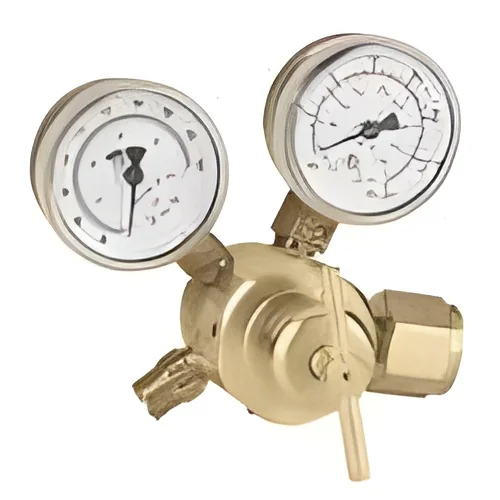
- Standard delivery pressure ranges from 2000 to 3000 psi.
- Adjustments may be made based on specific application needs.
3. Gas Form
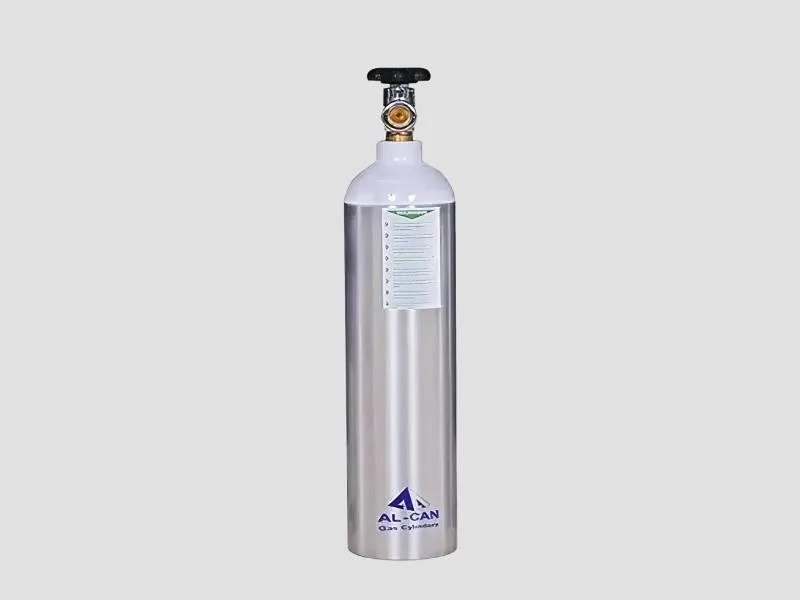
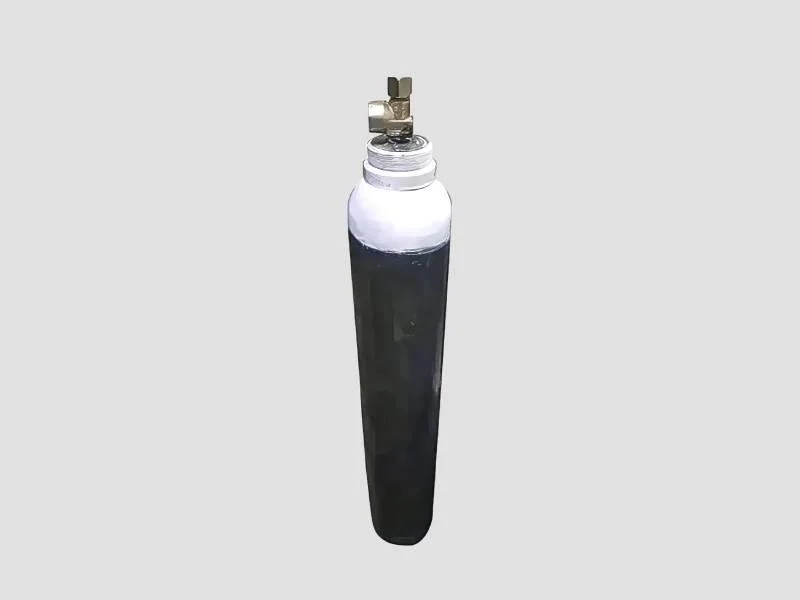
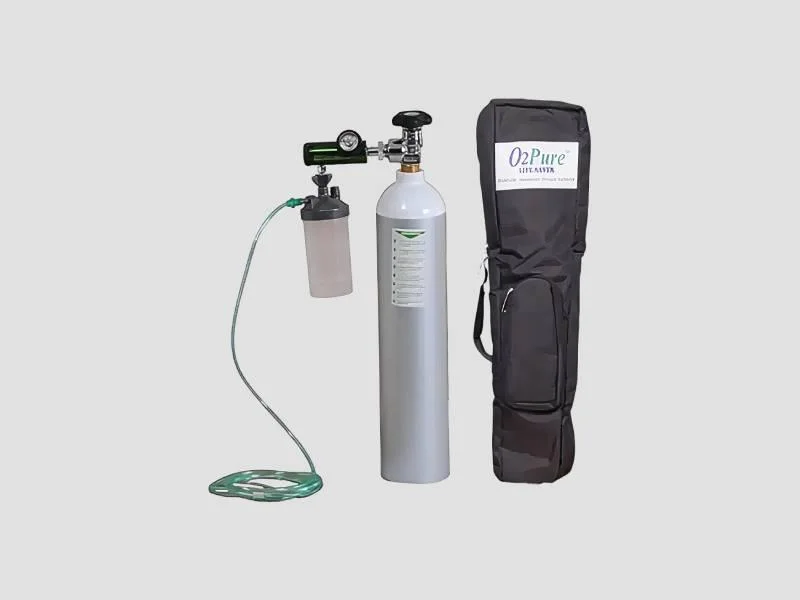
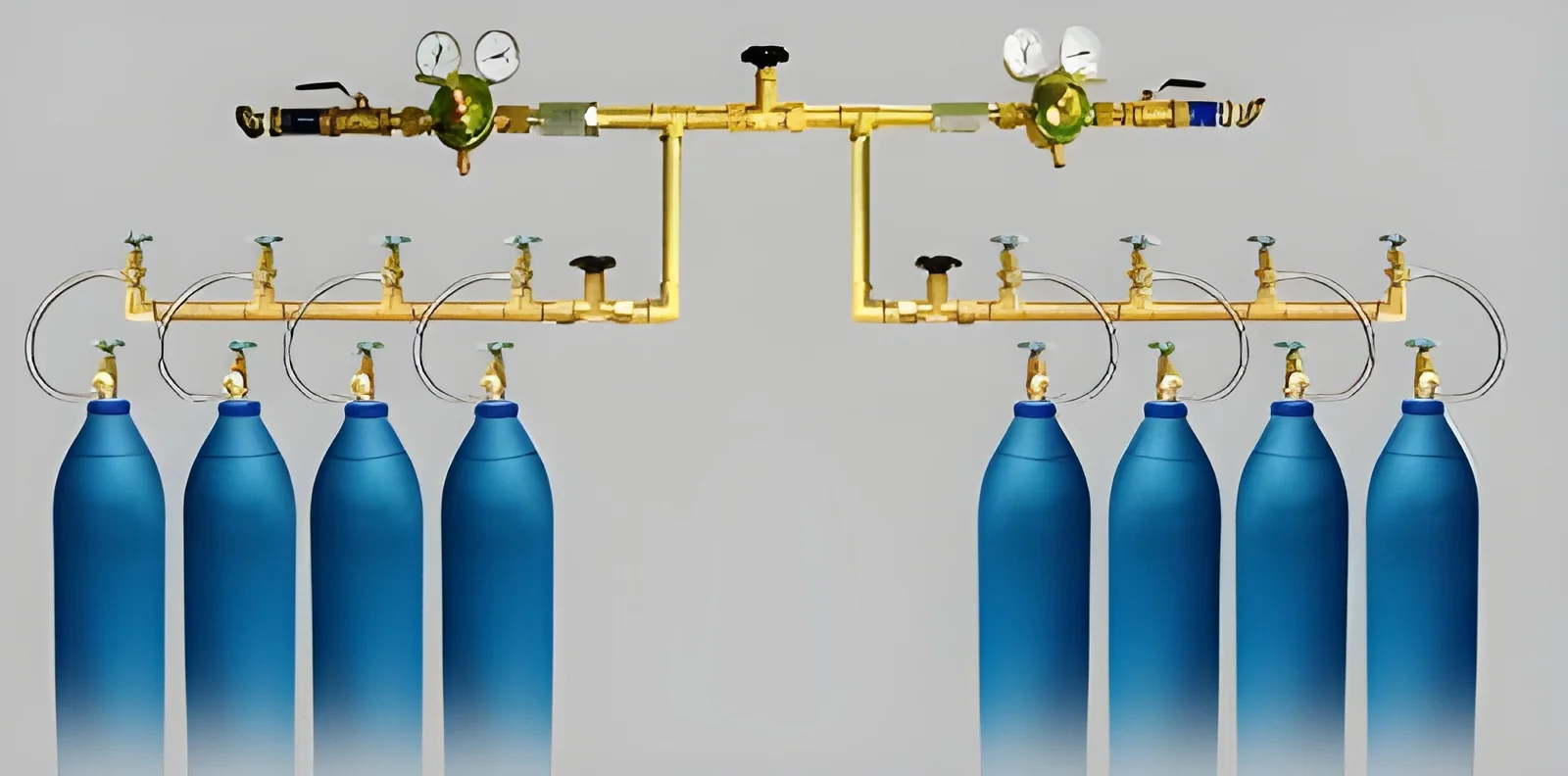
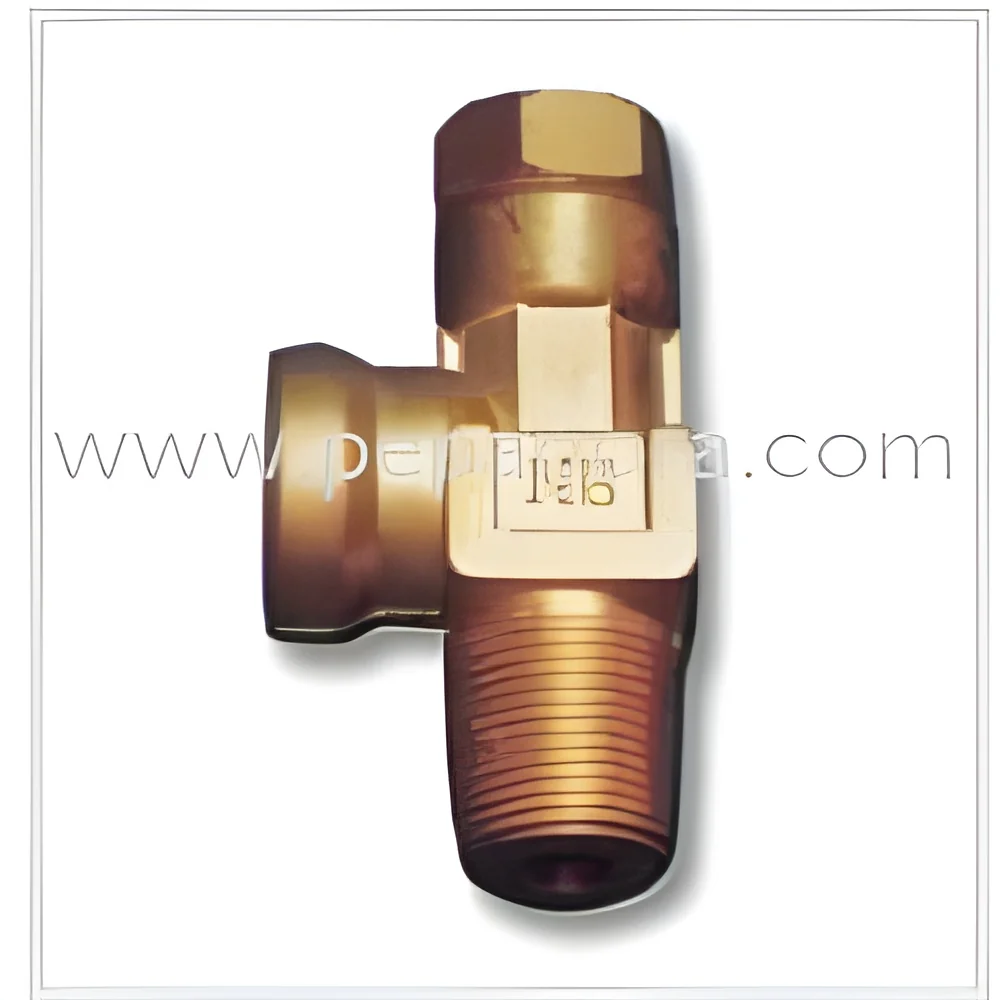
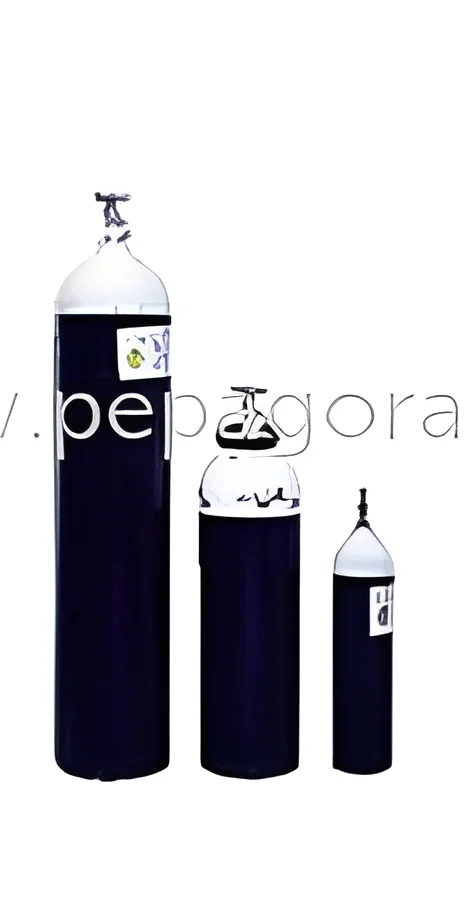
- Available in both compressed gas cylinders and liquid form.
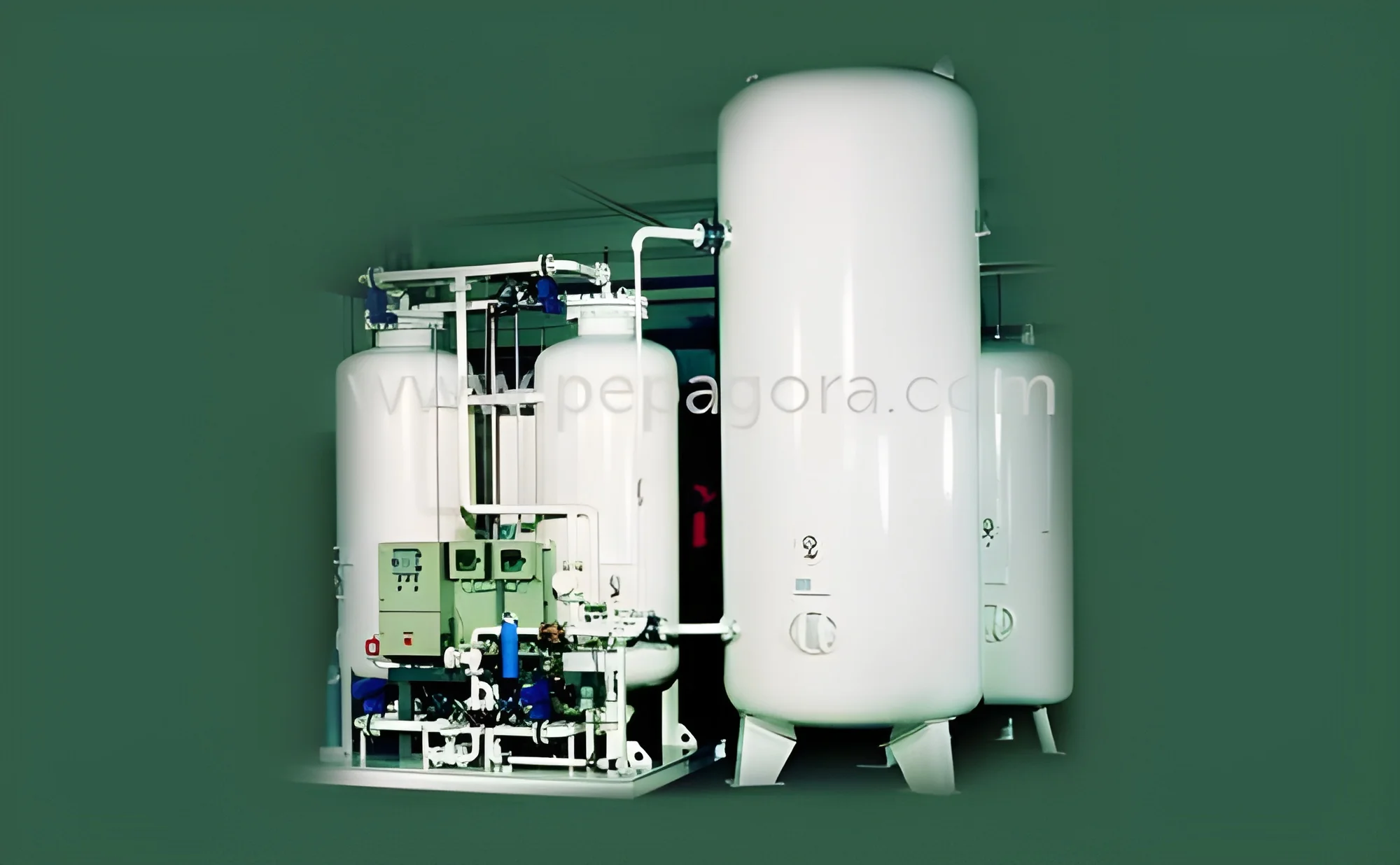
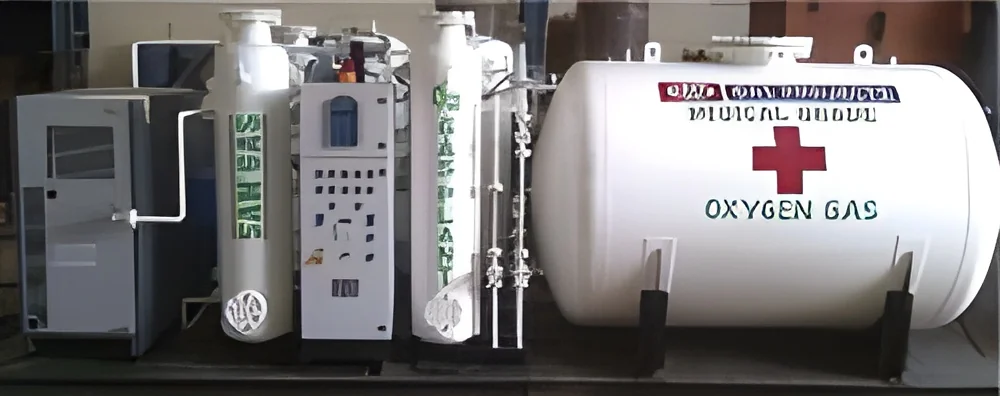
- Liquid oxygen is often used for large-scale applications.
4. Storage Conditions
- Requires storage in a cool, dry area to prevent degradation.
- Cylinders must be stored upright and secured.
5. Safety Standards
- Must comply with industry safety standards, including proper labeling.
- Safety data sheets should be available for handling and storage.
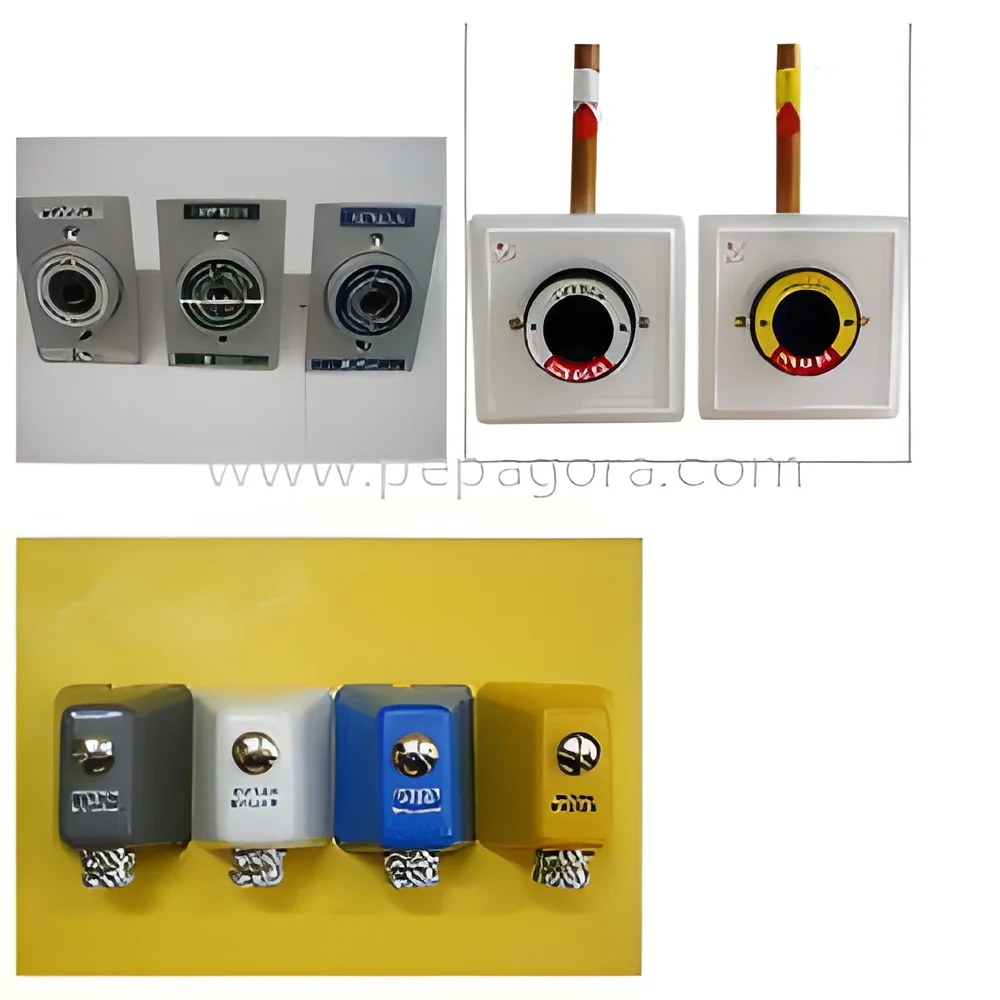
6. Color Code
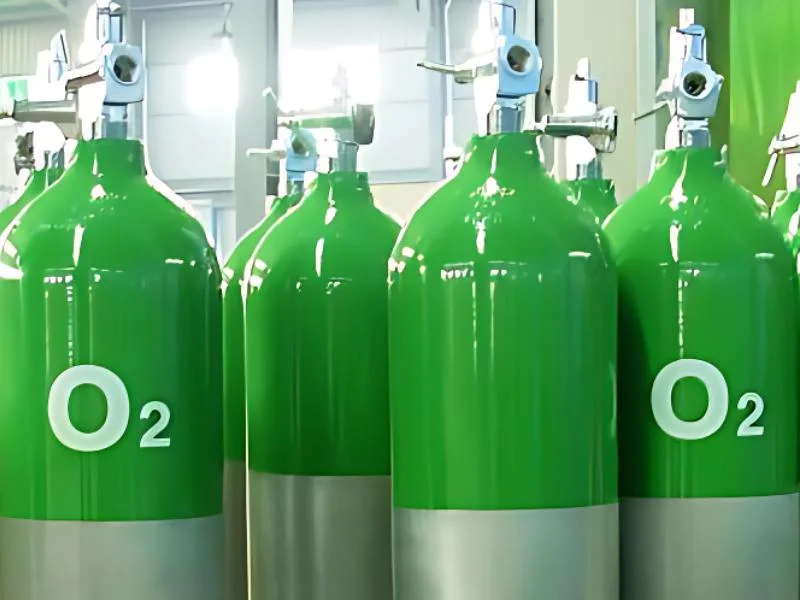
- Medical oxygen cylinders are usually colored green.
- Industrial cylinders may vary based on regional regulations.
7. Regulatory Compliance
- Must meet all relevant local and international regulations.
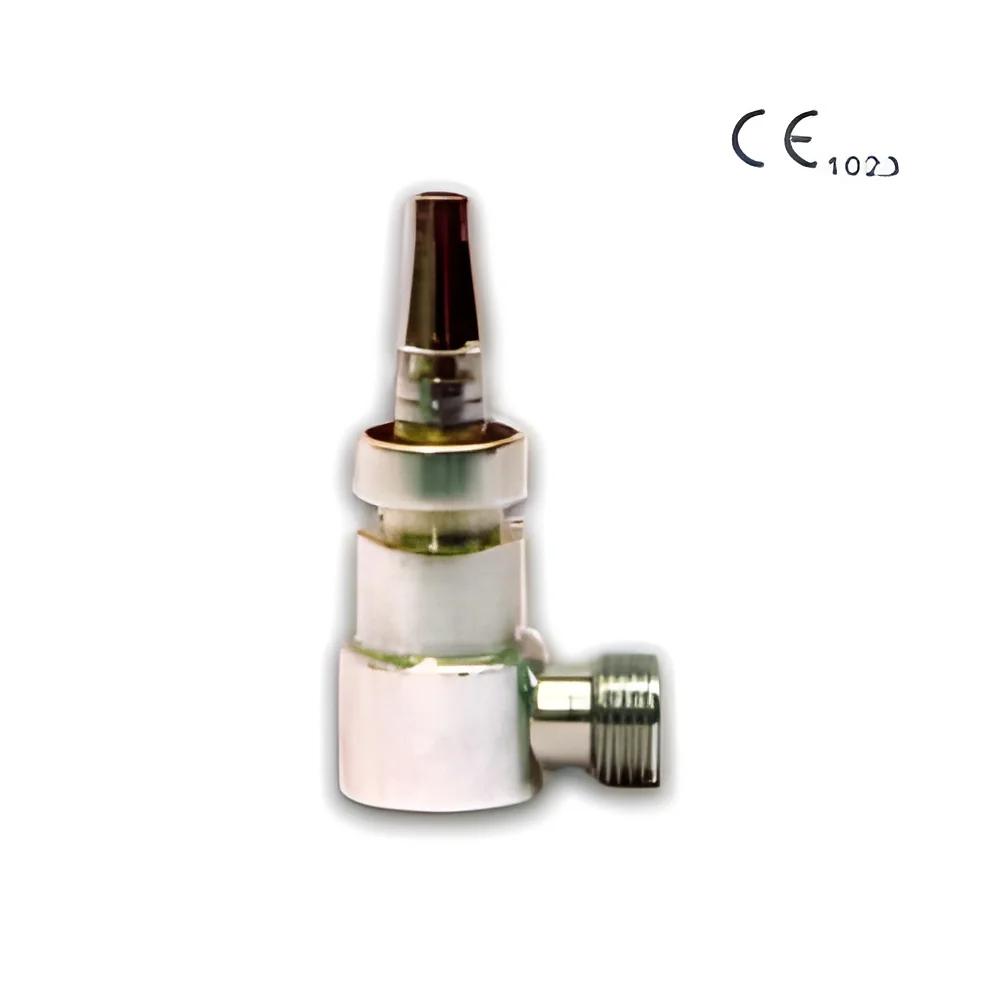
- CE certification is essential for medical applications.
The specifications of oxygen gas ensure its safe and effective use across different industries.
𝗖𝗼𝗺𝗺𝗼𝗻 𝗔𝗽𝗽𝗹𝗶𝗰𝗮𝘁𝗶𝗼𝗻𝘀 𝗮𝗻𝗱 𝗨𝘀𝗲 𝗖𝗮𝘀𝗲𝘀
Oxygen gas serves various industries, each with unique applications that highlight its importance.
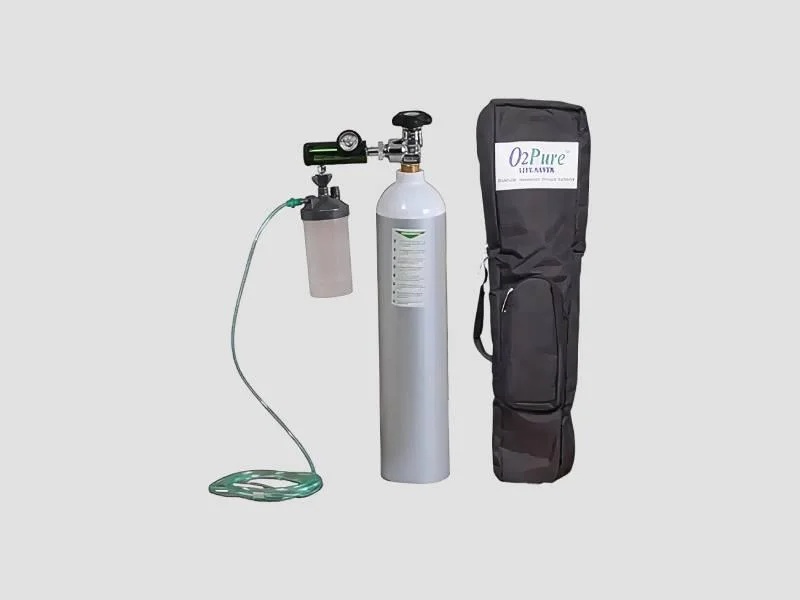
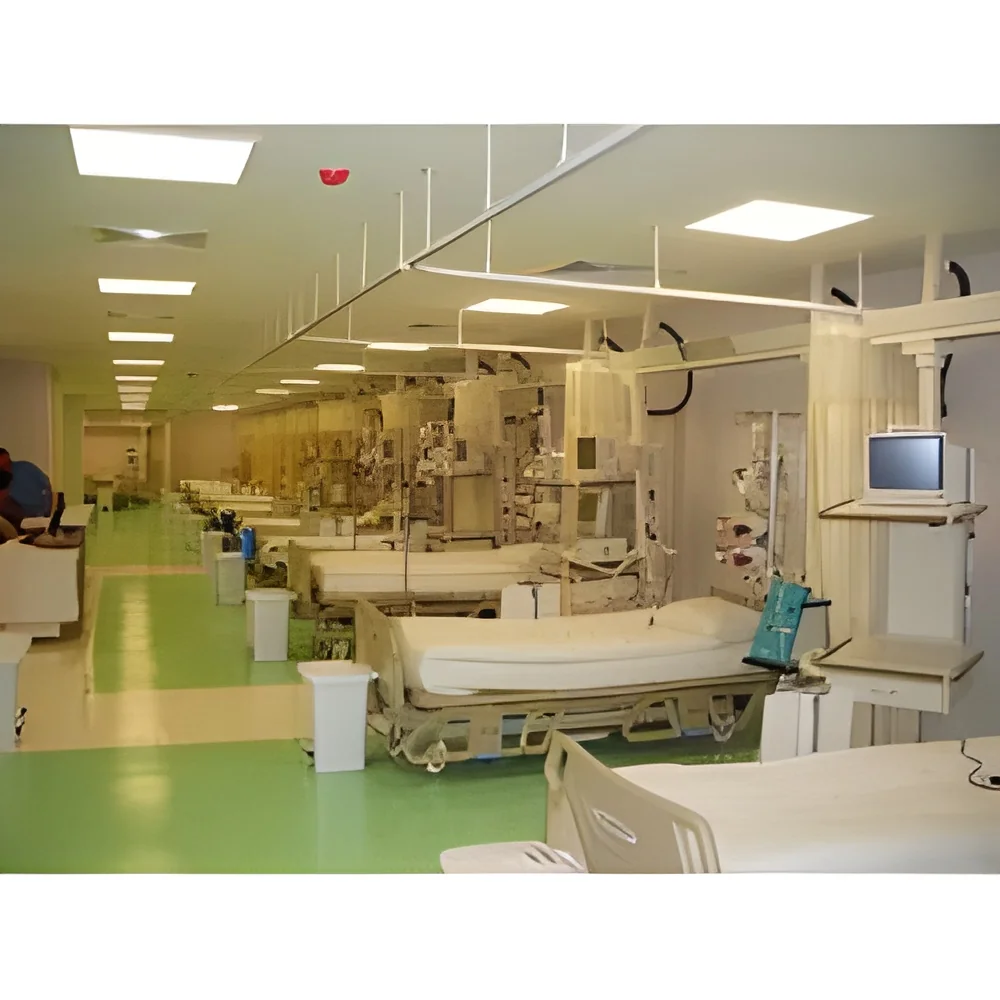
1. Healthcare: Oxygen is used to treat patients with respiratory conditions, during surgeries, and in emergency medical services. It is essential for maintaining adequate oxygenation in patients.
2. Metal Fabrication: In the metal industry, oxygen is utilized for cutting and welding processes, enhancing efficiency and precision in manufacturing.
3. Water Treatment: Oxygen is critical in wastewater treatment processes to support aerobic digestion, improving water quality.
4. Chemical Production: Oxygen is a key reactant in producing various chemicals, including hydrogen peroxide and ethylene oxide, essential for multiple industrial applications.
5. Aerospace: Oxygen is used in rocket propulsion systems and life-support systems for astronauts, ensuring safety and functionality during missions.
6. Food Processing: The gas is employed in modified atmosphere packaging to extend the shelf life of perishable goods.
7. Glass Manufacturing: Oxygen is used in the production of glass, improving the melting process and overall quality.
𝗣𝗿𝗼𝗱𝘂𝗰𝘁 𝗩𝗮𝗿𝗶𝗮𝗻𝘁𝘀 𝗮𝗻𝗱 𝗦𝘂𝗯𝗰𝗮𝘁𝗲𝗴𝗼𝗿𝗶𝗲𝘀
Oxygen gas is available in various forms to meet specific needs in different sectors.
Compressed Oxygen Gas
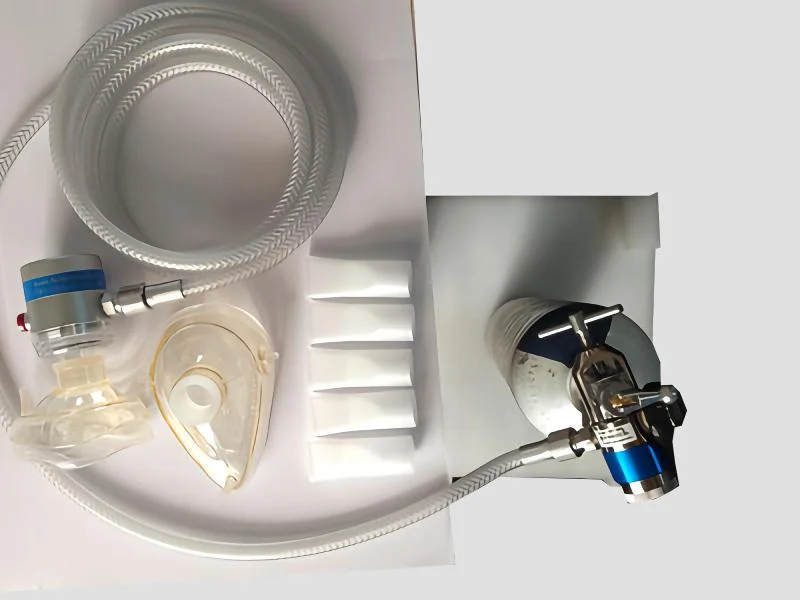
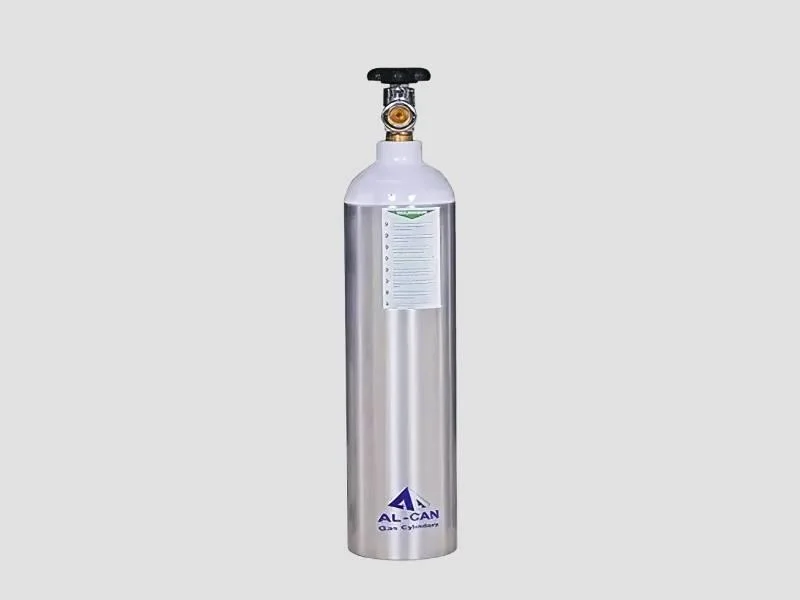
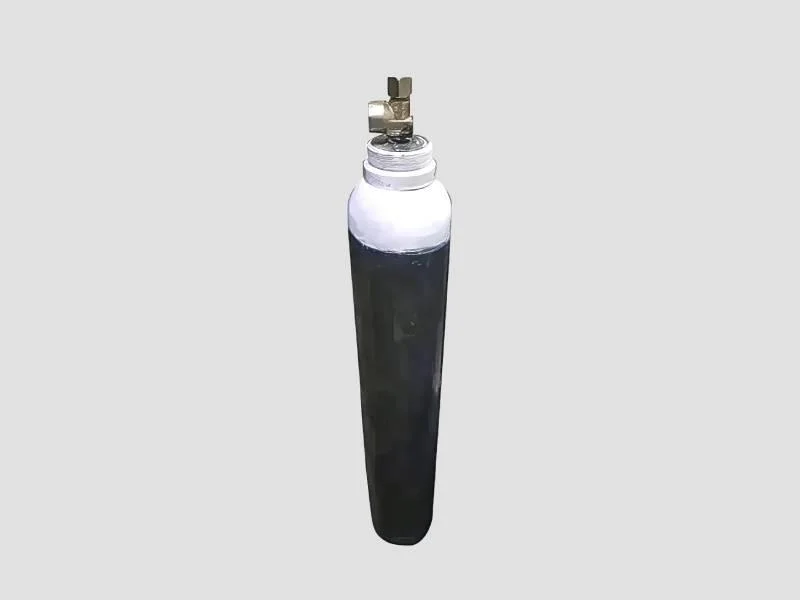
This variant is often supplied in high-pressure cylinders. It is widely used in medical facilities for patient care and in industrial applications for welding and cutting.
Liquid Oxygen
Liquid oxygen is stored at extremely low temperatures. It is commonly used in large-scale industrial applications, including steel manufacturing and as a propellant in aerospace contexts.
𝗕𝗲𝗻𝗲𝗳𝗶𝘁𝘀 𝗮𝗻𝗱 𝗔𝗱𝘃𝗮𝗻𝘁𝗮𝗴𝗲𝘀
Oxygen gas offers numerous benefits that make it indispensable across multiple industries.
1. Enhanced Efficiency: Oxygen gas improves combustion efficiency in industrial processes, leading to lower costs and higher productivity.
2. Critical for Life: In medical applications, it is essential for patient survival and recovery, making it a vital resource in healthcare.
3. Versatile Applications: Its adaptability allows it to be utilized in various sectors, from healthcare to manufacturing.
4. Environmental Benefits: Oxygen gas is used in wastewater treatment, contributing to cleaner water sources and better environmental management.
5. Improved Product Quality: In food processing and glass manufacturing, oxygen enhances product quality and longevity.
6. Safety Features: Oxygen gas is subject to rigorous safety standards, ensuring safe use in medical and industrial environments.
𝗕𝘂𝘆𝗶𝗻𝗴 𝗚𝘂𝗶𝗱𝗲 𝗳𝗼𝗿 𝗕𝟮𝗕 𝗕𝘂𝘆𝗲𝗿𝘀
When sourcing oxygen gas for medical or industrial purposes, buyers should consider several key factors.
1. Quality Assessment: Ensure the oxygen gas meets the required purity levels for its intended application. For medical use, a purity of 99.5% or higher is essential.
2. Supplier Verification: Vet suppliers thoroughly to ensure they comply with industry standards and regulations. Look for certifications such as CE for medical applications.
3. Pricing and MOQ: Understand the pricing structure and minimum order quantities. This helps in planning budget and procurement strategies.
4. Delivery and Lead Times: Assess logistics to ensure timely delivery of oxygen gas. Evaluate lead times based on supplier capabilities.
5. Compliance Requirements: Familiarize yourself with regulatory requirements that govern the storage and use of oxygen gas in your region.
𝗖𝗼𝗺𝗽𝗹𝗶𝗮𝗻𝗰𝗲 𝗮𝗻𝗱 𝗖𝗲𝗿𝘁𝗶𝗳𝗶𝗰𝗮𝘁𝗶𝗼𝗻𝘀
Oxygen gas is subject to several compliance standards and certifications that ensure its quality and safety in various applications.
ISO 9001 sets the standard for quality management systems, ensuring that suppliers maintain high levels of quality in their production processes.
HACCP (Hazard Analysis Critical Control Point) is crucial in the food industry, ensuring that oxygen gas, when used in food processing, does not compromise food safety.
CE certification is mandatory for medical oxygen, indicating compliance with European safety standards and regulations.
Safety and testing requirements include thorough evaluations to prevent hazards associated with high-pressure gas supplies, ensuring safe handling and storage.
Regional compliance considerations vary; it is important to be aware of local regulations that might affect sourcing and usage.
Why Source Oxygen Gas (Medical & Industrial) from Pepagora?
Pepagora provides a trusted platform for sourcing oxygen gas, catering to both medical and industrial needs with several key advantages.
Verified Supplier Network: Pepagora ensures that all suppliers are thoroughly vetted for compliance with industry standards. This guarantees that buyers receive high-quality oxygen gas from reputable sources.
Streamlined RFQ Process: The request for quotation system is designed to simplify the procurement process. Buyers can easily compare offers and select the best option that meets their requirements.
Trade Assurance and Support: Pepagora offers buyer protection, ensuring that transactions are secure. Support services are available to address any concerns throughout the procurement process.
Regional Coverage: With a presence in India, the GCC, and Southeast Asia, Pepagora provides a wide geographic reach. This allows buyers to access a diverse network of suppliers and products tailored to their regional needs.