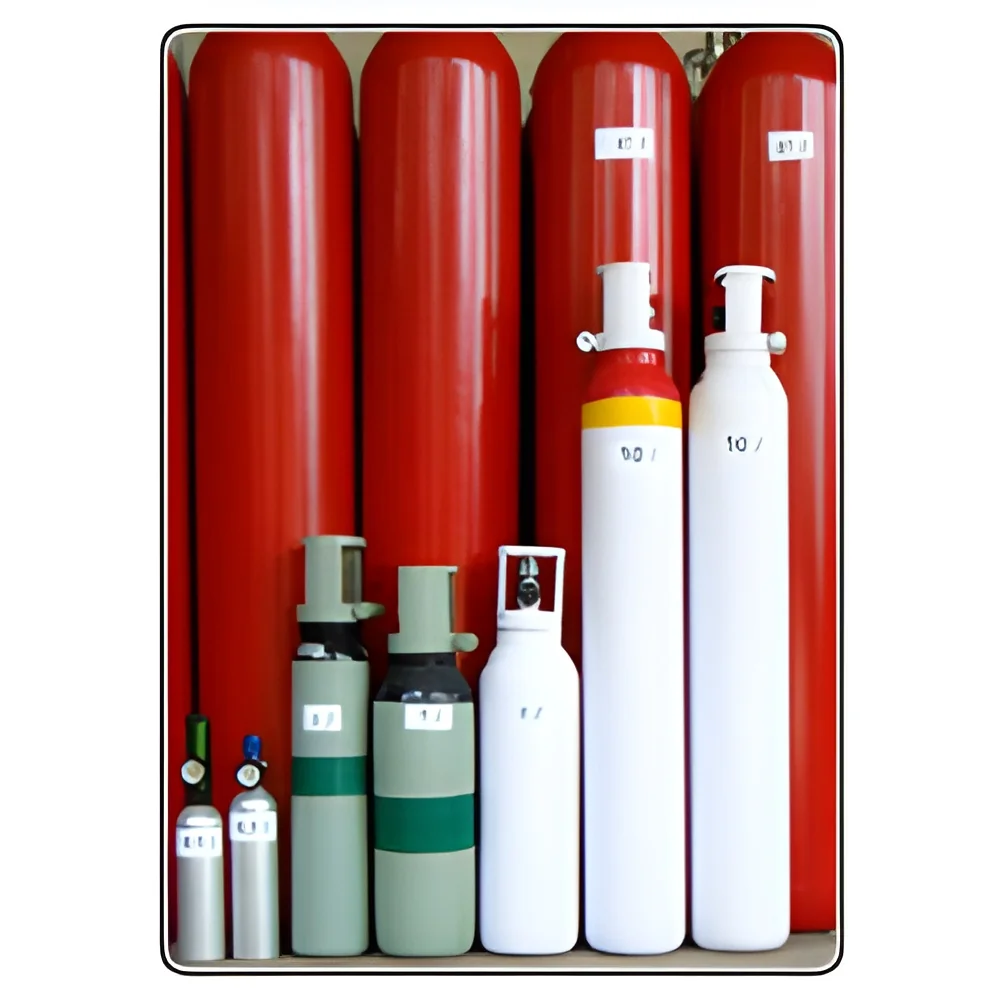
What are Industrial Gas Cylinders?
Industrial gas cylinders are high-pressure containers designed to store and transport gases used in various industrial applications. These cylinders are constructed from durable materials that can withstand the extreme pressures at which gases are stored. Typically, they are equipped with valves for safe handling and dispensing of gases. The gases contained can vary widely, including oxygen, nitrogen, argon, and carbon dioxide, among others.
The primary uses of industrial gas cylinders extend across numerous sectors, including manufacturing, healthcare, and food processing. In manufacturing, they are frequently used for welding, cutting, and other production processes. In the healthcare sector, oxygen cylinders are vital for patient care. The food industry utilizes these cylinders for carbonation and preservation. As industries continue to evolve, the demand for specific gas types and cylinder specifications also grows, reflecting the dynamic nature of the market.
The relevance of industrial gas cylinders in today's economy cannot be overstated. With an increasing focus on efficiency and safety in industrial operations, these cylinders play a crucial role in ensuring that gases are managed effectively. The market context is characterized by a variety of suppliers and manufacturers, each contributing to a competitive landscape that drives innovation and quality improvements.
Key Features and Specifications
Industrial gas cylinders come with several key features and specifications that ensure reliability and safety. Understanding these specifications is essential for making informed purchasing decisions.
Key specifications include:
1. Cylinder Material
- Typically made from steel or aluminum
- Ensures durability and resistance to corrosion
2. Working Pressure
- Common working pressures range from 1500 psi to 3000 psi
- Specific pressures depend on the type of gas and application
3. Capacity
- Available in various sizes, typically ranging from 40 liters to 300 liters
- Size selection is based on usage requirements
4. Valve Type
- Features different valve types, including CGA and DIN
- Ensures compatibility with various gas types and applications
5. Safety Features
- Includes pressure relief devices and protective caps
- Enhances safety during transport and storage
6. Testing and Certification
- Must meet stringent industry standards such as CE certification
- Ensures reliability and safety of the cylinders
7. Weight
- Weights vary based on materials and sizes
- Important for ease of handling and transport
In summary, understanding these specifications helps buyers select the right industrial gas cylinders tailored to their specific needs.
Common Applications and Use Cases
Industrial gas cylinders serve a wide range of applications across different industries.
1. Manufacturing: Used for welding and cutting processes, providing essential gases such as acetylene and oxygen for metal fabrication.
2. Healthcare: Oxygen cylinders are critical in hospitals and clinics for patient care, especially in emergency situations and respiratory therapies.
3. Food and Beverage: Carbon dioxide cylinders are utilized for carbonating beverages, ensuring quality and flavor in soft drinks and beers.
4. Chemical Processing: Various gases are stored in cylinders for use in chemical reactions and processes, facilitating efficient production.
5. Electronics: Gases like nitrogen and argon are used in semiconductor manufacturing, aiding in the production of high-quality electronic components.
6. Construction: Industrial gases are used for cutting and welding in construction projects, ensuring precision and durability.
7. Agriculture: Nitrogen cylinders are utilized for crop preservation and fertilization, enhancing agricultural productivity.
Product Variants and Subcategories
Industrial gas cylinders come in various types to cater to different needs and applications.
Oxygen Cylinders: These cylinders are specifically designed to store and transport oxygen for various applications, including medical use and industrial processes. They typically feature high-pressure capabilities and are essential in healthcare settings.
Acetylene Cylinders: Used primarily in welding and cutting applications, acetylene cylinders provide a fuel gas that burns at high temperatures. These cylinders ensure safety and reliability in metalworking processes.
Argon Cylinders: Commonly used in welding and manufacturing, argon cylinders contain inert gas that prevents oxidation during welding. They are crucial for producing high-quality welded joints.
Nitrogen Cylinders: These cylinders are used in various industries, including food packaging and electronics. They provide an inert atmosphere that extends product shelf life and protects sensitive components.
Helium Cylinders: Used in various applications, such as balloon filling and specialized industrial processes, helium cylinders offer a lightweight and non-flammable gas option.
Benefits and Advantages
Industrial gas cylinders provide numerous benefits that enhance operational efficiency and safety.
1. Versatility: These cylinders can store a wide range of gases, making them suitable for multiple applications across different industries.
2. Safety: Designed with safety features such as pressure relief valves and durable materials, industrial gas cylinders minimize hazards associated with gas storage.
3. Efficiency: The high-pressure storage capabilities allow for efficient transportation and use of gases, reducing the need for frequent refills.
4. Quality Assurance: Many cylinders are manufactured under strict quality standards, ensuring reliability and performance in critical applications.
5. Convenience: Available in various sizes and types, these cylinders can be easily integrated into existing operations, enhancing workflow.
6. Compliance: Industrial gas cylinders often meet industry certifications, ensuring they adhere to safety and quality regulations.
Buying Guide for B2B Buyers
When sourcing industrial gas cylinders, several critical factors should be considered to ensure a successful purchase.
1. Quality Assessment: Evaluate the quality of the cylinders by reviewing manufacturer certifications and compliance with industry standards. Ensure that the cylinders meet safety regulations.
2. Supplier Verification: Vet potential suppliers by checking their reputation, experience, and customer reviews. A reliable supplier will provide consistent quality and support.
3. Pricing and MOQ: Consider the pricing structure and minimum order quantities. Understanding these factors will help you budget effectively.
4. Delivery and Lead Times: Assess the supplier's delivery capabilities and lead times. Timely delivery is crucial for maintaining operational efficiency.
5. Compliance Requirements: Ensure that the cylinders comply with local and international regulations. This includes safety standards and environmental considerations.
Compliance and Certifications
Compliance and certifications play a vital role in the manufacturing and distribution of industrial gas cylinders. Key quality standards, such as ISO 9001, ensure that manufacturers maintain high-quality management systems. These standards guarantee that products are consistently produced and controlled according to quality standards.
Additionally, industry certifications like CE are crucial for demonstrating compliance with European safety regulations. These certifications ensure that the cylinders meet stringent safety requirements before entering the market.
Safety and testing requirements are also essential. Industrial gas cylinders undergo rigorous testing to verify their integrity and performance under pressure. This includes tests for leaks, pressure resistance, and material durability.
Regional compliance considerations are important as well. Different regions may have varying regulations concerning gas storage and transportation. It is essential for manufacturers and suppliers to stay informed and compliant with these regulations to facilitate smooth operations.
Why Source Industrial Gas Cylinders from Pepagora?
Pepagora provides a trusted platform for sourcing industrial gas cylinders, offering several key advantages for buyers.
Verified Supplier Network: Pepagora connects buyers with a network of verified suppliers. This ensures that all suppliers have undergone a thorough vetting process, providing peace of mind regarding quality and reliability.
Streamlined RFQ Process: The platform offers a streamlined Request for Quotation (RFQ) process, allowing buyers to efficiently gather and compare quotes from multiple suppliers. This facilitates informed decision-making and enables buyers to secure the best deals.
Trade Assurance and Support: Pepagora prioritizes buyer protection through trade assurance measures. This support includes assistance with transactions, ensuring that buyers receive the products they ordered in the expected condition.
Regional Coverage: With a strong presence in India, the GCC, and Southeast Asia, Pepagora offers extensive geographic coverage. This allows buyers to source industrial gas cylinders locally, reducing lead times and logistics costs while ensuring compliance with regional regulations.

 IN
IN