Automotive components
Heat exchangers
Radiators and cooling assemblies
HVAC and refrigeration components
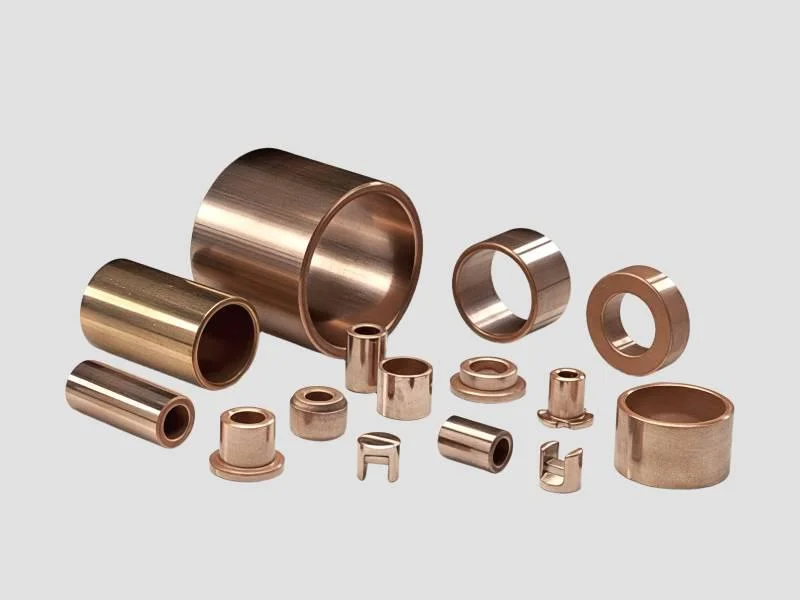
Copper and brass assemblies
Stainless steel components
Electrical components
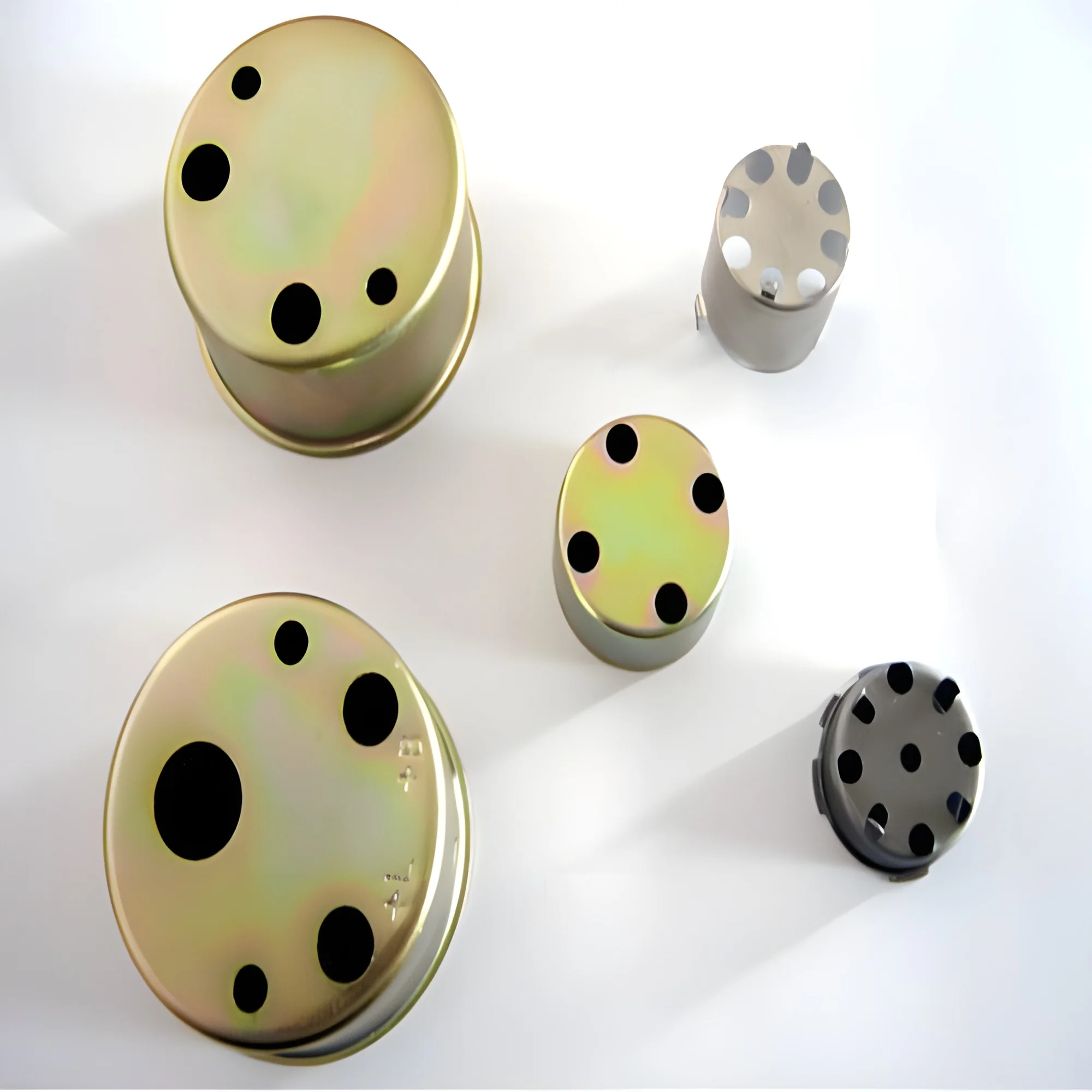
High-volume industrial parts

 IN
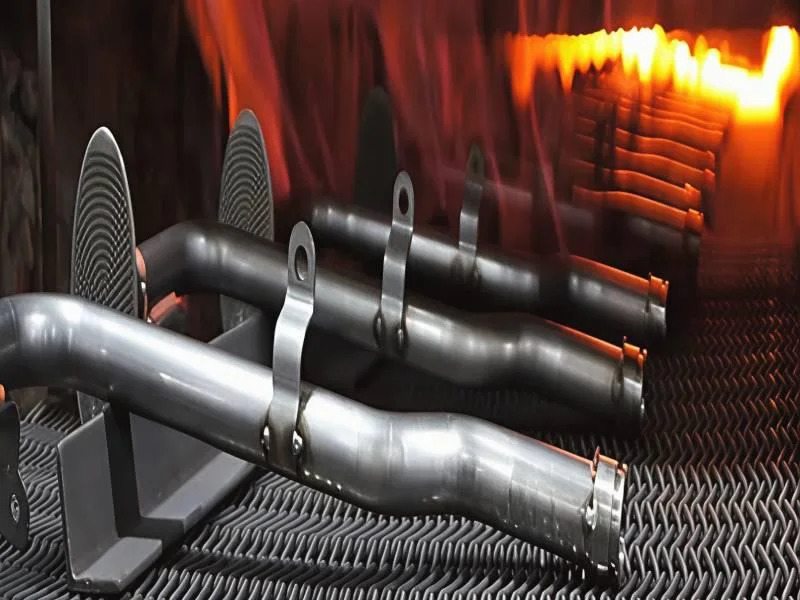
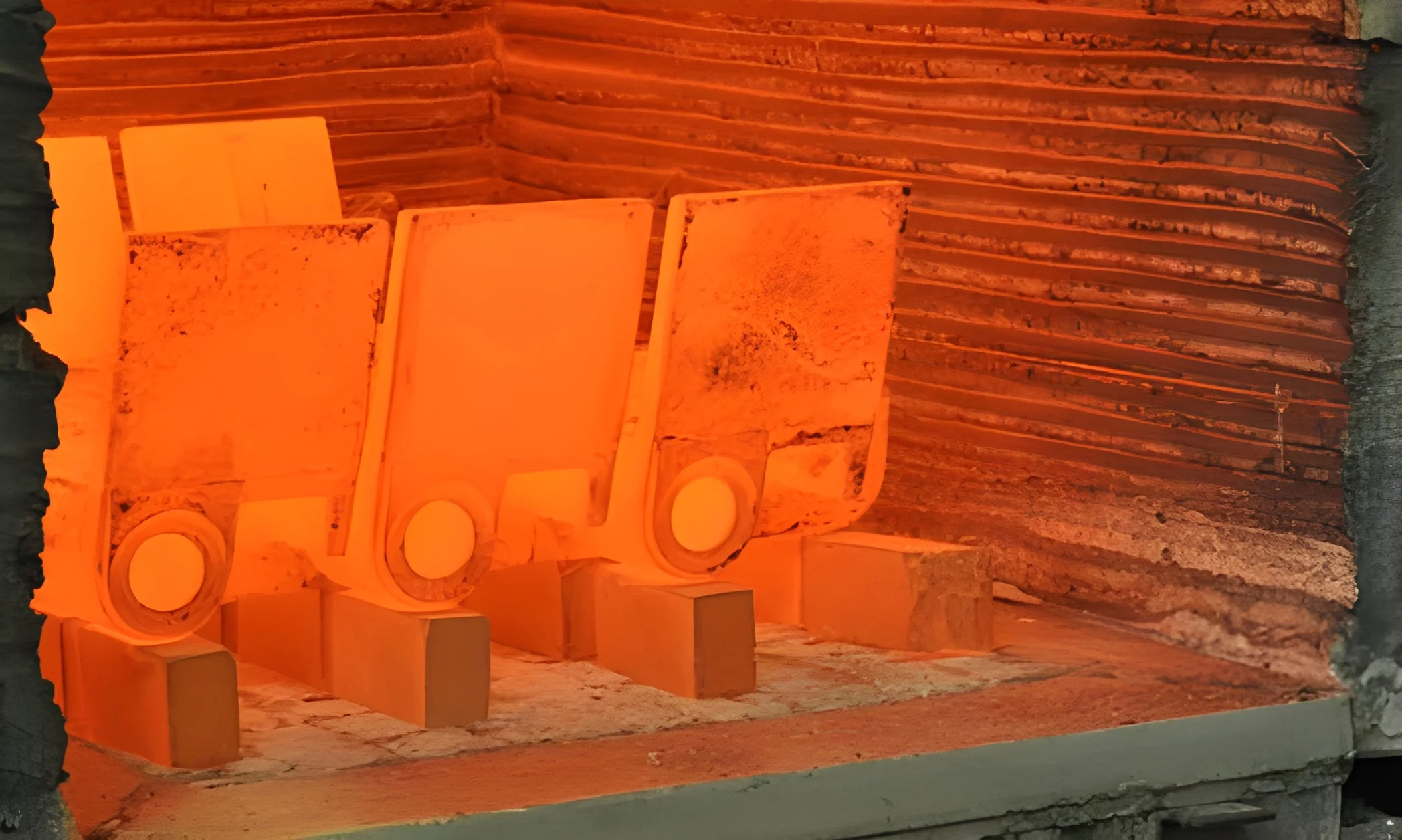
Hydrogen atmosphere brazing represents the pinnacle of metal joining technology, utilizing a controlled hydrogen environment to create superior, oxidation-free bonds between metal components. This advanced process ensures joints achieve exceptional strength up to 500 MPa while maintaining precise dimensional accuracy within ±0.1 mm. The hydrogen atmosphere actively removes oxides from metal surfaces during heating, resulting in perfectly clean joints with outstanding corrosion resistance that meets rigorous ASTM standards. Temperature uniformity maintained within ±5°C throughout the brazing cycle guarantees consistent, repeatable results across high-volume production runs. This method eliminates the need for flux, preventing contamination and reducing post-process cleaning requirements while delivering metallurgically sound connections. Industries ranging from automotive to aerospace rely on hydrogen brazing for critical applications where joint integrity directly impacts product perfo...
Hydrogen atmosphere brazing represents the pinnacle of metal joining technology, utilizing a controlled hydrogen environment to create superior, oxidation-free bonds between metal components. This advanced process ensures joints achieve exceptional strength up to 500 MPa while maintaining precise dimensional accuracy within ±0.1 mm. The hydrogen atmosphere actively removes oxides from metal surfaces during heating, resulting in perfectly clean joints with outstanding corrosion resistance that meets rigorous ASTM standards. Temperature uniformity maintained within ±5°C throughout the brazing cycle guarantees consistent, repeatable results across high-volume production runs. This method eliminates the need for flux, preventing contamination and reducing post-process cleaning requirements while delivering metallurgically sound connections. Industries ranging from automotive to aerospace rely on hydrogen brazing for critical applications where joint integrity directly impacts product performance and safety. Automotive manufacturers utilize this process for radiator assemblies, heat exchangers, and transmission components requiring leak-proof seals and thermal durability. Aerospace appl
| Key Attributes | |
|---|---|
| Joint strength | Up to 500 MPa |
| Temperature Uniformity | ±5°C |
| Atmosphere Control Efficiency | >99% |
| Corrosion Resistance | High (meets ASTM standards) |
| Dimensional Accuracy | ±0.1 mm |
| Additional Information | |
|---|---|
| Country of Origin | India |
Automotive components
Heat exchangers
Radiators and cooling assemblies
HVAC and refrigeration components
Copper and brass assemblies
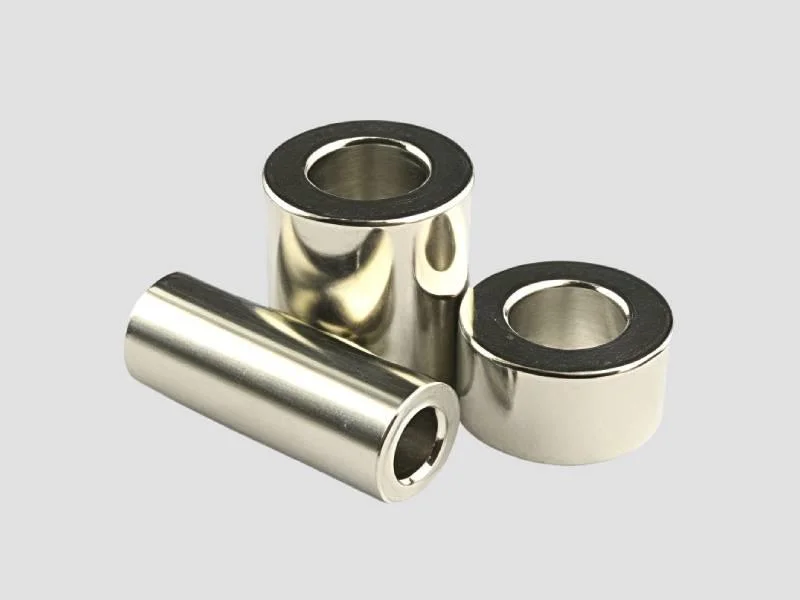
Stainless steel components
Electrical components
High-volume industrial parts
| Available Stock | In Stock |
| Sample Availability | No |
| Payment Terms |
|


 Tamil Nadu, India
It provides high production throughput, consistent processing conditions, repeatable joint quality, and reduced manual handling.
Depending on the materials and filler metal, controlled atmospheres may include nitrogen, hydrogen, argon, or blended gases.
Copper, brass, stainless steel, nickel alloys, and other compatible metals can be processed with suitable filler materials and parameters.
Yes. The controlled atmosphere helps protect components from oxidation, scaling, and surface contamination during heating.
Shipping fee and delivery date to be negotiated. Contact supplier now for more details.
 Tamil Nadu, India