What are Calibration Gases?
Calibration gases are specially formulated gas mixtures used to ensure the accuracy of gas detection and analysis equipment. These gases are essential for calibrating instruments to measure various gas concentrations, including toxic and flammable gases. Calibration gases provide a reference point that allows for precise and reliable measurements, ensuring that instruments operate within specified parameters.
Calibration gases are utilized across diverse industries, including environmental monitoring, healthcare, manufacturing, and safety. They play a critical role in quality control processes, helping organizations maintain compliance with safety regulations and industry standards. By utilizing calibration gases, businesses can ensure their equipment functions correctly, reducing the risk of inaccurate readings that could lead to unsafe situations or regulatory non-compliance.
As industries increasingly prioritize safety and efficiency, the demand for calibration gases continues to grow. This market is shaped by advancements in technology, stricter regulations, and an emphasis on environmental sustainability. Businesses are seeking high-quality calibration gases to support their operational needs, making it vital for suppliers to provide reliable products.
Key Features and Specifications
Calibration gases come with a variety of features and specifications that ensure they meet industry requirements. These specifications dictate the performance, quality, and reliability of the gases used in calibration processes.
Key specifications include:
1. Composition Accuracy
- Ensures the gas mixture is within a specified tolerance level.
- Typically expressed as a percentage of the target gas.
2. Shelf Life
- Refers to the duration the gas remains stable and usable.
- Common shelf life ranges from 6 months to several years, depending on the gas type.
3. Container Material
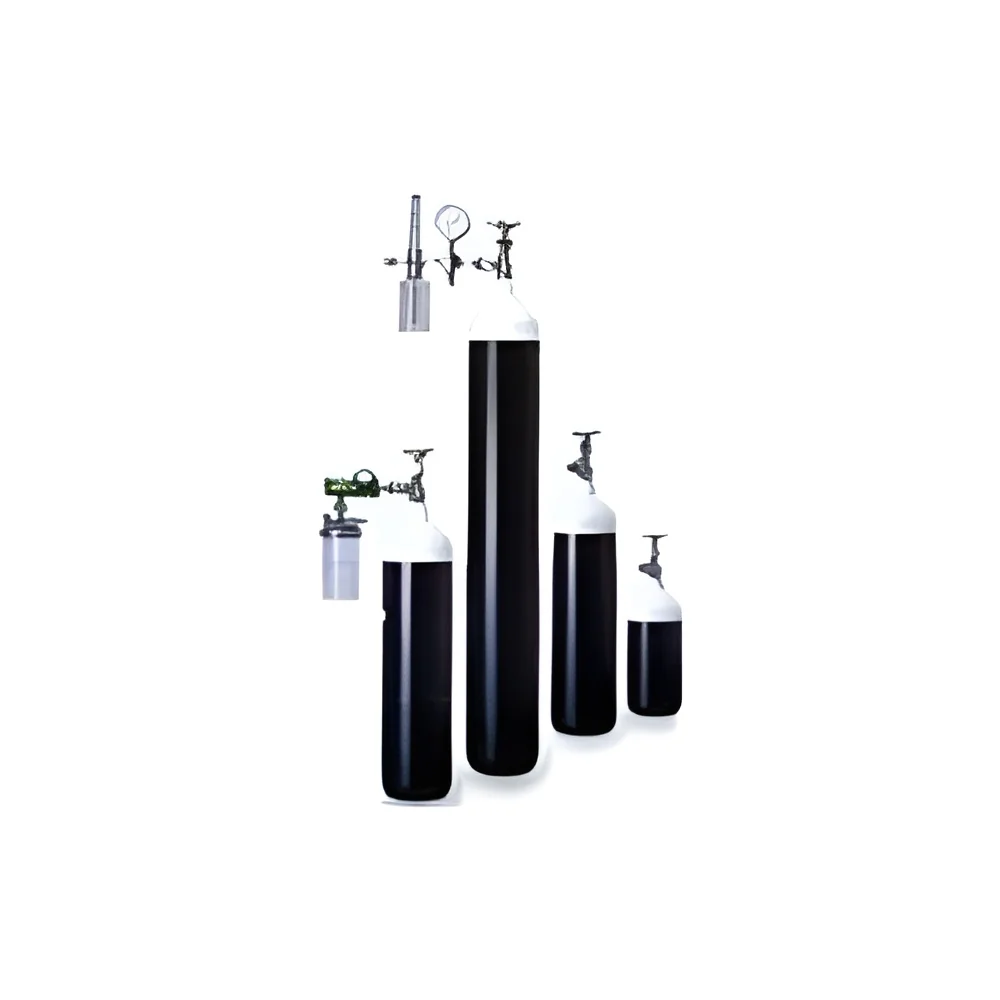
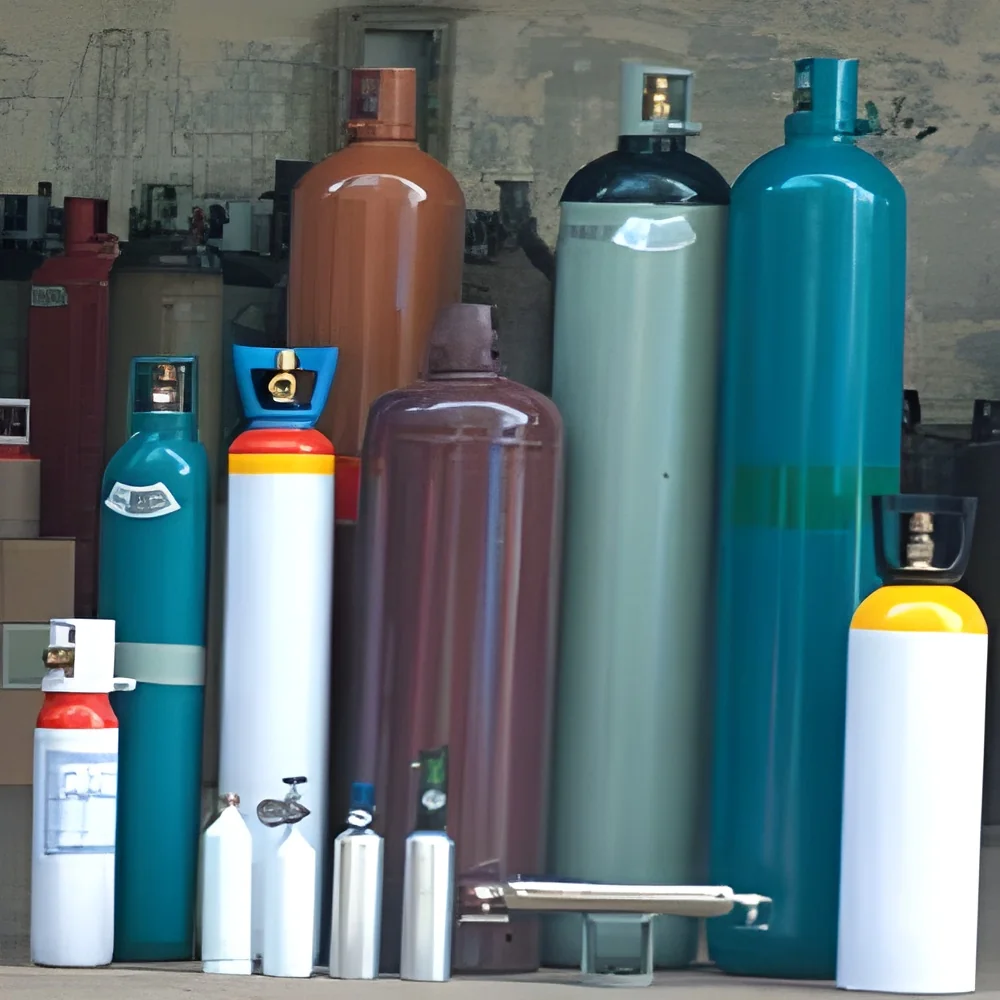
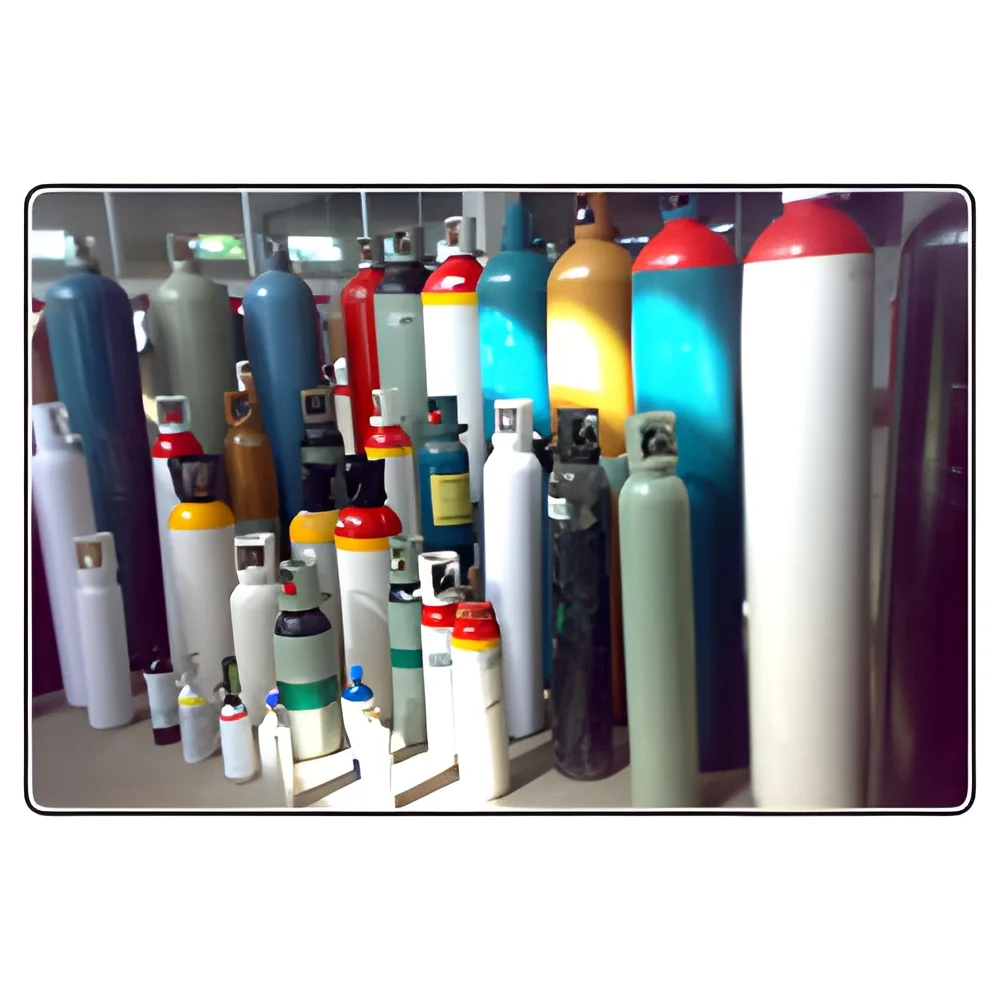
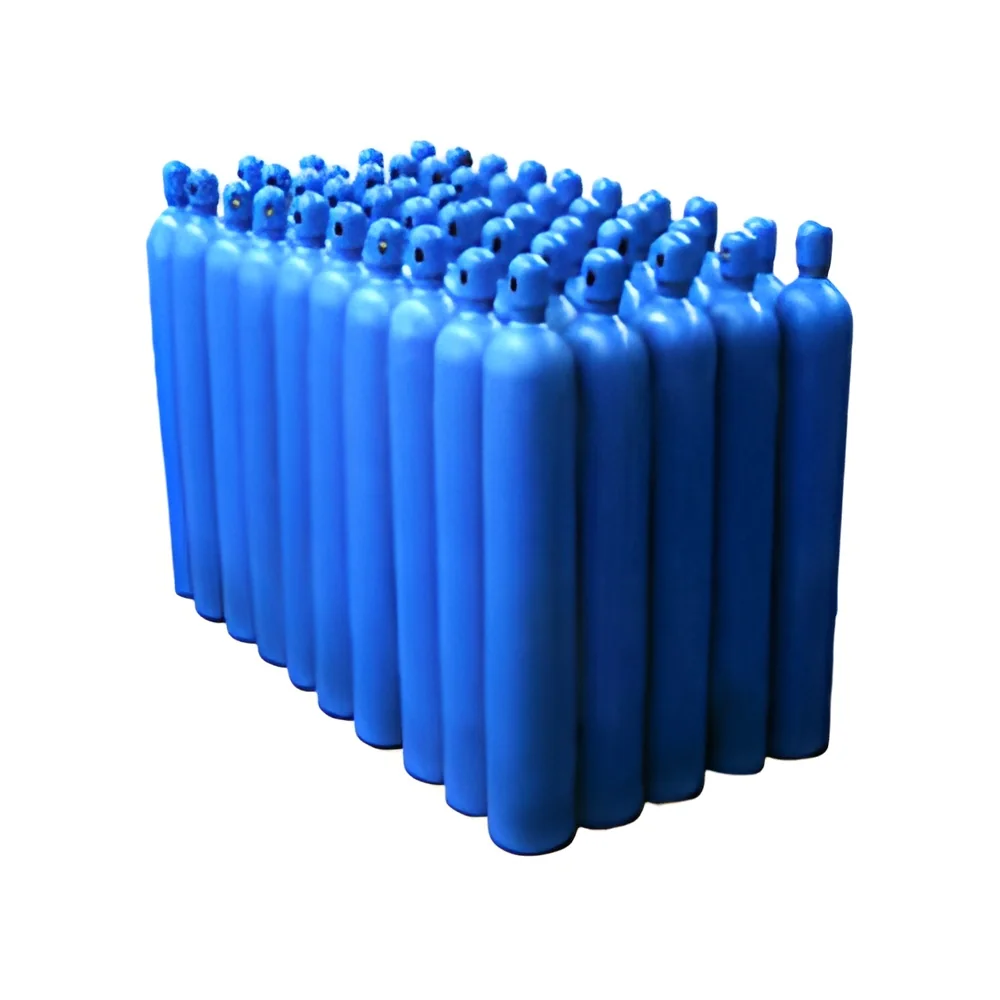
- The type of cylinder used to store the gas.
- Common materials include aluminum or steel, which ensure durability.
4. Pressure Rating
- Indicates the maximum pressure the gas container can withstand.
- Typical ratings range from 150 to 3000 psi.
5. Calibration Range
- The range of concentrations available for calibration.
- Often expressed in parts per million (ppm) or percentage volume.
6. Certification
- Indicates compliance with industry standards.
- Common certifications include CE marking.
7. Purity Level
- Specifies the level of impurities allowed in the gas mixture.
- High-purity gases are crucial for sensitive applications.
8. Gas Mixture Type
- Describes whether the gas is a single component or a multi-component mixture.
- Multi-component mixtures can be tailored for specific calibration needs.
In summary, understanding the key features and specifications of calibration gases helps businesses select the appropriate products for their specific applications.
Common Applications and Use Cases
Calibration gases are integral to numerous industries and applications.
1. Environmental Monitoring: Calibration gases are used to ensure the accuracy of air quality monitoring equipment. They help assess levels of pollutants and ensure compliance with environmental regulations.
2. Healthcare: In medical settings, calibration gases are vital for calibrating respiratory devices and gas analyzers. This ensures effective patient care and accurate monitoring of gases like oxygen and carbon dioxide.
3. Manufacturing: Calibration gases are employed in manufacturing processes that require precise gas measurements. They are essential for quality control in industries such as automotive and electronics.
4. Oil and Gas: In the oil and gas sector, calibration gases are used to calibrate detection systems for hazardous gases. This ensures safety in operations and compliance with safety standards.
5. Food and Beverage: Calibration gases are utilized in food processing to monitor gas concentrations in packaging and storage. This helps maintain product quality and safety.
6. Laboratory Research: In laboratories, calibration gases are essential for instrument calibration in various scientific experiments. They help ensure accurate data collection and analysis.
7. Safety and Hazard Detection: Calibration gases are used to maintain the reliability of safety equipment that detects hazardous gases. This is critical for protecting workers in dangerous environments.
Product Variants and Subcategories
Calibration gases come in various types to cater to different industry needs. Each variant serves specific applications and requirements.
Single Component Gases: These are pure gases used for straightforward calibration processes. They are ideal for applications requiring high accuracy with a known gas.
Multi-Component Gases: These mixtures contain multiple gases, allowing for calibration across different gas types. They are suitable for comprehensive calibration needs in complex environments.
Custom Gas Mixtures: Some suppliers offer custom calibration gases tailored to specific customer requirements. These mixtures can be customized based on concentration levels and gas types.
Portable Calibration Gas Kits: These kits include multiple calibration gases and equipment for on-the-go calibration. They are ideal for field applications where portability is essential.
Benefits and Advantages
Sourcing calibration gases provides several benefits for businesses.
1. Enhanced Accuracy: Calibration gases ensure that measurement instruments operate accurately, leading to reliable readings and data.
2. Regulatory Compliance: Using calibration gases helps organizations meet industry regulations and standards, minimizing legal risks.
3. Improved Safety: Accurate gas detection reduces the risk of hazardous situations, enhancing workplace safety for employees.
4. Quality Assurance: Calibration gases contribute to quality control processes, ensuring products meet desired specifications.
5. Cost Efficiency: Regular calibration with appropriate gases can prevent costly errors and equipment failures, saving businesses money in the long run.
6. Custom Solutions: Many suppliers offer tailored gas mixtures, allowing businesses to meet specific calibration needs easily.
Buying Guide for B2B Buyers
When sourcing calibration gases, it is essential to consider several factors to ensure quality and reliability.
1. Quality Assessment: Evaluate the quality of gases by reviewing supplier certifications and compliance with industry standards. Look for documents that verify the accuracy and stability of the gas mixtures.
2. Supplier Verification: Vet suppliers by checking their reputation, customer reviews, and history in the industry. Reliable suppliers should have a proven track record of providing high-quality products.
3. Pricing and MOQ: Understand the pricing structure and minimum order quantities (MOQ) from suppliers. Consider the total cost of ownership, including shipping and handling fees.
4. Delivery and Lead Times: Assess the lead times for delivery and ensure they align with your project timelines. Timely delivery is essential to avoid disruptions in operations.
5. Compliance Requirements: Ensure that the calibration gases meet local and international compliance regulations. Familiarize yourself with relevant standards to avoid legal issues.
Compliance and Certifications
Compliance with industry standards and certifications is critical for calibration gases. Many calibration gases adhere to relevant quality standards, such as ISO 9001, which ensures a consistent quality management system. This standard helps manufacturers maintain high levels of quality and reliability in their calibration gases.
Certifications such as CE marking indicate that calibration gases meet European safety standards. This certification is crucial for businesses operating in regions that require compliance with strict regulations.
Safety and testing requirements are also essential. Calibration gases must be tested for purity and stability to ensure they perform as expected in various applications. Regular testing ensures that gases remain within specified parameters, maintaining their effectiveness for calibration purposes.
Additionally, regional compliance considerations should be taken into account. Different regions may have specific regulations regarding gas mixtures, packaging, and labeling. Understanding these requirements is vital for businesses to remain compliant and ensure safe use of calibration gases.
Why Source Calibration Gases from Pepagora?
Pepagora stands out as a trusted platform for sourcing calibration gases, offering several key advantages to businesses.
Verified Supplier Network: Pepagora has established a network of verified suppliers, ensuring that buyers receive high-quality calibration gases from reputable sources. This reduces the risk of subpar products and enhances trust in the procurement process.
Streamlined RFQ Process: The platform features a user-friendly request for quotation (RFQ) system, allowing buyers to easily compare prices and specifications from multiple suppliers. This efficiency helps businesses make informed purchasing decisions.
Trade Assurance and Support: Pepagora provides trade assurance, protecting buyers throughout the sourcing process. This includes support for any issues that may arise, ensuring a smooth transaction from order to delivery.
Regional Coverage: With a broad geographic reach, Pepagora caters to businesses in India, the Gulf Cooperation Council (GCC) countries, and Southeast Asia. This regional coverage ensures that buyers can access calibration gases tailored to their specific market needs.

 IN
IN