What are Shielding Gases for Welding?
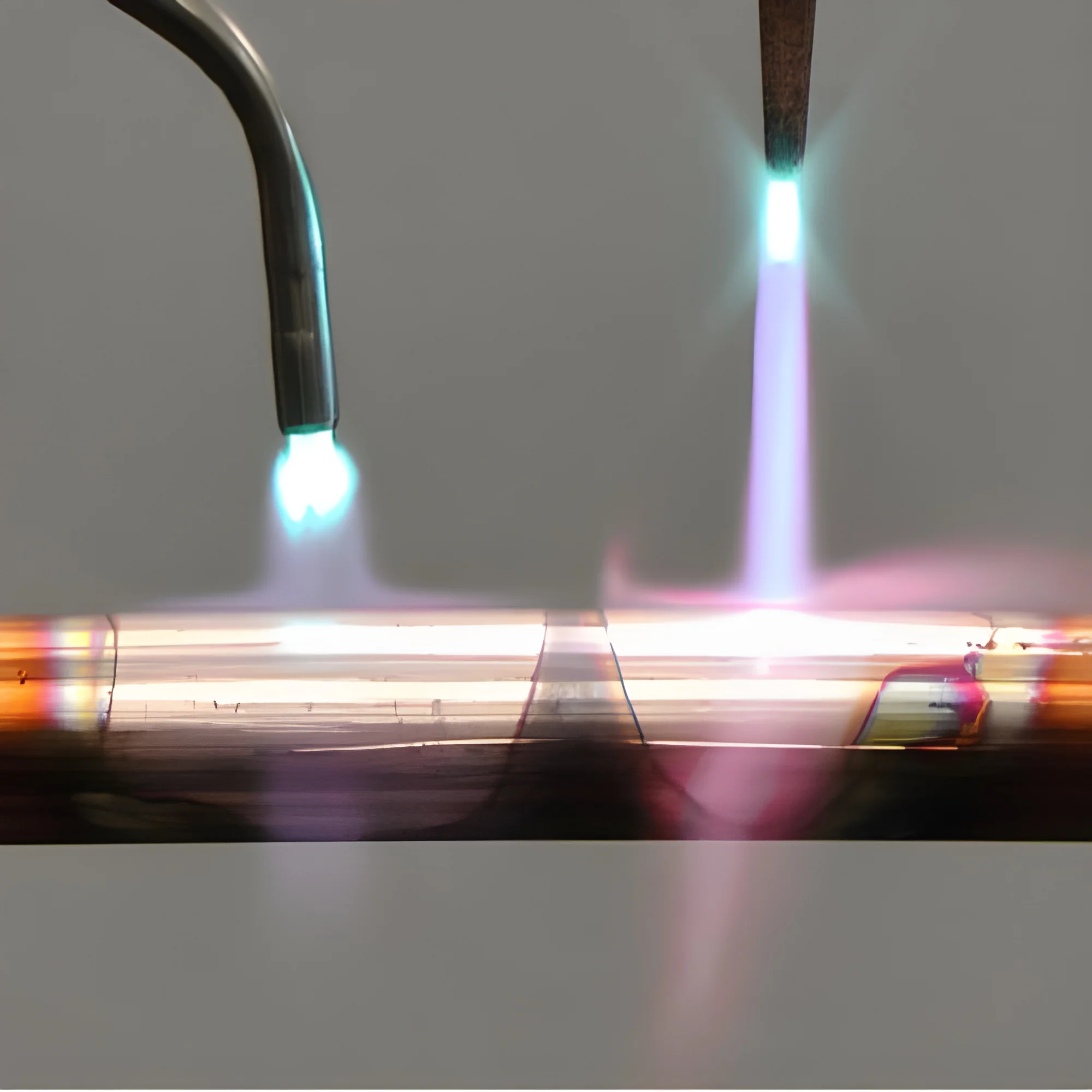
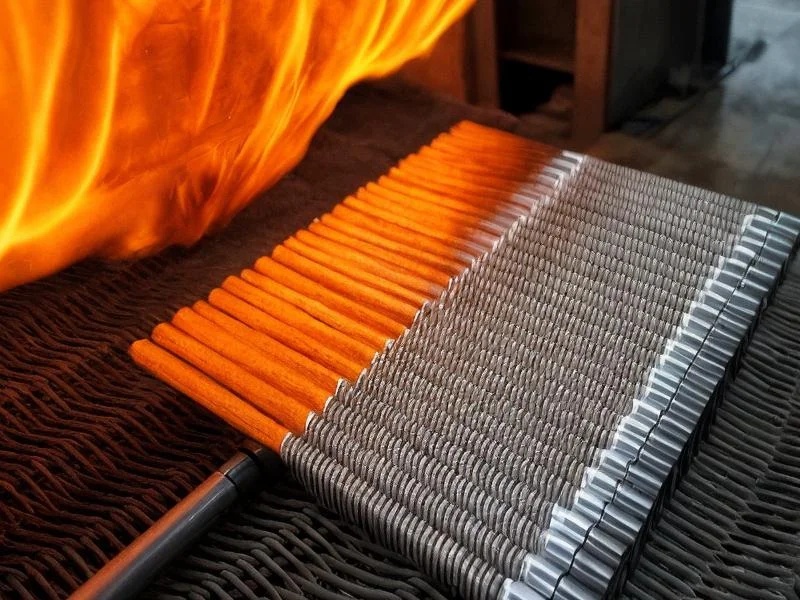
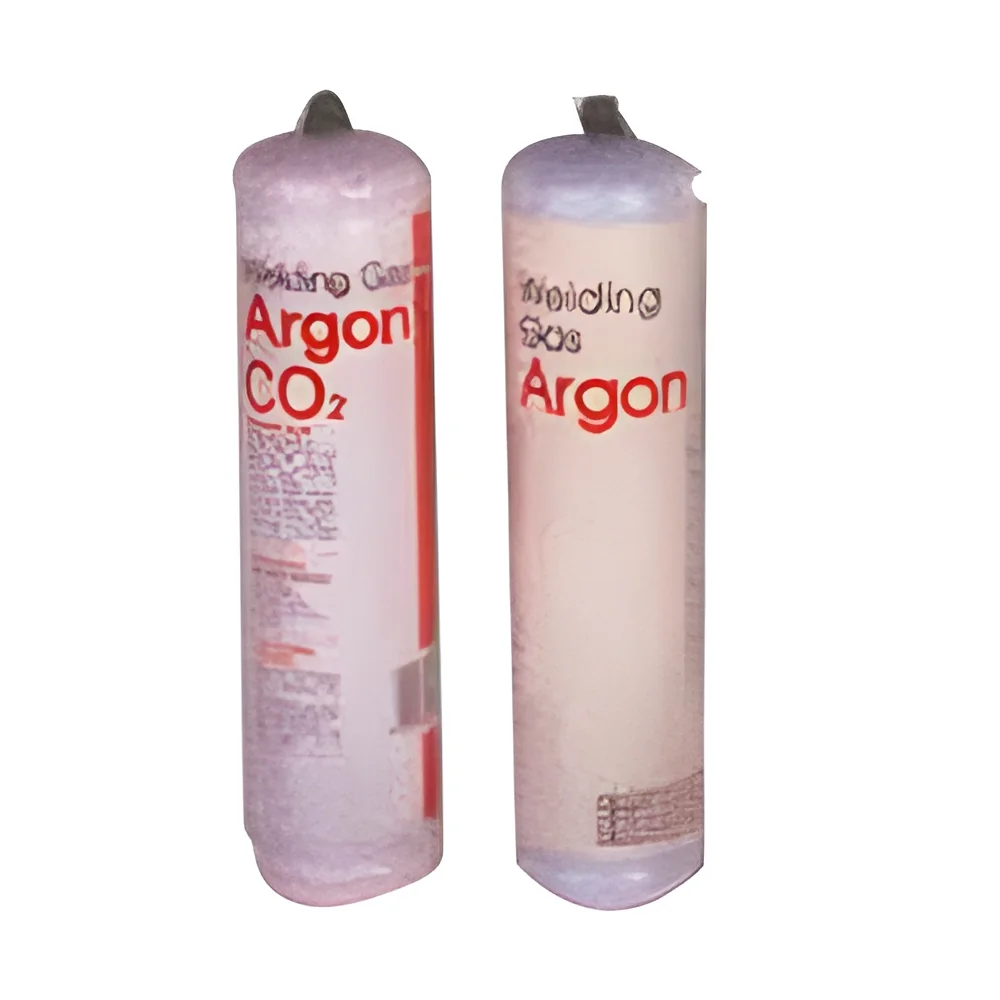
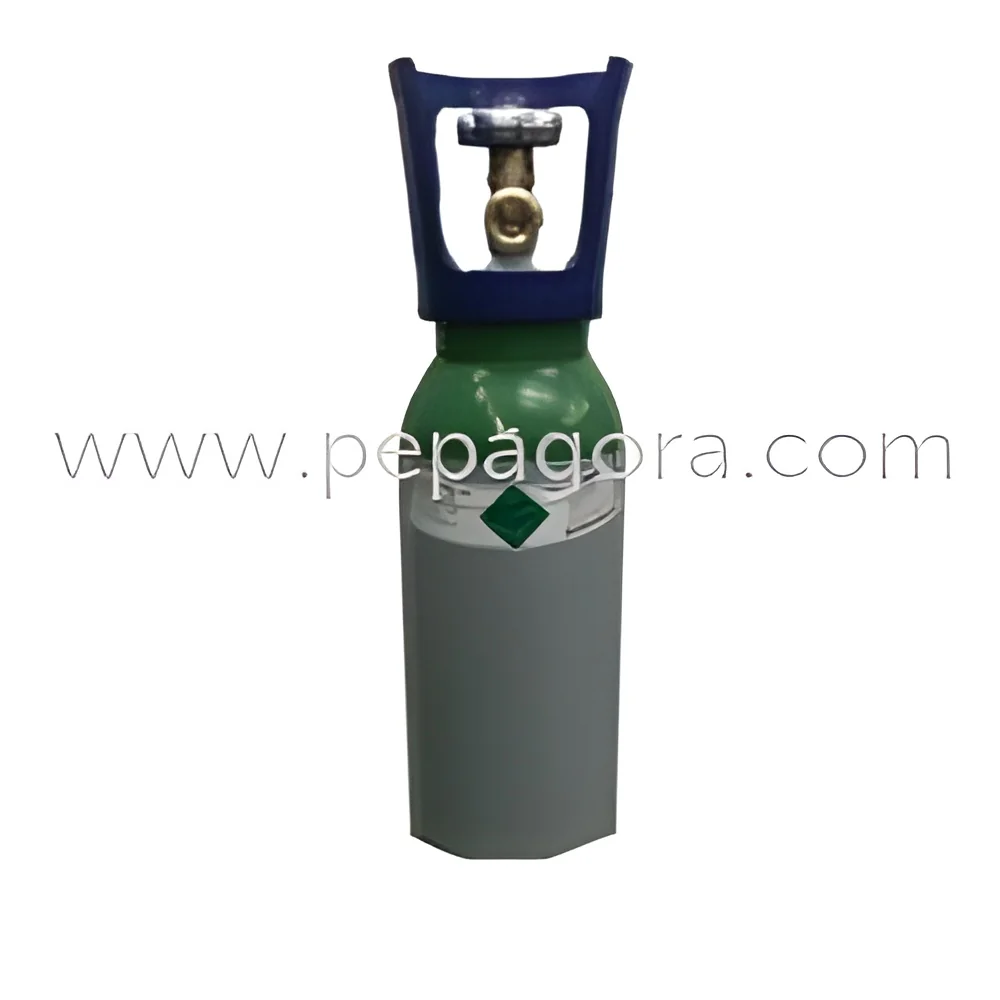
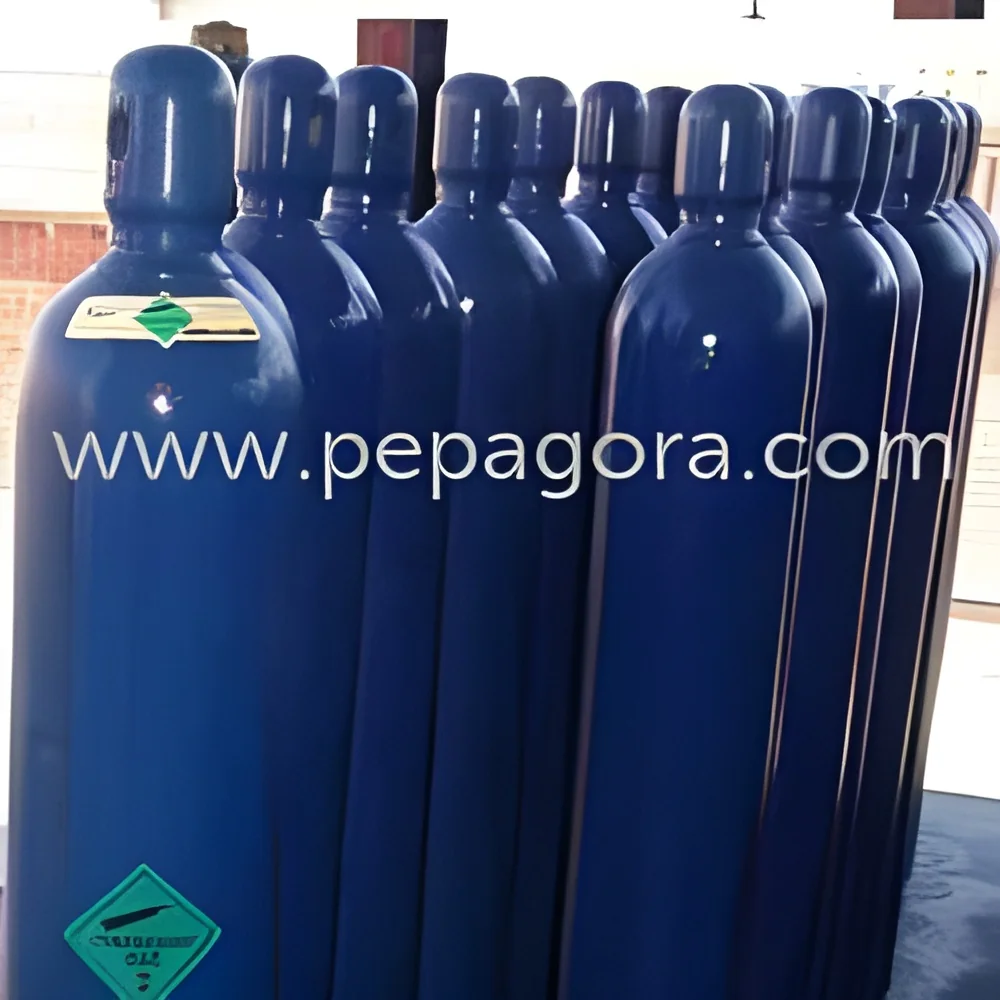
Shielding gases for welding are inert or semi-inert gases that protect the weld area from atmospheric contamination during the welding process. These gases play a crucial role in ensuring the quality and integrity of the weld by preventing oxidation and other chemical reactions that can compromise the joint. The most commonly used shielding gases include argon, carbon dioxide, and helium, each offering unique properties that enhance various welding techniques.
These gases are predominantly used in various welding applications, including MIG (Metal Inert Gas) and TIG (Tungsten Inert Gas) welding. Industries such as automotive, aerospace, construction, and manufacturing utilize these gases to achieve high-quality welds in metals like steel, aluminum, and stainless steel. With the growing demand for precision and durability in welded products, the significance of using appropriate shielding gases has become more pronounced in the market.
The relevance of shielding gases is highlighted by the continuous advancements in welding technology and the increasing complexity of welding tasks. As industries evolve and require more sophisticated welding processes, the demand for tailored shielding gases rises. This market trend reflects the importance of selecting the right shielding gas to meet specific welding requirements effectively.
Key Features and Specifications
Shielding gases for welding possess several key features that enhance their effectiveness and usability. Understanding these specifications is essential for selecting the right gas for your welding needs.
Key specifications include:
1. Type of Gas
- Argon: Provides excellent stability and is ideal for TIG welding.
- Carbon Dioxide: Offers good penetration and is commonly used in MIG welding.
2. Purity Level
- High purity is essential to avoid contamination.
- Purity levels typically range from 99.99% for argon and 99.5% for carbon dioxide.
3. Flow Rate
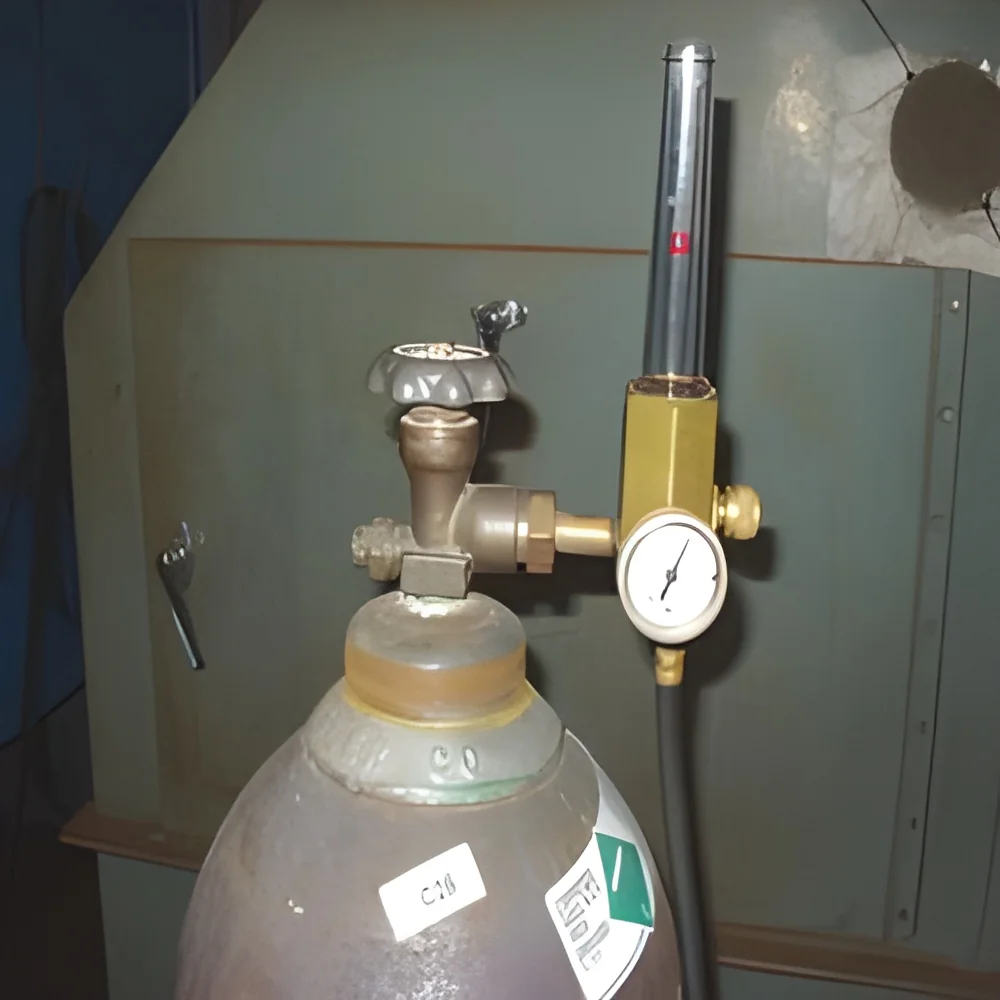
- Measured in liters per minute (LPM), the flow rate impacts shielding effectiveness.
- Standard flow rates range from 10 to 25 LPM depending on the welding type.
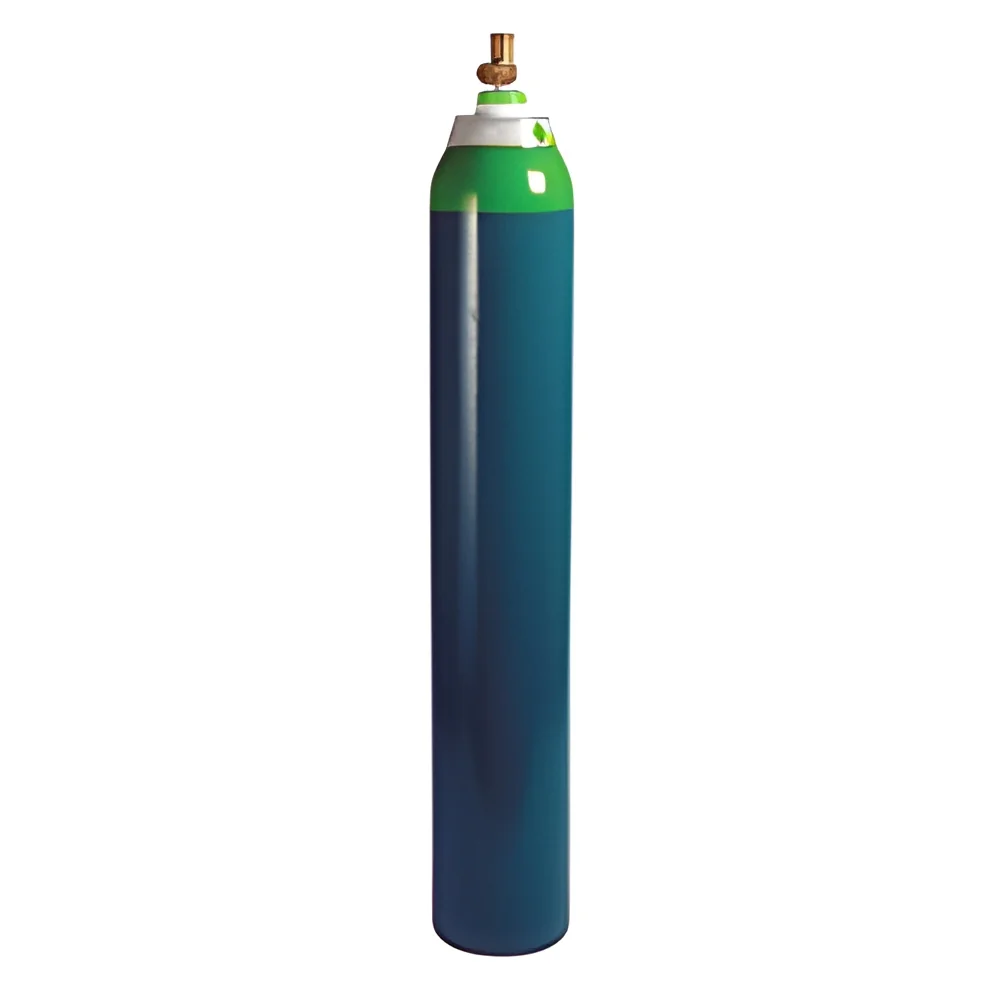
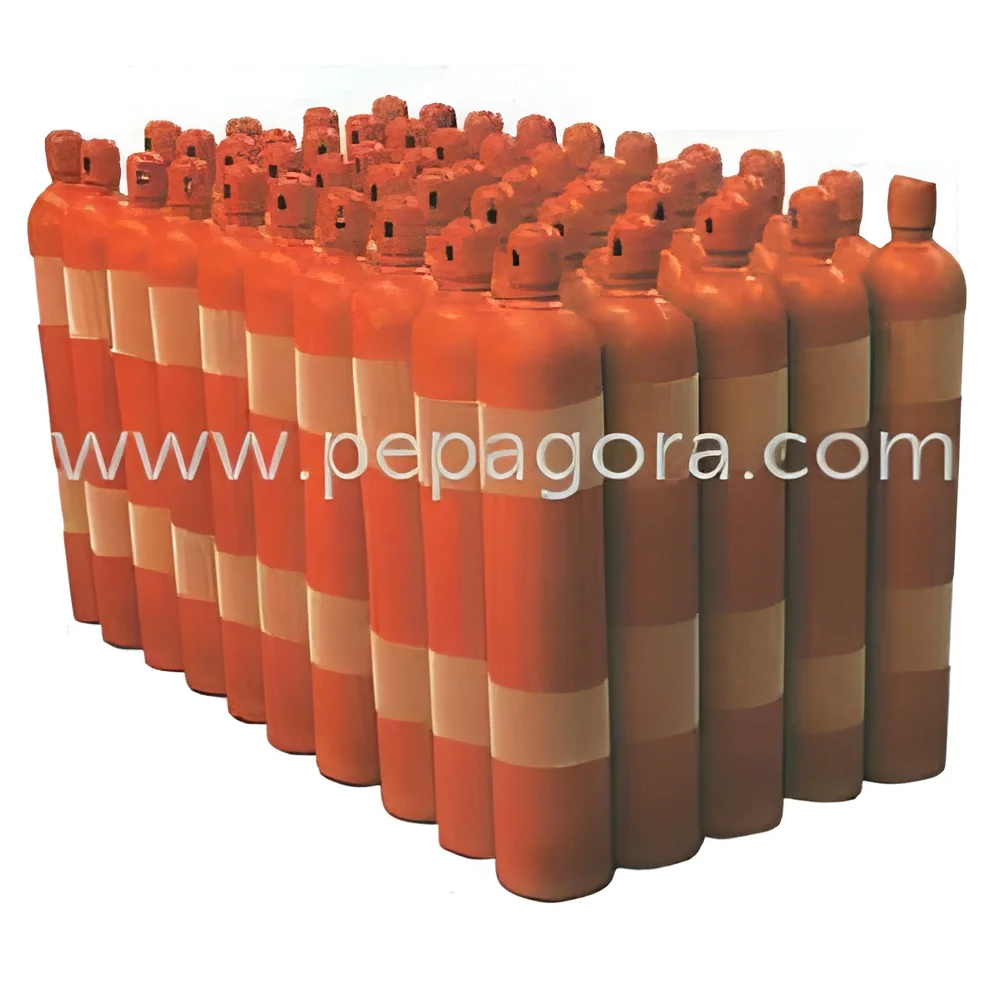
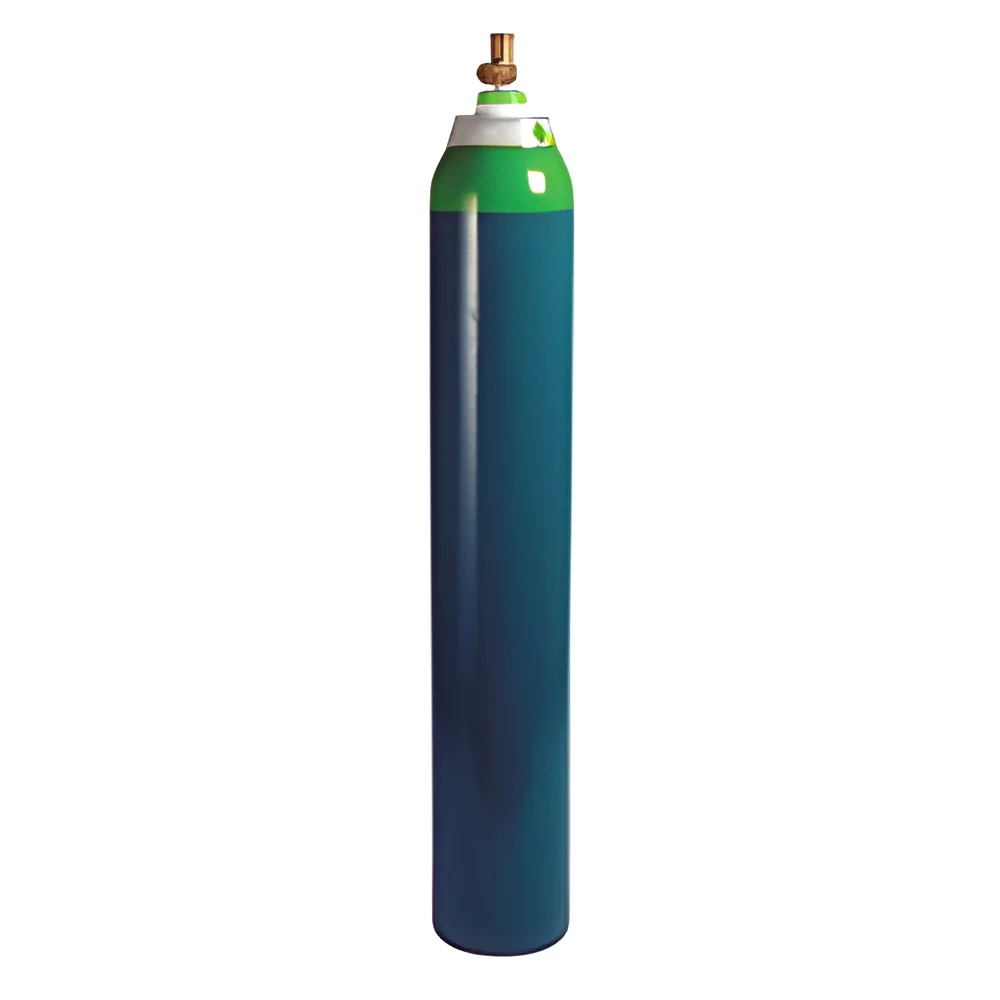
4. Cylinder Size
- Available in different sizes to accommodate various welding applications.
- Common sizes include 40 cubic feet and 80 cubic feet cylinders.
5. Pressure Ratings
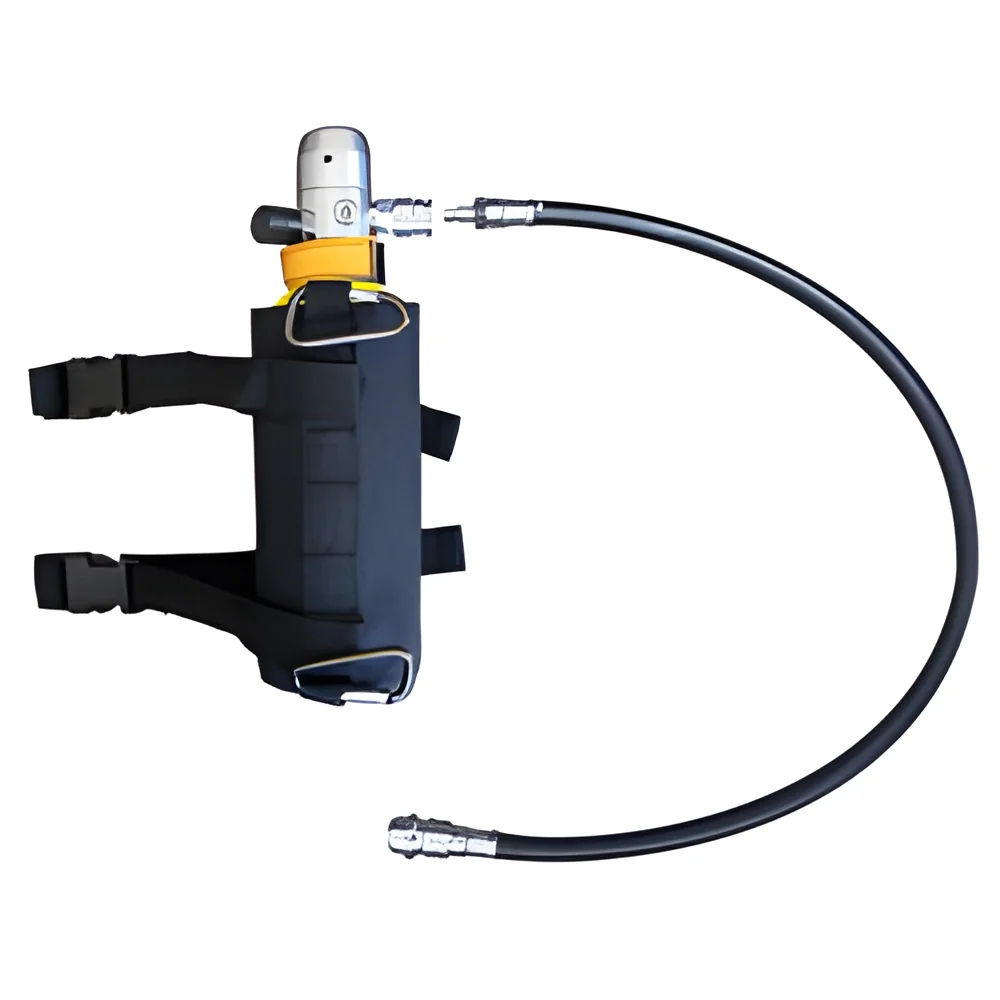
- Gases are supplied at high pressure, affecting the delivery system.
- Typical pressure ratings range from 2000 to 3000 psi.
6. Moisture Content
- Important for preventing weld defects.
- Specifications typically require low moisture content to ensure quality.
7. Gas Mixtures
- Various mixtures are available to optimize welding performance.
- Common mixtures include argon with 5% CO2 or 25% CO2.
8. Compliance Standards
- Adherence to industry standards such as CE certification ensures safety and quality.
- Compliance with ISO standards may also be relevant depending on the application.
In summary, selecting the right shielding gas involves understanding its features and specifications. This knowledge helps ensure optimal welding performance and quality in various applications.
Common Applications and Use Cases
Shielding gases for welding are employed across numerous industries, reflecting their versatility and importance in the welding process.
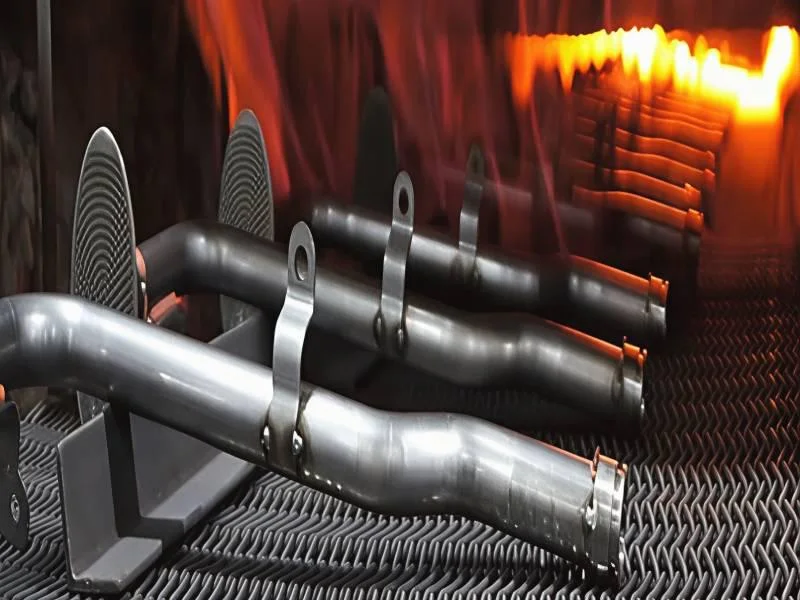
1. Automotive: Shielding gases are crucial in automotive manufacturing for welding components like frames and exhaust systems.
2. Aerospace: In this industry, the use of argon and helium gases ensures high-quality welds for critical structural components in aircraft.
3. Construction: Shielding gases are used in welding steel beams and other structural elements to provide strength and durability.
4. Shipbuilding: Welding processes in shipbuilding benefit from effective shielding to prevent corrosion and enhance longevity.
5. Oil and Gas: Shielding gases play a vital role in welding pipelines and equipment that must withstand high pressure and harsh environments.
6. Heavy Equipment Manufacturing: The fabrication of heavy machinery relies on shielding gases to achieve strong and reliable welds.
7. Fabrication Shops: Various metal fabrication processes utilize shielding gases to ensure clean and consistent welds across different materials.
Product Variants and Subcategories
Shielding gases for welding come in various forms tailored to meet specific requirements. Understanding these variants can enhance the selection process.
Argon Gas
Argon gas is ideal for TIG welding due to its inert nature, providing excellent arc stability and minimal contamination. It is widely used in industries requiring high precision.
Carbon Dioxide Gas
Carbon dioxide is often used in MIG welding for its ability to provide deeper penetration. It is cost-effective and suitable for welding thicker materials in construction and manufacturing.
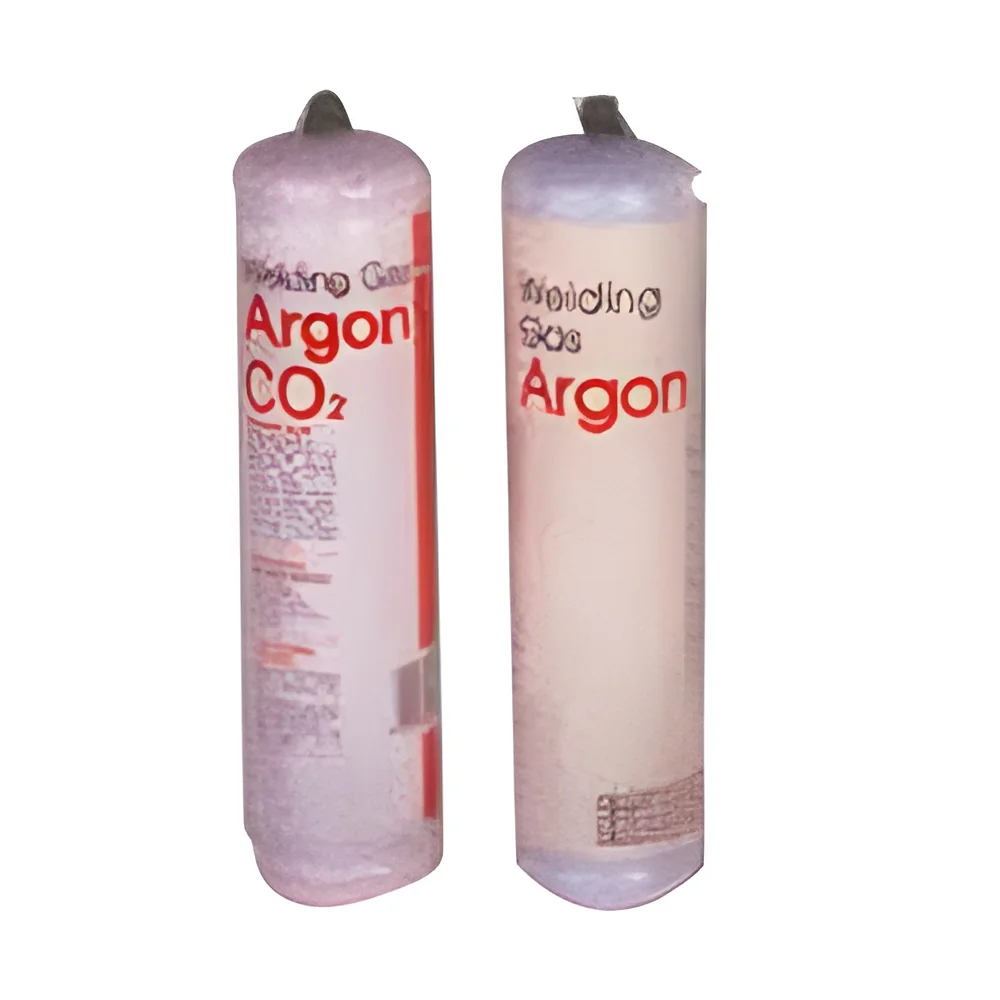
Argon-CO2 Mixtures
Mixtures of argon and carbon dioxide are popular for MIG welding, offering a balance of penetration and stability. They are commonly used in automotive and fabrication industries.
Helium Gas
Helium is used in TIG welding for non-ferrous metals, providing higher heat and faster travel speeds. It is particularly effective in aerospace applications where precision is critical.
Benefits and Advantages
Shielding gases for welding offer several benefits that enhance the welding process and final product quality.
1. Improved Weld Quality: The use of shielding gases prevents oxidation and contamination, resulting in cleaner, stronger welds.
2. Enhanced Arc Stability: Inert gases like argon create a stable arc, making the welding process smoother and more controlled.
3. Versatility: Different gases can be tailored to specific materials and welding techniques, providing flexibility across various applications.
4. Increased Productivity: The right shielding gas can speed up the welding process, reducing overall project time.
5. Reduced Post-Weld Cleanup: Cleaner welds mean less time spent on grinding and finishing, leading to cost savings.
6. Better Appearance: Welds made with appropriate shielding gases often have a more aesthetically pleasing finish.
Buying Guide for B2B Buyers
When sourcing shielding gases for welding, several factors must be considered to ensure the best choice for your business needs.
1. Quality Assessment: Ensure the gases meet purity and performance standards to avoid defects in weld quality. Look for suppliers who provide certification for their products.
2. Supplier Verification: Vet suppliers by checking their reputation, certifications, and customer reviews. A reliable supplier ensures consistent quality and supply.
3. Pricing and MOQ: Understand the cost per unit and any minimum order quantities (MOQ) required. This will help in budgeting and inventory management.
4. Delivery and Lead Times: Confirm supplier lead times for delivery to ensure timely availability of gases for ongoing projects. Consider logistics and potential delays.
5. Compliance Requirements: Be aware of local and international regulations regarding the use and transportation of shielding gases. Ensure that suppliers comply with these standards.
Compliance and Certifications
Compliance with relevant quality standards is crucial for shielding gases in welding. Common standards include ISO 9001, which ensures consistent quality management systems, and CE certification, indicating conformity with health, safety, and environmental protection standards.
Industry certifications often validate the safety and performance of shielding gases. Adherence to these certifications ensures that the gases are suitable for various applications and comply with regulatory requirements.
Safety and testing requirements should be strictly followed to minimize risks during handling and usage. Regular testing of gas purity and performance helps maintain high standards.
Regional compliance considerations may vary, so it is essential to be aware of specific regulations in different geographic areas, including India and other regions where welding activities are prevalent.
Why Source Shielding Gases for Welding from Pepagora?
Pepagora provides a trusted platform for sourcing shielding gases for welding, offering several key advantages to B2B buyers.
Verified Supplier Network: Pepagora has established a robust network of verified suppliers, ensuring that buyers can access high-quality products with confidence. Each supplier is vetted for reliability and performance.
Streamlined RFQ Process: The platform features a streamlined request for quotation (RFQ) process, making it easy for buyers to obtain competitive pricing and terms from multiple suppliers quickly.
Trade Assurance and Support: Pepagora offers trade assurance and support, providing buyers with protection and assistance throughout the purchasing process. This ensures a smooth transaction and peace of mind.
Regional Coverage: With a broad geographic reach across India, the GCC, and Southeast Asia, Pepagora connects buyers with local and regional suppliers, facilitating timely deliveries and better service.
Choosing Pepagora for sourcing shielding gases for welding means leveraging a comprehensive marketplace designed for efficiency, quality, and buyer protection.

 IN
IN