Key Features and Specifications
LPG possesses several key features that make it suitable for a variety of applications. Understanding these features is essential for businesses looking to leverage LPG in their operations.
Key specifications include:
1. Composition
- LPG typically consists of 60-70% propane and 30-40% butane.
- The specific ratio can vary based on application and regional availability.
2. Energy Content
- LPG has a high calorific value, typically ranging from 91,600 to 96,000 BTU per gallon.
- This high energy density makes it efficient for heating and fuel applications.
3. Storage Conditions
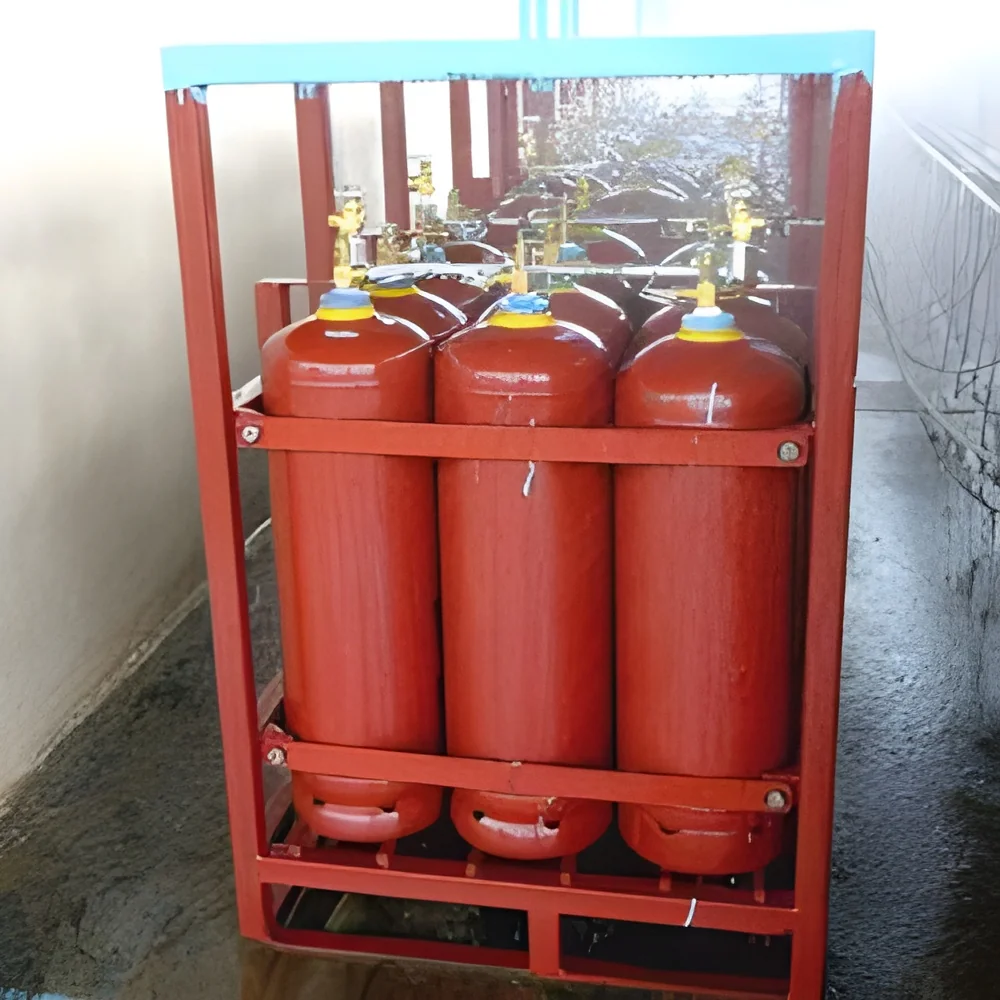
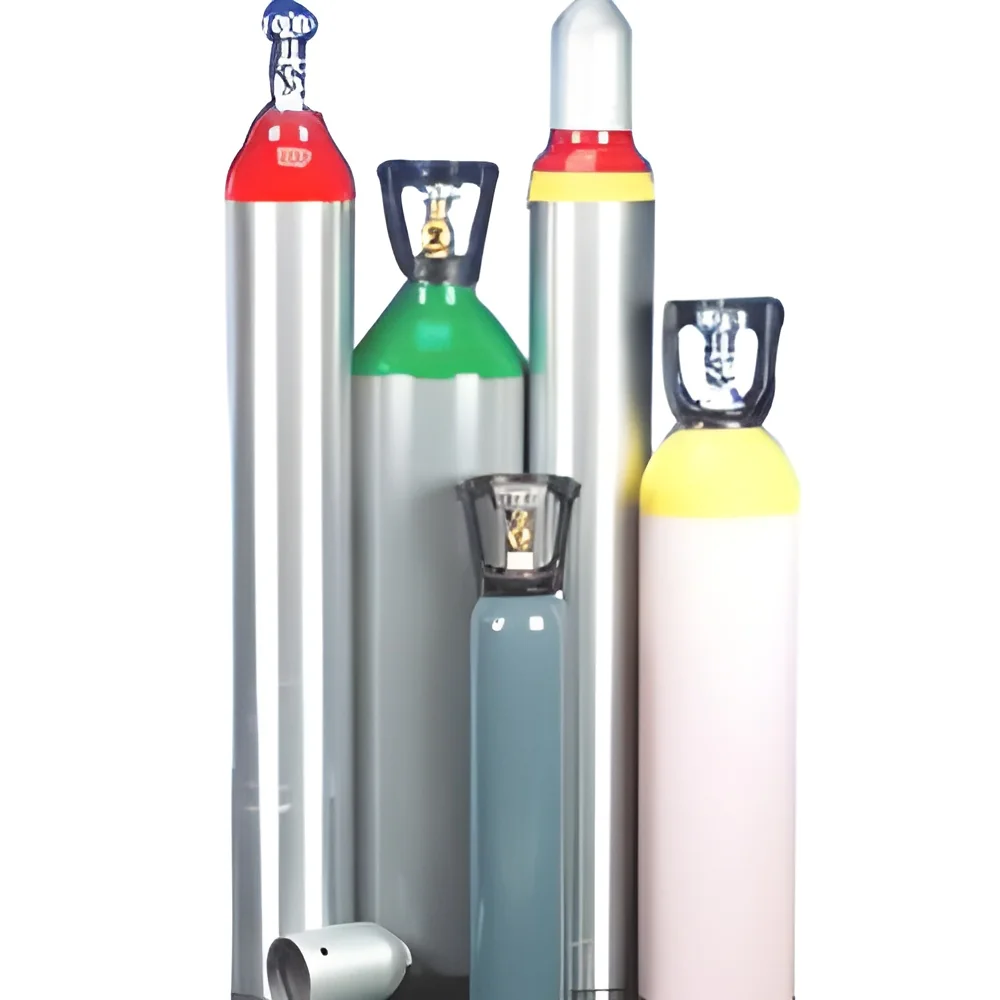
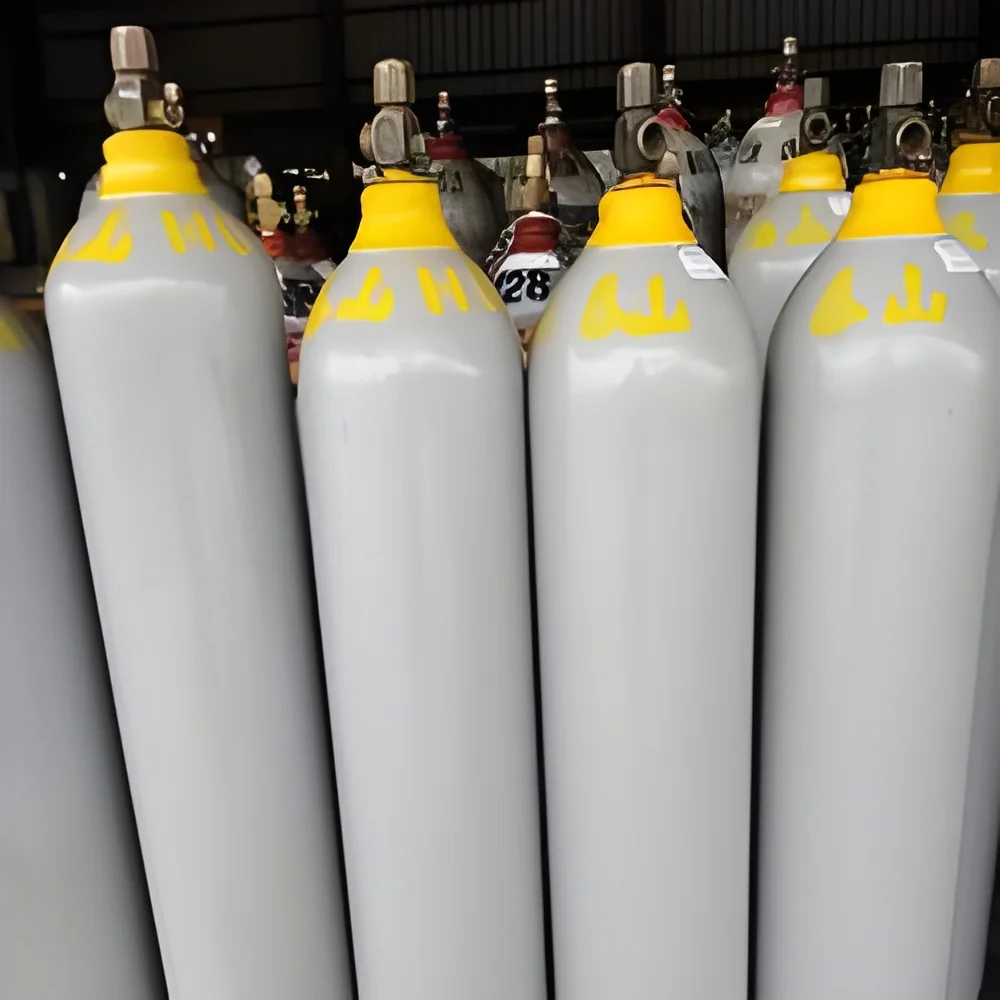
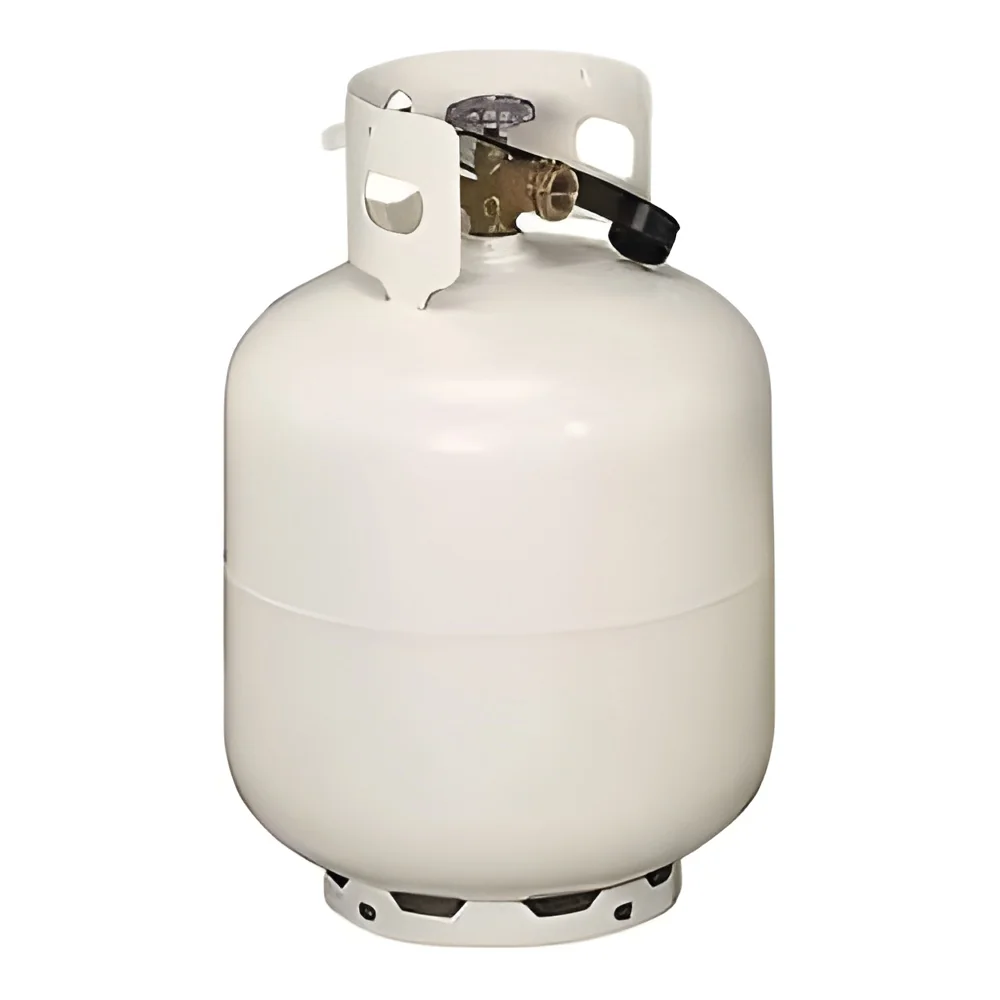
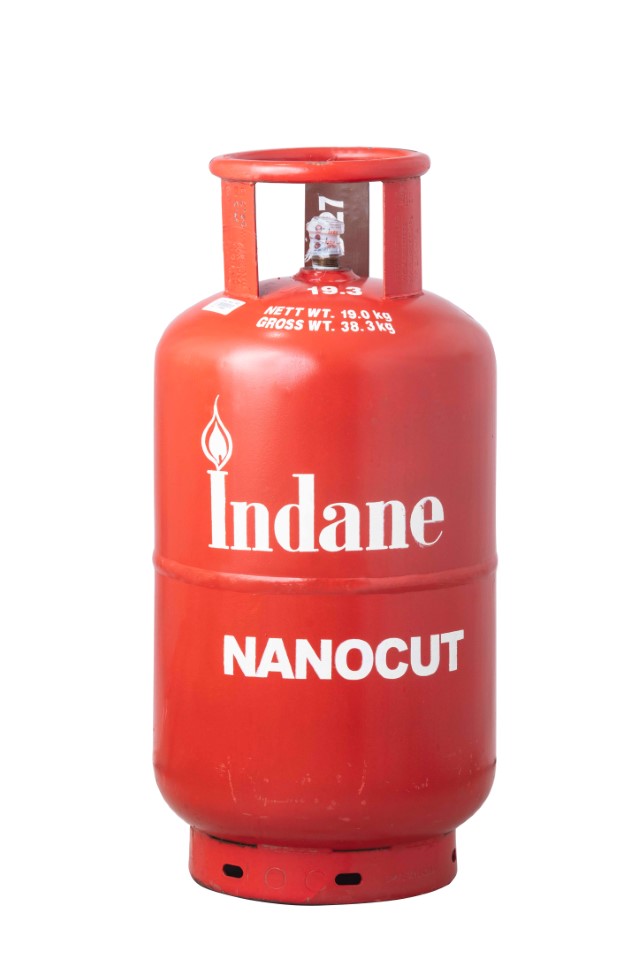
- LPG is stored in pressurized tanks to maintain its liquid state.
- Storage temperatures must be maintained between -44°F to 90°F.
4. Flame Characteristics
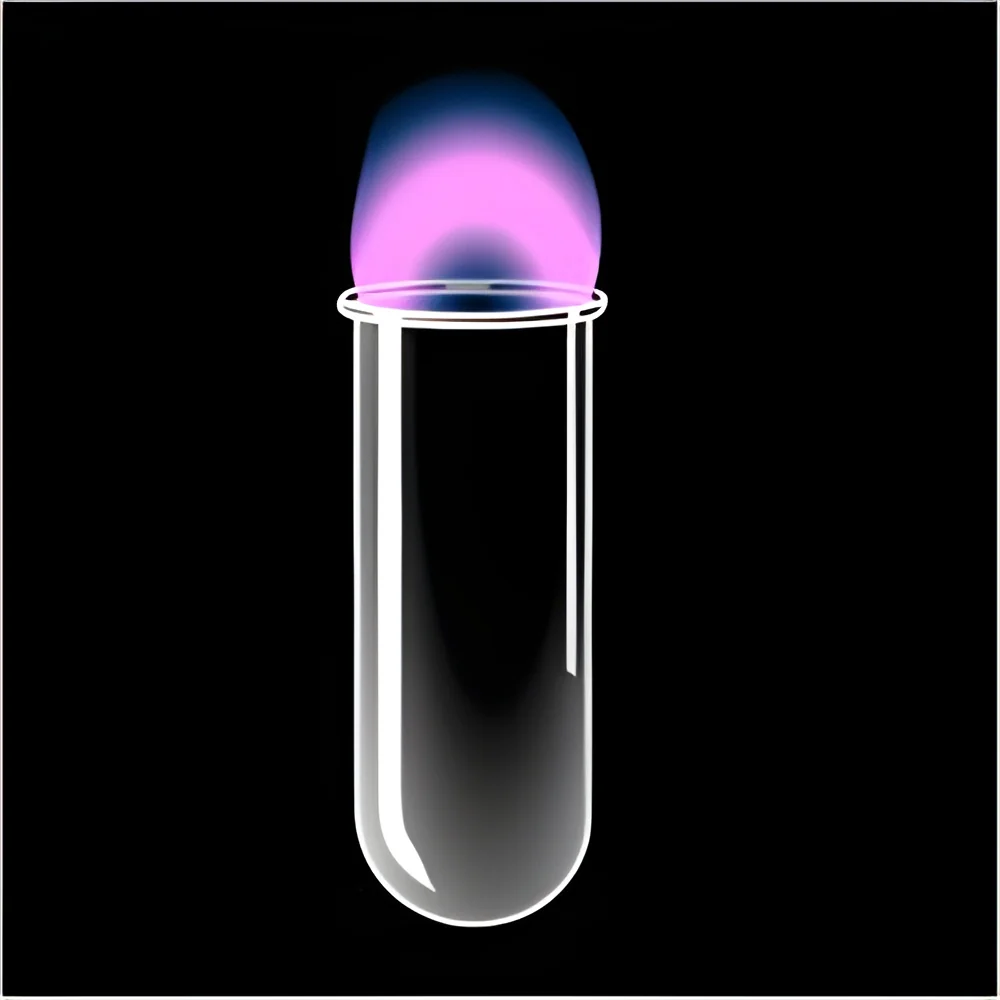
- LPG burns with a clean, blue flame, producing minimal soot.
- The flame temperature can reach around 3,600°F.
5. Odorization
- LPG is odorless in its natural state and is typically odorized with a chemical (ethyl mercaptan) for safety.
- This helps detect leaks quickly.
6. Safety Standards
- LPG must comply with safety regulations such as the National Fire Protection Association (NFPA) standards.
- Regular safety checks and maintenance are crucial for storage and usage.
In summary, LPG's unique features and specifications make it an advantageous choice for a range of industrial and domestic applications.
Common Applications and Use Cases
LPG serves various industries, providing efficient energy solutions tailored to specific needs.
1. Residential: LPG is commonly used for cooking, heating, and water heating in homes. Its clean-burning properties make it a popular choice for environmentally conscious consumers.
2. Industrial: In manufacturing, LPG is utilized as a fuel for equipment and as a feedstock for chemical processes. Its high energy content supports various industrial applications, including metal processing and glass production.
3. Agriculture: LPG is used in agricultural settings for heating greenhouses, powering irrigation systems, and as a fuel for tractors and other farm equipment.
4. Hospitality: Restaurants and hotels use LPG for cooking and heating, offering a reliable and efficient energy source that enhances service quality.
5. Transportation: LPG is a viable alternative fuel for vehicles, providing a cleaner option compared to traditional gasoline and diesel.
6. Construction: In construction, LPG is often utilized for heating tools and equipment, as well as for temporary heating solutions on job sites.
Benefits and Advantages
The use of LPG offers several significant benefits for businesses and consumers alike.
1. Cost-Efficiency: LPG typically provides a lower cost per unit of energy compared to other fuels, making it an economical choice for heating and energy needs.
2. Environmental Impact: LPG burns cleaner than traditional fuels, producing fewer greenhouse gases and particulates. This makes it a more environmentally friendly option.
3. Versatility: LPG can be used for various applications, from residential heating to industrial processes, providing a flexible energy solution.
4. Energy Security: As a domestically produced fuel, LPG can contribute to reduced dependence on imported fuels, enhancing energy security.
5. Convenience: LPG is easy to store and transport, allowing for efficient distribution to end-users across diverse locations.
6. Reliability: LPG systems can operate efficiently under various weather conditions, ensuring a consistent energy supply.
Buying Guide for B2B Buyers
When sourcing LPG (Liquefied Petroleum Gas), certain factors should be taken into account to ensure a successful procurement process.
1. Quality Assessment: It is important to verify the quality of LPG by checking for compliance with industry standards and specifications. Look for suppliers who provide documentation of quality tests.
2. Supplier Verification: Vetting suppliers is crucial. Look for established companies with a good reputation and experience in the LPG market. Consider their delivery capabilities and customer service.
3. Pricing and MOQ: Understand the pricing structure and minimum order quantities (MOQ) offered by suppliers. This will help in budgeting and ensuring that your order meets business needs.
4. Delivery and Lead Times: Discuss logistics with suppliers to understand delivery schedules and lead times. Reliable logistics are essential for maintaining operational efficiency.
5. Compliance Requirements: Ensure that the LPG you source complies with local regulations and safety standards. This includes proper labeling and documentation for transport and storage.
Compliance and Certifications
LPG is subject to various compliance and certification standards that ensure its safety and quality. Companies dealing with LPG must adhere to relevant quality standards such as ISO 9001, which focuses on quality management systems, and HACCP (Hazard Analysis Critical Control Point), which ensures food safety in applications where LPG is used for cooking.
Additionally, LPG must meet CE certification requirements, particularly in regions where safety and environmental regulations are stringent. Regular testing for safety and performance is also essential to prevent accidents and ensure that the gas meets the necessary specifications for a range of applications.
Furthermore, different regions may have unique compliance considerations that must be addressed. This can include local regulatory requirements for storage, transportation, and usage of LPG, which can vary widely depending on the jurisdiction.
Why Source LPG (Liquefied Petroleum Gas) from Pepagora?
Pepagora provides a trusted platform for sourcing LPG (Liquefied Petroleum Gas) with several key advantages that benefit B2B buyers.
Verified Supplier Network: Pepagora's platform connects buyers with verified suppliers, ensuring that all listed suppliers meet stringent quality and safety standards. This builds trust and confidence in the sourcing process.
Streamlined RFQ Process: The Request for Quotation (RFQ) system simplifies the procurement process. Buyers can easily submit their requirements and receive competitive quotes from multiple suppliers, making it easier to compare options.
Trade Assurance and Support: Pepagora offers trade assurance to protect buyers against potential issues. The platform includes support services to assist buyers throughout the procurement process, ensuring a smooth transaction.
Regional Coverage: With a focus on regions such as India, the Gulf Cooperation Council (GCC), and Southeast Asia, Pepagora provides extensive coverage, making it easier for businesses to source LPG from reliable suppliers in their vicinity. This enhances accessibility and convenience for B2B buyers seeking LPG solutions.

 IN
IN