What are Onsite Gas Solutions?
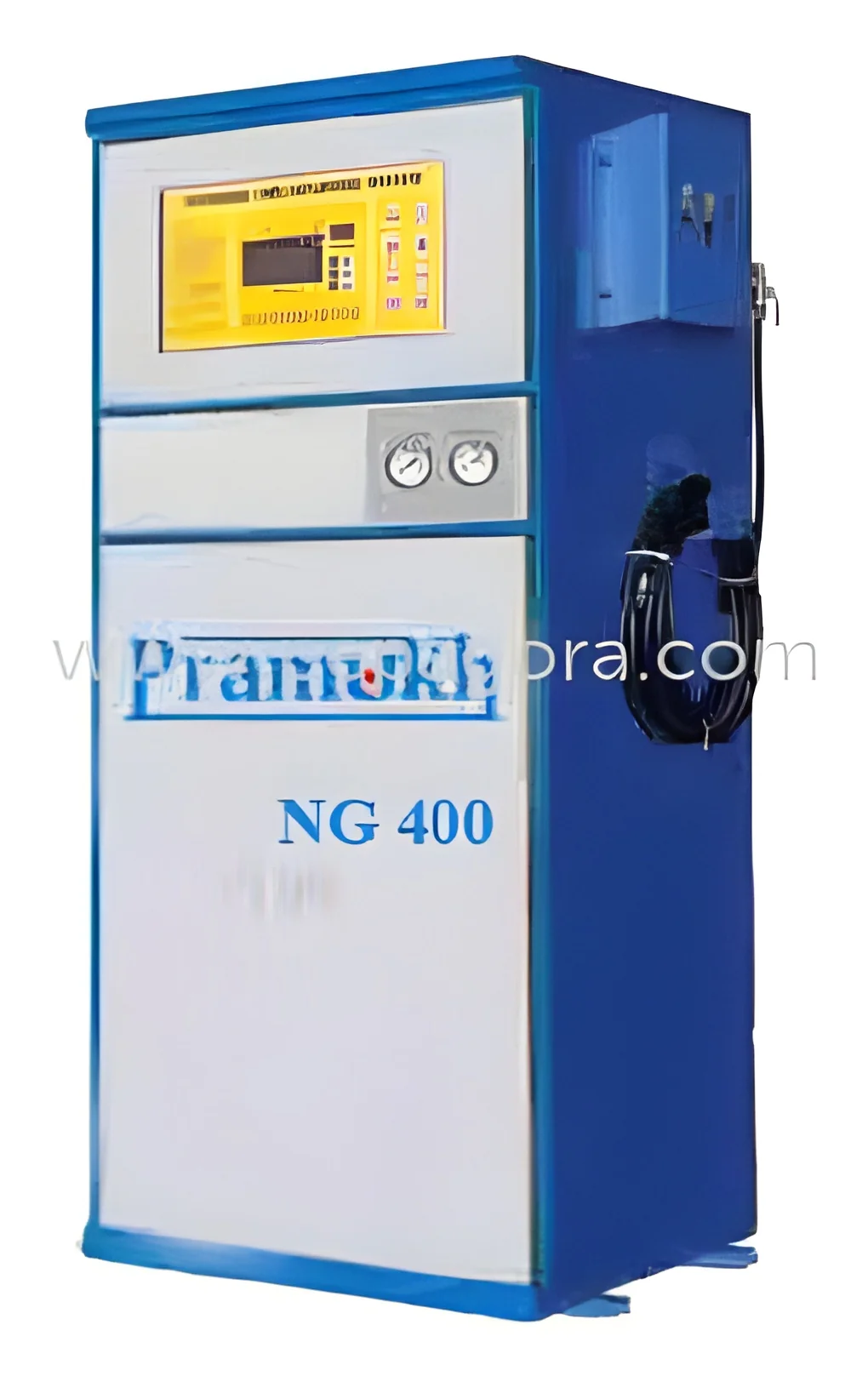
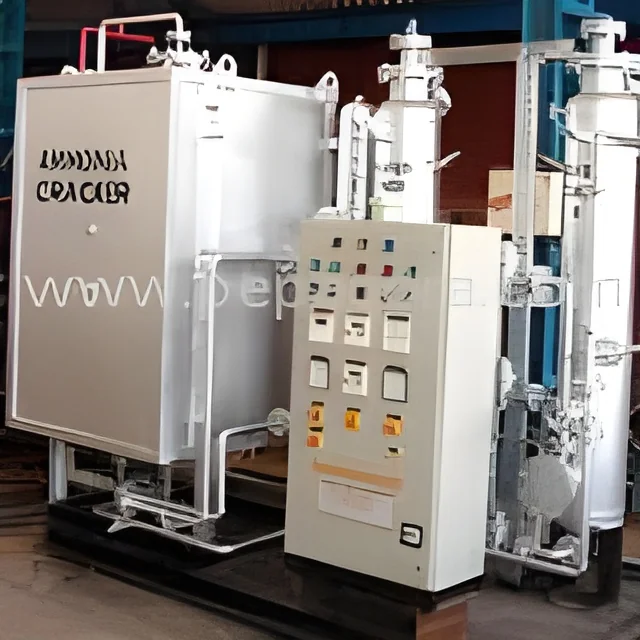
Onsite Gas Solutions refer to systems that produce and supply gases at the location where they are needed, rather than transporting them from a centralized facility. These solutions typically involve the generation of industrial gases such as nitrogen, oxygen, hydrogen, and other specialty gases through various methods like pressure swing adsorption, membrane separation, or cryogenic distillation. By producing gases onsite, businesses can optimize their processes, reduce costs, and enhance safety by minimizing the risks associated with transporting hazardous materials.
These solutions cater to industries such as healthcare, manufacturing, food and beverage, and pharmaceuticals. For instance, hospitals utilize onsite oxygen generation for patient care, while manufacturers use onsite nitrogen for inerting and packaging processes. Onsite Gas Solutions are becoming increasingly relevant in today's market as companies seek to enhance operational efficiency and sustainability. The growing emphasis on reducing carbon footprints and improving supply chain logistics drives businesses to adopt these innovative solutions.
Key Features and Specifications
Onsite Gas Solutions come equipped with features designed to enhance efficiency and performance. Understanding these specifications is crucial for businesses looking to implement such systems.
Key specifications include:
1. Gas Production Capacity
- This specification indicates the volume of gas that can be produced per hour or day.
- Common ranges vary based on industry needs, often from small-scale units producing a few cubic meters to large-scale installations generating thousands.
2. Purity Levels
- Purity levels determine the quality of the gas produced, affecting its suitability for various applications.
- Typical purity levels for oxygen may range from 90% to over 99.5%.
3. Energy Efficiency
- This refers to the energy consumption of the system relative to the amount of gas produced.
- Energy efficiency ratings can significantly impact operational costs.
4. Operating Pressure
- Operating pressure indicates the pressure levels at which the system functions optimally.
- Standard pressures can range from low-pressure systems (around 1 bar) to high-pressure setups (up to 300 bar).
5. Footprint and Design
- The physical size and layout of the system can influence installation and operational logistics.
- Compact designs may be preferable for facilities with limited space.
6. Control and Monitoring Features
- Advanced control systems enable real-time monitoring of gas production and quality.
- These features help in assessing system performance and ensuring compliance with industry standards.
7. Safety Features
- Safety measures such as pressure relief valves and automatic shut-off systems are critical for preventing accidents.
- Compliance with safety regulations is essential for operational integrity.
In summary, understanding the key features and specifications of Onsite Gas Solutions is vital for businesses to make informed decisions that align with their operational needs.
Common Applications and Use Cases
Onsite Gas Solutions are versatile and find applications across various industries.
1. Healthcare: Hospitals use onsite oxygen generators to ensure a constant supply of medical-grade oxygen for patient care, especially in critical care settings.
2. Manufacturing: In manufacturing, onsite nitrogen generation is widely utilized for inerting processes, preventing oxidation in sensitive materials and products.
3. Food and Beverage: The food industry employs onsite carbon dioxide and nitrogen for packaging and preservation, extending shelf life and maintaining product quality.
4. Pharmaceuticals: Onsite gas solutions are crucial in pharmaceutical manufacturing for processes requiring high-purity gases, ensuring compliance with stringent industry standards.
5. Electronics: In the electronics sector, onsite nitrogen is used for semiconductor manufacturing, where contamination must be minimized.
6. Chemical Processing: Chemical plants often require onsite hydrogen generation for various chemical reactions, reducing reliance on external suppliers.
7. Energy Production: Onsite gas solutions are also employed in energy production, particularly in renewable energy applications, where hydrogen can be generated for fuel cells.
Product Variants and Subcategories
Onsite Gas Solutions offer a range of variants to meet diverse industry requirements.
Oxygen Generators
These systems produce medical and industrial-grade oxygen through pressure swing adsorption or membrane technology. They are designed for high purity and consistent output, making them ideal for healthcare and manufacturing applications.
Nitrogen Generators
Nitrogen generators use membrane or PSA technology to produce nitrogen gas. These are widely used in food packaging, chemical processing, and manufacturing for inerting and blanketing applications.
Hydrogen Generators
Hydrogen generation systems typically use electrolysis or reforming methods. They are essential in industries such as fuel cells and refining, providing a sustainable source of hydrogen.
Benefits and Advantages
Onsite Gas Solutions offer numerous advantages for businesses seeking efficiency and reliability.
1. Cost Savings: By producing gases onsite, companies can significantly reduce transportation costs and dependence on external suppliers.
2. Enhanced Safety: Onsite generation minimizes the risks associated with storing and handling hazardous gases, improving overall workplace safety.
3. Supply Security: Businesses can ensure a consistent supply of gases without the uncertainties of delivery delays or supply chain disruptions.
4. Customization: Onsite solutions can be tailored to specific production needs, allowing companies to optimize gas purity and production rates.
5. Environmental Impact: Onsite gas production can lead to a reduced carbon footprint, aligning with sustainability goals and regulatory requirements.
6. Process Efficiency: With onsite production, companies can streamline operations and respond quickly to changing production demands.
Buying Guide for B2B Buyers
When sourcing Onsite Gas Solutions, it is essential to consider several factors to ensure the right choice for your business.
1. Quality Assessment: Evaluate the quality of the gas produced, focusing on purity levels and compliance with industry standards. This is crucial for applications in healthcare and manufacturing.
2. Supplier Verification: Vet potential suppliers to ensure they have a reliable track record, certifications, and a robust support system. This can prevent issues related to quality and delivery.
3. Pricing and MOQ: Understand the pricing structure and minimum order quantities (MOQ) offered by suppliers to assess budget alignment.
4. Delivery and Lead Times: Consider the logistics involved in installation and the time required for delivery to avoid disruptions in operations.
5. Compliance Requirements: Ensure that the solutions meet relevant regulatory standards and certifications, which vary by industry and region.
Compliance and Certifications
Onsite Gas Solutions must adhere to various quality and safety standards to ensure reliability and compliance.
Relevant quality standards such as ISO 9001 ensure that manufacturers maintain a consistent quality management system. This certification is pivotal for businesses looking to guarantee the quality of their gas solutions.
Industry certifications like CE indicate compliance with European health, safety, and environmental protection standards, enhancing trust in the product.
Safety and testing requirements play a crucial role in ensuring that onsite gas systems operate without risk. Regular maintenance and compliance checks are necessary to uphold these standards.
Regional compliance considerations vary by location. It is essential to be aware of specific regulations that apply in different countries or regions, as these can influence the design and operation of onsite gas solutions.
Why Source Onsite Gas Solutions from Pepagora?
Pepagora provides a trusted platform for sourcing Onsite Gas Solutions, offering several key advantages to B2B buyers.
Verified Supplier Network: Pepagora connects buyers with a network of verified suppliers, ensuring quality and reliability in the sourcing process. This verification helps mitigate risks associated with untested suppliers.
Streamlined RFQ Process: The platform features a streamlined request-for-quote (RFQ) process, allowing buyers to receive competitive quotes efficiently. This simplifies the procurement process and saves time.
Trade Assurance and Support: Pepagora offers trade assurance, providing buyers with protection throughout the transaction. Dedicated support is available to address any concerns or issues that may arise.
Regional Coverage: With a geographic reach that includes India, the GCC, and Southeast Asia, Pepagora caters to a broad market, ensuring that businesses across different regions can access reliable onsite gas solutions tailored to their needs.

 IN
IN