What are Hydrogen Gas?
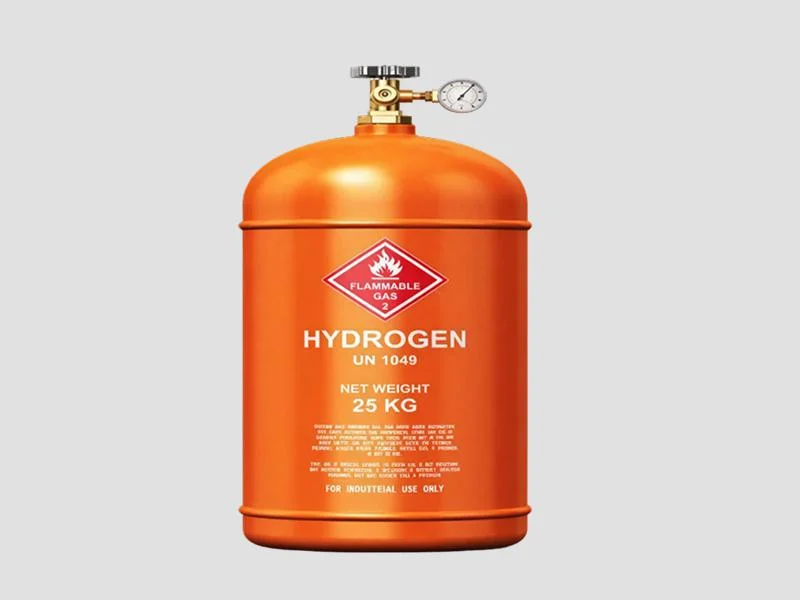
Hydrogen gas is the simplest and most abundant element in the universe, represented by the chemical symbol H2. It is a colorless, odorless, and tasteless gas that is highly flammable. Hydrogen exists primarily as a diatomic molecule, meaning two hydrogen atoms bond together to form H2. Due to its light weight and high energy content, hydrogen gas is often utilized as a clean fuel source and energy carrier.
In the industrial sector, hydrogen gas is primarily used in processes such as refining petroleum, producing ammonia for fertilizers, and manufacturing methanol. It also plays a crucial role in fuel cells, which convert hydrogen and oxygen into electricity, emitting only water as a byproduct. As global industries shift towards sustainable energy solutions, the demand for hydrogen gas is increasing, positioning it as a key player in the transition to a low-carbon economy.
The hydrogen market is gaining traction in various sectors, including transportation, energy storage, and industrial applications. With governments and organizations pushing for greener solutions, hydrogen gas is being recognized for its potential to reduce carbon emissions and enhance energy efficiency. This growing focus on sustainability underscores the relevance of hydrogen gas in both current and future industrial applications.
Key Features and Specifications
Hydrogen gas comes with a variety of features and specifications that make it suitable for numerous industrial applications. These characteristics include its physical properties, purity levels, and safety standards.
Key specifications include:
1. Purity Level
- Hydrogen gas is available in varying purity levels, typically ranging from 99% to 99.999% depending on the application.
2. Pressure Ratings
- Hydrogen is often stored and transported under high pressure, with common ratings being 200 bar and 300 bar.
3. Storage Conditions
- The gas must be stored in specialized tanks designed to handle high pressures and prevent leakage.
4. Energy Content
- Hydrogen gas has a higher heating value of approximately 141.86 MJ/kg, making it an efficient energy source.
5. Flammability Range
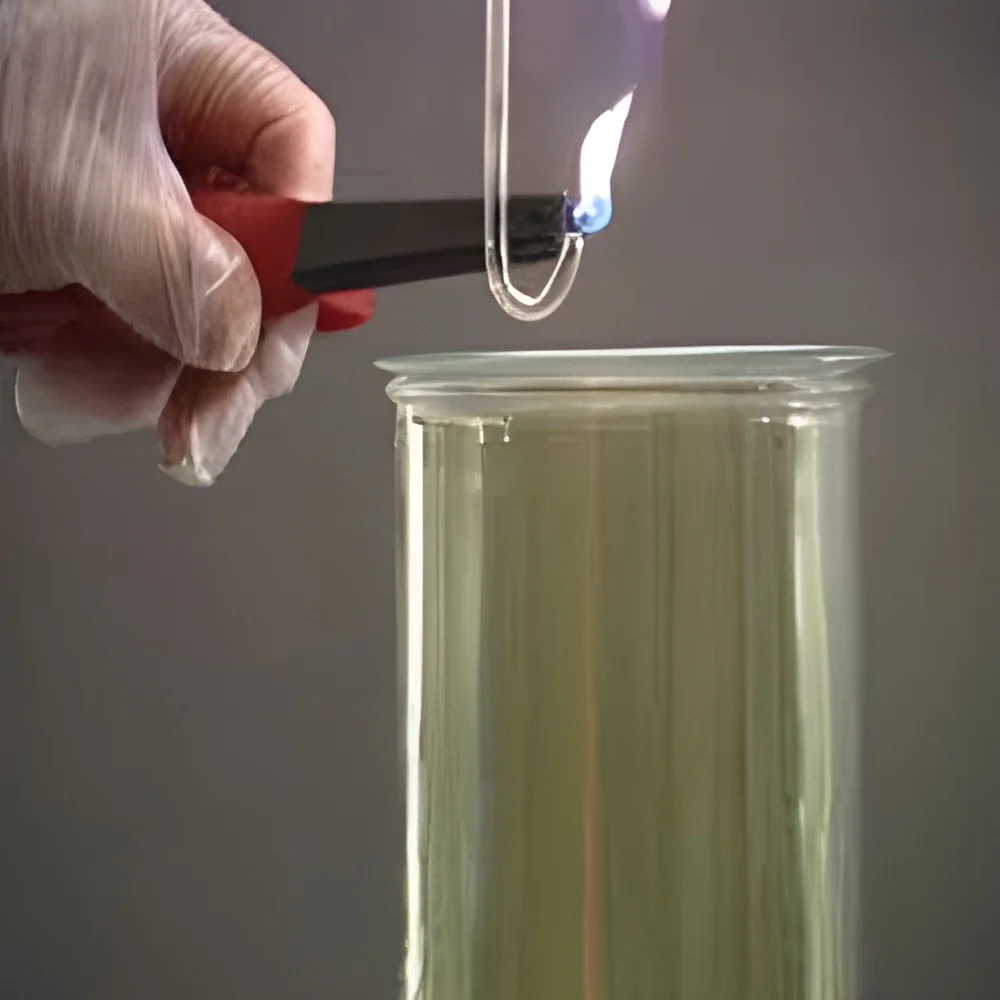
- Hydrogen has a flammability range of 4% to 75% in air, necessitating strict safety measures during handling.
6. Molecular Weight
- The molecular weight of hydrogen gas is approximately 2.016 g/mol, contributing to its low density and energy efficiency.
7. Boiling Point
- Hydrogen gas has a boiling point of -252.87 degrees Celsius, making it essential to maintain specific temperature conditions.
In summary, the features and specifications of hydrogen gas highlight its versatility and importance in various industrial processes.
Common Applications and Use Cases
Hydrogen gas serves various industries, providing essential functions that enhance productivity and sustainability.
1. Chemical Manufacturing: Hydrogen is a key reactant in the production of ammonia, which is vital for fertilizers. It is also used in producing methanol and other chemicals.
2. Oil Refining: Hydrogen gas is employed in hydrocracking and hydrodesulfurization processes to produce cleaner fuels and reduce sulfur content.
3. Electronics: The semiconductor industry uses hydrogen gas in the production of high-purity materials and as a reducing agent in various processes.
4. Metal Processing: Hydrogen is utilized in the reduction of metal ores and as a protective atmosphere in high-temperature metal processing.
5. Fuel Cells: Hydrogen plays a crucial role in fuel cell technology, powering electric vehicles and providing energy for stationary applications.
6. Aerospace: Hydrogen gas is used as a propellant in rocket engines, providing high energy and efficiency for space exploration.
7. Food Industry: Hydrogen is used in hydrogenation processes to produce margarine and other food products, enhancing shelf life and flavor.
Product Variants and Subcategories
While hydrogen gas itself does not have subcategories, it is available in various forms tailored to different industrial needs.
Compressed Hydrogen Gas
This variant is stored under high pressure in gas cylinders and is widely used in fuel cells and chemical processing.
Liquid Hydrogen
Liquid hydrogen is used in aerospace applications and cryogenics, allowing for efficient storage and transportation due to its density.
Hydrogen Blends
Hydrogen can be blended with natural gas for use in existing infrastructure, promoting cleaner energy solutions without requiring significant modifications.
Benefits and Advantages
Hydrogen gas offers several key benefits that make it an attractive option for various industries.
1. Environmental Friendliness: Hydrogen gas produces only water vapor when burned, contributing to reduced greenhouse gas emissions.
2. High Energy Density: With a high heating value, hydrogen gas provides significant energy output per unit, enhancing efficiency in energy applications.
3. Versatile Applications: Hydrogen can be utilized across multiple sectors, from chemicals to transportation, providing flexibility in its use.
4. Renewable Production Potential: Hydrogen can be produced from renewable sources such as water through electrolysis, supporting sustainable energy goals.
5. Storage and Transportation: Hydrogen can be stored and transported efficiently, making it a viable option for energy storage solutions.
Buying Guide for B2B Buyers
When sourcing hydrogen gas for industrial applications, several factors should be considered to ensure quality and reliability.
1. Quality Assessment: Evaluate the purity levels and specifications of hydrogen gas to ensure it meets your operational requirements.
2. Supplier Verification: Vet suppliers thoroughly by checking their certifications, track record, and customer reviews to ensure reliability.
3. Pricing and MOQ: Understand the pricing structures and minimum order quantities to align with your budget and needs.
4. Delivery and Lead Times: Discuss logistics and delivery timelines with suppliers to ensure timely availability of hydrogen gas for your operations.
5. Compliance Requirements: Ensure that the hydrogen gas you source complies with relevant industry standards and regulations to mitigate risks.
Compliance and Certifications
Hydrogen gas must adhere to several compliance and certification standards to ensure safety and quality in industrial applications.
Relevant quality standards such as ISO 9001 ensure that hydrogen gas is produced and managed according to recognized quality management principles. Compliance with these standards demonstrates a commitment to quality and continuous improvement.
Industry certifications like CE indicate that the hydrogen gas meets European safety and environmental requirements, which is crucial for suppliers targeting international markets.
Safety and testing requirements are paramount in the hydrogen gas industry, given its flammability and potential hazards. Regular testing for purity and safety must be conducted to prevent accidents and ensure compliance.
Regional compliance considerations may vary, with specific regulations in place for different countries or regions, emphasizing the need for local knowledge when sourcing hydrogen gas.
Why Source Hydrogen Gas from Pepagora?
Pepagora provides a trusted platform for sourcing hydrogen gas, offering several key advantages that benefit B2B buyers.
Verified Supplier Network: Pepagora has established a network of verified suppliers, ensuring that buyers can access high-quality hydrogen gas from reputable sources. This network reduces the risk of sourcing from unverified vendors.
Streamlined RFQ Process: The request for quotation (RFQ) process on Pepagora is designed to be efficient, allowing buyers to quickly obtain competitive quotes from multiple suppliers. This streamlining enhances the purchasing experience.
Trade Assurance and Support: Pepagora offers trade assurance to protect buyers, providing a safety net against potential issues during transactions. This support fosters confidence in sourcing decisions.
Regional Coverage: Pepagora has a strong presence in key markets such as India, GCC, and Southeast Asia. This geographic reach ensures that buyers can find suitable suppliers tailored to their local needs, facilitating efficient procurement processes.

 IN
IN