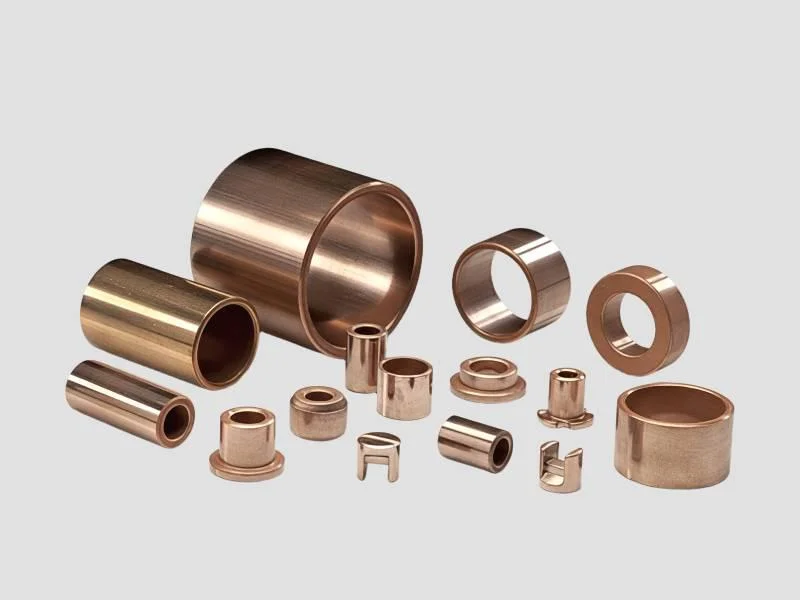
Copper tube assemblies
Heat exchangers
HVAC and refrigeration systems
Radiators and cooling components
Electrical and conductive components
Copper fittings and joints
Industrial piping assemblies
Precision engineering components

 IN
IN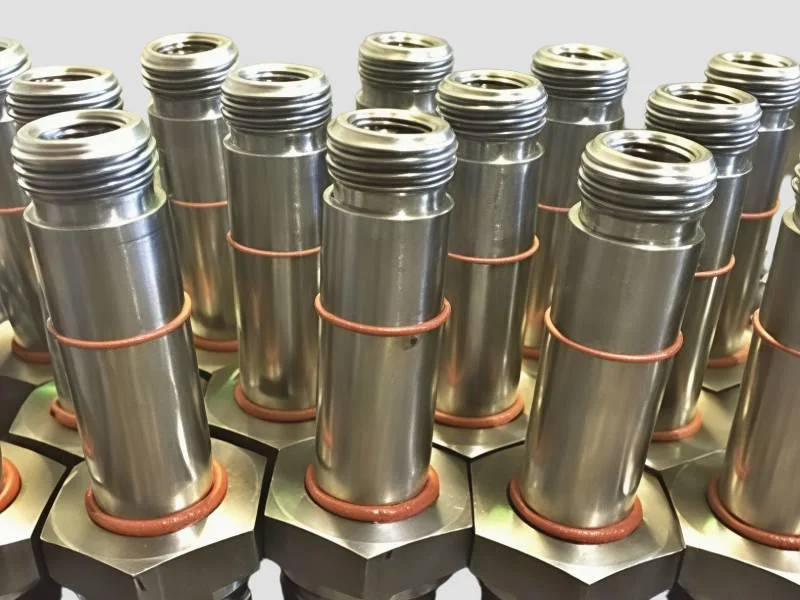
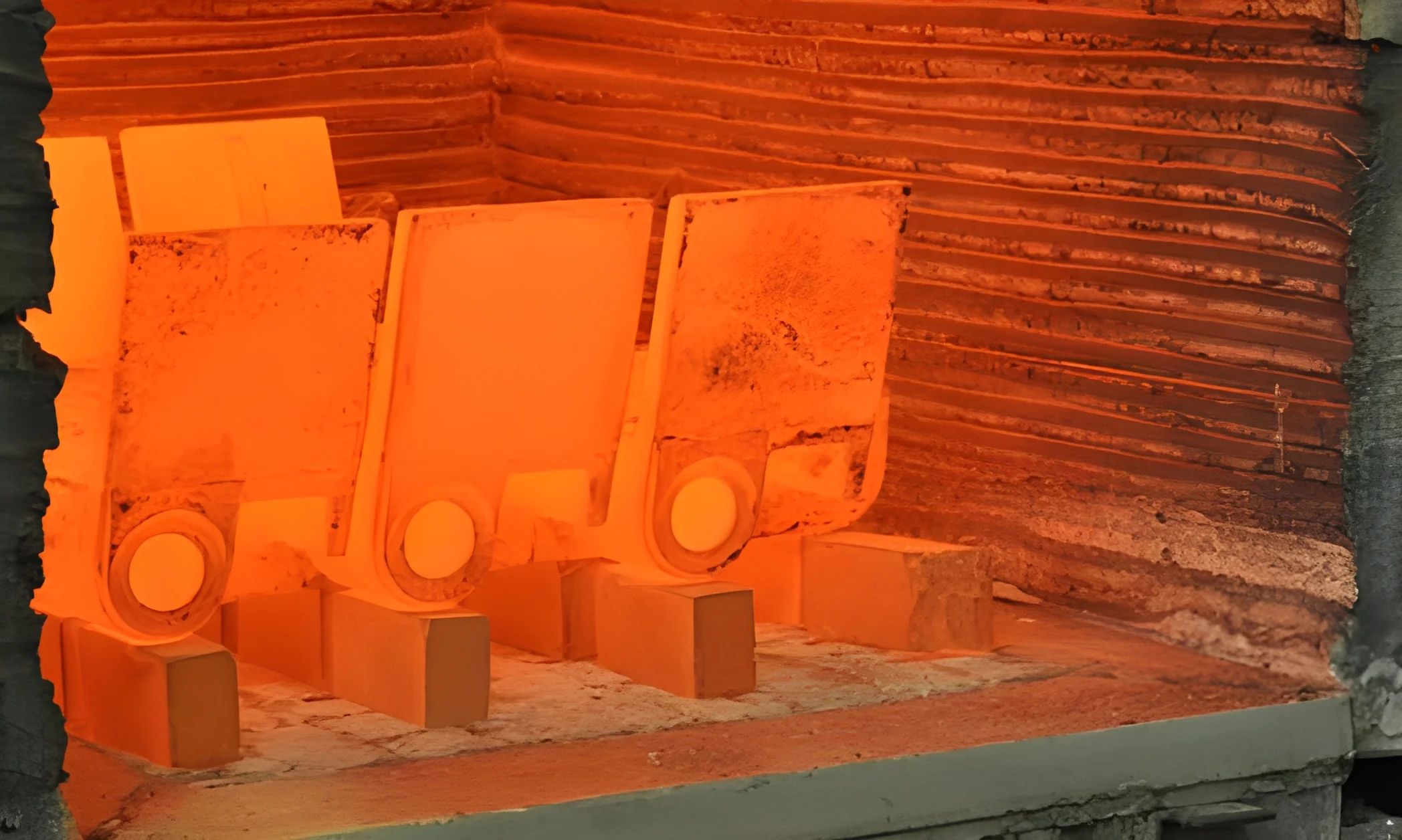
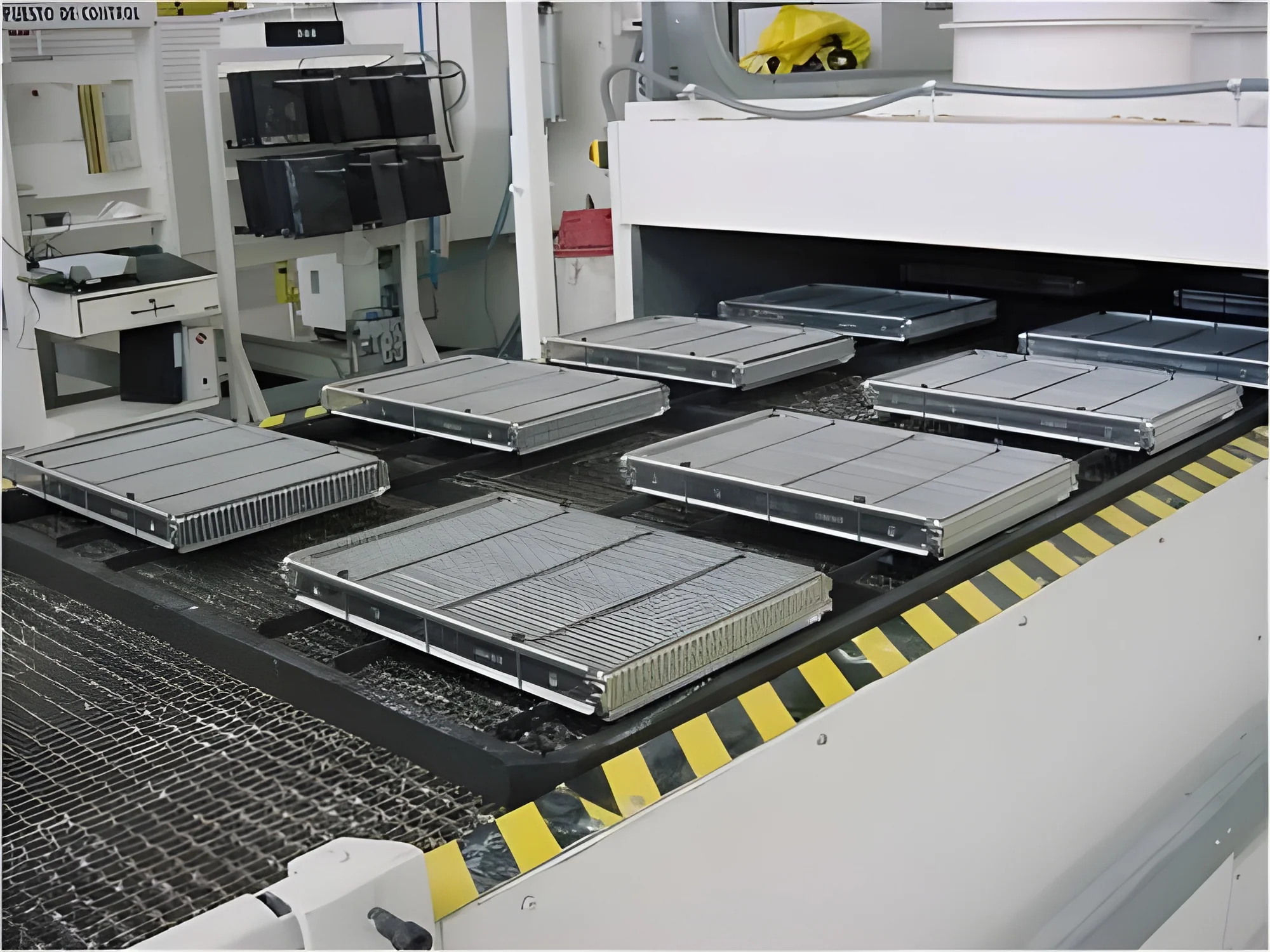
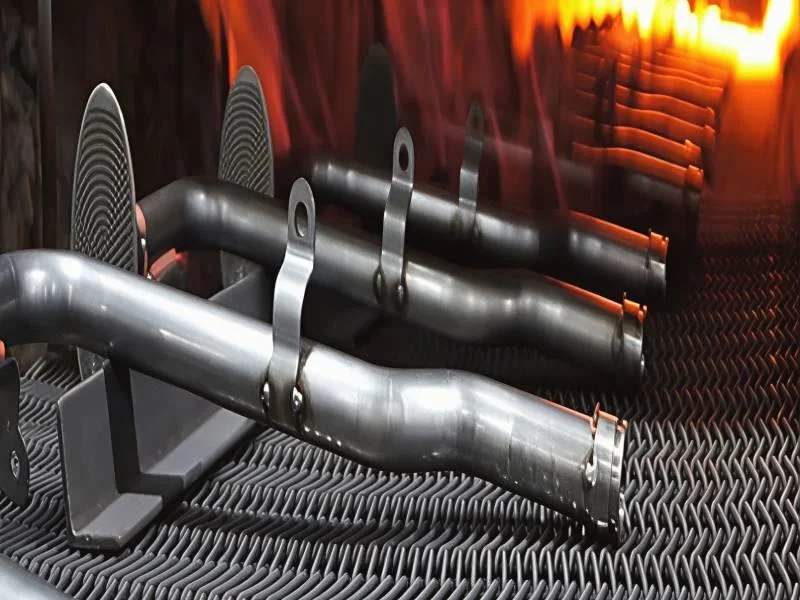
Atmosphere brazing represents the gold standard in precision metal joining technology, utilizing controlled protective gas environments to create superior, oxidation-free bonds between metal components. This advanced process operates under precisely maintained atmospheric conditions, typically using nitrogen or hydrogen mixtures, to prevent surface oxidation during the heating cycle. The result is exceptionally clean, strong joints that maintain base metal properties while achieving tensile strengths up to 500 MPa. Unlike conventional brazing methods, atmosphere brazing eliminates the need for flux materials, preventing contamination and ensuring pure, metallurgically sound connections. This makes it ideal for applications where joint integrity, cleanliness, and long-term reliability are paramount considerations for manufacturers and engineering teams. Multiple high-performance industries depend on atmosphere brazing for critical component manufacturing where failure is not an option. ...
Atmosphere brazing represents the gold standard in precision metal joining technology, utilizing controlled protective gas environments to create superior, oxidation-free bonds between metal components. This advanced process operates under precisely maintained atmospheric conditions, typically using nitrogen or hydrogen mixtures, to prevent surface oxidation during the heating cycle. The result is exceptionally clean, strong joints that maintain base metal properties while achieving tensile strengths up to 500 MPa. Unlike conventional brazing methods, atmosphere brazing eliminates the need for flux materials, preventing contamination and ensuring pure, metallurgically sound connections. This makes it ideal for applications where joint integrity, cleanliness, and long-term reliability are paramount considerations for manufacturers and engineering teams. Multiple high-performance industries depend on atmosphere brazing for critical component manufacturing where failure is not an option. The automotive sector utilizes this technology for heat exchangers, transmission components, and exhaust systems that must withstand extreme temperature fluctuations and corrosive environments.
| Key Attributes | |
|---|---|
| Joint strength | Up to 500 MPa |
| Temperature Uniformity | ±5°C |
| Atmosphere Control Efficiency | >99% |
| Corrosion Resistance | High (meets ASTM standards) |
| Dimensional Accuracy | ±0.1 mm |
| Additional Information | |
|---|---|
| Country of Origin | India |
Copper tube assemblies
Heat exchangers
HVAC and refrigeration systems
Radiators and cooling components
Electrical and conductive components
Copper fittings and joints
Industrial piping assemblies
Precision engineering components
| Available Stock | In Stock |
| Sample Availability | No |
| Payment Terms |
|


 Tamil Nadu, India
It provides uniform heating, strong joints, consistent quality, and good repeatability for copper assemblies.
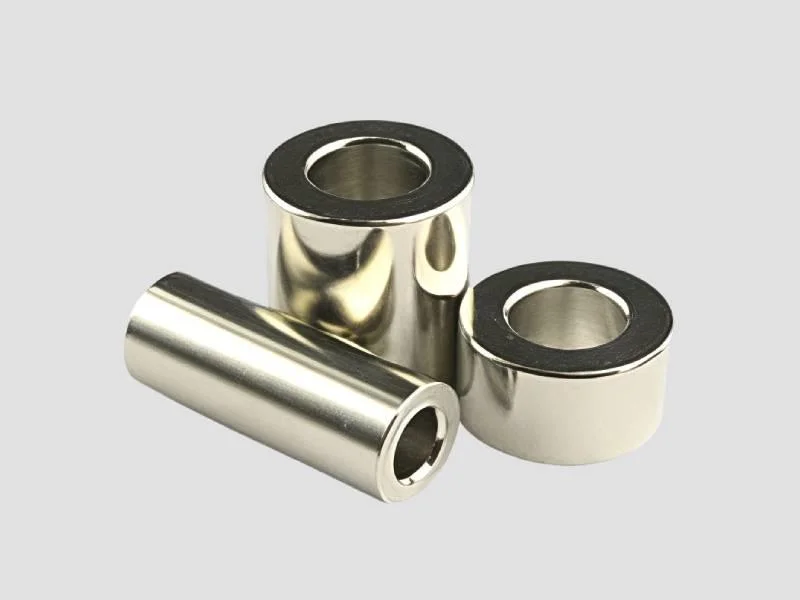
Copper tubes, fittings, heat exchanger components, electrical parts, and various fabricated copper assemblies can be furnace brazed.
Yes. Copper can be joined to compatible metals such as brass, bronze, stainless steel, and selected nickel alloys using appropriate filler materials and process conditions.
When performed in a controlled protective atmosphere, furnace brazing helps minimize oxidation and surface contamination.
Shipping fee and delivery date to be negotiated. Contact supplier now for more details.
 Tamil Nadu, India