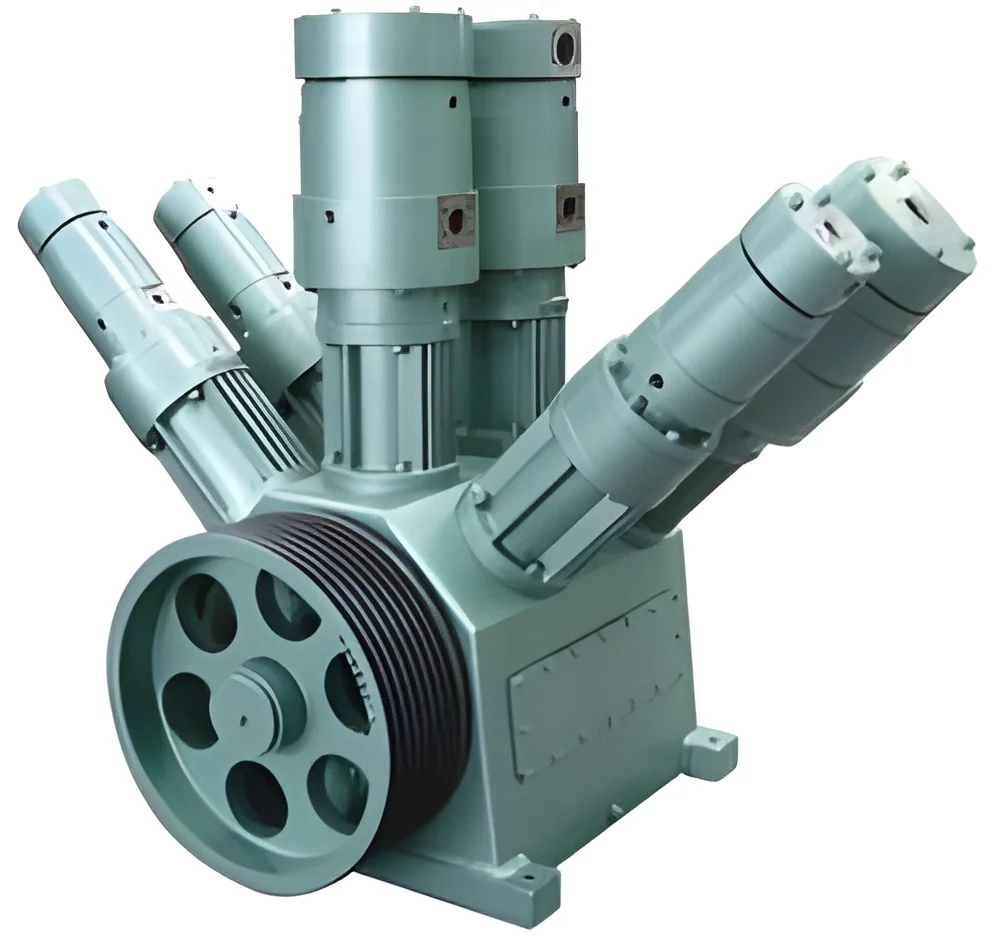
Key Features and Specifications
CNG has several important features and specifications that make it suitable for various applications. Understanding these specifications is crucial for businesses looking to adopt CNG solutions.
Key specifications include:
1. Composition
- Primarily composed of methane (CH4)
- Contains minimal amounts of carbon dioxide and other gases
2. Storage Pressure
- Typically stored at pressures ranging from 3,000 to 3,600 psi
- High-pressure tanks are required for safe storage
3. Energy Content
- Provides about 1,000 to 1,200 BTU per cubic meter
- Energy density is lower compared to gasoline
4. Emission Profile
- Produces significantly lower emissions compared to diesel and gasoline
- Reduces greenhouse gases and particulate matter
5. Temperature Range
- Performance can vary with temperature, but specific ranges are not available
- Generally effective in moderate climates
6. Safety Standards
- Must comply with various safety and testing standards
- Regular inspections and certifications are required
7. Availability
- Widely available in regions with established CNG infrastructure
- Growing networks of refueling stations
8. Compatibility
- Can be used in modified gasoline engines
- Requires specific equipment for safe handling
Understanding these specifications helps businesses assess their CNG needs and ensure compliance with industry standards.
Common Applications and Use Cases
CNG serves various industries that benefit from its cleaner burning properties and cost-effectiveness.
1. Transportation: CNG is commonly used as a fuel for public transportation vehicles, such as buses and taxis. It helps reduce urban air pollution and operating costs.
2. Power Generation: Many businesses use CNG for backup power generation. It is a reliable source of energy that can quickly be deployed in emergencies.
3. Manufacturing: Industries utilize CNG as a feedstock for processes that require heat or energy. It is often chosen for its efficiency and lower emissions.
4. Agriculture: CNG is used to power equipment and vehicles in farming operations, contributing to sustainable agricultural practices.
5. Residential: Some households use CNG for heating and cooking, taking advantage of its affordability and lower environmental impact.
6. Oil and Gas: CNG is frequently used in oil and gas extraction processes, providing a cleaner alternative to other fuels.
7. Waste Management: CNG can be produced from landfill gas, making it an effective option for waste management facilities seeking to reduce their carbon footprint.
Product Variants and Subcategories
CNG is a versatile product with applications across different sectors. While specific subcategories are not available, the versatility of CNG allows for various implementations.
CNG Fuel for Vehicles
This variant is specifically designed for use in CNG-powered vehicles. It features high compression levels and is tailored for optimal engine performance while minimizing emissions.
CNG for Power Generation
This variant is utilized in stationary power generation systems. It is suitable for backup power applications and is often paired with generators designed to run on natural gas.
CNG for Industrial Applications
This variant serves manufacturing and processing industries, providing a reliable energy source for high-heat applications and machinery operation.
Benefits and Advantages
CNG offers numerous benefits that make it an attractive choice for businesses.
1. Environmental Benefits: CNG produces fewer emissions than traditional fuels, helping companies meet environmental regulations and reduce their carbon footprint.
2. Cost Efficiency: CNG is often cheaper than gasoline or diesel, offering significant savings on fuel costs for businesses.
3. Energy Security: Utilizing CNG can reduce dependence on imported fuels, enhancing energy security for organizations.
4. Performance: CNG engines provide similar power and torque to conventional engines while operating more efficiently.
5. Safety: CNG has a high ignition temperature and is lighter than air, which reduces the risk of explosion compared to liquid fuels.
6. Infrastructure Development: Many regions are expanding their CNG refueling infrastructure, making it increasingly accessible for businesses.
Buying Guide for B2B Buyers
When sourcing CNG (Compressed Natural Gas), it is important for B2B buyers to consider several factors to ensure they make informed decisions.
1. Quality Assessment: Evaluate the quality of the CNG being offered. Look for suppliers that adhere to industry standards and conduct regular quality checks to ensure the gas meets required specifications.
2. Supplier Verification: Vet potential suppliers by checking their certifications and customer reviews. A reliable supplier should have a proven track record in the industry and compliance with safety regulations.
3. Pricing and MOQ: Understand the pricing structure and minimum order quantities. Suppliers may offer different pricing tiers based on order size, so it is important to negotiate terms that suit your business needs.
4. Delivery and Lead Times: Assess the logistics involved in delivery. Reliable suppliers should provide clear timelines for delivery and have contingency plans for any potential delays.
5. Compliance Requirements: Ensure that the CNG sourced complies with local and regional regulations. This includes safety standards and environmental regulations that may be applicable in your area.
Compliance and Certifications
CNG is subject to various quality standards and certifications that ensure safety and reliability in its use.
Businesses sourcing CNG should look for compliance with quality standards such as ISO 9001. This standard ensures effective quality management systems are in place, enhancing overall product quality.
In addition, CNG should meet industry certifications like CE, which indicates conformity with health, safety, and environmental protection standards for products sold within the European Economic Area.
Safety and testing requirements are critical, as CNG must be stored and transported in specialized high-pressure vessels. Regular inspections and compliance checks are necessary to ensure the integrity of the gas and safety of operations.
Regional compliance considerations may vary, so it is essential for businesses to understand local regulations governing the use and distribution of CNG in their respective markets.
Why Source CNG (Compressed Natural Gas) from Pepagora?
Pepagora provides a trusted platform for sourcing CNG (Compressed Natural Gas) with several key advantages that cater to the needs of B2B buyers.
Verified Supplier Network: Pepagora has established a comprehensive network of verified suppliers. This ensures that buyers can access high-quality CNG from reputable sources that meet industry standards.
Streamlined RFQ Process: The platform offers a streamlined Request for Quotation (RFQ) process that simplifies the procurement experience. Buyers can easily compare quotes and select the best options for their specific requirements.
Trade Assurance and Support: Pepagora provides trade assurance, offering protection for buyers throughout the purchasing process. This support fosters confidence in transactions and helps mitigate risks associated with sourcing.
Regional Coverage: With a strong presence in key markets such as India, the GCC, and Southeast Asia, Pepagora facilitates access to CNG suppliers across diverse geographies. This regional coverage enhances the availability of CNG and supports businesses in their energy needs.

 IN
IN