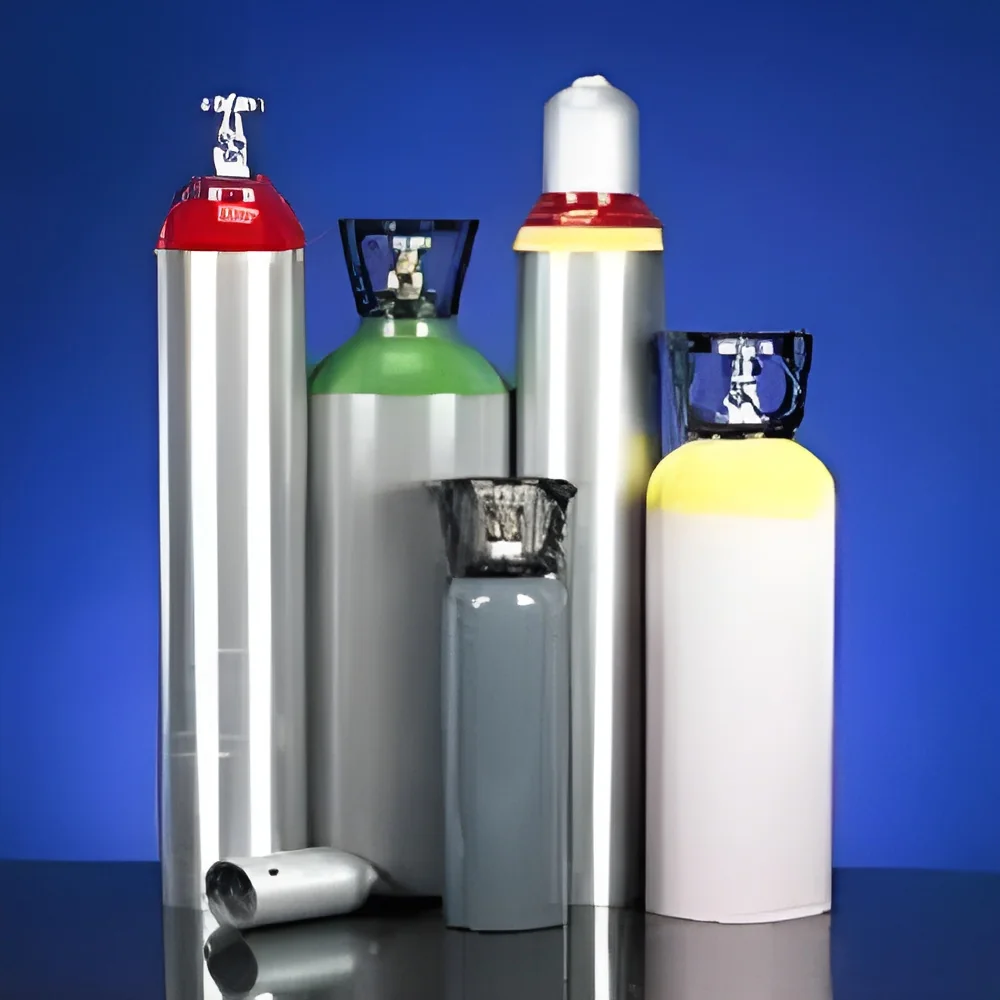
What are Specialty Gases?
Specialty gases are high-purity gases that are specifically manufactured for distinct industrial applications. These gases are utilized in various sectors due to their unique properties, allowing for precision and effectiveness in different processes. Specialty gases can be composed of single components or mixtures, and they often require stringent handling and storage conditions to maintain their purity and effectiveness.
These gases find primary uses in industries such as electronics, pharmaceuticals, healthcare, and environmental monitoring. In electronics, they are essential for the production of semiconductors. In the pharmaceutical sector, specialty gases are critical for analytical applications and manufacturing processes. The relevance of specialty gases in these industries underscores their importance in driving innovation and efficiency in modern manufacturing and research environments.
Key Features and Specifications
Specialty gases come with several key features that enhance their usability across various applications. Understanding these specifications is vital for businesses looking to incorporate these gases into their operations.
Key specifications include:
1. Purity Levels
- Typically ranges from 99.999% to 99.99999% depending on the application.
- Higher purity levels are essential for sensitive applications like semiconductor manufacturing.
2. Delivery Methods
- Available in cylinders, cryogenic tanks, or bulk supply systems.
- Choice of delivery method impacts handling and storage requirements.
3. Mixture Composition
- Can be composed of single gases or custom blends tailored to specific needs.
- Mixtures are often designed for optimal performance in intended applications.
4. Cylinder Sizes
- Available in various sizes, such as 1L, 10L, and larger volumes for industrial use.
- Size selection depends on usage frequency and application scale.
5. Regulatory Compliance
- Must adhere to relevant safety and purity standards.
- Compliance ensures safe handling and effective use in applications.
6. Safety Features
- Includes pressure relief valves and safety caps to prevent accidents.
- Enhanced safety measures are crucial for handling high-pressure gases.
7. Shelf Life
- Varies based on the type of gas and storage conditions.
- Regular monitoring is necessary to ensure gases remain within specified quality.
8. Traceability
- Each gas should come with documentation ensuring traceability back to production.
- Traceability is important for maintaining quality control in sensitive applications.
In summary, specialty gases are characterized by their high purity, varied delivery methods, and compliance with safety regulations. Understanding these specifications helps businesses select the right gases for their specific needs.
Common Applications and Use Cases
Specialty gases are used in a wide range of industries, each with unique applications that leverage their properties.
1. Electronics: Specialty gases are critical in the semiconductor manufacturing process, providing the necessary environment for producing microchips and other electronic components.
2. Pharmaceuticals: These gases are used in analytical techniques such as chromatography and spectrometry, ensuring accurate testing and quality control in drug development.
3. Healthcare: Specialty gases like medical oxygen and nitrous oxide are essential in patient care, anesthesia, and respiratory therapies.
4. Environmental Monitoring: Gases are utilized in air quality testing and emissions monitoring, helping industries comply with environmental regulations.
5. Food and Beverage: Specialty gases are used in packaging to preserve freshness and extend shelf life, as well as in the production of carbonated beverages.
6. Research and Development: Laboratories use specialty gases for various experimental applications, from chemical synthesis to material testing.
7. Metal Fabrication: Gases such as argon and acetylene are employed in welding processes, enhancing the quality and precision of metal joining.
Product Variants and Subcategories
Specialty gases come in diverse variants to cater to different industrial needs.
Gas Mixtures
These are customized blends of gases designed to meet specific application requirements. They offer flexibility for industries needing tailored solutions for processes such as gas chromatography or welding.
High-Purity Gases
This category includes gases with exceptionally high purity levels, essential for critical applications in electronics and pharmaceuticals. They ensure minimal contamination and optimal performance.
Industrial Gases
These gases are used across multiple sectors for general applications, such as nitrogen for inerting processes or oxygen for combustion.
Benefits and Advantages
Utilizing specialty gases provides numerous advantages for businesses.
1. Enhanced Performance: Specialty gases improve the efficiency and quality of industrial processes, leading to better product outcomes.
2. Customization Options: Businesses can request specific gas blends tailored to their unique needs, optimizing their operations.
3. Compliance and Safety: Specialty gases are manufactured under strict regulations, ensuring safety and compliance in their applications.
4. Improved Quality Control: High-purity gases facilitate accurate testing and analysis, crucial for industries like pharmaceuticals and electronics.
5. Streamlined Operations: Reliable delivery methods and supplier networks ensure timely access to necessary gases, minimizing downtime.
6. Technical Support: Many suppliers offer expert assistance in selecting the right gases and handling procedures, enhancing operational efficiency.
Buying Guide for B2B Buyers
When considering the purchase of specialty gases, it is essential to evaluate various factors to ensure optimal selection and use.
1. Quality Assessment: Buyers should check for purity certifications and test results to ensure the gases meet required standards for their applications.
2. Supplier Verification: It is vital to vet suppliers for reliability and adherence to industry regulations. This includes checking references and certifications.
3. Pricing and MOQ: Understanding the pricing structure and minimum order quantities (MOQ) helps buyers budget effectively and avoid excess inventory.
4. Delivery and Lead Times: Buyers should inquire about logistics, ensuring suppliers can meet their delivery schedules to avoid production delays.
5. Compliance Requirements: Buyers must ensure that the gases comply with regional and industry-specific regulations to avoid legal issues.
Compliance and Certifications
Specialty gases must adhere to various quality standards to ensure safety and efficacy. Key standards include ISO 9001, which outlines quality management systems, and HACCP, focusing on food safety. Compliance with Good Distribution Practices (GDP) ensures that gases are handled and stored correctly throughout the supply chain.
Industry certifications, such as CE marking, indicate compliance with European safety standards. Additionally, safety and testing requirements are critical to ensure that gases are free from contaminants and safe for use in sensitive applications.
Regional compliance considerations also play a significant role, as different regions may have specific regulations governing the production and sale of specialty gases.
Why Source Specialty Gases from Pepagora?
Pepagora offers a trusted platform for sourcing specialty gases, providing several key advantages to businesses.
Verified Supplier Network: Pepagora has built a robust network of verified suppliers, ensuring that buyers can access quality products from reputable sources. This verification process includes regular audits and assessments.
Streamlined RFQ Process: The platform features a straightforward request for quotation (RFQ) system, allowing buyers to easily compare prices and services from multiple suppliers, saving time and effort.
Trade Assurance and Support: Pepagora provides trade assurance, protecting buyers throughout the procurement process. This includes support for dispute resolution and ensuring that orders meet the specified criteria.
Regional Coverage: Pepagora's geographic reach extends across India, the GCC, and Southeast Asia, enabling businesses in these regions to access specialty gases conveniently and reliably.

 IN
IN