
 IN
Medical Gas Mixtures
5 products available
What are Medical Gas Mixtures?
Medical gas mixtures are specialized combinations of gases used in healthcare settings for various therapeutic and diagnostic purposes. These mixtures typically include oxygen, nitrous oxide, carbon dioxide, and other gases tailored to specific medical applications. The precise formulation of these mixtures is crucial for patient safety and treatment efficacy, as they are often administered in controlled environments like hospitals, clinics, and emergency medical services.
The primary uses of medical gas mixtures encompass a wide range of applications, such as anesthesia during surgical procedures, respiratory therapy, and diagnostic imaging. These mixtures are essential in critical care settings, enabling healthcare professionals to deliver the right gas concentrations for patient needs. The relevance of medical gas mixtures in the healthcare industry cannot be overstated, as they play a vital role in improving patient outcomes and enhancing the quality of medical care provided.
Key Features and Specifications
Medical gas mixtures are defined by several key features and specifications that ensure their safety and effectiveness in clinical applications. The formulation, purity, and delivery mechanisms are critical components that influence their performance in medical settings.
Key specifications include:
1. Gas Composition
- Varies according to specific medical needs
- Must adhere to strict purity standards, typically over 99.5% for oxygen
2. Delivery Pressure
- Standard pressure range: 50-70 psi
- Ensures consistent gas flow during administration
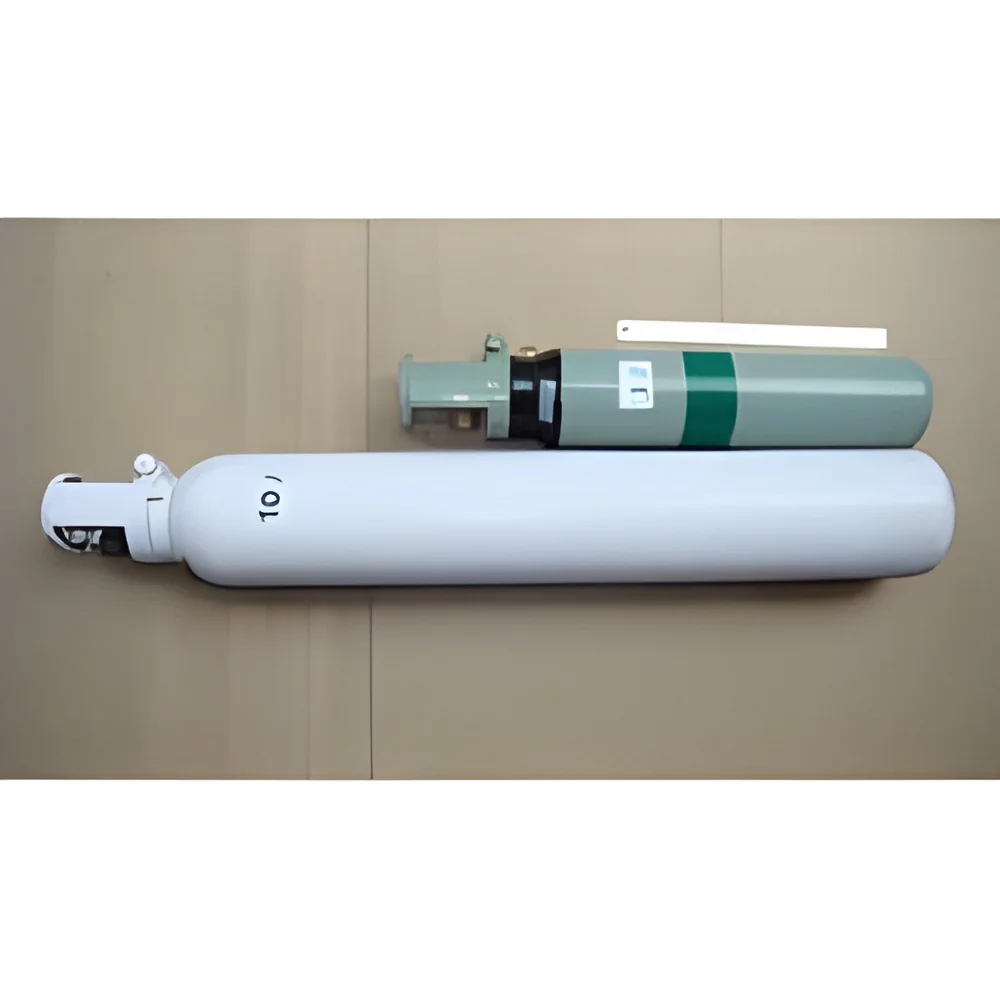
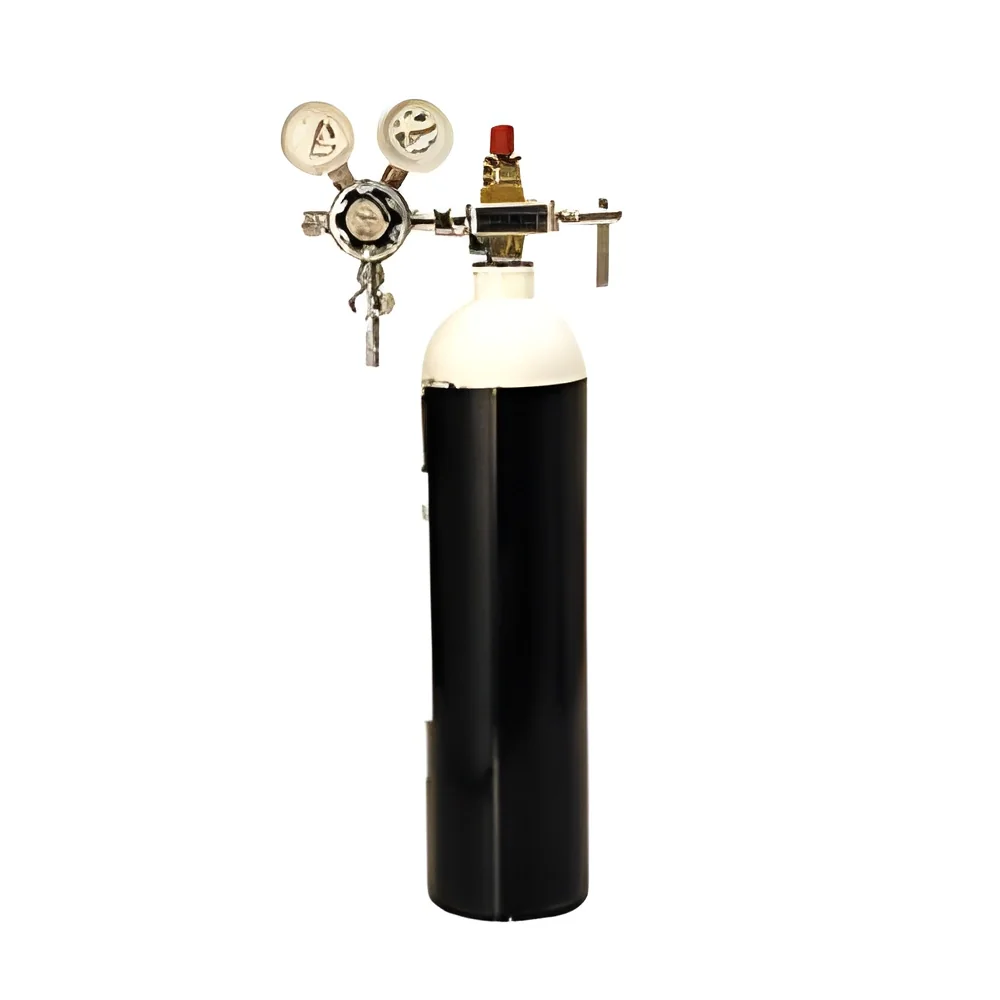
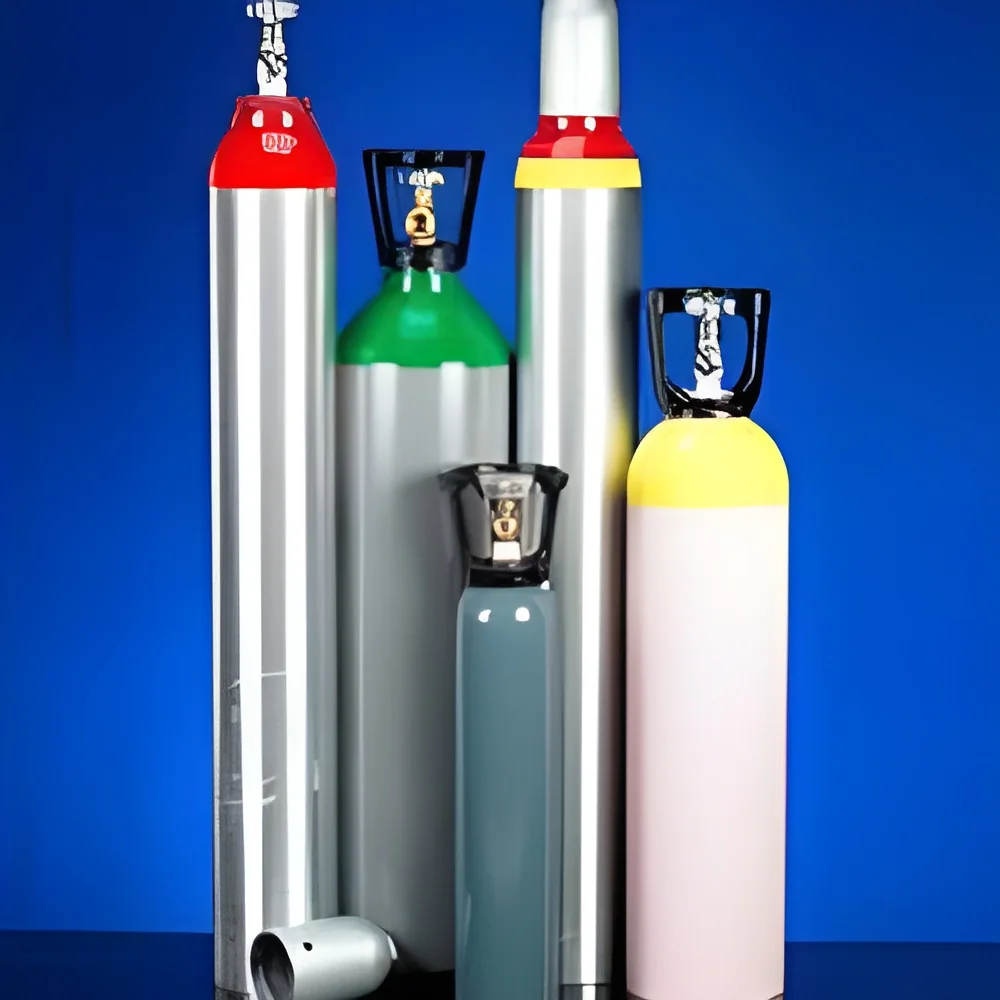
3. Cylinder Material
- Commonly made from aluminum or steel
- Must withstand high pressure and be lightweight for easy transport
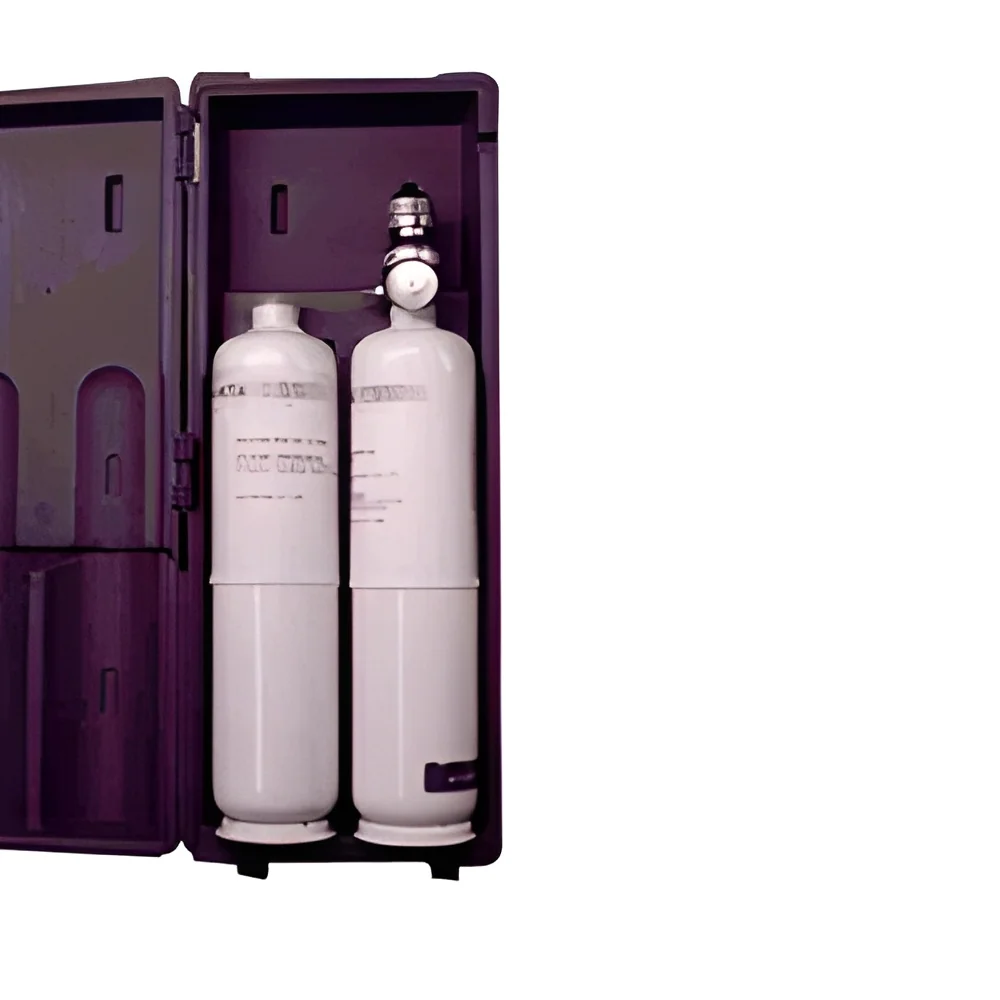
4. Storage Requirements
- Should be stored in cool, dry environments
- Typically requires secure storage to prevent accidents
5. Shelf Life
- Varies by gas mixture; some have up to three years
- Critical to monitor expiration dates for safety
6. Compliance Standards
- Must meet medical grade standards such as FDA and CE
- Regular testing for quality assurance
In summary, the specifications of medical gas mixtures are essential for ensuring their safety and effectiveness in medical treatments. Understanding these features helps healthcare providers choose the right mixtures for their specific needs.
Common Applications and Use Cases
Medical gas mixtures find extensive applications across various fields in healthcare.
1. Anesthesia: In surgical settings, gas mixtures like nitrous oxide and oxygen are used to induce and maintain anesthesia, ensuring patient comfort and safety.
2. Respiratory Therapy: Mixtures containing oxygen and air are vital in treating patients with respiratory conditions, providing necessary support for breathing.
3. Diagnostic Imaging: Certain gas mixtures, such as carbon dioxide, are used as contrast agents in imaging procedures, aiding in better visualization of internal structures.
4. Emergency Medicine: Medical gas mixtures are critical in emergency situations, where rapid administration can be life-saving for patients in crisis.
5. Hyperbaric Therapy: Mixtures are used in hyperbaric oxygen therapy to treat conditions like decompression sickness and carbon monoxide poisoning.
6. Neonatal Care: Specialized gas mixtures provide necessary respiratory support to premature infants in neonatal units.
7. Veterinary Medicine: Similar mixtures are utilized in veterinary practices for anesthesia and respiratory support in animal patients.
Product Variants and Subcategories
Medical gas mixtures are diverse, accommodating various clinical needs with multiple variants.
Oxygen-Nitrous Oxide Mixture
This variant is commonly used in dental procedures and minor surgeries. It provides analgesic and sedative effects, ensuring patient comfort during treatment.
Helium-Oxygen Mixture
Primarily used in patients with severe airway obstruction, this mixture helps reduce the work of breathing. It is particularly advantageous in emergency settings.
Carbon Dioxide-Oxygen Mixture
Utilized in some diagnostic imaging procedures, this mixture enhances the visibility of certain tissues and blood vessels during imaging.
Nitric Oxide Mixture
This variant is used in critical care for patients with pulmonary hypertension. It helps improve oxygenation and reduce pulmonary artery pressure.
Benefits and Advantages
Choosing the right medical gas mixtures offers numerous benefits to healthcare providers and patients alike.
1. Enhanced Patient Safety: The precise formulation of medical gas mixtures ensures that patients receive the right gases in safe concentrations.
2. Improved Treatment Outcomes: Tailored gas mixtures can lead to better therapeutic results, particularly in anesthesia and respiratory care.
3. Versatility: Medical gas mixtures are adaptable for various applications, making them suitable across multiple medical disciplines.
4. Compliance with Standards: Sourcing from certified suppliers ensures adherence to quality and safety regulations, vital for patient care.
5. Cost-Effectiveness: Utilizing medical gas mixtures can reduce overall treatment costs while improving patient care quality.
6. Streamlined Procedures: The right gas mixtures can facilitate faster and more efficient medical procedures, benefiting both patients and healthcare providers.
Buying Guide for B2B Buyers
When sourcing medical gas mixtures, B2B buyers should consider several critical factors to ensure they meet the needs of their healthcare facilities.
1. Quality Assessment: Evaluate the purity and composition of gas mixtures. Ensure that products meet required medical standards for safety and efficacy.
2. Supplier Verification: Research potential suppliers to confirm their reliability. Check for certifications and track records in supplying medical gases.
3. Pricing and MOQ: Understand the pricing structure and minimum order quantities. Compare costs among different suppliers to ensure competitive pricing.
4. Delivery and Lead Times: Discuss logistics and delivery schedules with suppliers. Timely delivery is crucial in medical settings where gas availability impacts patient care.
5. Compliance Requirements: Verify that suppliers comply with local and international regulations. This includes understanding certifications such as CE and adherence to safety standards.
Compliance and Certifications
Medical gas mixtures must comply with various quality standards and certifications to ensure safety and efficacy in healthcare applications. Relevant quality standards include ISO 9001, which focuses on quality management systems, and HACCP, which addresses food safety and hazard analysis.
Certifications such as CE indicate that medical gas mixtures meet European health, safety, and environmental protection standards. These certifications are essential for market access and demonstrate adherence to rigorous quality control measures.
Safety and testing requirements are paramount in the production of medical gas mixtures. Regular quality assurance testing ensures that gas formulations meet specified purity levels and that delivery systems function correctly. Additionally, regional compliance considerations may vary, requiring awareness of local regulations to ensure that all products are suitable for use in specific markets.
Why Source Medical Gas Mixtures from Pepagora?
Pepagora offers a trusted platform for sourcing medical gas mixtures, providing numerous advantages that streamline the purchasing process for healthcare providers.
Verified Supplier Network: Pepagora connects buyers with a network of verified suppliers committed to quality and compliance. This ensures that healthcare facilities receive reliable products that meet rigorous standards.
Streamlined RFQ Process: The request for quotation (RFQ) process is designed to be efficient, allowing buyers to obtain competitive pricing and terms from multiple suppliers without unnecessary delays.
Trade Assurance and Support: Pepagora provides trade assurance to protect buyers during transactions. This includes support for resolving issues related to product quality and delivery.
Regional Coverage: With a strong presence in India, the GCC, and Southeast Asia, Pepagora caters to a wide geographical area, enabling healthcare providers in these regions to access quality medical gas mixtures with ease.


Frequently Asked Questions
What are Medical Gas Mixtures?
Medical Gas Mixtures are combinations of various gases used for medical purposes, including anesthesia, respiratory therapy, and diagnostics. These mixtures are formulated to meet specific therapeutic needs and are administered under controlled conditions in healthcare settings.
What are the different types of Medical Gas Mixtures?
Different types of Medical Gas Mixtures include oxygen-enriched mixtures, nitrous oxide and oxygen combinations, and specialty gases like helium-oxygen mixtures. Each type serves a unique purpose in medical applications, such as pain relief or improving oxygen delivery to patients.
How do I choose the right Medical Gas Mixtures?
Choosing the right Medical Gas Mixtures involves considering the specific medical application, the patient's condition, and the required gas concentration. It's essential to consult with medical professionals to ensure the selected mixture meets the therapeutic needs.
What are the standard specifications for Medical Gas Mixtures?
Standard specifications for Medical Gas Mixtures typically include purity levels, gas composition, and pressure requirements. These specifications ensure safety and efficacy in medical applications, and they are regulated by organizations such as the FDA and WHO.
What is the price range for Medical Gas Mixtures?
The price range for Medical Gas Mixtures can vary widely based on the type of mixture, purity, and manufacturer. Generally, prices can range from a few hundred to several thousand Indian Rupees per cylinder, depending on the specific requirements.
What quality standards apply to Medical Gas Mixtures?
Medical Gas Mixtures must adhere to strict quality standards, including those set by the Indian Pharmacopoeia and other international regulatory bodies. These standards ensure that the gases are safe, effective, and suitable for medical use.
Where can I find Medical Gas Mixtures suppliers in India?
Medical Gas Mixtures suppliers in India can be found through B2B marketplaces such as Pepagora, where manufacturers and distributors list their products. Additionally, industry expos and trade shows can provide opportunities to connect with reputable suppliers.
Can Medical Gas Mixtures be customized?
Yes, Medical Gas Mixtures can often be customized to meet specific therapeutic needs or patient requirements. Customization may involve adjusting the gas composition or concentration, and should be done in consultation with medical professionals.
What is the typical minimum order quantity for Medical Gas Mixtures?
The typical minimum order quantity (MOQ) for Medical Gas Mixtures varies by supplier and product type. Generally, MOQs can range from one cylinder to larger bulk quantities, depending on the supplier's policies and production capabilities.
What is the typical lead time for Medical Gas Mixtures?
The typical lead time for Medical Gas Mixtures can vary based on the supplier and order size. Generally, lead times can range from a few days to several weeks, especially for customized orders or larger quantities.
Why Businesses Trust Pepagora
Thousands of companies trust Pepagora to source smarter and sell faster
Expand Your Sales Globally

Source Smarter,Grow Faster
