IN
IN₹
Apparel & Fashion
Loading subcategories...
View More
Description
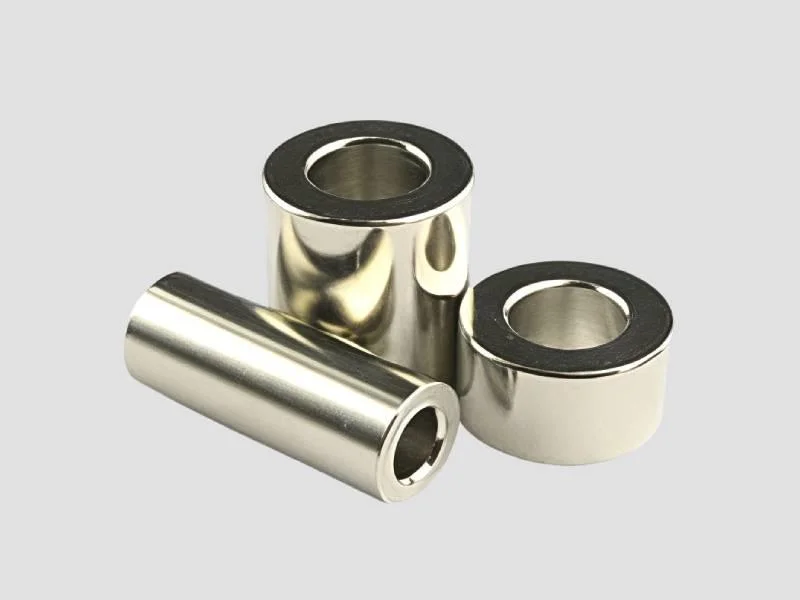
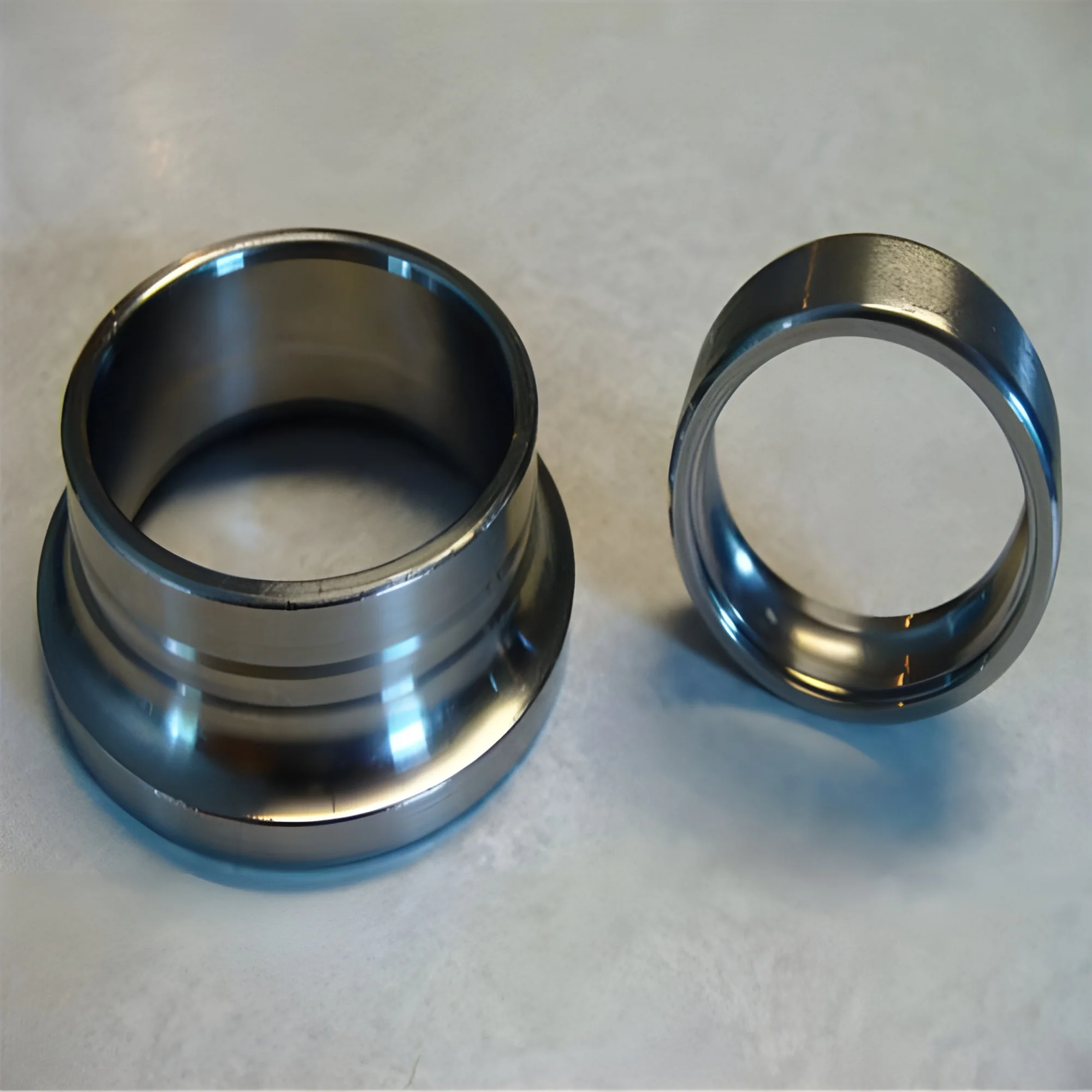
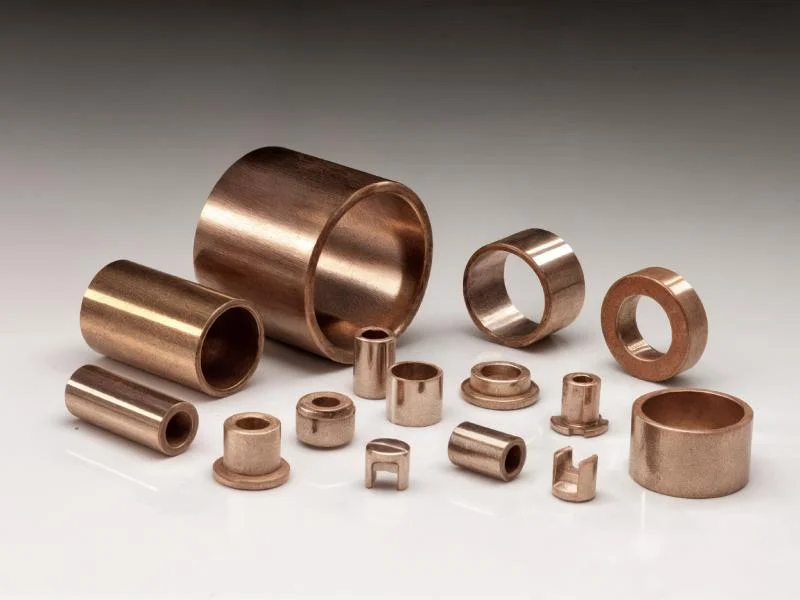
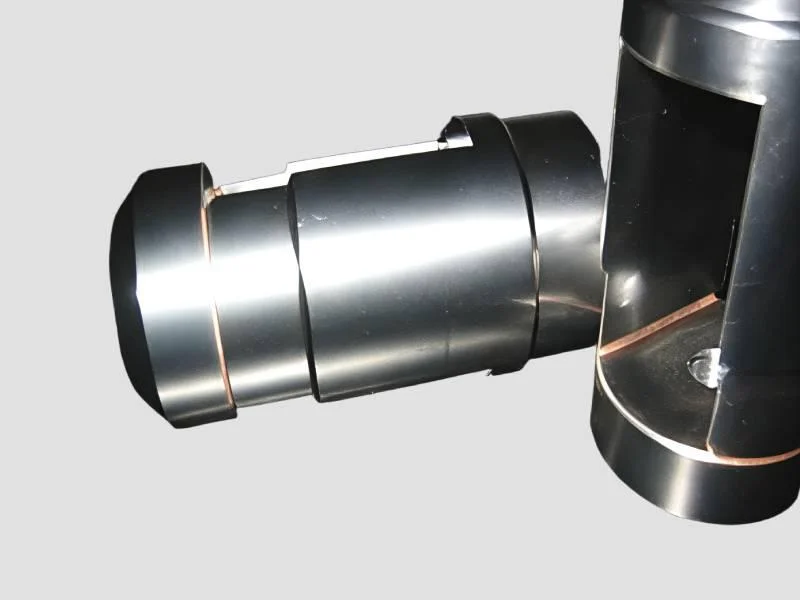
Inert atmosphere brazing represents the gold standard in precision metal joining technology, utilizing protective inert gases like argon or nitrogen to create oxidation-free, high-strength bonds between metal components. This sophisticated process maintains atmospheric control efficiency exceeding 99%, ensuring that joints remain completely free from surface contamination during the heating cycle. With temperature uniformity maintained within ±5°C throughout the brazing chamber, this method delivers consistent, repeatable results for even the most complex assembly configurations. The technology achieves joint strengths up to 500 MPa while maintaining dimensional accuracy within ±0.1 mm, making it suitable for applications where precision and reliability are non-negotiable. This controlled environment process eliminates the need for post-brazing cleaning while producing joints with superior metallurgical properties and exceptional surface finish quality.

Across industrial sectors, iner...
Inert atmosphere brazing represents the gold standard in precision metal joining technology, utilizing protective inert gases like argon or nitrogen to create oxidation-free, high-strength bonds between metal components. This sophisticated process maintains atmospheric control efficiency exceeding 99%, ensuring that joints remain completely free from surface contamination during the heating cycle. With temperature uniformity maintained within ±5°C throughout the brazing chamber, this method delivers consistent, repeatable results for even the most complex assembly configurations. The technology achieves joint strengths up to 500 MPa while maintaining dimensional accuracy within ±0.1 mm, making it suitable for applications where precision and reliability are non-negotiable. This controlled environment process eliminates the need for post-brazing cleaning while producing joints with superior metallurgical properties and exceptional surface finish quality.

Across industrial sectors, inert atmosphere brazing has become the preferred joining method for critical components in aerospace, where it ensures the integrity of turbine blades, engine mounts, and fuel system components that must withstand extreme temperatures and stresses. The automotive industry relies on this technology for manufacturing heat exchangers, transmission components, and exhaust systems that demand corrosion resistance and thermal stability. Medical device manufacturers utilize this process for creating implantable devices and surgical instruments requiring biocompatible, contamination-free joints. The power generation sector depends on inert atmosphere brazing for turbine components, heat exchangers, and nuclear applications where joint reliability directly impacts operational safety and efficiency. Electronics manufacturers employ this method for creating hermetic seals in sensors, connectors, and microelectronic packages that must maintain performance in challenging environments.

Businesses choosing inert atmosphere brazing gain significant competitive advantages through enhanced product reliability, reduced warranty claims, and improved customer satisfaction. The process delivers consistent quality that minimizes production variations and eliminates the hidden costs associated with joint failures in field applications. Manufacturers benefit from reduced scrap rates, lower rework requirements, and streamlined production flows due to the process's repeatability and precision. The high corrosion resistance meeting ASTM standards ensures longer product lifecycles and reduced maintenance costs for end-users, creating compelling value propositions in competitive markets. Customization options allow businesses to adapt the process to specific material combinations and design requirements, providing flexibility without compromising on joint quality or performance standards. The technology's reliability translates directly into stronger brand reputation and increased customer trust, particularly in industries where component failure carries significant safety or financial consequences.

Key Features:
- Joint strength capability up to 500 MPa for demanding applications
- Temperature uniformity maintained within ±5°C throughout process
- Atmosphere control efficiency exceeding 99% for oxidation prevention
- High corrosion resistance meeting ASTM standards for durability
- Dimensional accuracy within ±0.1 mm for precision assemblies

Benefits:
- Oxidation-free joints eliminate contamination and improve product lifespan
- Consistent, repeatable results reduce variability and quality issues
- Reduced post-processing requirements lower manufacturing costs
- Enhanced joint reliability decreases warranty claims and field failures
- Versatile application across multiple metals and complex geometries
Specifications
| Attribute | Value |
|---|---|
| Joint strength | Up to 500 MPa |
| Temperature Uniformity | ±5°C |
| Atmosphere Control Efficiency | >99% |
| Corrosion Resistance | High (meets ASTM standards) |
| Dimensional Accuracy | ±0.1 mm |
| Additional Information | |
|---|---|
| Country of Origin | India |
| Customisable | No |
Application
Inert atmosphere brazing serves critical joining needs across multiple high-performance industries where oxidation-free, precision metal assemblies are mandatory. This advanced process creates flawless joints that maintain material integrity under extreme operational conditions, making it indispensable for mission-critical components where failure is not an option.
The technology's versatility extends from micro-scale electronic components to large industrial assemblies, providing consistent results across different metals and complex geometries. Industries relying on this method benefit from enhanced product longevity, reduced maintenance costs, and improved safety standards through superior joint quality that withstands thermal cycling, pressure variations, and corrosive environments. Real-world applications:
Real-world applications:
- Aerospace turbine blades and engine components requiring oxidation-free joints
- Automotive heat exchangers and transmission assemblies needing thermal stability
- Medical device manufacturing for implantable and surgical instruments
- Power generation equipment including heat exchangers and turbine components
- Semiconductor manufacturing equipment requiring ultra-clean, precise metal joining
Trade Details
| Available Stock | In Stock |
| Sample Availability | No |
Payment Terms
| Payment Terms |
|
Company Profile

Quantum Heat Treaters India Pvt. Ltd., Tamil Nadu
 Tamil Nadu, India
Tamil Nadu, India20 yrs
Manufacturer•Distributor / Wholesaler•Retailer
Turn Over
₹25 Lakhs – ₹1 Crore
Factory Details
Factory Size1000-5000 sqm
Main Markets
Eastern Asia
South Asia
Southeast Asia
Inert Atmosphere Brazing For Oxidation Free Metal Joining Up To 500 MPa
Inert atmosphere brazing delivers oxidation-free metal joining with joint strength up to 500 MPa and dimensional accuracy of ±0.1 mm, ideal for aerospace, automotive, and precision manufacturing applications requiring reliable, high-performance assemblies.
Min. Order Quantity: 1
Shipping
Shipping fee and delivery date to be negotiated. Contact supplier now for more details.
Quantum Heat Treaters India Pvt. Ltd. Tamil Nadu, India
Tamil Nadu, IndiaManufacturer