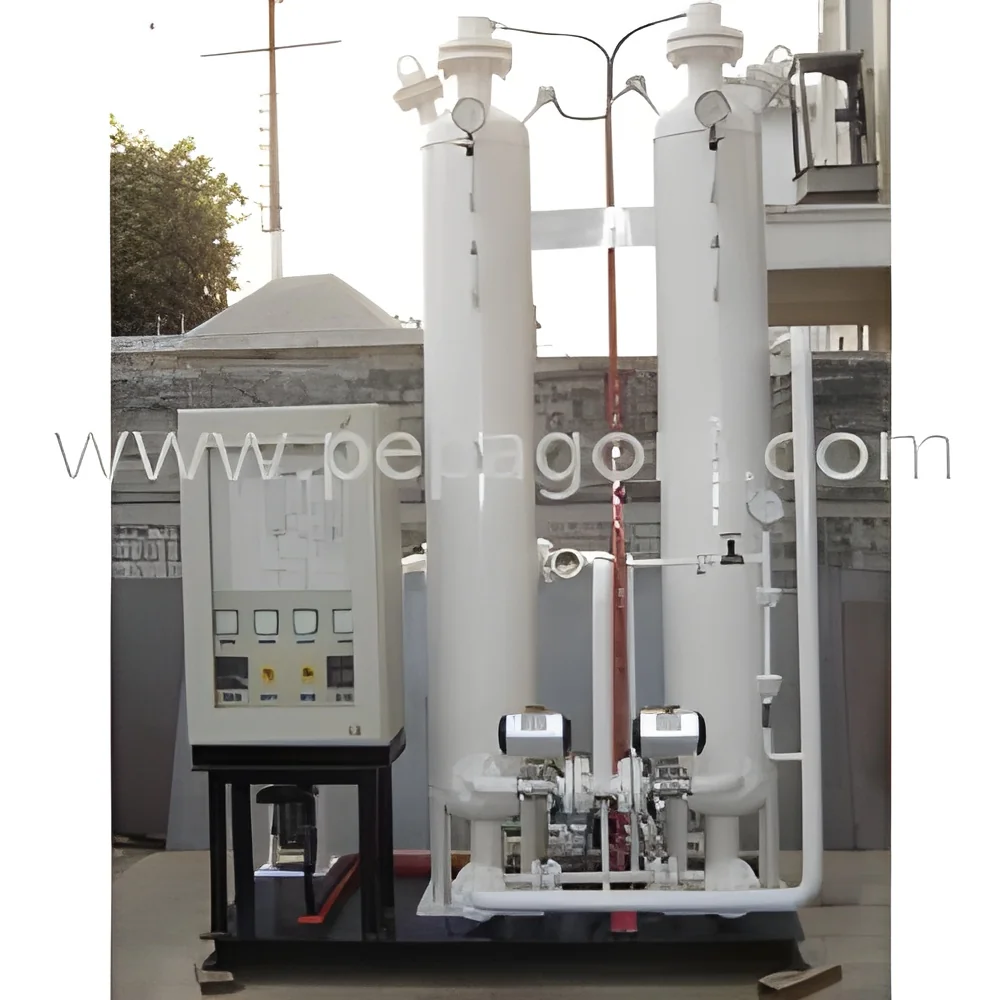
What are Gas Purification Systems?
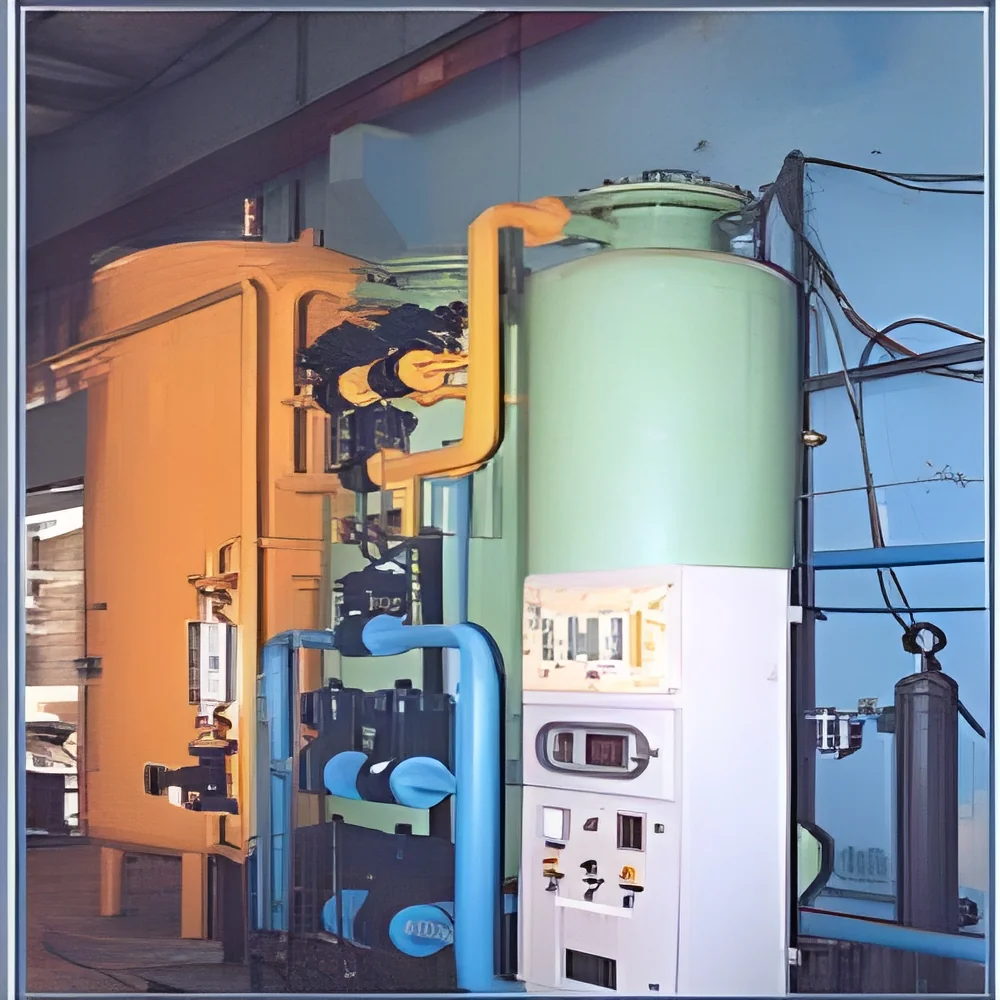
Gas Purification Systems are specialized technologies designed to remove impurities from gases. These systems ensure that gases meet specific quality standards necessary for various industrial applications. The purification process typically involves filtering, adsorption, and chemical reaction methods to eliminate contaminants such as moisture, particulates, and harmful gases.
These systems play a crucial role in industries like pharmaceuticals, food and beverage, manufacturing, and energy. They are essential for processes that require high-purity gases, such as in the creation of semiconductor components or in biopharmaceutical manufacturing. By ensuring the quality of gases, these systems help maintain product integrity and operational efficiency.
In the current market, the demand for Gas Purification Systems is growing due to increased regulatory requirements and a greater emphasis on environmental sustainability. Companies are investing in these systems to enhance their production processes and meet stringent quality standards. The market is characterized by technological advancements and a focus on customized solutions to meet specific industry needs.
Key Features and Specifications
Gas Purification Systems come with a variety of features tailored to different industrial applications. The specifications of these systems can influence their effectiveness and suitability for specific environments.
Key specifications include:
1. Filtration Efficiency
- The ability to remove particulates from gases.
- Typically ranges from 99% efficiency for larger particulates to 99.9999% for finer particles.
2. Flow Rate
- The volume of gas that can be purified within a given period.
- Commonly measured in cubic meters per hour (m³/h).
3. Operating Pressure
- The pressure at which the system operates.
- Usually ranges from atmospheric pressure to several bar, depending on the application.
4. Temperature Range
- The operational temperature limits of the system.
- Data not available.
5. Humidity Control
- The system's ability to manage moisture levels in gases.
- Data not available.
6. Monitoring Features
- Systems may include sensors for real-time monitoring of gas quality.
- Data not available.
7. Maintenance Requirements
- Frequency and complexity of maintenance tasks.
- Should be minimal to ensure continuous operation.
8. Material of Construction
- The materials used in the system, affecting durability and suitability for certain gases.
- Commonly stainless steel or specialized alloys.
In summary, understanding these specifications is vital for selecting the right Gas Purification System for your specific industrial needs.
Common Applications and Use Cases
Gas Purification Systems are versatile and serve various industries effectively.
1. Pharmaceutical Industry: These systems are crucial for ensuring the purity of gases used in drug manufacturing, where any impurities can affect product efficacy and safety.
2. Food and Beverage Industry: High-purity gases are necessary for processes such as packaging and carbonation, ensuring product quality and extending shelf life.
3. Semiconductor Manufacturing: Gas purity is critical in the production of electronic components, where even trace contaminants can lead to defects.
4. Chemical Processing: Gas purification ensures that reactants are free from impurities, enhancing the safety and efficiency of chemical reactions.
5. Oil and Gas Industry: These systems are utilized to purify gases during extraction and refining processes, ensuring compliance with environmental regulations.
6. Energy Production: In power generation, purified gases are essential for efficient combustion and reducing harmful emissions.
7. Laboratory Applications: Gas Purification Systems are often used in research environments to provide the necessary gas quality for experiments.
Product Variants and Subcategories
Gas Purification Systems come in various configurations to meet specific industry needs.
Variant 1: Membrane Purification Systems
These systems utilize selective membranes to separate gases based on their molecular size and properties. They are ideal for applications requiring high efficiency and lower energy consumption.
Variant 2: Adsorption-Based Purification Systems
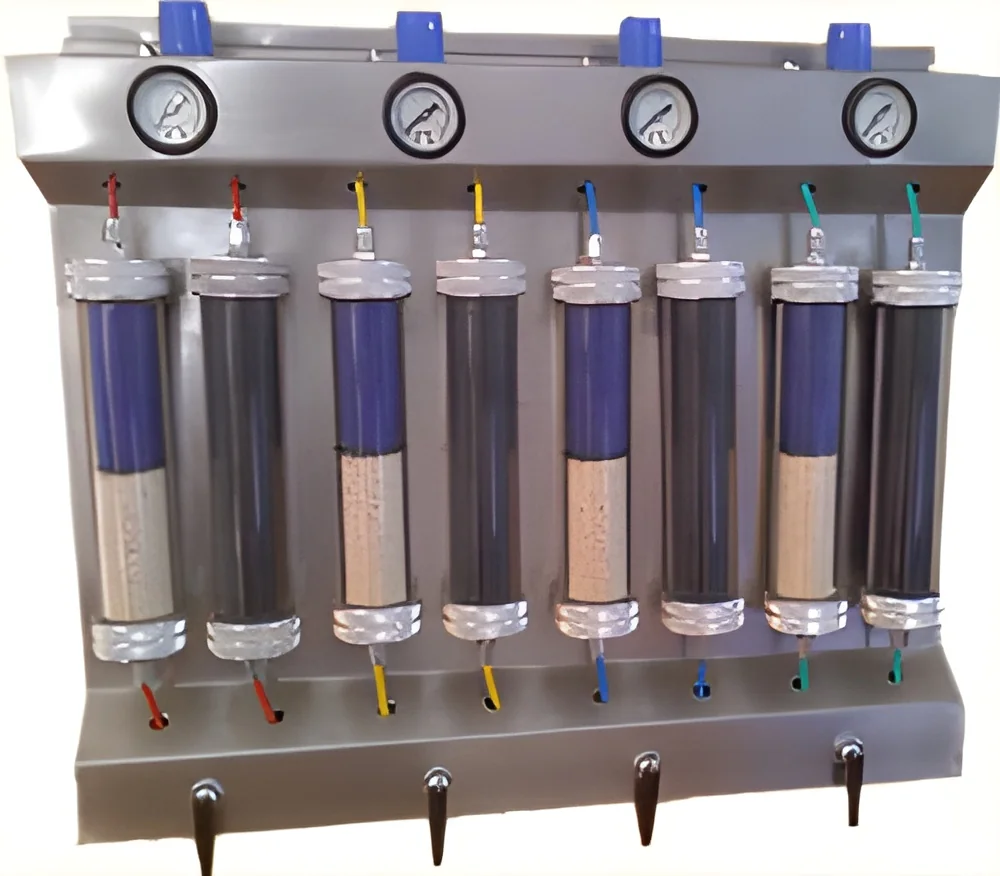
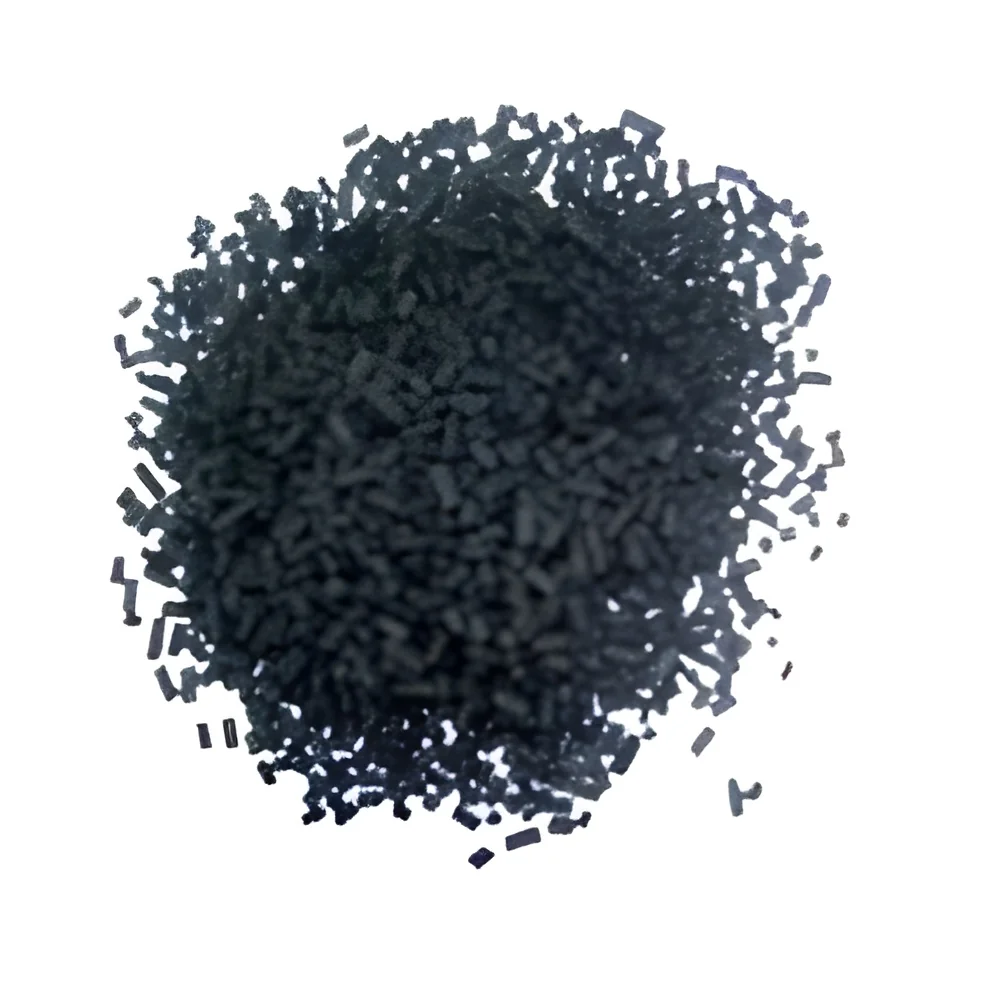
This type employs adsorbent materials to capture contaminants from gas streams. They are commonly used in situations where specific impurities need to be targeted.
Variant 3: Chemical Absorption Systems
These systems use chemical reactions to remove specific gases, making them suitable for applications involving corrosive or reactive substances.
Variant 4: Cryogenic Purification Systems
These systems operate at extremely low temperatures to separate gases by condensing them, ideal for applications requiring ultra-high purity.
Benefits and Advantages
Investing in Gas Purification Systems offers numerous advantages for businesses.
1. Enhanced Product Quality: By ensuring high gas purity, these systems contribute to better product quality and consistency.
2. Regulatory Compliance: They help companies meet stringent industry standards and regulations, reducing the risk of penalties.
3. Increased Efficiency: High-purity gases lead to more efficient production processes, saving time and resources.
4. Environmental Sustainability: By minimizing emissions and waste, these systems support eco-friendly operations.
5. Cost Savings: Improved efficiency and reduced waste can lead to significant cost reductions over time.
6. Customization: Many systems can be tailored to meet specific operational needs, providing flexibility for various applications.
Buying Guide for B2B Buyers
When sourcing Gas Purification Systems, several factors should be considered to ensure the best fit for your needs.
1. Quality Assessment: Evaluate the quality of the systems by looking for certifications and compliance with industry standards. This ensures reliability and performance.
2. Supplier Verification: Research potential suppliers to verify their reputation and reliability. Look for reviews and testimonials from previous clients.
3. Pricing and MOQ: Consider the cost of the systems and understand the minimum order quantities required by suppliers. This helps in budgeting and planning.
4. Delivery and Lead Times: Assess the logistics involved in the procurement process. Understand the expected delivery times and any potential delays.
5. Compliance Requirements: Ensure that the systems meet all necessary regulatory requirements for your industry. This can prevent future compliance issues.
Compliance and Certifications
Gas Purification Systems must adhere to various quality standards to ensure safety and effectiveness.
ISO 9001 is a critical standard that outlines requirements for a quality management system, ensuring consistent quality in production.
HACCP (Hazard Analysis and Critical Control Points) is relevant for food and beverage applications, focusing on food safety and quality management.
CE certification indicates that the systems comply with European health, safety, and environmental protection standards, a must for products sold in the EU market.
Safety requirements are paramount, necessitating rigorous testing protocols to ensure systems operate safely under specified conditions.
Regional compliance considerations may vary, so it's vital to understand local regulations when sourcing systems for specific geographical areas.
Why Source Gas Purification Systems from Pepagora?
Pepagora provides a trusted platform for sourcing Gas Purification Systems, offering several key advantages to B2B buyers.
Verified Supplier Network: Pepagora has established a network of vetted suppliers, ensuring that buyers can source high-quality systems with confidence.
Streamlined RFQ Process: The request for quotation (RFQ) process is designed to be efficient, allowing buyers to obtain multiple quotes quickly and compare options effectively.
Trade Assurance and Support: Pepagora offers buyer protection through trade assurance, ensuring that transactions are secure and that buyers receive the products as promised.
Regional Coverage: With a strong presence in India, the GCC, and Southeast Asia, Pepagora connects buyers with suppliers across these regions, facilitating easier access to Gas Purification Systems tailored to local market needs.

 IN
IN