IN
IN₹
Description
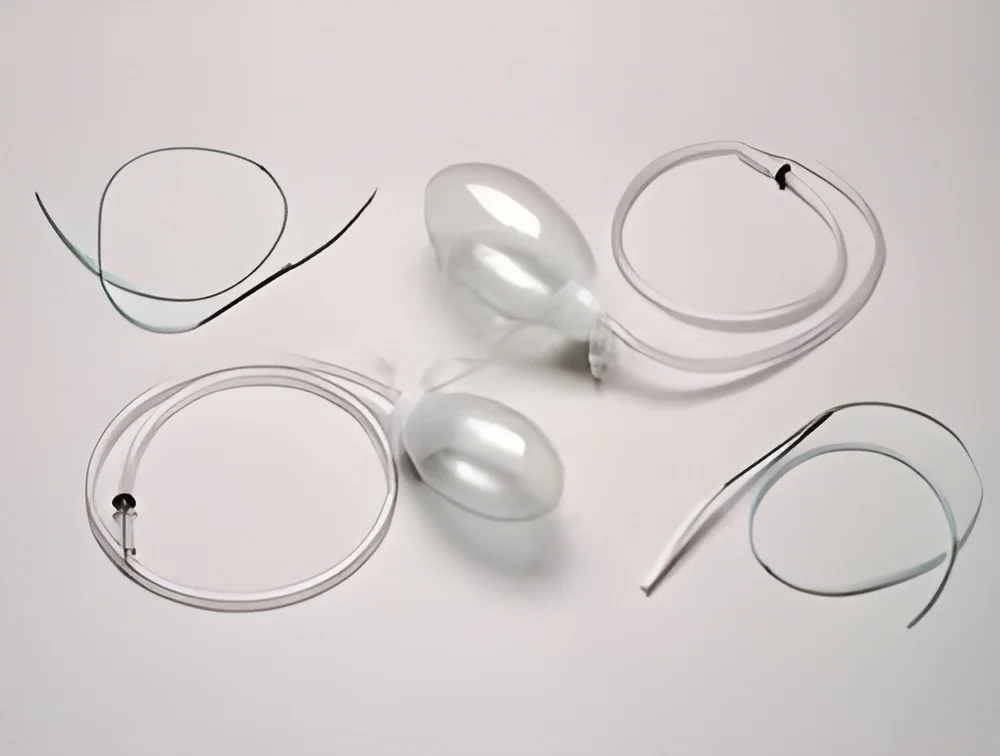
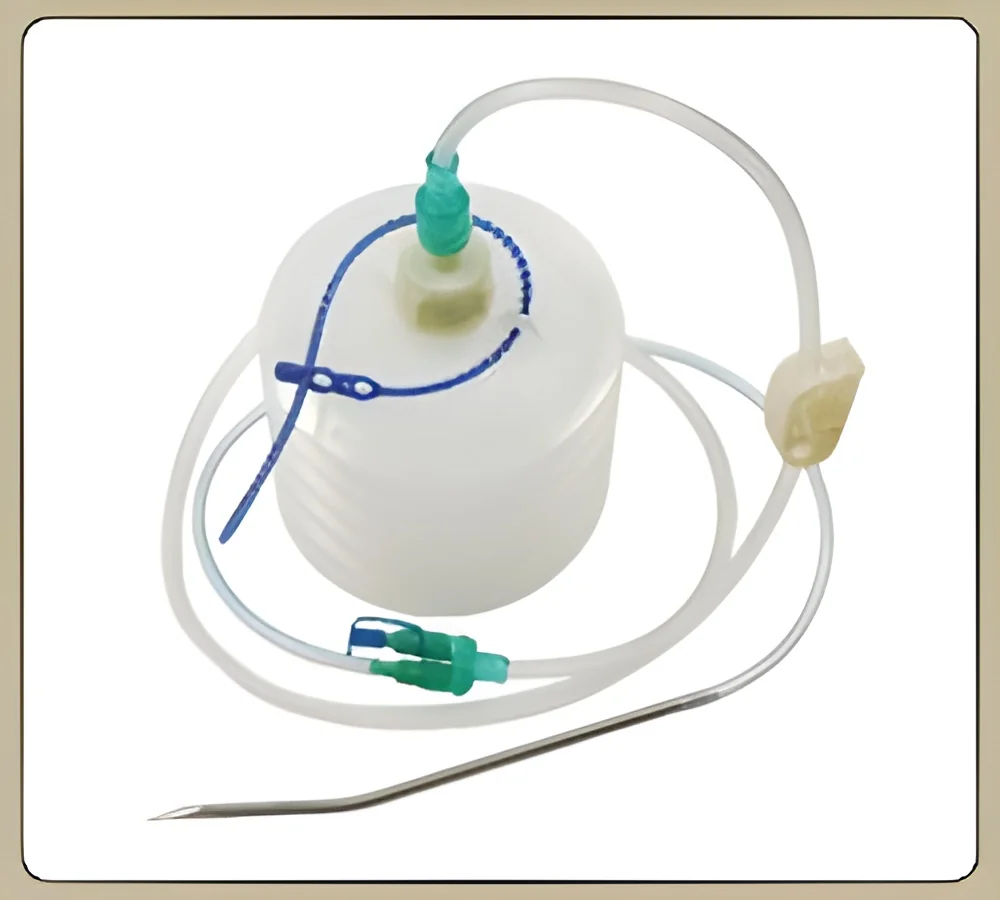
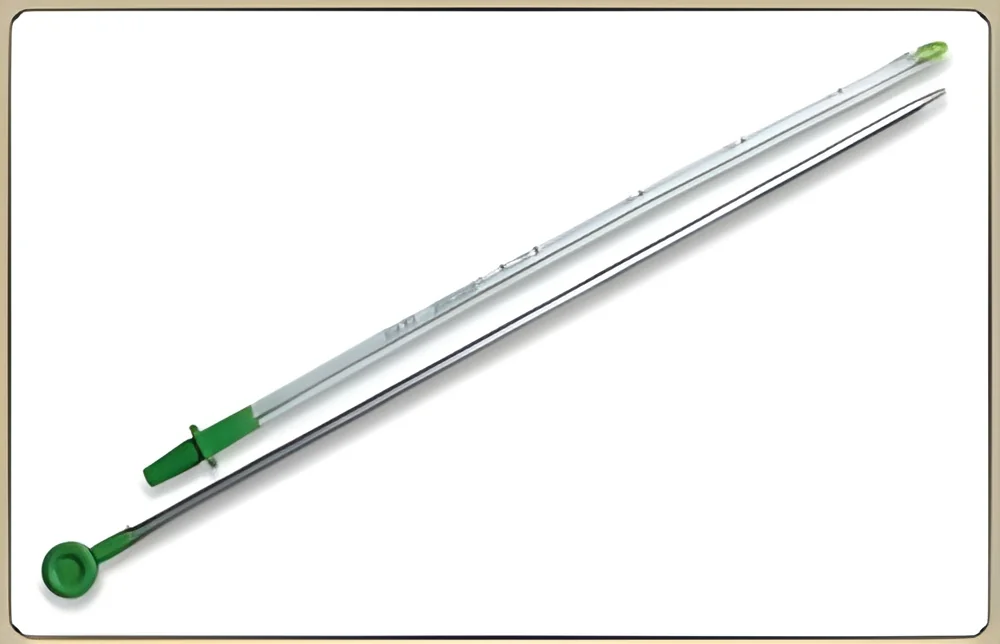
Medical Thoracic Trocars represent advanced medical instrumentation specifically engineered for pleural and thoracic cavity drainage procedures. These precision-crafted devices facilitate efficient chest drainage through minimally invasive techniques, significantly reducing patient trauma while ensuring optimal clinical outcomes. Manufactured to rigorous medical standards, these instruments feature specialized designs that enable healthcare professionals to perform both emergency and scheduled drainage procedures with confidence and precision. The trocars incorporate medical-grade materials and ergonomic designs that support sterile technique while delivering reliable performance in critical care environments where patient safety is paramount.

These essential medical devices find extensive application across multiple healthcare specialties including cardiothoracic surgery, emergency medicine, critical care, and pulmonology. Hospitals and surgical centers utilize thoracic trocars for p...
Medical Thoracic Trocars represent advanced medical instrumentation specifically engineered for pleural and thoracic cavity drainage procedures. These precision-crafted devices facilitate efficient chest drainage through minimally invasive techniques, significantly reducing patient trauma while ensuring optimal clinical outcomes. Manufactured to rigorous medical standards, these instruments feature specialized designs that enable healthcare professionals to perform both emergency and scheduled drainage procedures with confidence and precision. The trocars incorporate medical-grade materials and ergonomic designs that support sterile technique while delivering reliable performance in critical care environments where patient safety is paramount.

These essential medical devices find extensive application across multiple healthcare specialties including cardiothoracic surgery, emergency medicine, critical care, and pulmonology. Hospitals and surgical centers utilize thoracic trocars for post-operative drainage management following complex thoracic surgeries, while emergency departments depend on them for rapid intervention in chest trauma cases. The instruments serve crucial roles in ICU settings for managing pleural effusions and in specialized thoracic surgery units where precise drainage capability directly influences patient recovery outcomes and significantly reduces complication rates across diverse clinical scenarios.

The inherent value of thoracic trocars lies in their exceptional reliability, clinical effectiveness, and substantial contribution to improved patient outcomes. These instruments demonstrate outstanding durability and consistent performance, reducing replacement costs and ensuring constant readiness for emergency situations. Medical facilities benefit from decreased procedure times and enhanced patient safety profiles when utilizing these specialized tools. The quality construction and precision engineering ensure these instruments meet the demanding requirements of modern healthcare environments, providing medical professionals with dependable tools they can trust during critical procedures.

Key Features:
- Medical-grade materials ensuring complete biocompatibility and sterilization compatibility
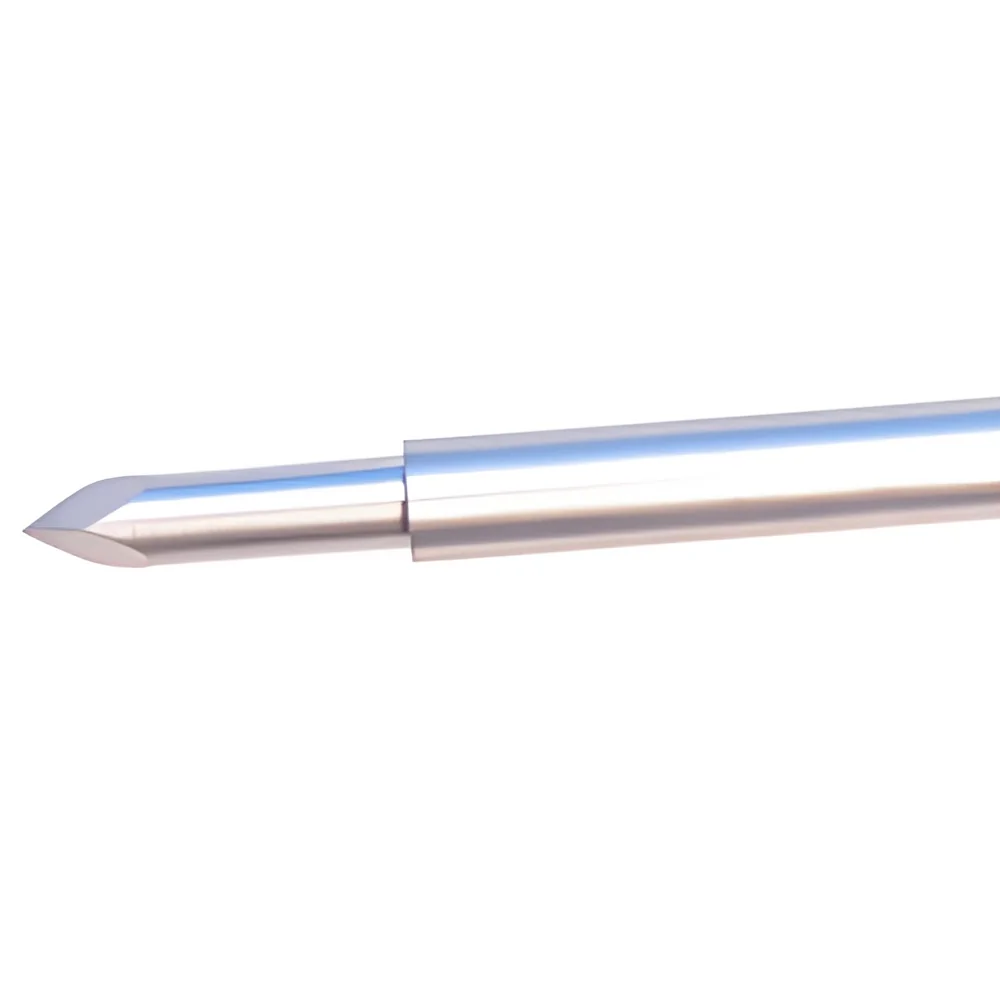
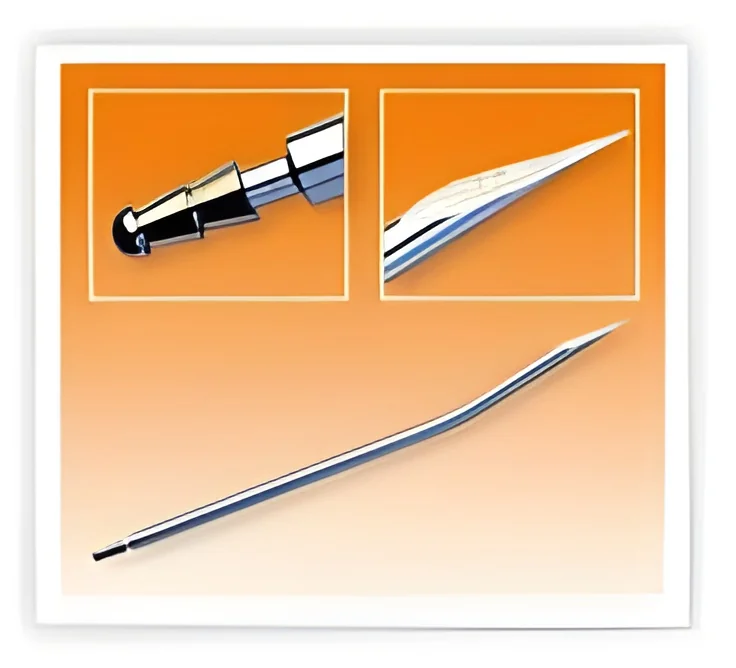
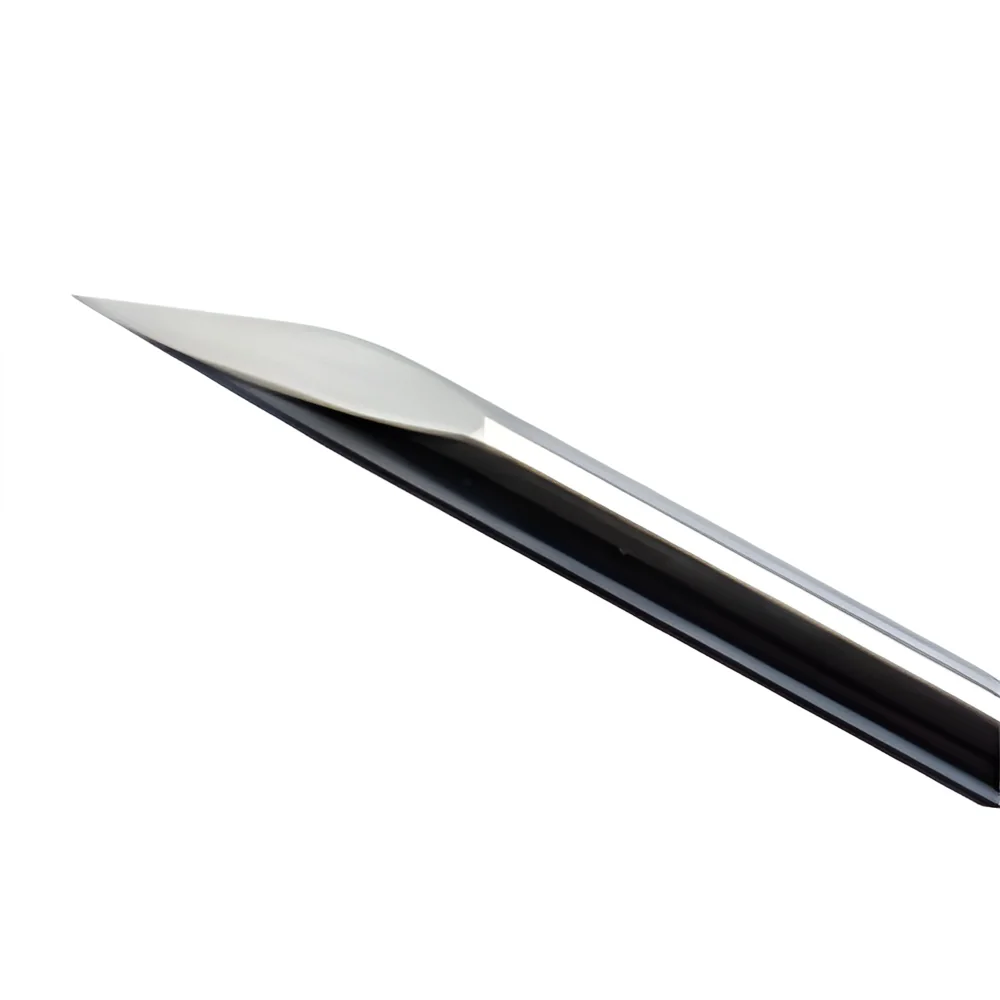
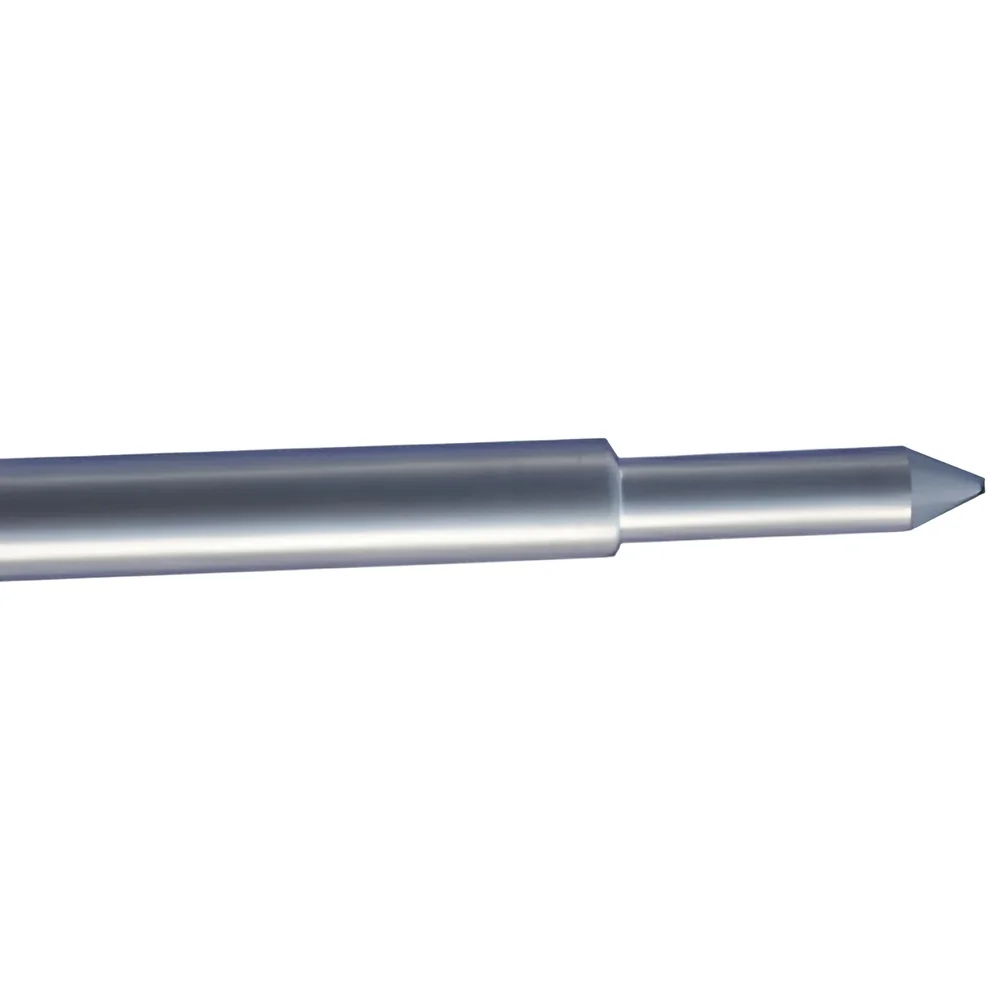
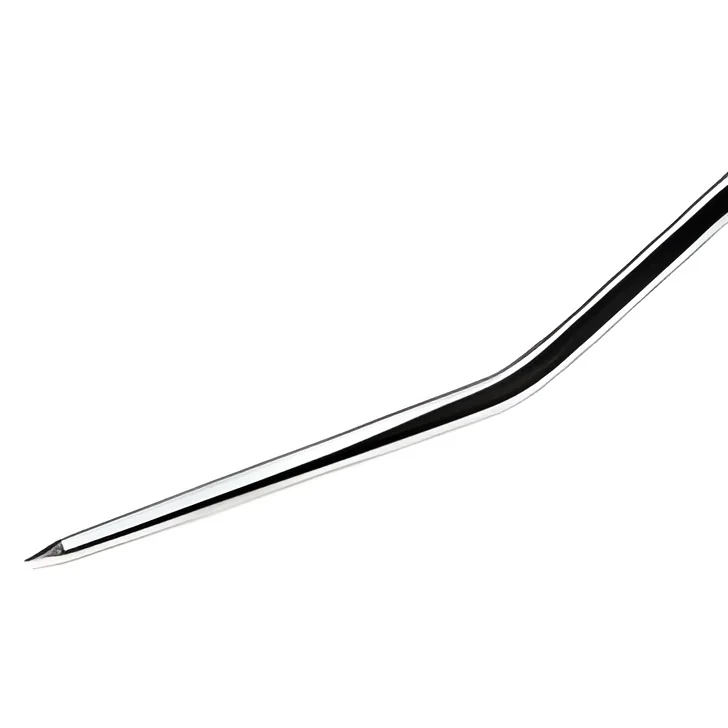
- Precision-engineered sharp tips for smooth tissue penetration and minimal patient trauma
- Ergonomic handle design facilitating controlled insertion and precise placement
- Radiopaque components providing enhanced visibility under imaging guidance
- Multiple size configurations accommodating various patient anatomies and clinical needs

Benefits:
- Enhanced patient safety through reduced tissue trauma during insertion procedures
- Improved procedural efficiency with quick, reliable chest drainage capability
- Superior visibility during placement with radiopaque components for accuracy
- Long-term cost effectiveness through durable construction and reliable performance
- Versatile application across multiple clinical scenarios and patient demographics
Specifications
| Additional Information | |
|---|---|
| Country of Origin | India |
Application
Thoracic trocars are precision medical instruments designed for efficient pleural and thoracic cavity drainage procedures. They enable healthcare professionals to perform quick, effective chest drainage with minimal patient trauma, ensuring optimal performance during critical medical interventions where accuracy and speed are essential for patient outcomes.
These specialized devices serve vital roles across multiple healthcare environments including hospitals, surgical centers, and emergency care facilities. Medical teams rely on thoracic trocars for both scheduled surgical procedures and emergency interventions requiring rapid chest decompression to address life-threatening thoracic conditions and ensure proper postoperative recovery management.
- Emergency treatment of tension pneumothorax in trauma centers and intensive care units
- Post-operative drainage management following cardiothoracic surgical procedures
- Therapeutic intervention for pleural effusions in hospital inpatient care
- Thoracic cavity drainage in specialized surgical theater environments
- Chest trauma management and decompression in emergency department critical care
Trade Details
| Available Stock | In Stock |
| Sample Availability | No |
Payment Terms
| Payment Terms |
|
Company Profile

Aman India, Punjab
 Punjab, India
Punjab, IndiaManufacturer•Importer / Exporter
Factory Details
Factory SizeBelow 1000 sqm
Annual Production Capacity0
Medical Thoracic Trocars For Chest Drainage And Emergency Care
Medical Thoracic Trocars provide reliable pleural and thoracic cavity drainage for chest conditions. These medical-grade instruments ensure precision and safety in critical thoracic surgeries and emergency care procedures.
Min. Order Quantity: 1 unit
Shipping
Shipping fee and delivery date to be negotiated. Contact supplier now for more details.
Aman India
 Punjab, India
Punjab, IndiaManufacturer