
 IN
Thermal Laminating Machines
4 products available
What are Thermal Laminating Machines?
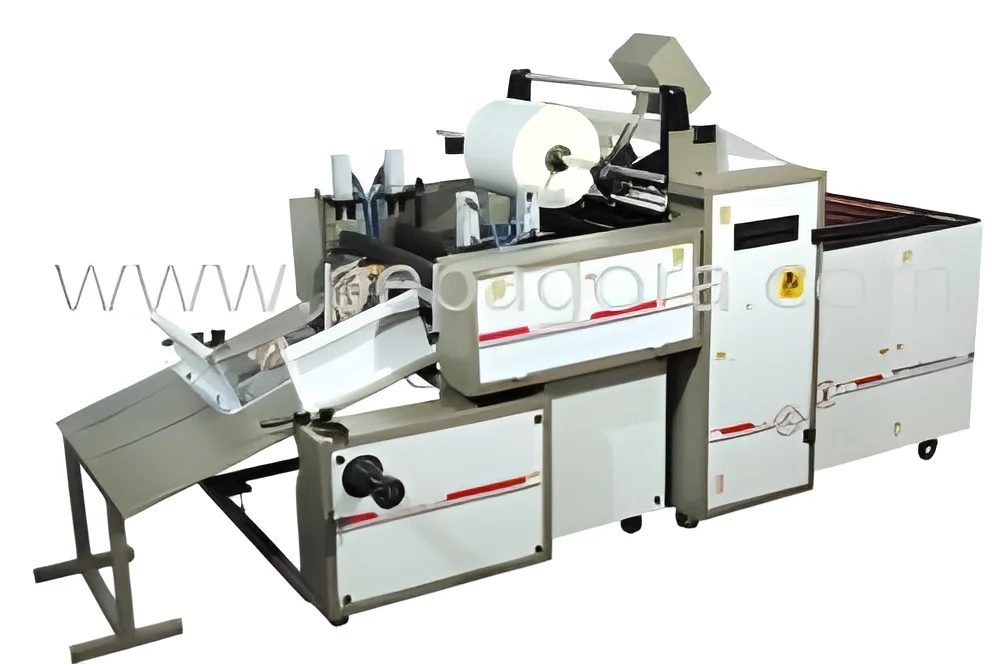
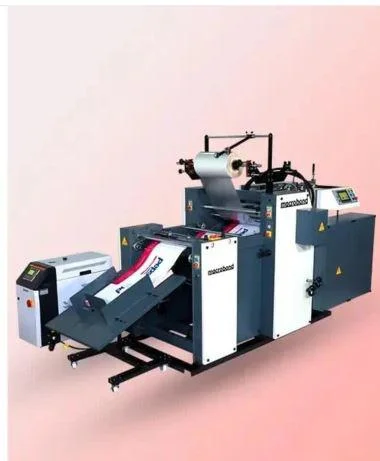
Thermal laminating machines are specialized devices used to apply a protective layer of plastic film to printed materials. This process enhances durability, improves appearance, and provides moisture resistance. Thermal lamination involves the use of heat and pressure to bond the film to the substrate, ensuring a smooth finish that can withstand wear and tear.
These machines are commonly utilized in various business sectors, including printing, packaging, and graphic design. They are essential for producing items such as business cards, menus, book covers, and other marketing materials that require a professional look and feel. As businesses strive to enhance the quality of their printed products, thermal laminating machines have become increasingly relevant, contributing to the overall aesthetics and longevity of printed materials.
In the current market, thermal laminating machines are in demand due to their ability to provide cost-effective solutions for protecting printed materials. With advancements in technology, these machines have evolved to offer faster processing speeds and improved energy efficiency, making them valuable assets for companies looking to optimize their production lines.
Key Features and Specifications
Thermal laminating machines come with a variety of features and specifications that cater to different business needs. Understanding these specifications is crucial for selecting the right machine for your operations.
Key specifications include:
1. Laminating Speed
- Measures how quickly the machine can laminate materials.
- Typically ranges from 1 to 10 meters per minute.
2. Maximum Laminating Width
- Indicates the widest material the machine can handle.
- Commonly ranges from 300 mm to 1500 mm.
3. Temperature Control
- Allows for precise adjustment of heating levels for different materials.
- Usually adjustable between 80 to 180 degrees Celsius.
4. Roll Diameter
- Refers to the size of the film rolls used in the machine.
- Generally ranges from 75 mm to 150 mm.
5. Power Consumption
- Indicates the energy efficiency of the machine.
- Typically ranges from 1.5 kW to 5 kW.
6. Weight
- Important for determining the portability and installation requirements.
- Usually ranges from 50 kg to 300 kg.
7. Safety Features
- Includes automatic shut-off and emergency stop functions for user safety.
8. Control System
- Type of interface used to operate the machine, which can be digital or analog.
In summary, when selecting a thermal laminating machine, understanding these key specifications helps ensure that the chosen model meets the specific needs of your business.
Common Applications and Use Cases
Thermal laminating machines are versatile tools used across various industries to enhance the quality of printed materials.
1. Printing Industry: In commercial printing, these machines are essential for producing high-quality brochures, flyers, and catalogs that require extra protection against wear and moisture.
2. Packaging Industry: Thermal lamination is often employed in packaging to create durable labels and packaging materials that withstand shipping and handling.
3. Educational Sector: Schools and educational institutions use thermal laminating machines for laminating documents, posters, and educational materials, ensuring they last longer and remain presentable.
4. Retail and Marketing: Businesses in retail often laminate signage and promotional materials to enhance their visual appeal and protect them from damage.
5. Government Agencies: Laminated materials, such as ID cards and certificates, are commonly produced for durability and security.
6. Non-Profit Organizations: These organizations use thermal lamination for producing informational brochures and flyers, ensuring they are resilient for distribution.
7. Photography: Photographers often laminate prints to provide a professional finish and protect their work from environmental damage.
Product Variants and Subcategories
Thermal laminating machines are available in different variants to cater to specific requirements and applications.
Manual Laminating Machines
These machines are operated by hand, allowing for precise control over the lamination process. They are ideal for small businesses or those with lower volume needs.
Automatic Laminating Machines
Designed for high-volume applications, these machines automate the lamination process, significantly increasing efficiency and reducing labor costs.
Wide Format Laminating Machines
These machines are capable of handling larger materials, making them suitable for the signage and graphic design industries, where big prints are common.
Benefits and Advantages
Thermal laminating machines provide several key advantages that enhance their appeal for businesses.
1. Enhanced Durability: Laminated materials are resistant to wear, moisture, and fading, extending the lifespan of printed products.
2. Improved Appearance: The glossy or matte finish of laminated materials elevates the overall look, making them more visually appealing.
3. Cost-Effective Protection: By reducing the need for reprints and repairs, thermal lamination offers a budget-friendly solution for maintaining the quality of printed materials.
4. Versatility: These machines can handle a variety of materials and sizes, making them suitable for a wide range of applications.
5. Increased Efficiency: With advanced features, thermal laminating machines can streamline production processes, saving time and labor costs.
6. User-Friendly Operation: Many modern machines come with intuitive controls, making them easy to operate even for those with minimal experience.
Buying Guide for B2B Buyers
When sourcing thermal laminating machines, businesses should consider several critical factors to ensure they make informed purchasing decisions.
1. Quality Assessment: Evaluate the build quality and performance of the laminating machine. Look for machines with robust construction and positive user reviews regarding reliability.
2. Supplier Verification: Vet suppliers to ensure they have a good reputation and offer reliable after-sales support. Check for customer testimonials and industry certifications.
3. Pricing and MOQ: Understand the price range for different models and be aware of the minimum order quantity (MOQ) requirements. This will help in budgeting and planning purchases.
4. Delivery and Lead Times: Consider the logistics involved in obtaining the machine, including shipping times and potential delays. Ensure that the supplier can meet your timeline.
5. Compliance Requirements: Verify any regulatory compliance that may be necessary for operating thermal laminating machines in your industry, including safety and environmental standards.
Compliance and Certifications
Thermal laminating machines must adhere to various compliance and certification standards to ensure safety and quality.
ISO 9001 is a widely recognized quality management standard that ensures products meet customer and regulatory requirements. Manufacturers of thermal laminating machines often pursue this certification to demonstrate their commitment to quality.
CE certification is essential for machines sold within the European Economic Area, indicating that the product meets European safety and environmental protection standards.
Safety and testing requirements include the evaluation of electrical and mechanical components to ensure they operate safely under normal conditions.
Additionally, regional compliance considerations may vary, so businesses should be aware of specific regulations in their operating regions to ensure full compliance.
Why Source Thermal Laminating Machines from Pepagora?
Pepagora provides a trusted platform for sourcing thermal laminating machines with several key advantages that benefit B2B buyers.
Verified Supplier Network: Pepagora ensures that all suppliers in their network are thoroughly vetted for reliability and quality. This gives buyers peace of mind when making purchasing decisions.
Streamlined RFQ Process: The platform offers an efficient Request for Quotation (RFQ) process, allowing buyers to compare prices and features easily from multiple suppliers, saving time and effort.
Trade Assurance and Support: Pepagora provides buyer protection through trade assurance, ensuring that transactions are secure and that buyers receive support throughout the purchasing process.
Regional Coverage: With a focus on markets in India, the GCC, and Southeast Asia, Pepagora offers extensive geographic reach, connecting buyers with local suppliers and facilitating easier access to thermal laminating machines.


 India
 India
 India
Frequently Asked Questions
What are Thermal Laminating Machines?
Thermal laminating machines are devices used to apply a protective plastic laminate to printed materials, enhancing durability and appearance. These machines use heat and pressure to bond a layer of plastic film to the surface of the material, providing protection against moisture, dirt, and wear.
What are the different types of Thermal Laminating Machines?
There are several types of thermal laminating machines, including pouch laminators, roll laminators, and high-speed industrial laminators. Pouch laminators are suitable for small-scale applications, while roll laminators are ideal for larger projects and continuous runs.
How do I choose the right Thermal Laminating Machines?
When selecting a thermal laminating machine, consider factors such as the volume of materials you plan to laminate, the types and sizes of materials, and the desired finish. Additionally, evaluate the machine's speed, ease of use, and maintenance requirements to ensure it meets your operational needs.
What are the standard specifications for Thermal Laminating Machines?
Standard specifications for thermal laminating machines typically include laminating width, speed (measured in inches per minute), and the thickness of the laminate film it can handle. It's also important to consider features like adjustable temperature settings and roll diameter.
What is the price range for Thermal Laminating Machines?
The price of thermal laminating machines can vary widely depending on the type, size, and features. Generally, small pouch laminators can range from INR 5,000 to INR 20,000, while larger roll laminators may start from INR 20,000 and can go up to several lakhs for industrial-grade models.
What quality standards apply to Thermal Laminating Machines?
Thermal laminating machines must comply with quality standards such as ISO 9001, which ensures consistent quality management systems. Additionally, safety standards related to electrical components and operational safety should also be considered.
Where can I find Thermal Laminating Machines suppliers in India?
You can find thermal laminating machine suppliers in India through various online B2B marketplaces, trade directories, and industry-specific exhibitions. Websites like Pepagora.com also provide listings of manufacturers and suppliers offering a range of thermal laminating machines.
Can Thermal Laminating Machines be customized?
Yes, many manufacturers offer customization options for thermal laminating machines to meet specific needs. Customizations can include size, features, and additional functionalities to optimize the machine for particular applications.
What is the typical minimum order quantity for Thermal Laminating Machines?
The minimum order quantity (MOQ) for thermal laminating machines varies by manufacturer and model. Typically, MOQs can range from one unit for smaller machines to several units for industrial models, depending on the supplier's policies.
What is the typical lead time for Thermal Laminating Machines?
The lead time for thermal laminating machines can vary based on the manufacturer and the complexity of the order. Generally, standard machines may have a lead time of 2 to 4 weeks, while customized models might take longer, possibly 6 to 8 weeks.
Why Businesses Trust Pepagora
Thousands of companies trust Pepagora to source smarter and sell faster
Expand Your Sales Globally

Source Smarter,Grow Faster
