
 IN
Tensile Testing Machines for Plastics
7 products available
What are Tensile Testing Machines for Plastics?
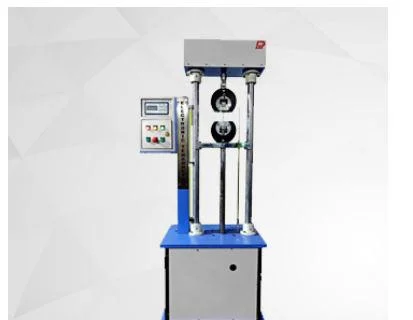
Tensile Testing Machines for Plastics are specialized instruments designed to measure the mechanical properties of plastic materials. These machines apply a controlled tensile force to a sample until it deforms or breaks, allowing for the assessment of characteristics such as tensile strength, elongation, and modulus of elasticity. By providing precise measurements, these machines play a crucial role in understanding how plastics will perform in real-world applications.
These testing machines are commonly used in various industries, including automotive, aerospace, packaging, and consumer goods. They help manufacturers ensure that their plastic products meet quality and performance standards. For instance, understanding the tensile properties of plastics can guide product design and material selection, ensuring durability and reliability in end-use applications. As the demand for high-quality plastic products continues to grow, the relevance of tensile testing machines in maintaining industry standards cannot be overstated.
Key Features and Specifications
Tensile Testing Machines for Plastics come equipped with various features tailored to meet the specific needs of different testing protocols. These machines are designed to provide accurate and repeatable results, essential for quality control in manufacturing processes.
Key specifications include:
1. Load Capacity
- Typically ranges from a few hundred grams to several tons, depending on the machine model.
- Allows testing of various plastic samples, from thin films to thick composites.
2. Crosshead Speed
- Adjustable speeds usually between 1 mm/min to 500 mm/min.
- Enables testing under different conditions and adheres to specific testing standards.
3. Measurement Accuracy
- Precision within 0.5% of the full scale.
- Ensures reliable results for quality assurance.
4. Data Acquisition System
- Integrated software for real-time data monitoring and analysis.
- Facilitates detailed reporting and data storage.
5. Sample Compatibility
- Capable of testing various shapes and sizes of plastic samples.
- Includes fixtures for different types of specimens like films, sheets, and rods.
6. Safety Features
- Emergency stop functions and safety guards.
- Protects operators during testing procedures.
7. Compliance with Standards
- Designed to meet international testing standards, including ASTM and ISO.
- Ensures that results are valid and accepted in global markets.
8. Optional Accessories
- Extensometers for enhanced elongation measurements.
- Environmental chambers for testing under specific temperature and humidity conditions.
These features consolidate the machine's ability to provide comprehensive testing solutions for plastics, ensuring manufacturers can maintain high-quality standards.
Common Applications and Use Cases
Tensile Testing Machines for Plastics are utilized across various sectors, serving multiple applications that are vital for product development and quality assurance.
1. Automotive Industry: Used for testing plastic components like dashboards and panels to ensure they meet safety and performance standards.
2. Aerospace Industry: Tests materials for aircraft interiors and components, ensuring they are lightweight yet durable.
3. Packaging Industry: Evaluates films and containers to ensure they can withstand stress and pressure during transportation and storage.
4. Consumer Goods: Assesses plastic products such as toys and household items for durability and safety compliance.
5. Electronics Industry: Tests insulation materials and casings to ensure they can handle stress without failure.
6. Medical Devices: Ensures that plastics used in medical equipment meet stringent regulatory standards for safety and performance.
7. Construction Industry: Evaluates plastics used in building materials for durability and resistance to environmental factors.
Product Variants and Subcategories
Tensile Testing Machines for Plastics come in several variants, catering to different testing needs and operational scales.
Universal Testing Machines: These versatile machines can test a wide range of materials, including metals and composites, in addition to plastics. They are suitable for laboratories and production quality control.
Tabletop Testing Machines: Designed for smaller testing needs, these machines occupy less space and are ideal for testing thin films and small plastic samples.
High-Temperature Testing Machines: Capable of testing materials at elevated temperatures, these machines are essential for applications in industries where plastics are exposed to heat.
Automated Testing Systems: These systems offer full automation for high-volume testing applications, suitable for large-scale manufacturing environments.
Benefits and Advantages
Tensile Testing Machines for Plastics provide numerous benefits that enhance product quality and manufacturing efficiency.
1. Improved Product Quality: By identifying weak points in plastic materials, manufacturers can enhance their products before they reach the market.
2. Compliance with Standards: Ensures that all products meet regulatory requirements, reducing the risk of recalls and legal issues.
3. Enhanced R&D Capabilities: Facilitates material development and innovation by providing critical data for engineers and designers.
4. Cost Efficiency: Helps prevent material failure in end products, saving costs related to returns and replacements.
5. Increased Competitive Edge: Companies that utilize tensile testing can market their products as reliable and tested, appealing to quality-conscious consumers.
6. Streamlined Quality Control: Integrating these machines into production processes allows for real-time monitoring and adjustments, ensuring consistent product quality.
Buying Guide for B2B Buyers
When sourcing Tensile Testing Machines for Plastics, several critical factors should be considered to ensure the right choice for your business.
1. Quality Assessment: Look for machines that adhere to recognized quality standards and provide detailed specifications to ensure reliability in testing results.
2. Supplier Verification: Vet suppliers by checking their certifications, past customer feedback, and experience in the industry to establish trustworthiness.
3. Pricing and MOQ: Understand the price range for different models and be aware of minimum order quantities to ensure that the investment aligns with your budget and needs.
4. Delivery and Lead Times: Consider the logistics involved in sourcing the machine, including shipping times and installation support, to minimize downtime.
5. Compliance Requirements: Ensure the machine meets any regulatory standards specific to your industry, which is crucial for maintaining product integrity and safety.
Compliance and Certifications
Tensile Testing Machines for Plastics must comply with various quality standards and certifications to ensure they meet industry requirements.
ISO 9001: A standard that ensures the quality management systems of manufacturers are robust and reliable, leading to consistent product quality.
CE Certification: Indicates that the machine complies with European safety and environmental regulations, essential for markets within the European Union.
Safety and Testing Requirements: Machines must meet specific safety standards to protect operators during testing, including emergency stop mechanisms and safety guards.
Regional Compliance Considerations: Depending on where the machine will be used, there may be additional regional regulations to comply with, which can affect design and functionality.
Why Source Tensile Testing Machines for Plastics from Pepagora?
Pepagora is a trusted platform for sourcing Tensile Testing Machines for Plastics, offering numerous advantages for B2B buyers.
Verified Supplier Network: Pepagora connects buyers with a network of verified suppliers, ensuring that customers can source high-quality machines from reputable manufacturers.
Streamlined RFQ Process: The request for quotation system simplifies the sourcing process, allowing buyers to receive competitive quotes quickly and efficiently.
Trade Assurance and Support: Pepagora offers buyer protection, enhancing confidence in transactions and ensuring support throughout the purchasing process.
Regional Coverage: With a strong presence in India, the GCC, and Southeast Asia, Pepagora provides comprehensive service coverage, catering to diverse market needs and facilitating easy access to reliable testing solutions.


 India

 India
 India
 India
 India
 India
 India
Frequently Asked Questions
What are Tensile Testing Machines for Plastics?
Tensile Testing Machines for Plastics are specialized devices used to evaluate the tensile properties of plastic materials. They measure how much force a material can withstand when being pulled apart, providing essential data for quality control and material development.
What are the different types of Tensile Testing Machines for Plastics?
The different types of Tensile Testing Machines for Plastics include universal testing machines, computer-controlled testing machines, and portable tensile testers. Each type offers various features and capabilities tailored for specific testing requirements.
How do I choose the right Tensile Testing Machines for Plastics?
Choosing the right Tensile Testing Machine for Plastics involves considering factors such as the material characteristics, testing standards, and required load capacity. It is also important to assess the machine's accuracy, ease of use, and software compatibility.
What are the standard specifications for Tensile Testing Machines for Plastics?
Standard specifications for Tensile Testing Machines for Plastics typically include load capacity (often measured in kN), testing speed, and measurement accuracy. Additionally, machines should comply with international testing standards such as ASTM or ISO.
What is the price range for Tensile Testing Machines for Plastics?
The price range for Tensile Testing Machines for Plastics can vary widely, typically from INR 50,000 to several lakhs, depending on the machine's features, specifications, and manufacturer. More advanced models with enhanced capabilities tend to be on the higher end of the spectrum.
What quality standards apply to Tensile Testing Machines for Plastics?
Quality standards for Tensile Testing Machines for Plastics often include compliance with ISO 527 for tensile testing and ASTM D638. These standards ensure that machines produce reliable and repeatable test results.
Where can I find Tensile Testing Machines for Plastics suppliers in India?
You can find Tensile Testing Machines for Plastics suppliers in India through B2B marketplaces like Pepagora, industrial trade shows, and online directories. Researching manufacturers and reading customer reviews can also help identify reputable suppliers.
Can Tensile Testing Machines for Plastics be customized?
Yes, many manufacturers offer customization options for Tensile Testing Machines for Plastics to meet specific testing needs. Customizations can include modifications to load capacity, software features, or additional accessories.
What is the typical minimum order quantity for Tensile Testing Machines for Plastics?
The typical minimum order quantity (MOQ) for Tensile Testing Machines for Plastics varies by supplier, but it is often one unit for standard models. Bulk discounts may be available for larger orders, depending on the manufacturer.
What is the typical lead time for Tensile Testing Machines for Plastics?
The typical lead time for Tensile Testing Machines for Plastics can range from a few weeks to several months, depending on the manufacturer's production schedule and customization requirements. It is advisable to confirm lead times with the supplier before placing an order.
Why Businesses Trust Pepagora
Thousands of companies trust Pepagora to source smarter and sell faster
Expand Your Sales Globally

Source Smarter,Grow Faster
