IN
IN₹
Apparel & Fashion
Description
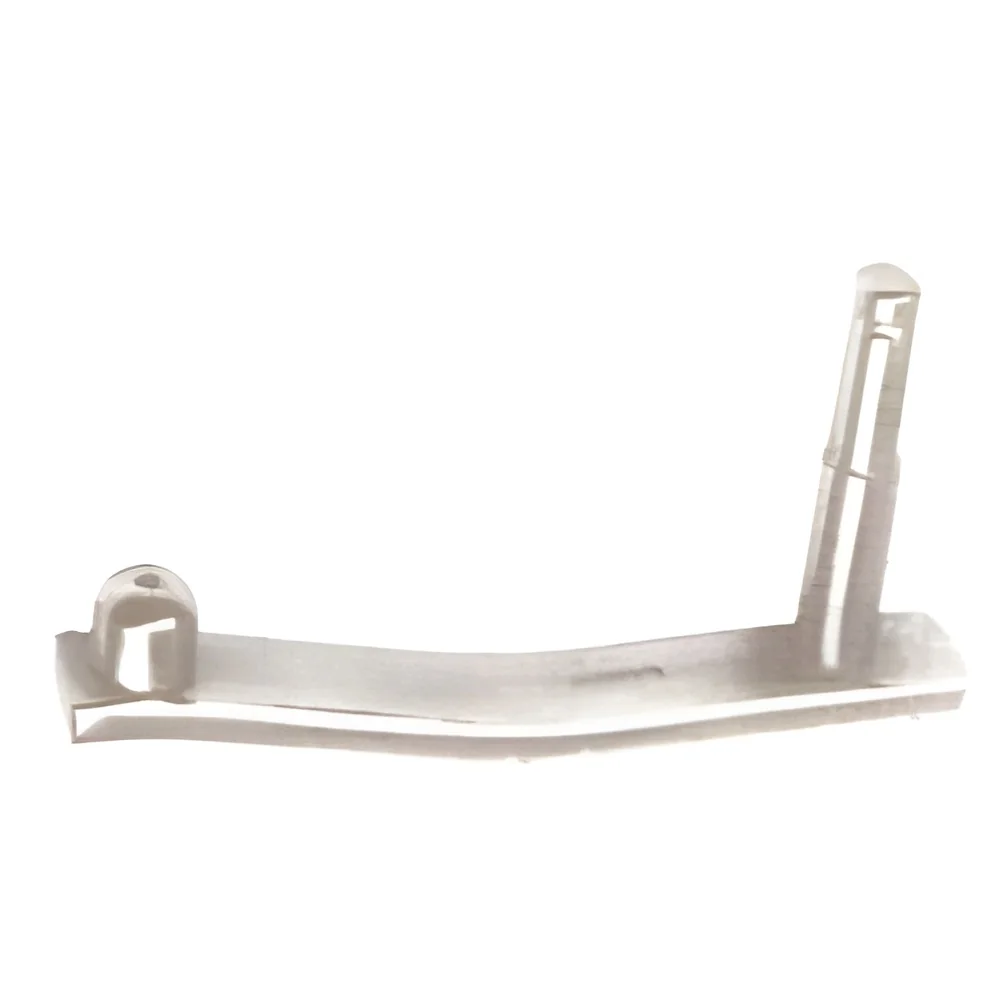
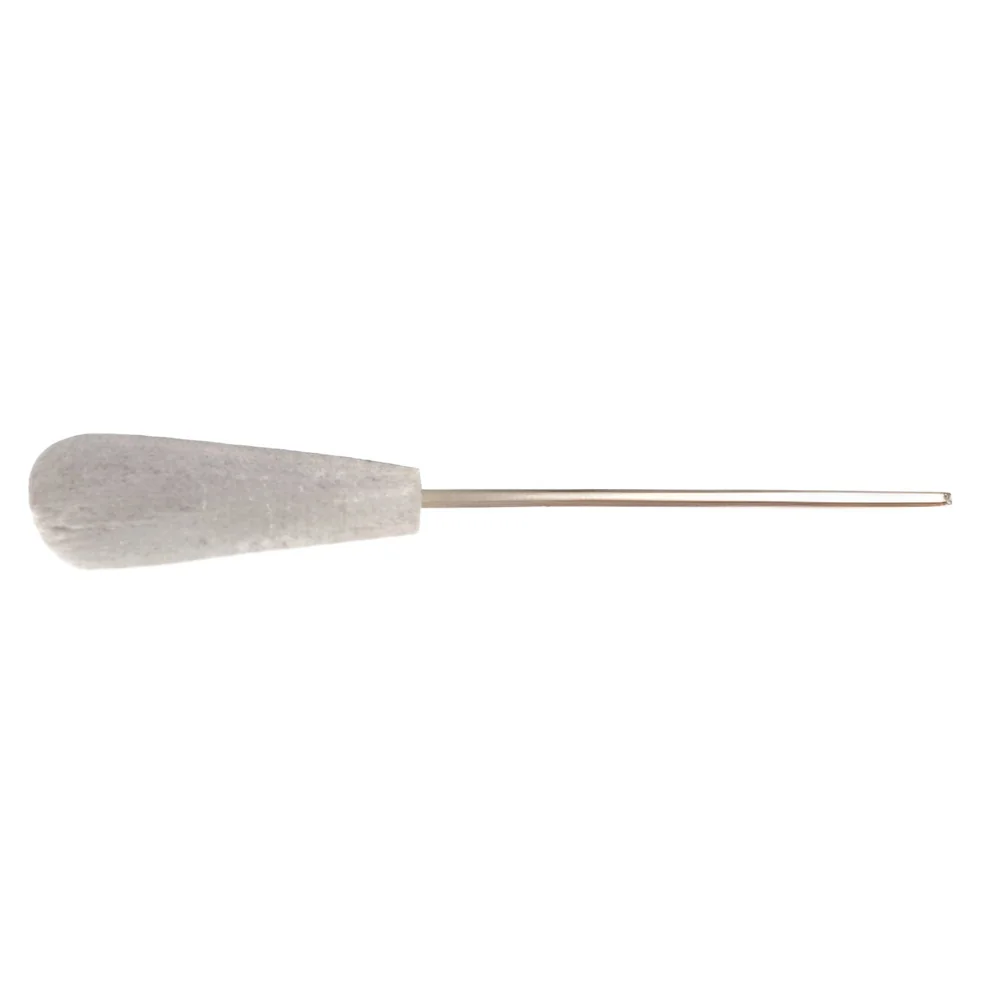
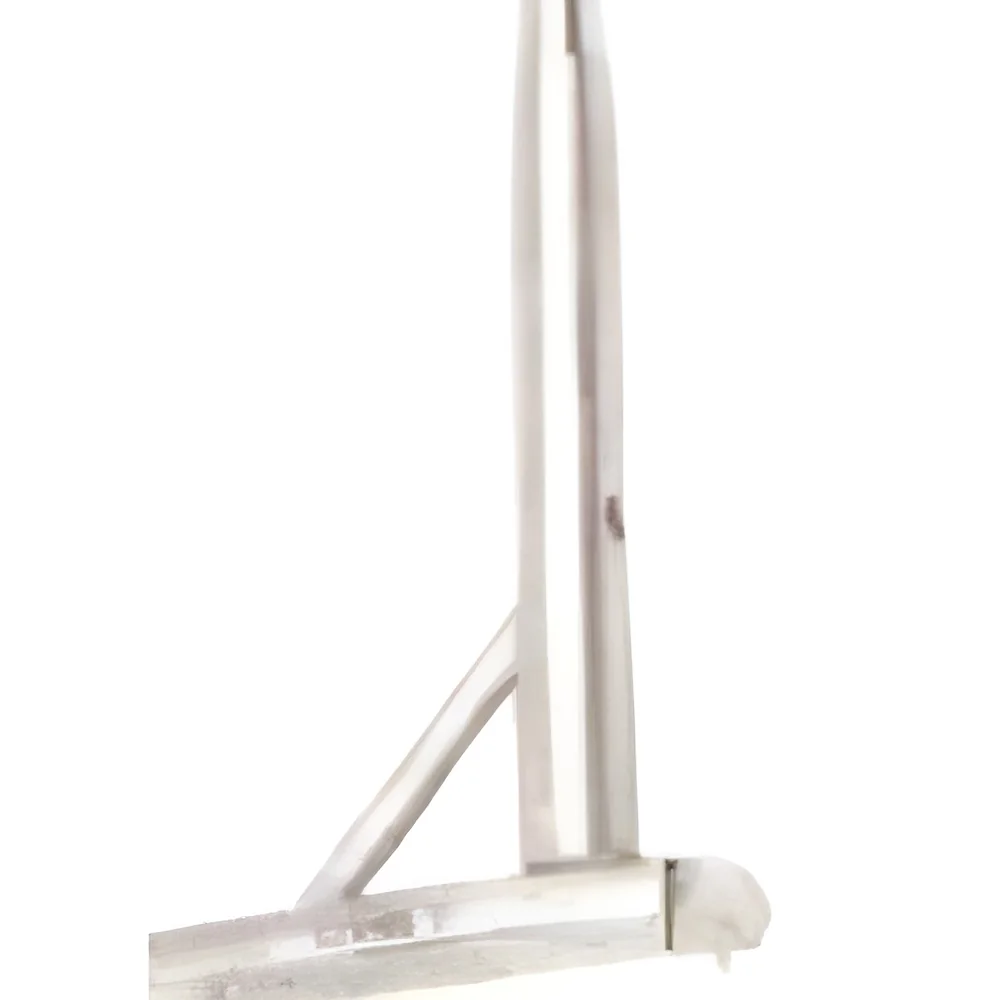
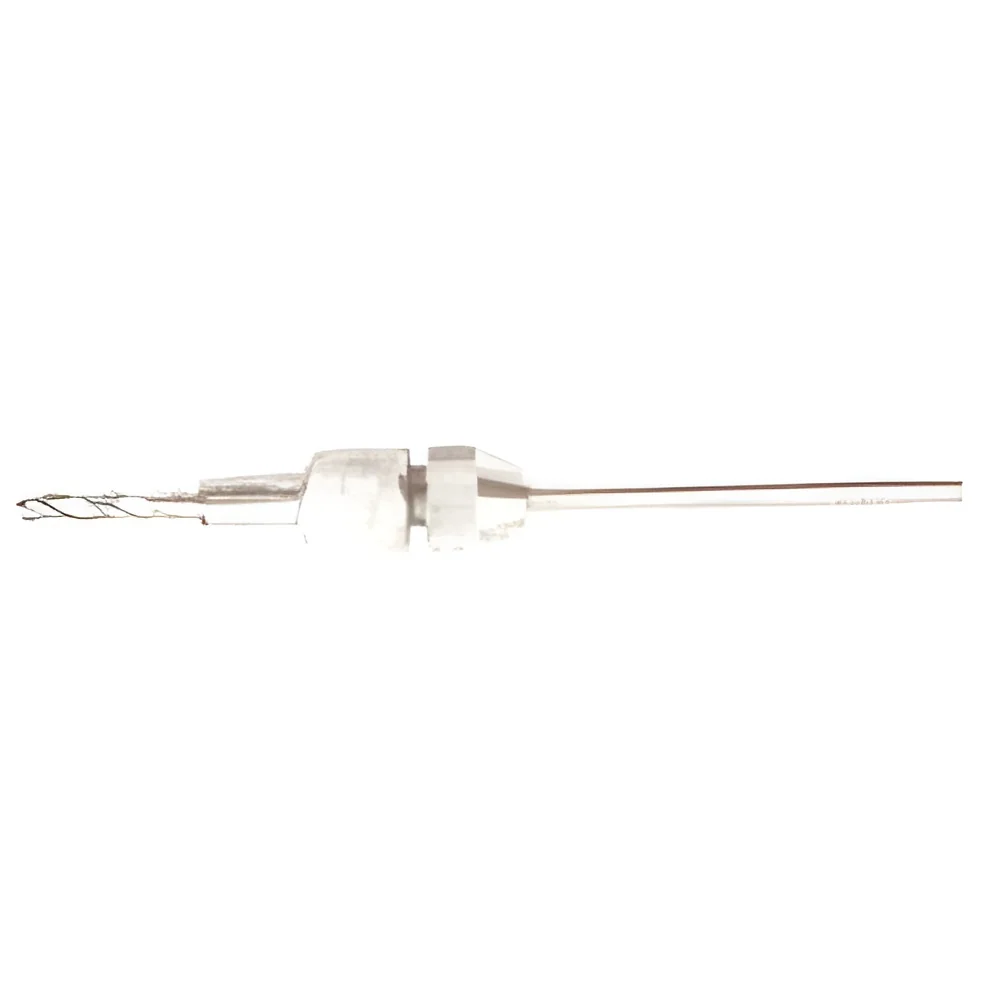
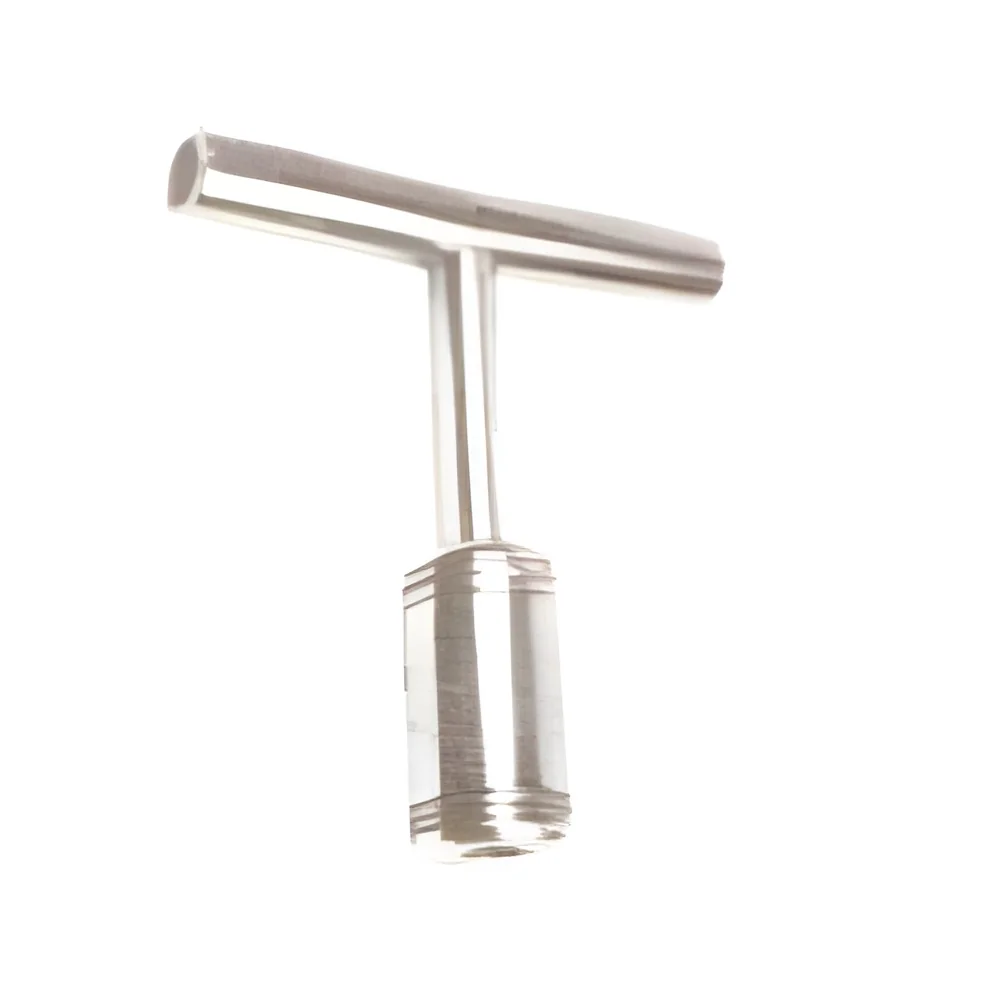
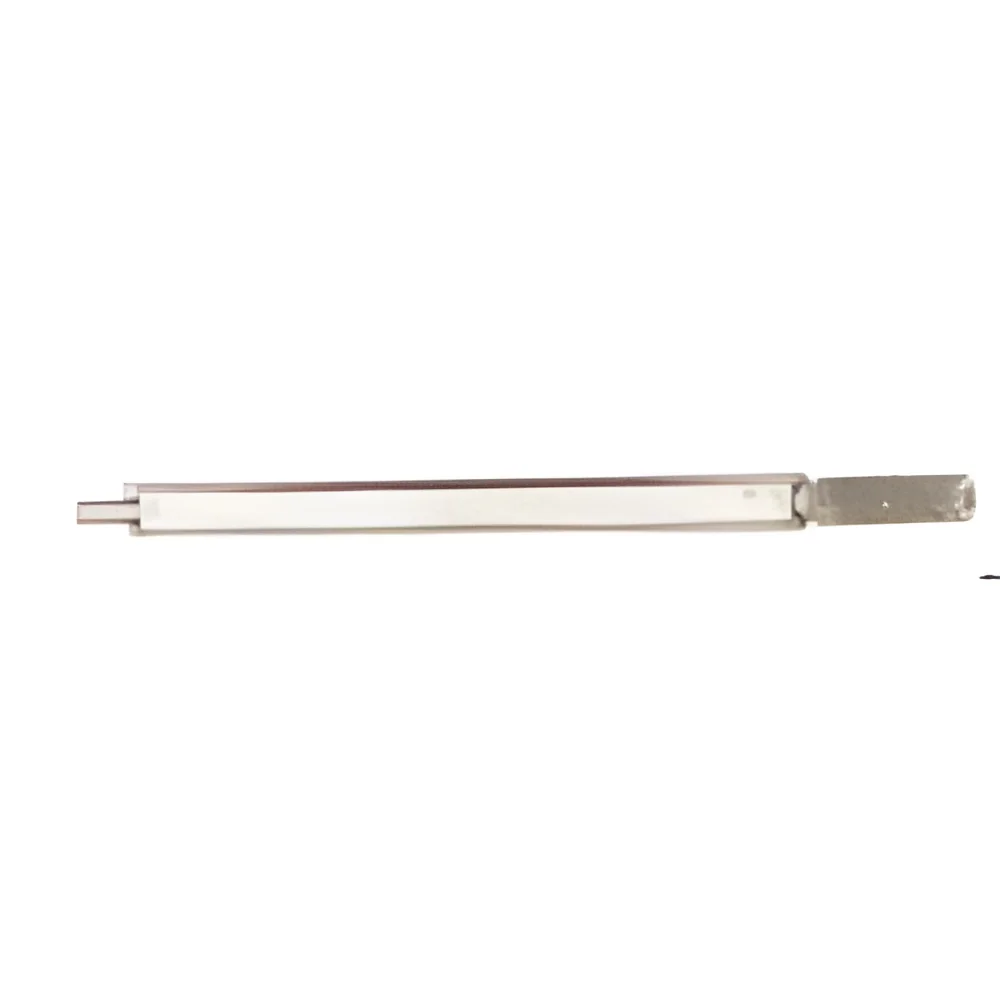
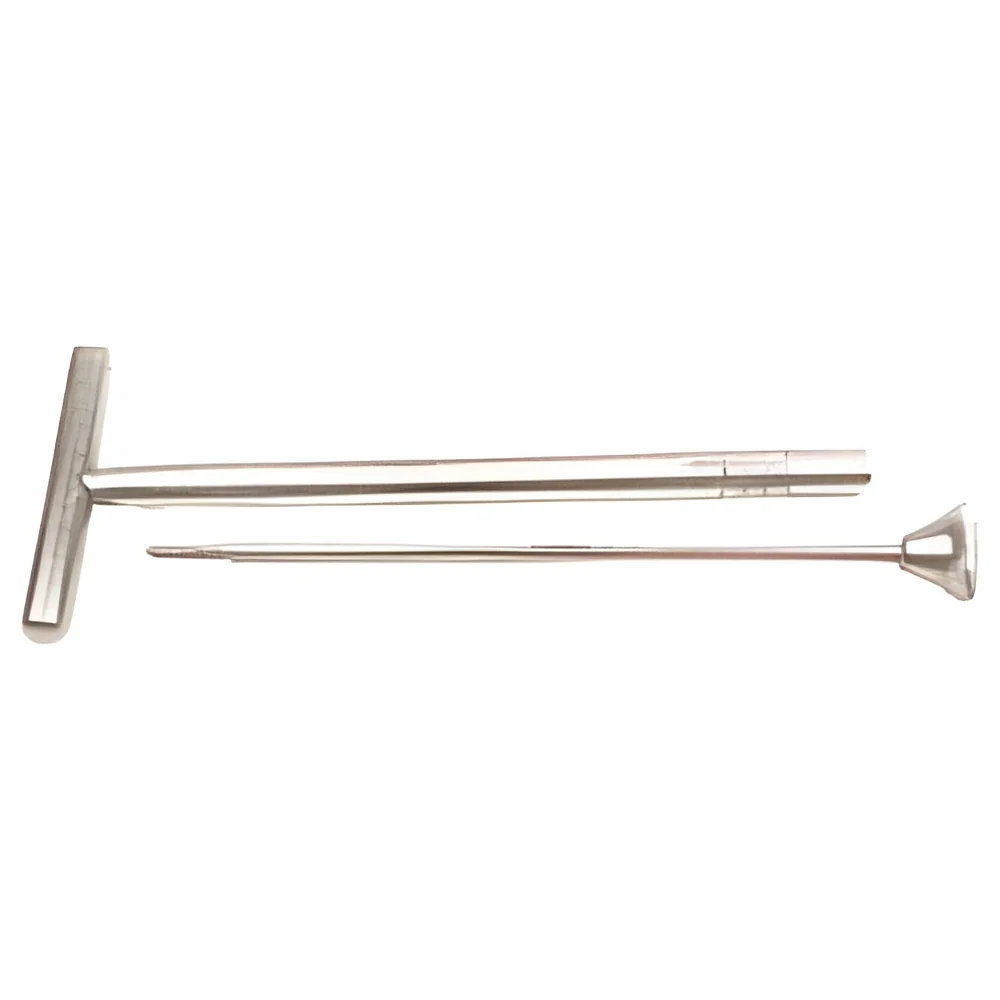
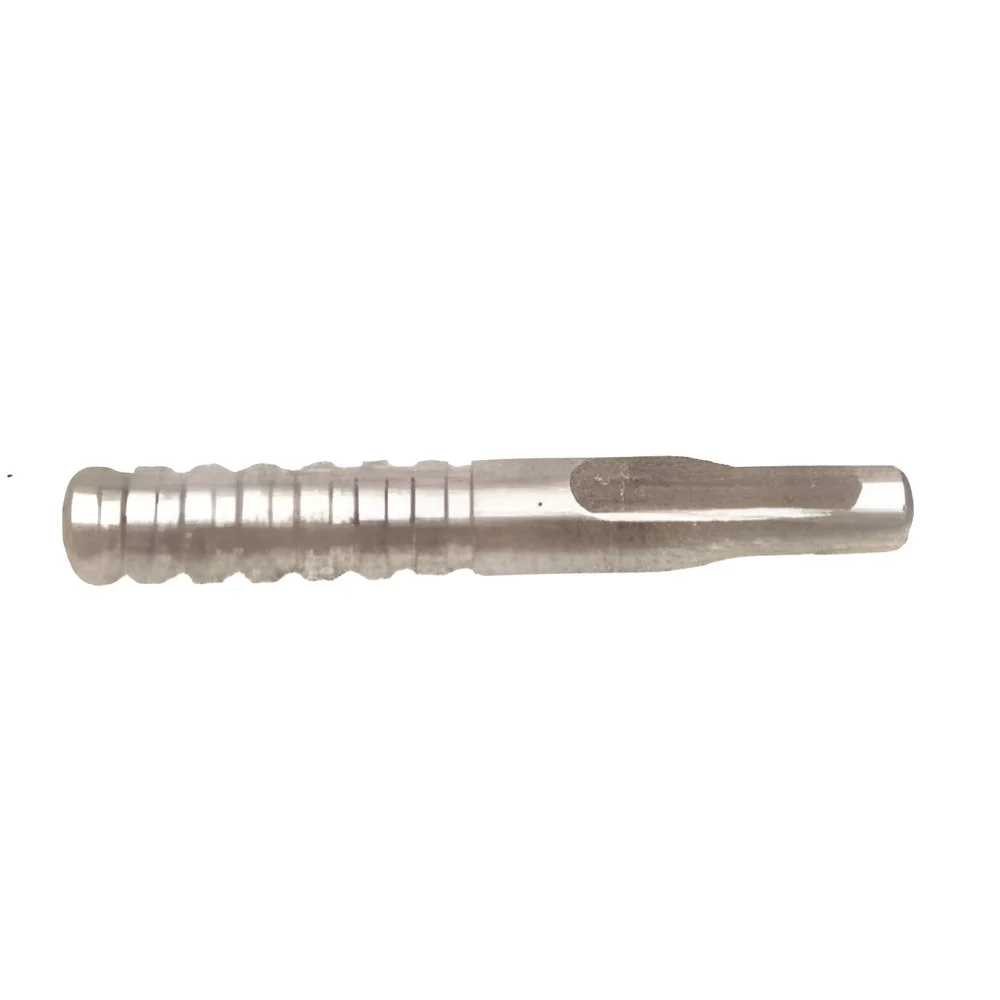
Our Medical Grade Tube Introducers represent the pinnacle of safety and efficiency for tube placement in clinical environments. Manufactured from premium, biocompatible materials, these devices are engineered to reduce insertion resistance and patient discomfort significantly. The hallmark tapered tip design ensures smooth entry, while compatibility with a broad spectrum of tube sizes offers exceptional versatility for healthcare providers. Each introducer is for single use, upholding the highest standards of sterility and eliminating any risk of cross-contamination. Trusted by medical professionals worldwide, our product is produced under stringent regulatory controls, delivering consistent, reliable performance exactly when it is needed most in critical patient care scenarios.

These tube introducers are essential across a wide array of medical disciplines. In anesthesiology and critical care, they are vital for securing airways through endotracheal intubation. Surgeons and emergency...
Our Medical Grade Tube Introducers represent the pinnacle of safety and efficiency for tube placement in clinical environments. Manufactured from premium, biocompatible materials, these devices are engineered to reduce insertion resistance and patient discomfort significantly. The hallmark tapered tip design ensures smooth entry, while compatibility with a broad spectrum of tube sizes offers exceptional versatility for healthcare providers. Each introducer is for single use, upholding the highest standards of sterility and eliminating any risk of cross-contamination. Trusted by medical professionals worldwide, our product is produced under stringent regulatory controls, delivering consistent, reliable performance exactly when it is needed most in critical patient care scenarios.

These tube introducers are essential across a wide array of medical disciplines. In anesthesiology and critical care, they are vital for securing airways through endotracheal intubation. Surgeons and emergency physicians rely on them for chest drain insertion and nasogastric tube placement. Gastroenterologists utilize them for feeding tube procedures, while other specialists apply them in vascular and urological interventions. From bustling emergency departments and operating theaters to intensive care units and long-term care facilities, this tool supports healthcare teams in achieving accurate placement, reducing procedural duration, and ultimately improving patient outcomes and safety.

Choosing our tube introducers delivers tangible value through enhanced procedural efficiency and reduced clinical risks. Their unwavering reliability minimizes the chance of device failure during sensitive interventions, protecting both patient well-being and institutional reputation. Built with robust manufacturing practices and rigorous quality assurance, these introducers foster trust with procurement specialists, distributors, and healthcare providers. They support cost-effective care by streamlining procedures, reducing the need for repeat attempts, and contributing to better overall patient experiences and clinical results.

Key Features:
- Constructed from premium, medical-grade materials for guaranteed biocompatibility and patient safety.
- Precision-engineered tapered tip facilitates smooth, low-resistance insertion of tubes.
- Single-use, sterile design prevents cross-contamination and supports strict infection control.
- Broad compatibility with various tube sizes and types for maximum clinical versatility.
- Manufactured under strict quality management systems ensuring consistent performance and reliability.

Benefits:
- Enhances patient safety by minimizing trauma and discomfort during tube placement procedures.
- Increases procedural efficiency and success rates, saving valuable time in critical care settings.
- Supports infection prevention protocols with guaranteed single-use sterility for every patient.
- Provides reliable performance that healthcare professionals can depend on in high-stakes situations.
- Offers excellent value by reducing procedural complications and the potential need for repeat interventions.
Specifications
| Additional Information | |
|---|---|
| Country of Origin | India |
Application
Medical grade tube introducers are precision devices engineered to facilitate the safe and accurate placement of various tubes during clinical procedures. They are designed to minimize patient trauma, reduce insertion time, and enhance procedural success by providing a smooth pathway for tubes. Their use is critical in ensuring sterility and preventing complications, making them a fundamental tool in modern medical practice across numerous specialties and care settings.
These introducers are versatile tools employed in anesthesiology, critical care, emergency medicine, surgery, and gastroenterology. They are compatible with endotracheal, nasogastric, chest, and feeding tubes, among others. The single-use design guarantees a sterile field for every patient, supporting infection control protocols. Their reliability and ease of use make them indispensable for healthcare teams working in operating rooms, ICUs, emergency departments, and long-term care facilities, where precision and speed are paramount.
- Guiding endotracheal tubes during intubation procedures in operating rooms and intensive care units.
- Assisting in the placement of nasogastric tubes for nutritional support or gastric decompression.
- Facilitating the insertion of chest tubes for drainage in trauma, surgery, or pleural effusion cases.
- Enabling precise placement of catheters in vascular access and urological procedures.
- Supporting the safe insertion of enteral feeding tubes for long-term nutritional management.
Trade Details
| Available Stock | In Stock |
| Sample Availability | No |
Payment Terms
| Payment Terms |
|
Company Profile
Dynamic Ortho Industries, Maharashtra
 Maharashtra, India
Maharashtra, IndiaManufacturer•Distributor / Wholesaler•Importer / Exporter
Factory Details
Factory SizeBelow 1000 sqm
Annual Production Capacity0
Main Markets
South Asia
Medical Grade Tube Introducers For Hospitals And Clinics
Medical Grade Tube Introducers for hospitals and clinics ensure safe, smooth insertion in critical procedures. Trusted globally for reliability and superior patient care.
Min. Order Quantity: 1 unit
Shipping
Shipping fee and delivery date to be negotiated. Contact supplier now for more details.
Dynamic Ortho Industries
 Maharashtra, India
Maharashtra, IndiaManufacturer