
 IN
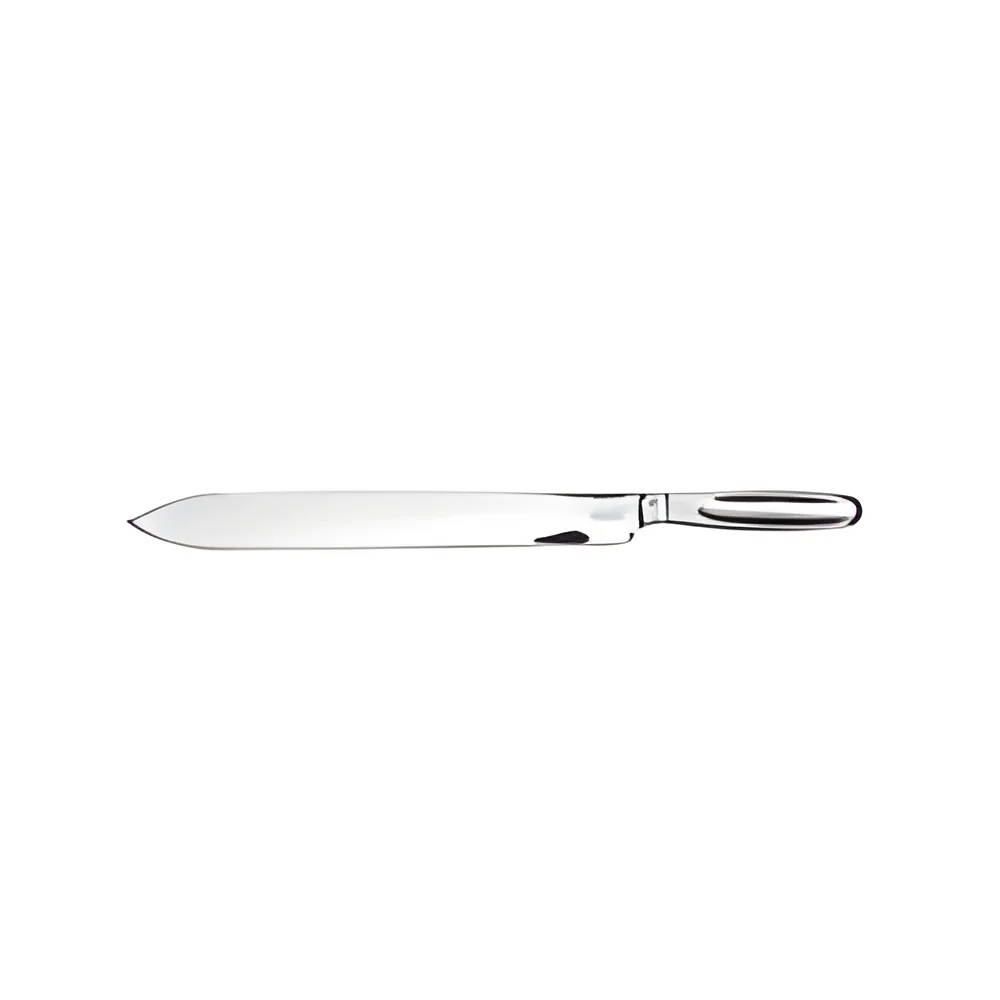
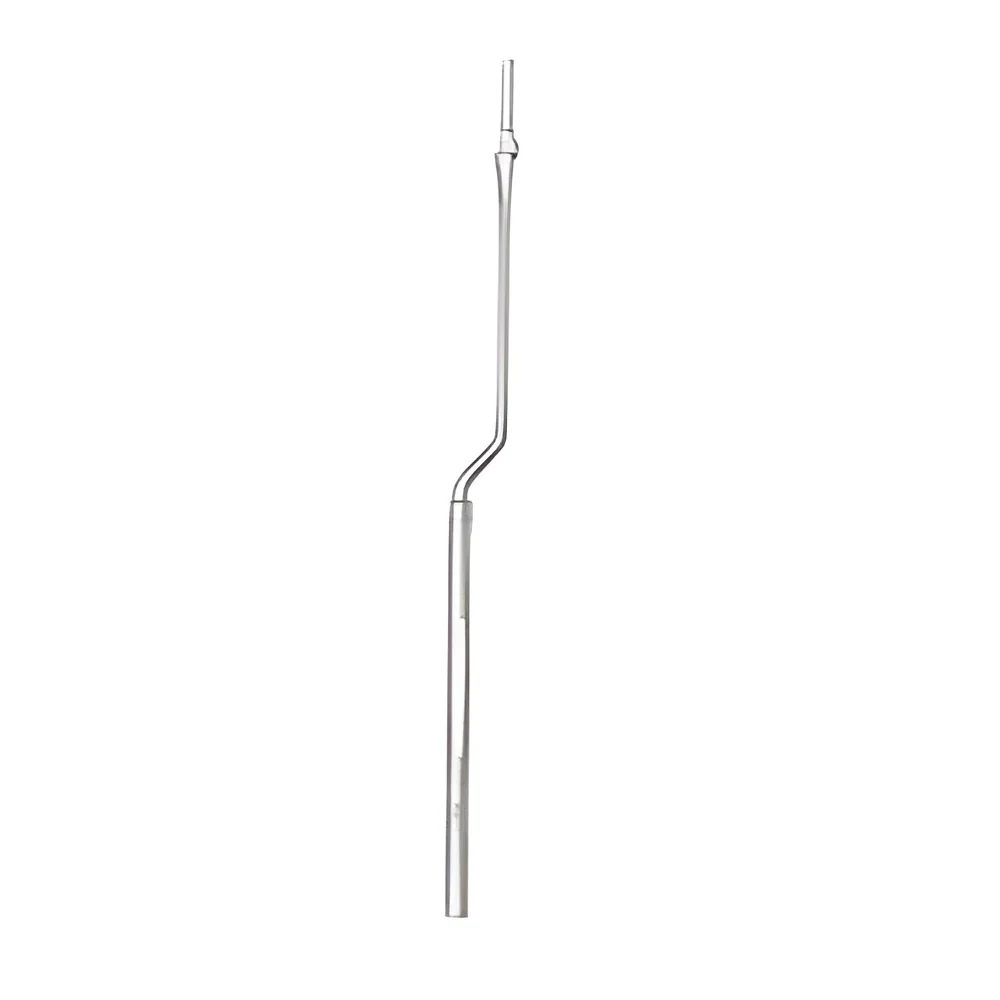
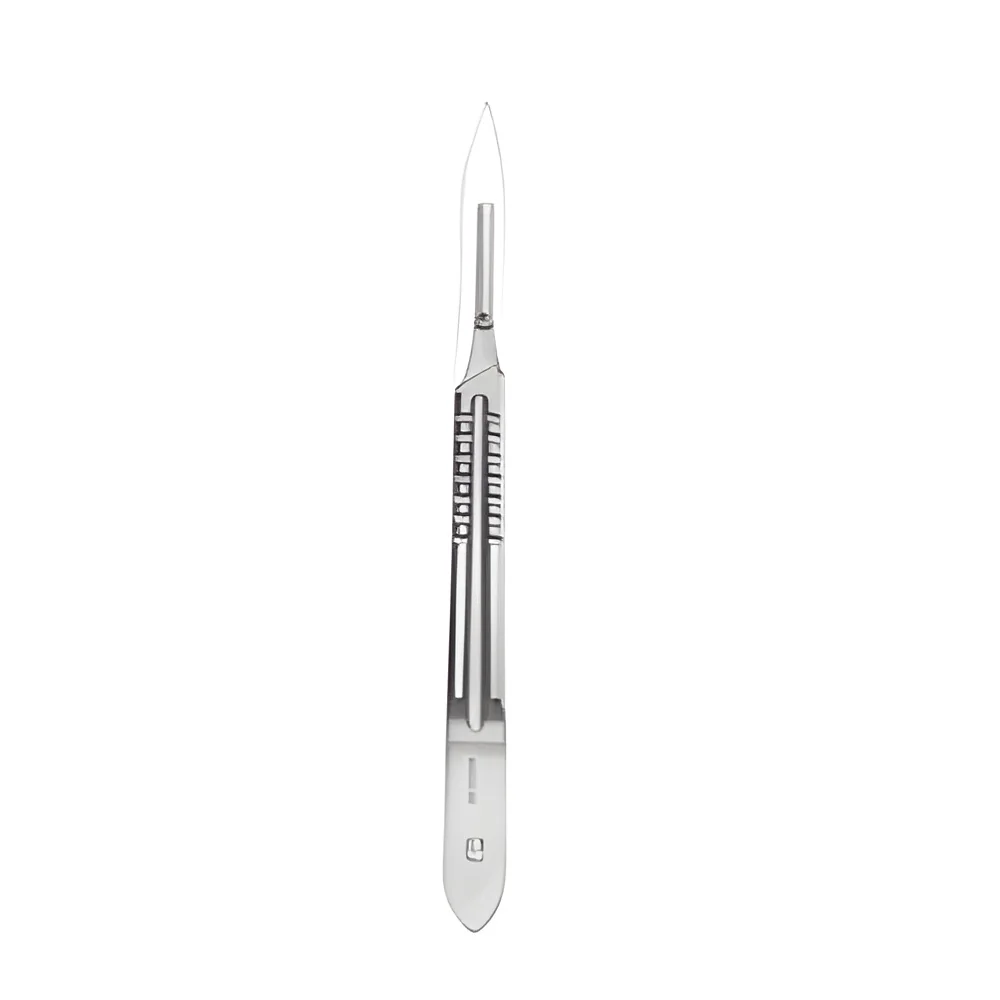
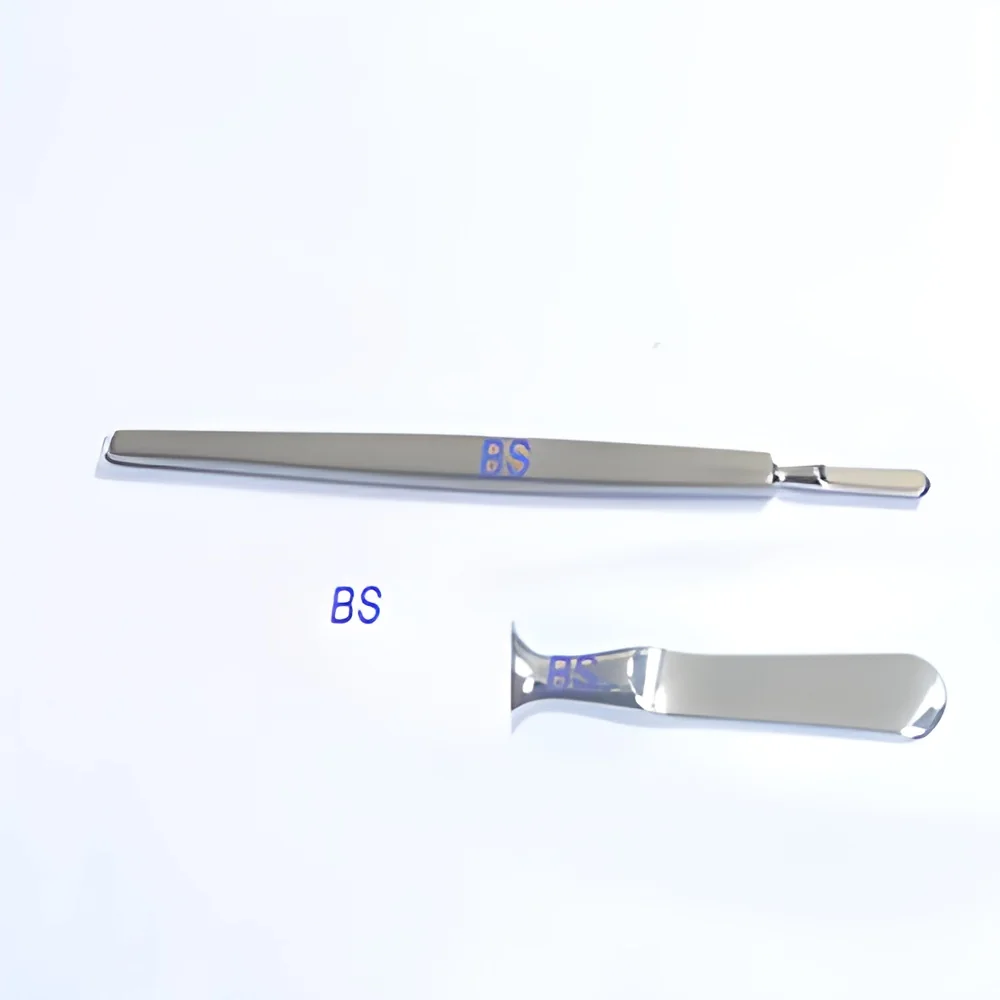
Surgical Scalpel
12 products available
What are Surgical Scalpel?
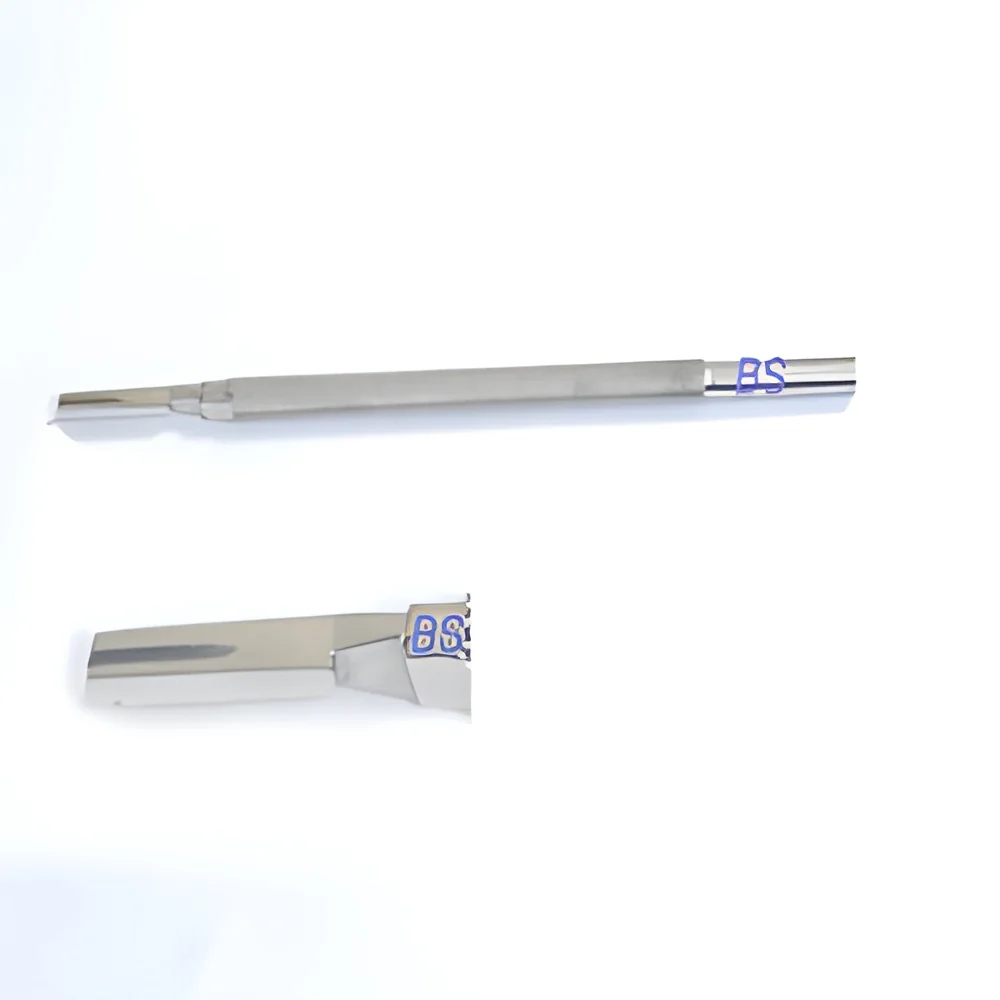
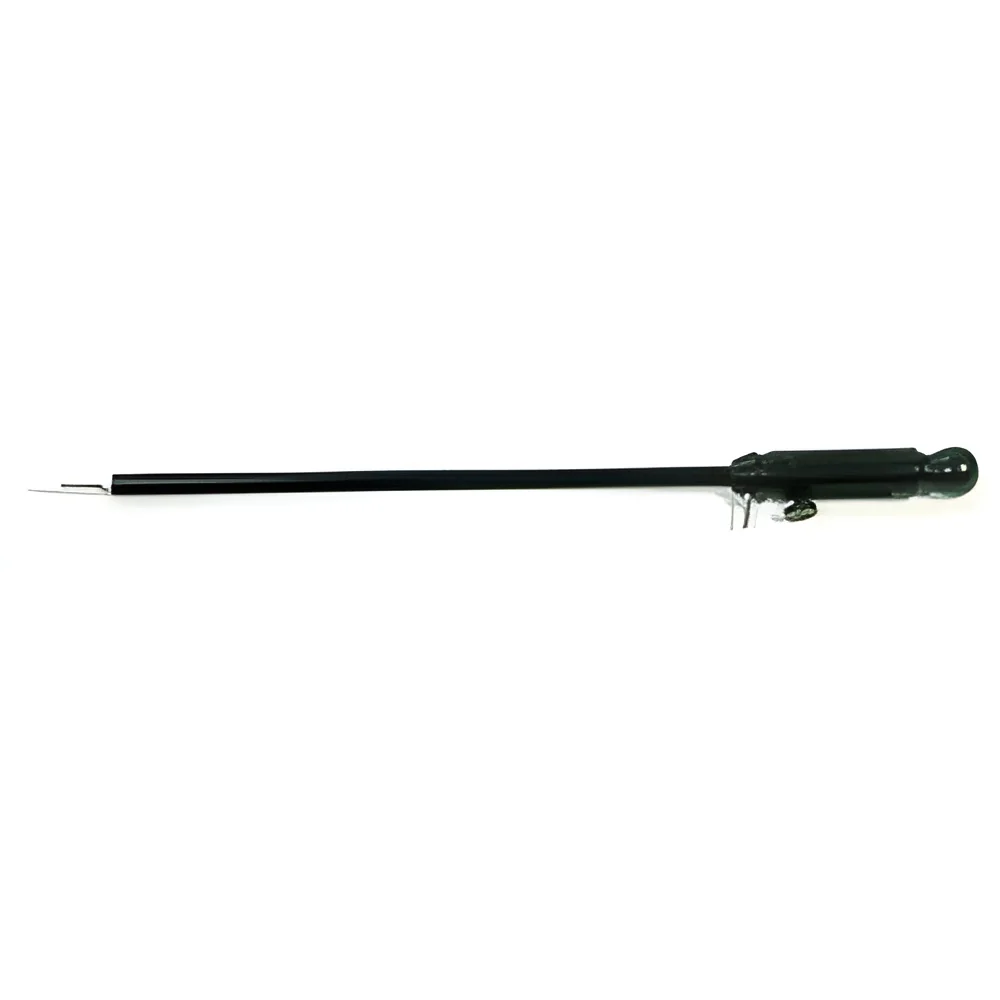
A surgical scalpel is a small, sharp instrument used in medical procedures for cutting skin and other tissues. It is typically composed of a stainless steel blade attached to a handle, designed for precision and ease of use. The scalpel's sharpness allows for clean incisions, which is crucial in surgical settings to minimize tissue damage and promote healing.
These instruments are primarily used in hospitals, clinics, and surgical centers for a variety of procedures, including surgeries, biopsies, and dissections. They are essential tools for surgeons, enabling them to perform complex operations with accuracy. The surgical scalpel is integral to numerous specialties, including general surgery, orthopedics, and plastic surgery, making it a vital component of surgical practice.
In the current market, surgical scalpels are available in various designs and sizes to accommodate different medical needs. The demand for high-quality surgical instruments continues to rise, driven by advancements in healthcare technologies and an increasing focus on patient safety. As a result, the surgical scalpel remains a key player in the medical supply industry.
Key Features and Specifications
Surgical scalpels are designed with specific features that enhance their functionality and effectiveness in surgical environments. Understanding these features is essential for selecting the appropriate scalpel for various applications.
Key specifications include:
1. Blade Material
- Typically made from stainless steel for durability and resistance to corrosion.
- May also include carbon steel for sharper edges.
2. Blade Size
- Available in various sizes, usually ranging from #10 to #25, to suit different surgical needs.
- Size selection depends on the procedure and tissue type.
3. Handle Type
- Can be disposable or reusable, with ergonomic designs for better grip.
- Common handle sizes include #3, #4, and #7.
4. Sterilization Method
- Must be sterilized before use, commonly through autoclaving or gamma radiation.
- Ensures compliance with infection control protocols.
5. Edge Type
- Can have straight or curved edges based on surgical requirements.
- Straight edges are suitable for incisions, while curved edges assist in delicate procedures.
6. Weight and Balance
- Designed for optimal weight distribution to enhance control during use.
- Lightweight options are available for prolonged use without fatigue.
7. Packaging
- Often individually packaged to maintain sterility until opened.
- Bulk packaging available for high-volume needs.
In summary, the specifications of surgical scalpels are critical in ensuring they meet the diverse needs of medical professionals. Choosing the right scalpel involves understanding these features and their implications for specific surgical tasks.
Common Applications and Use Cases
Surgical scalpels find applications across a wide range of industries, each with unique requirements and procedures.
1. Healthcare: Surgeons use scalpels for a variety of surgical procedures, including incisions, excisions, and suturing. Their precision is essential for successful outcomes.
2. Veterinary Medicine: Veterinarians utilize scalpels in animal surgeries, such as spaying or neutering, and in performing biopsies on various animal species.
3. Research Laboratories: In research settings, scalpels are employed for dissections and sample preparations, allowing scientists to work with precision in biological studies.
4. Forensic Science: Forensic experts use scalpels for autopsies and evidence collection, ensuring that samples are taken accurately and without contamination.
5. Cosmetology: In cosmetic procedures, scalpels are used for delicate surgeries, such as facelifts or skin grafts, where precision is paramount.
6. Education: Surgical scalpels are often used in medical training programs to teach students about surgical techniques and anatomy.
7. Craft and Hobby: Some artisans and hobbyists utilize scalpels for detailed cutting in model-making and other crafts, benefiting from their sharpness and control.
Product Variants and Subcategories
Surgical scalpels come in a variety of designs and types to cater to different surgical needs. While specific subcategories are not available, several notable variants exist.
Disposable Scalpel: This variant is designed for single-use, ensuring maximum sterility and convenience. It is ideal for environments where infection control is a priority.
Reusable Scalpel: Made from durable materials, these scalpels can be sterilized and used multiple times, making them an economical choice for surgical practices.
Safety Scalpel: Featuring a retractable blade, this type enhances safety for healthcare workers, reducing the risk of accidental cuts during handling and storage.
Scalpel with Blades: These scalpels come with interchangeable blades, allowing medical professionals to select the appropriate blade for each procedure.
Benefits and Advantages
Surgical scalpels offer numerous benefits that make them essential tools in medical practice.
Key benefits include:
1. Precision Cutting: Scalpels provide clean and accurate incisions, which are crucial for effective surgical outcomes.
2. Ergonomic Design: Many scalpels are designed for comfort, reducing hand fatigue during lengthy procedures.
3. Sterilization Options: The ability to sterilize scalpels ensures compliance with health regulations and enhances patient safety.
4. Versatility: With different blade sizes and types, scalpels can be adapted for a wide range of surgical applications.
5. Cost-Effectiveness: Disposable scalpels minimize the need for maintenance and sterilization, while reusable options can be economical for frequent use.
6. Enhanced Safety: Safety scalpels reduce the risk of injury to healthcare workers, promoting a safer working environment.
Buying Guide for B2B Buyers
When sourcing surgical scalpels, several key factors should be considered to ensure the right choice for your needs.
1. Quality Assessment: Look for scalpels that meet industry standards for quality and performance. Check for certifications and manufacturer reputation.
2. Supplier Verification: Vet potential suppliers to ensure they provide reliable products and adhere to safety regulations. Look for reviews and testimonials from other buyers.
3. Pricing and MOQ: Understand the price range for scalpels and inquire about the minimum order quantities. This information helps in budgeting and planning purchases.
4. Delivery and Lead Times: Clarify shipping options and lead times to ensure timely availability of products for your practice.
5. Compliance Requirements: Ensure that the scalpels meet local and international regulatory standards, such as CE certification, to avoid potential legal issues.
Compliance and Certifications
Surgical scalpels must adhere to various compliance standards and certifications to ensure safety and effectiveness in medical applications.
Relevant quality standards, such as ISO 9001, focus on maintaining consistent quality management systems, ensuring that manufacturers produce scalpels that meet safety and performance criteria.
Industry certifications, like CE marking, indicate that the products comply with European health, safety, and environmental protection standards. This certification is critical for gaining access to markets in Europe and other regions.
Safety and testing requirements are also paramount. Manufacturers must conduct rigorous testing of surgical scalpels to validate their performance and safety before they reach the market.
Regional compliance considerations may vary, with different countries having specific regulations governing medical devices. Buyers should be aware of these local requirements to ensure that the scalpels they procure are compliant.
Why Source Surgical Scalpel from Pepagora?
Pepagora provides a trusted platform for sourcing surgical scalpels, offering several key advantages that make the procurement process smoother for businesses.
Verified Supplier Network: Pepagora connects buyers with a network of verified suppliers, ensuring that the products meet industry standards and quality requirements. This verification process helps mitigate risks associated with sourcing from unverified sources.
Streamlined RFQ Process: The request for quotation (RFQ) system allows buyers to easily obtain quotes from multiple suppliers, facilitating competitive pricing and efficient decision-making. This process saves time and resources for businesses looking to procure surgical scalpels.
Trade Assurance and Support: Pepagora offers trade assurance, providing buyers with protection during transactions. In case of any issues, the platform provides support to resolve disputes and ensure that buyers receive what they ordered.
Regional Coverage: With a strong presence in India, the GCC, and Southeast Asia, Pepagora is well-positioned to meet the needs of businesses across diverse regions. This geographic reach ensures that buyers can access quality surgical scalpels tailored to their markets.

 India
 India
 India

 India

 India
Frequently Asked Questions
What are Surgical Scalpel?
Surgical scalpels are precision instruments used in surgical procedures for making incisions in the skin and other tissues. They are characterized by a sharp blade that allows for clean and controlled cuts, which is essential for successful surgical outcomes.
What are the different types of Surgical Scalpel?
There are various types of surgical scalpels, including disposable and reusable scalpels. They can also be categorized based on blade shape and size, such as straight blades, curved blades, and specific designs for particular surgical applications.
How do I choose the right Surgical Scalpel?
Choosing the right surgical scalpel involves considering the type of procedure being performed, the required precision, and the surgeon's preference. It's important to assess the blade type and handle design to ensure they meet the specific needs of the surgery.
What are the standard specifications for Surgical Scalpel?
Standard specifications for surgical scalpels typically include blade materials, dimensions, and sterilization compatibility. Common materials for blades include stainless steel, and specifications may also include ergonomic handle designs for better control.
What is the price range for Surgical Scalpel?
The price range for surgical scalpels can vary widely based on factors such as type, brand, and quantity purchased. Generally, disposable scalpels can cost anywhere from a few cents to a few dollars, while reusable scalpels may range from several dollars to higher prices depending on their design and material.
What quality standards apply to Surgical Scalpel?
Surgical scalpels must adhere to strict quality standards, such as ISO 13485 for medical devices and ASTM specifications for materials. Compliance ensures that scalpels are safe, effective, and reliable for use in surgical settings.
Where can I find Surgical Scalpel suppliers in India?
You can find surgical scalpel suppliers in India through online B2B marketplaces like Pepagora, medical supply trade shows, and industry directories. It’s advisable to research suppliers based on their reputation, product offerings, and customer reviews.
Can Surgical Scalpel be customized?
Yes, surgical scalpels can be customized in terms of blade size, shape, and handle design to meet specific surgical needs. Customization options may also include branding or specific packaging requirements for medical facilities.
What is the typical minimum order quantity for Surgical Scalpel?
The typical minimum order quantity (MOQ) for surgical scalpels can vary by supplier but often ranges from 50 to 100 units. Some manufacturers may offer lower MOQs for custom designs, while bulk orders may yield better pricing.
What is the typical lead time for Surgical Scalpel?
The typical lead time for surgical scalpels can range from a few days to several weeks, depending on factors such as order size, customization, and supplier location. It's advisable to confirm lead times directly with the supplier when placing an order.
Why Businesses Trust Pepagora
Thousands of companies trust Pepagora to source smarter and sell faster
Expand Your Sales Globally

Source Smarter,Grow Faster
