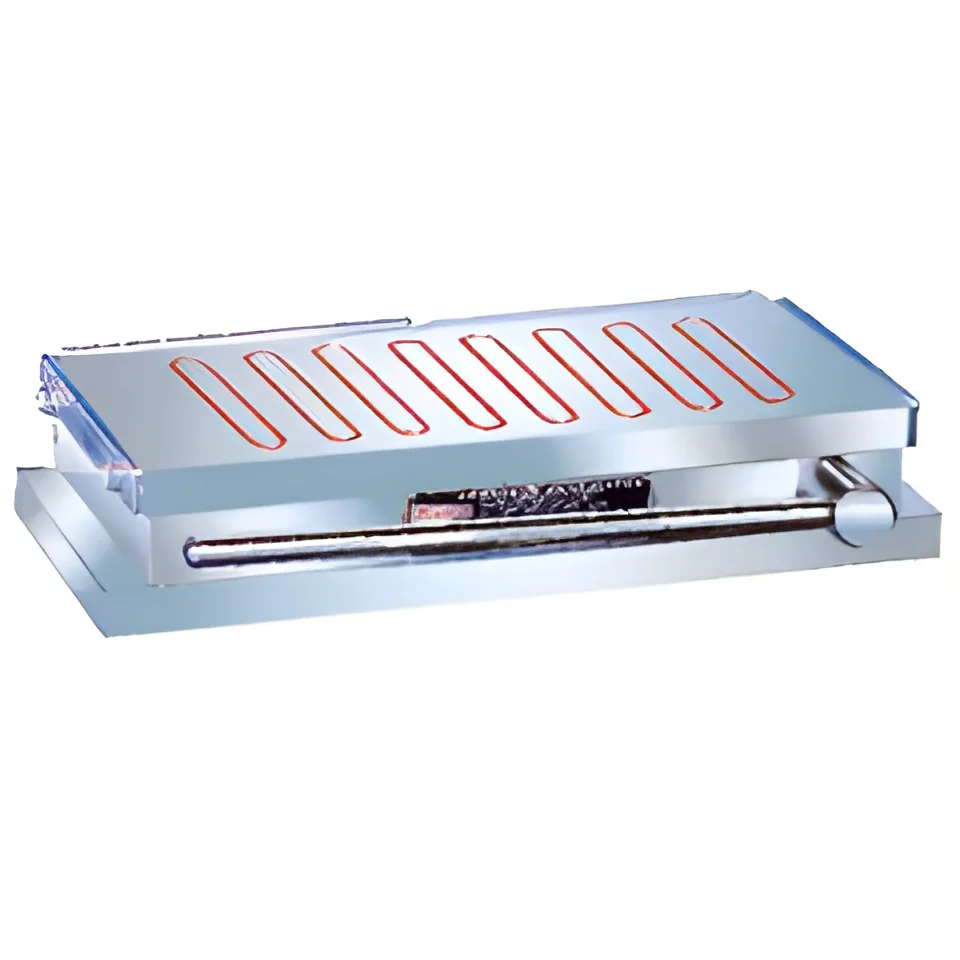
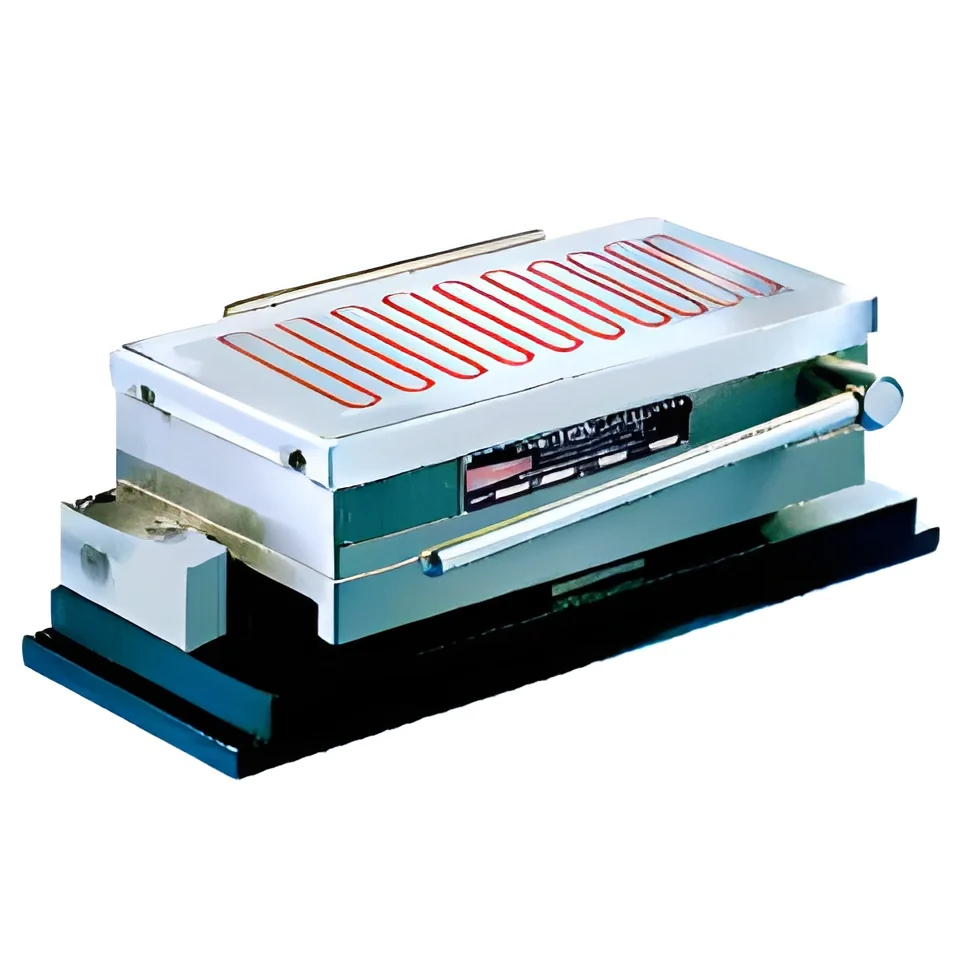
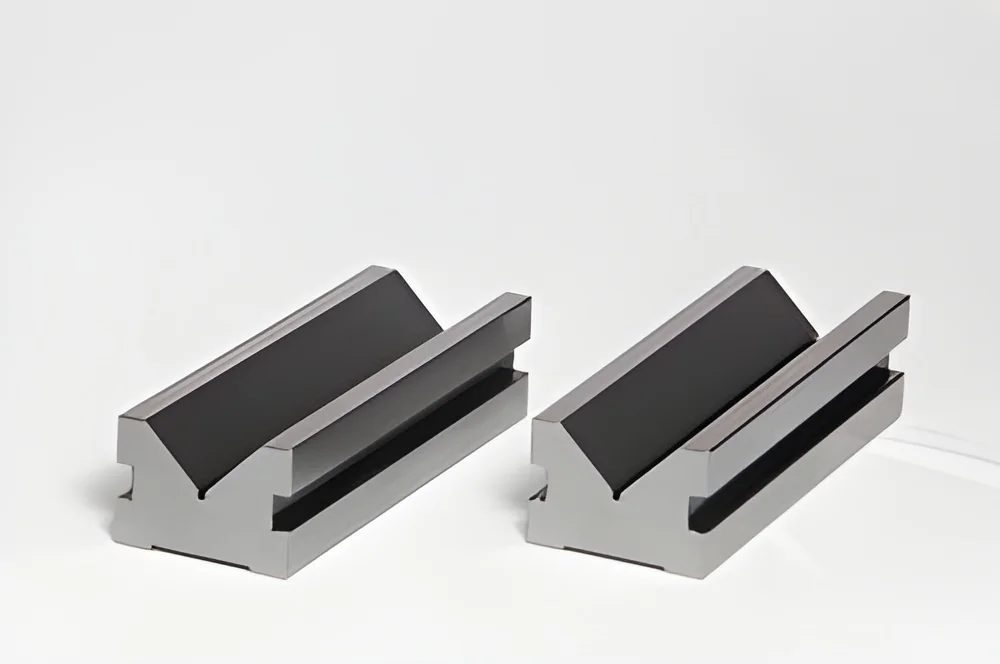
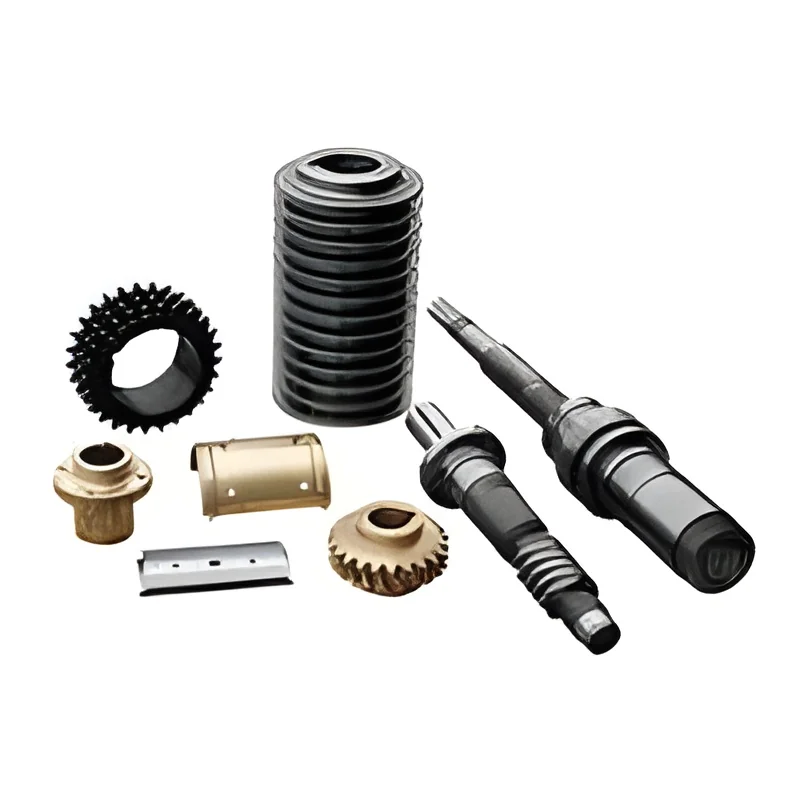
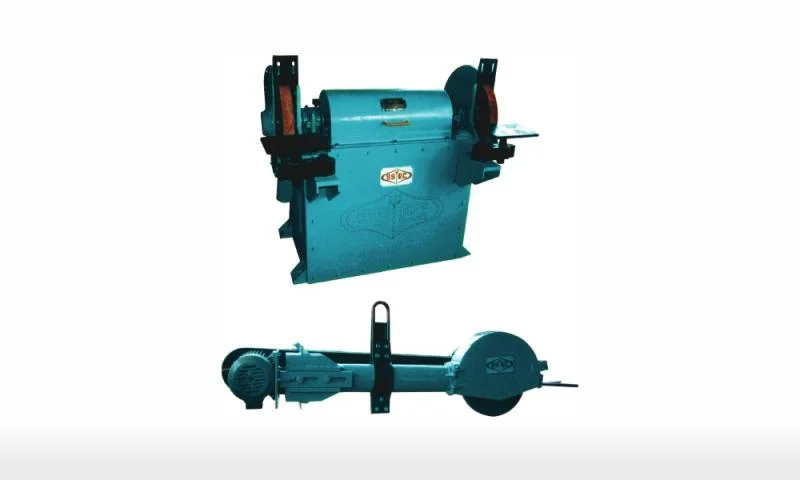
What are Surface Grinding Machines?
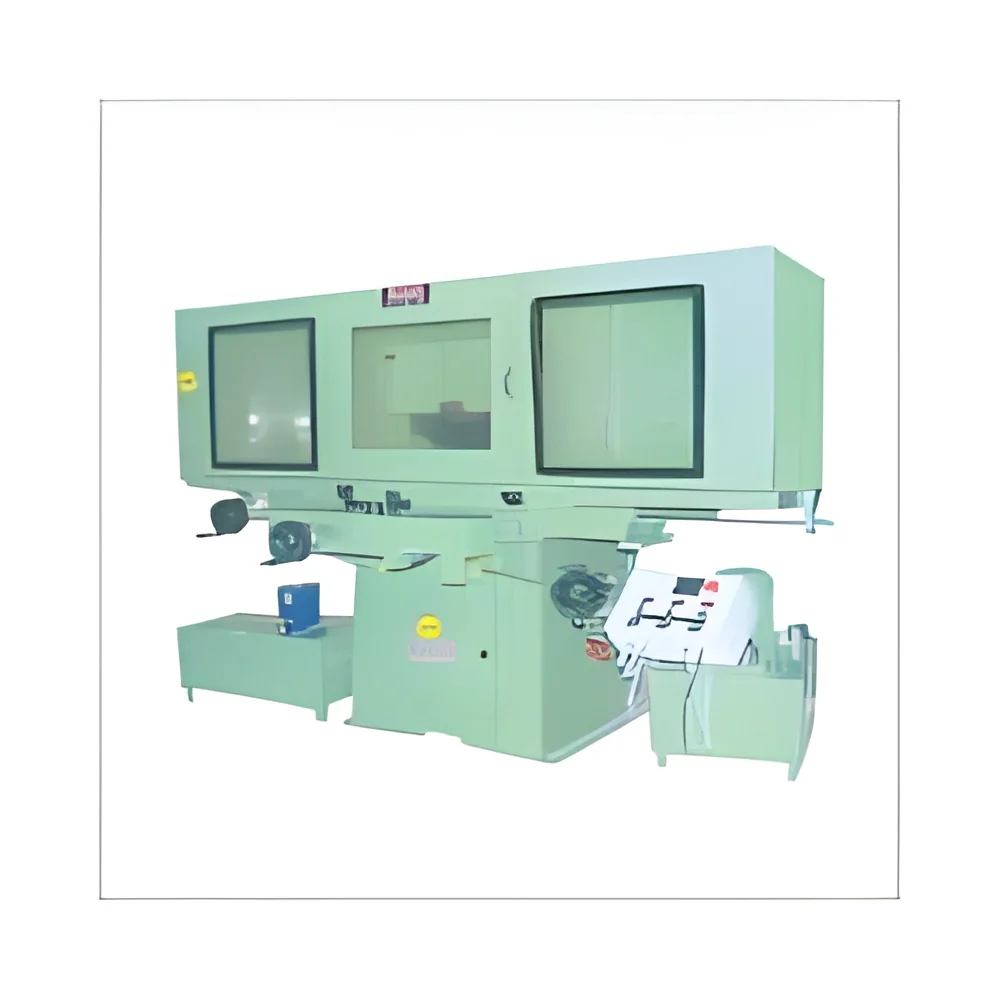
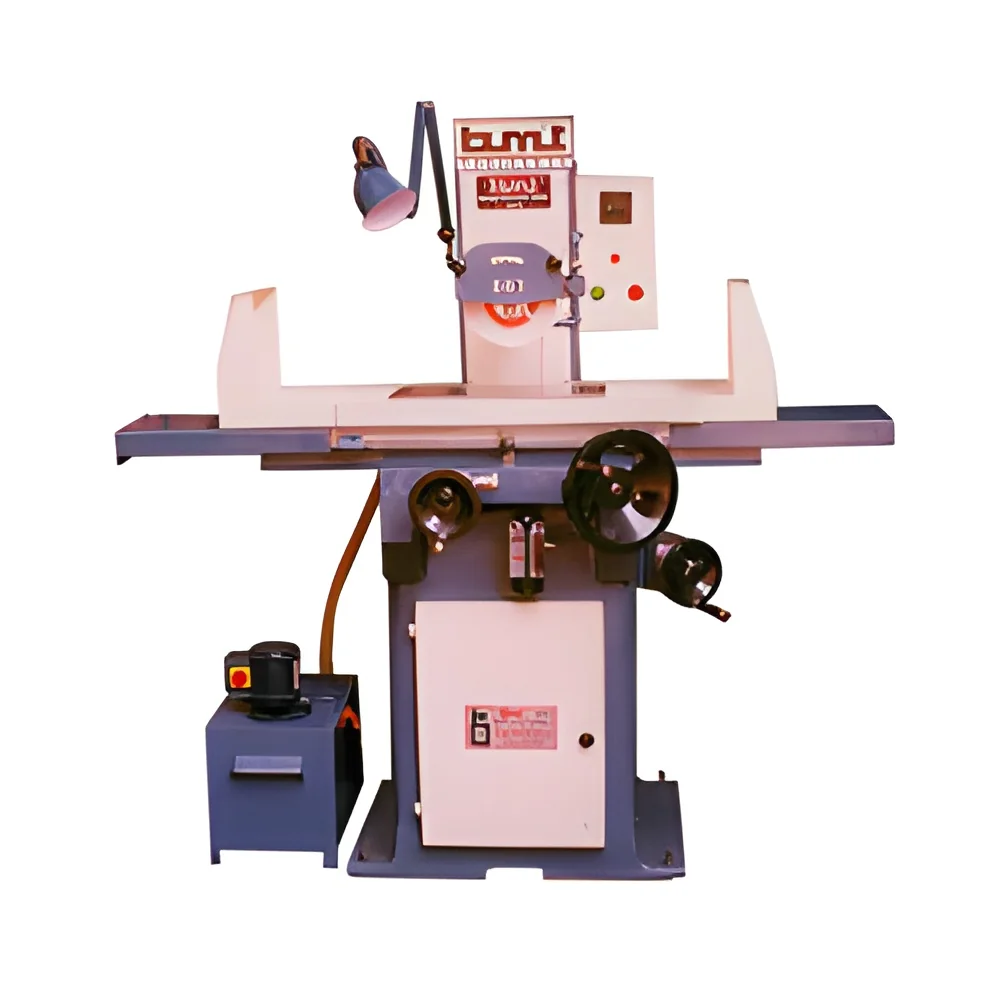
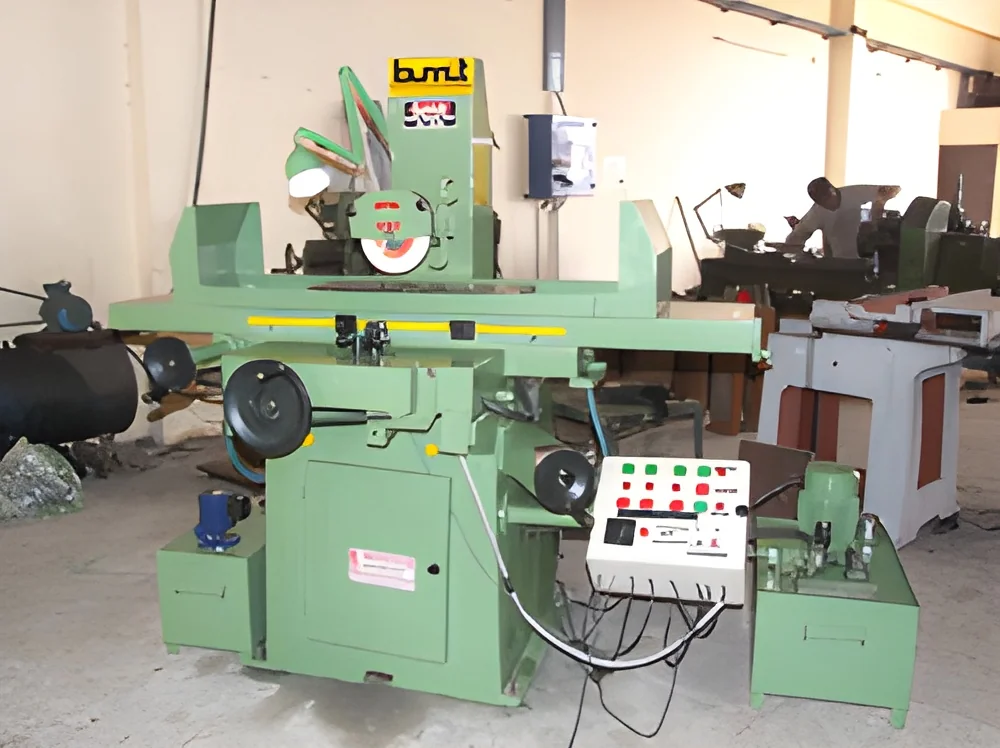
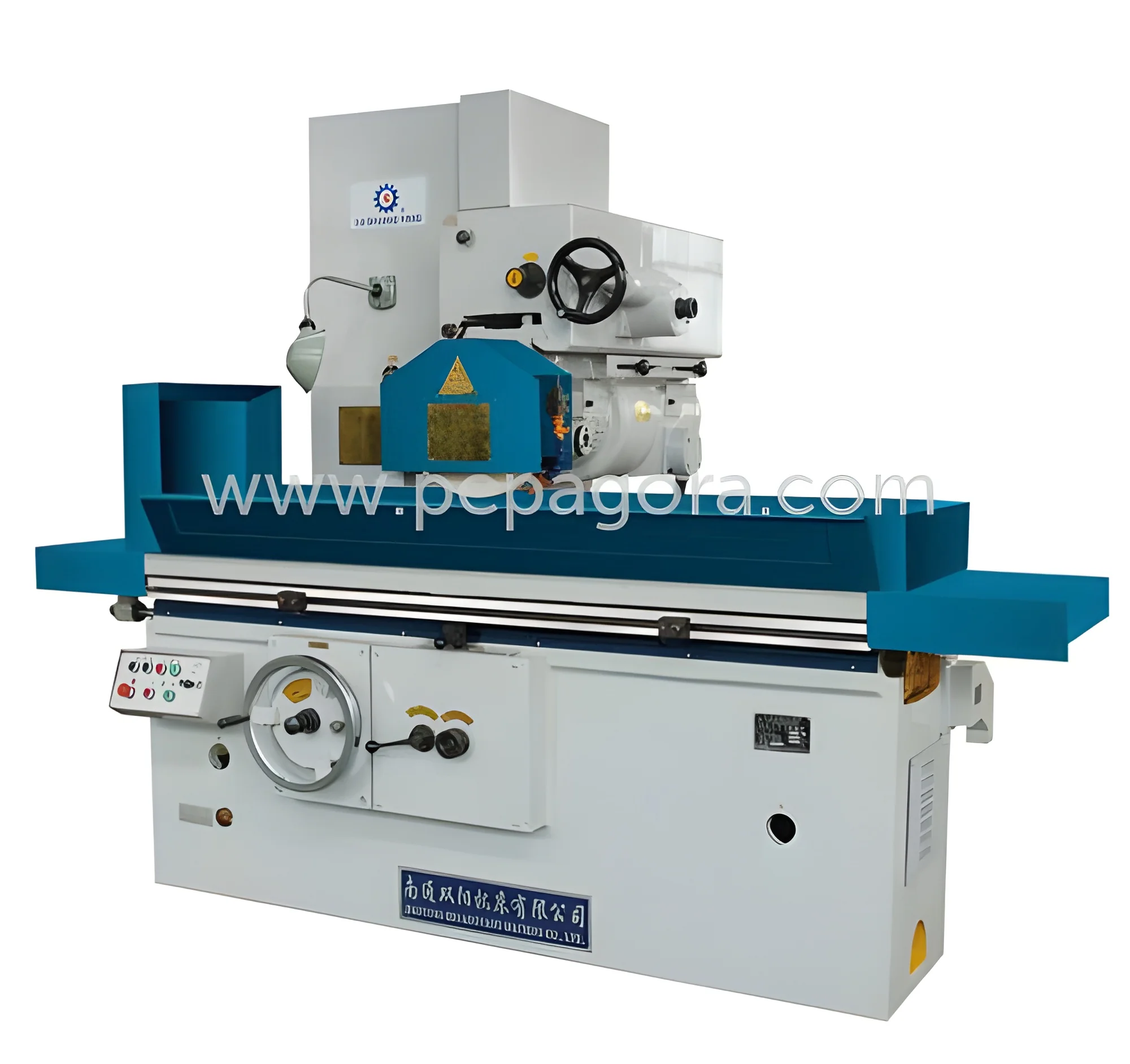
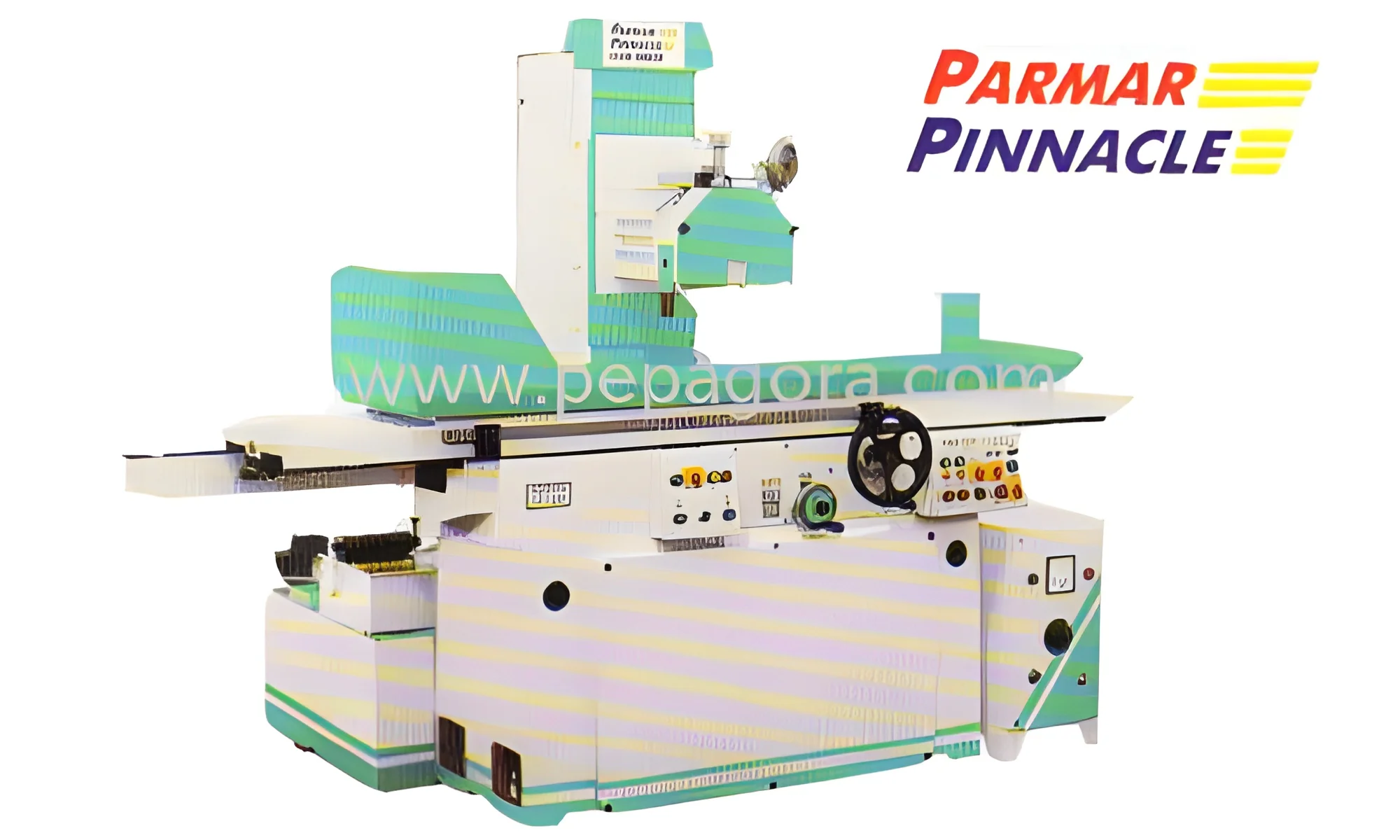
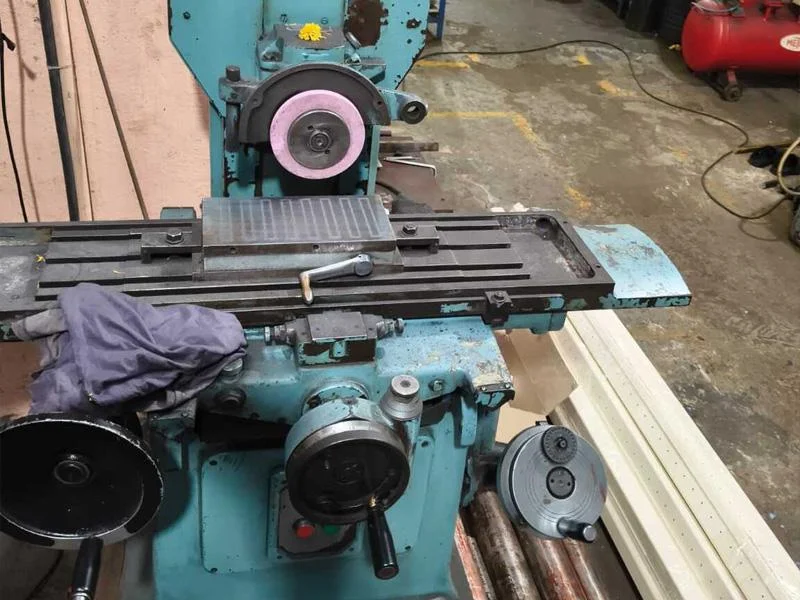
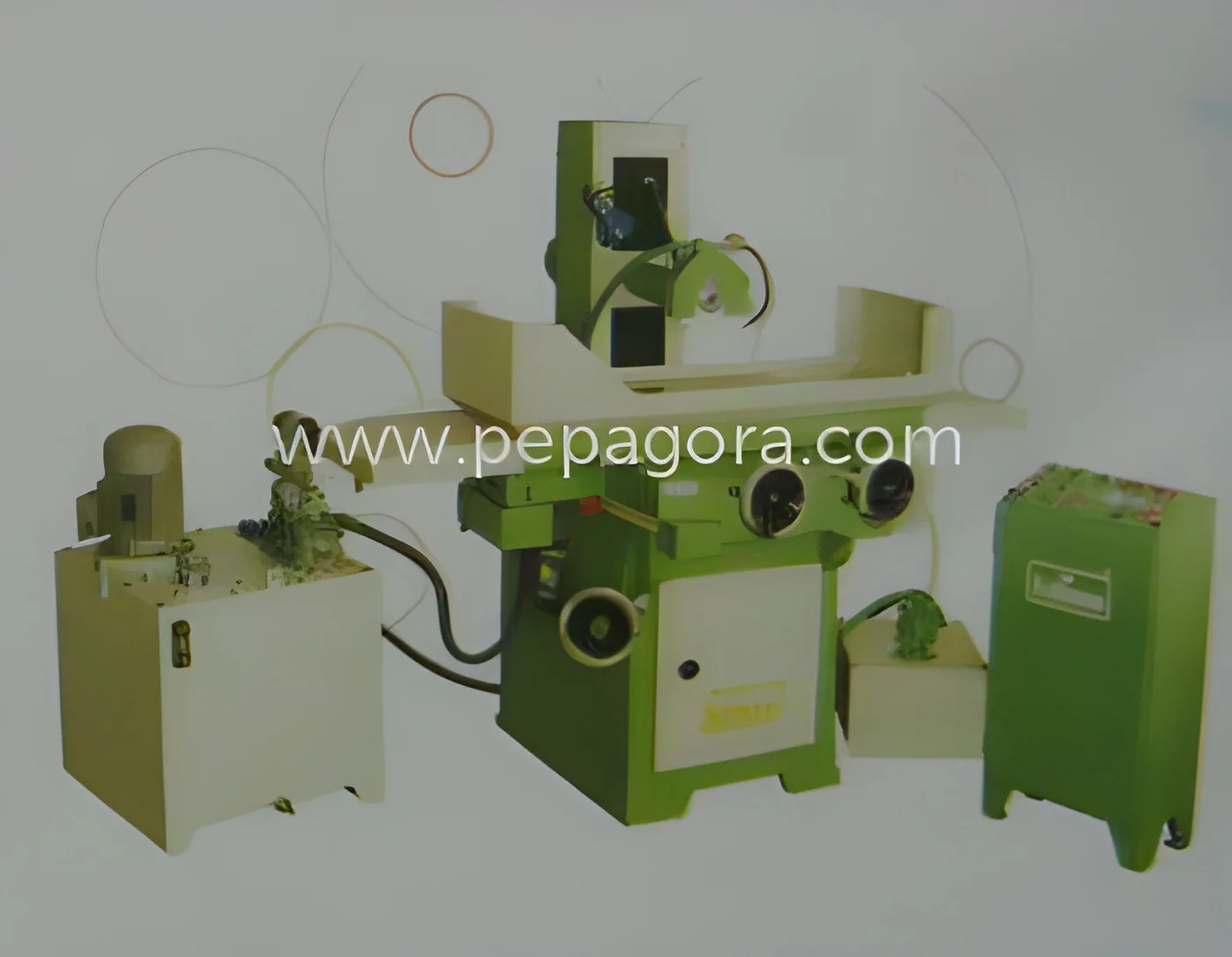
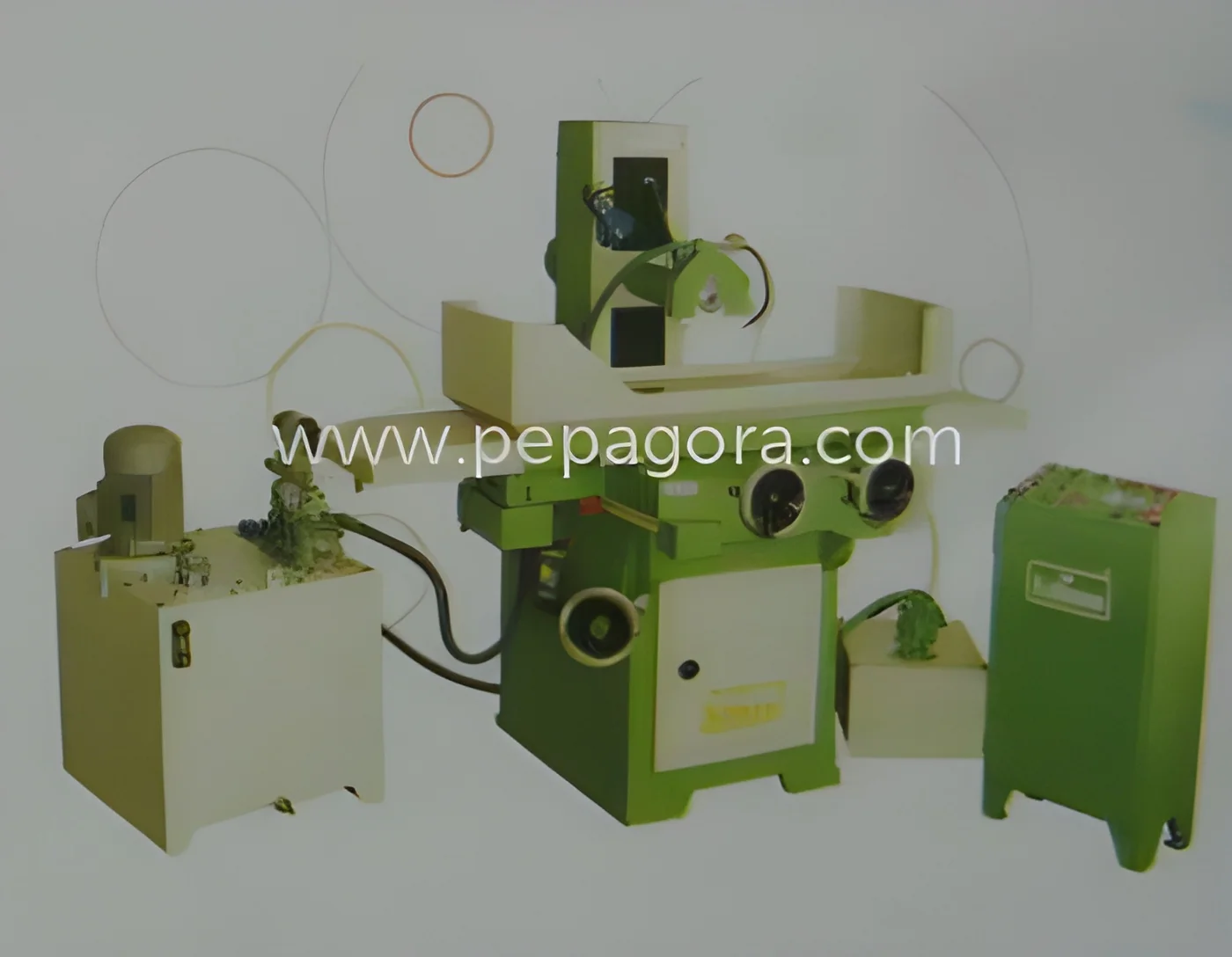
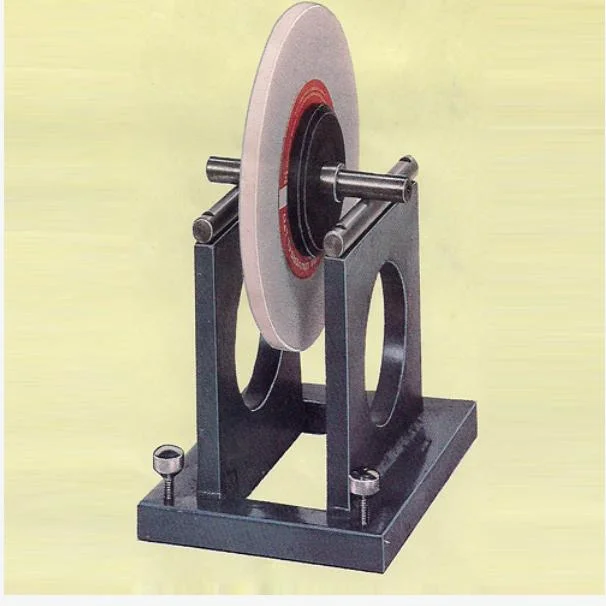
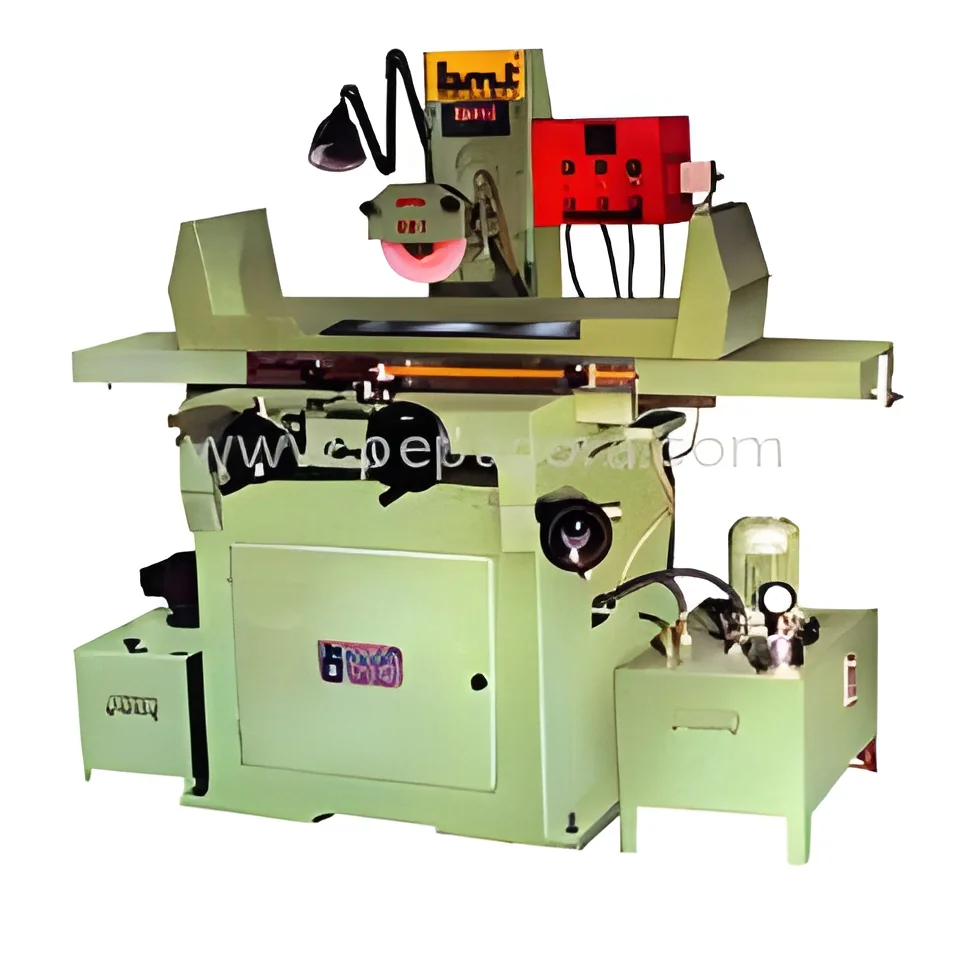
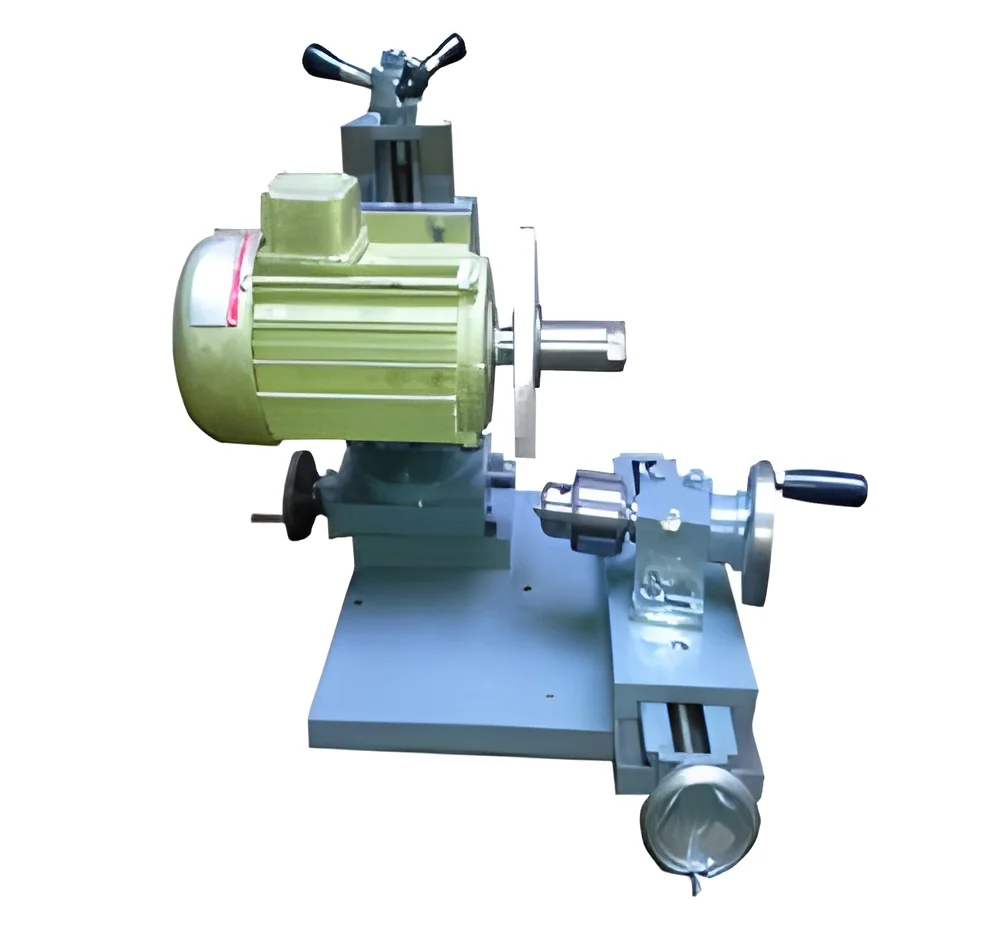
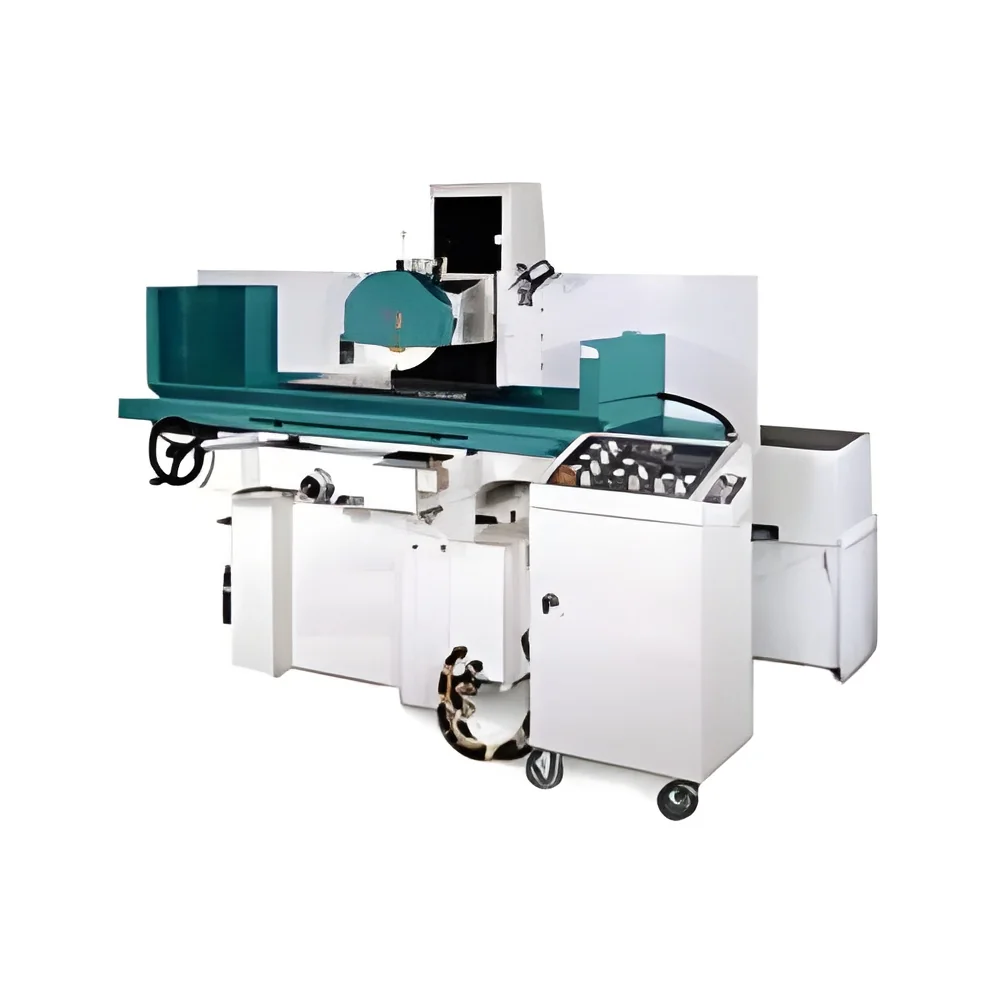
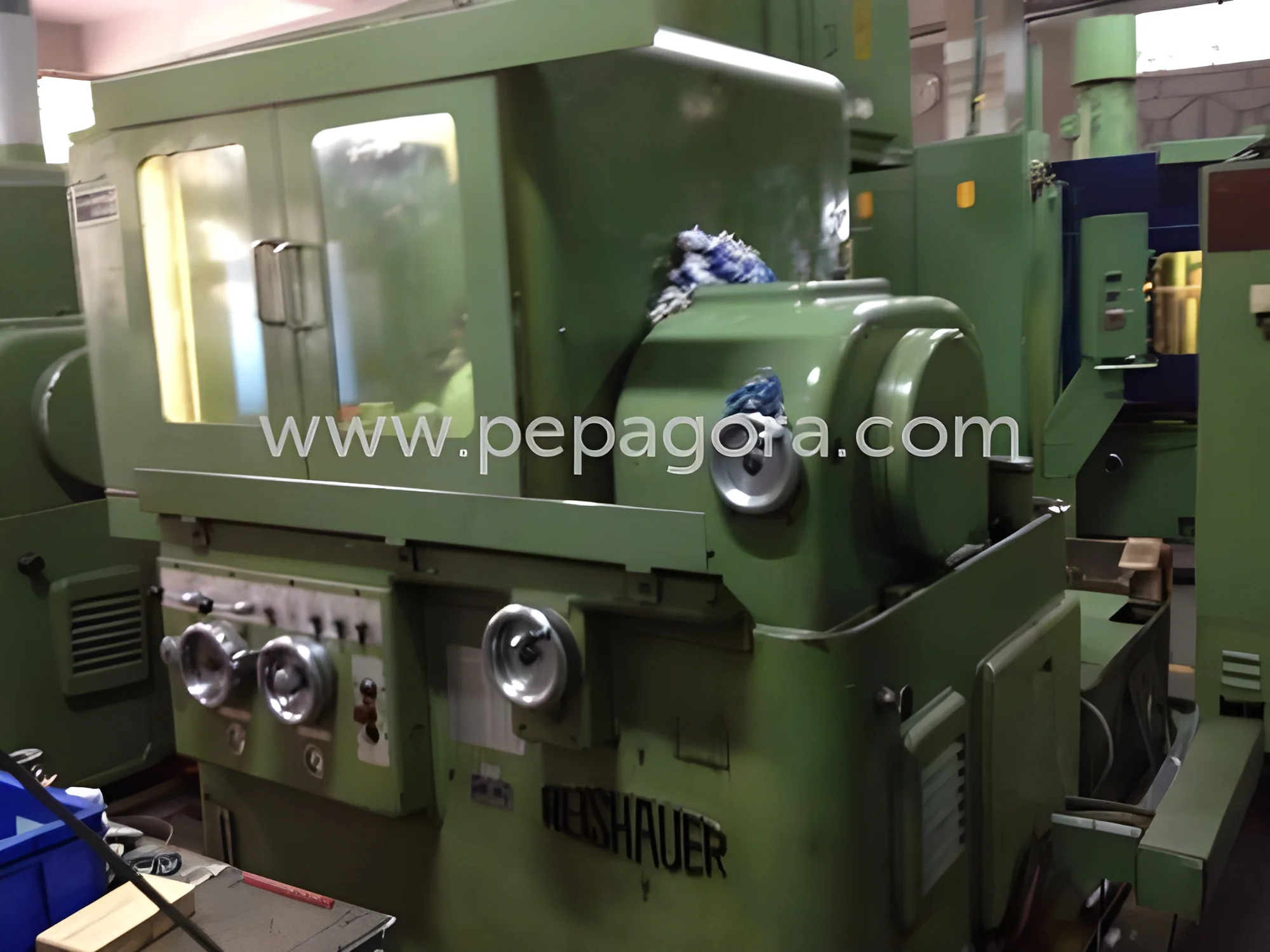
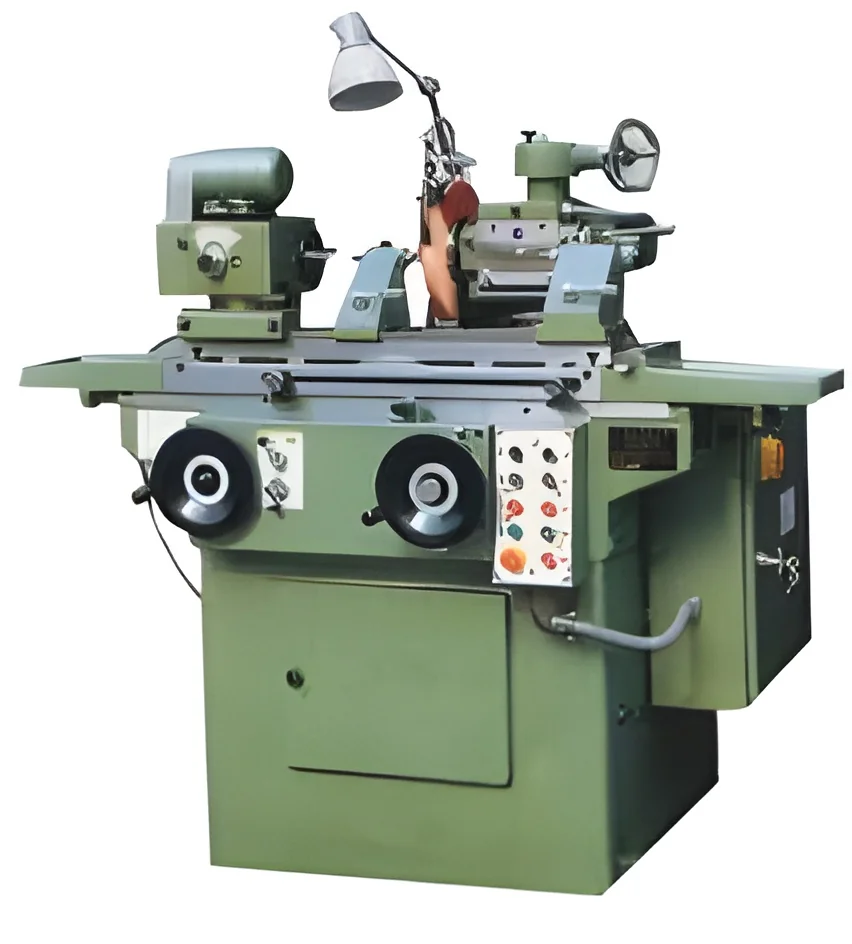
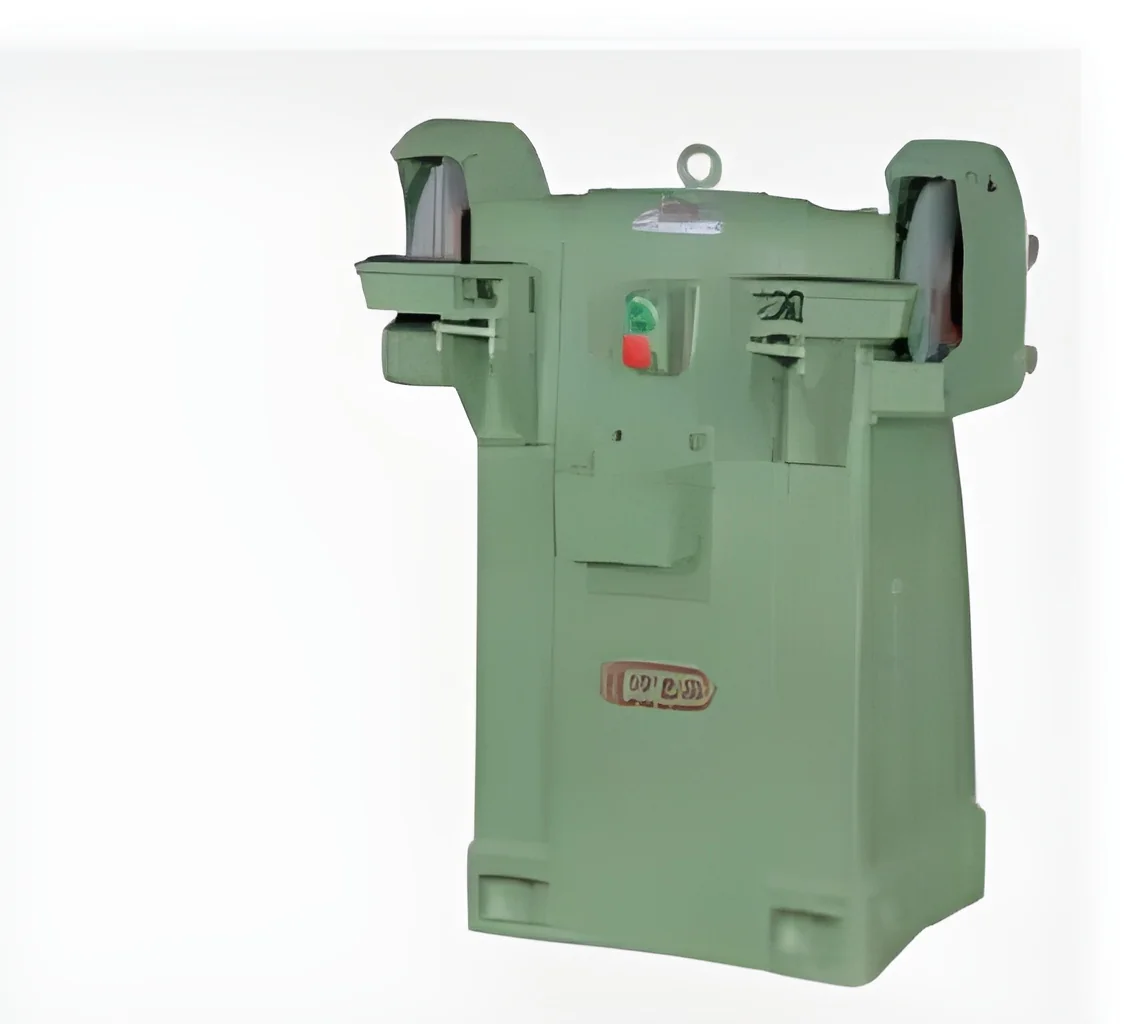
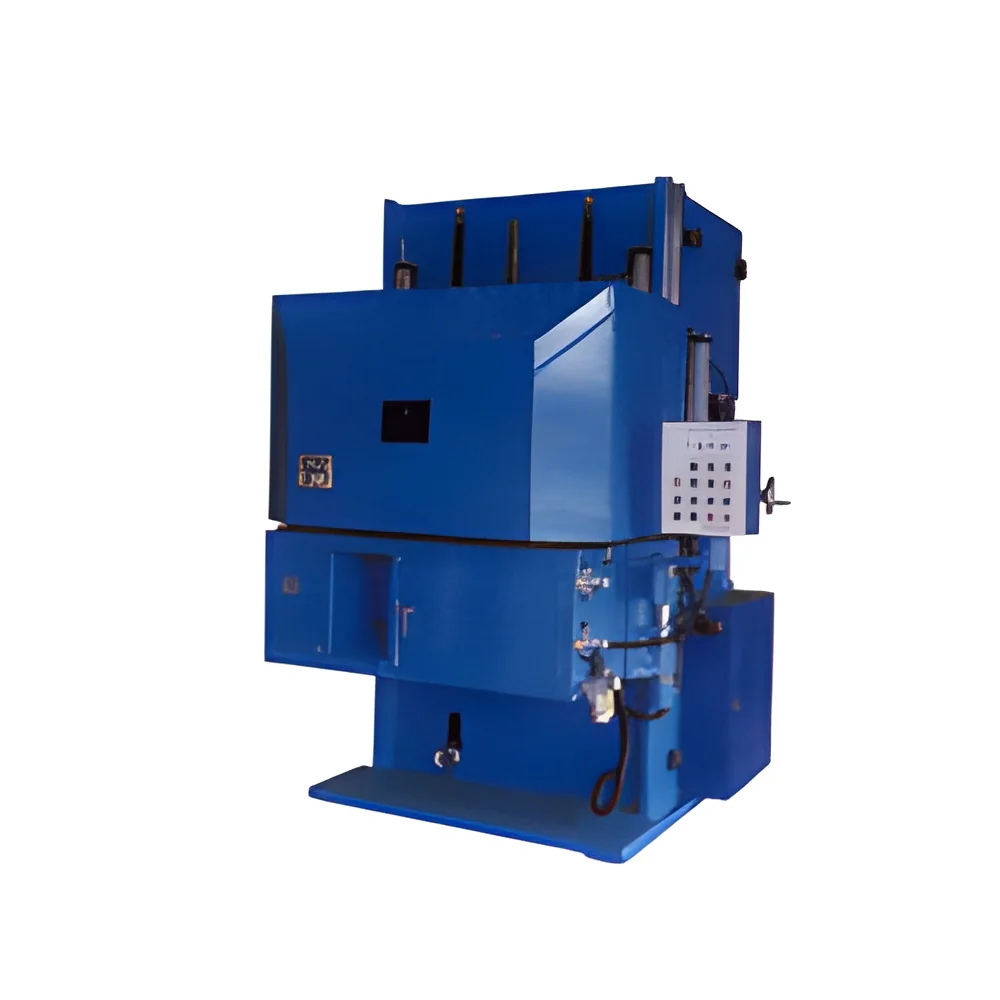
Surface grinding machines are precision tools used to produce flat surfaces on materials, typically metals. These machines operate by using a rotating grinding wheel, which is coated with abrasive particles, to remove material from the workpiece's surface. The grinding process ensures high levels of accuracy and smoothness, making it essential for a variety of manufacturing applications. Surface grinding machines are known for their ability to achieve tight tolerances and fine finishes.
These machines find primary use in the metalworking industry, including tool and die shops, manufacturing plants, and maintenance workshops. They are utilized for tasks such as sharpening, finishing, and smoothing metal components. The versatility of surface grinding machines makes them relevant in numerous sectors that require high-precision machining, contributing significantly to the efficiency and quality of production processes. As industries continue to evolve, the demand for reliable and advanced surface grinding machines remains strong, reflecting their critical role in modern manufacturing.
Key Features and Specifications
Surface grinding machines come equipped with several key features that enhance their functionality and usability. Understanding these specifications helps in selecting the right machine for specific applications.
Key specifications include:
1. Grinding Wheel Size
- The diameter of the grinding wheel typically ranges from 200 mm to 600 mm.
- This affects the types of materials that can be effectively ground.
2. Table Size
- The table size can vary from 300 mm x 600 mm to larger dimensions.
- A larger table allows for handling bigger workpieces.
3. Motor Power
- Motor power usually ranges from 1.5 kW to 15 kW.
- Higher power enables faster grinding operations.
4. Grinding Stroke
- The grinding stroke can range from 300 mm to 600 mm.
- This determines how far the grinding wheel can travel across the workpiece.
5. Feed Rate
- The feed rate is adjustable, typically between 0.1 mm to 3 mm per pass.
- This allows for adaptation based on material hardness and desired finish.
6. Precision Accuracy
- Surface grinding machines typically offer precision of up to 0.01 mm.
- High accuracy is crucial for meeting stringent tolerances.
7. Control System
- Many machines feature automated CNC controls for increased efficiency.
- CNC options allow for complex shapes and repeatability.
8. Safety Features
- Safety guards and emergency stop functions are standard.
- These enhance operator safety during machine operation.
In summary, understanding these specifications enables businesses to select surface grinding machines tailored to their operational needs and quality standards.
Common Applications and Use Cases
Surface grinding machines serve various industries by providing precise machining capabilities.
1. Aerospace: In the aerospace sector, surface grinding is used to create flat surfaces on components like turbine blades, ensuring they meet strict aerodynamic standards.
2. Automotive: Automotive manufacturers use these machines to grind engine components, ensuring they fit precisely and operate efficiently, contributing to overall vehicle performance.
3. Tool and Die: Tool and die makers rely on surface grinding for producing molds and dies, as it provides the necessary precision for intricate designs and sharp edges.
4. Electronics: In electronics, surface grinding is applied to produce flat surfaces on circuit boards and various electronic components, which is vital for reliable performance.
5. Medical Devices: The medical industry utilizes surface grinding to manufacture components for devices that require high levels of cleanliness and precision.
6. Construction: In construction, surface grinding machines are used for finishing concrete surfaces, ensuring a smooth and durable finish.
7. Furniture Manufacturing: Surface grinding is utilized in the production of high-quality furniture components, contributing to both aesthetics and structural integrity.
Product Variants and Subcategories
Surface grinding machines are available in various designs and configurations to meet different industrial needs.
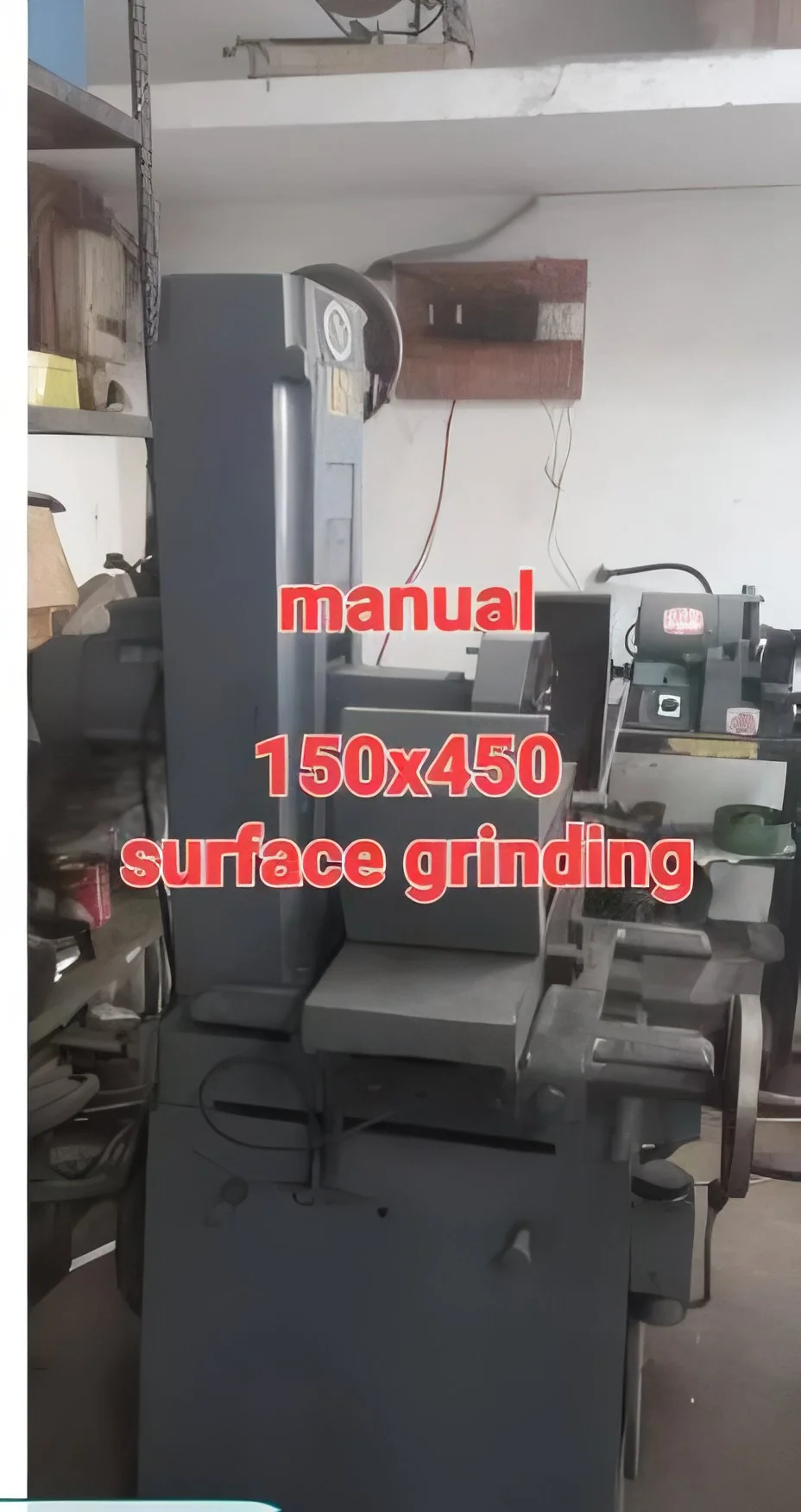
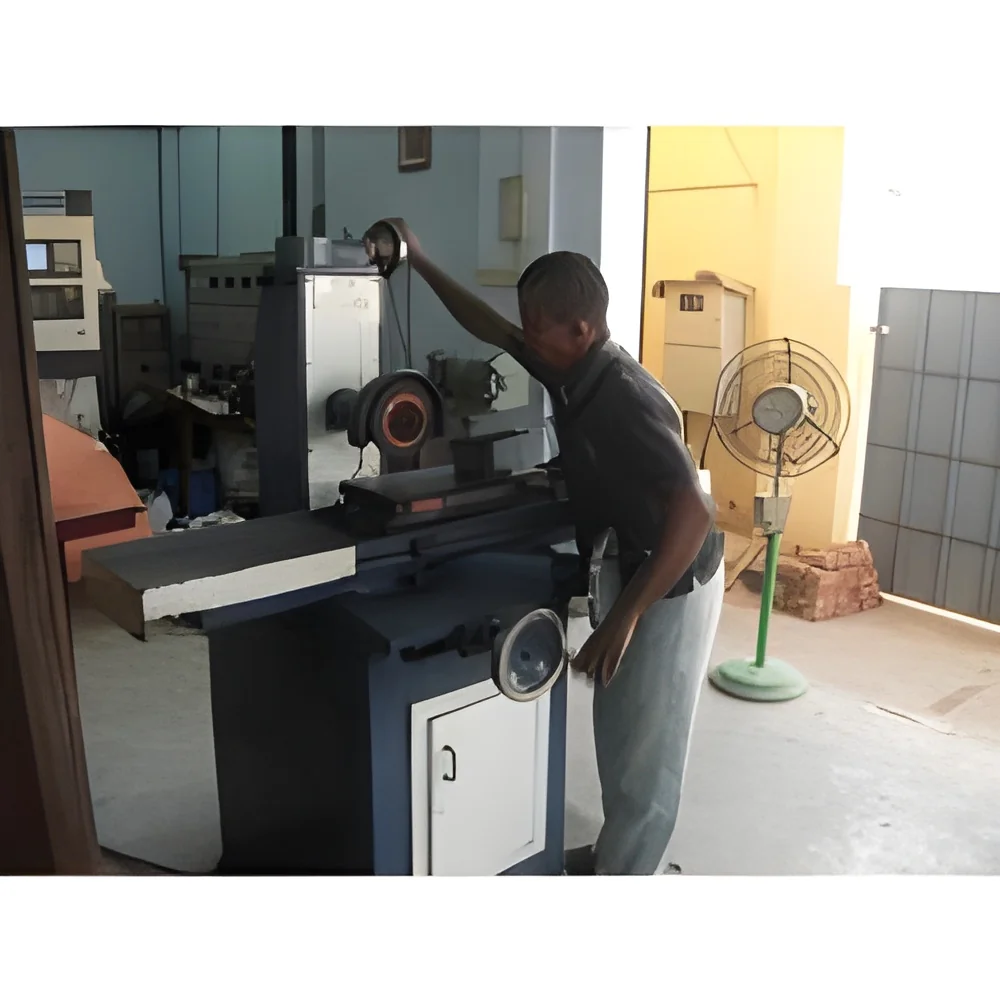
Manual Surface Grinding Machines: These machines are operated by hand and are ideal for small shops or low-volume production. They offer flexibility and are cost-effective for basic grinding tasks.
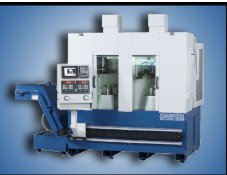
CNC Surface Grinding Machines: Computer Numerical Control (CNC) machines provide automation and precision. They are suitable for high-volume production and complex geometries, improving efficiency and accuracy.
Horizontal Surface Grinding Machines: These machines feature a horizontal grinding wheel and are often preferred for larger workpieces. They offer stability and are effective for heavy-duty grinding tasks.
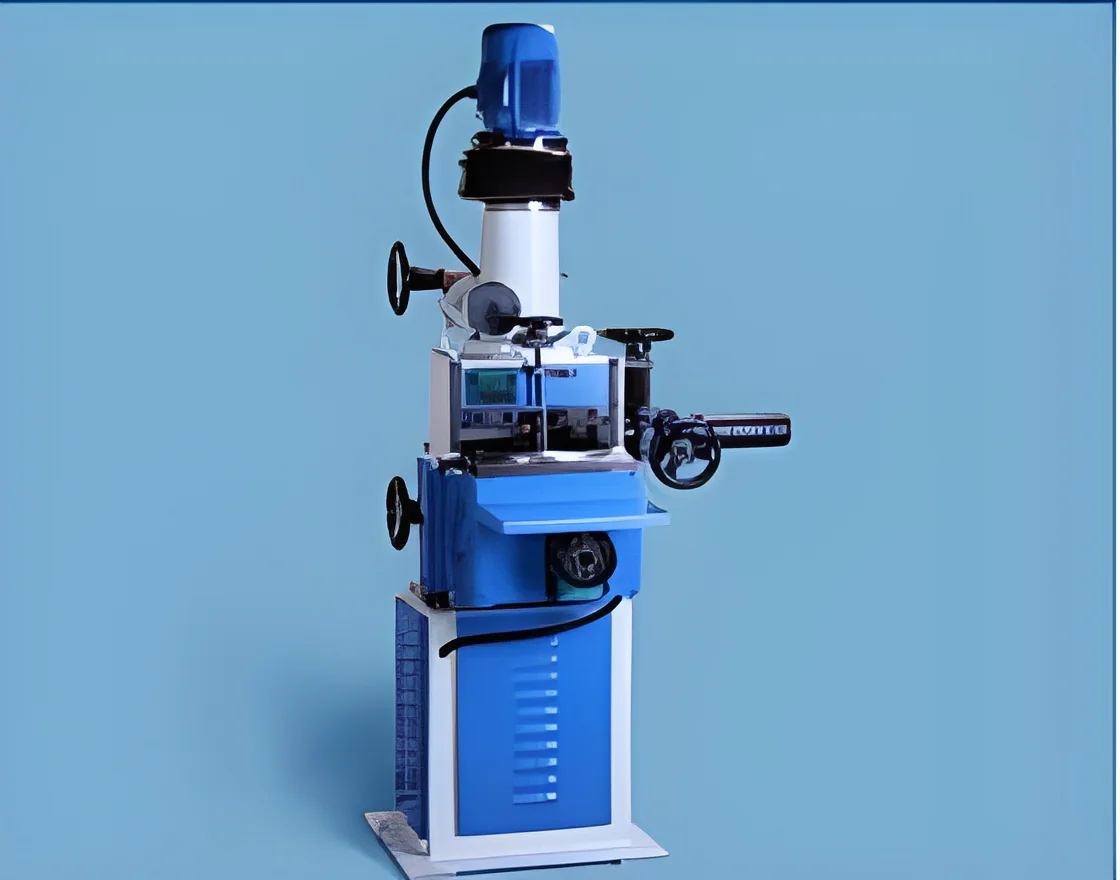
Vertical Surface Grinding Machines: Designed for vertical grinding tasks, these machines are suitable for smaller or intricate parts. They provide a smaller footprint and are ideal for limited space.
Benefits and Advantages
Surface grinding machines offer several advantages that enhance productivity and quality in manufacturing processes.
Key benefits include:
1. High Precision: These machines deliver exceptional accuracy, allowing for tight tolerances that are crucial in precision engineering.
2. Versatility: Surface grinding machines can handle various materials including metals, plastics, and composites, making them suitable for diverse applications.
3. Enhanced Surface Finish: The grinding process results in smooth and polished surfaces, which are essential for aesthetic and functional purposes.
4. Increased Efficiency: Automated models reduce manual labor and increase production rates, leading to significant time savings.
5. Customization: Many surface grinding machines can be tailored to specific requirements, ensuring they meet the unique needs of different industries.
6. Durability: Built to withstand rigorous use, these machines typically have a long operational life, providing good returns on investment.
Buying Guide for B2B Buyers
When sourcing surface grinding machines, it is essential to consider several critical factors to ensure a successful purchase.
1. Quality Assessment: Evaluate the build quality and performance reliability of the machines. Look for customer reviews and case studies to gauge their effectiveness in real-world applications.
2. Supplier Verification: Vet potential suppliers by checking their certifications, customer testimonials, and industry reputation. A reliable supplier should have a proven track record.
3. Pricing and MOQ: Understand the pricing structure and minimum order quantities (MOQs) offered by suppliers. This helps in budgeting and ensures that you can meet your production needs without overspending.
4. Delivery and Lead Times: Inquire about logistics and lead times associated with delivery. Timely delivery is crucial for maintaining production schedules.
5. Compliance Requirements: Ensure that the machines meet relevant industry standards and regulations. Check for necessary certifications that indicate compliance with safety and operational criteria.
Compliance and Certifications
Compliance and certifications are key components in the selection and operation of surface grinding machines. Relevant quality standards such as ISO 9001 ensure that manufacturers meet consistent quality management practices, which is crucial for operational excellence.
Industry certifications like CE indicate that the machines adhere to European safety and environmental requirements. Compliance with these standards is important not only for functionality but also for legal and market access.
Safety and testing requirements are vital factors in the operation of surface grinding machines. Regular inspections and maintenance are necessary to ensure that machines operate safely and effectively. Additionally, regional compliance considerations may apply depending on the geographical location of usage, which can influence both operational standards and legal obligations.
Why Source Surface Grinding Machines from Pepagora?
Pepagora provides a trusted platform for sourcing surface grinding machines, offering several key advantages.
Verified Supplier Network: Pepagora partners with a network of verified suppliers to ensure that buyers receive high-quality products. This network undergoes thorough vetting to maintain standards and reliability.
Streamlined RFQ Process: The Request for Quotation (RFQ) system simplifies the procurement process. Buyers can easily compare offers and select the best options based on their specific needs.
Trade Assurance and Support: Pepagora emphasizes buyer protection through trade assurance measures. This includes support throughout the purchasing process, ensuring transparency and trust between buyers and suppliers.
Regional Coverage: With a strong presence in India, the GCC, and Southeast Asia, Pepagora caters to a wide geographical area. This regional coverage allows businesses to access a diverse range of suppliers and products tailored to local markets.

 IN
IN


 India
India