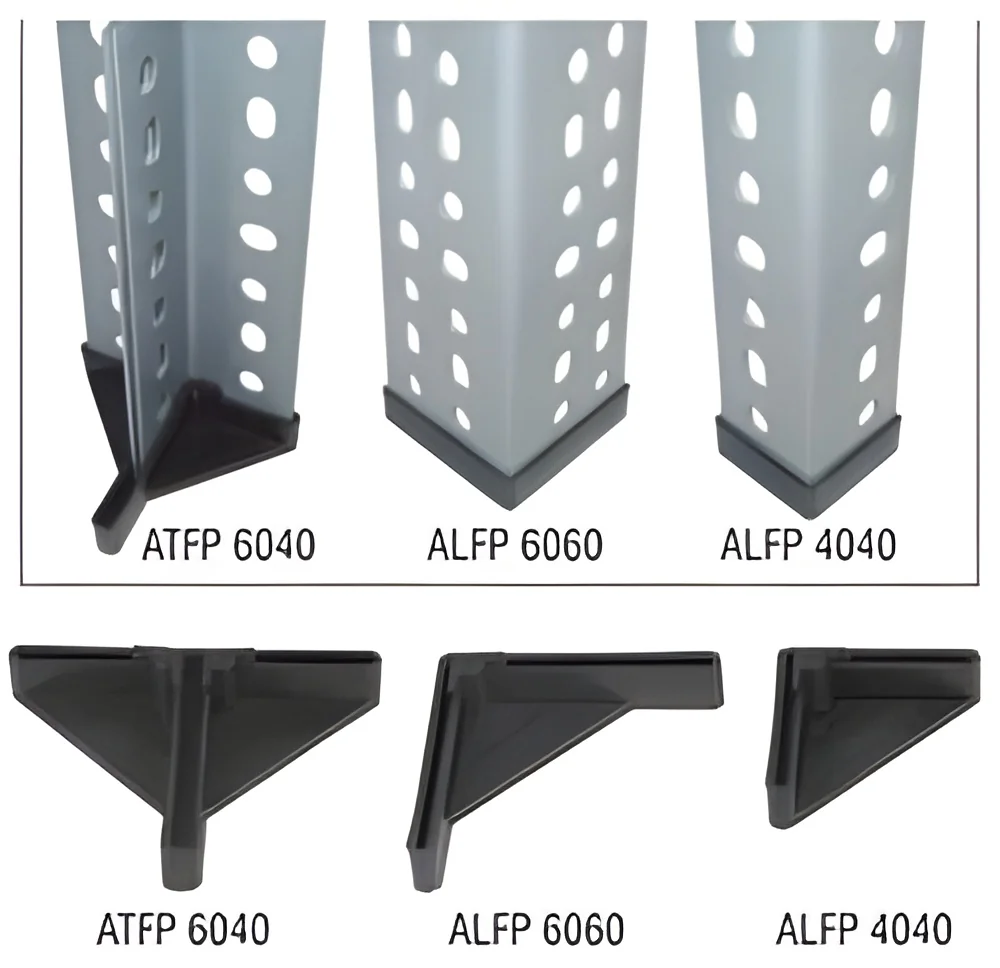
What are Angle Plates?
Angle plates are precision tools used in machining and manufacturing processes. They are designed to provide a stable and accurate reference surface for workpieces during various operations such as drilling, milling, and grinding. Typically made from cast iron or steel, angle plates come in various sizes and configurations, allowing them to accommodate different workpiece dimensions and shapes. Their flat surfaces and right angles ensure that parts can be positioned precisely, enhancing the overall quality of the machining process.
In industrial settings, angle plates play a critical role in ensuring the accuracy of workpieces. They are commonly used in conjunction with other tools such as vises, clamps, and measuring instruments. By providing a fixed reference point, angle plates help machinists achieve consistent results with minimal deviations. This is essential in industries such as aerospace, automotive, and heavy machinery, where precision is paramount. The market for angle plates is robust, driven by the increasing demand for high-quality machining processes and advanced manufacturing techniques.
Key Features and Specifications
Angle plates are characterized by several key features that enhance their functionality and usability in various applications. Understanding these specifications is crucial for selecting the right angle plate for specific needs.
Key specifications include:
1. Material
- Angle plates are primarily made from cast iron or steel.
- These materials provide stability and durability, ensuring longevity in demanding environments.
2. Surface Finish
- The surface finish of angle plates can vary.
- A smooth finish allows for easier clamping and reduces wear on workpieces.
3. Accuracy
- Angle plates are designed to meet specific accuracy standards.
- Typical tolerances range from ±0.005 inches to ±0.001 inches.
4. Size and Dimensions
- Angle plates come in various sizes to accommodate different workpieces.
- Common dimensions include lengths from 6 to 36 inches and widths from 4 to 24 inches.
5. Weight
- The weight of angle plates can vary based on size and material.
- Heavier plates provide more stability during machining processes.
6. Angle Precision
- Angle plates are designed to maintain a true right angle.
- This precision is critical for ensuring accurate measurements and cuts.
7. Mounting Options
- Some angle plates feature mounting holes or slots.
- These allow for secure attachment to workbenches or machines.
8. Compliance Standards
- Angle plates may adhere to specific industry standards.
- Compliance ensures consistency in quality and performance.
In summary, understanding these features and specifications is essential for selecting angle plates that meet the specific requirements of various machining and manufacturing applications.
Common Applications and Use Cases
Angle plates are versatile tools used across multiple industries, providing essential support for precision machining.
1. Aerospace: In the aerospace industry, angle plates are used for machining complex components that require high precision. They help ensure that parts fit together accurately, which is critical for safety and performance.
2. Automotive: In automotive manufacturing, angle plates assist in the assembly of engine and transmission components. Their ability to hold parts securely facilitates accurate drilling and milling operations.
3. Heavy Machinery: Angle plates are commonly employed in the production of heavy machinery parts. They provide a stable reference for machining large components, ensuring structural integrity and performance.
4. Tool and Die: In tool and die making, angle plates are essential for creating molds and dies. Their precision helps in achieving the exact specifications needed for production.
5. Fabrication Shops: Fabrication shops use angle plates for various metalworking processes. They are vital for ensuring that workpieces are aligned correctly during welding and cutting operations.
6. Metalworking: Angle plates are widely used in metalworking applications, providing the necessary support for machining operations on various metal types.
7. Research and Development: In R&D environments, angle plates are used for prototyping and testing new designs. Their precision allows for accurate evaluation of new concepts.
Product Variants and Subcategories
While angle plates are often standardized, there is a diversity of options available to cater to different needs in the industrial sector.
Heavy-Duty Angle Plates
These variants are designed for more demanding applications and are typically made from high-strength materials. They are suitable for heavy machining tasks and provide enhanced stability during operation.
Adjustable Angle Plates
Adjustable angle plates allow users to set different angles, making them versatile for various machining tasks. They are often used in custom setups where flexibility is required.
Magnetic Angle Plates
Magnetic angle plates feature built-in magnets that secure workpieces firmly in place. These plates are useful for quick setups in environments where speed and efficiency are essential.
Lightweight Angle Plates
Lightweight variants are made from materials that reduce overall weight while still providing sufficient strength. They are ideal for applications where portability and ease of handling are important.
Benefits and Advantages
Angle plates provide several significant benefits that enhance their value in industrial applications.
1. Precision: Angle plates ensure that workpieces are held at exact right angles, leading to higher accuracy in machining processes.
2. Stability: Their heavy and robust design offers excellent stability, reducing the risk of movement during operations.
3. Versatility: Angle plates can be used in a variety of applications across different industries, making them a versatile tool for manufacturers.
4. Enhanced Productivity: By providing a stable reference point, angle plates allow for faster and more efficient machining, ultimately improving productivity.
5. Reduced Setup Time: The ease of use of angle plates leads to quicker setups, minimizing downtime and enabling more work to be completed in less time.
6. Quality Assurance: The use of angle plates contributes to consistent quality in machined parts by ensuring alignment and precision throughout the manufacturing process.
Buying Guide for B2B Buyers
When sourcing angle plates for your business, it is essential to consider several factors to ensure you select the right product.
1. Quality Assessment: Look for angle plates that meet established quality standards. Consider the material and finish, as these can impact durability and performance.
2. Supplier Verification: Vet potential suppliers to ensure they have a good reputation in the industry. Check for certifications and customer reviews to gauge reliability.
3. Pricing and MOQ: Understand the pricing structure and minimum order quantities (MOQ) of angle plates. Compare prices from different suppliers to ensure you get a competitive deal.
4. Delivery and Lead Times: Inquire about delivery times and lead times before placing an order. Timely delivery is critical to maintaining your production schedules.
5. Compliance Requirements: Ensure that the angle plates you choose comply with relevant industry standards and regulations. This may include safety certifications and quality assurance standards.
Compliance and Certifications
Angle plates must adhere to various compliance and certification standards to ensure safety and quality in industrial applications.
ISO 9001 is a widely recognized quality management standard that ensures products meet customer and regulatory requirements. Manufacturers of angle plates that are ISO certified demonstrate a commitment to quality and consistency.
CE marking is another important certification, particularly in Europe, indicating that the product meets safety, health, and environmental protection standards. This certification is vital for buyers looking to comply with European regulations.
Safety and testing requirements are critical for ensuring that angle plates can withstand the rigors of industrial environments. Manufacturers typically perform rigorous testing to validate the performance and durability of their products.
Regional compliance considerations may vary, so it is crucial for buyers to be aware of specific regulations that apply in their geographic area. This knowledge helps ensure that the selected angle plates meet all necessary legal and safety requirements.
Why Source Angle Plates from Pepagora?
Pepagora offers a trusted platform for sourcing angle plates, providing several key advantages for buyers.
Verified Supplier Network: Pepagora connects buyers with a network of verified suppliers. This ensures that you are working with reputable manufacturers who adhere to quality standards.
Streamlined RFQ Process: The platform features a streamlined Request for Quotation (RFQ) process, making it easy for buyers to obtain competitive pricing and options from multiple suppliers.
Trade Assurance and Support: Pepagora provides trade assurance that protects buyers throughout the purchasing process. This includes support for any issues that may arise during or after the transaction.
Regional Coverage: With a strong presence in India, the GCC, and Southeast Asia, Pepagora offers extensive geographic reach. This allows buyers to find local suppliers while benefiting from a global network of manufacturers.
In conclusion, sourcing angle plates through Pepagora ensures a reliable and efficient purchasing experience, making it the ideal choice for businesses in need of high-quality industrial tools.

 IN
IN