IN
IN₹
Apparel & Fashion
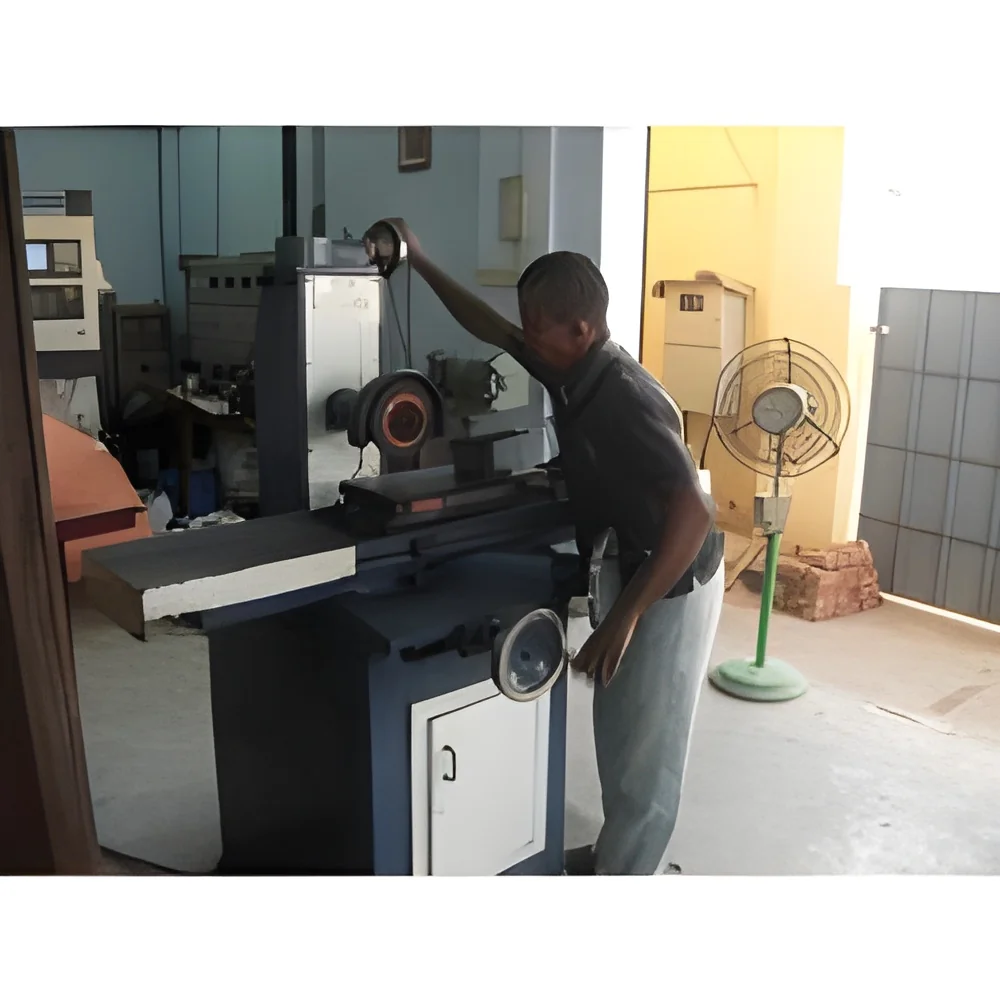
Description
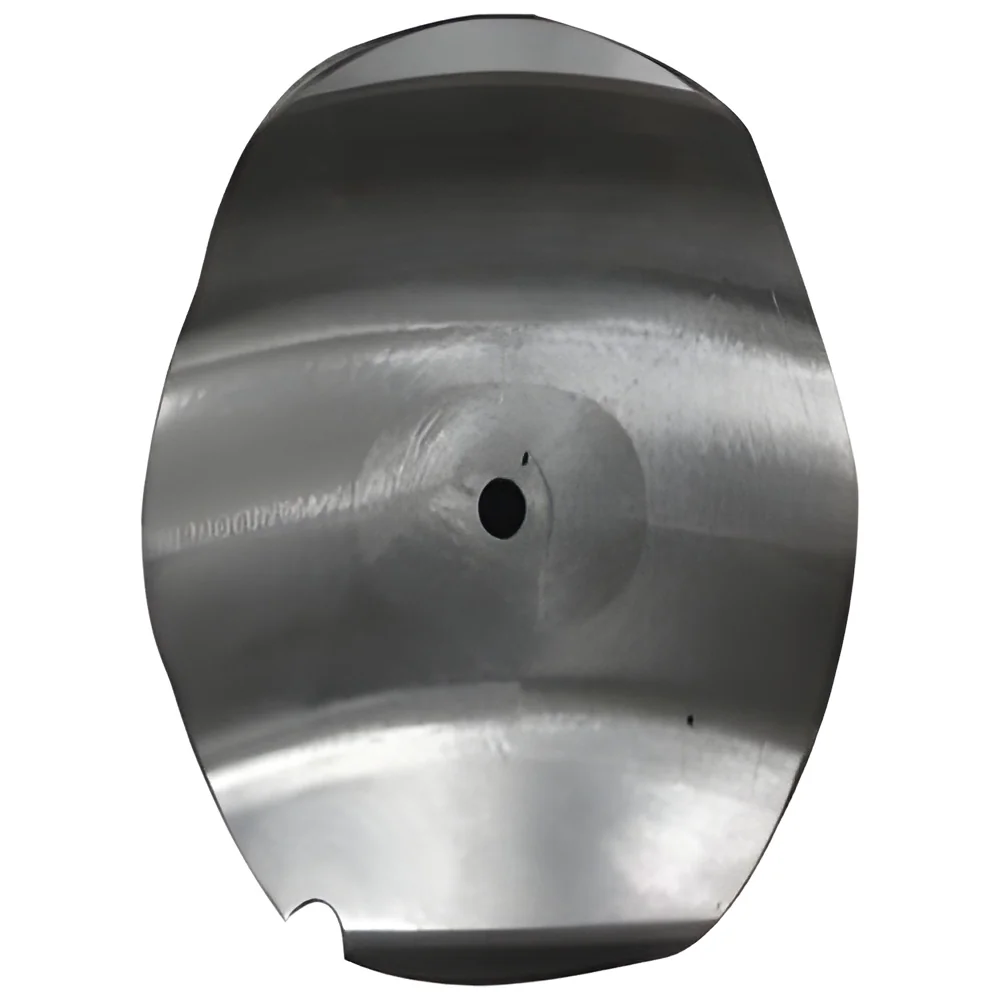
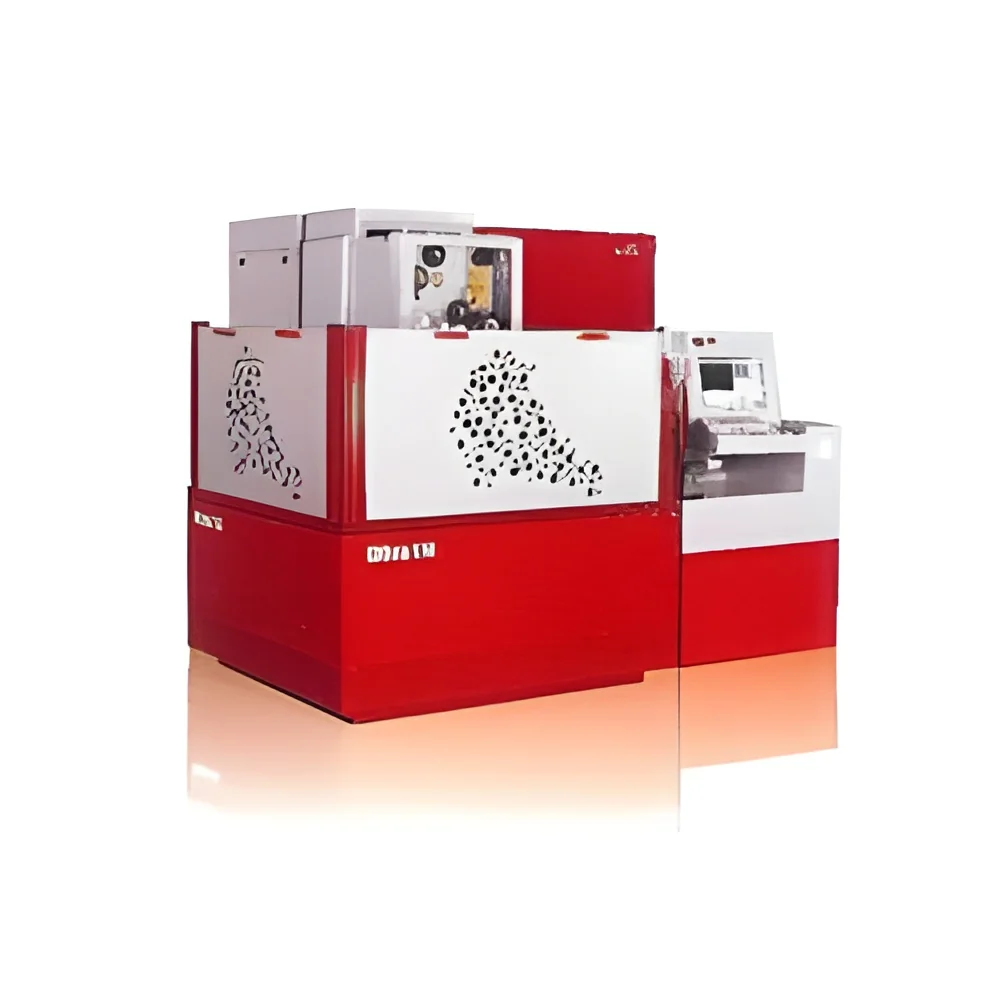
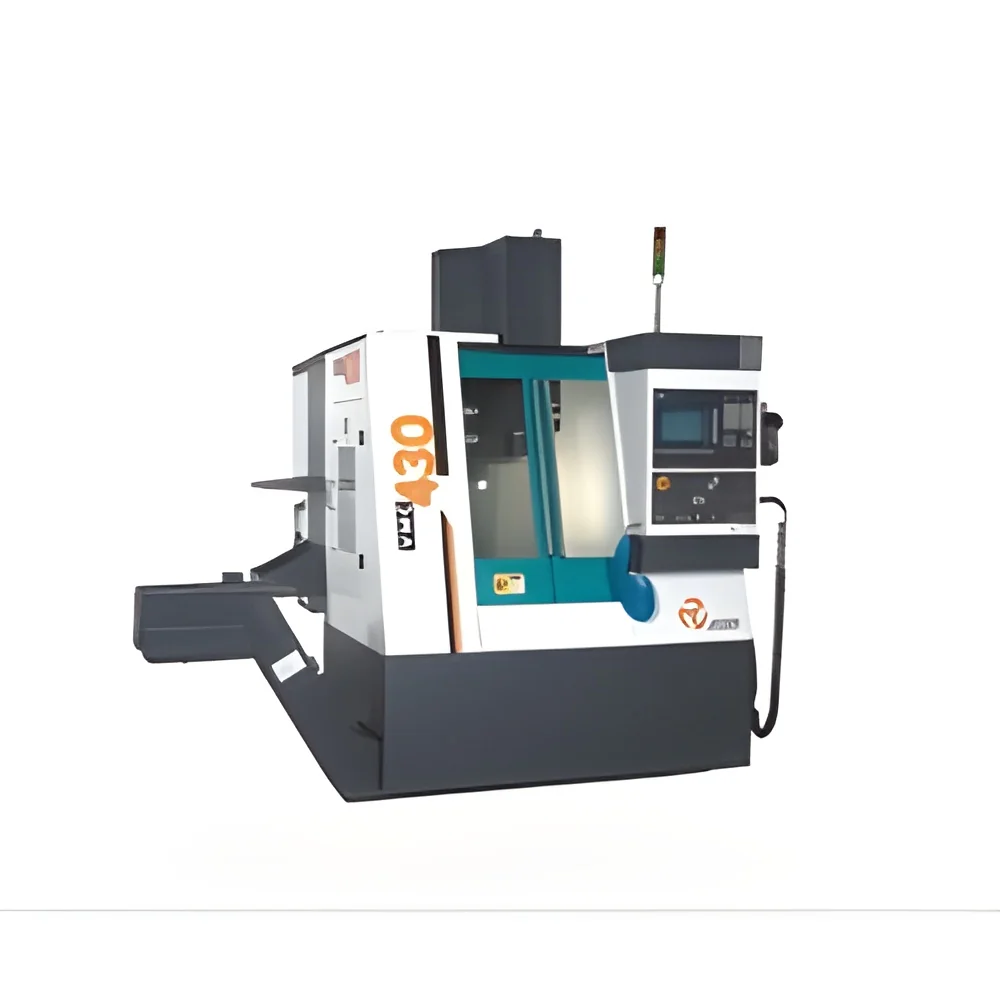
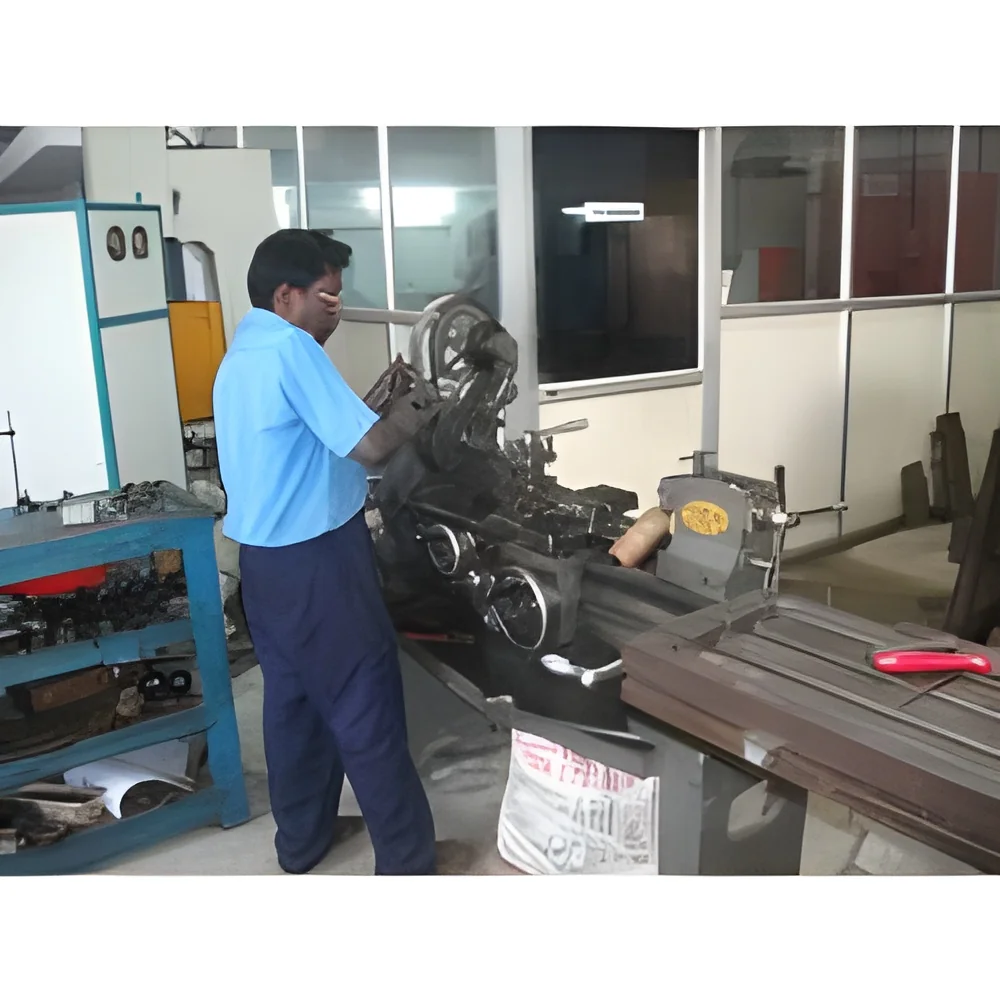
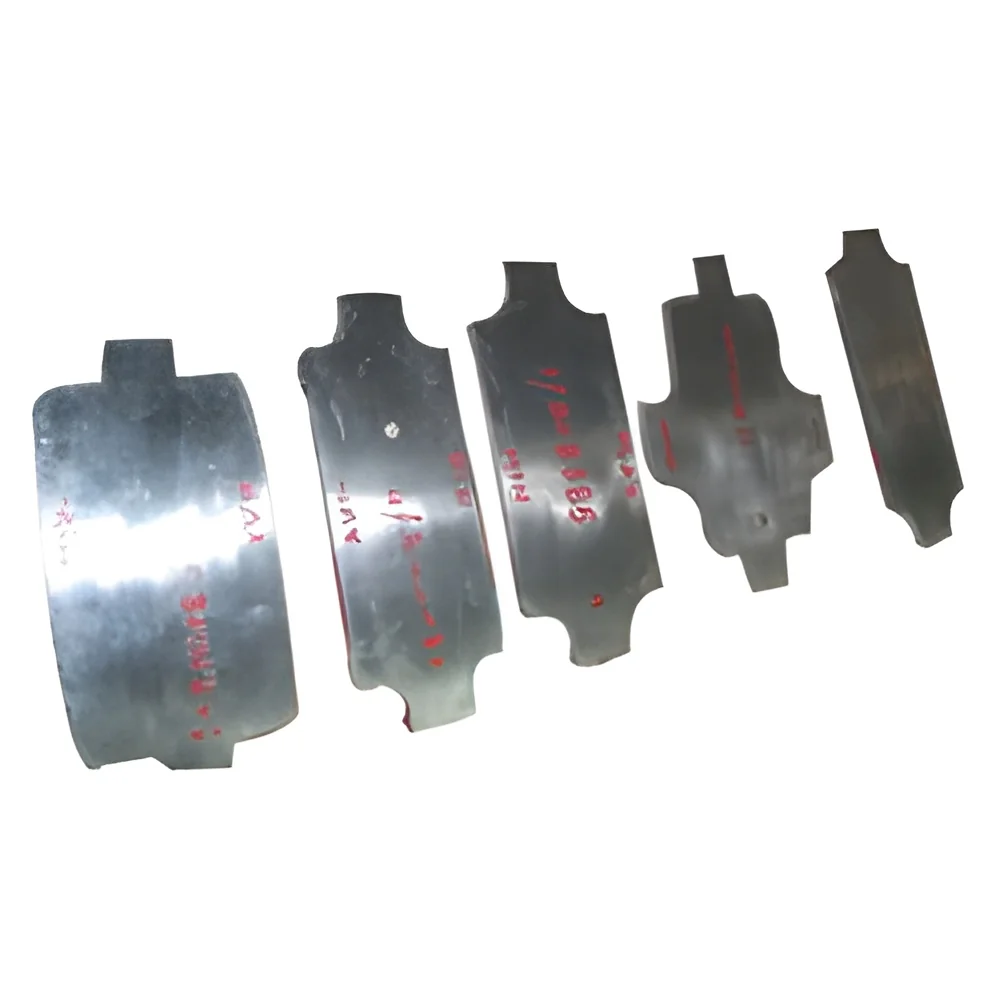
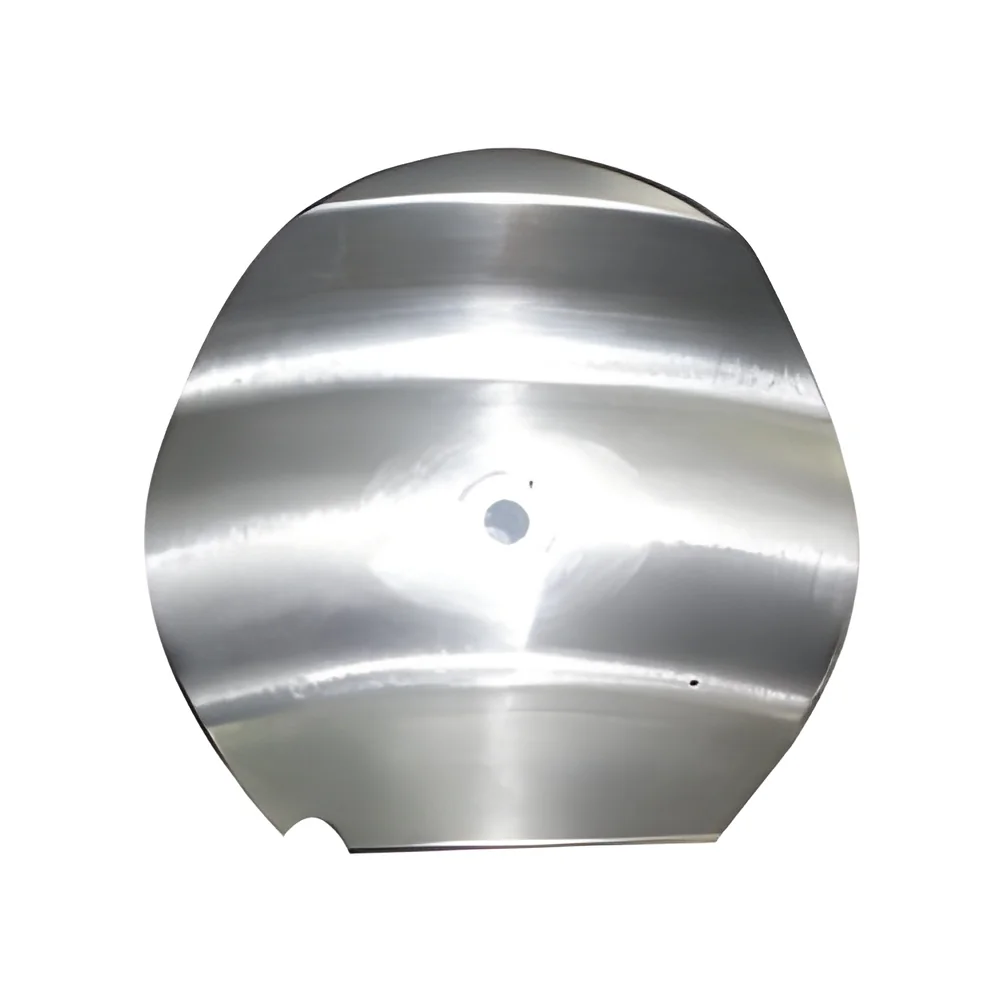
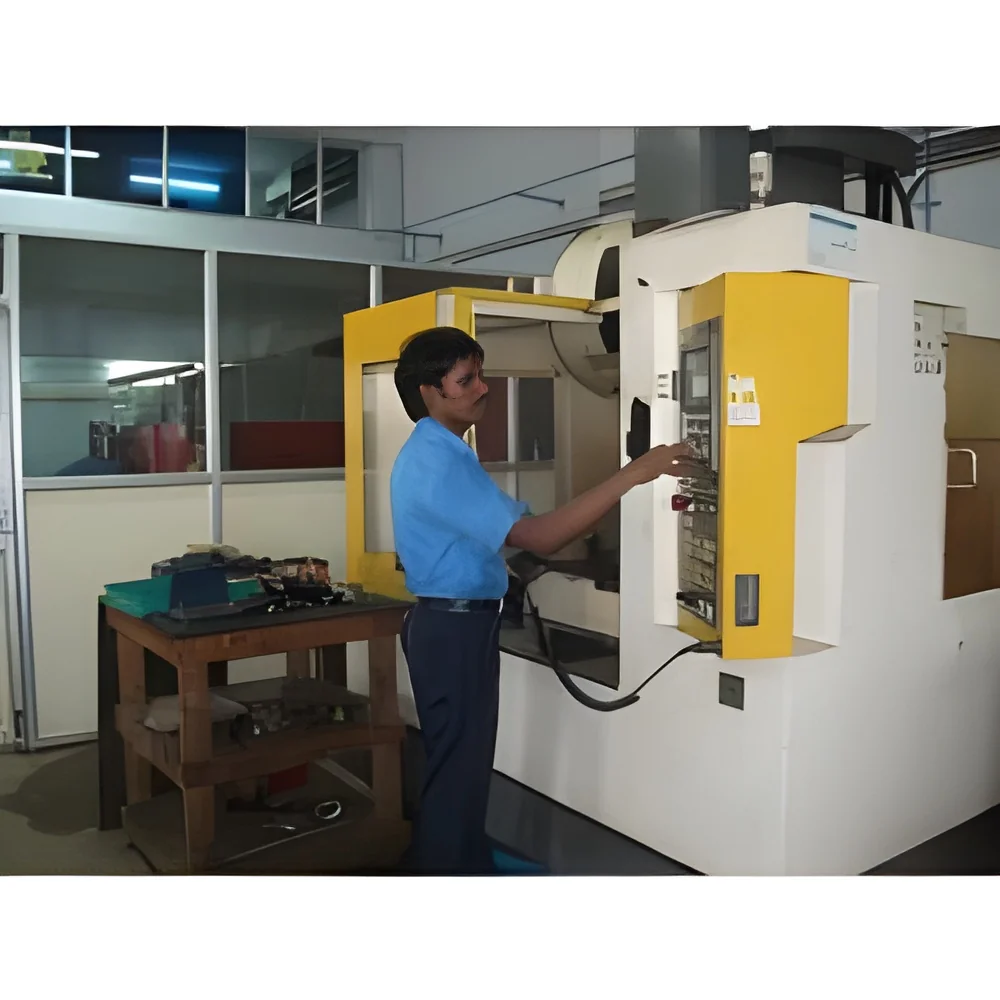
Industrial Surface Grinding Machines are engineered for precision metal finishing, delivering exceptional dimensional accuracy and superior surface quality on critical components. Using a high-performance abrasive wheel, these machines precisely remove material to create flat, smooth, or finely textured surfaces essential for parts requiring tight tolerances, exact flatness, or specific roughness values. Built for reliability, efficiency, and consistency, they are ideal for both high-volume production runs and precision job shops. Supporting various metals and engineered materials, our grinders deliver repeatable results batch after batch, with robust construction that ensures stability and longevity in industrial settings.

These machines serve vital roles across multiple sectors where precision and finish are non-negotiable. In automotive manufacturing, they finish engine components, transmission parts, and brake discs to ensure optimal performance and longevity. The aerospace sector...
Industrial Surface Grinding Machines are engineered for precision metal finishing, delivering exceptional dimensional accuracy and superior surface quality on critical components. Using a high-performance abrasive wheel, these machines precisely remove material to create flat, smooth, or finely textured surfaces essential for parts requiring tight tolerances, exact flatness, or specific roughness values. Built for reliability, efficiency, and consistency, they are ideal for both high-volume production runs and precision job shops. Supporting various metals and engineered materials, our grinders deliver repeatable results batch after batch, with robust construction that ensures stability and longevity in industrial settings.

These machines serve vital roles across multiple sectors where precision and finish are non-negotiable. In automotive manufacturing, they finish engine components, transmission parts, and brake discs to ensure optimal performance and longevity. The aerospace sector relies on surface grinding for machining turbine blades, landing gear components, and structural parts to meet strict safety and quality standards. Tool and die shops use them to produce molds, dies, and fixtures with exacting tolerances. The general engineering and industrial machinery sectors apply surface grinding for finishing gears, shafts, and hydraulic parts, while the medical industry depends on it for crafting implants and surgical tools where surface integrity is critical for function and safety.

Investing in our surface grinding machines delivers significant business value through enhanced productivity, reduced rework, and lower operational costs over time. Their robust construction and advanced mechanical systems ensure minimal downtime and long service life, maximizing return on investment. The machines deliver consistent, high-quality finishes that reduce rejection rates and improve end-product reliability, directly impacting customer satisfaction. Every component, from the precision spindle to the durable table drive, is built for reliability, ensuring uninterrupted performance in demanding production environments. This inherent reliability, combined with straightforward operation and maintenance, makes our grinders a low-risk, high-reward choice for operations focused on quality, efficiency, and long-term value.

Key Features:
- High-precision spindle system engineered for accurate and consistent grinding results across various metals.
- Rigid, vibration-damped construction that ensures superior surface finish and part flatness.
- Durable grinding table with precision linear guides for smooth, accurate, and repeatable movement.
- Robust mechanical design built for stability and longevity in continuous industrial use.
- Efficient coolant and chip management system to maintain optimal grinding conditions and wheel life.

Benefits:
- Achieve tight dimensional tolerances and superior surface finishes that meet strict quality standards.
- Increase production throughput with reliable, consistent performance that minimizes machine downtime.
- Reduce part rejection and rework costs through repeatable accuracy and process stability.
- Lower long-term operational costs with durable construction designed for minimal maintenance.
- Enhance the functionality, longevity, and reliability of finished components for end-users.
Specifications
| Additional Information | |
|---|---|
| Country of Origin | India |
Application
Surface grinding is essential for achieving tight tolerances and smooth finishes on metal components. This process removes material with precision, ensuring parts meet exact specifications for flatness, parallelism, and surface quality. It is indispensable in industries where even minor imperfections can affect performance, safety, or assembly, providing the foundation for reliable end products.
Our surface grinding solutions are designed for durability and consistent performance in demanding production environments. They handle various materials and part sizes, offering flexibility for diverse manufacturing needs. Businesses rely on our machines for critical finishing operations that enhance product functionality, longevity, and aesthetic appeal, making them a trusted choice for quality-conscious operations seeking repeatable results.
- Precision machining of engine blocks and cylinder heads in automotive manufacturing.
- Finishing surgical instruments and medical device components to ensure sterility and performance.
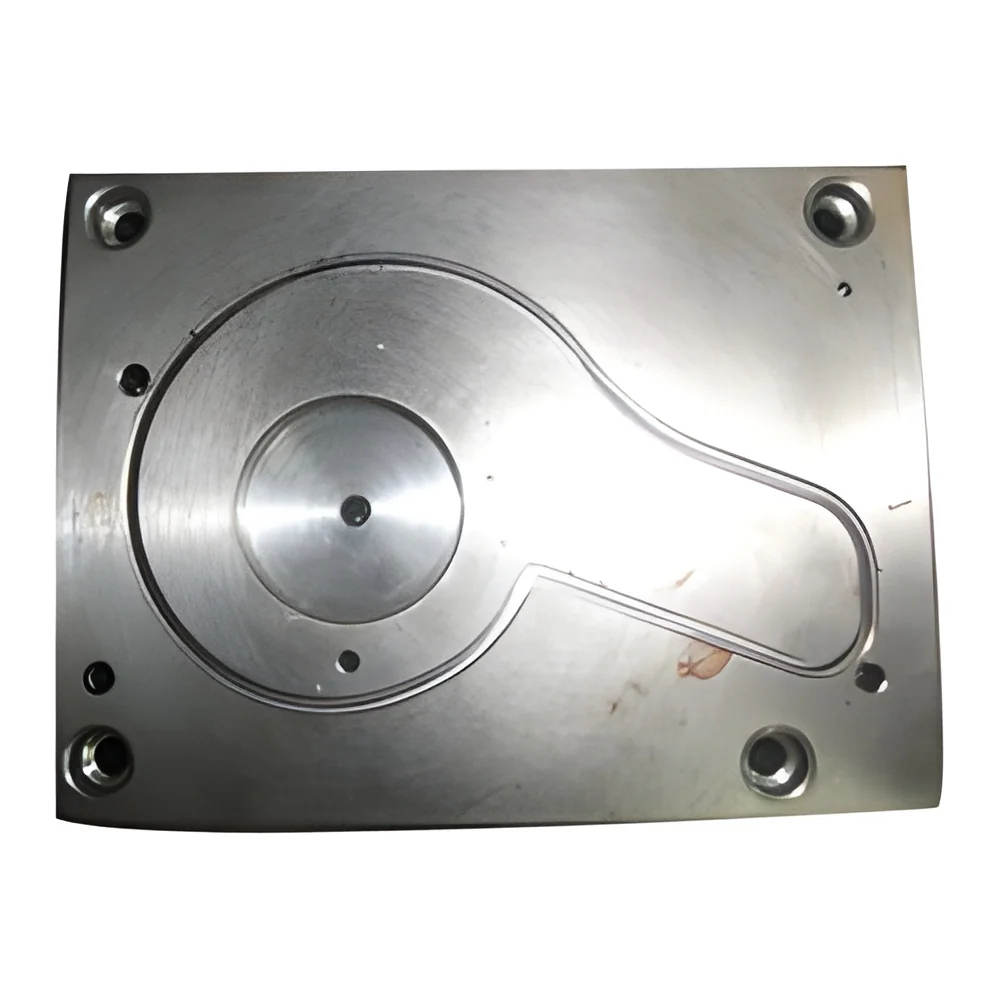
- Producing flat and parallel surfaces on mold bases and die sets for plastic injection molding.
- Grinding hydraulic rods, pistons, and valves for industrial machinery and equipment.
- Creating smooth finishes on cutting tools, blades, and industrial knives for sharpness and durability.
Trade Details
| Available Stock | In Stock |
| Sample Availability | No |
Payment Terms
| Payment Terms |
|
Company Profile

ARK Engineering, Tamil Nadu
 Tamil Nadu, India
Tamil Nadu, IndiaRaw Materials & Chemicals•Manufacturer•Distributor / Wholesaler
Factory Details
Factory SizeBelow 1000 sqm
Annual Production Capacity0
Industrial Surface Grinding Machines For Precision Metal Finishing
Industrial Surface Grinding Machines deliver precise dimensional accuracy and superior finishes for metal components. Our reliable machines ensure high-quality results for engineering and manufacturing sectors requiring tight tolerances.
Min. Order Quantity: 1 unit
Shipping
Shipping fee and delivery date to be negotiated. Contact supplier now for more details.
ARK Engineering
 Tamil Nadu, India
Tamil Nadu, IndiaRaw Materials & ChemicalsManufacturer