What are Oil Skimmers?
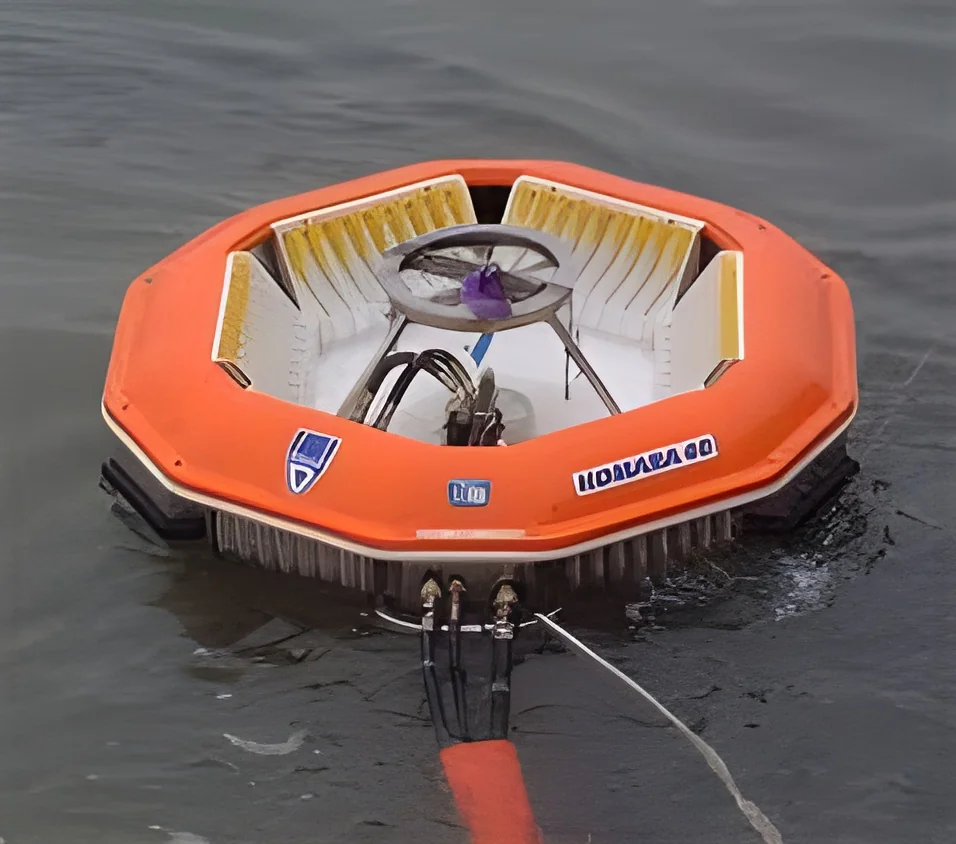
Oil skimmers are specialized devices designed to remove oil and other hydrocarbons from water surfaces. They function by utilizing various methods, such as flotation, absorption, or mechanical scraping, to separate oil from water efficiently. This separation process is crucial in maintaining water quality, preventing environmental pollution, and ensuring compliance with environmental regulations.
These devices are primarily used in industrial applications, including manufacturing, oil refineries, and wastewater treatment facilities. By effectively removing oil, businesses can reduce operational costs associated with water treatment and disposal. Oil skimmers also play a vital role in protecting aquatic life and maintaining ecosystem health, making them essential tools in various industries.
In today's market, the demand for oil skimmers is growing due to increasing environmental regulations and the need for sustainable practices. Industries are increasingly adopting these technologies to enhance their operations and meet compliance standards. As a result, oil skimmers are becoming a critical component in the management of industrial water resources.
Key Features and Specifications
Oil skimmers come with a range of features that enhance their efficiency and effectiveness in oil removal. Understanding these specifications is essential for selecting the right skimmer for your specific application.
Key specifications include:
1. Skimming Capacity
- Refers to the amount of oil that can be removed per hour.
- Typically measured in liters or gallons.
2. Operating Temperature Range
- Indicates the temperature conditions under which the skimmer can function effectively.
- Data not available.
3. Type of Operation
- Can be manual or automatic, depending on the model.
- Automatic skimmers provide continuous operation without manual intervention.
4. Material Construction
- Often made from corrosion-resistant materials to withstand harsh industrial environments.
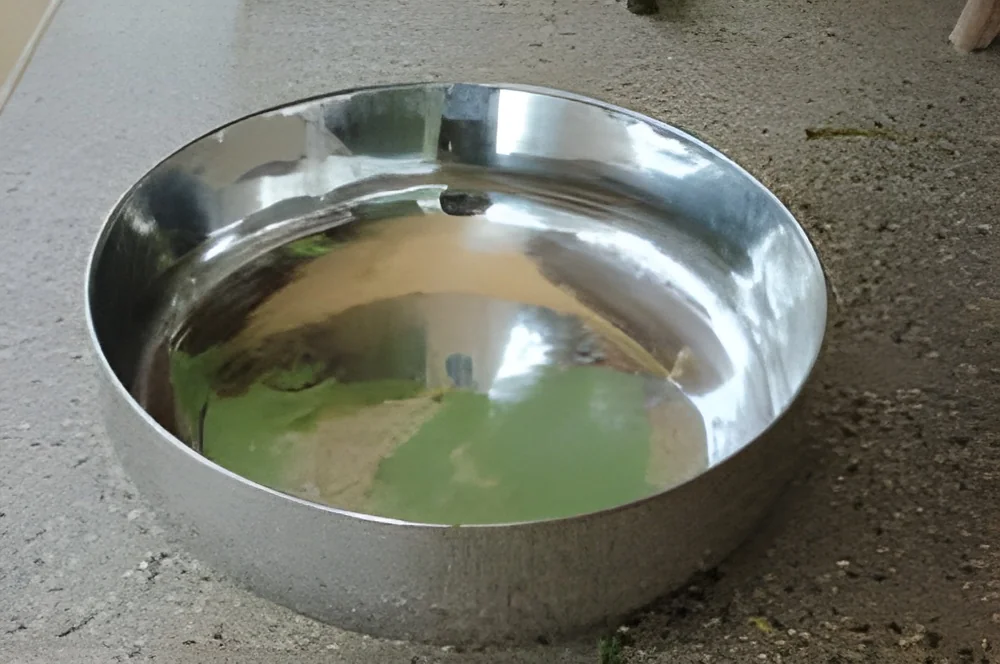
- Common materials include stainless steel and high-density polyethylene.
5. Power Source
- Can be electric, pneumatic, or manual.
- Electric models are often preferred for their ease of use.
6. Maintenance Requirements
- Indicates how often the skimmer needs to be serviced.
- Low-maintenance models are ideal for continuous operations.
7. Size and Dimensions
- The physical size of the skimmer, which can affect installation and operation.
- Typically varies based on the application.
8. Compliance with Standards
- Ensures that the skimmer meets relevant industry standards and regulations.
- CE certification is a common requirement.
With these specifications in mind, buyers can make informed decisions about which oil skimmer best meets their needs.
Common Applications and Use Cases
Oil skimmers are versatile tools that find applications across various industries. Their ability to efficiently remove oil from water makes them invaluable in several contexts.
1. Manufacturing: Oil skimmers are widely used in manufacturing facilities to remove oil from coolant systems, ensuring cleaner production processes.
2. Oil Refineries: In oil refineries, skimmers help manage potential spills and maintain water quality in containment areas, protecting the environment.
3. Wastewater Treatment: Skimmers play a crucial role in wastewater treatment plants by removing oil from wastewater before it is treated, ensuring compliance with discharge regulations.
4. Marinas and Ports: Oil skimmers are essential in marinas and ports for cleaning up oil spills and maintaining clean water for marine life and recreational activities.
5. Food Processing: In food processing plants, skimmers are used to remove oils and fats from wash water, ensuring hygiene and compliance with health standards.
6. Power Plants: Skimmers help manage oil leaks from machinery and equipment, protecting water sources and ensuring safe operations.
7. Mining Operations: In mining industries, oil skimmers are utilized to manage oil contamination in water used for mineral processing.
Product Variants and Subcategories
Oil skimmers come in various types to meet different operational needs. Understanding these variants is crucial for selecting the right model.
Floating Oil Skimmers
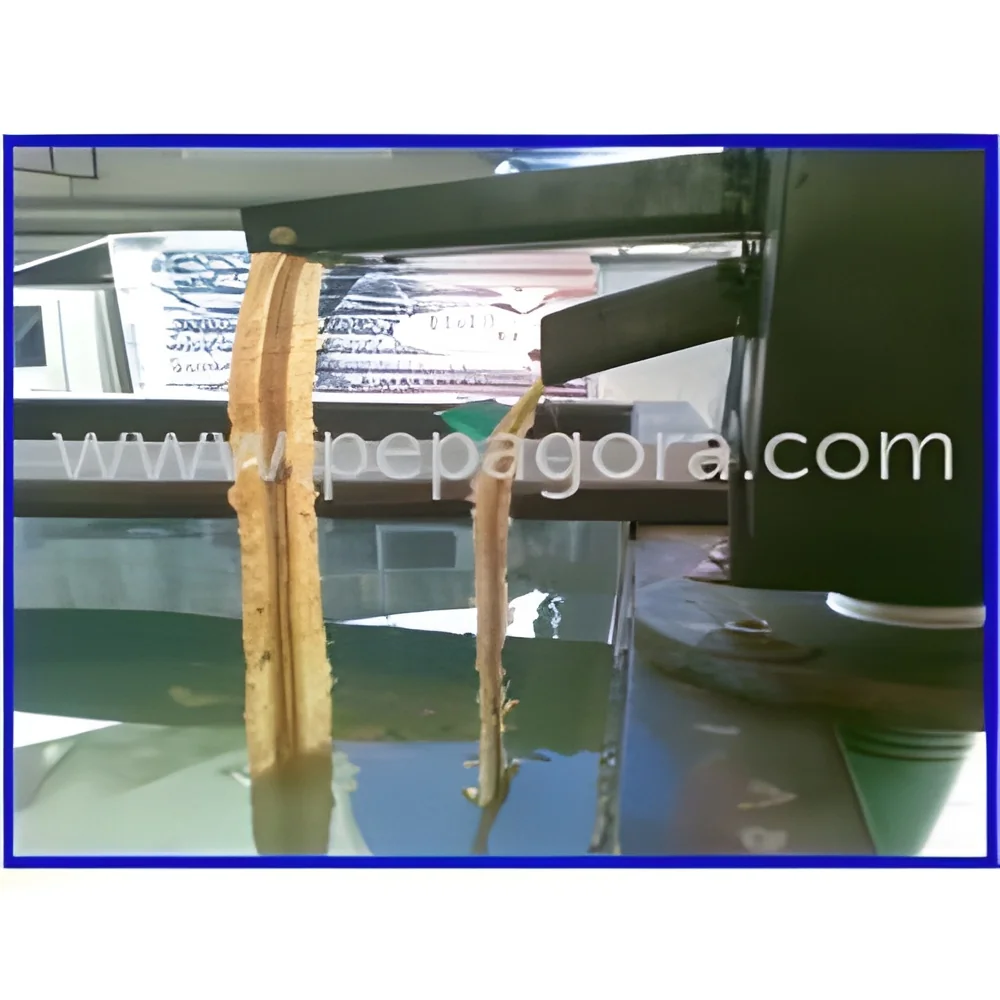
These skimmers are designed to float on the water surface and use a belt or tube to absorb oil. They are ideal for large bodies of water and are effective in handling varying oil types.
Suction Oil Skimmers
Suction skimmers operate by drawing water and oil into a collection unit, where the oil is separated. They are suitable for confined spaces and can handle high-viscosity oils.
Disc Oil Skimmers
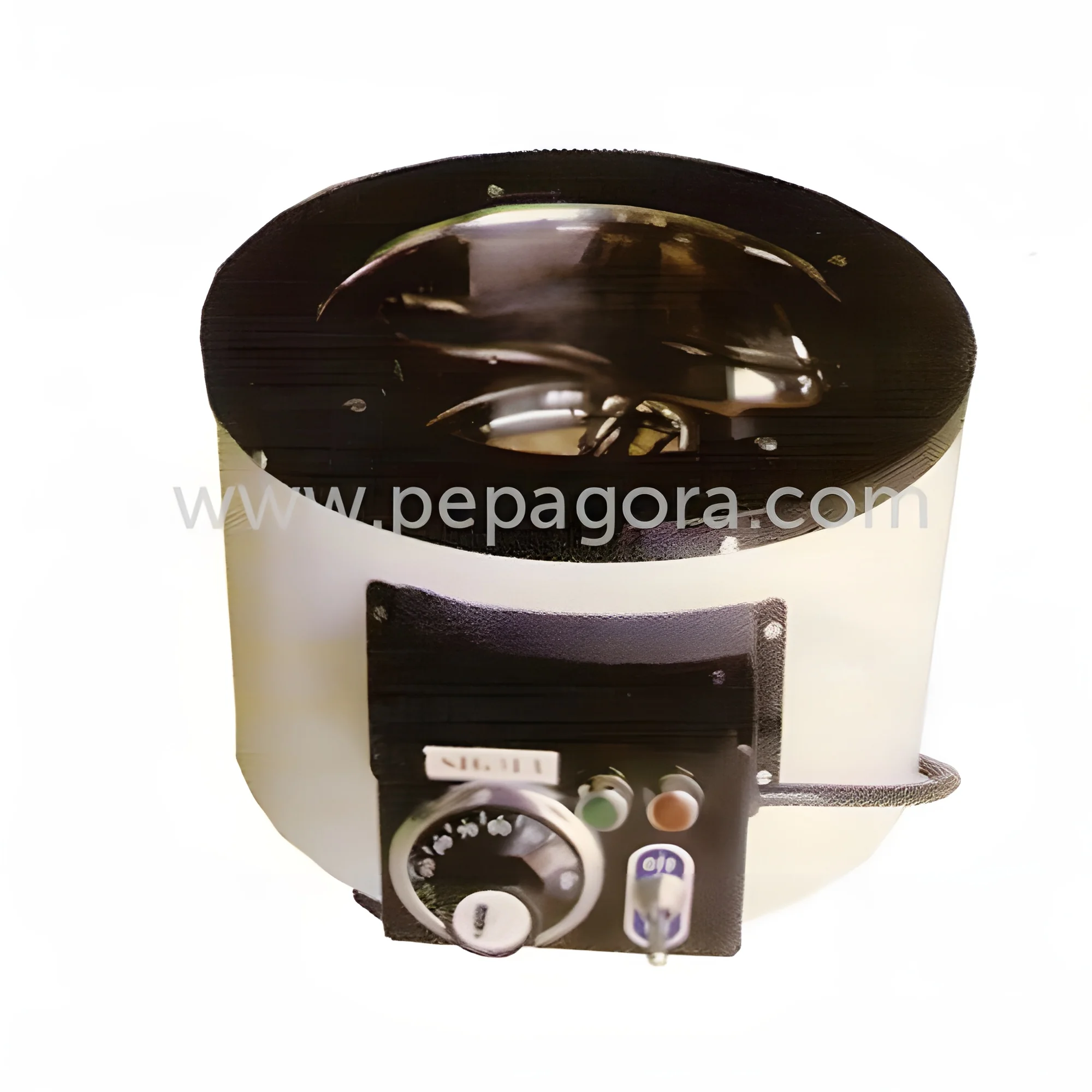
These skimmers use rotating discs to pick up oil from the water surface. They are compact and efficient, making them suitable for smaller applications in manufacturing and treatment facilities.
Belt Oil Skimmers
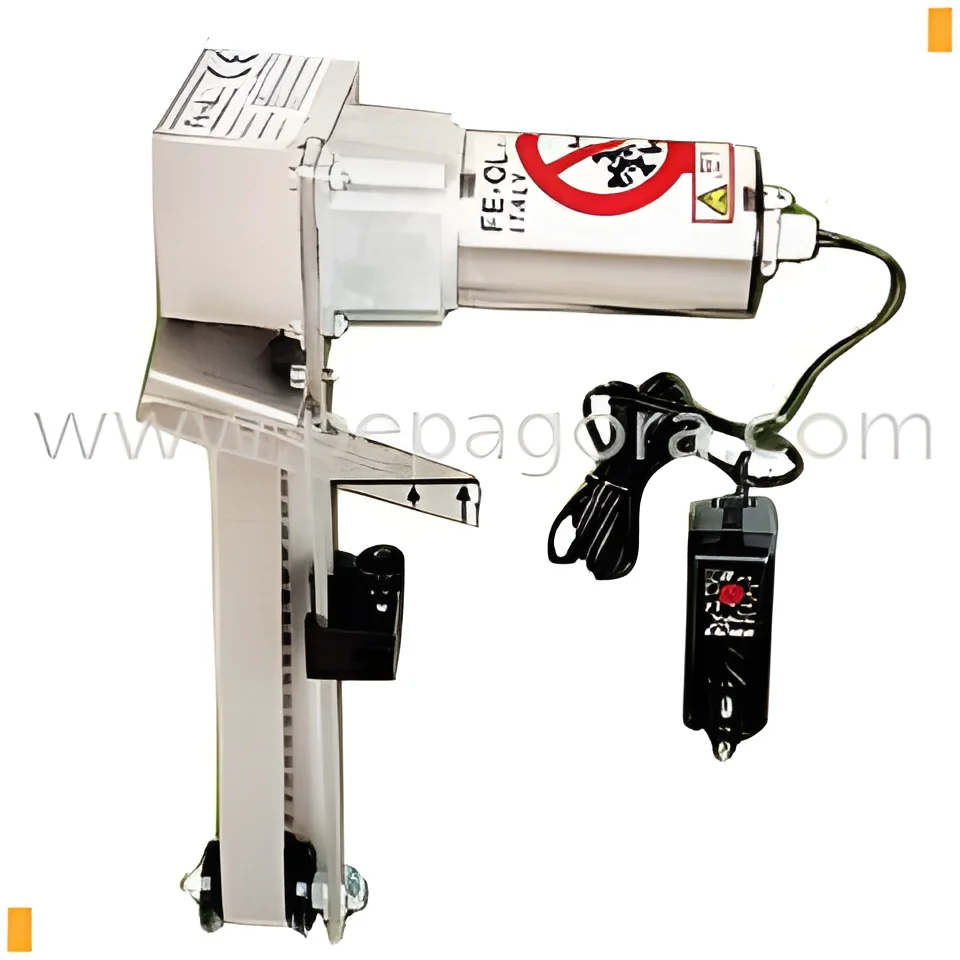
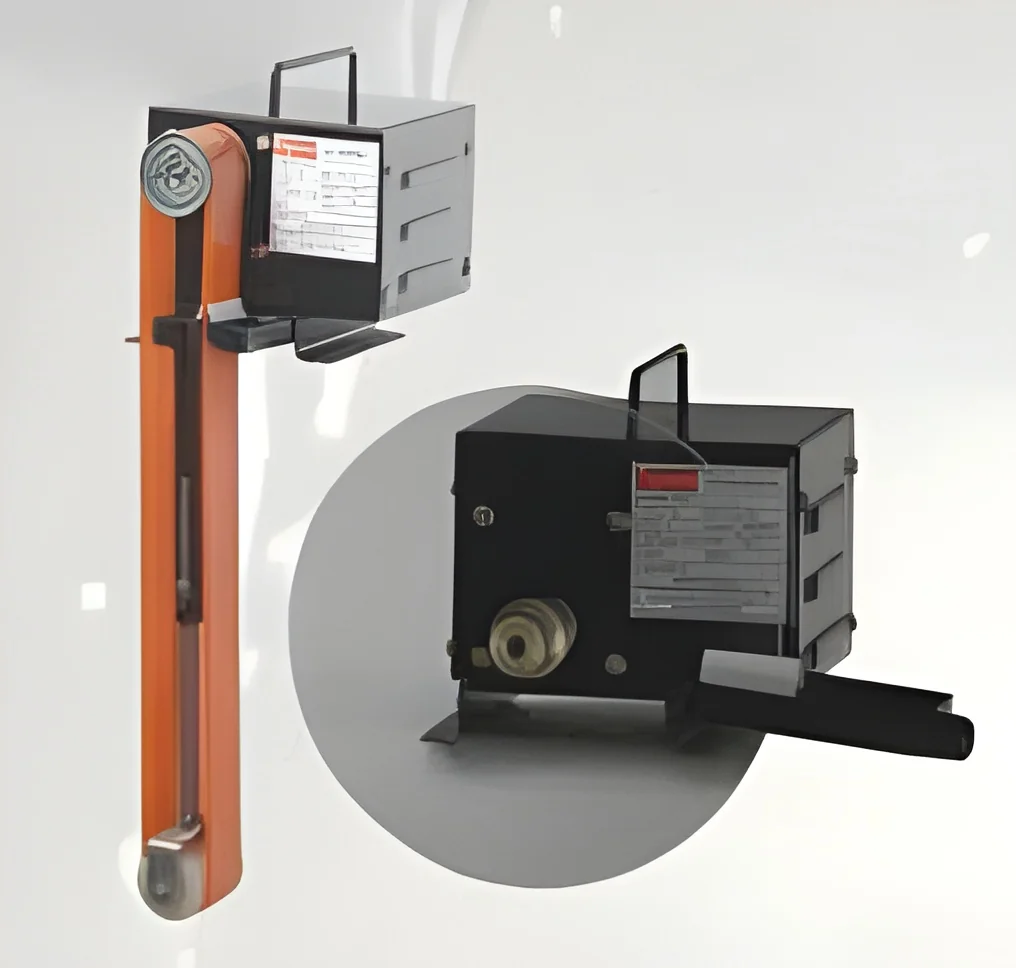
These skimmers utilize a belt system to collect oil from water surfaces. They are effective for continuous operation and can be customized to meet specific industrial requirements.
Benefits and Advantages
Oil skimmers offer numerous benefits that enhance operational efficiency and environmental compliance.
Key benefits include:
1. Improved Water Quality: By efficiently removing oil, these devices help maintain high water quality, making it safer for aquatic life.
2. Cost Savings: Reducing oil contamination can lead to significant savings in wastewater treatment costs and compliance fines.
3. Environmental Compliance: Using oil skimmers helps businesses comply with environmental regulations, minimizing the risk of legal issues.
4. Enhanced Operational Efficiency: Continuous operation of oil skimmers can improve overall process efficiency in industrial settings.
5. Easy Installation and Operation: Many oil skimmers are designed for straightforward installation and user-friendly operation.
6. Versatility: Oil skimmers can be used in various applications, making them suitable for multiple industries.
Buying Guide for B2B Buyers
When sourcing oil skimmers, it is essential to consider several key factors to ensure you make the right choice for your business needs.
1. Quality Assessment: Evaluate the quality of materials and construction. Look for skimmers that meet industry standards and have a proven track record.
2. Supplier Verification: Vet suppliers thoroughly to ensure they are reputable and provide high-quality products. Check for reviews and certifications.
3. Pricing and MOQ: Understand the pricing structure and minimum order quantities. Compare options to find the best value for your investment.
4. Delivery and Lead Times: Confirm the supplier's delivery capabilities and lead times to ensure you receive your skimmer when needed.
5. Compliance Requirements: Ensure that the oil skimmer meets all relevant compliance and regulatory standards for your industry.
Compliance and Certifications
When selecting oil skimmers, it is crucial to consider compliance with relevant quality standards and certifications. Many manufacturers adhere to ISO 9001, ensuring consistent quality management systems.
Additionally, the CE certification signifies conformity with health, safety, and environmental protection standards. This certification is particularly important for businesses operating in the European market.
Safety and testing requirements also play a vital role in ensuring the reliability of oil skimmers. Manufacturers often conduct rigorous testing to verify performance under various conditions.
Finally, regional compliance considerations may vary, so it is essential to be aware of local regulations that could impact the use of oil skimmers in your operations.
Why Source Oil Skimmers from Pepagora?
Pepagora provides a trusted platform for sourcing oil skimmers, offering several key advantages for B2B buyers.
Verified Supplier Network: Pepagora connects buyers with a network of verified suppliers, ensuring that you can source high-quality oil skimmers from reputable manufacturers.
Streamlined RFQ Process: The platform features a user-friendly request for quotation (RFQ) system, allowing buyers to easily compare quotes from multiple suppliers, saving time and effort.
Trade Assurance and Support: Pepagora offers trade assurance and buyer support, providing protection throughout the purchasing process. This includes assistance with disputes and ensuring timely delivery.
Regional Coverage: With a strong presence in India, the GCC, and Southeast Asia, Pepagora enables businesses to access oil skimmers from local and regional suppliers, facilitating efficient sourcing and logistics.

 IN
IN