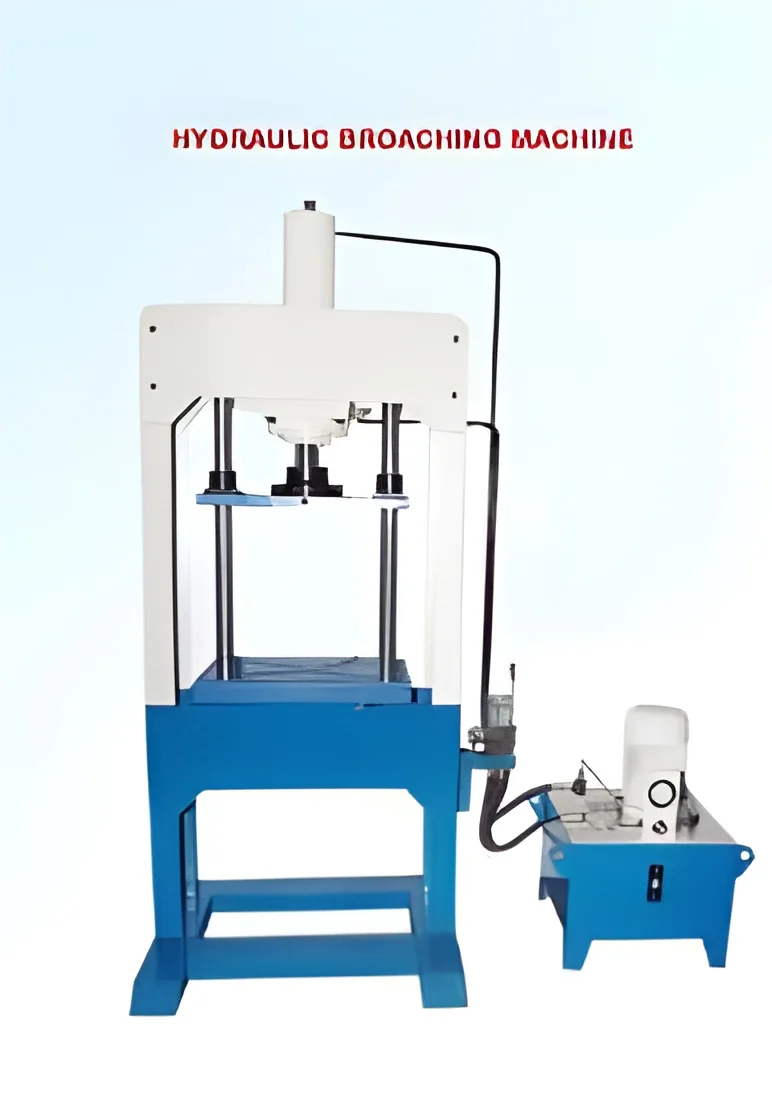
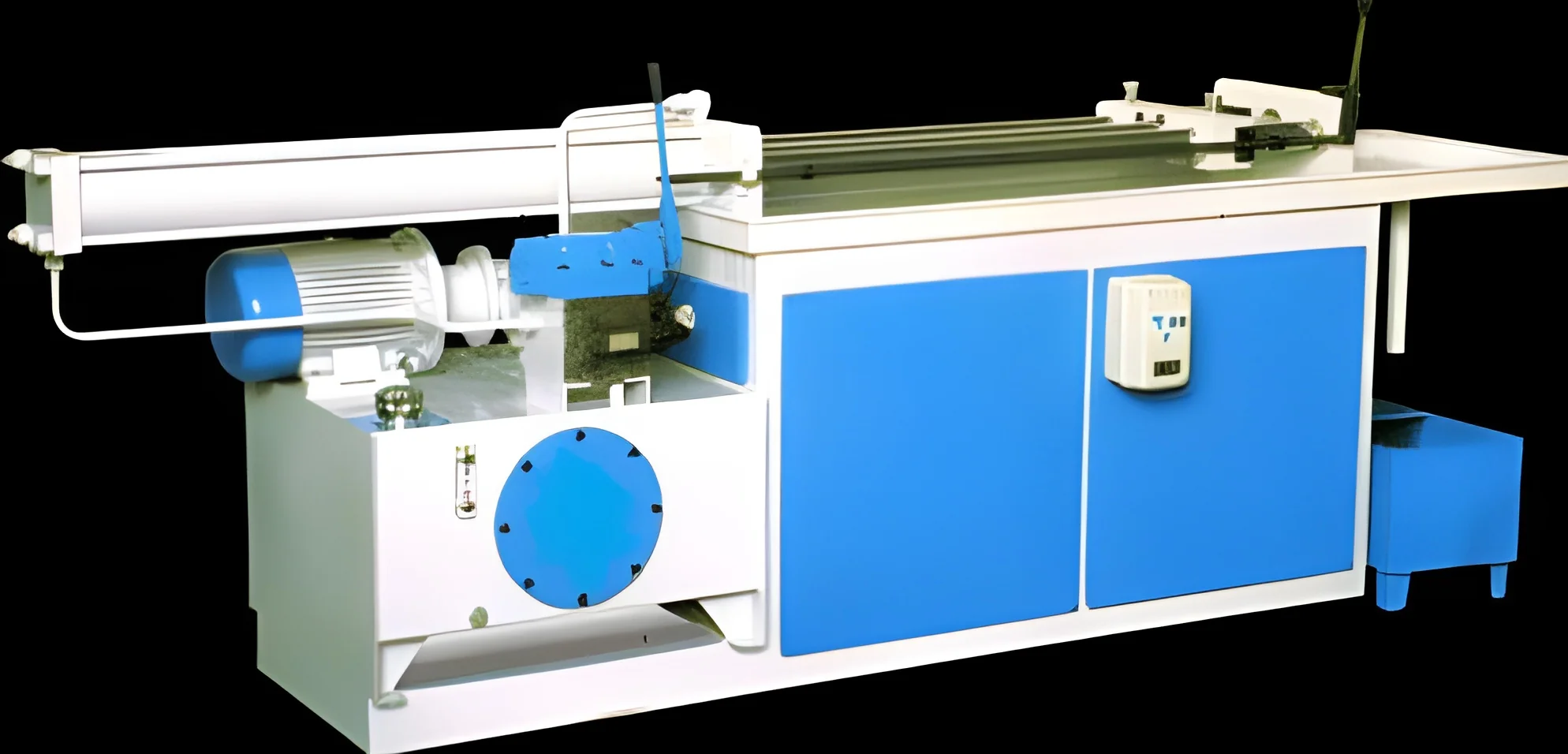
What are Vertical Broaching Machines?
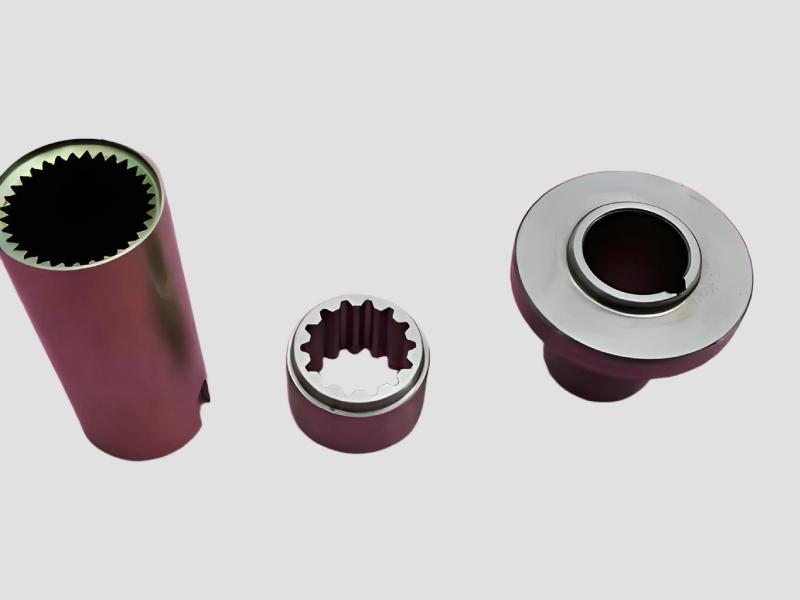
Vertical broaching machines are specialized industrial tools designed to create precise shapes and features in materials through a cutting process called broaching. In this process, a broach, which is a long, toothed tool, is pushed or pulled through the workpiece. This method allows for high accuracy and the ability to produce complex geometries in a single pass, making vertical broaching machines essential in various manufacturing sectors.
These machines are commonly used in applications such as producing keyways, slots, and other intricate features in metal parts. They are particularly advantageous in industries that require high-volume production and consistent quality, such as automotive, aerospace, and heavy machinery manufacturing. The ability to efficiently handle large workpieces and deliver precise results makes vertical broaching machines a crucial asset for businesses aiming to enhance their operational capabilities.
As industries continue to evolve, the demand for vertical broaching machines remains strong. Companies are increasingly looking for solutions that offer reliability, efficiency, and precision. The integration of advanced technologies is also driving the growth of this market, as manufacturers seek to improve the performance and capabilities of their broaching processes.
Key Features and Specifications
Vertical broaching machines come with a range of features designed to enhance performance and usability. These machines typically include advanced controls, adjustable speeds, and durable construction to withstand rigorous use in industrial environments. Understanding the specifications is vital for making informed purchasing decisions.
Key specifications include:
1. Broaching Stroke Length
- This determines the maximum depth of cut that can be achieved.
- Ranges typically vary from 600 mm to 1200 mm.
2. Broaching Speed
- Refers to the rate at which the broach moves through the material.
- Common speeds range from 5 to 20 meters per minute.
3. Machine Dimensions
- Overall size of the machine, which affects shop floor space.
- Width, height, and depth varies based on model.
4. Power Requirements
- Indicates the electrical power needed for operation.
- Typically ranges from 5 to 30 kW depending on the machine size.
5. Workpiece Weight Capacity
- Maximum weight that the machine can accommodate.
- Usually varies between 500 kg to 2000 kg.
6. Control System
- Type of control used for operation, affecting precision and ease of use.
- Options include manual, semi-automatic, or fully automatic controls.
7. Cooling System
- A cooling mechanism to prevent overheating during prolonged use.
- Options include flood cooling and mist cooling systems.
8. Safety Features
- Important for ensuring safe operation.
- Includes emergency stop buttons, guards, and automatic shutoff systems.
In summary, selecting the right vertical broaching machine involves understanding these key specifications, ensuring that the chosen machine aligns with the specific needs of the operation.
Common Applications and Use Cases
Vertical broaching machines are versatile and find applications across multiple industries. Their ability to produce complex shapes with high precision makes them a preferred choice for various manufacturing processes.
1. Automotive Industry: Vertical broaching machines are widely used to create keyways, slots, and other features in engine components and drivetrains, enhancing overall vehicle performance.
2. Aerospace Industry: These machines are employed to manufacture parts with intricate designs essential for aircraft, ensuring safety and reliability in flight operations.
3. Heavy Machinery: Vertical broaching is utilized in the production of parts for construction and agricultural machinery, where durability and precision are critical.
4. Tool and Die Manufacturing: Broaching machines are essential for creating precise tooling components, ensuring high tolerances are maintained during production.
5. Electronics Industry: Vertical broaching machines are used to create slots and features in electronic housings, providing the necessary precision for component placement.
6. Medical Equipment: The ability to produce detailed and complex shapes is crucial in the manufacturing of components used in medical devices.
7. Oil and Gas Industry: Broaching machines are utilized to create parts that require high strength and resistance to extreme conditions, such as fittings and connectors.
Product Variants and Subcategories
Vertical broaching machines are available in various configurations to meet different manufacturing needs. Each variant offers unique features suited for specific applications.
Standard Vertical Broaching Machine
This type is designed for general-purpose broaching tasks, making it ideal for a wide range of industries. It typically features a robust construction with adjustable stroke lengths and speeds.
Heavy-Duty Vertical Broaching Machine
Engineered for high-volume production, this variant can handle larger workpieces and offers enhanced power and durability. It is suitable for industries that require heavy machining capabilities.
Precision Vertical Broaching Machine
Focused on delivering exceptional accuracy, this variant is equipped with advanced control systems and feedback mechanisms. It is perfect for industries where tolerances are critical.
Automated Vertical Broaching Machine
This machine features automation capabilities to streamline production processes. It is designed for operations that demand high efficiency and minimal manual intervention.
Benefits and Advantages
Investing in vertical broaching machines offers numerous benefits that can enhance production efficiency and product quality.
1. High Precision: These machines provide exceptional accuracy, ensuring that each part meets stringent specifications.
2. Efficient Production: Vertical broaching allows manufacturers to complete complex tasks in a single pass, significantly reducing production time.
3. Versatility: The ability to work with various materials and produce different shapes makes these machines suitable for diverse applications.
4. Reduced Labor Costs: Automation options available in some models can minimize the need for manual labor, lowering operational costs.
5. Improved Surface Finish: The broaching process can result in smoother finishes, reducing the need for additional machining operations.
6. Enhanced Durability: Built to withstand rigorous industrial use, vertical broaching machines typically offer a long service life, providing value over time.
Buying Guide for B2B Buyers
When sourcing vertical broaching machines, it is important for buyers to consider several key factors to ensure they make an informed decision.
1. Quality Assessment: Evaluate the build quality and performance of the machines. Look for manufacturers that adhere to international quality standards to ensure reliability.
2. Supplier Verification: Conduct due diligence on potential suppliers. Check their reputation, customer reviews, and history in the industry to ensure they are trustworthy.
3. Pricing and MOQ: Understand the pricing structure and minimum order quantities required by suppliers. This will help in budgeting and planning for procurement.
4. Delivery and Lead Times: Discuss delivery schedules and lead times with suppliers to ensure that they align with your production timelines.
5. Compliance Requirements: Ensure that the machines meet all relevant regulatory standards and certifications, such as CE marking, to avoid compliance issues.
Compliance and Certifications
Vertical broaching machines must adhere to various compliance and certification standards to ensure safety, reliability, and quality.
One of the most recognized standards is ISO 9001, which focuses on maintaining quality management systems. Compliance with this standard indicates a commitment to quality and continuous improvement in manufacturing processes.
The CE marking is another crucial certification for machines sold in Europe. It signifies that the equipment meets all safety and health requirements, allowing for smooth market entry.
Additionally, safety and testing requirements are vital for ensuring that machines operate without posing risks to operators. This includes adherence to regional safety laws and regulations, which may vary by country.
Companies must also consider regional compliance, as different markets may have specific requirements regarding noise levels, emissions, and operational safety. Understanding these regulations is essential for manufacturers aiming to enter new markets or expand their operations.
Why Source Vertical Broaching Machines from Pepagora?
Pepagora provides a trusted platform for sourcing vertical broaching machines, offering several key advantages for B2B buyers.
Verified Supplier Network: Pepagora has established a network of verified suppliers, ensuring that buyers can source machines from reputable manufacturers. This verification process helps mitigate risks associated with procurement.
Streamlined RFQ Process: The platform offers a streamlined request for quotation (RFQ) system, allowing buyers to easily compare offers from multiple suppliers. This simplifies the decision-making process and saves time.
Trade Assurance and Support: Pepagora provides trade assurance, protecting buyers from potential issues during the procurement process. This includes support for resolving disputes and ensuring that transactions are secure.
Regional Coverage: With a strong presence across India, the GCC, and Southeast Asia, Pepagora enables buyers to access suppliers in key markets. This regional coverage enhances the ability to find machines that meet specific operational needs.
By choosing Pepagora, businesses can confidently source vertical broaching machines and benefit from a comprehensive approach to industrial procurement.

 IN
IN