What are Gear Shaping Machines?
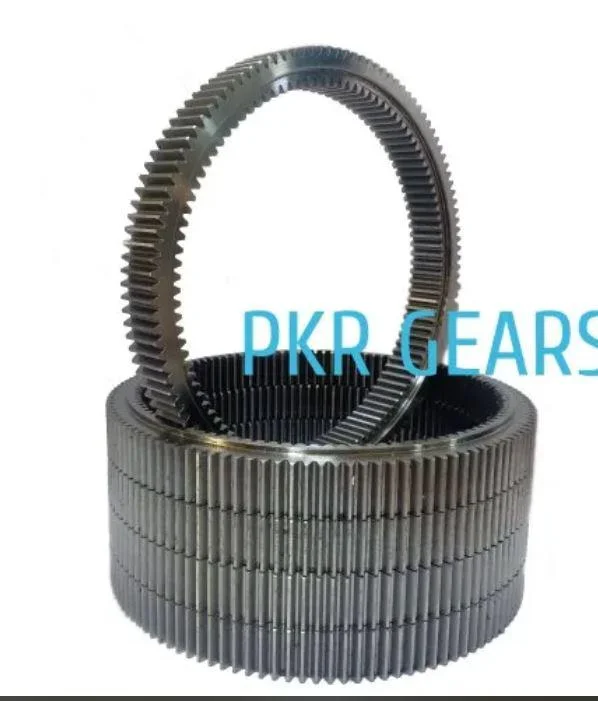
Gear shaping machines are specialized equipment used in the manufacturing of gears. These machines employ a unique cutting process that shapes the gear teeth using a cutting tool that reciprocates in a linear motion. The primary advantage of gear shaping is its ability to produce complex gear profiles with high precision and efficiency, making it a staple in gear production facilities.
These machines find extensive applications across various industries, including automotive, aerospace, and industrial machinery. They are crucial for producing gears that are integral to the operation of engines, transmissions, and other mechanical systems. As industries continue to evolve towards automation and precision engineering, the demand for gear shaping machines has increased, placing them at the forefront of modern manufacturing technologies.
The market for gear shaping machines is growing steadily due to the rising need for high-quality gears in advanced machinery. With technological advancements and increased production capabilities, manufacturers are focusing on enhancing the efficiency and accuracy of these machines. This trend is driving innovation and the development of new models to meet the diverse needs of the industrial sector.
Key Features and Specifications
Gear shaping machines come equipped with several key features that enhance their functionality and performance. Understanding these specifications is essential for buyers looking to invest in this equipment.
Key specifications include:
1. Cutting Speed
- Determines the efficiency of the cutting process
- Typically ranges from 10 to 100 meters per minute
2. Stroke Length
- Refers to the distance the cutting tool travels during operation
- Commonly ranges from 50 mm to 300 mm
3. Machine Weight
- Indicates the stability and robustness of the machine
- Weighs between 1,500 kg and 5,000 kg depending on the model
4. Maximum Gear Diameter
- Specifies the largest gear that can be produced
- Usually varies from 100 mm to 1,000 mm
5. Power Consumption
- Reflects the energy efficiency of the machine
- Typically falls within 5 kW to 30 kW
6. Control System
- Modern machines often feature CNC (Computer Numerical Control) systems for enhanced precision
- Includes user-friendly interfaces for easier operation
7. Tooling Compatibility
- The machine's ability to accommodate different types of cutting tools
- Enhances versatility for various gear types
8. Safety Features
- Includes emergency stop and protective enclosures
- Ensures operator safety during operation
In summary, gear shaping machines are characterized by their cutting speed, stroke length, and other technical specifications that enhance their efficiency and safety. Understanding these features helps buyers choose the right machine for their needs.
Common Applications and Use Cases
Gear shaping machines are versatile tools used in various industries to produce high-quality gears.
1. Automotive Industry: Gear shaping machines are vital for manufacturing gears used in vehicle transmissions and engines. They ensure precision and reliability in automotive applications.
2. Aerospace Industry: These machines are used to produce gears for aircraft engines and landing gear systems, where high performance and safety are critical.
3. Industrial Machinery: Gear shaping is essential for creating gears in heavy machinery, conveyors, and robotics, making them integral to manufacturing processes.
4. Marine Industry: Gears used in ship engines and propulsion systems are often produced using gear shaping machines, ensuring durability and efficiency.
5. Power Generation: Gear shaping machines are utilized to produce gears for turbines and generators, essential for energy production.
6. Construction Equipment: Gears for construction machinery such as excavators and cranes are manufactured using gear shaping technology for robust performance.
7. Robotics: In robotics, precision gears are required for movement and control, making gear shaping machines crucial for this sector.
Product Variants and Subcategories
Gear shaping machines come in various types designed to meet specific manufacturing needs.
Vertical Gear Shaping Machines
These machines are designed for vertical operations, allowing for better visibility and accessibility during the cutting process. They are often used in high-precision applications and can handle a variety of gear sizes.
Horizontal Gear Shaping Machines
Horizontal variants are more common in larger production facilities. They offer greater stability and are ideal for mass production of gears, making them suitable for industries with high output demands.
CNC Gear Shaping Machines
These modern machines utilize computer numerical control technology, providing enhanced precision and automation. They are ideal for complex gear shapes and can be programmed for various production runs.
Benefits and Advantages
Investing in gear shaping machines offers numerous benefits to manufacturers.
1. Precision Manufacturing: Gear shaping machines provide high accuracy, ensuring that gears meet strict tolerances and performance standards.
2. Versatility: These machines can produce a wide range of gear types and sizes, making them suitable for various applications.
3. Efficiency: The cutting process is designed for high-speed production, reducing lead times and increasing overall productivity.
4. Cost-Effective: By producing high-quality gears, manufacturers can reduce waste and lower production costs in the long run.
5. Automation Capability: Many gear shaping machines feature CNC technology, allowing for automated processes that minimize human error and improve consistency.
6. Enhanced Safety: Modern machines come equipped with safety features that protect operators and ensure compliance with industry standards.
Buying Guide for B2B Buyers
When sourcing gear shaping machines, several factors should be considered to ensure a successful purchase.
1. Quality Assessment: It is essential to evaluate the build quality and performance of the machine. Look for machines that meet industry standards and have a history of reliability.
2. Supplier Verification: Vetting suppliers is crucial. Ensure that they have a track record of providing high-quality machinery and are recognized within the industry.
3. Pricing and MOQ: Understand the pricing structure and minimum order quantities. This information can help in budgeting and planning for production needs.
4. Delivery and Lead Times: Consider the logistical aspects of acquiring the machine. Inquire about lead times to ensure that the equipment arrives when needed.
5. Compliance Requirements: Familiarize yourself with relevant regulations and certifications that the machinery must meet, ensuring compliance with industry standards.
Compliance and Certifications
Gear shaping machines must adhere to various quality standards and certifications to ensure safety and reliability.
ISO 9001 is a widely recognized standard that ensures manufacturers maintain quality management systems. Compliance with this standard indicates that the equipment consistently meets customer and regulatory requirements.
CE certification is important for gear shaping machines sold in Europe. It signifies that the machinery complies with European health, safety, and environmental protection standards.
Safety and testing requirements are critical in the manufacturing process. Machines should undergo rigorous testing to ensure they operate safely and efficiently.
Regional compliance considerations may vary, so buyers should be aware of local regulations that may affect machine specifications and operational standards.
Why Source Gear Shaping Machines from Pepagora?
Pepagora offers a trusted platform for sourcing gear shaping machines, providing several key advantages for buyers.
Verified Supplier Network: Pepagora has established a network of verified suppliers, ensuring that buyers can access high-quality machines from reputable manufacturers. This verification process gives buyers confidence in their purchasing decisions.
Streamlined RFQ Process: The platform simplifies the request for quotation process, allowing buyers to easily compare offers from multiple suppliers. This efficiency saves time and helps in making informed choices.
Trade Assurance and Support: Pepagora provides trade assurance, offering protection for buyers against potential issues during the purchase process. This support includes assistance with logistics and payment security.
Regional Coverage: With a strong presence in India, the Gulf Cooperation Council (GCC), and Southeast Asia, Pepagora ensures that buyers in these regions have access to the latest gear shaping machines tailored to their specific needs. This geographic reach enhances accessibility and convenience for B2B buyers.

 IN
IN