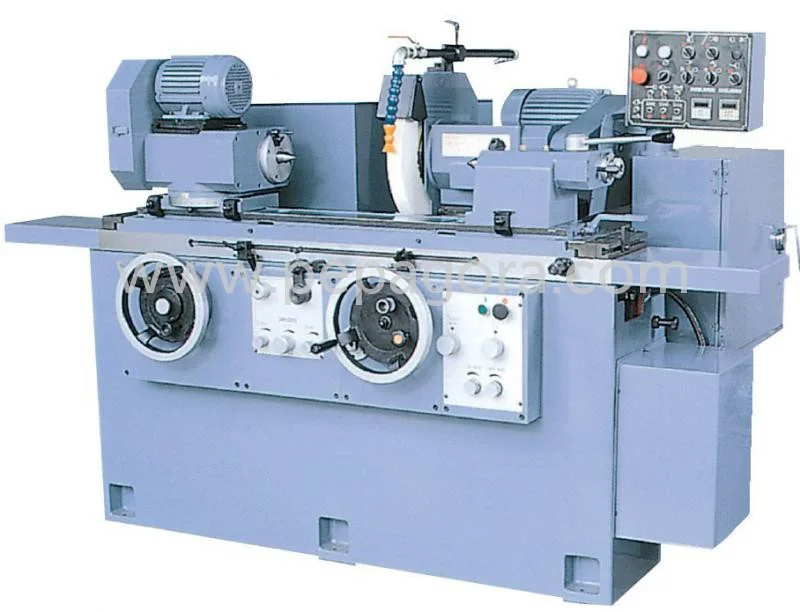
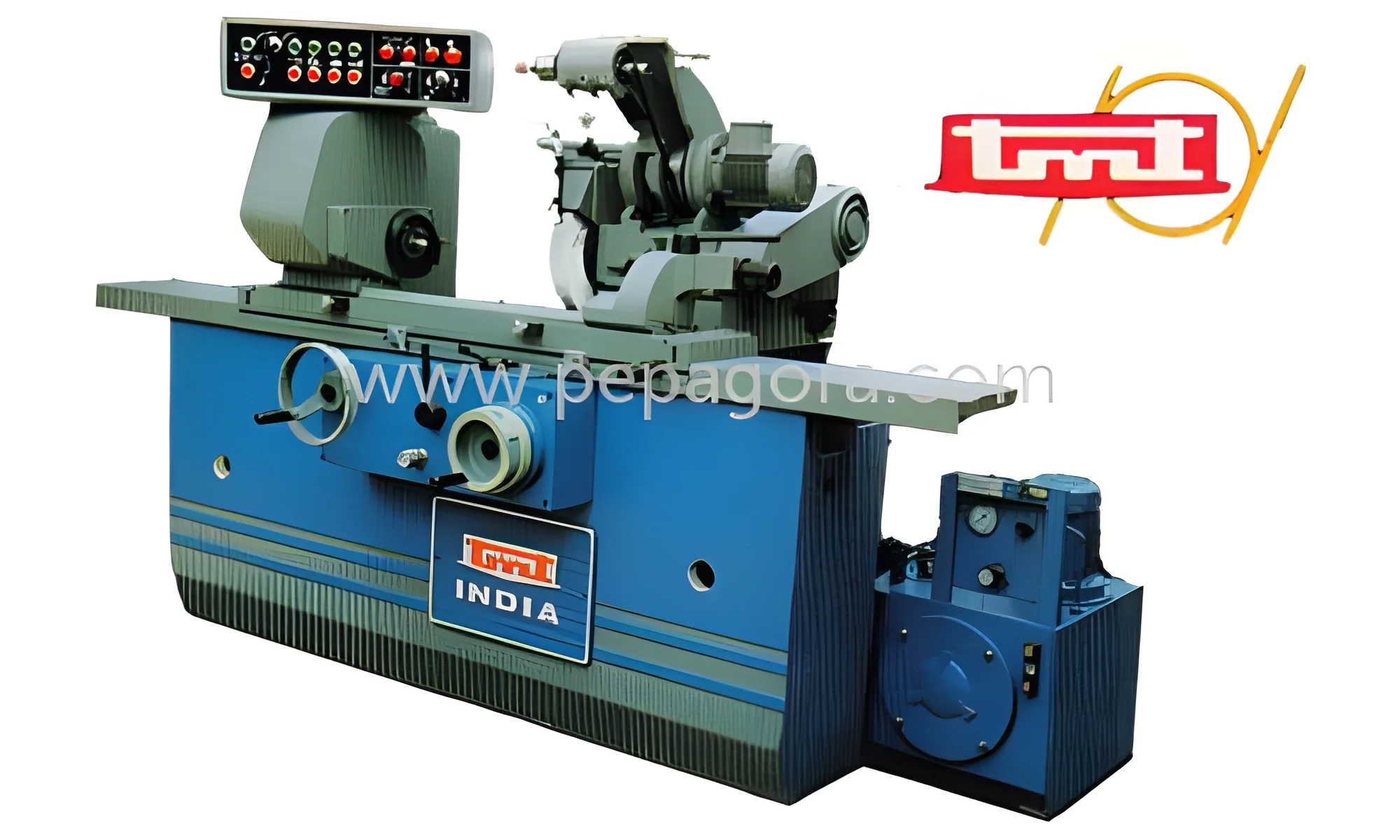
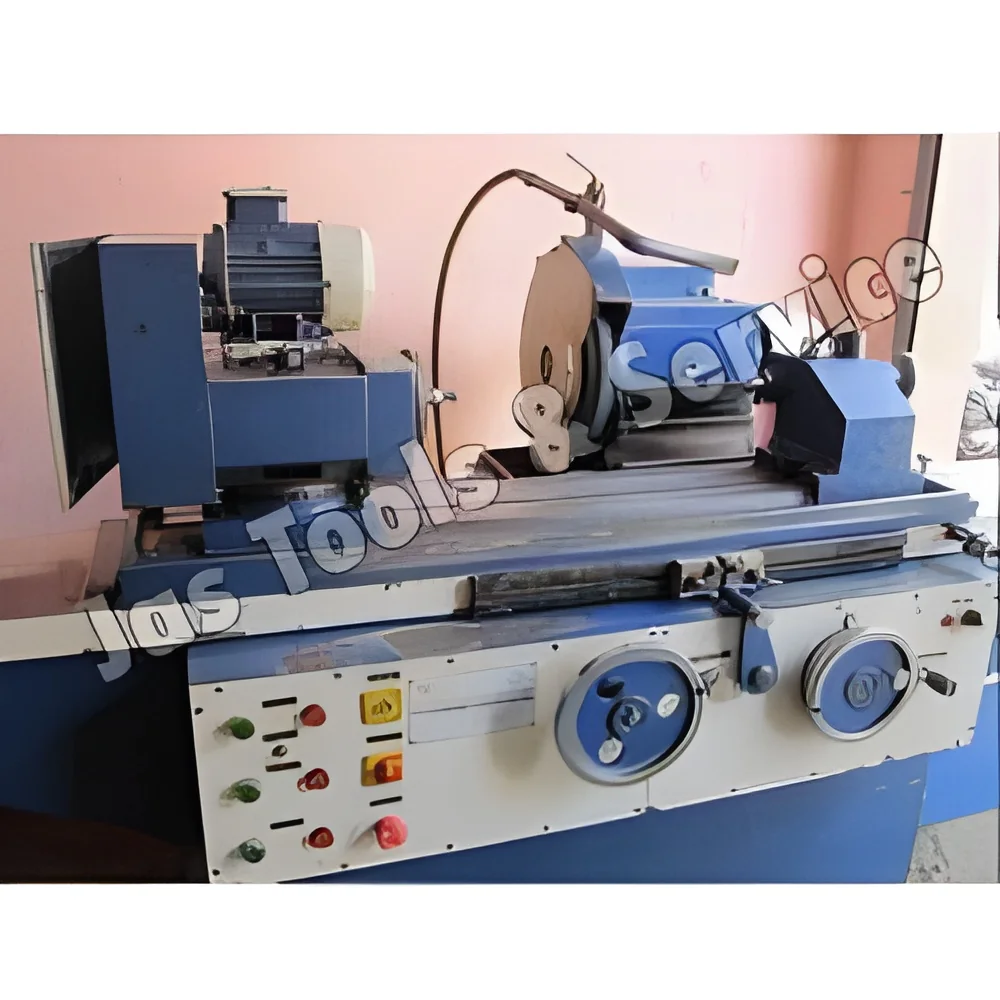
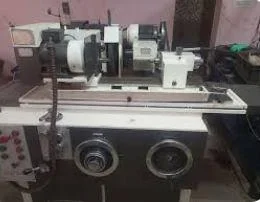
What are Cylindrical Grinding Machines?
Cylindrical grinding machines are precision tools used for grinding cylindrical parts. These machines utilize a rotating grinding wheel to remove material from the workpiece, ensuring a smooth and accurate finish. The process involves the workpiece being rotated against the grinding wheel, which can achieve tight tolerances and high levels of surface finish. Cylindrical grinding machines are essential in various manufacturing processes where high precision is required.
These machines find their primary use in industries such as automotive, aerospace, and manufacturing. They are ideal for producing components like shafts, spindles, and rollers. The ability to achieve high precision and quality makes cylindrical grinding machines a vital tool in production facilities. With the increasing demand for high-quality components, the relevance of cylindrical grinding machines continues to grow in the industrial market.
Key Features and Specifications
Cylindrical grinding machines come with a variety of features and specifications that cater to different industrial needs. Understanding these specifications helps businesses choose the right machine for their applications.
Key specifications include:
1. Workpiece Diameter Capacity
- This indicates the maximum diameter of the workpiece that can be processed.
- Typical ranges are from 1 inch to over 20 inches.
2. Grinding Wheel Size
- Specifies the diameter and thickness of the grinding wheel used.
- Common sizes vary from 12 inches to 18 inches in diameter.
3. Spindle Speed
- Refers to the speed at which the spindle rotates during grinding.
- Typical speeds range from 200 to 4000 RPM.
4. Table Movement
- Indicates the range and type of table movement (manual or automatic).
- Movement can vary between 24 inches to 60 inches in length.
5. Control System
- Details the type of control (manual, CNC) for operating the machine.
- CNC systems offer advanced control for complex shapes.
6. Power Supply
- Refers to the voltage and phase requirements for operating the machine.
- Common configurations are 220V or 440V, single or three-phase.
7. Weight
- Indicates the overall weight of the machine, affecting installation and mobility.
- Machines can weigh between 1000 lbs to over 5000 lbs.
8. Cooling System
- Describes the method used for cooling during grinding to prevent overheating.
- Options include flood cooling or mist cooling systems.
In summary, selecting the right cylindrical grinding machine involves understanding these specifications and how they align with production requirements.
Common Applications and Use Cases
Cylindrical grinding machines are versatile and serve various industries effectively.
1. Automotive: In the automotive industry, these machines are used to grind engine components, shafts, and gears, ensuring precise dimensions and surface finishes.
2. Aerospace: The aerospace sector utilizes cylindrical grinding for manufacturing turbine shafts and other critical components where precision and reliability are paramount.
3. Manufacturing: General manufacturing employs cylindrical grinding for creating a wide range of parts that require smooth surfaces and accurate dimensions.
4. Tool and Die: This industry benefits from cylindrical grinding machines for producing molds and dies with intricate designs and tight tolerances.
5. Medical: In the medical field, cylindrical grinding is used for manufacturing surgical tools and implants that require high precision.
6. Electronics: Electronics manufacturing uses cylindrical grinding for components that require fine finishing and accurate dimensions, such as connectors and housings.
7. Oil and Gas: The oil and gas industry utilizes cylindrical grinding for producing parts that withstand high pressures and harsh environments.
Product Variants and Subcategories
Cylindrical grinding machines come in various designs to cater to specific needs.
Manual Cylindrical Grinding Machines
These machines require operator input for adjustments and operation. They are suitable for smaller production runs and provide flexibility for custom jobs.
CNC Cylindrical Grinding Machines
CNC models offer automated control for complex grinding tasks. They are ideal for high-volume production and ensure consistent quality and precision.
Universal Cylindrical Grinding Machines
These machines combine various grinding capabilities, allowing for both internal and external grinding. They are versatile and can handle different types of workpieces.
Centerless Cylindrical Grinding Machines
These machines grind the workpiece without the need for a spindle. They are efficient for high-speed operations, especially in production environments.
Benefits and Advantages
Cylindrical grinding machines offer numerous benefits that make them essential in production environments.
1. High Precision: These machines can achieve tight tolerances, ensuring that components meet strict quality standards.
2. Versatility: With various grinding capabilities, they can process a wide range of materials and shapes, adapting to different production needs.
3. Efficiency: Automated systems, especially CNC models, enhance productivity by reducing manual labor and speeding up the grinding process.
4. Improved Surface Finish: Cylindrical grinding machines provide superior surface finishes, which is crucial for many applications.
5. Cost-Effective: Investing in a cylindrical grinding machine can lead to long-term savings by reducing material wastage and improving production efficiency.
6. Reliability: High-quality machines offer consistent performance, minimizing downtime and maintenance costs.
Buying Guide for B2B Buyers
When sourcing cylindrical grinding machines, several factors should be considered to ensure the right choice for your business.
1. Quality Assessment: Evaluate the quality of the machines by looking for industry certifications and customer reviews. Reliable machines will have a track record of performance.
2. Supplier Verification: Conduct thorough background checks on suppliers. Ensure they have a reputable history and can provide necessary support and parts.
3. Pricing and MOQ: Understand the pricing structure and minimum order quantity (MOQ) requirements. Compare prices among different suppliers to find the best deal.
4. Delivery and Lead Times: Consider the logistics involved in delivery. Verify lead times to ensure that the machine can be delivered within your production schedule.
5. Compliance Requirements: Familiarize yourself with any regulatory standards that apply to your industry. Ensure that the machine meets these compliance criteria.
Compliance and Certifications
Cylindrical grinding machines must adhere to various quality standards and certifications to ensure safety and reliability in production.
ISO 9001 is a widely recognized quality management standard that helps organizations ensure consistent quality in their products and services. Adherence to this standard indicates that the manufacturer has established robust quality control processes.
CE certification is crucial for machines sold in European markets. It signifies that the product meets safety, health, and environmental protection standards set by the European Union.
Safety and testing requirements are essential to guarantee that machines operate without risk to operators. Regular testing and adherence to safety standards help mitigate potential hazards.
Regional compliance considerations are also important, as different areas may have specific regulations governing machinery. Buyers should ensure that the machines they purchase comply with local laws.
Why Source Cylindrical Grinding Machines from Pepagora?
Pepagora provides a trusted platform for sourcing cylindrical grinding machines, offering several key advantages for B2B buyers.
Verified Supplier Network: At Pepagora, all suppliers are thoroughly vetted to ensure they meet high standards of quality and reliability. This gives buyers confidence in their purchases.
Streamlined RFQ Process: The request for quotation (RFQ) process is designed to be straightforward. Buyers can easily compare offers from multiple suppliers, facilitating informed decision-making.
Trade Assurance and Support: Pepagora offers trade assurance to protect buyers against potential issues during transactions. This added layer of security enhances buyer confidence.
Regional Coverage: With a focus on markets such as India, the GCC, and Southeast Asia, Pepagora provides extensive access to suppliers across multiple regions, helping businesses find the right machines for their specific needs.

 IN
IN