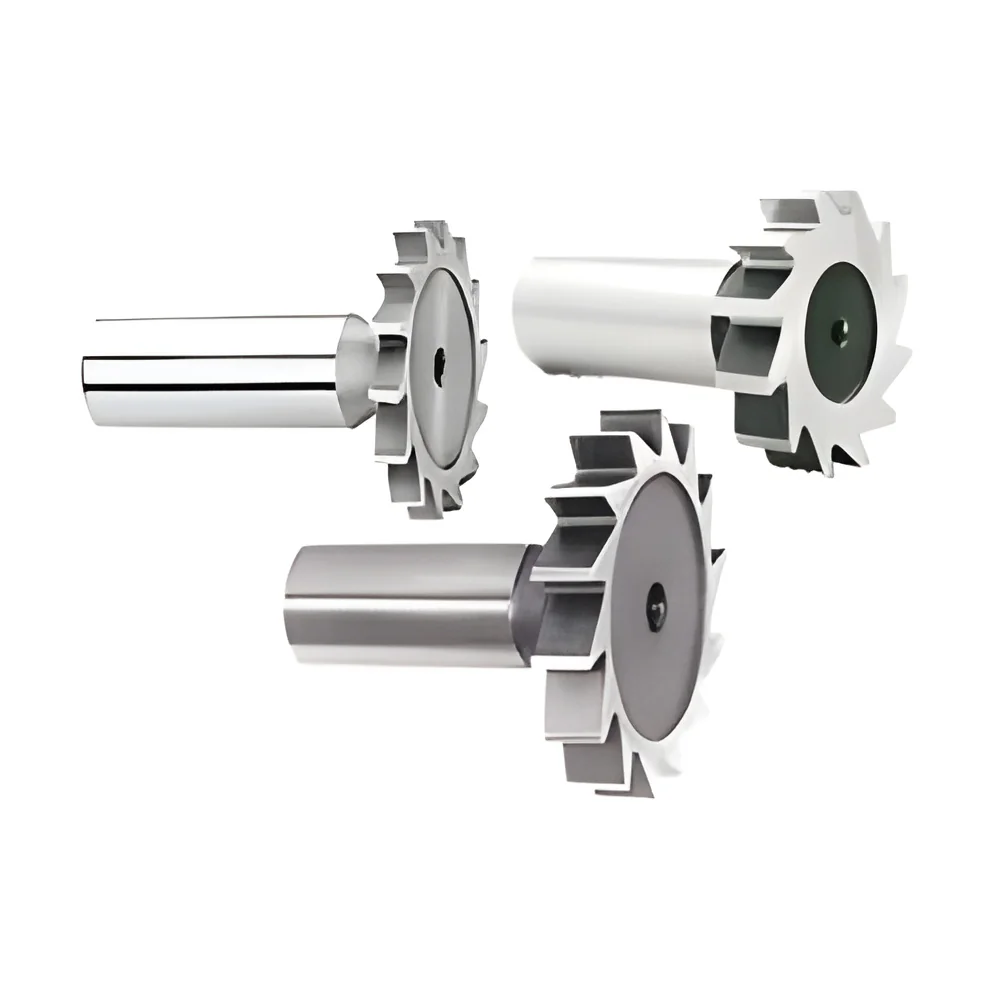
Key Features and Specifications
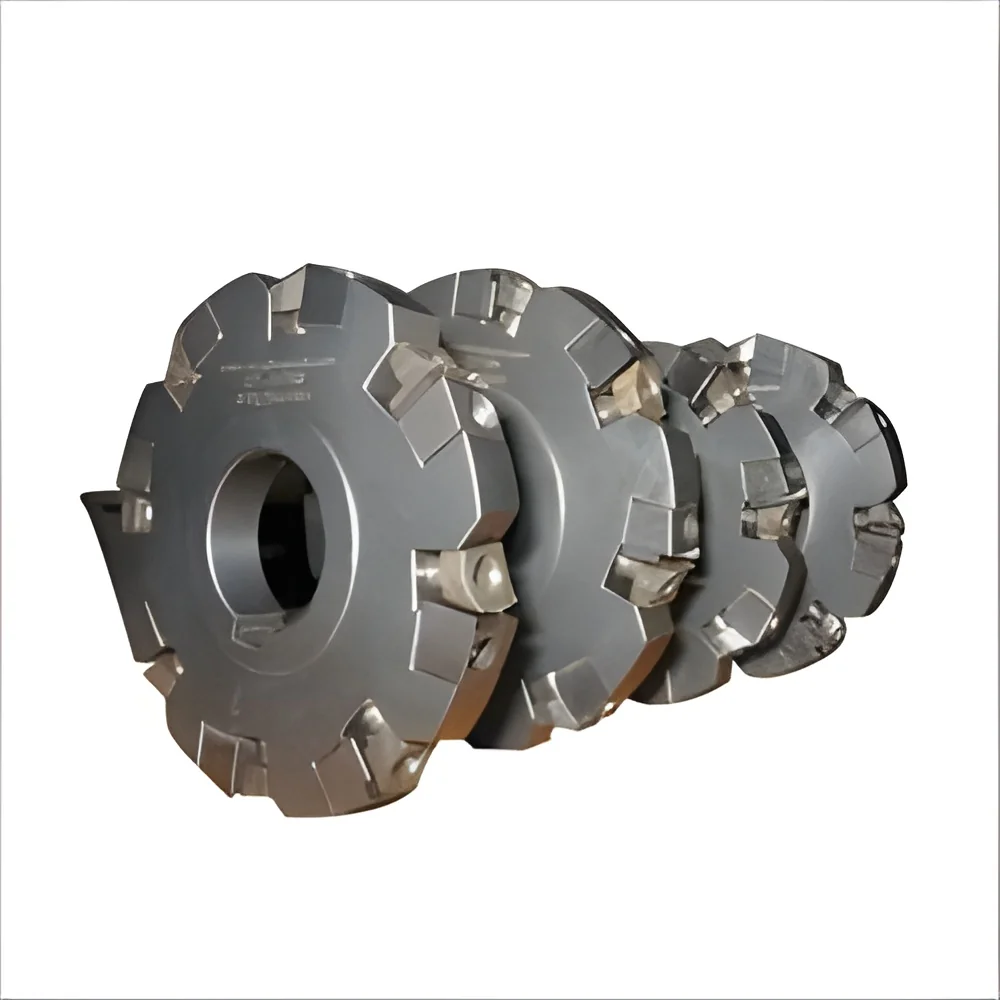
Cutting tools are characterized by several critical features and specifications that determine their performance and suitability for various applications. Understanding these specifications is crucial for businesses when selecting the right tools for their machining needs.
Key specifications include:
1. Material Composition
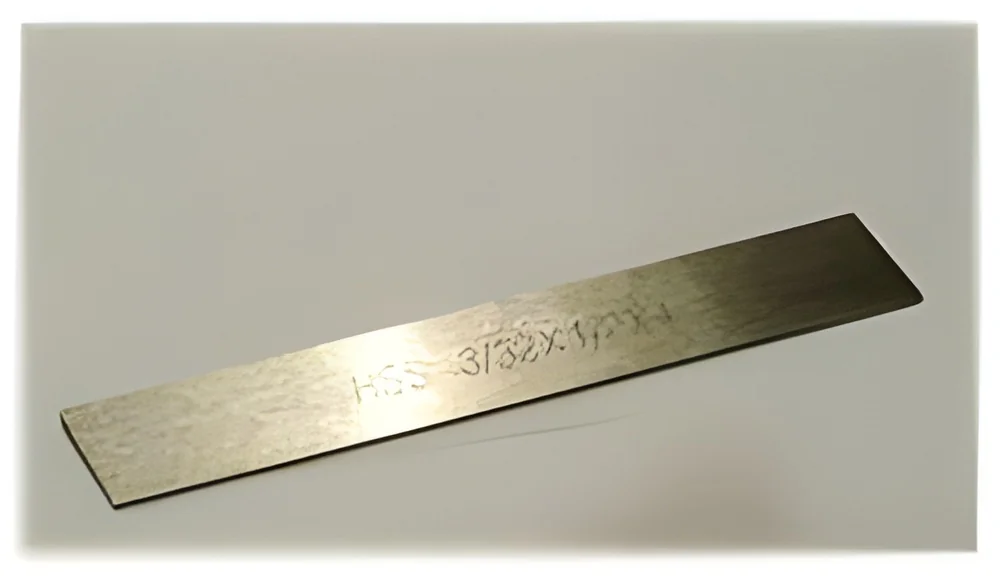
- Common materials include high-speed steel (HSS), carbide, and cobalt.
- Each material offers different properties, such as hardness and wear resistance.
2. Coating Type
- Coatings like TiN, TiAlN, and diamond enhance tool performance.
- They improve wear resistance and reduce friction.
3. Flute Count
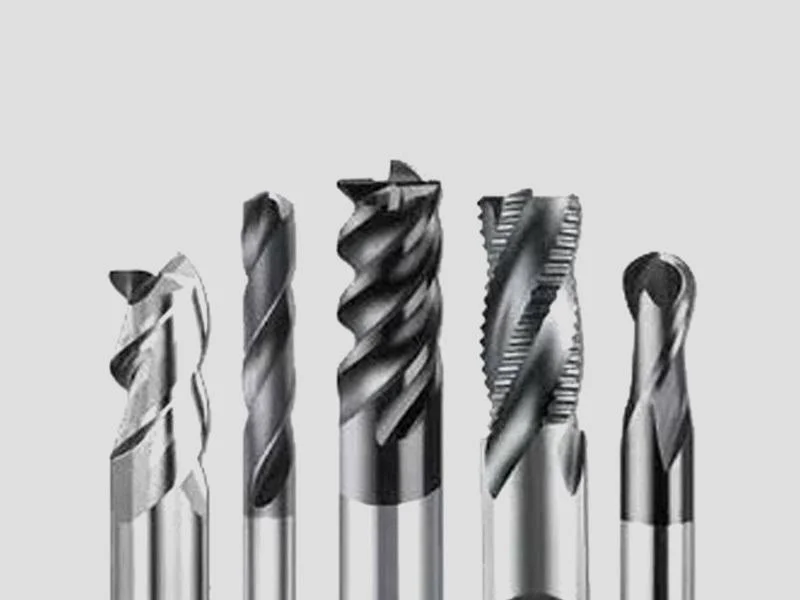
- The number of flutes affects chip removal and surface finish.
- Common counts range from 2 to 6, with higher counts often providing better finishes.
4. Cutting Diameter
- Available diameters typically range from 1 mm to 25 mm or more.
- The diameter selected impacts the size and depth of cuts.
5. Helix Angle
- Helix angles can vary from 30 degrees to 45 degrees.
- The angle influences cutting efficiency and chip evacuation.
6. Length of Cut
- The length of the cutting edge can affect depth of cut and rigidity.
- Varies based on tool design and application.
7. Shank Diameter
- Common shank sizes range from 1/8 inch to 1 inch.
- Affects tool stability and compatibility with tool holders.
8. Application Type
- Tools are designed for specific applications, such as roughing, finishing, or drilling.
- Each application requires different characteristics for optimal performance.
In summary, understanding the features and specifications of cutting tools is essential for ensuring optimal performance and achieving desired machining results.
Common Applications and Use Cases
Cutting tools, particularly end mills and drills, serve a wide range of industries with specific applications tailored to their needs.
1. Aerospace: Cutting tools are used for fabricating complex aircraft components, requiring high precision and durability in materials such as aluminum and titanium.
2. Automotive: In automotive manufacturing, cutting tools are essential for machining engine parts, gears, and other precision components that require tight tolerances.
3. Medical: The medical device industry relies on cutting tools to produce intricate parts used in surgical instruments and implants, which demand high-quality finishes and precision.
4. Electronics: Cutting tools are utilized in the production of circuit boards and electronic components, where fine details and accuracy are paramount.
5. Construction: In construction, drills and end mills are used for shaping materials and creating fixtures, contributing to the assembly of various structures.
6. Metalworking: The metalworking sector uses cutting tools for milling, drilling, and finishing operations on various metals, ensuring high efficiency and quality.
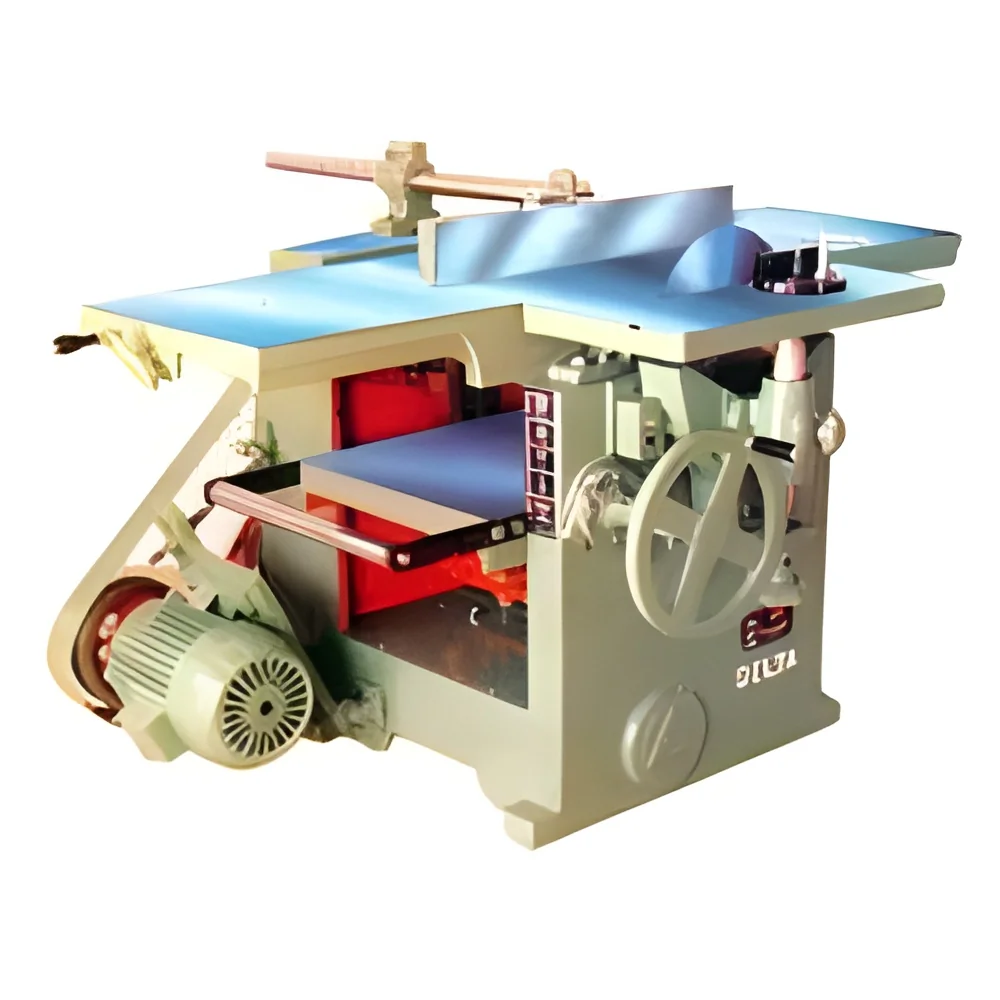
7. Woodworking: In woodworking, specific cutting tools are designed to shape and finish wooden products, offering versatility in design and functionality.
Product Variants and Subcategories
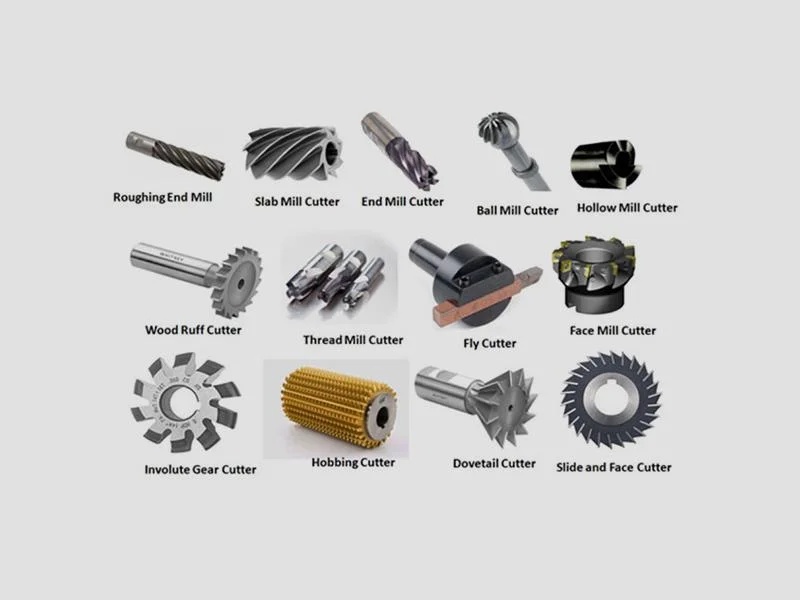
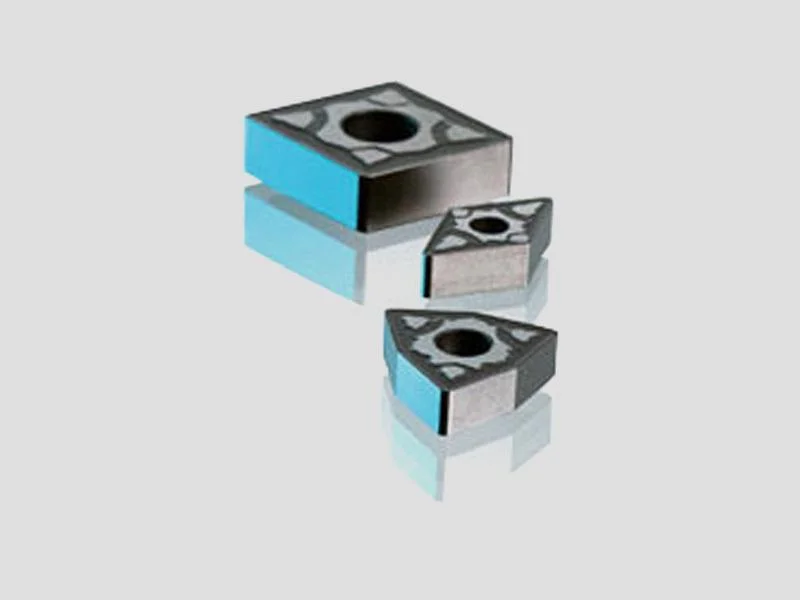
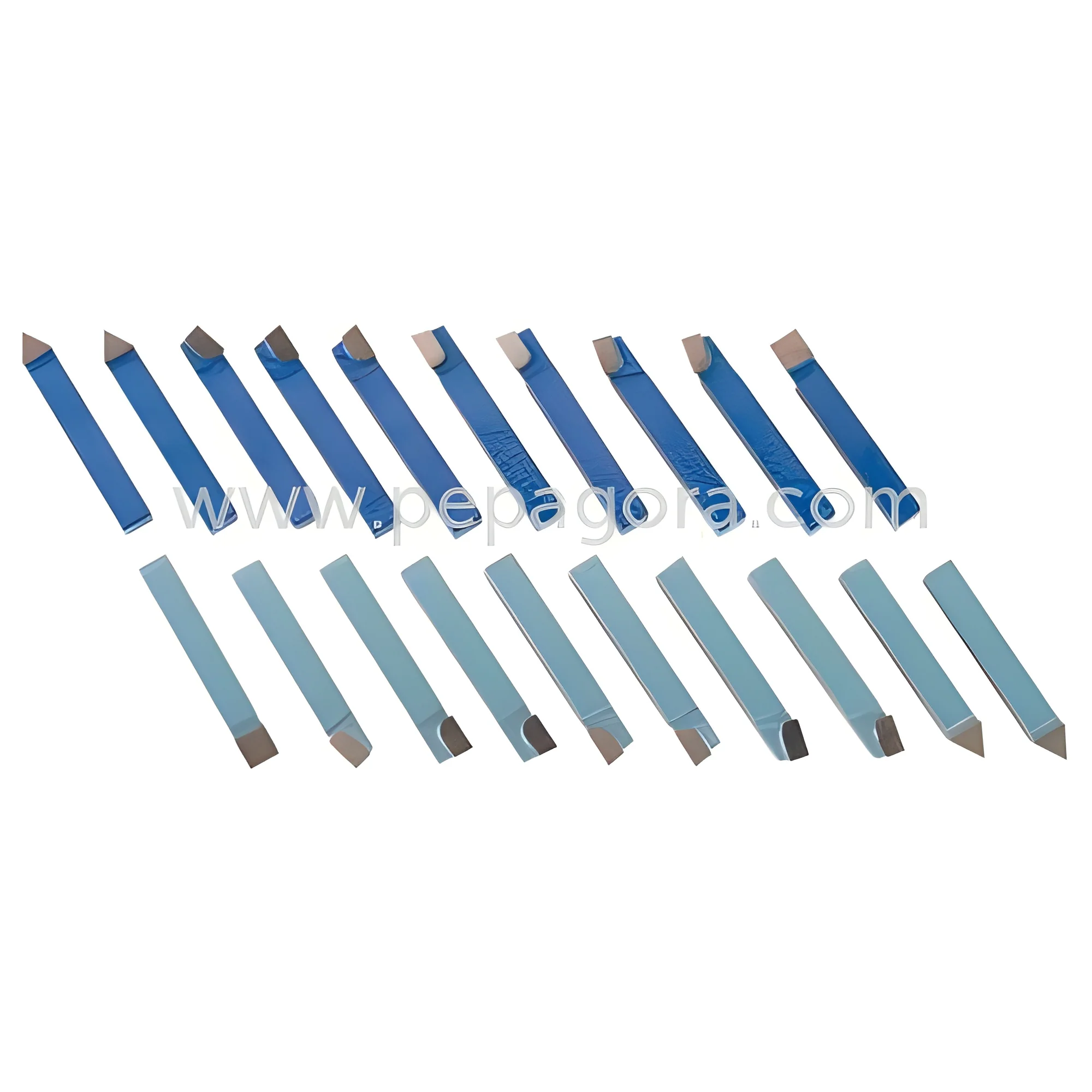
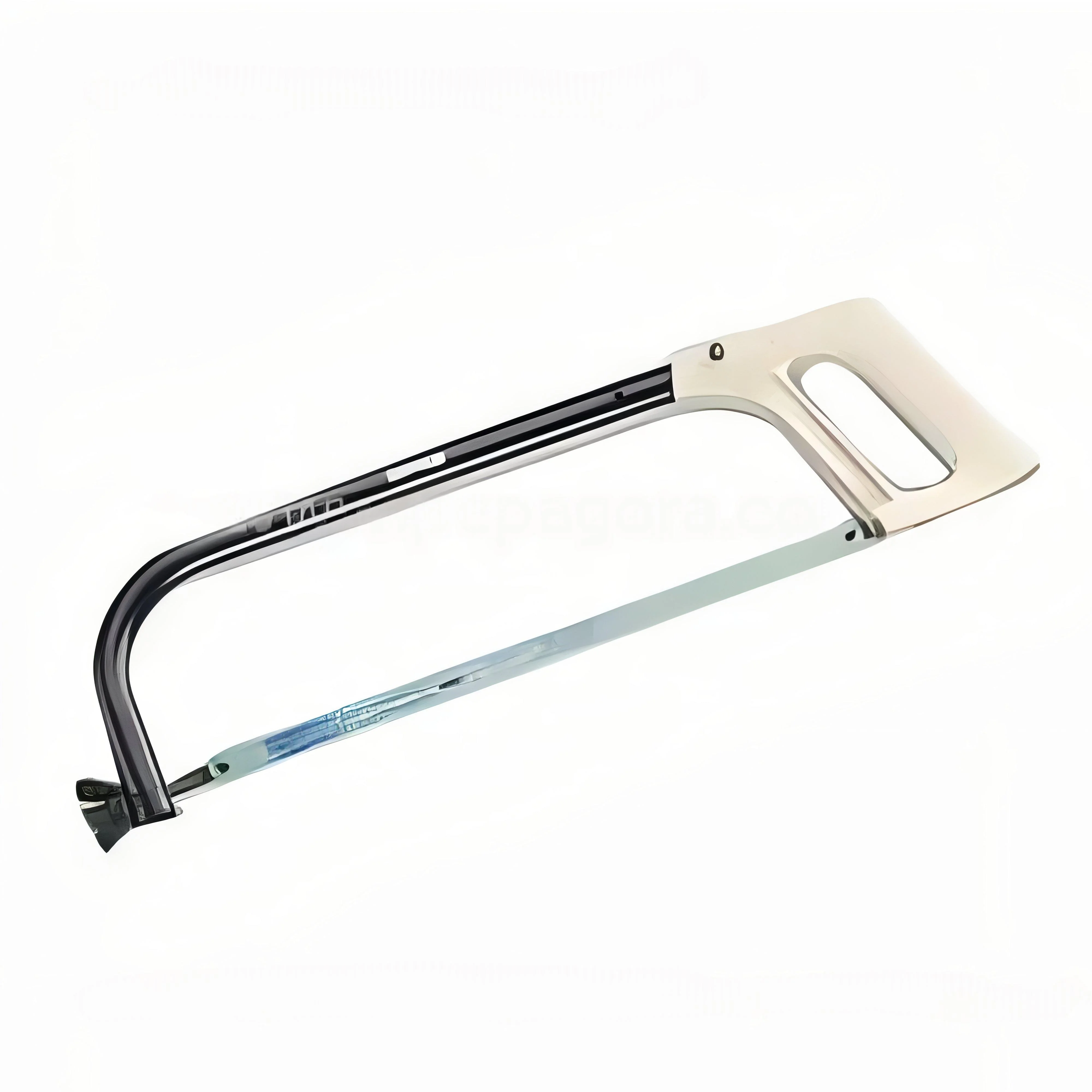
Cutting tools come in various forms, each designed to meet specific machining needs and applications.
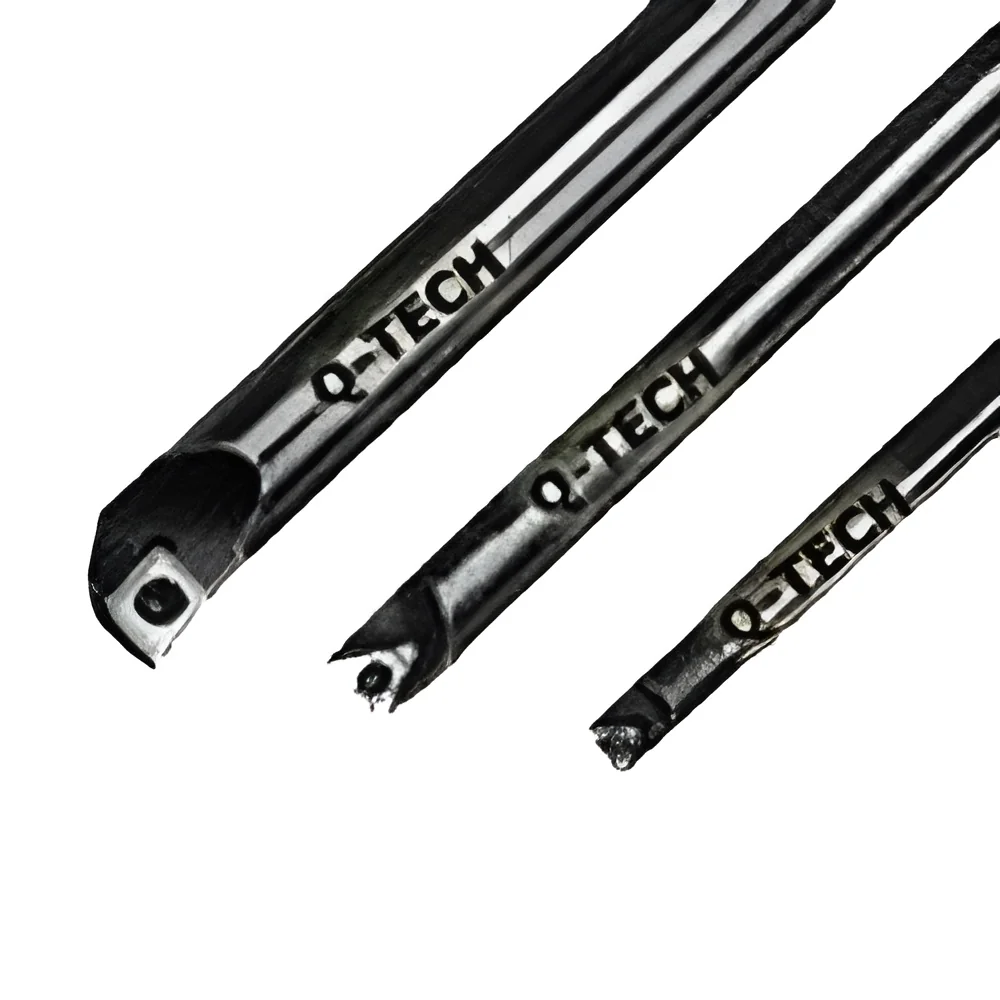
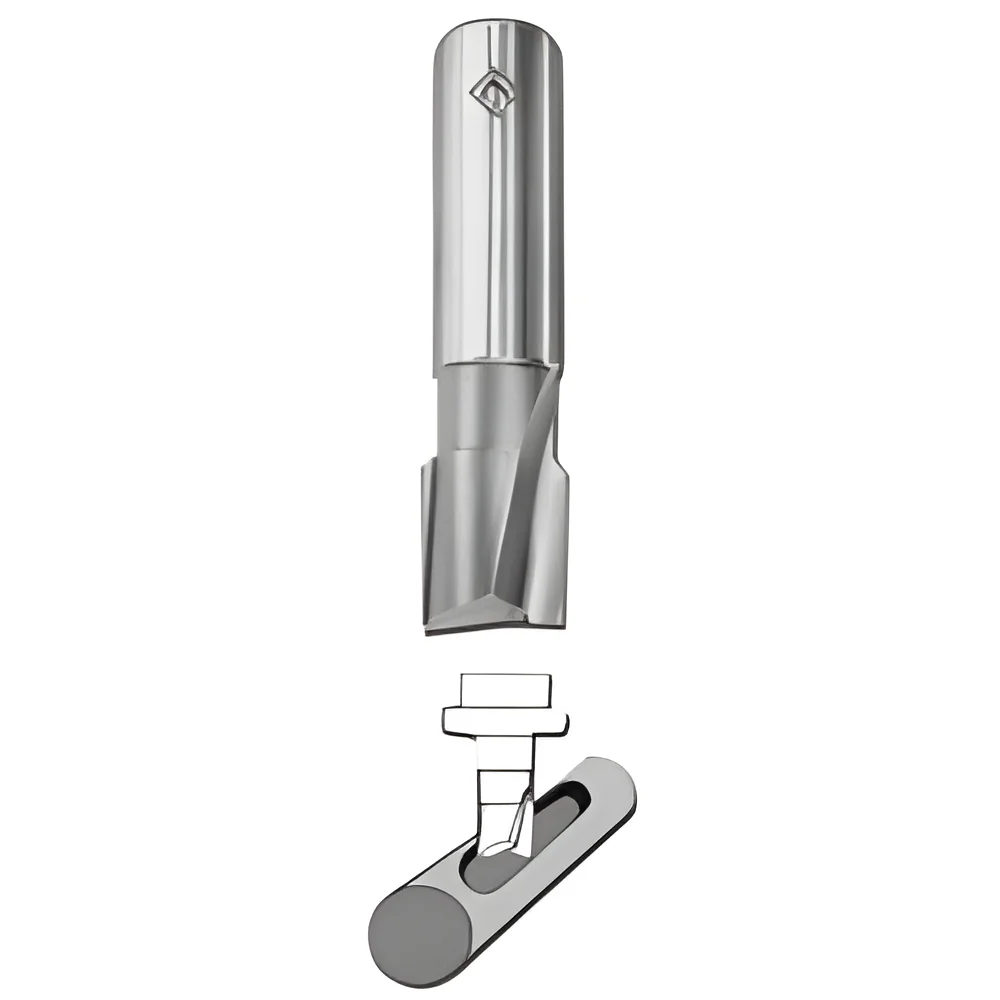
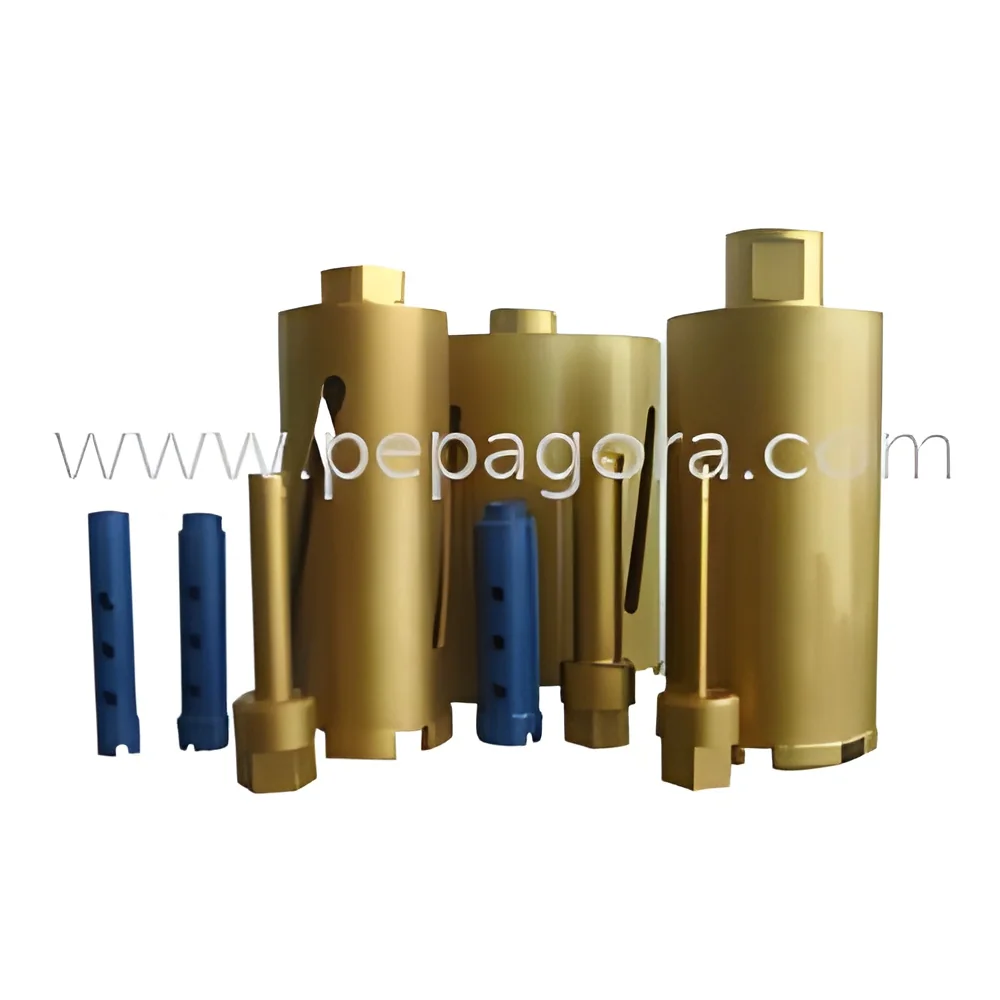
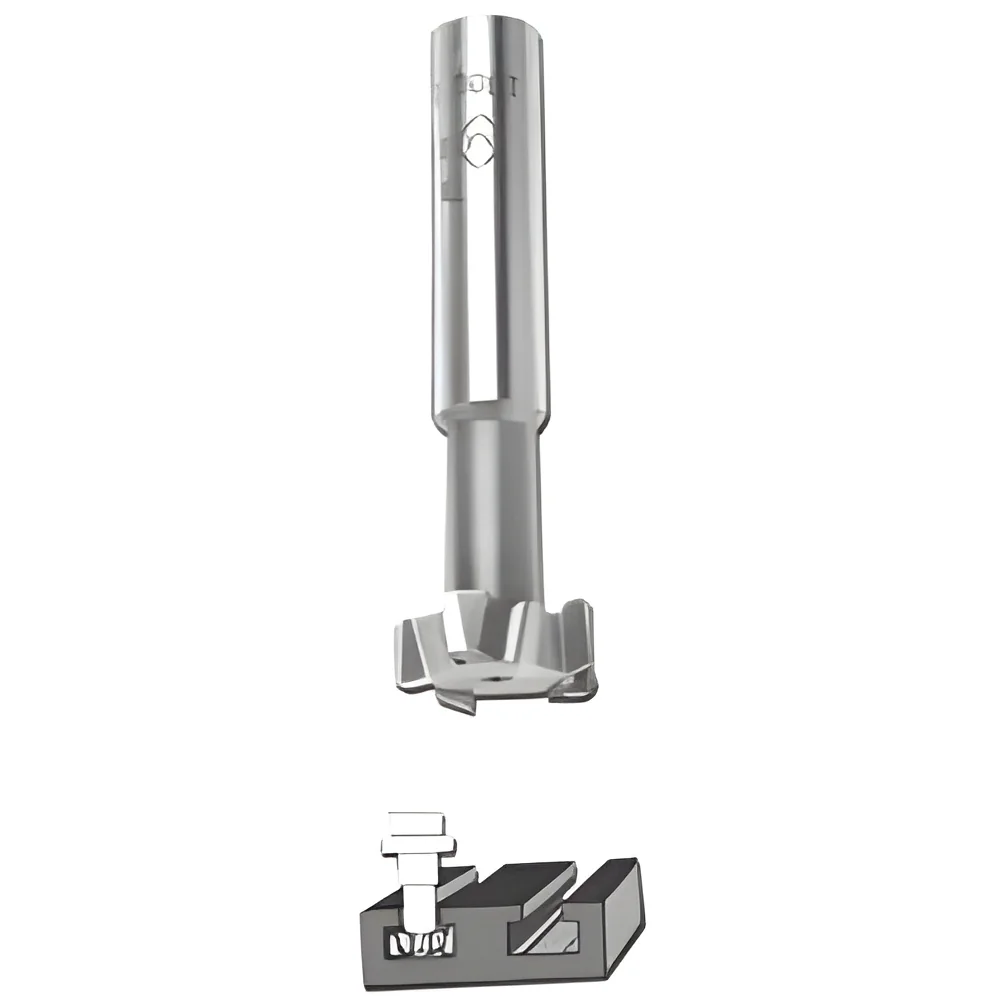
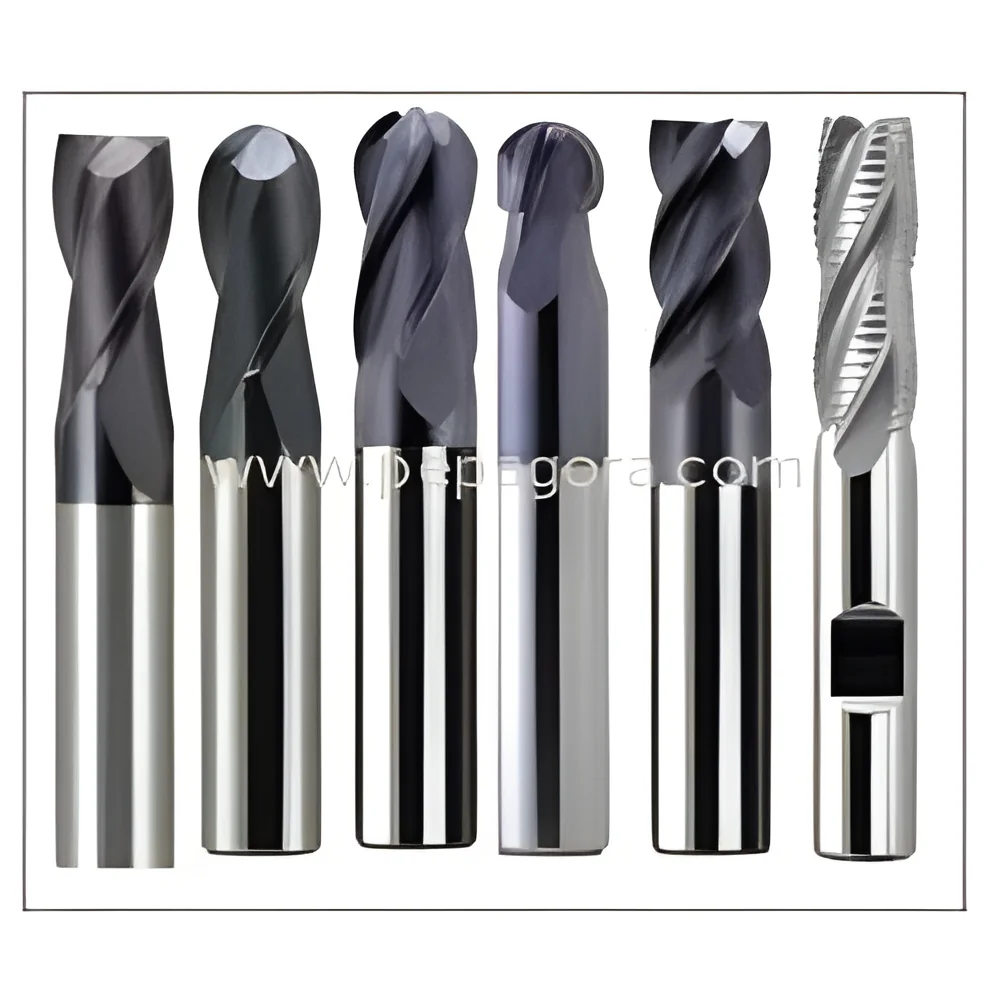
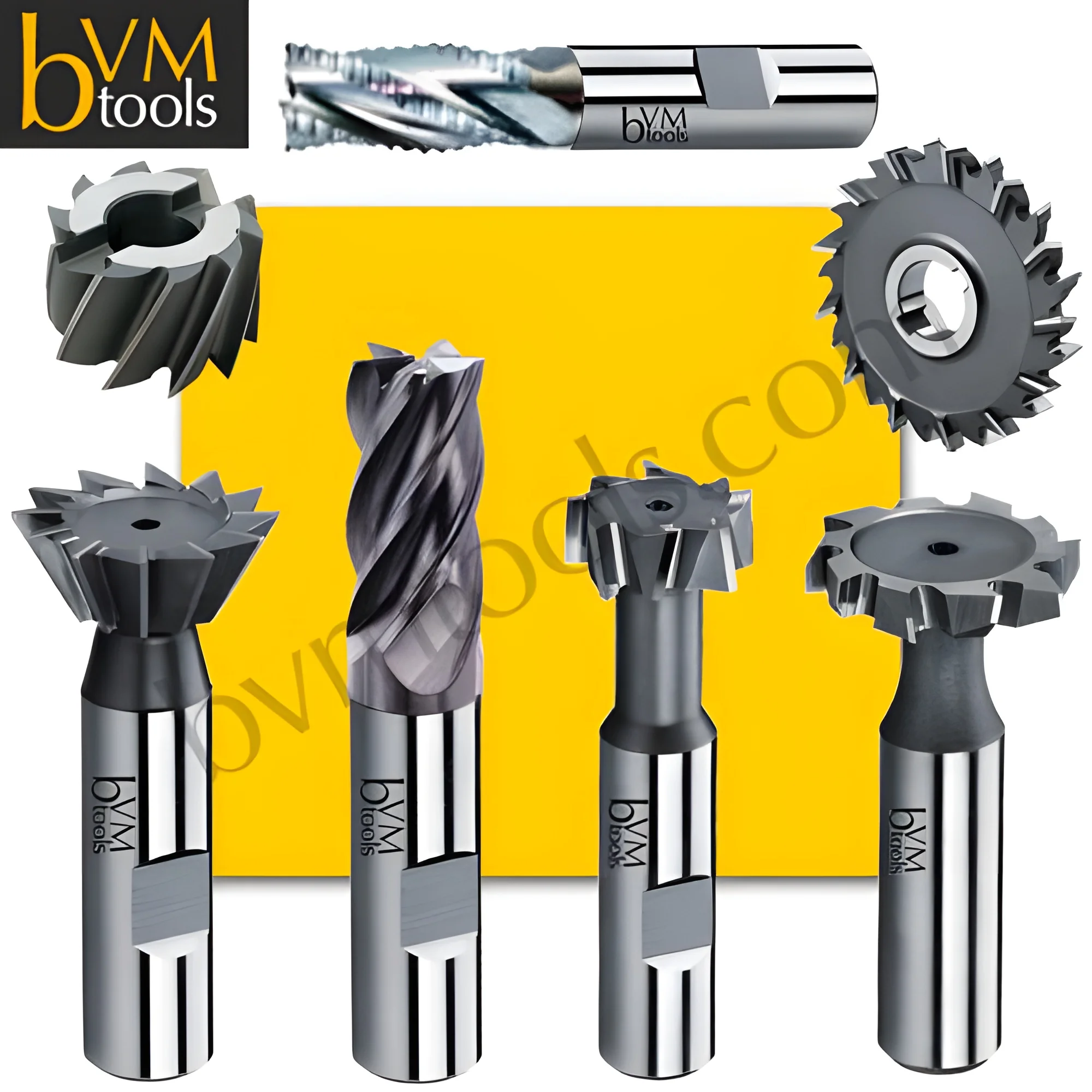
End Mills: These tools are designed for milling operations and come in various shapes and sizes, including square, ball, and corner radius. They are versatile and suitable for both roughing and finishing applications.
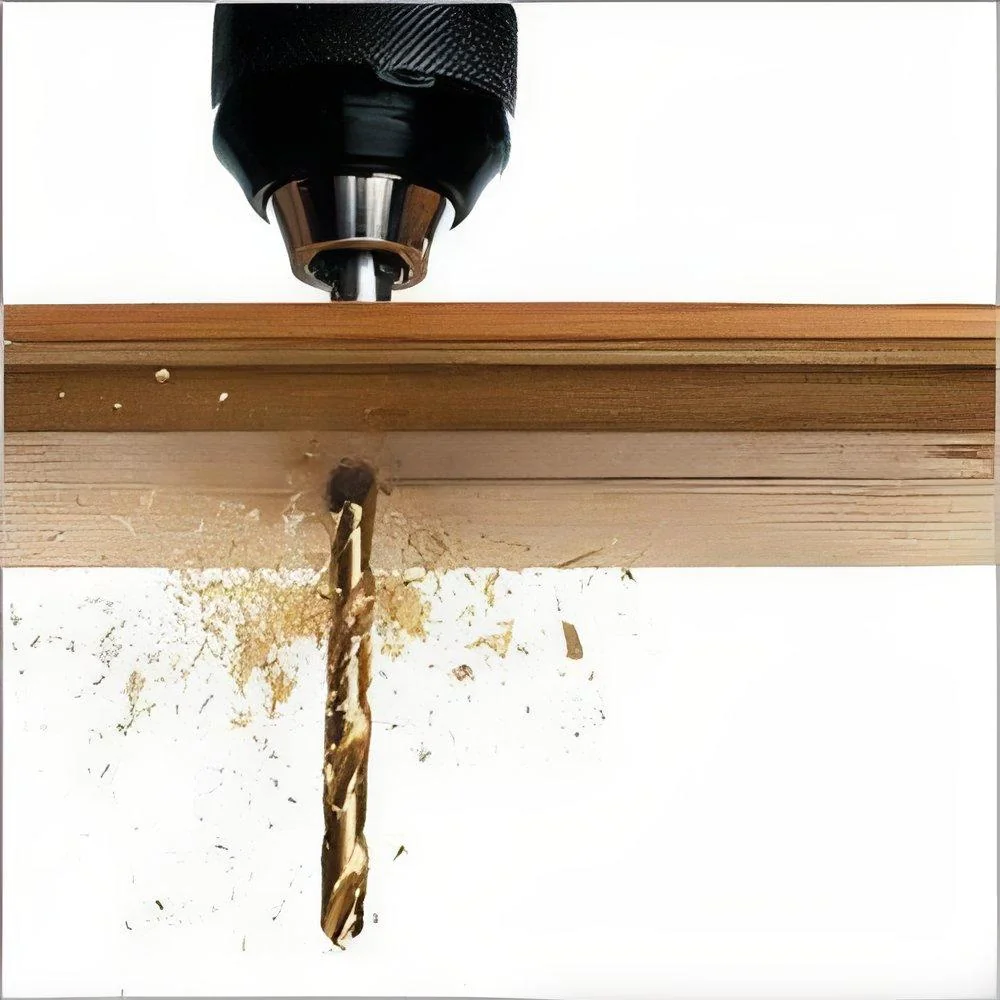
Drills: Drills are primarily designed for creating holes in materials. Variants include twist drills, spade drills, and step drills, each suited for different hole sizes and depths.
Reamers: These tools are used to enlarge or finish holes with high precision. Reamers provide a smooth surface finish and are often used in conjunction with drills.
Taps: Taps are specialized tools for creating internal threads in holes. They are used in various applications where fastening components is necessary.
Benefits and Advantages
The use of cutting tools, such as end mills and drills, offers numerous benefits that improve manufacturing processes and outcomes.
1. Precision: Cutting tools are designed to produce high-precision components, ensuring that parts meet exact specifications.
2. Versatility: Different types of cutting tools can be used across various materials and applications, providing businesses with flexible solutions.
3. Efficiency: Using the right cutting tools can significantly reduce machining time, leading to increased productivity and lower operational costs.
4. Quality: High-quality cutting tools produce better surface finishes and tolerances, enhancing the overall quality of manufactured products.
5. Durability: Tools made from advanced materials and coatings offer longer life spans, reducing the frequency of replacements and maintenance.
6. Cost-Effectiveness: Investing in quality cutting tools can lead to long-term savings by minimizing waste and rework.
Buying Guide for B2B Buyers
When sourcing cutting tools like end mills and drills, it is essential for B2B buyers to consider several factors to ensure they make informed purchasing decisions.
1. Quality Assessment: Evaluate tools based on material composition, coatings, and manufacturer reputation. High-quality tools contribute to better performance and longevity.
2. Supplier Verification: Conduct thorough research on suppliers to confirm their reliability and product quality. Consider reviews, certifications, and industry reputation.
3. Pricing and MOQ: Analyze pricing structures and minimum order quantities (MOQ) to find competitive options that align with your budget and operational needs.
4. Delivery and Lead Times: Understand the supplier's logistics capabilities and lead times to ensure timely delivery of tools, which is critical for maintaining production schedules.
5. Compliance Requirements: Ensure that the tools meet relevant industry standards and regulations, such as safety and environmental considerations, to avoid compliance issues.
Compliance and Certifications
Cutting tools must adhere to various compliance and certification standards to ensure quality and safety in manufacturing processes.
ISO 9001 is a widely recognized quality management standard that ensures manufacturers maintain consistent product quality and efficient processes. Adhering to these standards helps businesses improve their operations and customer satisfaction.
CE certification indicates that products meet European safety and health requirements. This certification is essential for companies looking to market their tools in the European market and assures buyers of product safety.
Testing requirements often include assessments for durability, performance, and safety. Manufacturers should conduct rigorous testing to ensure their products meet industry standards.
Regional compliance considerations may vary, and it is crucial for suppliers to stay updated on specific regulations that apply to their target markets, ensuring that products are compliant across different regions.
Why Source Cutting Tools (End Mills, Drills) from Pepagora?
Pepagora provides a trusted platform for sourcing cutting tools like end mills and drills, offering several key advantages for B2B buyers.
Verified Supplier Network: Pepagora features a comprehensive network of verified suppliers, ensuring buyers can access high-quality products from reputable manufacturers. This verification process helps mitigate risks associated with sourcing.
Streamlined RFQ Process: The platform simplifies the request for quotation (RFQ) process, allowing buyers to easily compare prices and specifications from multiple suppliers. This efficiency leads to better decision-making and cost control.
Trade Assurance and Support: Pepagora offers trade assurance programs that protect buyers from potential disputes, ensuring a secure transaction environment. Additionally, the platform provides customer support to assist buyers throughout the sourcing process.
Regional Coverage: Pepagora serves a wide geographic area, including India, GCC, and Southeast Asia, providing buyers with access to a diverse range of suppliers and products tailored to their regional needs. This coverage facilitates easier sourcing and logistics management for businesses in these regions.

 IN
IN