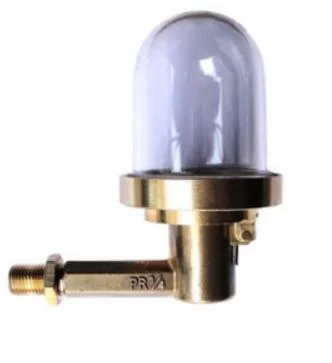
What are Lubrication Units?
Lubrication units are essential devices designed to dispense lubricants into machinery and equipment. They ensure that moving parts operate smoothly by reducing friction and wear. These units can vary in complexity from manual systems to fully automated solutions, catering to diverse industrial needs. The effectiveness of lubrication units directly impacts the performance and longevity of machinery, making them a critical component in maintenance strategies.
Primarily, lubrication units are used in various industrial applications, including manufacturing, automotive, and heavy equipment. They play a vital role in sectors where machinery is subject to heavy loads and continuous operation. By maintaining optimal lubrication levels, businesses can prevent costly downtime and enhance productivity. The market for lubrication units is growing as industries increasingly recognize the importance of proper lubrication in operational efficiency and machinery reliability.
The relevance of lubrication units extends across multiple industries, driven by the need for efficiency and reliability in equipment operation. As machinery becomes more complex and the demand for higher performance increases, the role of lubrication units becomes even more crucial. This positions lubrication units as integral to operational strategies in many industrial sectors.
Key Features and Specifications
Lubrication units are characterized by a range of features and specifications that cater to specific industrial needs. Understanding these specifications helps businesses select the right lubrication system for their operations.
Key specifications include:
1. Delivery Method
- Options include manual, electric, or pneumatic systems.
- Each method has distinct advantages based on application needs.
2. Lubricant Compatibility
- Designed to work with various lubricants, including oils and greases.
- Ensures versatility across different machinery types.
3. Capacity
- Varies based on the unit, with options for small to large volumes.
- Important for determining how long the unit can operate before needing a refill.
4. Pressure Range
- Operating pressure limits tailored to specific applications.
- Ensures adequate lubricant flow to areas requiring lubrication.
5. Control Features
- Options for manual control or automated systems.
- Enhances precision in lubricant application.
6. Installation Type
- Available in portable or fixed configurations.
- Selection based on operational requirements and space availability.
7. Maintenance Requirements
- Some units are designed for easy maintenance to minimize downtime.
- Important for ongoing operational efficiency.
8. Industry Certifications
- Many units hold relevant certifications like CE.
- Indicates compliance with safety and quality standards.
In summary, selecting an appropriate lubrication unit involves careful consideration of these specifications to match the needs of specific applications and operational environments.
Common Applications and Use Cases
Lubrication units serve a variety of industries, each with unique applications that benefit from proper lubrication.
1. Manufacturing: In manufacturing settings, lubrication units are used to maintain CNC machines and conveyors, ensuring minimal friction and optimal performance.
2. Automotive: Within the automotive industry, lubrication units are essential for maintaining assembly lines and service equipment, which require consistent lubrication for reliability.
3. Construction: Heavy machinery used in construction relies on lubrication units to prolong equipment life and enhance performance under demanding conditions.
4. Mining: In mining operations, robust lubrication units are crucial for keeping equipment like drills and loaders functioning smoothly in harsh environments.
5. Food Processing: Lubrication units in food processing must comply with hygiene standards and are used to maintain conveyor systems and packaging machines.
6. Aerospace: The aerospace industry utilizes lubrication units for precision machinery, ensuring that components operate effectively under high-stress conditions.
7. Energy: In the energy sector, lubrication units are vital for wind turbines and other equipment, helping to optimize energy production and reduce maintenance costs.
Product Variants and Subcategories
Lubrication units come in various configurations to meet specific industry needs.
Electric Lubrication Units
These units offer automated lubrication solutions, reducing the need for manual intervention. They are commonly used in environments where continuous lubrication is critical.
Manual Lubrication Units
Designed for simplicity, these units require operator intervention for lubrication tasks. They are ideal for smaller operations or applications where automation is not feasible.
Pneumatic Lubrication Units
Utilizing compressed air, these units provide effective lubrication for machinery that operates under high pressure. They are often found in automotive and manufacturing sectors.
Benefits and Advantages
Choosing the right lubrication unit can provide numerous advantages for businesses.
Key benefits include:
1. Increased Equipment Lifespan: Proper lubrication minimizes wear and tear on machinery, extending its operational life.
2. Enhanced Efficiency: Lubrication units ensure that machinery runs smoothly, improving overall operational efficiency.
3. Cost Savings: Reducing equipment downtime and maintenance costs translates to significant savings for businesses.
4. Improved Safety: Consistent lubrication helps prevent accidents caused by equipment failure, promoting workplace safety.
5. Customization Options: Many lubrication units can be tailored to meet specific operational requirements, offering flexibility for diverse applications.
6. Environmental Compliance: Advanced lubrication units often incorporate features that help businesses adhere to environmental regulations.
Buying Guide for B2B Buyers
When sourcing lubrication units, it is essential for buyers to consider several key factors to ensure they select the appropriate product for their needs.
1. Quality Assessment: Ensure that the lubrication units meet industry standards and have a track record of performance. Look for certifications and customer reviews to gauge quality.
2. Supplier Verification: Vet suppliers thoroughly by checking their credentials, reputation, and previous client feedback to ensure reliability and service quality.
3. Pricing and MOQ: Understand the price range for lubrication units and inquire about minimum order quantities to plan budgets effectively.
4. Delivery and Lead Times: Confirm lead times for delivery to ensure that the units arrive when needed. Efficient logistics are crucial for maintaining operational continuity.
5. Compliance Requirements: Be aware of any regulatory requirements for lubrication units in your industry, ensuring that the products comply with all necessary standards.
Compliance and Certifications
Lubrication units are subject to various quality standards and certifications that ensure their reliability and safety.
Relevant quality standards such as ISO 9001 demonstrate a commitment to quality management and continuous improvement. Compliance with these standards is often a requirement for suppliers aiming to meet industry demands.
Industry certifications, including CE marking, indicate that lubrication units conform to European safety and health standards. This certification is crucial for buyers in regions where regulatory compliance is mandatory.
Safety and testing requirements are critical components of the manufacturing process for lubrication units. Manufacturers must ensure that their products undergo rigorous testing to meet operational and safety standards.
Furthermore, regional compliance considerations may vary, so it is essential for buyers to be aware of local regulations that affect lubrication unit selection and usage.
Why Source Lubrication Units from Pepagora?
Pepagora offers a trusted platform for sourcing lubrication units, providing several key advantages for B2B buyers.
Verified Supplier Network: Pepagora boasts a network of verified suppliers, ensuring that buyers receive high-quality products backed by reliable service. This verification process enhances trust and reduces risks associated with sourcing.
Streamlined RFQ Process: The platform facilitates a streamlined request for quotation (RFQ) process, allowing buyers to compare multiple suppliers and select the best option based on their specific requirements.
Trade Assurance and Support: Buyers benefit from trade assurance that protects their investments. Pepagora provides support throughout the purchasing process, ensuring a smooth experience from inquiry to delivery.
Regional Coverage: With a strong presence in India, the GCC, and Southeast Asia, Pepagora offers extensive geographic reach. This regional coverage allows buyers to access local suppliers while benefiting from competitive pricing and timely delivery.
Overall, Pepagora serves as a comprehensive solution for businesses seeking lubrication units, combining quality, support, and convenience to enhance the sourcing experience.

 IN
IN