What are Rotary Tables?
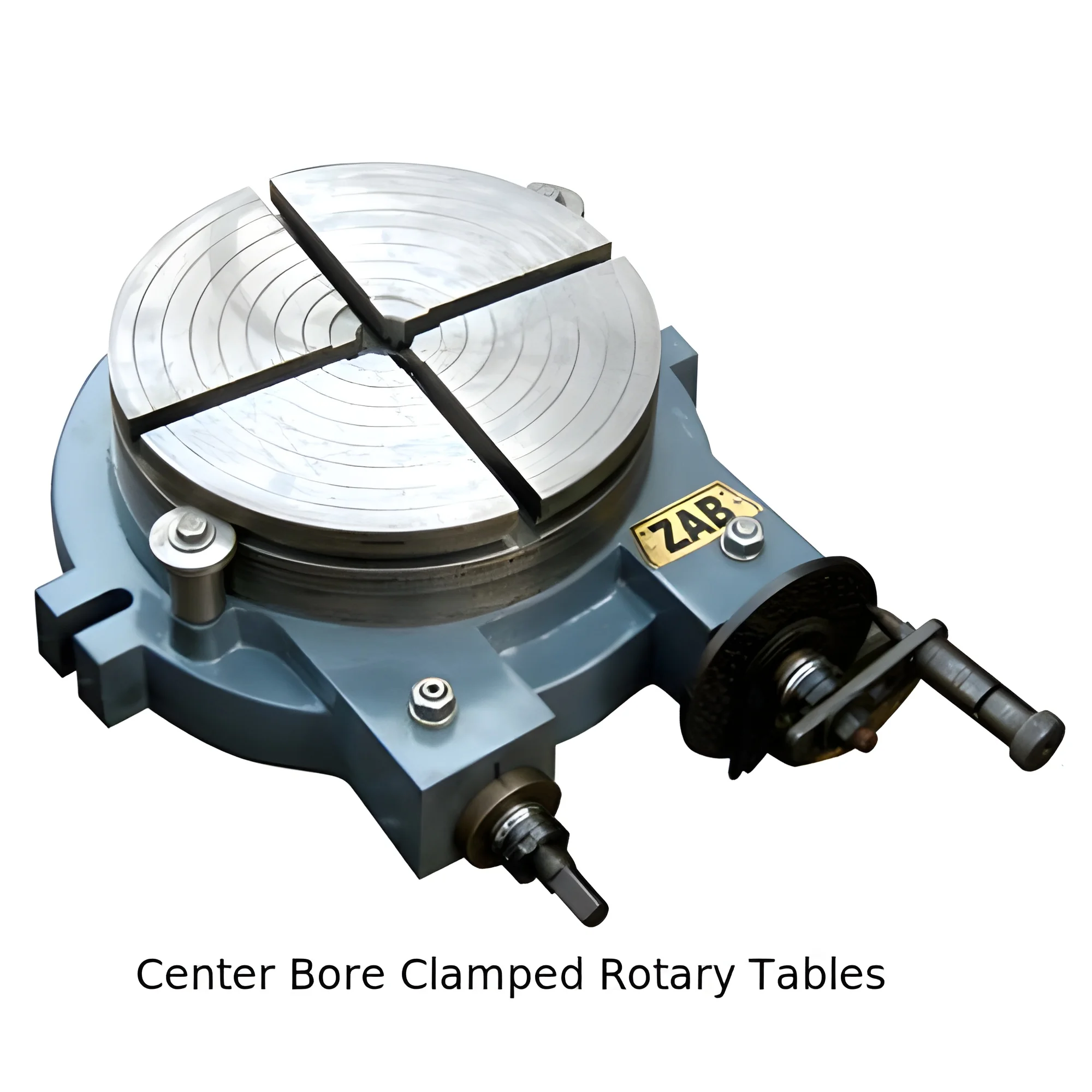
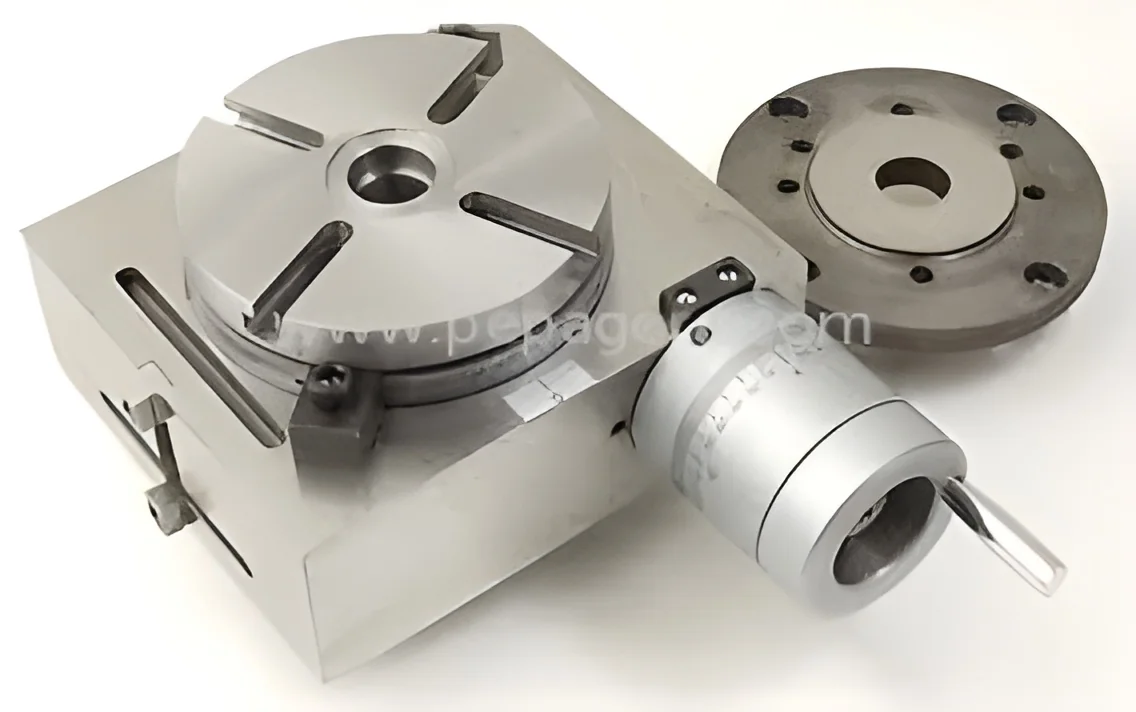
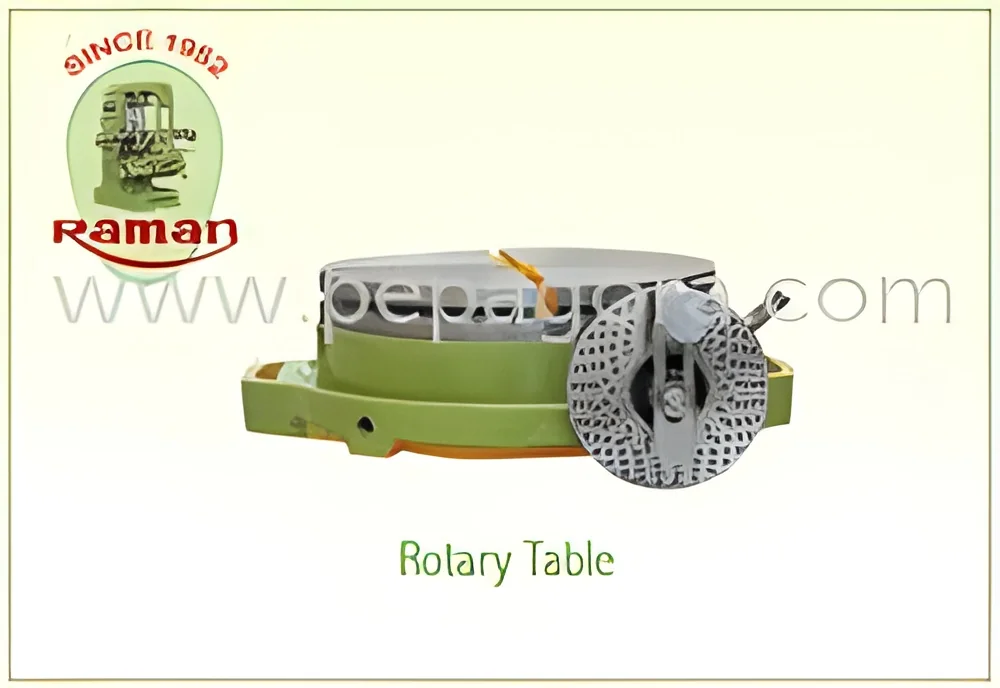
Rotary tables are precision tools used in machining and manufacturing processes to hold and rotate workpieces. They provide the capability to position the workpiece at various angles and orientations, allowing for complex machining operations that would be difficult or impossible to achieve with standard fixtures. By facilitating multi-axis machining, rotary tables enhance productivity and precision, making them an essential component in various industrial applications.
These tables find primary use in industries such as aerospace, automotive, and metalworking. They are employed for tasks including milling, drilling, and grinding, where accurate angular positioning is crucial. Rotary tables can accommodate a range of workpiece sizes and shapes, making them versatile tools for different machining needs. Their relevance in the industry is underscored by the growing demand for automation and precision in manufacturing processes, which continues to drive advancements in rotary table technology.
Key Features and Specifications
Rotary tables come with a set of features and specifications that define their performance and suitability for specific applications. Understanding these specifications is crucial for selecting the right rotary table for your business needs.
Key specifications include:
1. Load Capacity
- The maximum weight the rotary table can support.
- Typically ranges from hundreds to thousands of pounds.
2. Table Diameter
- The diameter of the rotary table surface.
- Common sizes vary from 8 inches to over 30 inches.
3. Rotation Accuracy
- The precision with which the table can rotate to the desired angle.
- Often specified in arc seconds or degrees.
4. Speed of Rotation
- The maximum speed at which the table can rotate.
- Usually measured in revolutions per minute (RPM).
5. Control Type
- The method used to control the rotation.
- Options include manual, CNC, or hydraulic control systems.
6. Construction Material
- The materials used to build the rotary table.
- Common materials include cast iron and aluminum for durability.
7. Mounting Options
- The ways in which the rotary table can be mounted.
- Includes options for horizontal or vertical mounting.
8. Features for Automation
- Additional capabilities for integration into automated systems.
- Can include digital readouts and programmable controls.
In summary, the features and specifications of rotary tables are critical in determining their effectiveness in various applications. By evaluating these factors, businesses can select the best rotary table to meet their operational needs.
Common Applications and Use Cases
Rotary tables serve various industries by enhancing machining capabilities and precision.
1. Aerospace: In aerospace manufacturing, rotary tables are used for machining complex components like turbine blades and fuselage parts, ensuring high precision and quality control.
2. Automotive: The automotive sector utilizes rotary tables for tasks such as engine block machining and transmission assembly, where multiple angles must be achieved in a single setup.
3. Metalworking: In general metalworking, rotary tables are employed for milling and drilling operations, allowing for intricate designs and efficient use of machine time.
4. Electronics: In electronics manufacturing, these tables are used to produce circuit boards and other components that require precise drilling and cutting.
5. Medical Devices: Rotary tables assist in the production of medical instruments, ensuring that small, complex parts are machined accurately.
6. Energy: The renewable energy sector uses rotary tables for fabricating components for wind turbines and solar panels, focusing on precision and durability.
7. Defense: In defense applications, rotary tables are essential for manufacturing parts that require high tolerances and reliability.
Product Variants and Subcategories
Rotary tables come in various forms to meet different operational requirements.
CNC Rotary Tables
These tables are integrated with CNC (Computer Numerical Control) systems, allowing for automated and precise machining processes. They are ideal for high-volume production environments where accuracy and repeatability are critical.
Manual Rotary Tables
These are operated manually and are suitable for smaller-scale operations or tasks requiring less frequent adjustments. They provide a cost-effective solution for businesses that do not require automation.
Horizontal Rotary Tables
Designed for horizontal mounting, these tables are perfect for applications where space is limited. They are commonly used in milling operations to facilitate easier loading and unloading of workpieces.
Vertical Rotary Tables
These tables are mounted vertically and are effective for machining tall or awkwardly shaped parts. They allow for easier access to the workpiece and improve visibility during operations.
Benefits and Advantages
Rotary tables offer several advantages that contribute to improved operational efficiency and precision.
1. Enhanced Precision: Rotary tables provide accurate angular positioning, allowing for intricate machining tasks that demand high precision.
2. Increased Productivity: By enabling multi-axis machining, rotary tables reduce setup times and increase throughput, leading to greater overall productivity.
3. Versatility: These tables can accommodate a variety of workpieces, making them suitable for multiple applications across different industries.
4. Improved Part Quality: The accuracy of rotary tables helps ensure that machined parts meet stringent quality requirements, reducing waste and rework.
5. Automation Capability: Many rotary tables can be integrated into automated systems, enhancing efficiency in manufacturing processes.
6. Space Efficiency: Rotary tables, especially those designed for vertical or compact configurations, help optimize workspace utilization in busy manufacturing environments.
Buying Guide for B2B Buyers
When sourcing rotary tables, several key factors should be considered to ensure the best purchase decision.
1. Quality Assessment: Evaluate the build quality and precision of the rotary tables. Look for manufacturers that adhere to strict quality control measures and industry standards.
2. Supplier Verification: Vet potential suppliers thoroughly. Check for reviews, certifications, and their history in the industry to ensure reliability and trustworthiness.
3. Pricing and MOQ: Consider the pricing structure and minimum order quantities. Compare costs among suppliers to find a balance between quality and affordability.
4. Delivery and Lead Times: Inquire about delivery schedules and lead times. Timely delivery is crucial for maintaining production schedules and avoiding delays.
5. Compliance Requirements: Ensure that the rotary tables meet relevant regulatory standards and certifications, such as CE marking, to guarantee safety and reliability.
Compliance and Certifications
Rotary tables must meet various compliance and certification standards to ensure quality and safety in their operation.
Relevant quality standards include ISO 9001, which focuses on maintaining effective quality management systems. Adhering to this standard indicates that the manufacturer prioritizes quality in their processes and products.
Industry certifications such as CE mark are important as they demonstrate compliance with European health, safety, and environmental protection standards. This certification assures buyers that the product meets necessary safety requirements.
Safety and testing requirements also play a significant role in the manufacturing of rotary tables. Manufacturers should conduct thorough testing to ensure reliability and performance under operational conditions.
Regional compliance considerations may vary, and it is essential for buyers to understand local regulations that may affect the use and certification of rotary tables in their specific markets.
Why Source Rotary Tables from Pepagora?
Pepagora provides a trusted platform for sourcing rotary tables, offering several key advantages that enhance the purchasing experience for businesses.
Verified Supplier Network: Pepagora has a robust network of verified suppliers, ensuring that buyers can access high-quality rotary tables from reputable manufacturers. This verification process helps mitigate risks associated with supplier reliability.
Streamlined RFQ Process: The Request for Quotation (RFQ) process is designed to be straightforward and efficient. Buyers can easily submit their requirements and receive competitive quotes, simplifying the sourcing process.
Trade Assurance and Support: Pepagora offers trade assurance to protect buyers during transactions. This includes support in case of disputes or issues with suppliers, providing an added layer of security for investments.
Regional Coverage: With a broad geographic reach spanning India, the GCC, and Southeast Asia, Pepagora connects buyers with suppliers in various regions. This ensures that businesses can find suitable rotary tables tailored to their specific operational needs, regardless of location.

 IN
IN