What are Surface Plates?
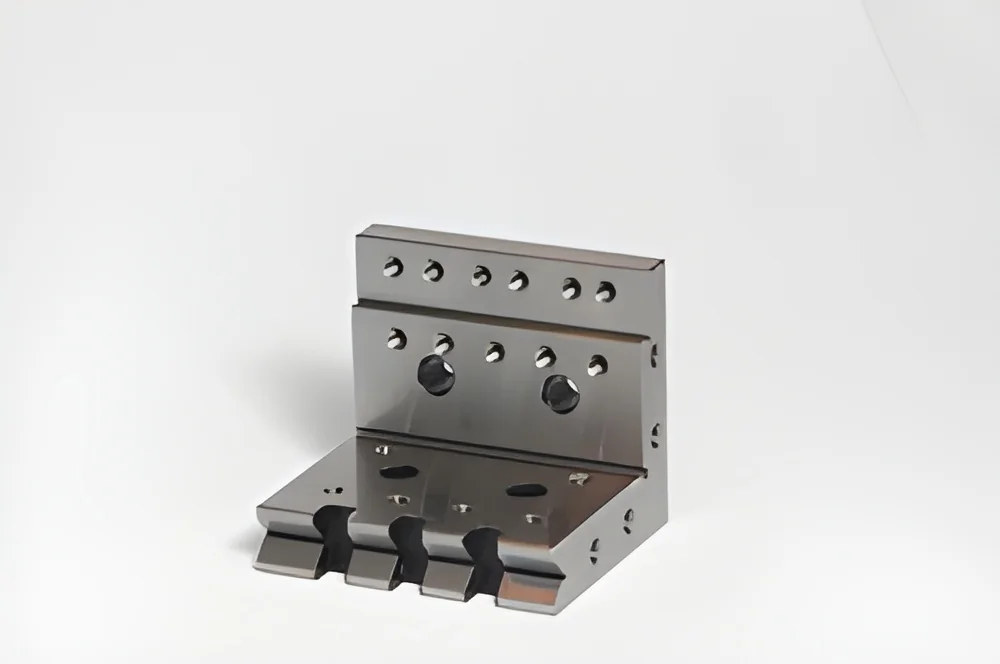
Surface plates are precision tools used in various industrial and manufacturing settings to provide a stable and flat reference surface for measuring and calibrating equipment. Typically made from materials such as granite, cast iron, or composite materials, these plates are essential for ensuring accuracy in machining and inspection processes. The primary function of a surface plate is to serve as a base for a variety of measuring devices, including gauge blocks, height gauges, and coordinate measuring machines.
Surface plates find extensive applications across different sectors, including manufacturing, automotive, aerospace, and quality control laboratories. They are crucial in ensuring that components meet specified dimensions and tolerances. By providing a reliable reference point, surface plates help maintain product quality and consistency, ultimately leading to enhanced operational efficiency. As industries continue to emphasize precision and quality, the demand for high-quality surface plates remains significant in the market.
Key Features and Specifications
Surface plates are characterized by several key features that enhance their performance and usability in industrial applications. These features include precision flatness, stability, and durability, which are critical for achieving accurate measurements.
Key specifications include:
1. Material Composition
- Common materials include granite, cast iron, and composite materials.
- Each material offers different levels of rigidity, weight, and thermal stability.
2. Flatness Tolerance
- Surface plates are manufactured to meet specific flatness tolerances, often measured in micrometers or millimeters.
- Higher precision grades are available for more demanding applications.
3. Surface Finish
- The finish can range from polished to ground, affecting the plate's usability with various measuring tools.
- A smoother finish generally aids in reducing measurement errors.
4. Size and Dimensions
- Surface plates come in various sizes, typically ranging from small handheld models to large industrial plates.
- Standard dimensions ensure compatibility with measuring equipment.
5. Weight
- Heavier plates offer increased stability and resistance to deformation.
- Weight specifications may vary based on material and size.
6. Certification Compliance
- Many surface plates are certified to meet industry standards, such as CE certification.
- Certification ensures quality and reliability.
7. Customization Options
- Custom sizes and features can often be requested based on specific requirements.
- This flexibility allows for tailored solutions in unique industrial environments.
In summary, surface plates are essential tools in precision measurement and quality control, with specific features and specifications that cater to diverse industrial needs.
Common Applications and Use Cases
Surface plates serve a wide range of industries, each with unique applications that leverage their precision and stability.
1. Manufacturing: Surface plates are used for aligning and measuring components during the machining process, helping to ensure that parts meet precise specifications.
2. Automotive: In the automotive sector, surface plates provide a reference point for inspection and assembly, ensuring that components fit together accurately.
3. Aerospace: Surface plates are critical in the aerospace industry for measuring and inspecting parts to meet strict safety and performance standards.
4. Electronics: In electronics manufacturing, surface plates are used for the calibration of various measuring instruments, ensuring accurate performance and quality control.
5. Research and Development: Laboratories utilize surface plates for precision measurement in experimental setups, aiding in the development of new products and technologies.
6. Quality Control: Surface plates are a staple in quality assurance processes, enabling the inspection of finished products to verify compliance with industry standards.
7. Tool and Die: In tool and die making, surface plates are essential for ensuring that dies and molds are manufactured to exact specifications.
Product Variants and Subcategories
Surface plates come in a variety of configurations to meet different industrial needs.
Granite Surface Plates: These plates are popular due to their durability and resistance to wear. They provide excellent flatness and are ideal for precision measurements in various applications.
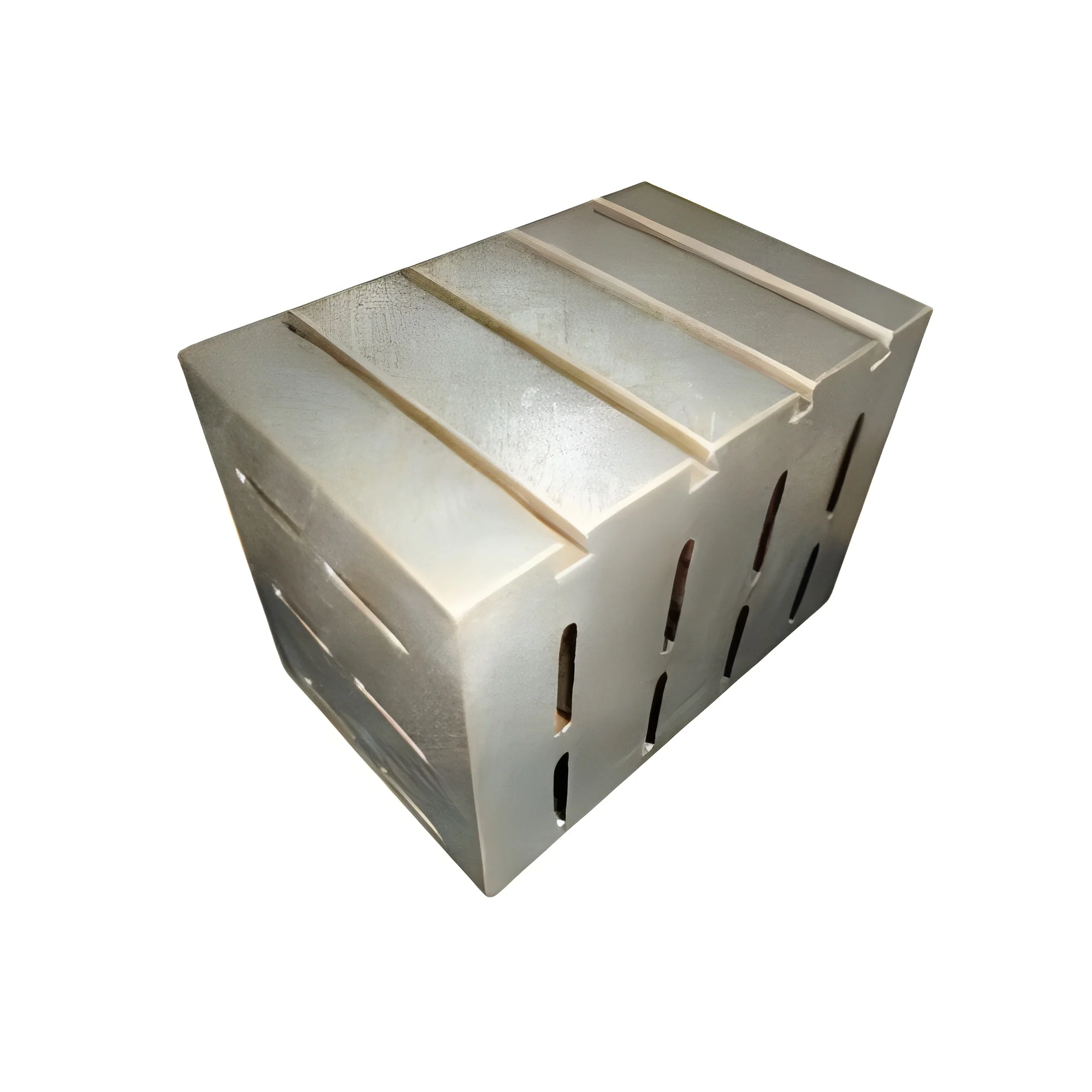
Cast Iron Surface Plates: Known for their rigidity and stability, cast iron plates are commonly used in heavy-duty applications. They are suitable for environments where heavy components are being measured or assembled.
Composite Surface Plates: These plates combine different materials to create a lightweight yet durable solution. They are ideal for portable applications or settings with specific environmental considerations.
Benefits and Advantages
Surface plates offer numerous benefits that contribute to enhanced operational performance in industrial settings.
1. Precision Measurement: Surface plates provide a reliable reference point, leading to accurate measurements and improved quality control.
2. Durability: Constructed from robust materials, surface plates are designed to withstand the rigors of industrial environments, ensuring longevity.
3. Versatility: Suitable for a wide range of applications across multiple industries, surface plates can adapt to various measurement tools and processes.
4. Cost-Effectiveness: Investing in high-quality surface plates can reduce measurement errors and increase productivity, resulting in long-term cost savings.
5. Customizability: Many manufacturers offer customization options, allowing businesses to obtain surface plates tailored to their specific needs.
6. Compliance Assurance: Certified surface plates ensure that measurements meet industry standards, contributing to regulatory compliance and quality assurance.
Buying Guide for B2B Buyers
When sourcing surface plates, buyers should consider several critical factors to ensure they select the right product for their needs.
1. Quality Assessment: It is important to evaluate the material and construction quality of surface plates. Look for detailed specifications and certifications to ensure they meet industry standards.
2. Supplier Verification: Vetting suppliers is essential for ensuring reliability. Check for reviews, references, and certifications to confirm their reputation in the market.
3. Pricing and MOQ: Consider the pricing structures and minimum order quantities (MOQ) that fit your budget and operational needs. Compare multiple suppliers to find competitive pricing.
4. Delivery and Lead Times: Assess the supplier's ability to deliver within your required timeframe. Confirm lead times to ensure timely availability for your operations.
5. Compliance Requirements: Be aware of any regulatory requirements that surface plates must meet in your industry. Ensure that the chosen supplier can provide compliant products.
Compliance and Certifications
Surface plates must adhere to various quality standards and certifications to ensure their reliability and safety in industrial applications. ISO 9001 is a key standard that outlines quality management systems, encouraging consistent quality in manufacturing processes. CE certification signifies that a product meets European health, safety, and environmental protection standards, enhancing its marketability in Europe.
Additionally, surface plates may be subjected to safety and testing requirements to ensure they can withstand operational stresses. Regional compliance considerations are also important, as different regions may have specific regulations governing the use of manufacturing tools and equipment. Understanding these certifications and compliance requirements can help businesses make informed purchasing decisions.
Why Source Surface Plates from Pepagora?
Pepagora provides a trusted platform for sourcing surface plates, offering B2B buyers several key advantages.
Verified Supplier Network: Pepagora boasts a comprehensive network of verified suppliers, ensuring that buyers have access to high-quality surface plates from reputable manufacturers. This verification process helps mitigate risks associated with sourcing.
Streamlined RFQ Process: The platform facilitates a streamlined Request for Quotation (RFQ) process, enabling buyers to easily compare prices and specifications across multiple suppliers. This simplifies the decision-making process.
Trade Assurance and Support: Buyers benefit from trade assurance features that protect their purchases. Pepagora offers support throughout the sourcing process to address any concerns and ensure a smooth transaction.
Regional Coverage: With a geographic reach extending across India, the GCC, and Southeast Asia, Pepagora connects buyers with suppliers in key markets, enhancing accessibility and responsiveness to regional demands.
By choosing Pepagora, businesses can confidently source surface plates that meet their operational needs while benefitting from a reliable and efficient sourcing experience.

 IN
IN