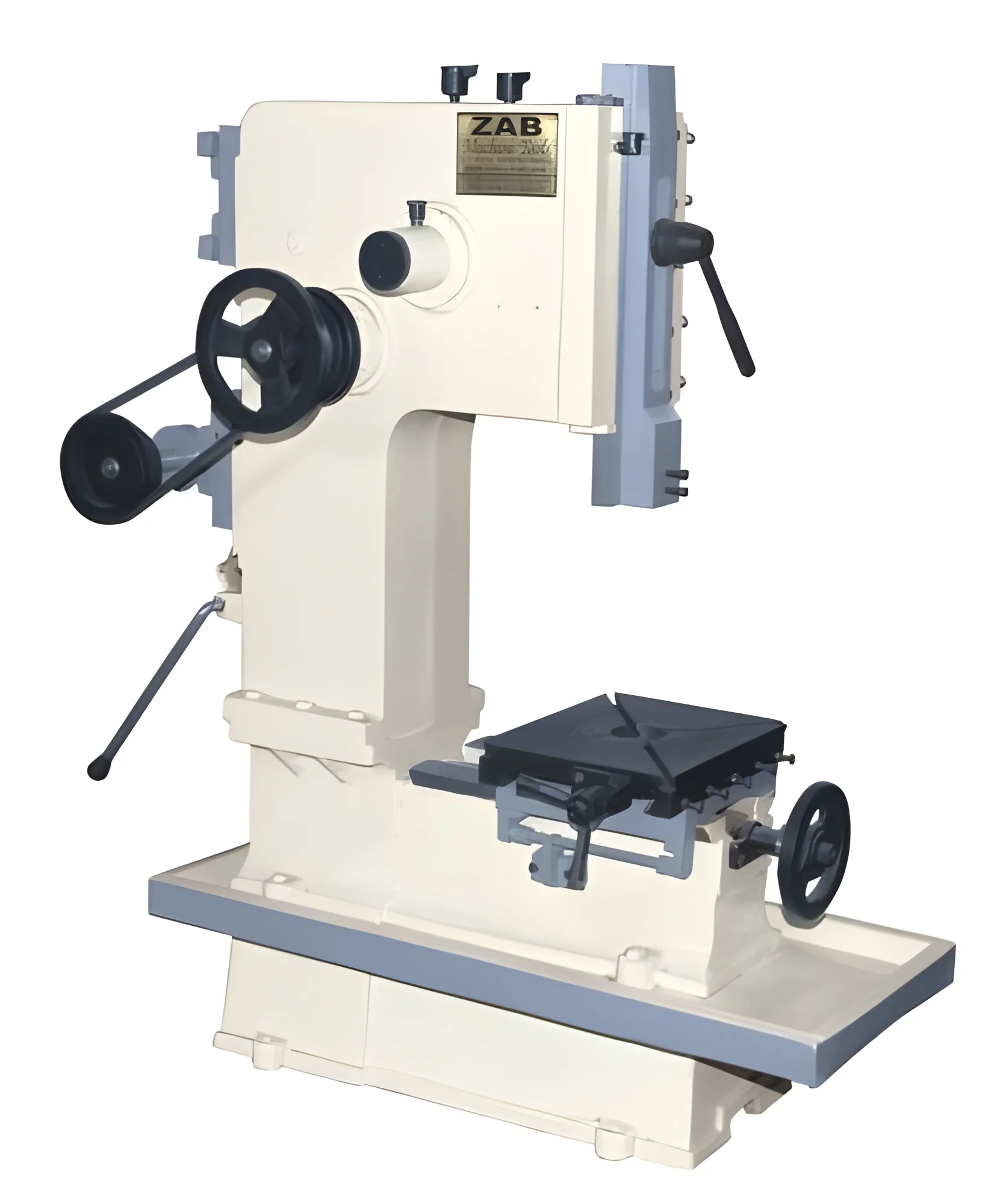
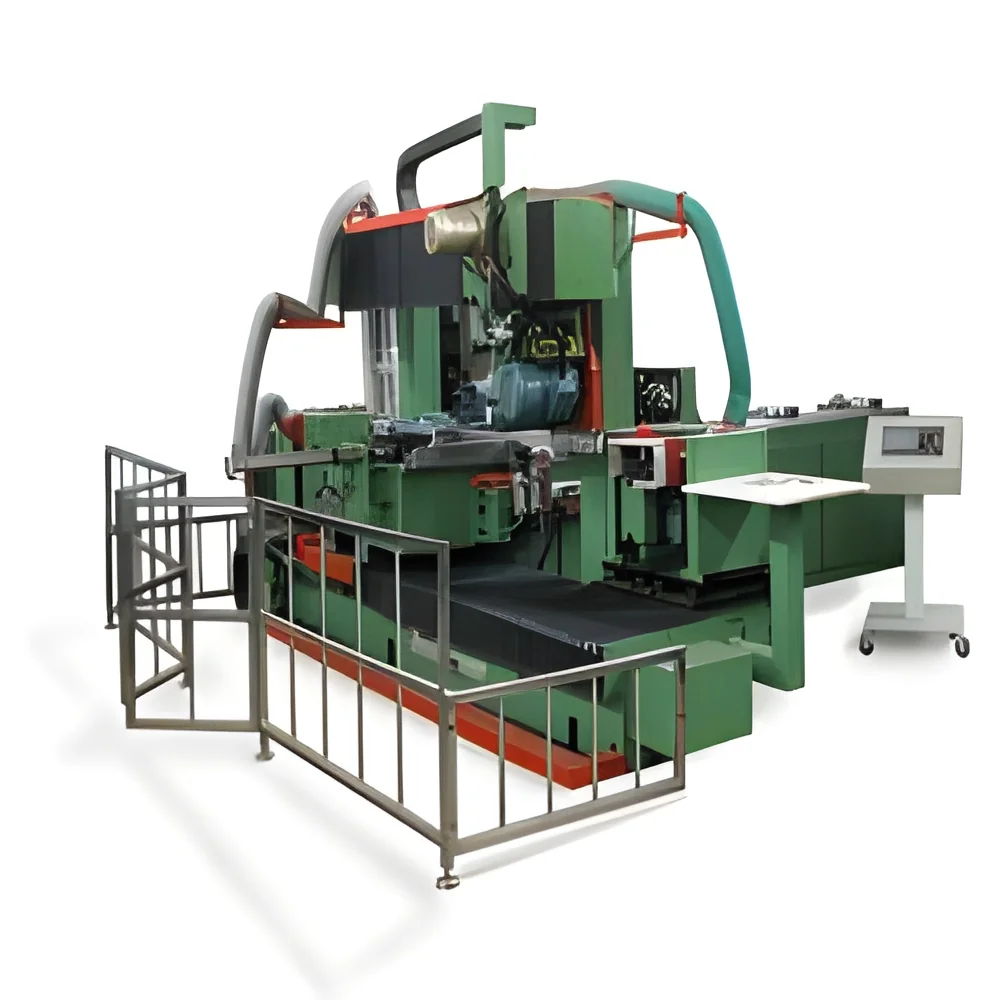
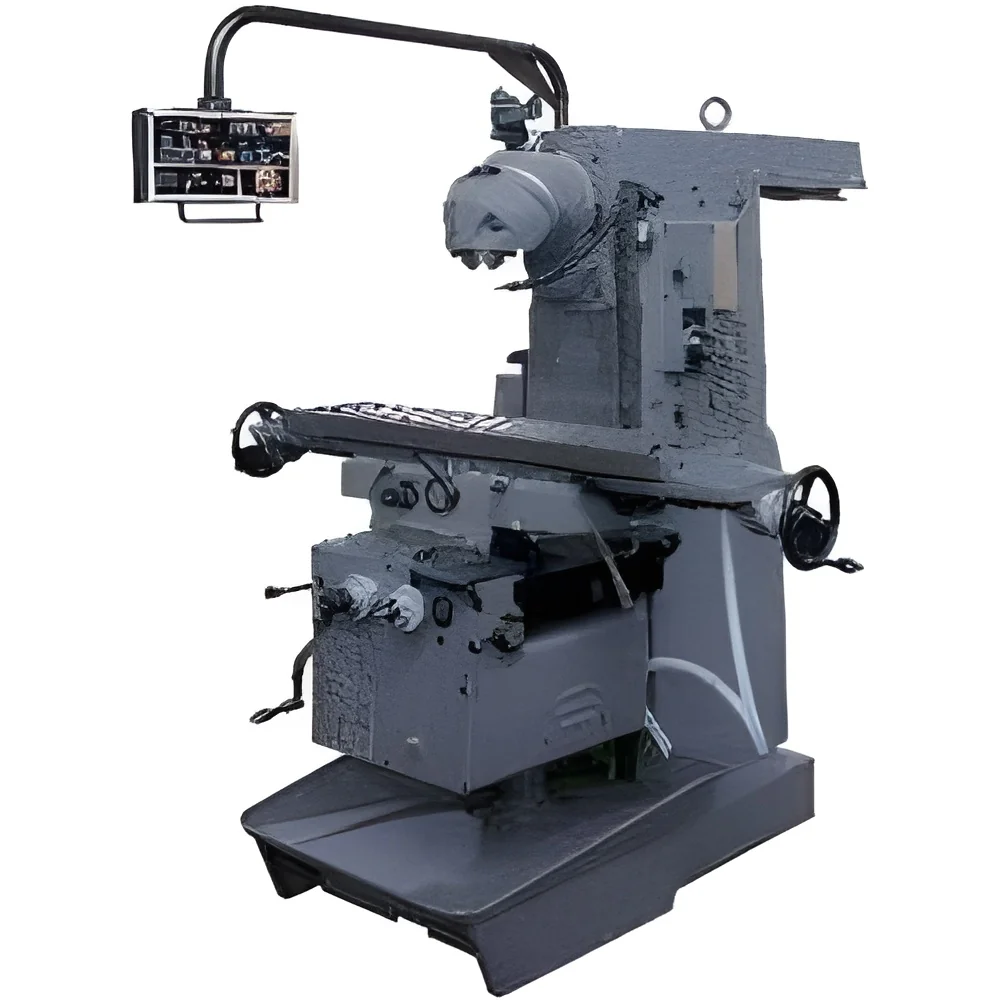
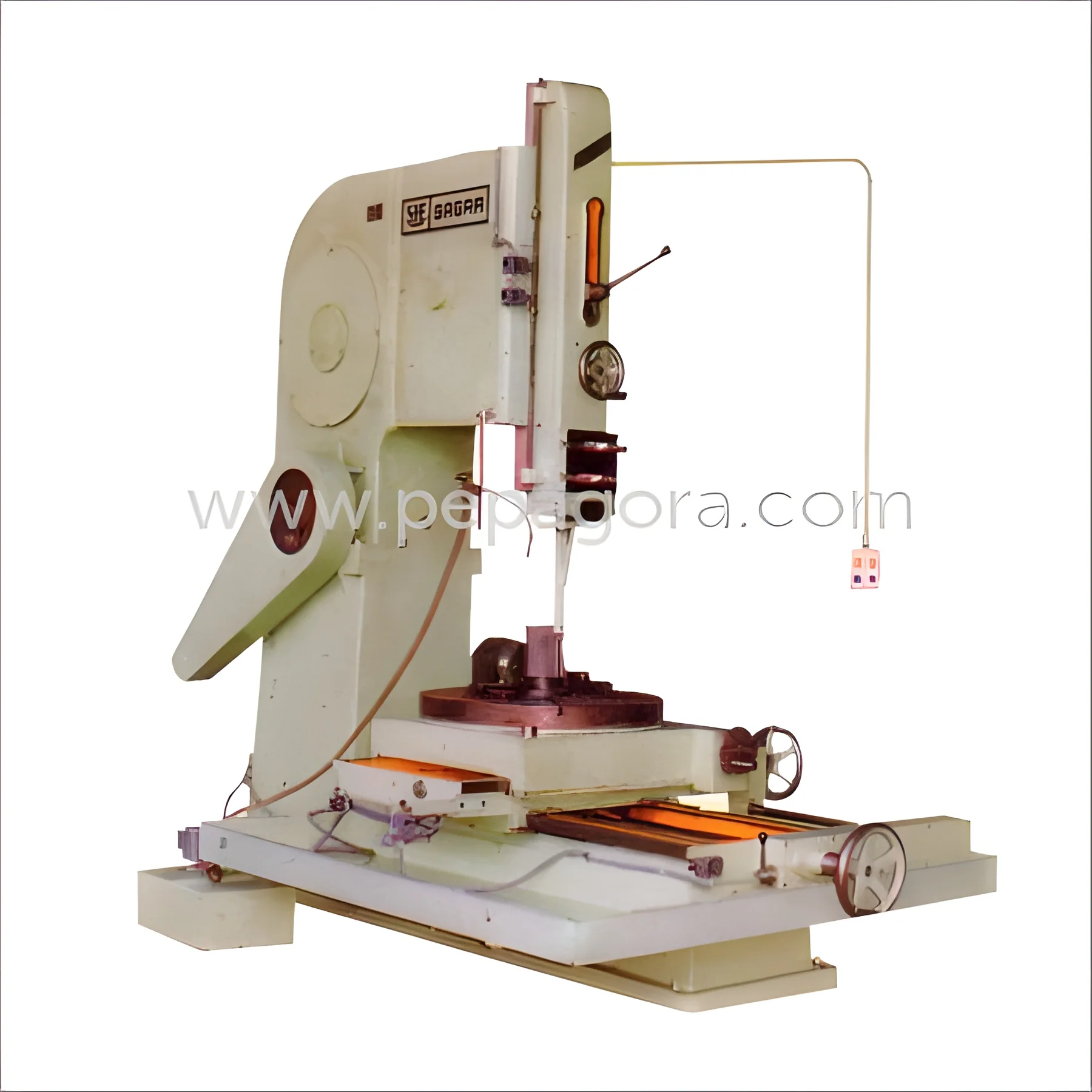
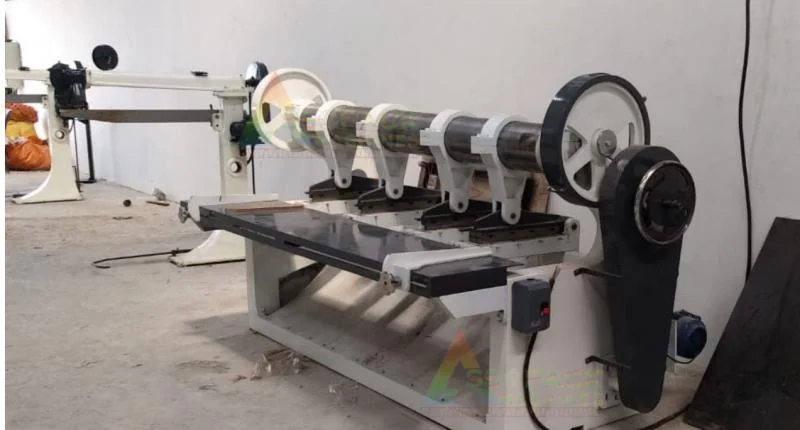
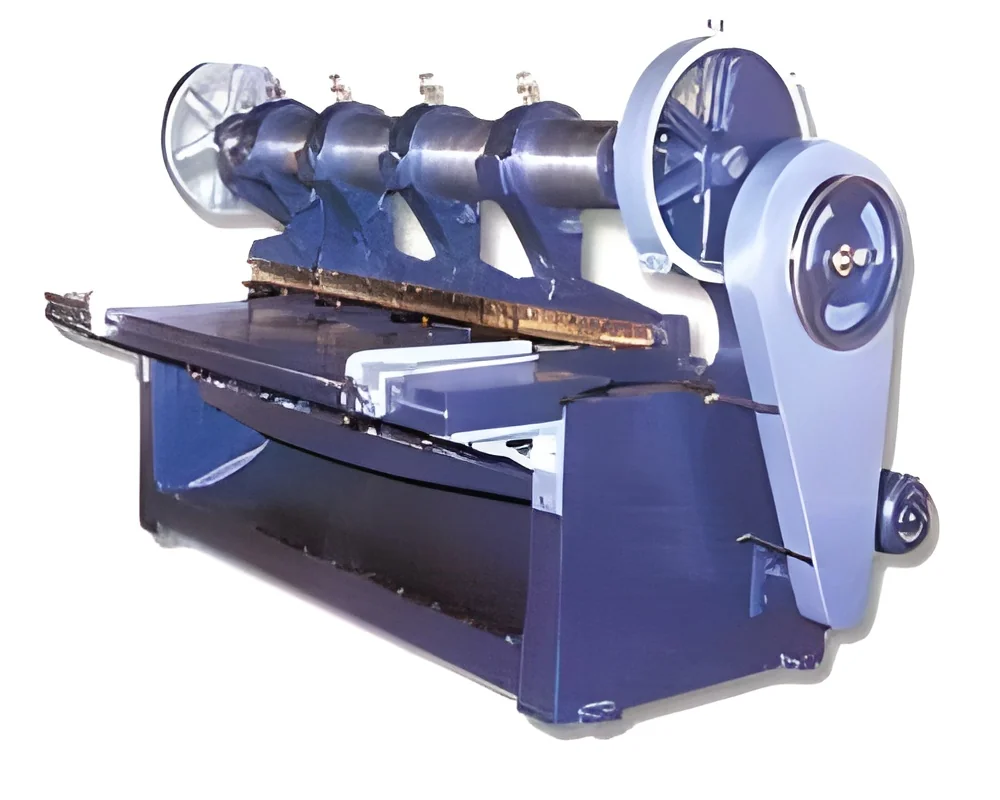
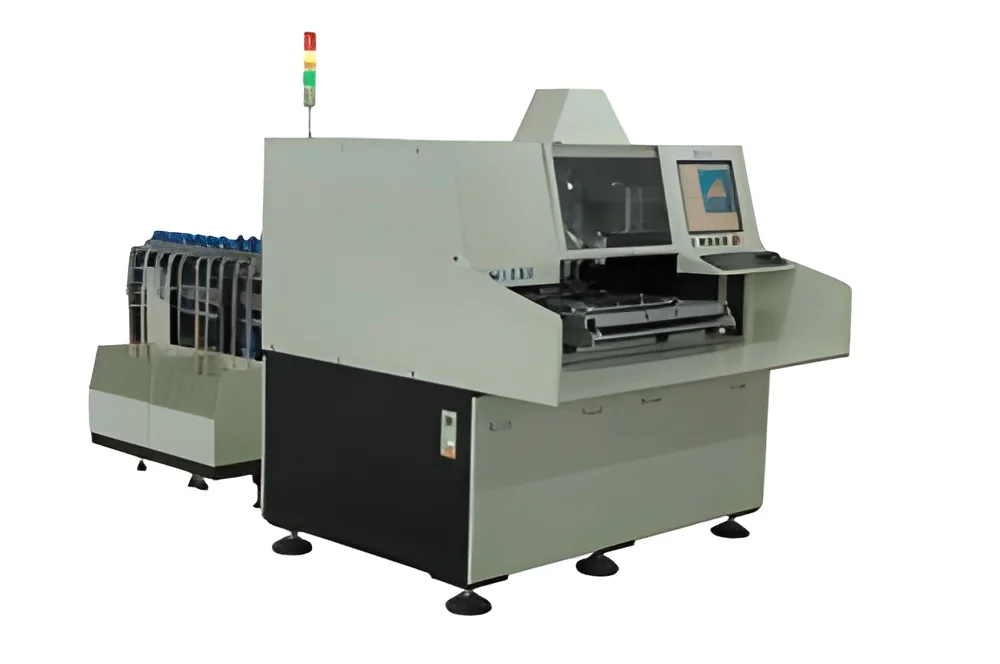
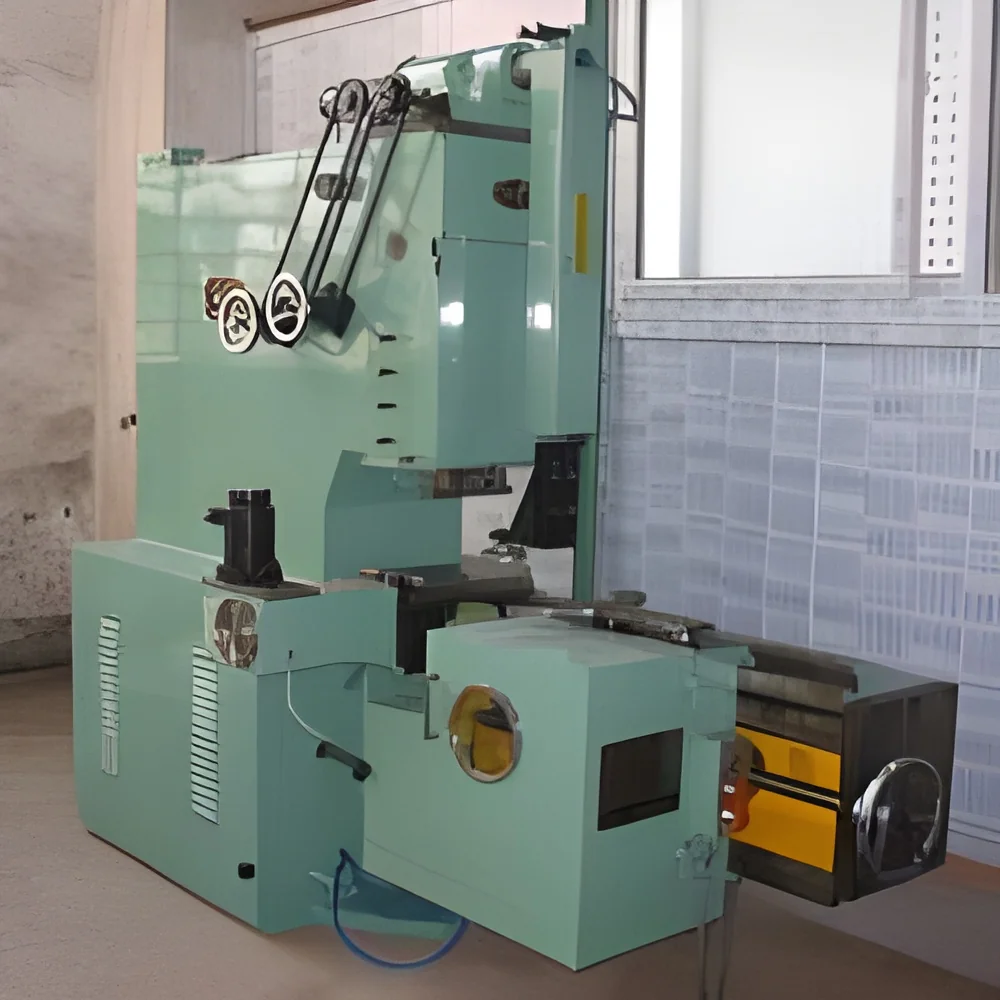
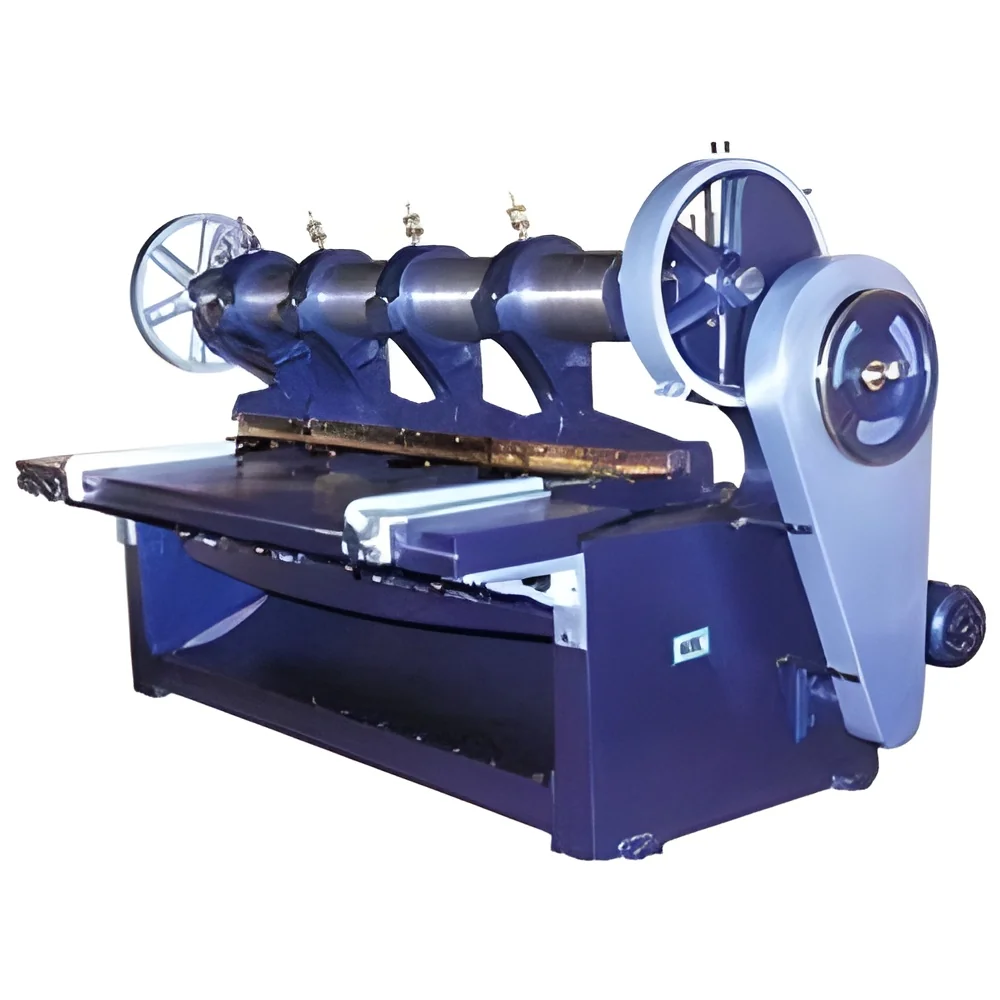
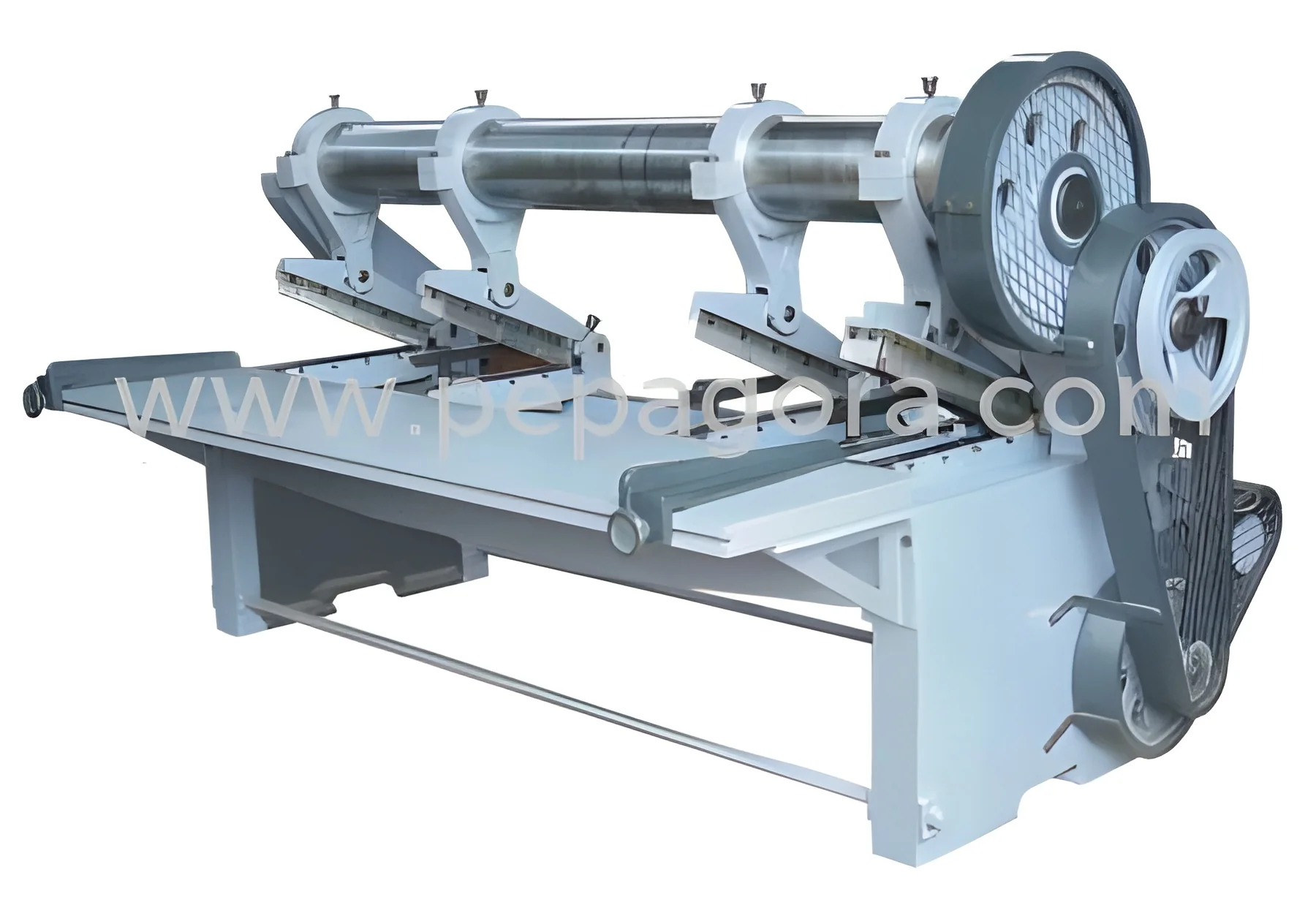
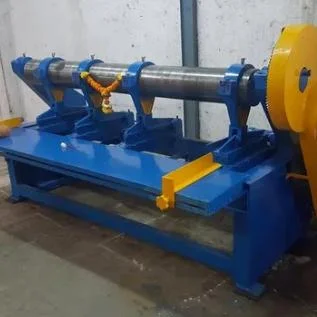
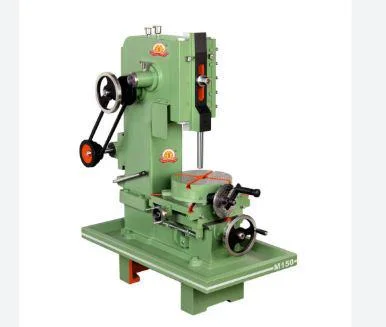
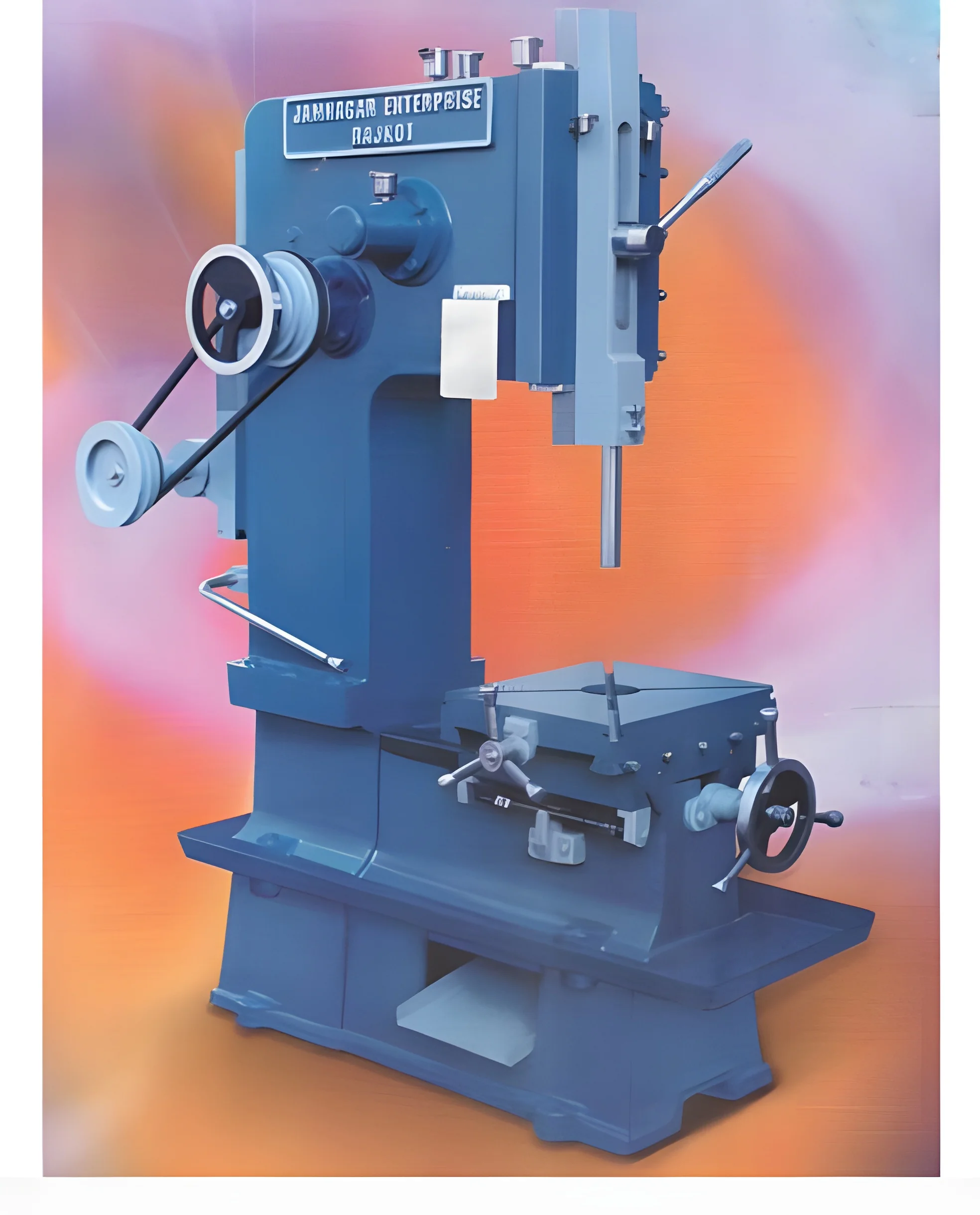
What are Slotting Machines?
Slotting machines are specialized industrial equipment designed to create slots or grooves in various materials, primarily metal. These machines utilize a single-point cutting tool that moves vertically or horizontally to remove material and form the desired shape. The process is known for its precision and efficiency, making it a vital tool in manufacturing environments.
These machines are commonly used in various industries, including automotive, aerospace, and general manufacturing. They are essential for producing parts that require precise cuts, such as keyways, splines, and slots for assembling mechanical components. Slotting machines enhance productivity by delivering consistent results, which is crucial in high-volume production settings.
In today's competitive manufacturing landscape, slotting machines hold significant relevance. They contribute to improved accuracy in production and reduce waste by ensuring that materials are cut correctly the first time. The demand for slotting machines continues to grow as industries strive for efficiency and precision in their operations.
Key Features and Specifications
Slotting machines come with a range of features that enhance their performance and usability. These machines are designed for robustness and precision, ensuring they can handle various materials and production demands. Key specifications include:
1. Cutting Speed
- Adjustable cutting speed to accommodate different materials
- Typical ranges from 20 to 120 RPM
2. Stroke Length
- Variable stroke length for flexibility in operations
- Common lengths between 50 mm to 300 mm
3. Table Size
- Large worktable to support various workpieces
- Typical dimensions range from 600 mm x 300 mm to 1200 mm x 600 mm
4. Motor Power
- Powerful motors to ensure efficient cutting
- Power ratings typically from 1 HP to 5 HP
5. Machine Weight
- Heavy-duty construction for stability during operation
- Average weights range from 500 kg to 2000 kg
6. Bed Type
- Options for fixed or adjustable beds to accommodate various setups
- Fixed beds are common for standard operations, while adjustable beds offer versatility
7. Coolant System
- Integrated coolant systems to reduce heat during cutting
- Helps prolong tool life and improve finish quality
8. Safety Features
- Emergency stop buttons and safety guards for operator protection
- Compliance with industry safety standards
In summary, slotting machines are characterized by their robust construction, adjustable features, and safety mechanisms, making them a crucial asset in various manufacturing processes.
Common Applications and Use Cases
Slotting machines find extensive applications across multiple industries due to their precision and versatility.
1. Automotive Industry: These machines are used to create keyways in shafts and other components, ensuring proper fit and function in assemblies.
2. Aerospace Industry: Slotting machines manufacture parts that require high precision, such as slots for fastening and alignment in aircraft components.
3. General Manufacturing: Used for producing various mechanical parts that require specific grooves or slots, enhancing assembly processes and functionality.
4. Tool and Die Making: These machines are essential in creating molds and dies that require precise cutting, contributing to the production of complex parts.
5. Machinery Component Production: Slotting machines are employed to produce components for various machinery, ensuring parts fit together seamlessly.
6. Electrical Equipment Manufacturing: Used to create slots for mounting and securing electrical components, enhancing the reliability of electrical assemblies.
7. Marine Industry: Slotting machines are utilized in creating components for ships and boats that require robust and precise cuts.
Product Variants and Subcategories
Slotting machines exhibit a variety of features and configurations to meet different operational needs.
Standard Slotting Machines: These machines are designed for general-purpose slotting tasks and are suitable for a wide range of materials. They offer adjustable stroke lengths and cutting speeds for versatility.
Heavy-Duty Slotting Machines: Built for high-volume production, these machines feature robust construction and higher horsepower motors. They are ideal for industries that require extensive and continuous use.
Vertical Slotting Machines: These machines allow for vertical cutting operations and are often used in applications where space is limited or where vertical access is required.
Horizontal Slotting Machines: Designed for horizontal cutting, these machines are suitable for larger workpieces and offer enhanced stability during operation.
Specialized Slotting Machines: These machines are customized for specific applications, such as those requiring intricate designs or specialized materials.
Benefits and Advantages
Investing in slotting machines can provide numerous advantages for businesses.
1. Enhanced Precision: Slotting machines deliver high levels of accuracy, ensuring that components fit together correctly and function effectively.
2. Increased Productivity: The efficiency of slotting machines allows for quicker production times, which can lead to increased output and reduced labor costs.
3. Versatility: These machines can handle a wide range of materials and applications, making them adaptable to different manufacturing needs.
4. Reduced Material Waste: Precision cutting minimizes waste, which can lead to cost savings and more sustainable operations.
5. Improved Safety: Modern slotting machines come equipped with safety features that protect operators and reduce the risk of accidents.
6. Long Tool Life: The use of coolant systems and adjustable speeds contributes to longer tool life, resulting in lower replacement costs and less downtime.
Buying Guide for B2B Buyers
When sourcing slotting machines, businesses should consider several critical factors to ensure they make informed purchasing decisions.
1. Quality Assessment: Evaluate the machine's construction and durability. Look for machines built with high-quality materials that can withstand rigorous use.
2. Supplier Verification: Vet suppliers to ensure they are reputable and have a track record of delivering quality machines. Check for customer reviews and references.
3. Pricing and MOQ: Analyze pricing structures and minimum order quantities (MOQ). Ensure that the costs align with your budget and production needs.
4. Delivery and Lead Times: Understand the logistics involved in delivery, including lead times and shipping options. This will help you plan your production schedule accordingly.
5. Compliance Requirements: Ensure that the machines meet industry standards and regulatory requirements. This may include safety certifications and quality assurance standards.
Compliance and Certifications
Compliance with industry standards is crucial for slotting machines to ensure safety and quality in operations.
Many slotting machines adhere to ISO 9001, which focuses on quality management systems. This certification helps manufacturers consistently provide products that meet customer and regulatory requirements.
Additionally, slotting machines may carry CE certification, indicating compliance with European health, safety, and environmental protection standards. This certification is vital for machines sold in European markets.
Safety and testing requirements are also essential, as machines must incorporate features that protect operators during use. This may include emergency stop functions and safety guards.
Regional compliance considerations may vary, so it is important to understand the specific regulations in the markets where the machines will be used.
Why Source Slotting Machines from Pepagora?
Pepagora offers a trusted platform for sourcing slotting machines, providing numerous advantages to B2B buyers.
Verified Supplier Network: Pepagora connects buyers with a network of verified suppliers, ensuring that each supplier meets stringent quality and reliability standards. This reduces the risk associated with sourcing industrial equipment.
Streamlined RFQ Process: The platform features an efficient Request for Quotation (RFQ) system, enabling buyers to easily obtain quotes from multiple suppliers. This helps in comparing offers and finding the best value for their needs.
Trade Assurance and Support: Pepagora offers trade assurance programs that protect buyers throughout the purchasing process. This includes support for payment and delivery, ensuring a smooth transaction.
Regional Coverage: With a strong presence in India, the GCC, and Southeast Asia, Pepagora provides regional coverage that facilitates local sourcing. This geographical reach allows buyers to access a diverse range of suppliers and products tailored to their specific market needs.

 IN
IN