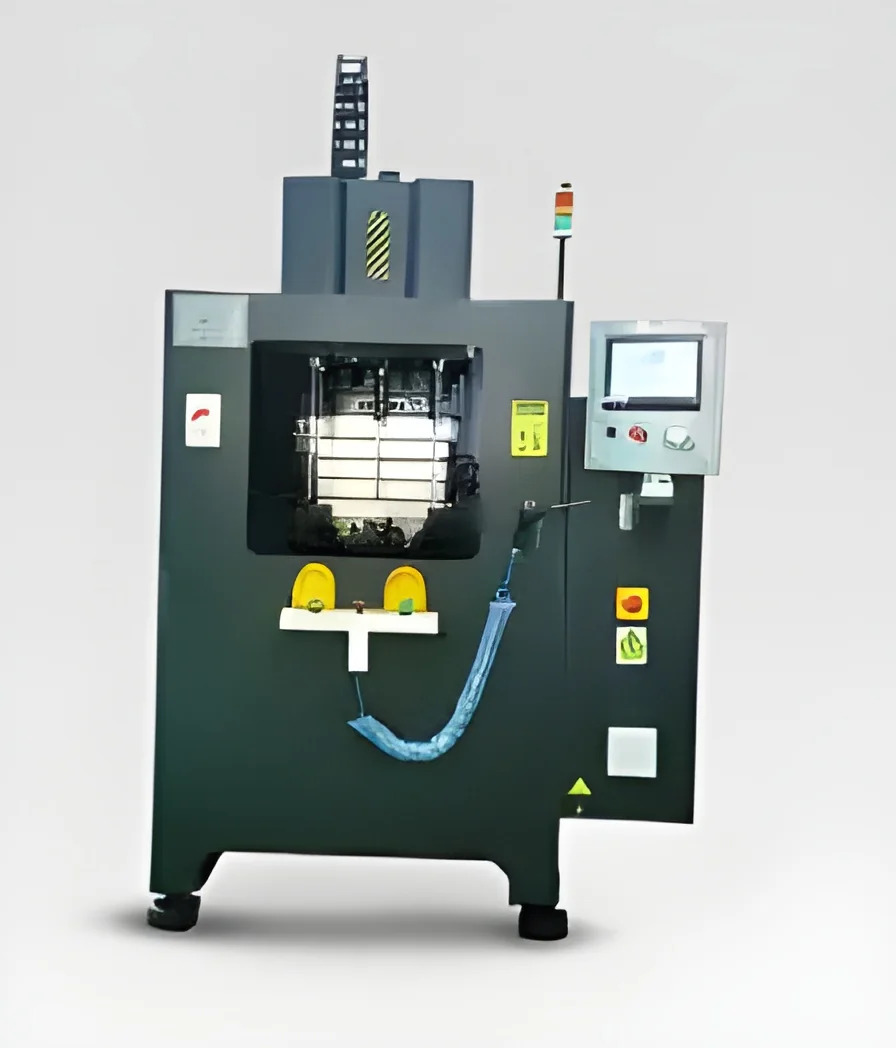
What are Honing Machines (Manual, CNC)?
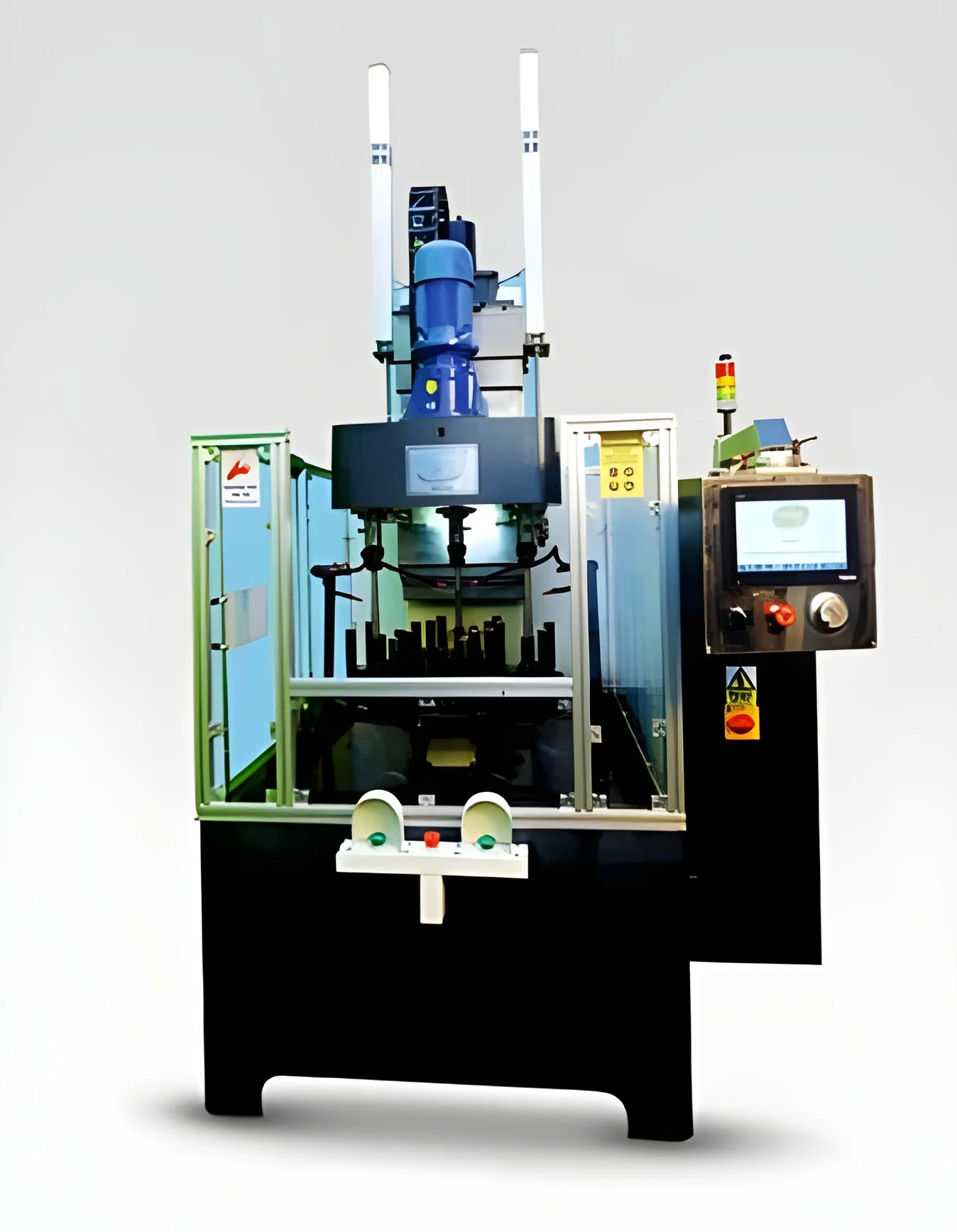
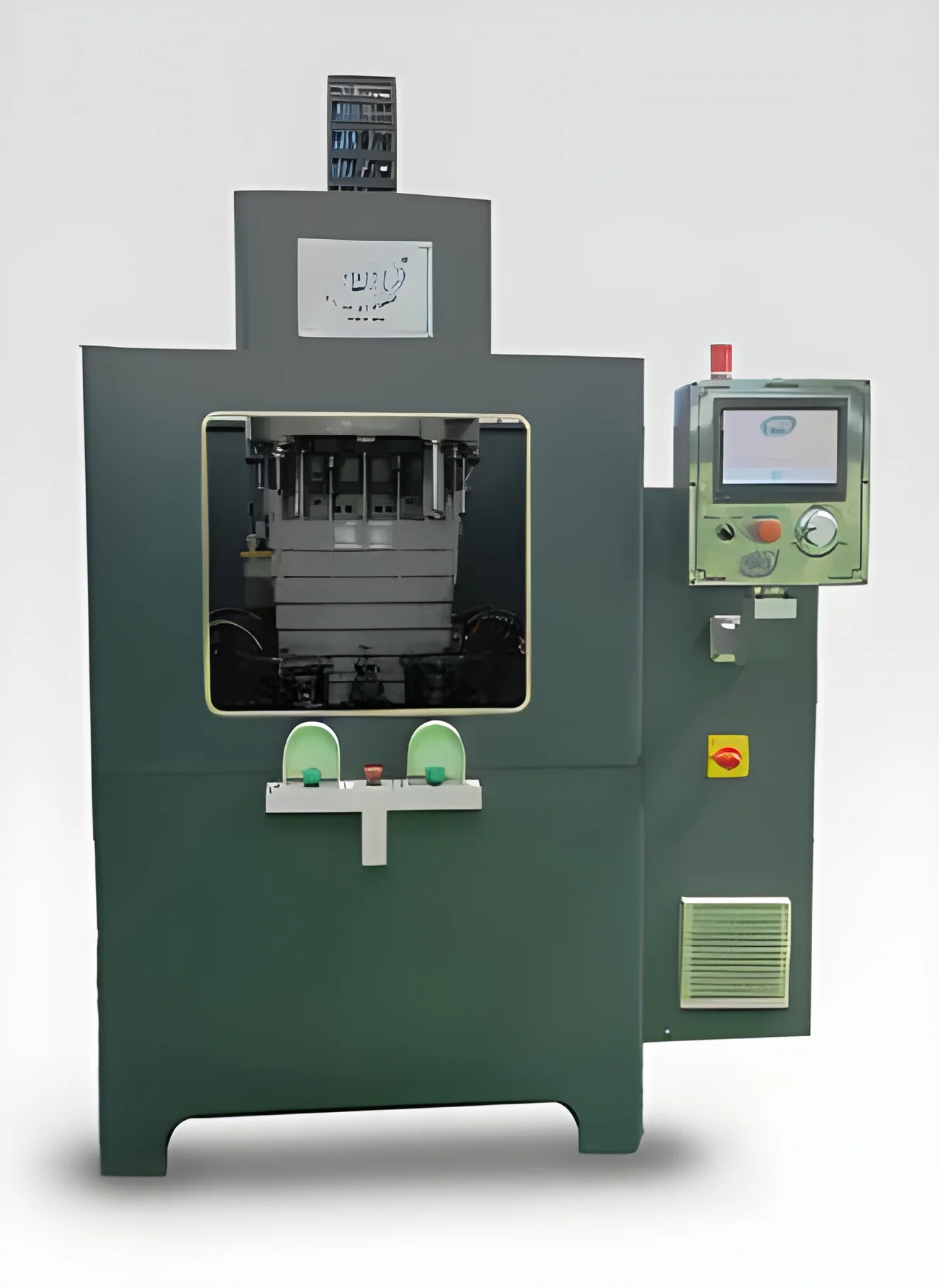
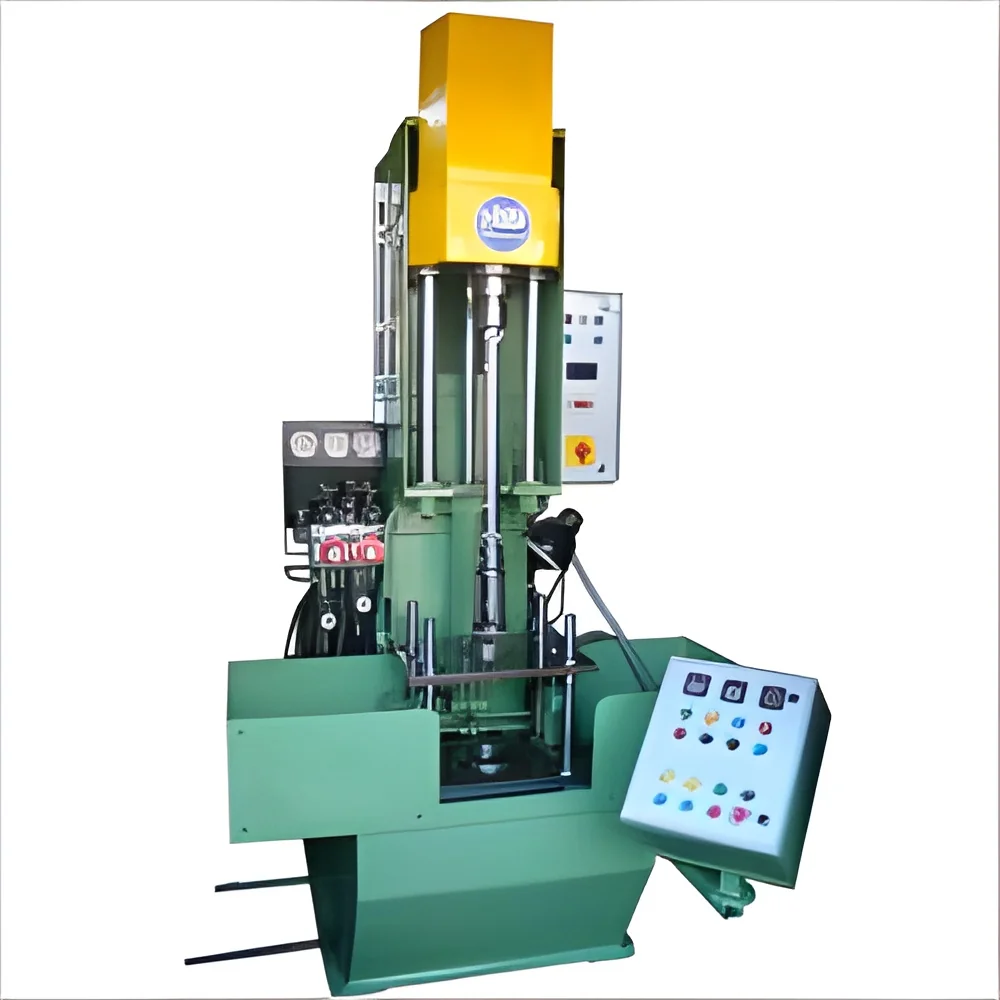
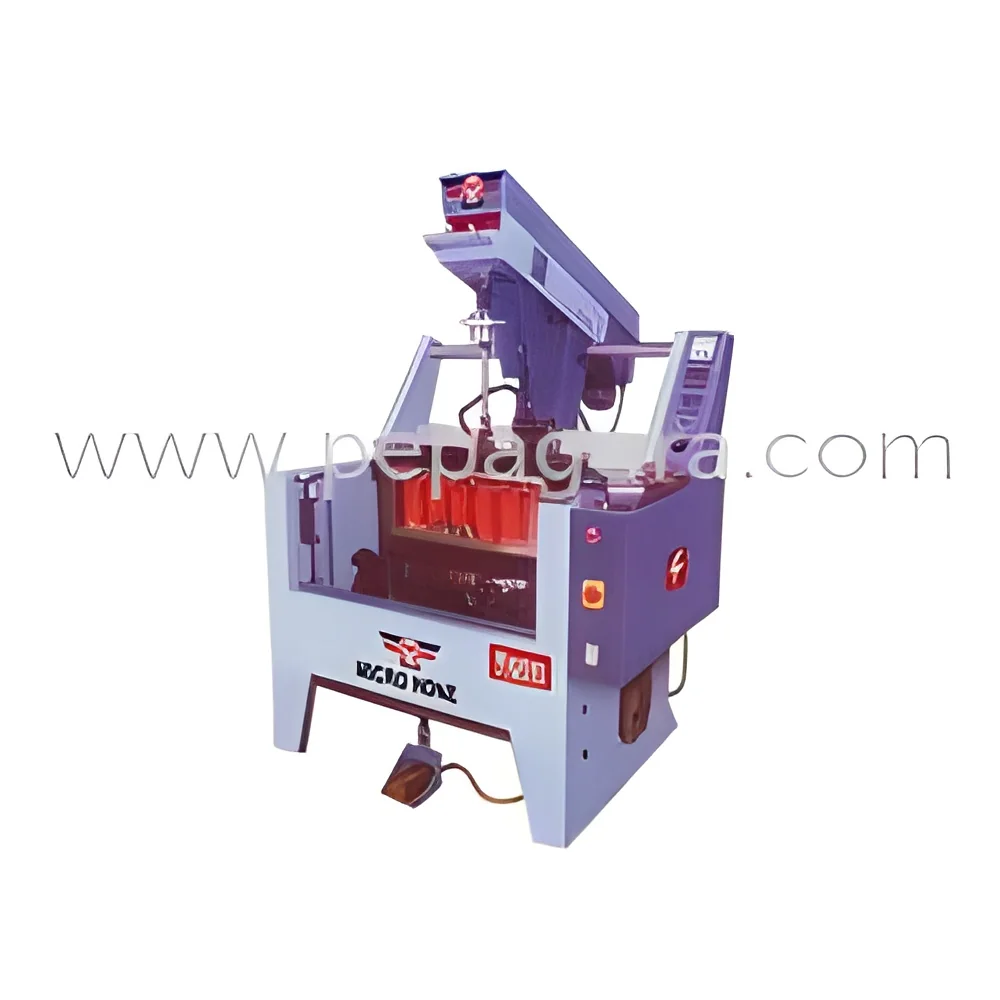
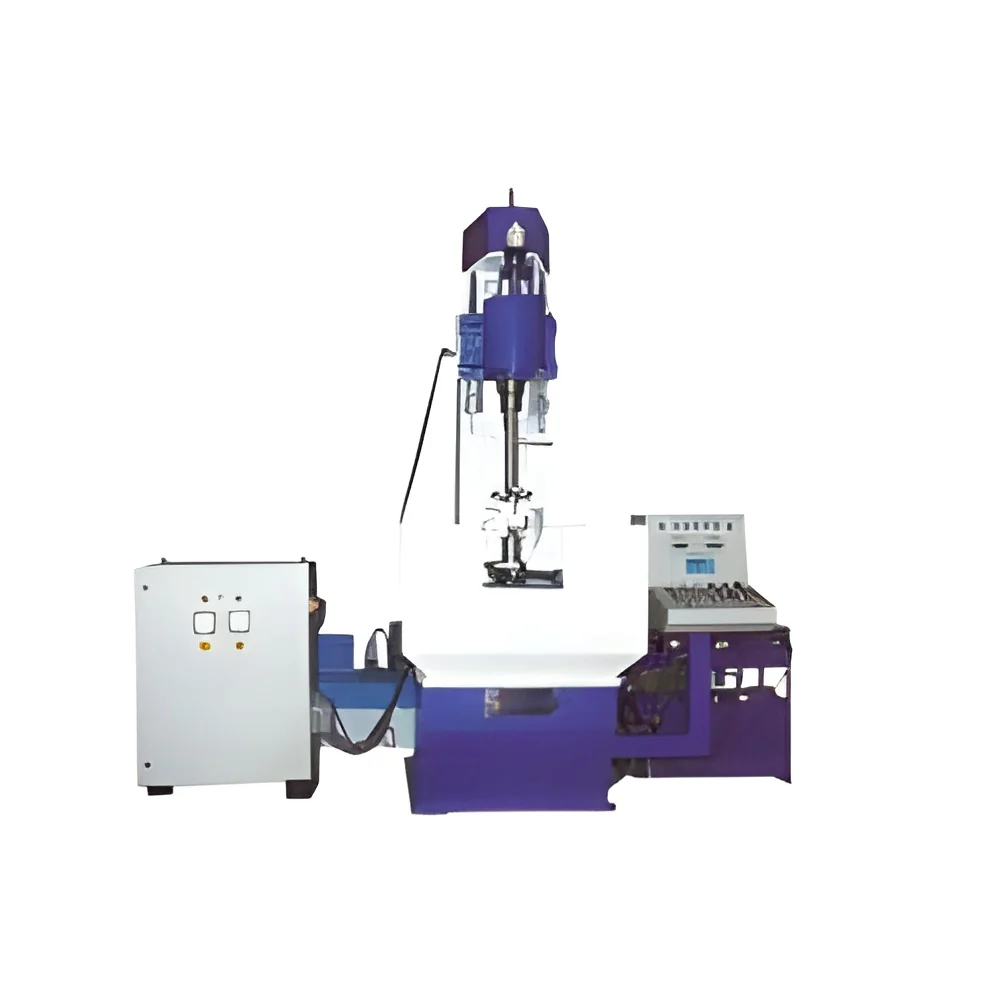
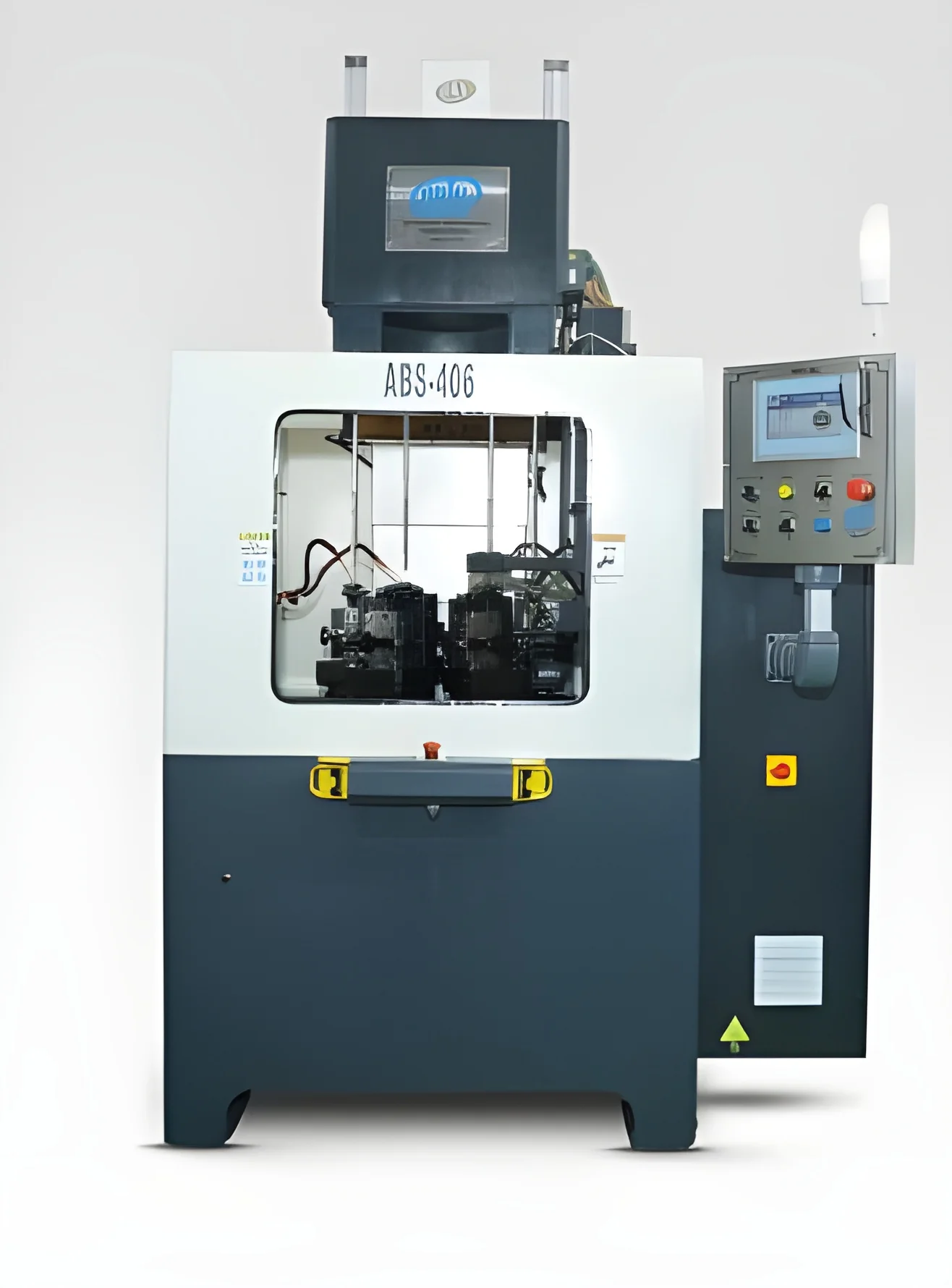
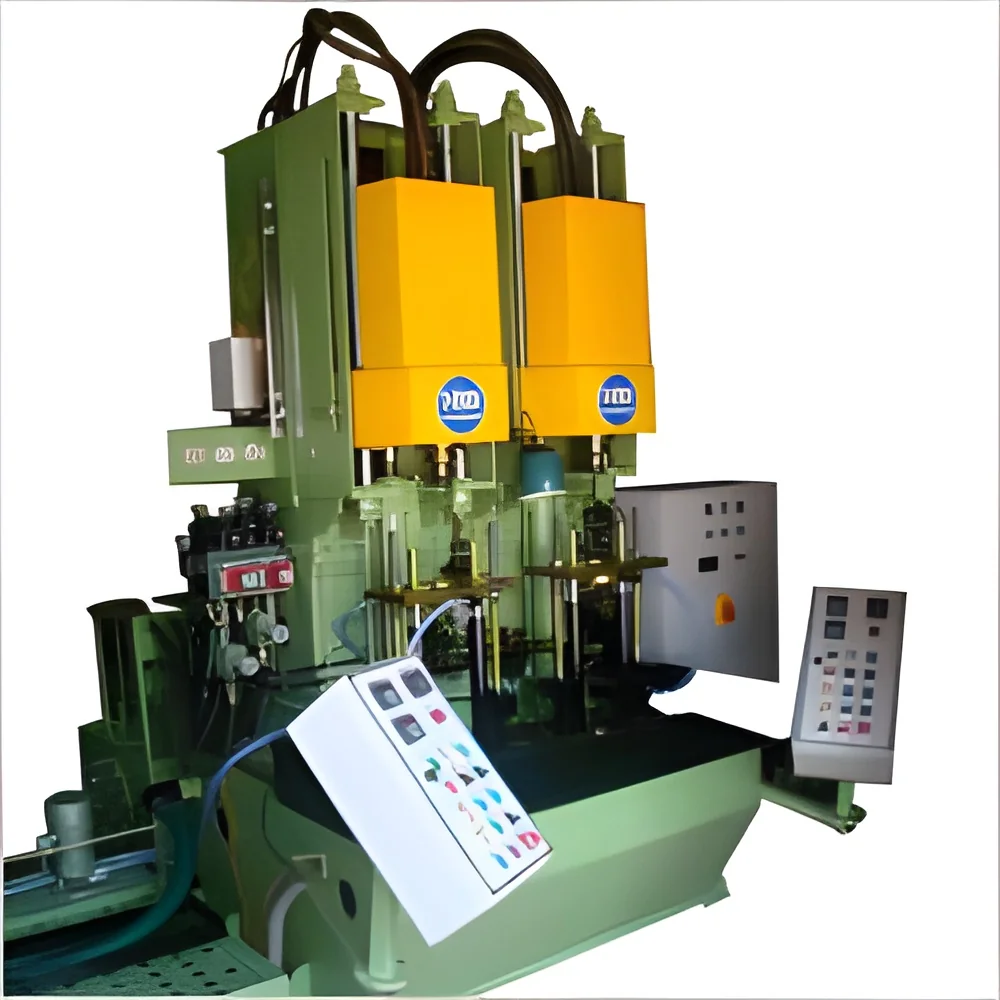
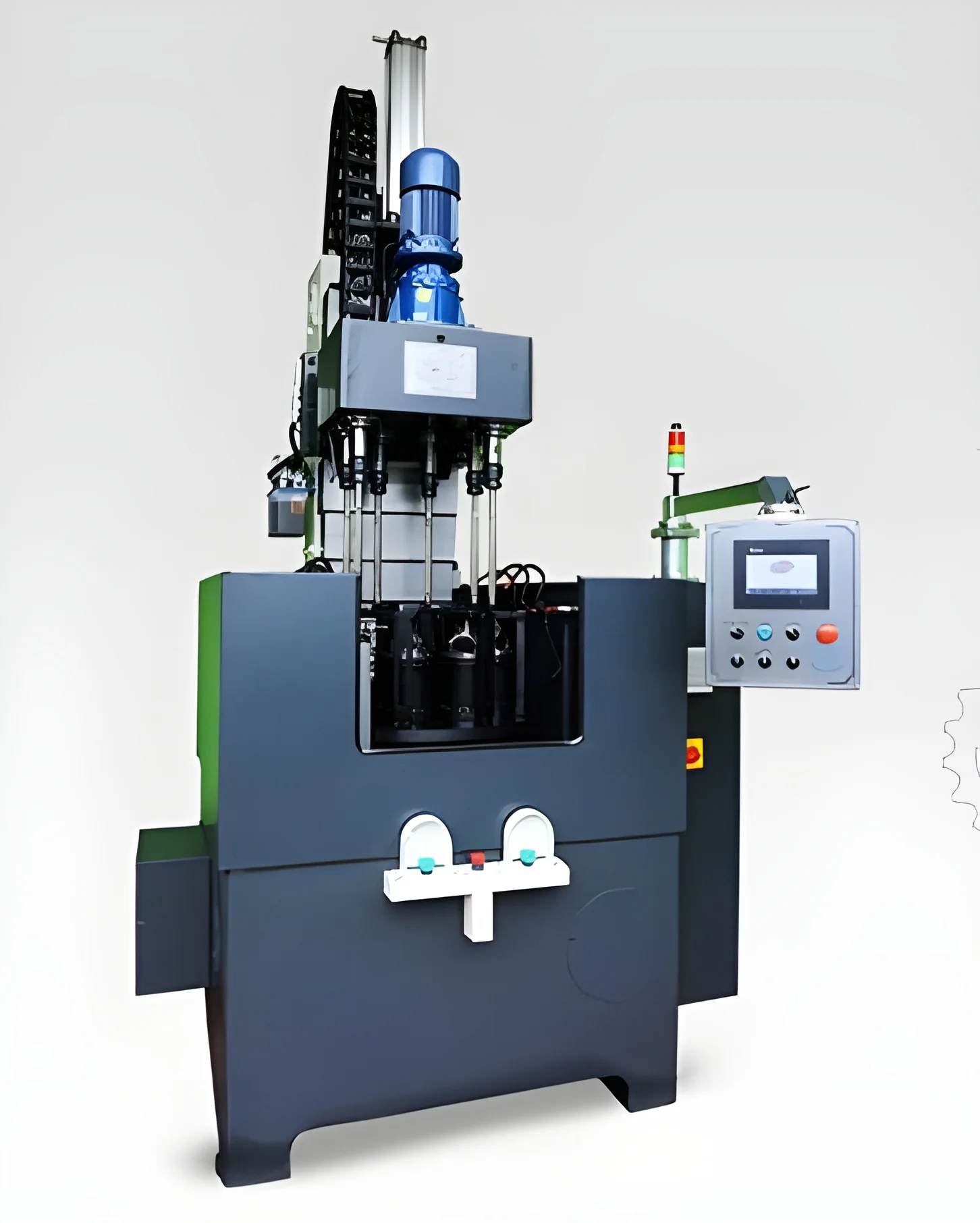
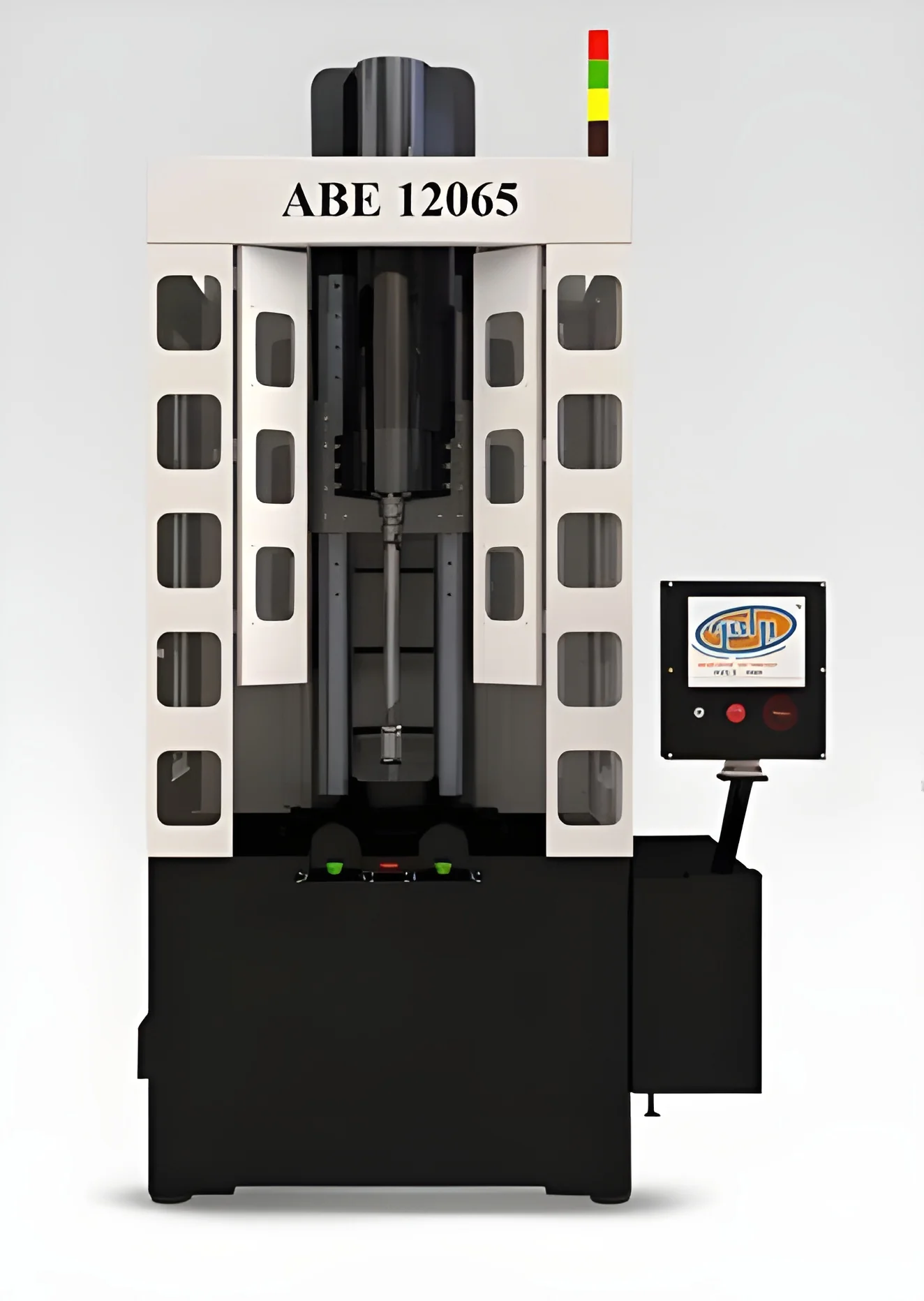
Honing machines are precision tools used to produce a high degree of accuracy in the dimensions and surface finish of cylindrical parts. They utilize a honing process that involves abrasive stones to remove material and achieve a precise finish. These machines can be either manually operated or controlled through Computer Numerical Control (CNC), allowing for versatile operations to meet various manufacturing needs.
These machines are primarily used in manufacturing sectors where precision is critical, such as automotive, aerospace, and machinery. They play a vital role in finishing processes, ensuring that components such as engine cylinders, hydraulic cylinders, and other critical parts meet specific dimensional and surface requirements. Their importance in maintaining quality standards in industrial production makes them an essential asset in various manufacturing environments.
In todayโs market, honing machines are in high demand due to the increasing need for precision-engineered components. Industries are continually seeking ways to improve their production processes, and investing in advanced honing technology is a significant step toward achieving higher efficiency and product quality.
๐๐ฒ๐ ๐๐ฒ๐ฎ๐๐๐ฟ๐ฒ๐ ๐ฎ๐ป๐ฑ ๐ฆ๐ฝ๐ฒ๐ฐ๐ถ๐ณ๐ถ๐ฐ๐ฎ๐๐ถ๐ผ๐ป๐
Honing machines, whether manual or CNC, come equipped with a variety of features designed to enhance precision and efficiency. These machines are engineered to meet specific technical needs, ensuring optimal performance in demanding environments.
Key specifications include:
1. Machine Type
- Manual or CNC operation
- Flexibility in operation and ease of use
2. Honing Diameter Range
- Various ranges to accommodate different part sizes
- Typically from a few millimeters to several inches
3. Stroke Length
- Adjustable stroke lengths for different applications
- Commonly ranges from 50 mm to 300 mm
4. Abrasive Stone Type
- Different materials available for specific applications
- Options include diamond, CBN, and conventional abrasives
5. Feed Rate
- Adjustable feed rates for various honing operations
- Ranges from 0.1 mm/rev to 5 mm/rev
6. Power Consumption
- Varying power requirements based on machine size and type
- Generally ranges from 1 kW to 15 kW
7. Control System
- Manual controls for basic models or advanced CNC systems
- Enhanced automation capabilities in CNC variants
8. Safety Features
- Emergency stop functions and safety guards
- Compliance with relevant safety standards
In summary, honing machines provide diverse features aimed at enhancing production efficiency and precision, making them suitable for various industrial applications.
๐๐ผ๐บ๐บ๐ผ๐ป ๐๐ฝ๐ฝ๐น๐ถ๐ฐ๐ฎ๐๐ถ๐ผ๐ป๐ ๐ฎ๐ป๐ฑ ๐จ๐๐ฒ ๐๐ฎ๐๐ฒ๐
Honing machines find applications across numerous industries due to their precision and versatility.
1. Automotive: In the automotive industry, honing machines are used for finishing engine cylinders, ensuring precise dimensions for optimal engine performance.
2. Aerospace: Aerospace components require high accuracy; honing machines help achieve the necessary tolerances in hydraulic cylinders and other critical parts.
3. Oil and Gas: In oil and gas applications, honing machines are essential for processing drill pipes and valves to meet stringent quality standards.
4. Manufacturing: General manufacturing utilizes honing machines for producing precision shafts and fittings, enhancing the overall product quality.
5. Medical: The medical sector employs honing machines for manufacturing components like surgical instruments, where precision is paramount.
6. Tooling: Tool and die makers use honing machines to refine the surfaces of molds and dies, ensuring high-quality finishes.
7. Hydraulics: In hydraulic systems, honing is crucial for achieving the required surface finish on cylinder bores to ensure proper sealing and function.
๐ฃ๐ฟ๐ผ๐ฑ๐๐ฐ๐ ๐ฉ๐ฎ๐ฟ๐ถ๐ฎ๐ป๐๐ ๐ฎ๐ป๐ฑ ๐ฆ๐๐ฏ๐ฐ๐ฎ๐๐ฒ๐ด๐ผ๐ฟ๐ถ๐ฒ๐
Honing machines come in various configurations to meet diverse production needs.
Manual Honing Machines
These machines offer operators direct control over the honing process. They are often used in smaller workshops for low-volume production. Their simplicity makes them ideal for basic honing tasks.
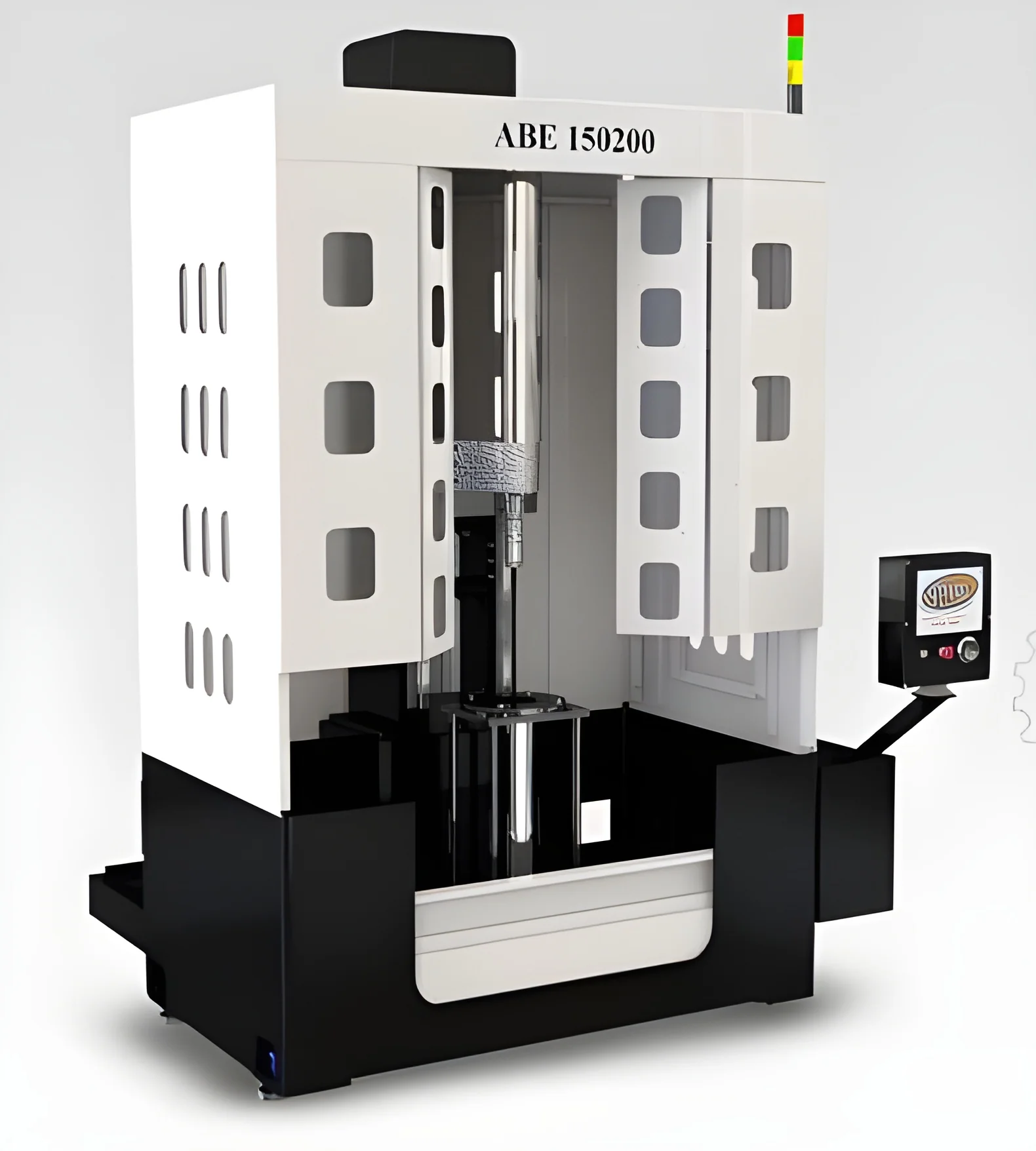
CNC Honing Machines
CNC variants provide automated operations, increasing efficiency and precision. They are suitable for high-volume production and complex part geometries, allowing for consistent results with minimal manual intervention.
๐๐ฒ๐ป๐ฒ๐ณ๐ถ๐๐ ๐ฎ๐ป๐ฑ ๐๐ฑ๐๐ฎ๐ป๐๐ฎ๐ด๐ฒ๐
Honing machines offer several key benefits that enhance their value in industrial settings.
1. Precision Finishing: They achieve superior surface finishes and tight tolerances, which are critical for high-performance components.
2. Versatility: Both manual and CNC models can cater to various honing applications, making them adaptable to different manufacturing environments.
3. Increased Production Efficiency: CNC honing machines automate processes, allowing for faster production rates and reduced labor costs.
4. Improved Tool Life: The honing process can extend the lifespan of tools and components due to the enhanced surface finish achieved.
5. Reduced Material Waste: The precise removal of material minimizes waste, contributing to more sustainable manufacturing practices.
6. Enhanced Quality Control: The ability to maintain strict tolerances improves overall product quality, which is vital in competitive markets.
๐๐๐๐ถ๐ป๐ด ๐๐๐ถ๐ฑ๐ฒ ๐ณ๐ผ๐ฟ ๐๐ฎ๐ ๐๐๐๐ฒ๐ฟ๐
When sourcing honing machines, whether manual or CNC, several factors should be taken into account to ensure an informed purchase.
1. Quality Assessment: Evaluate the machineโs build quality and precision capabilities. Consider machines that comply with recognized quality standards.
2. Supplier Verification: Vet suppliers to ensure they have a solid reputation and provide reliable products. Look for reviews and performance track records.
3. Pricing and MOQ: Understand the cost of machines and any minimum order quantity requirements. Compare prices across different suppliers to find the best deal.
4. Delivery and Lead Times: Assess the logistics involved in machine delivery. Ensure that suppliers can meet your production schedules with timely deliveries.
5. Compliance Requirements: Check for compliance with relevant industry standards and regulations, ensuring that the machines meet safety and operational guidelines.
๐๐ผ๐บ๐ฝ๐น๐ถ๐ฎ๐ป๐ฐ๐ฒ ๐ฎ๐ป๐ฑ ๐๐ฒ๐ฟ๐๐ถ๐ณ๐ถ๐ฐ๐ฎ๐๐ถ๐ผ๐ป๐
Compliance and certifications are critical in the honing machine industry. Honing machines should adhere to relevant quality standards such as ISO 9001, which ensures consistent quality management systems. Compliance with industry certifications like CE indicates that the machines meet European safety and health requirements.
Safety and testing requirements are paramount in honing machine operations. Manufacturers must ensure that machines are tested for reliability and safety during use. Additionally, regional compliance considerations may vary, necessitating an understanding of local regulations and standards for machinery.
Why Source Honing Machines (Manual, CNC) from Pepagora?
Pepagora offers a trusted platform for sourcing honing machines with several key advantages.
Verified Supplier Network: All suppliers on Pepagora are thoroughly vetted to ensure they meet high standards of quality and reliability. This gives buyers confidence in their sourcing decisions.
Streamlined RFQ Process: The quotation system is designed to simplify the purchasing process. Buyers can easily request quotes from multiple suppliers, ensuring competitive pricing.
Trade Assurance and Support: Pepagora provides buyers with protection through trade assurance programs, offering security in transactions and support throughout the purchasing process.
Regional Coverage: With a strong presence in India, the GCC, and Southeast Asia, Pepagora facilitates a wide range of sourcing options for businesses looking to acquire honing machines tailored to their specific needs.