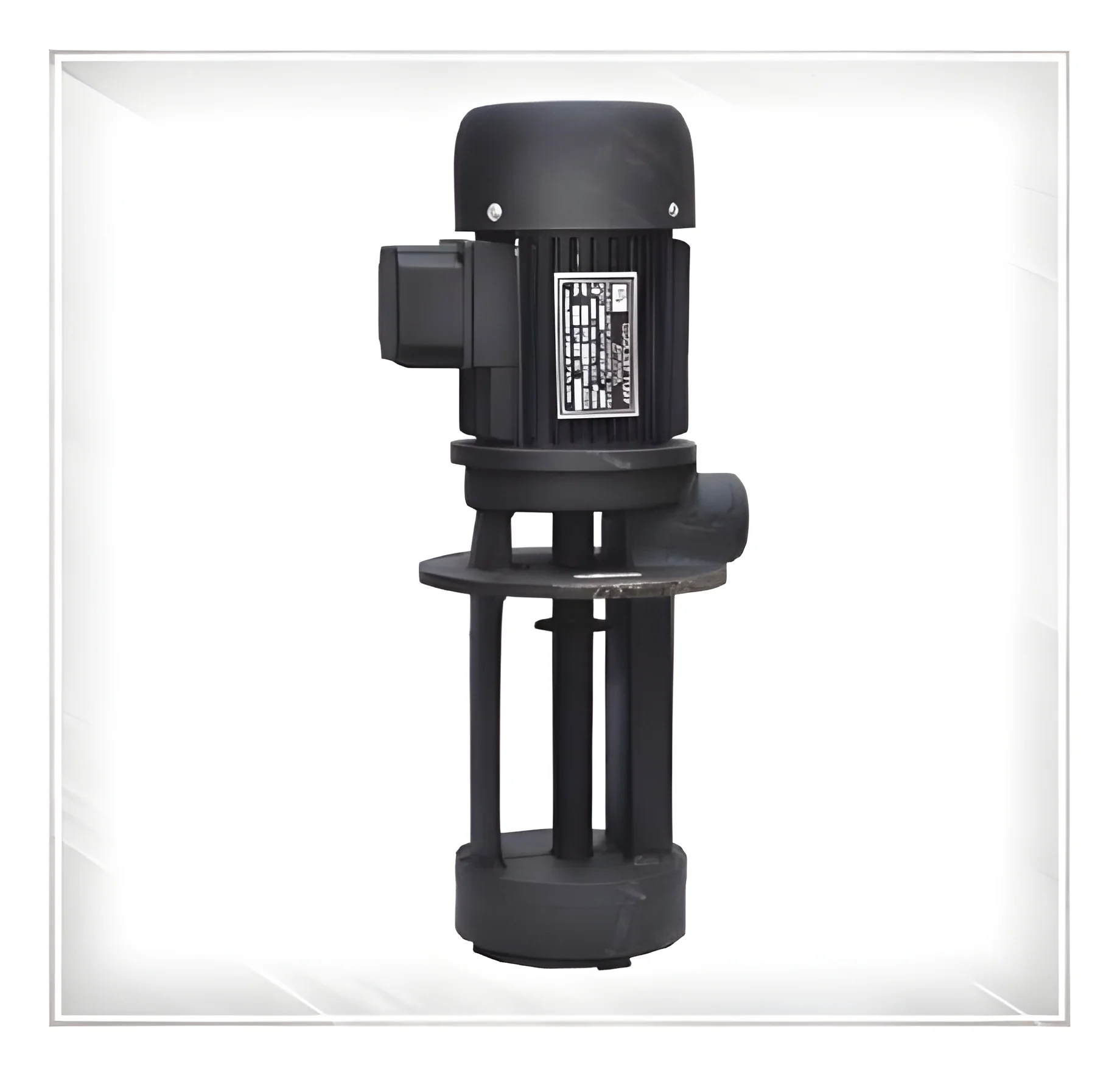
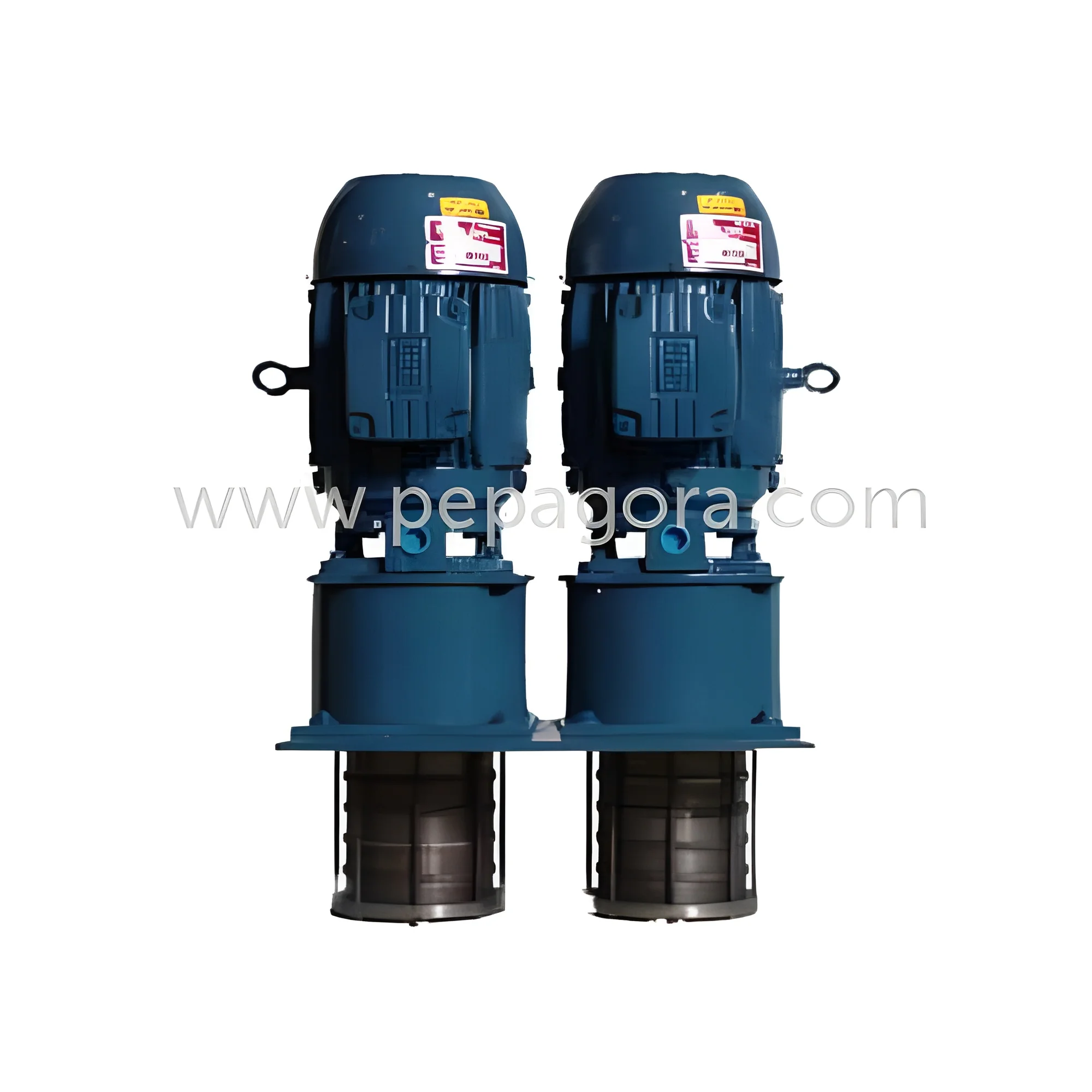
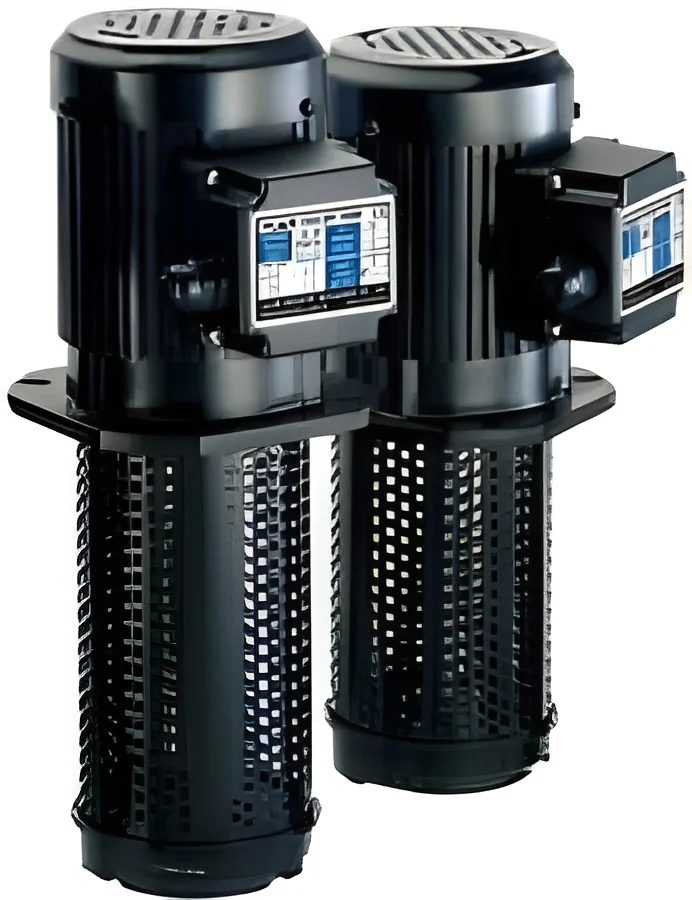
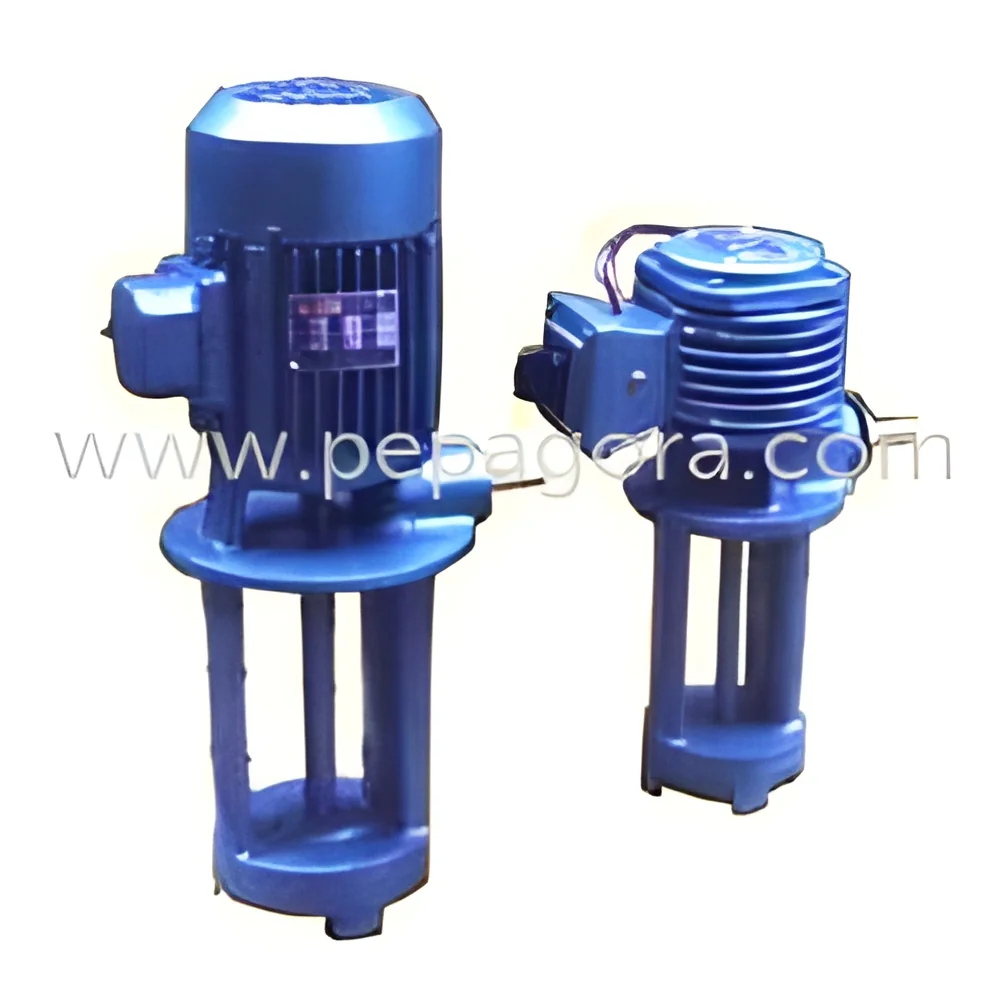
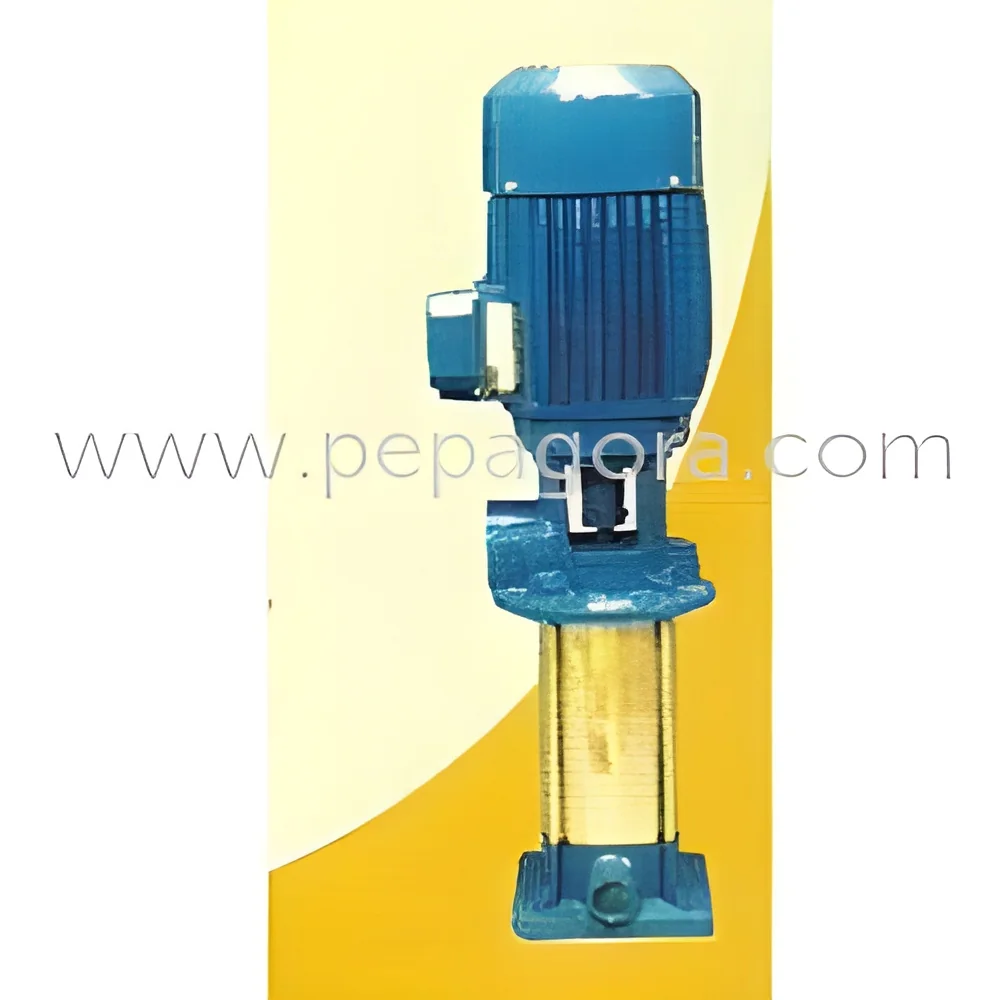
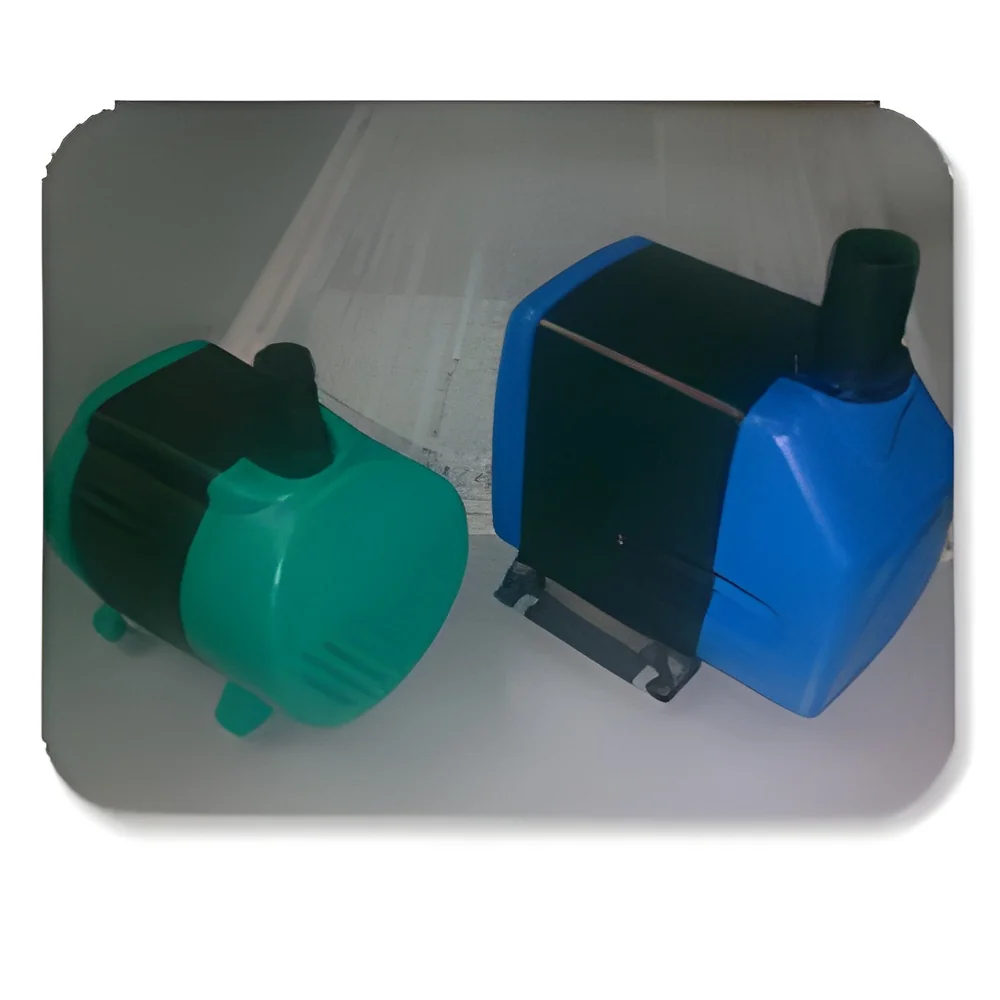
What are Coolant Pumps?
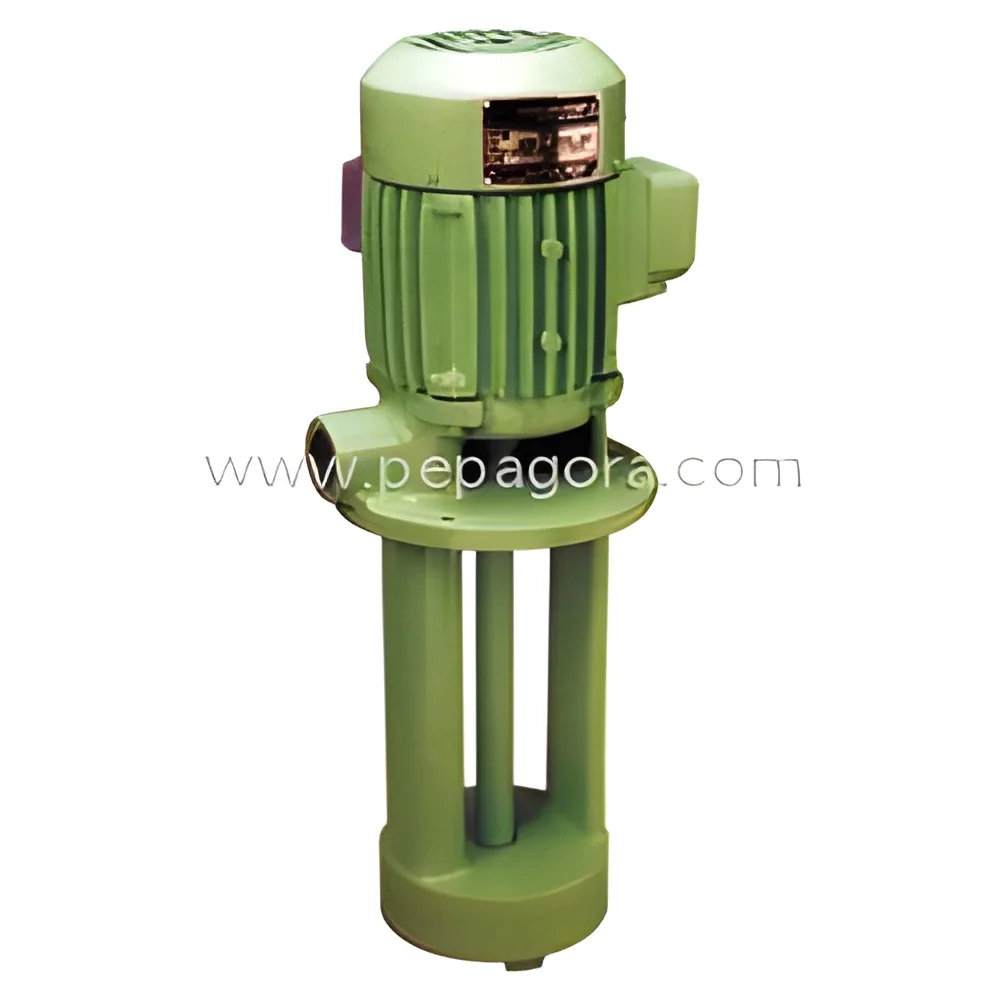
Coolant pumps are essential components in various industrial applications, designed to circulate coolant fluid throughout machinery and equipment. These pumps maintain optimal operating temperatures by ensuring that heat generated during processes is effectively dissipated. Coolant pumps are crucial for preventing overheating, which can lead to equipment failure and costly downtime. They vary in design and function, catering to different operational requirements across industries.
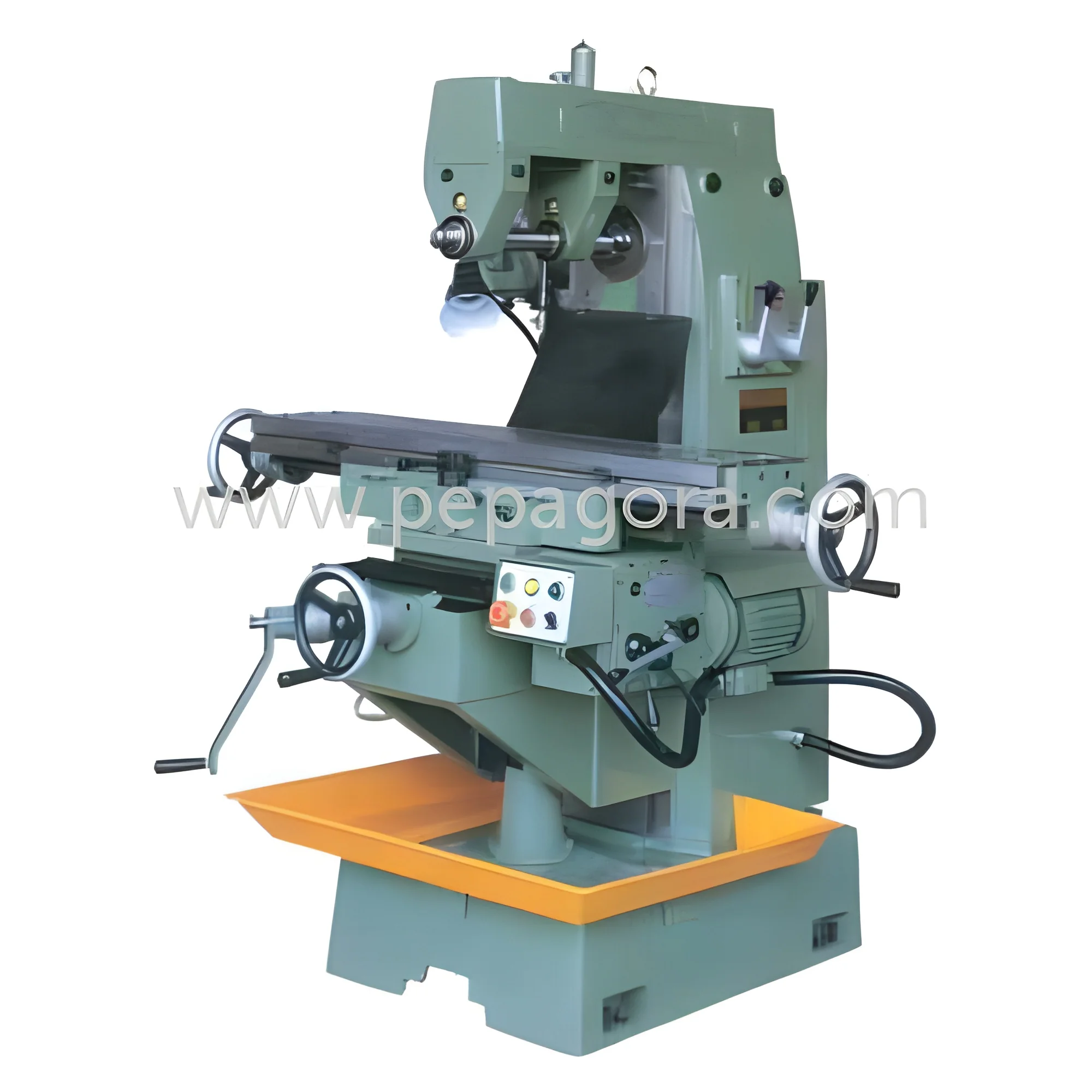
These pumps are primarily used in sectors such as manufacturing, automotive, and HVAC, where they support processes that involve high heat generation. In manufacturing, coolant pumps are vital in machining operations like milling and turning where metal cutting occurs. In the automotive industry, they facilitate engine cooling, while in HVAC systems, they manage the circulation of refrigerant or water to maintain comfortable temperatures. The relevance of coolant pumps in these industries underscores their importance in enhancing efficiency, safety, and productivity.
Key Features and Specifications
Coolant pumps are characterized by several key features that define their performance and suitability for various applications. Understanding these specifications can help businesses select the right pump for their needs.
Key specifications include:
1. Flow Rate
- The volume of coolant the pump can circulate, usually measured in liters per minute (L/min) or gallons per minute (GPM).
2. Head Pressure
- The maximum height the pump can lift coolant, typically expressed in meters or feet, indicating its ability to overcome resistance in the system.
3. Power Consumption
- The electrical power required to operate the pump, measured in watts (W) or horsepower (HP), influencing operational costs.
4. Temperature Range
- The operational temperature limits of the coolant fluid, ensuring compatibility with specific applications.
5. Material Construction
- Common materials include stainless steel and thermoplastics, affecting durability and resistance to corrosive fluids.
6. Mounting Options
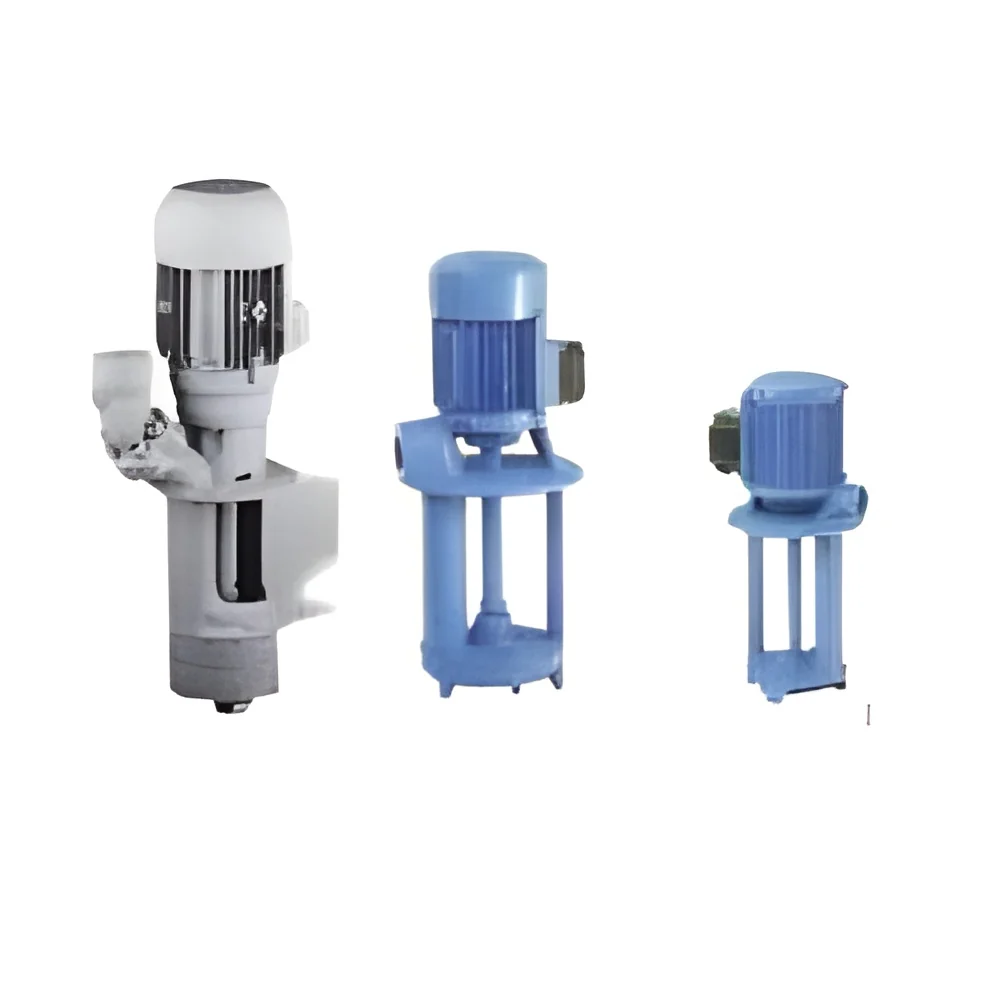
- Various configurations for installation, such as horizontal or vertical mounts, providing flexibility based on space constraints.
7. Noise Level
- The sound produced by the pump during operation, important for applications where noise reduction is necessary.
8. Maintenance Requirements
- Frequency and type of maintenance needed to ensure optimal performance and longevity.
These specifications help buyers assess the suitability of coolant pumps for their specific industrial applications.
Common Applications and Use Cases
Coolant pumps find applications across a range of industries, each requiring reliable temperature control and fluid circulation.
1. Manufacturing: In machining processes, coolant pumps are crucial for circulating coolant to lubricate cutting tools and dissipate heat, enhancing tool life and product quality.
2. Automotive: These pumps are integral to engine cooling systems, regulating coolant flow to prevent overheating and ensure efficient engine performance.
3. HVAC: In heating and cooling systems, coolant pumps circulate refrigerant or water to maintain desired indoor temperatures, contributing to energy efficiency.
4. Metalworking: In processes like grinding and polishing, coolant pumps provide necessary lubrication and cooling to prevent damage to workpieces.
5. Chemical Processing: Coolant pumps help manage temperatures in reactors and distillation columns, ensuring safe and efficient operations.
6. Power Generation: In power plants, coolant pumps are used to circulate cooling water in condensers, facilitating efficient heat exchange.
7. Food and Beverage: These pumps are employed in processes that require temperature control for product safety and quality.
Product Variants and Subcategories
Coolant pumps come in a variety of designs to meet diverse industrial needs. Each variant offers unique features suited for specific applications.
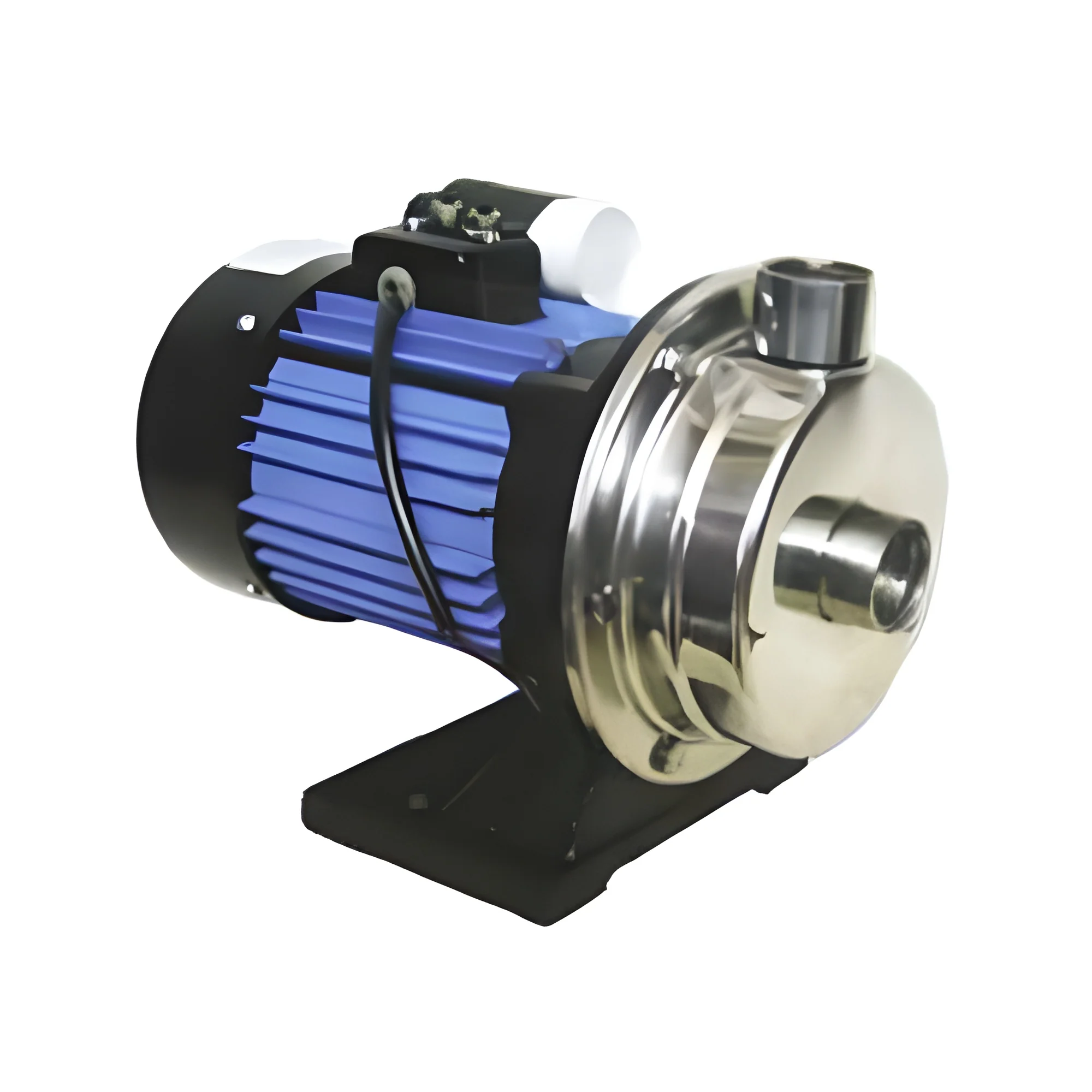
Centrifugal Coolant Pumps
Centrifugal pumps utilize a rotating impeller to increase the velocity of coolant, making them ideal for high flow rate applications. They are commonly used in metalworking and automotive industries for efficient heat removal.
Positive Displacement Coolant Pumps
These pumps operate by trapping a fixed volume of fluid and displacing it, making them suitable for applications requiring consistent flow rates. They are often used in chemical processing and hydraulic systems.
Submersible Coolant Pumps
Designed to operate while submerged in the coolant fluid, these pumps are excellent for applications with limited space or where traditional mounting is challenging. They are commonly used in automotive coolant systems.
Benefits and Advantages
Investing in coolant pumps offers several distinct advantages for businesses.
1. Enhanced Equipment Longevity: By maintaining optimal temperatures, coolant pumps help prevent overheating, reducing wear and tear on machinery.
2. Improved Efficiency: These pumps ensure effective fluid circulation, which optimizes processes and enhances overall operational efficiency.
3. Cost Savings: Reducing equipment failures and downtime translates to lower maintenance costs and increased productivity.
4. Versatility: Coolant pumps are suitable for a wide range of industrial applications, making them a flexible solution for various cooling needs.
5. Energy Efficiency: Modern coolant pumps are designed to consume less energy, contributing to lower operational costs and a reduced environmental footprint.
6. Customization Options: Many coolant pumps can be tailored to meet specific operational requirements, providing businesses with the exact performance they need.
Buying Guide for B2B Buyers
When sourcing coolant pumps, several factors should be considered to ensure the right selection for your business needs.
1. Quality Assessment: Evaluate the quality of the pumps by looking for certifications and industry standards that ensure reliability and performance.
2. Supplier Verification: Vet suppliers by checking their reputation, customer reviews, and their experience in providing coolant pumps to similar industries.
3. Pricing and MOQ: Understand the pricing structures and minimum order quantities (MOQ) offered by suppliers to align with your budget and procurement needs.
4. Delivery and Lead Times: Consider the logistics involved in sourcing the pumps, including delivery times and shipping options to ensure timely availability.
5. Compliance Requirements: Ensure that the coolant pumps meet necessary regulatory standards for safety and environmental compliance relevant to your industry.
Compliance and Certifications
Coolant pumps are subject to various quality standards and certifications that ensure their safety and reliability in industrial applications. Compliance with ISO 9001 represents a commitment to quality management systems, ensuring that products consistently meet customer and regulatory requirements. Additionally, certifications such as CE indicate that the pumps meet European safety, health, and environmental protection standards.
In many regions, specific safety and testing requirements apply to coolant pumps. Manufacturers must adhere to these regulations to ensure that their products are safe for use in industrial environments. Regional compliance considerations may also include local environmental regulations that govern the operation and disposal of coolant fluids.
Why Source Coolant Pumps from Pepagora?
Pepagora provides a trusted platform for sourcing coolant pumps, offering businesses several key advantages. With a verified supplier network, Pepagora ensures that buyers have access to reputable manufacturers who meet industry standards for quality and reliability. This helps mitigate risks associated with sourcing industrial equipment.
The platform also features a streamlined RFQ process, simplifying the quotation system for buyers. This allows businesses to quickly receive competitive pricing and detailed specifications, making it easier to make informed purchasing decisions.
Trade assurance and support are additional benefits of sourcing through Pepagora. Buyers can feel confident knowing they have protection throughout the procurement process, ensuring that their investments are secure.
Moreover, Pepagora offers regional coverage across India, the GCC, and Southeast Asia, making it accessible for businesses looking to source coolant pumps in these markets. This geographic reach allows for timely delivery and service, enhancing the overall purchasing experience.

 IN
IN