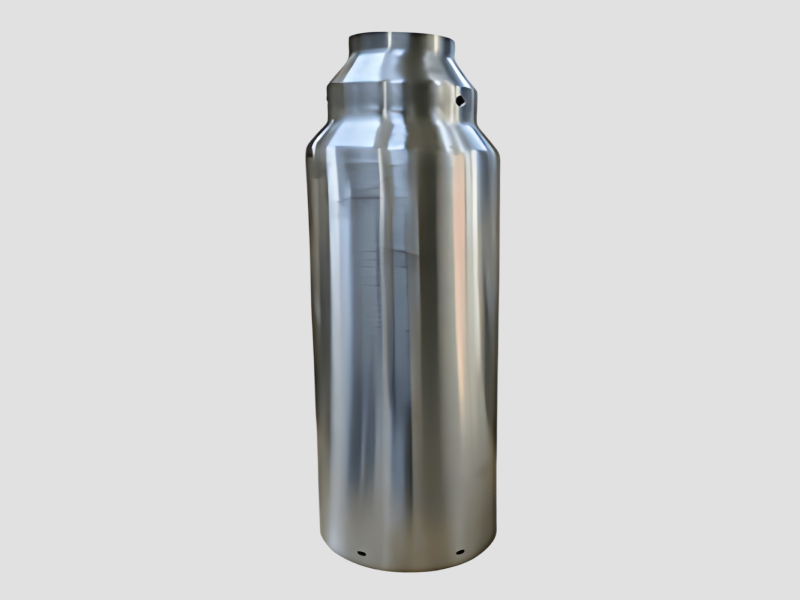
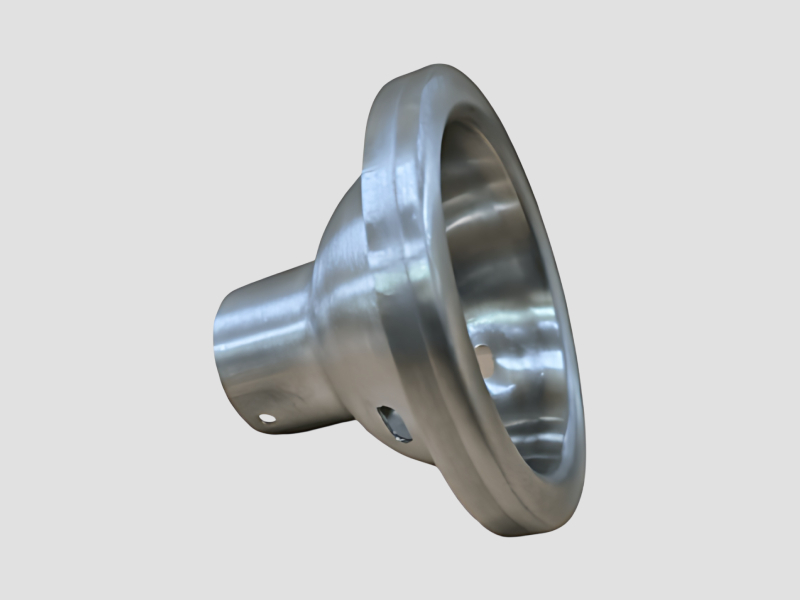
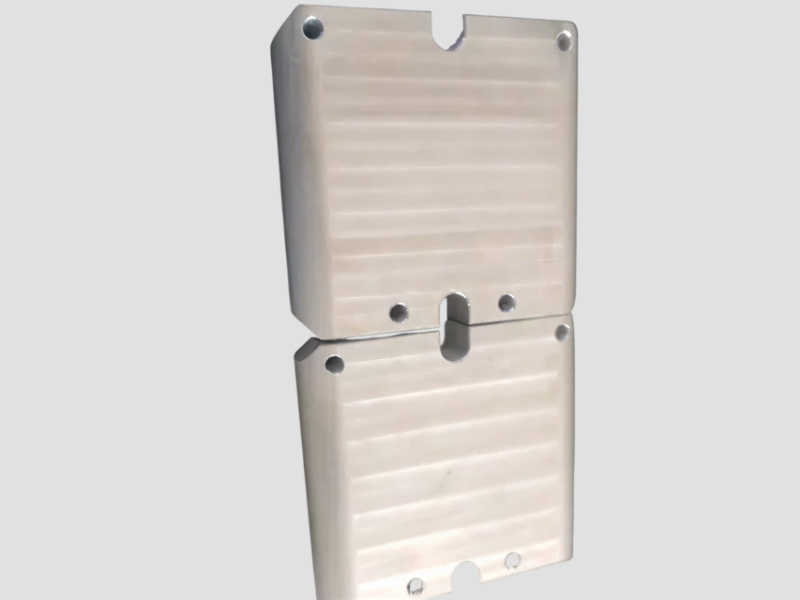
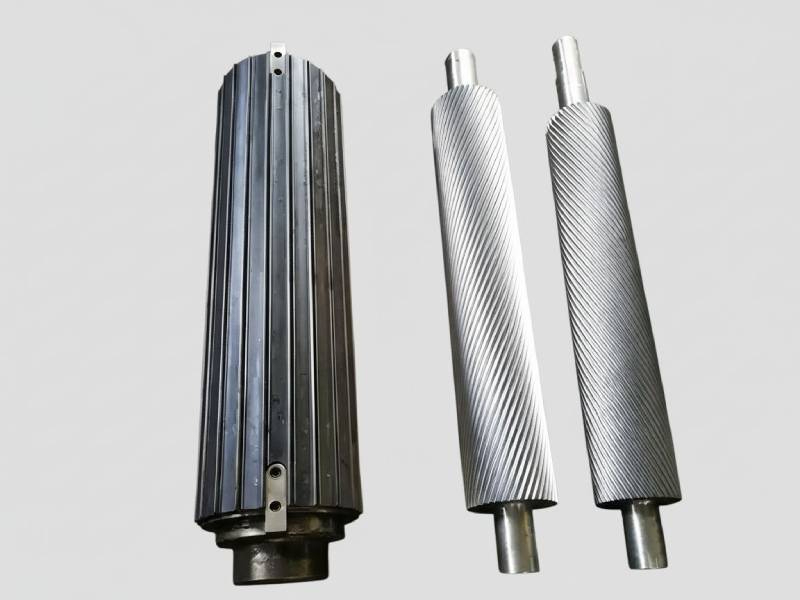
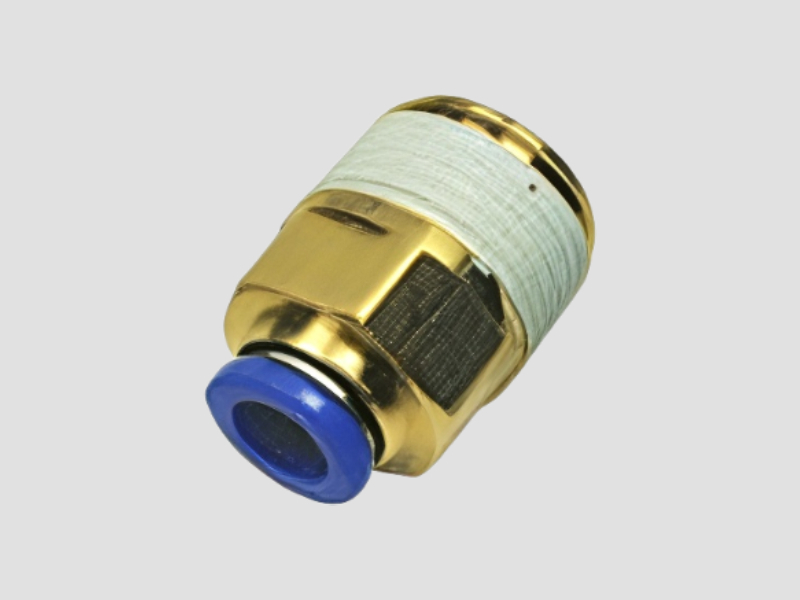
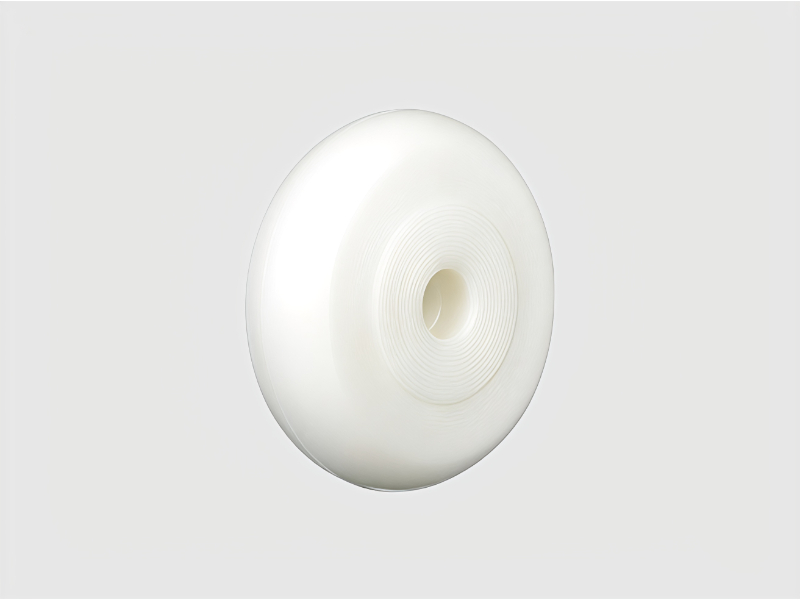
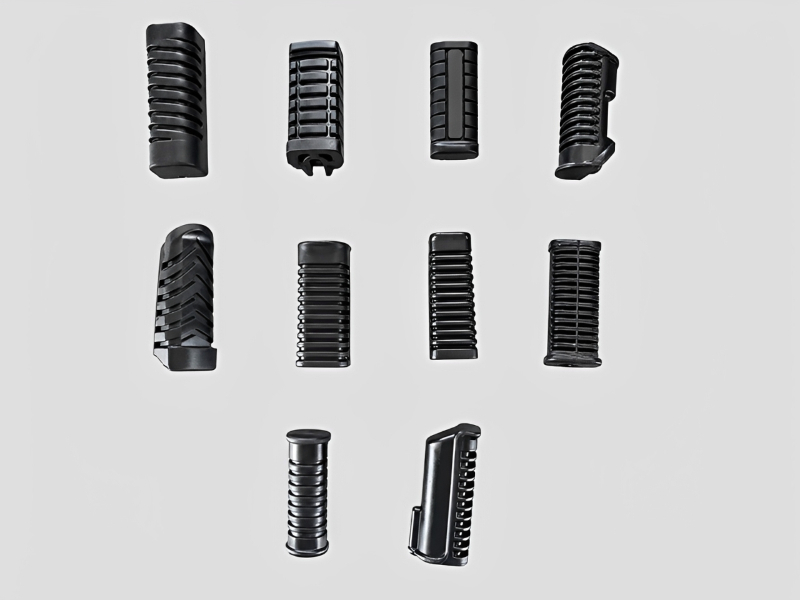
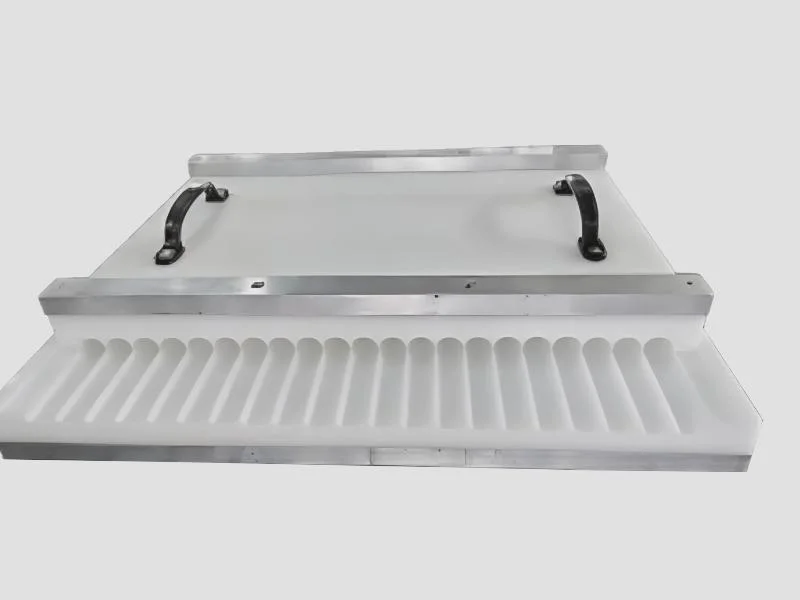
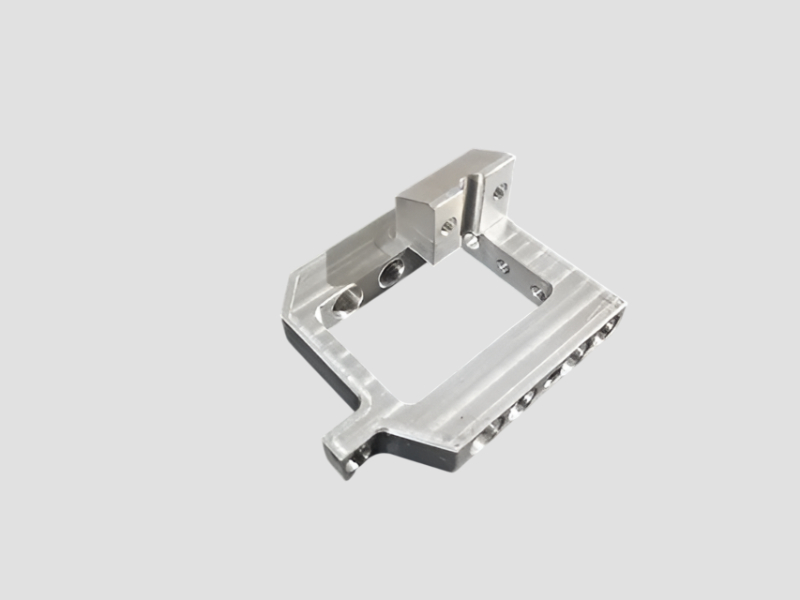
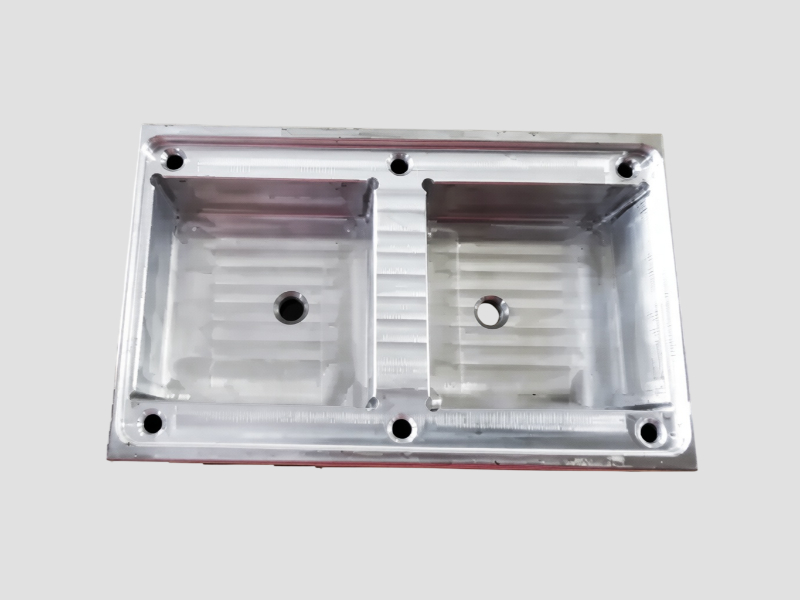
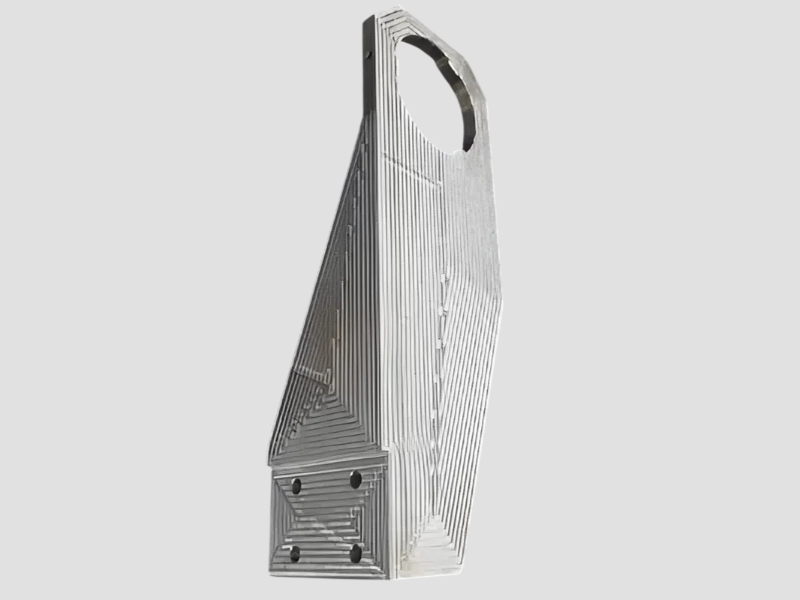
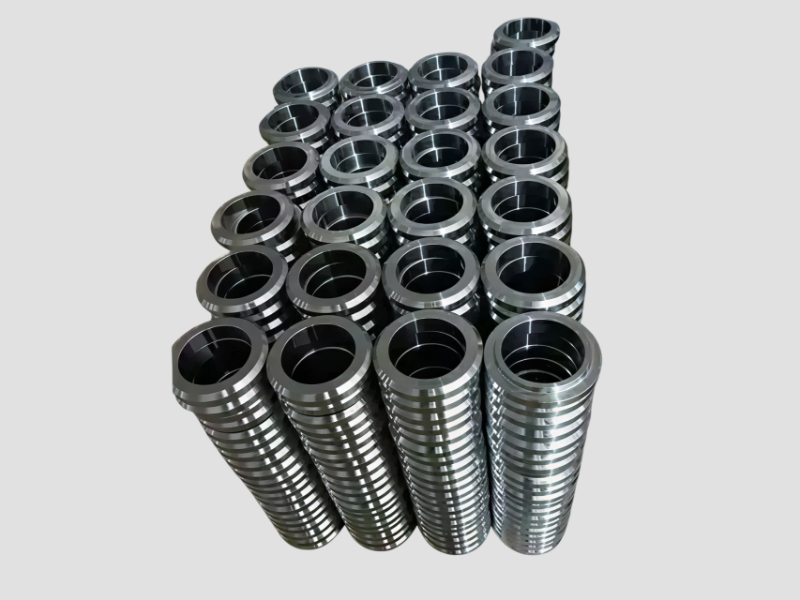
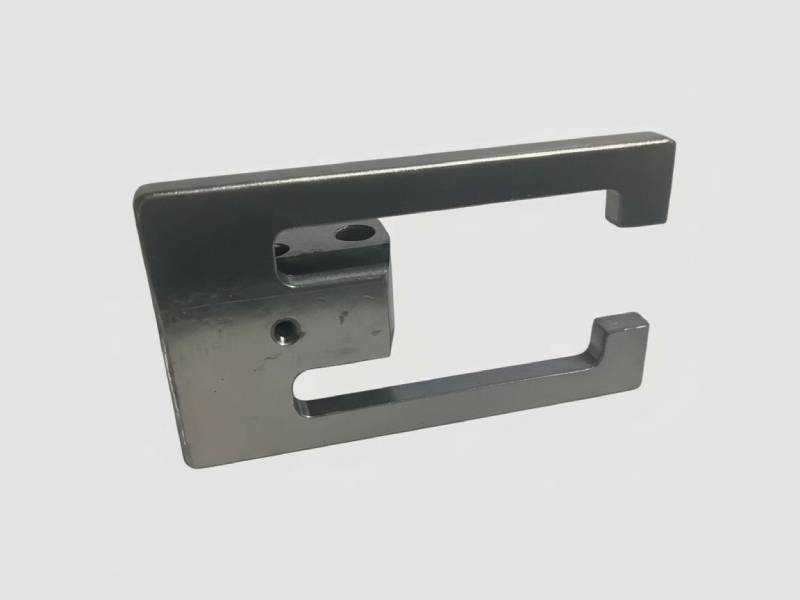
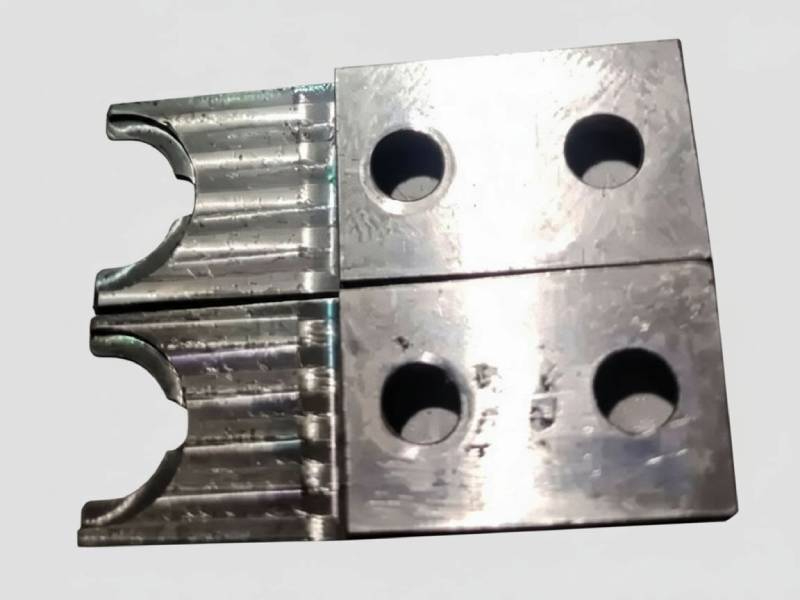
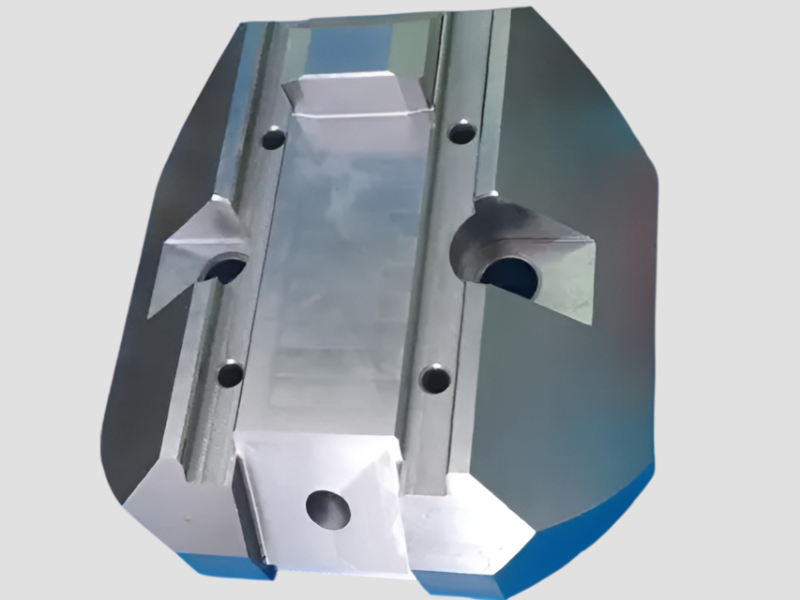
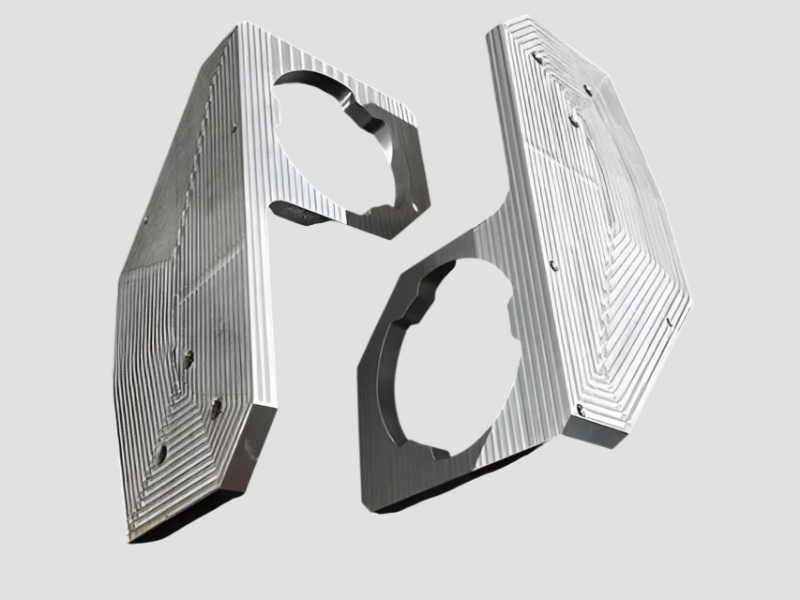
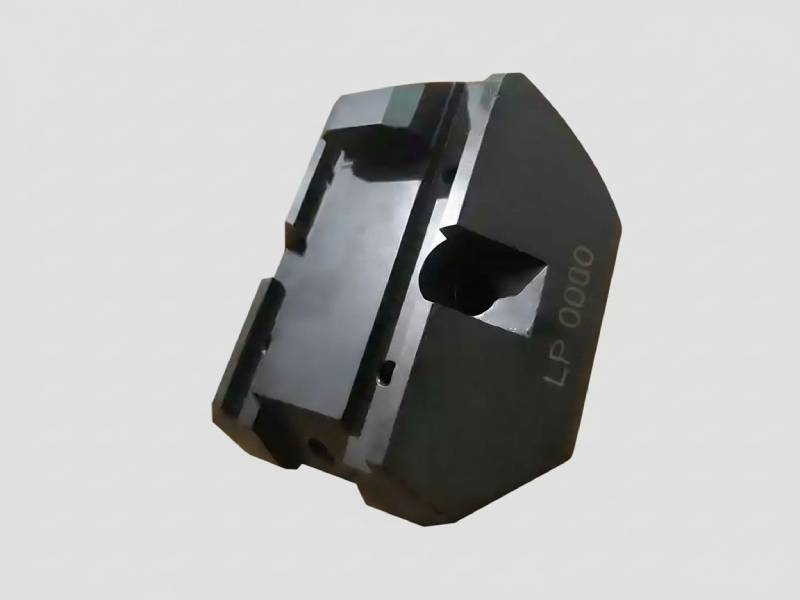
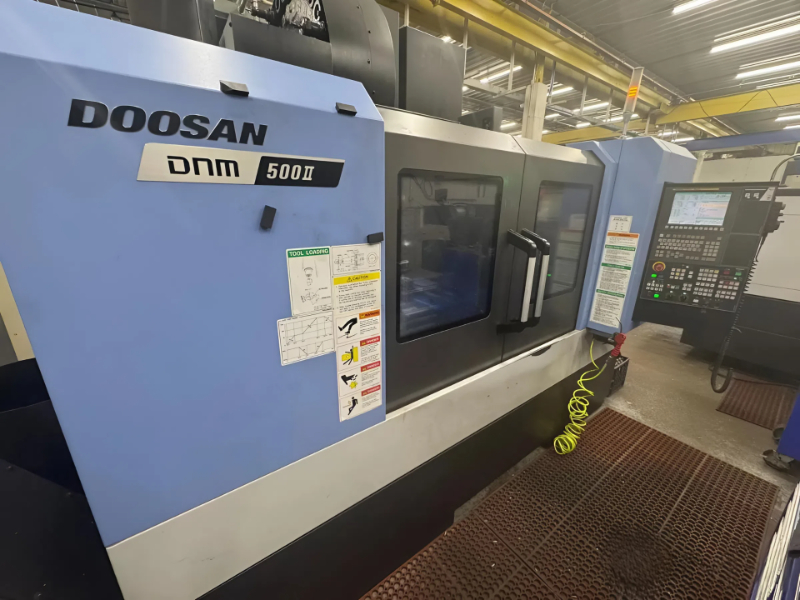
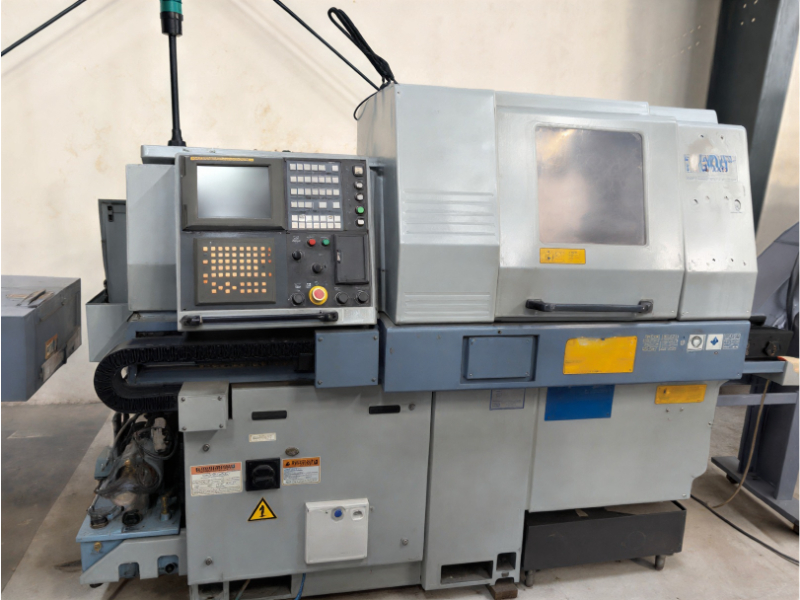
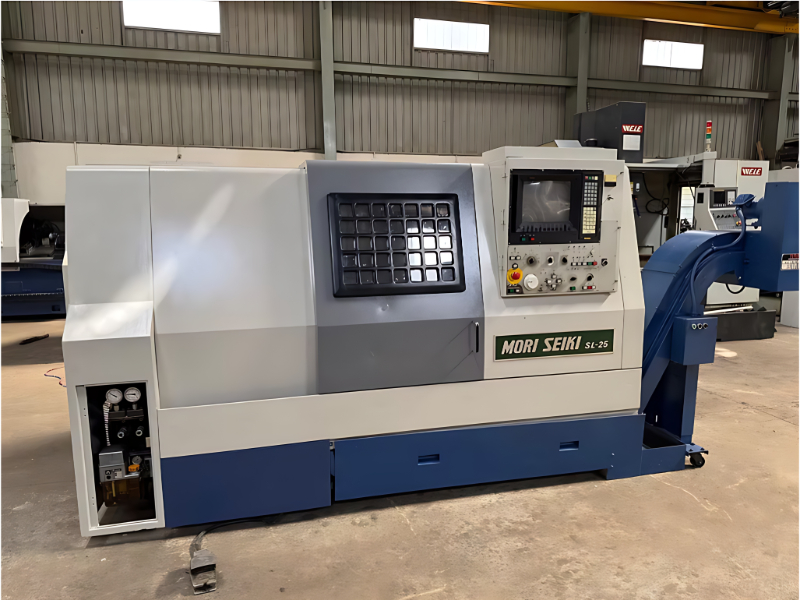
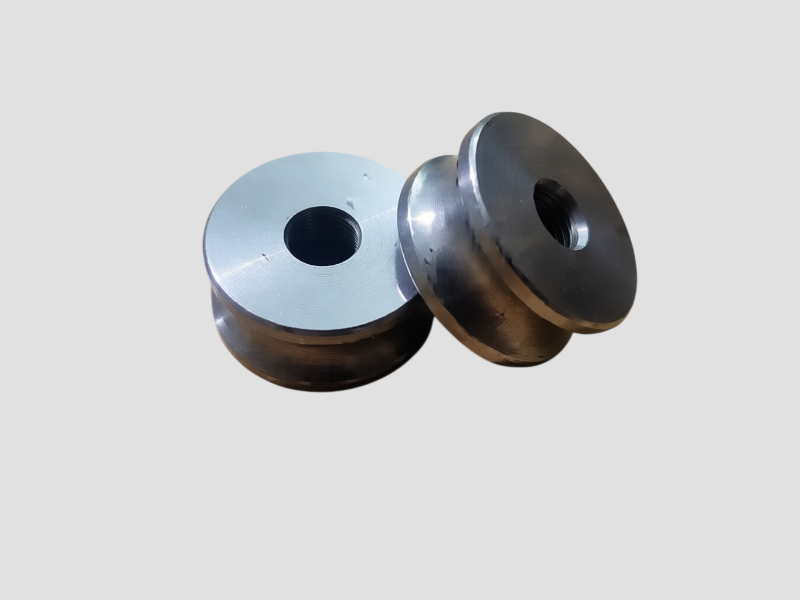
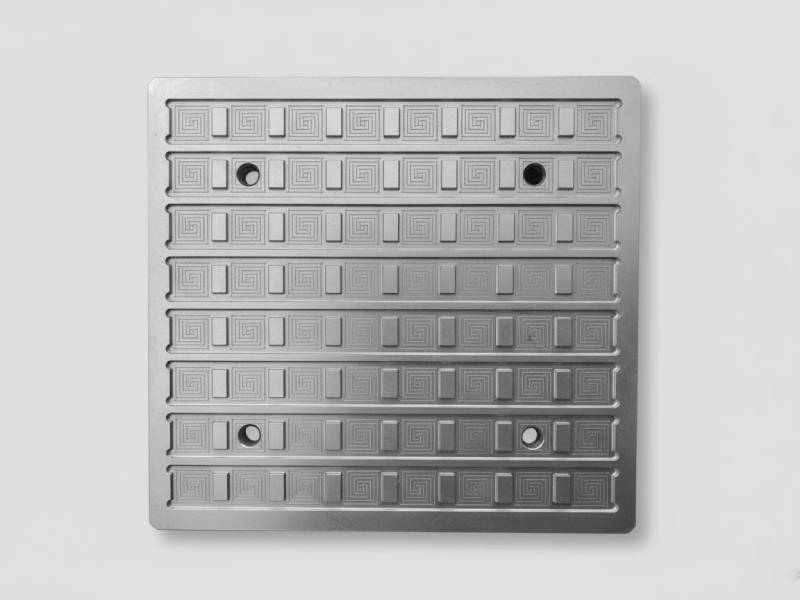
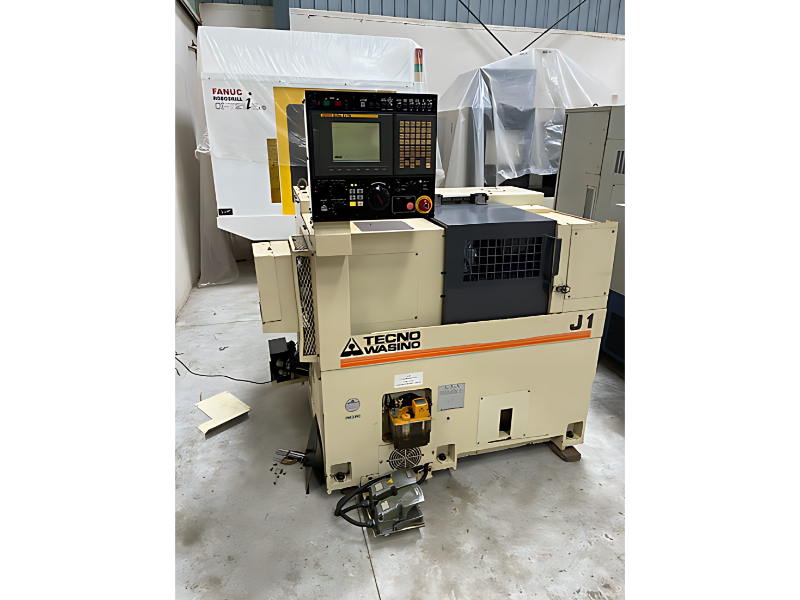
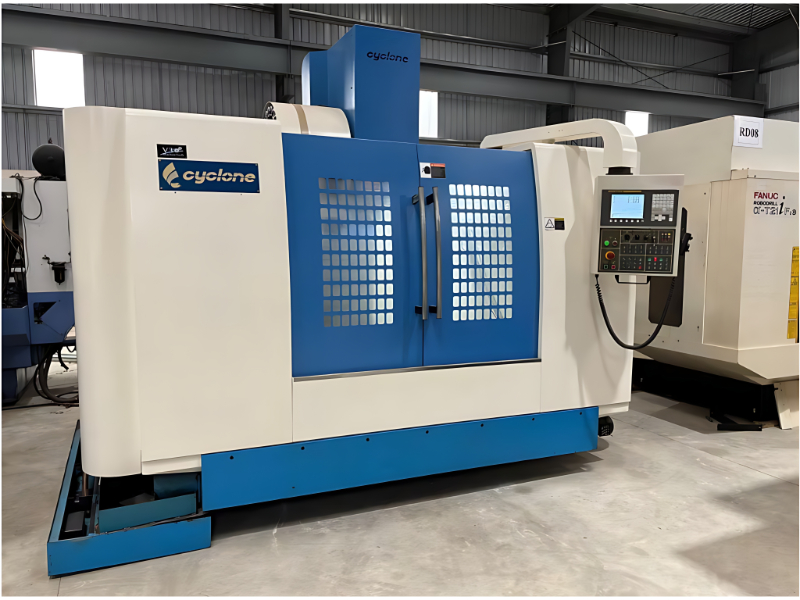
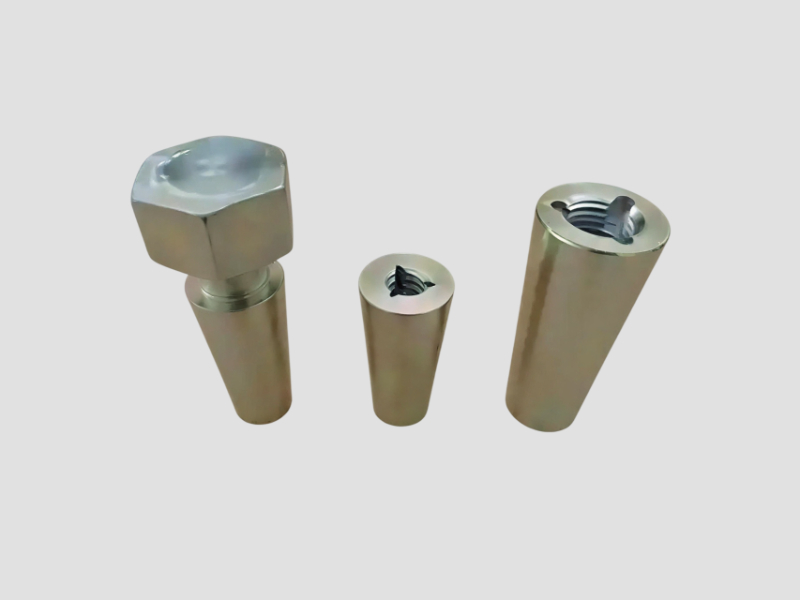
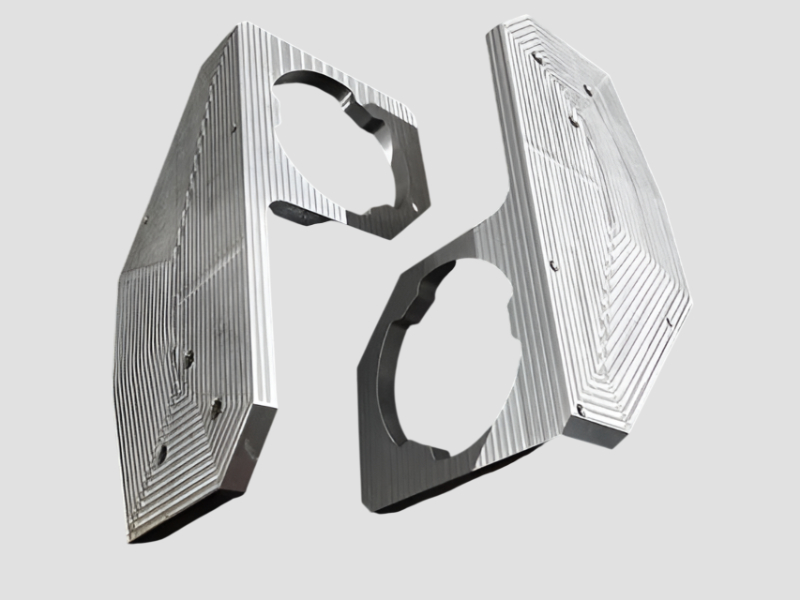
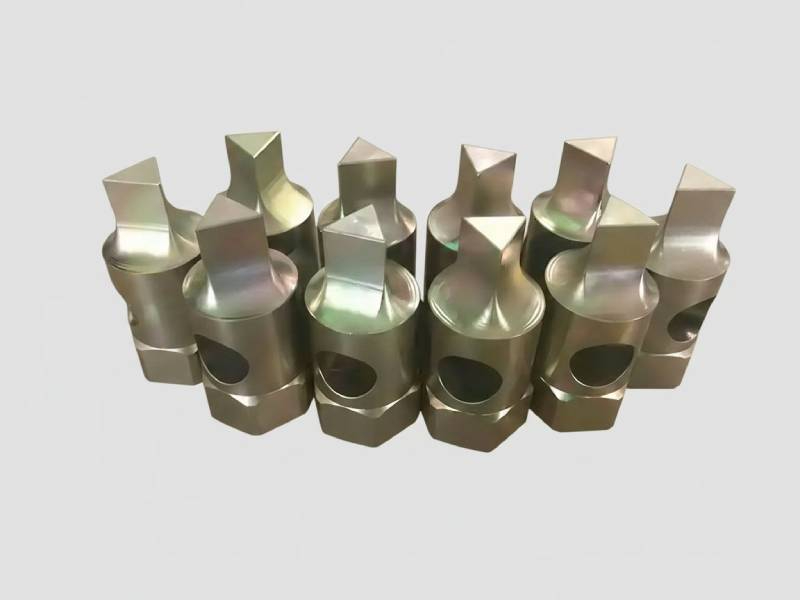
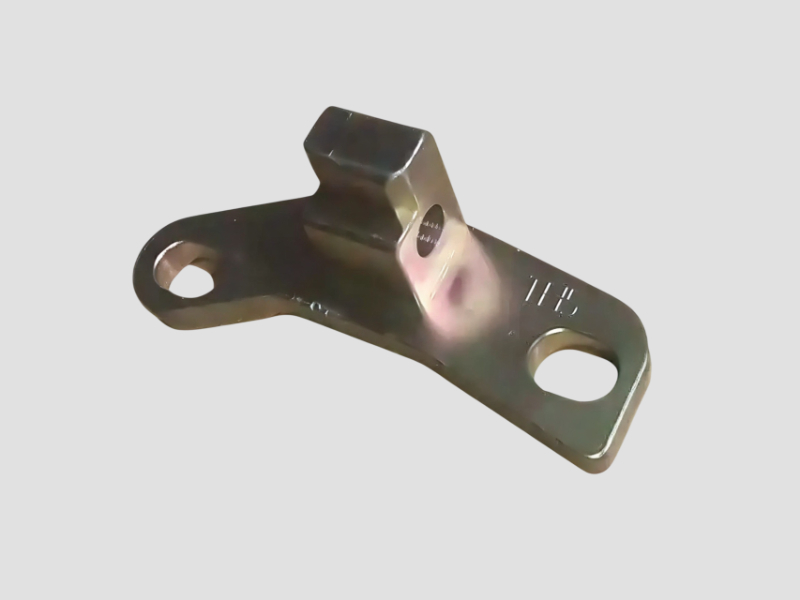
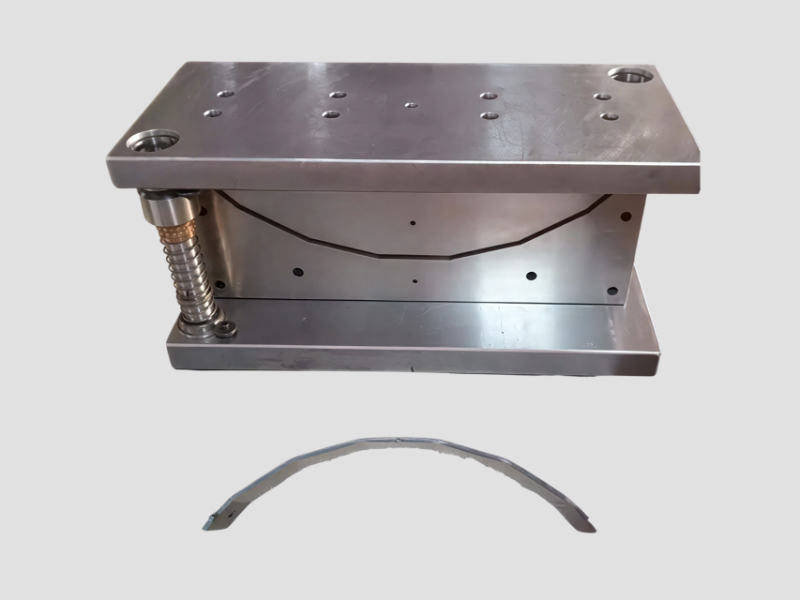
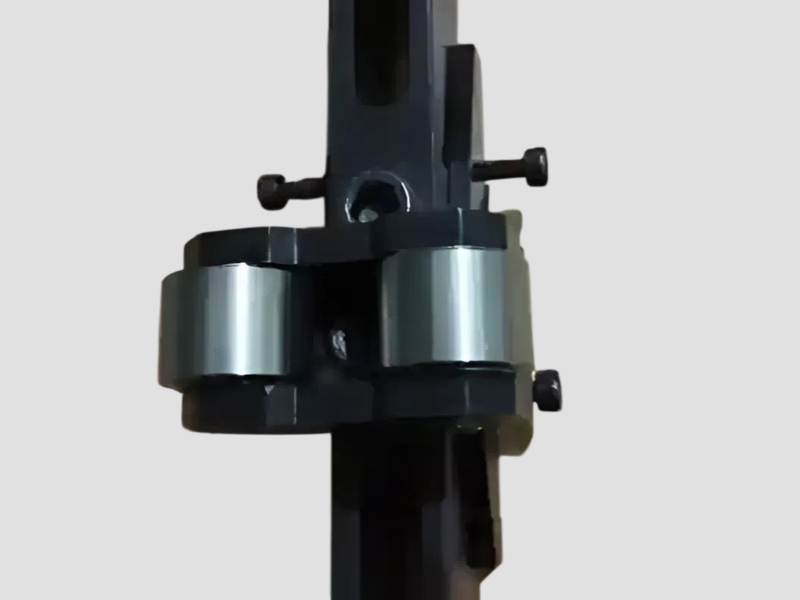
What are Other Machine Tools & Accessories?
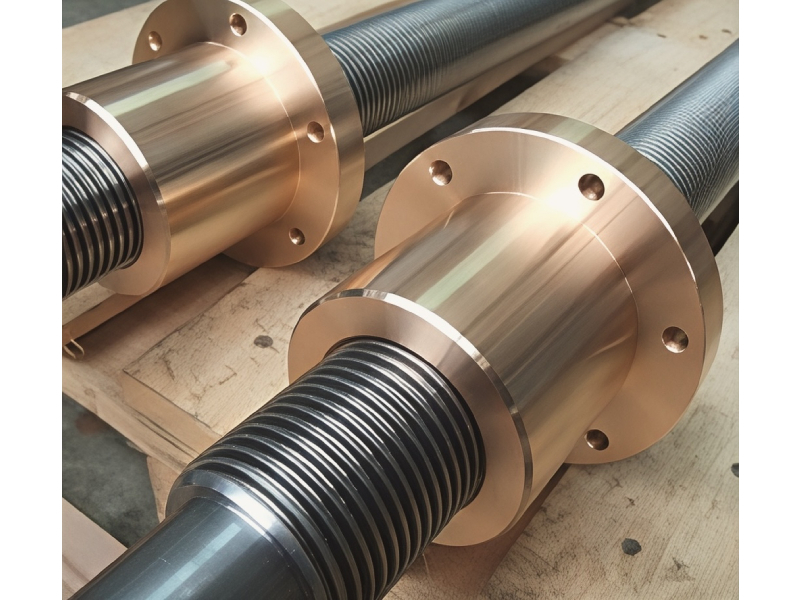
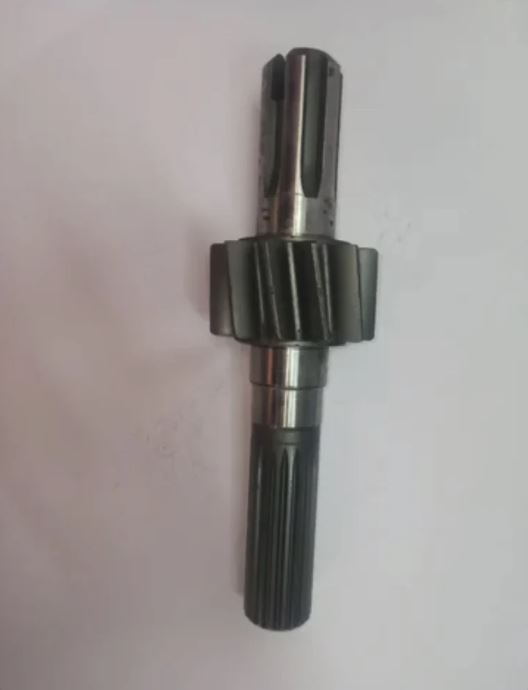
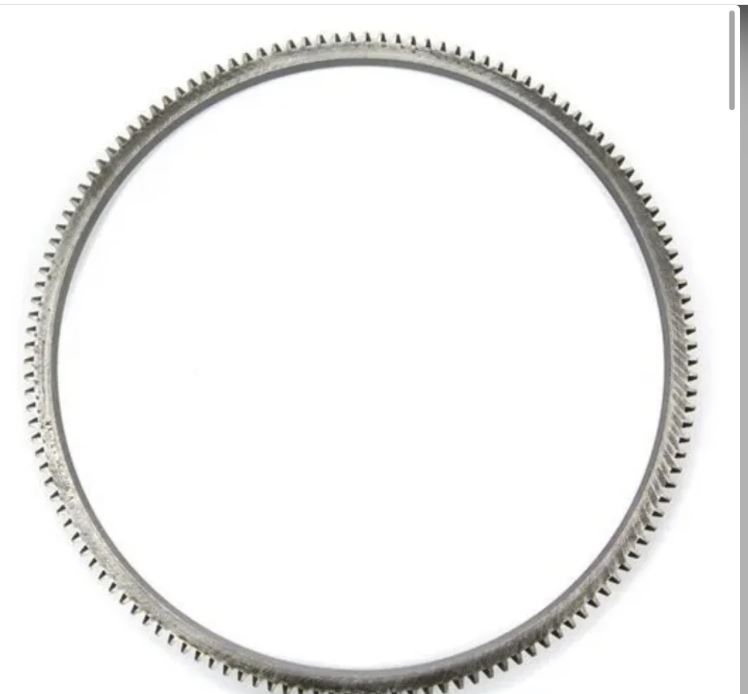
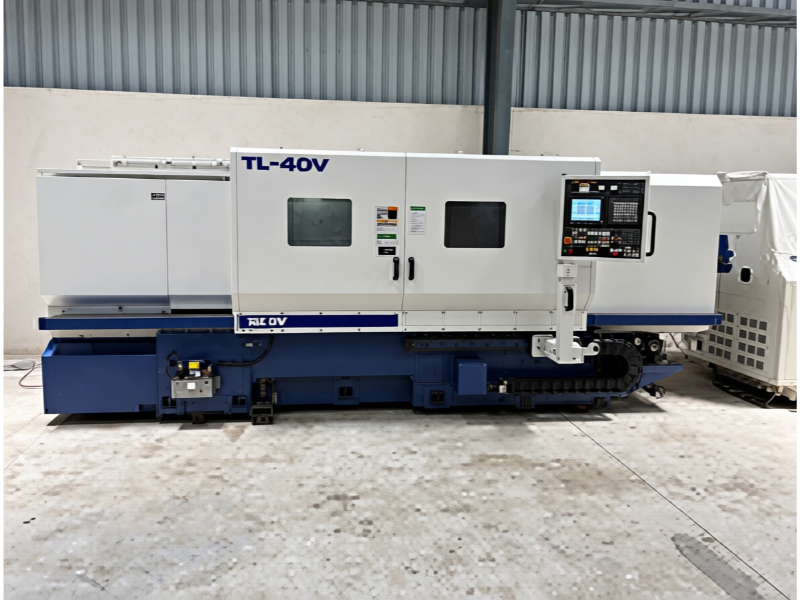
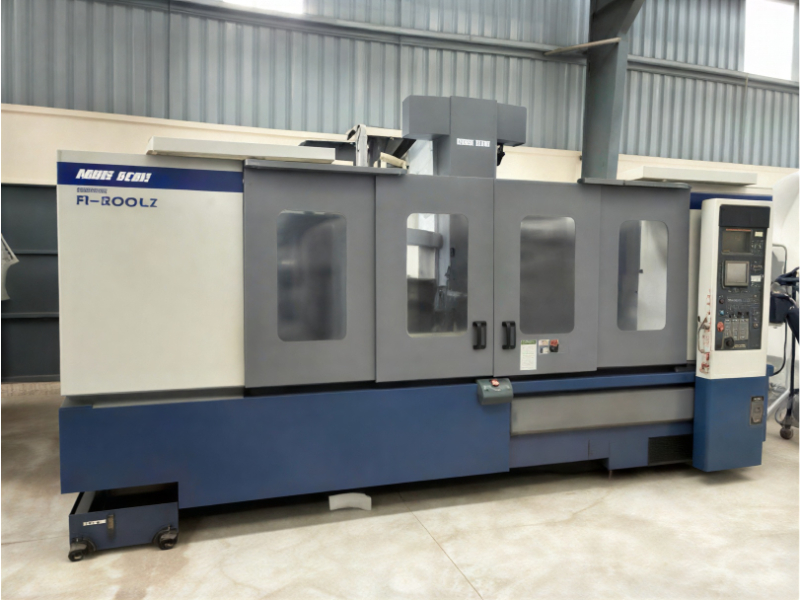
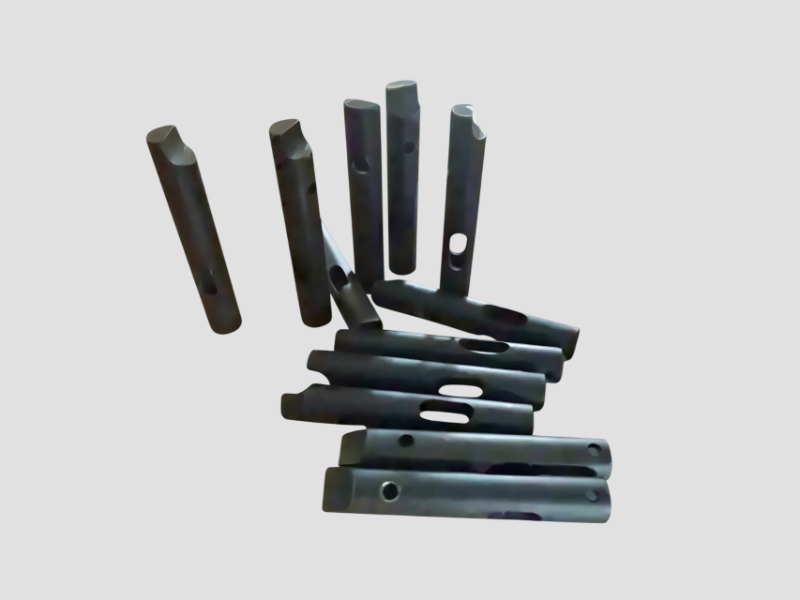
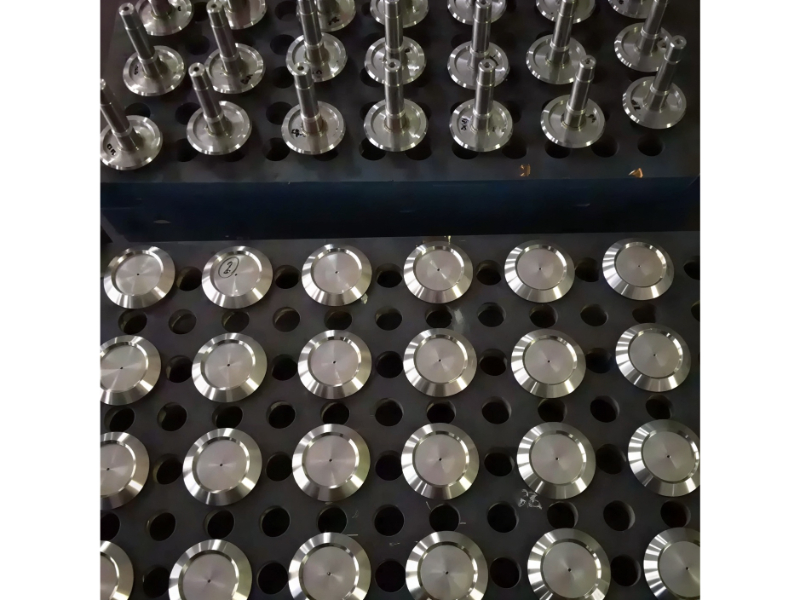
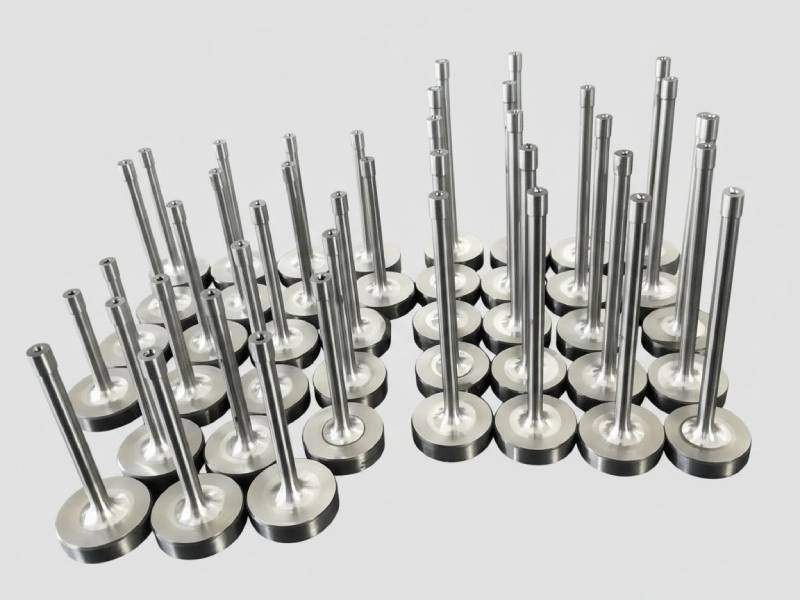
Other machine tools and accessories encompass a broad range of equipment used in various industrial applications. These tools are designed to perform tasks such as cutting, shaping, and finishing materials like metal, wood, and plastics. They often include specialized devices and attachments that enhance the functionality of primary machining equipment, ensuring precision and efficiency in manufacturing processes.
The primary uses of other machine tools and accessories are found across numerous industries, including automotive, aerospace, and electronics. They play a critical role in production lines, enabling manufacturers to achieve high levels of accuracy and repeatability in their work. Accessories can range from tool holders and clamps to measuring instruments and fixtures, all of which contribute to the overall productivity and quality of machining operations.
In today’s competitive market, the relevance of other machine tools and accessories cannot be overstated. The demand for high-quality manufacturing processes drives the need for reliable machinery and accessories. As industries continue to advance technologically, the right machine tools and accessories become essential for maintaining operational efficiency and meeting customer expectations.
Key Features and Specifications
When considering other machine tools and accessories, it is crucial to understand their key features and specifications. These tools are designed for versatility and precision, catering to various machining needs. Buyers should focus on several important specifications that define the quality and performance of these products.
Key specifications include:
1. Material Compatibility
- Suitable for a range of materials including metals, wood, and plastics
- Ensures broad applicability across different industrial sectors
2. Accuracy Tolerance
- Precision levels typically within ±0.01 mm or better
- Critical for applications requiring high levels of detail
3. Tool Holder Types
- Compatibility with various tool holder systems such as ER, BT, or CAT
- Facilitates easy tool changes and maintenance
4. Operating Speed
- RPM ranges vary based on the specific tool type
- Important for optimizing machining cycles and productivity
5. Power Requirements
- Voltage specifications generally between 110V to 480V
- Important for aligning with existing electrical systems
6. Weight Capacity
- Maximum load capacities typically ranging from 100 kg to 2000 kg
- Ensures tools can handle the necessary workload safely
7. Safety Features
- Built-in safety mechanisms to prevent accidents and injuries
- Includes guards, emergency stops, and overload protection
8. Certification Standards
- Compliance with CE and other relevant safety standards
- Ensures products meet industry safety and quality expectations
These features highlight the importance of selecting the right machine tools and accessories. Investing in high-quality equipment is essential for achieving optimal performance and safety.
Common Applications and Use Cases
Other machine tools and accessories are utilized across various industries, each with specific applications that enhance productivity and quality.
1. Automotive: In the automotive industry, these tools are used for precision machining of engine components, transmission parts, and chassis elements.
2. Aerospace: Aerospace manufacturers rely on high-precision machine tools for producing lightweight, durable components that meet strict safety and performance standards.
3. Electronics: In electronics, machine tools are essential for creating intricate parts used in devices like smartphones, computers, and communication equipment.
4. Construction: These tools assist in fabricating structural components, ensuring that materials are cut and assembled with precision.
5. Medical Devices: The production of medical devices requires the utmost accuracy, making specialized machining tools critical for developing high-quality products.
6. Furniture Manufacturing: In the furniture industry, machine tools are used to shape and finish wood, enhancing the overall quality and appeal of the final products.
7. Energy: Machine tools play a role in manufacturing components for renewable energy systems, such as wind turbines and solar panels, ensuring efficient energy production.
Product Variants and Subcategories
The diversity of other machine tools and accessories allows for various options tailored to specific needs. While specific subcategories are not available, several product variants cater to different applications and industries.
Tool Holders: These are essential accessories that secure cutting tools in place. They come in various sizes and designs, ensuring compatibility with different machines and applications.
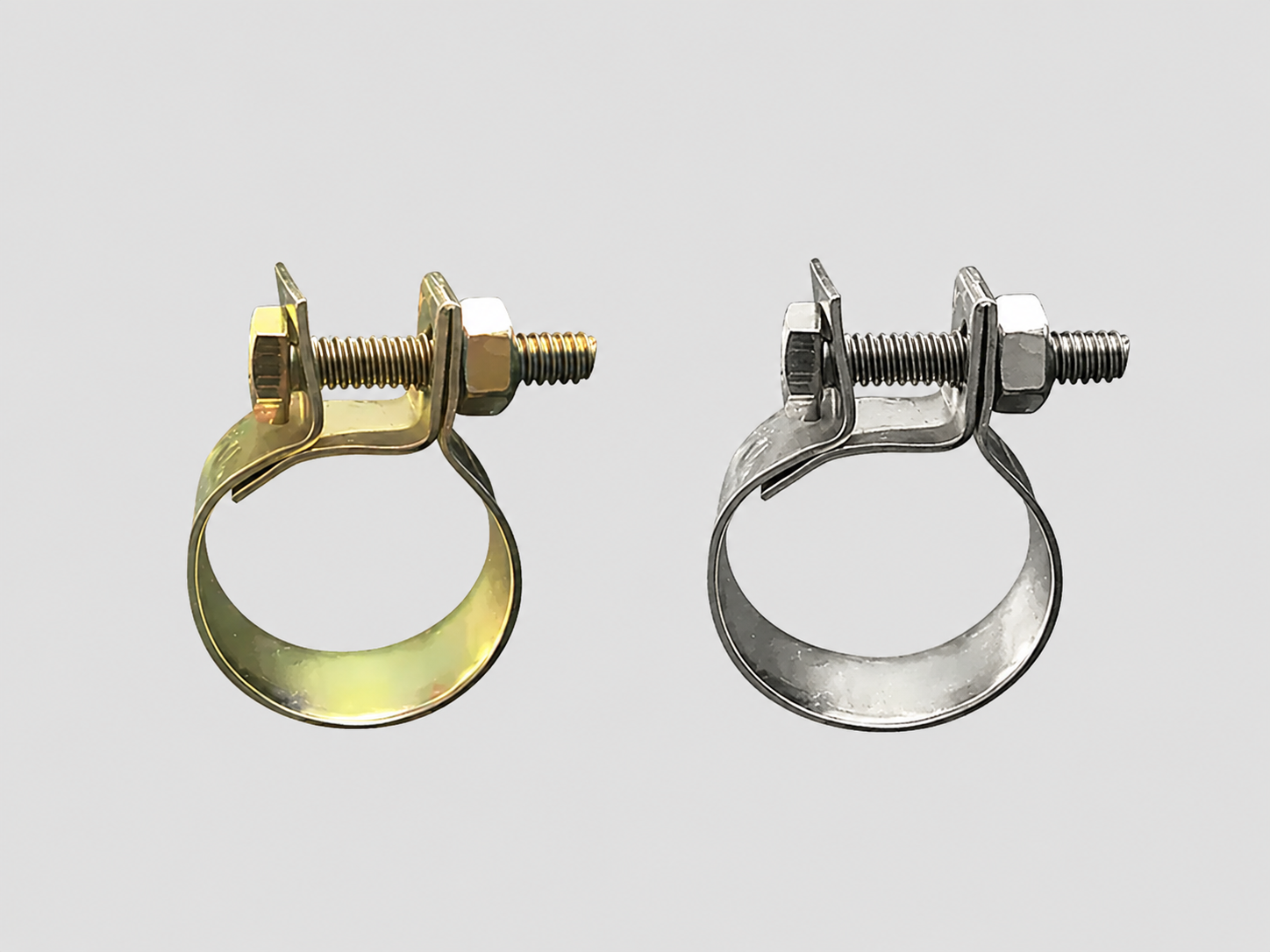
Clamping Devices: Clamps are crucial for holding workpieces firmly during machining. They enhance stability and precision, reducing the risk of errors.
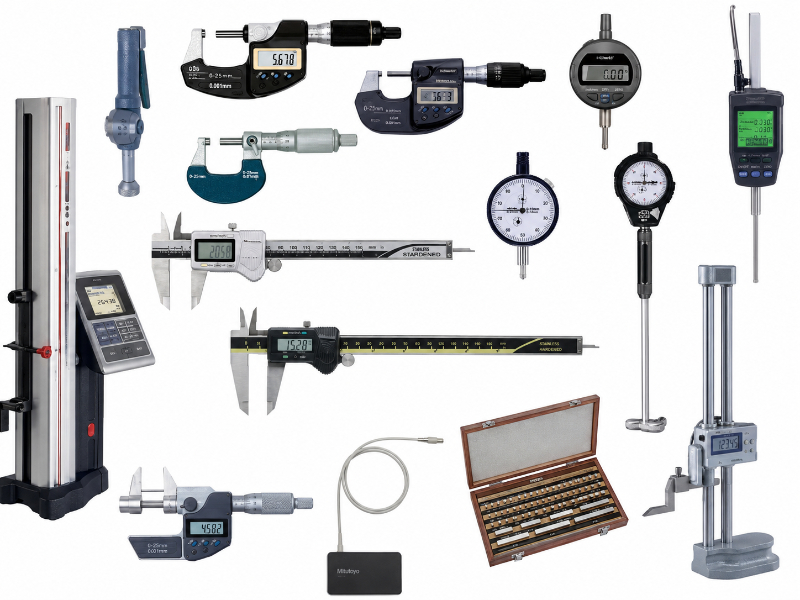
Measuring Instruments: Accurate measurement tools are vital for quality control in manufacturing processes. They include calipers, micrometers, and gauges that ensure components meet specified tolerances.
Cutting Tools: A variety of cutting tools, such as drills, end mills, and lathes, are required for different machining tasks, contributing to the versatility of the machining process.
Benefits and Advantages
Investing in other machine tools and accessories offers numerous benefits that can significantly impact productivity and efficiency.
1. Enhanced Precision: The use of high-quality tools ensures that machining operations achieve the desired accuracy, which is critical for maintaining product quality.
2. Increased Efficiency: Efficient tools and accessories streamline production processes, reducing cycle times and enhancing overall operational efficiency.
3. Versatility: A wide range of tools allows manufacturers to tackle various projects, adapting to different materials and machining requirements.
4. Improved Safety: Advanced safety features help protect operators and reduce the risk of accidents during machining operations.
5. Cost Savings: Investing in durable and reliable tools reduces the need for frequent replacements and repairs, leading to long-term cost savings.
6. Better Quality Control: High-quality measuring instruments enable precise monitoring of production quality, ensuring compliance with industry standards.
Buying Guide for B2B Buyers
When sourcing other machine tools and accessories, it is essential for buyers to consider various factors to ensure they make informed purchasing decisions.
1. Quality Assessment: Evaluate the quality of materials and craftsmanship. Look for tools that meet industry standards and are built to last.
2. Supplier Verification: Conduct thorough research on potential suppliers. Check their reputation, customer reviews, and history of reliability in delivering quality products.
3. Pricing and MOQ: Understand the pricing structure and minimum order quantities. This helps in budgeting and ensures that the supplier can meet your volume needs.
4. Delivery and Lead Times: Confirm the lead times for delivery. Timely delivery is crucial for maintaining production schedules and avoiding downtime.
5. Compliance Requirements: Ensure that the products comply with relevant industry regulations and standards. This is essential for safety and legal compliance.
Compliance and Certifications
Compliance with relevant standards and certifications is critical in the manufacturing industry. Other machine tools and accessories are often subject to various quality standards that ensure safety and reliability.
ISO 9001 is a well-known quality management standard that applies to manufacturers, ensuring that products meet customer and regulatory requirements consistently. Adherence to such standards reflects a commitment to quality and continuous improvement.
The CE certification is important for products sold in Europe, indicating that they meet safety, health, and environmental protection standards. This certification is essential for gaining access to European markets.
Safety and testing requirements are critical in ensuring that machine tools operate effectively without posing risks to operators. Manufacturers often conduct rigorous testing to ensure compliance with these standards.
Regional compliance considerations may vary, and it is crucial for manufacturers to be aware of local regulations that may apply to their products.
Why Source Other Machine Tools & Accessories from Pepagora?
Pepagora offers a reliable platform for sourcing other machine tools and accessories, providing numerous advantages to B2B buyers.
Verified Supplier Network: Pepagora connects buyers with a network of verified suppliers, ensuring that you work with reputable manufacturers who meet industry standards.
Streamlined RFQ Process: The request for quotation system allows buyers to easily compare prices and specifications from multiple suppliers, facilitating informed decision-making.
Trade Assurance and Support: Buyers benefit from trade assurance policies that protect their purchases, ensuring that they receive quality products as promised.
Regional Coverage: With a strong presence in India, the GCC, and Southeast Asia, Pepagora offers extensive geographic reach, making it easier for buyers to find local suppliers that meet their specific needs.

 IN
IN