What are Ball Screws & Linear Guides?
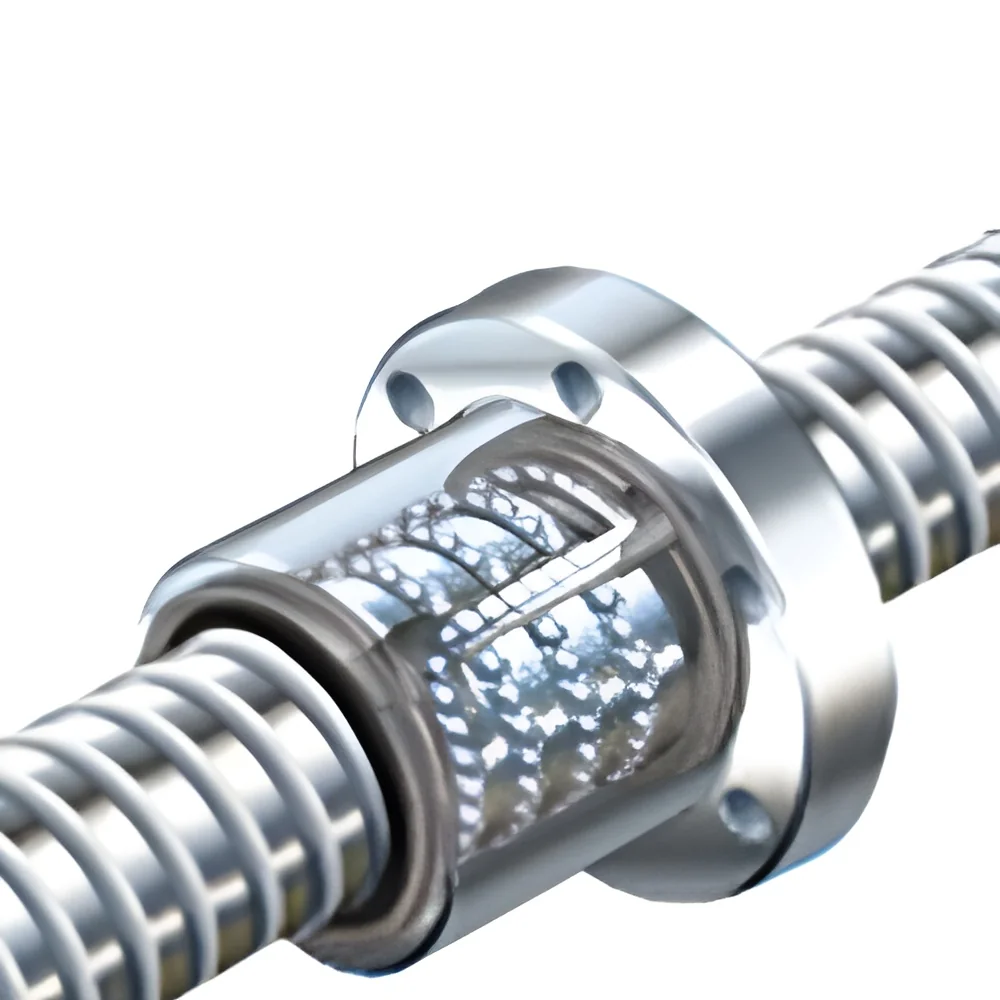
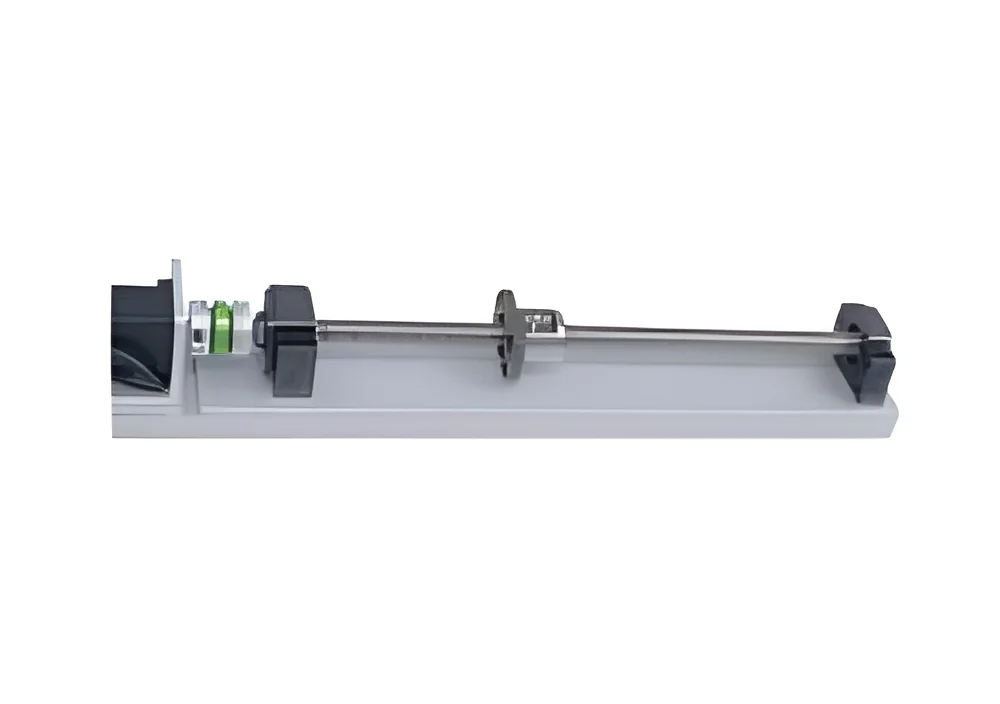
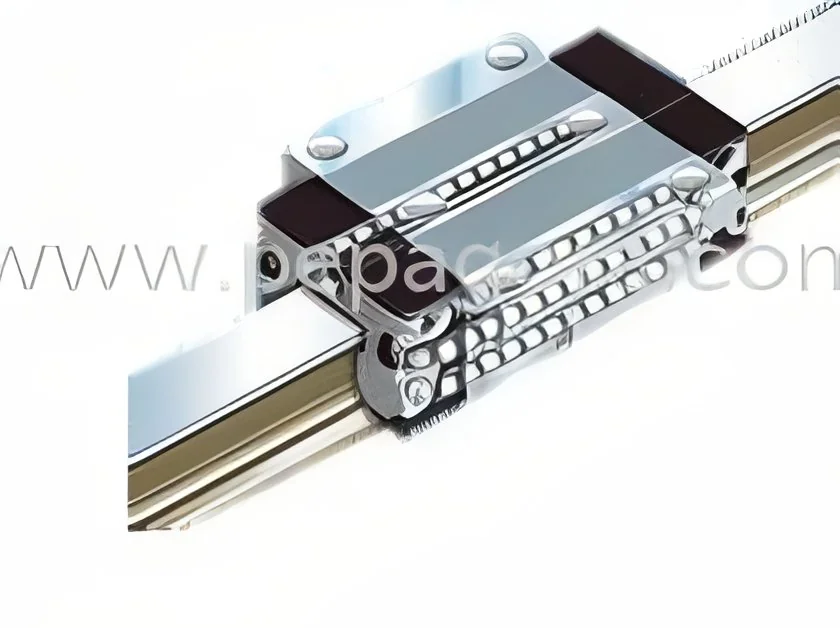
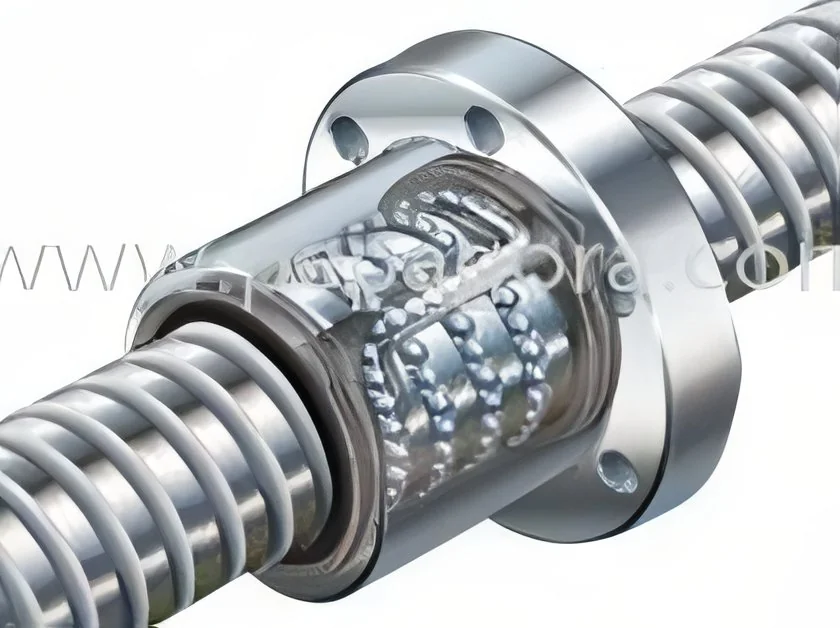
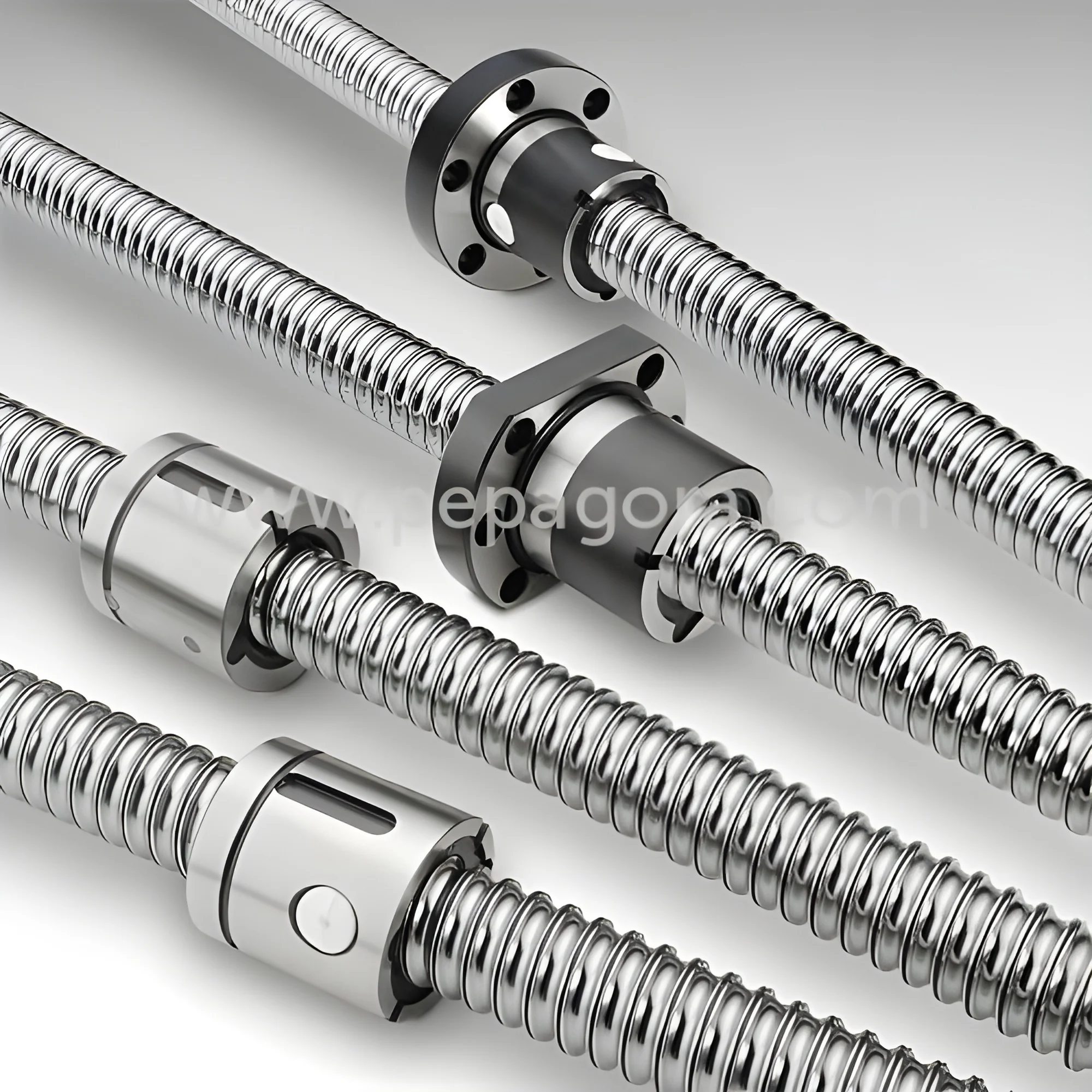
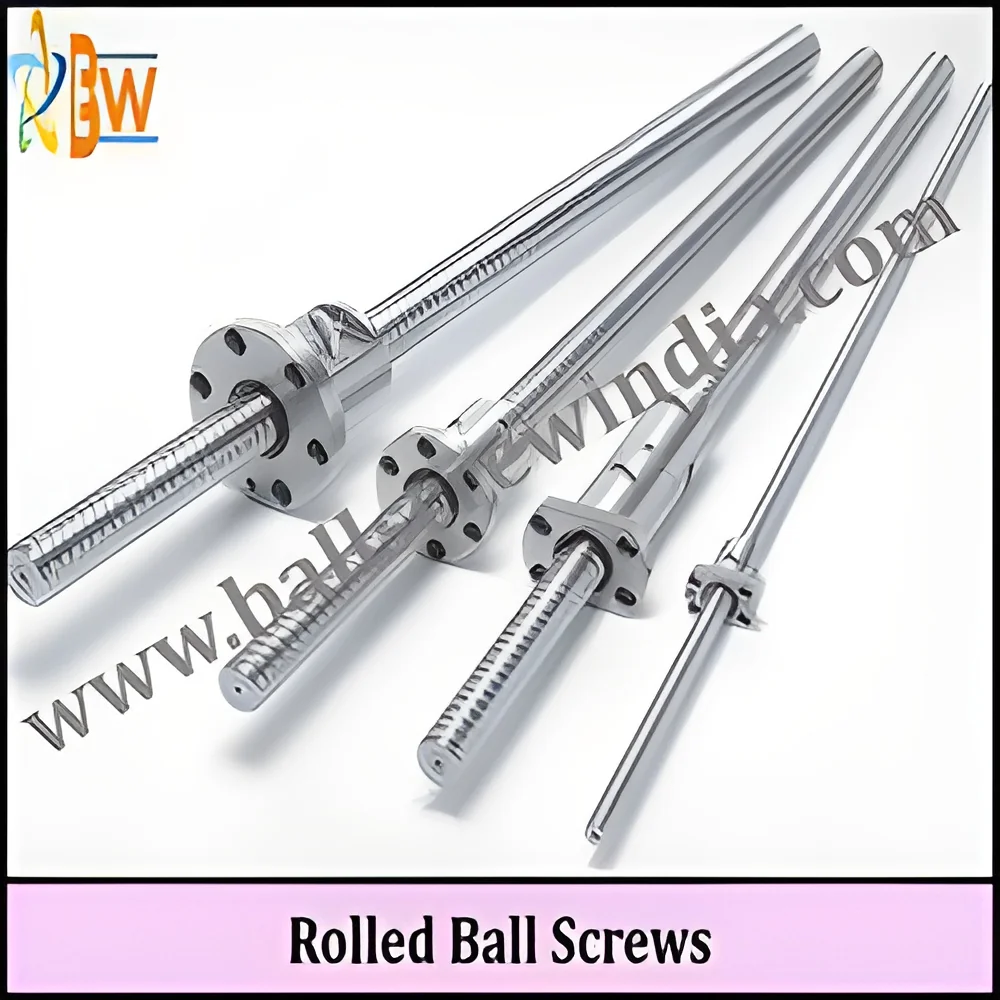
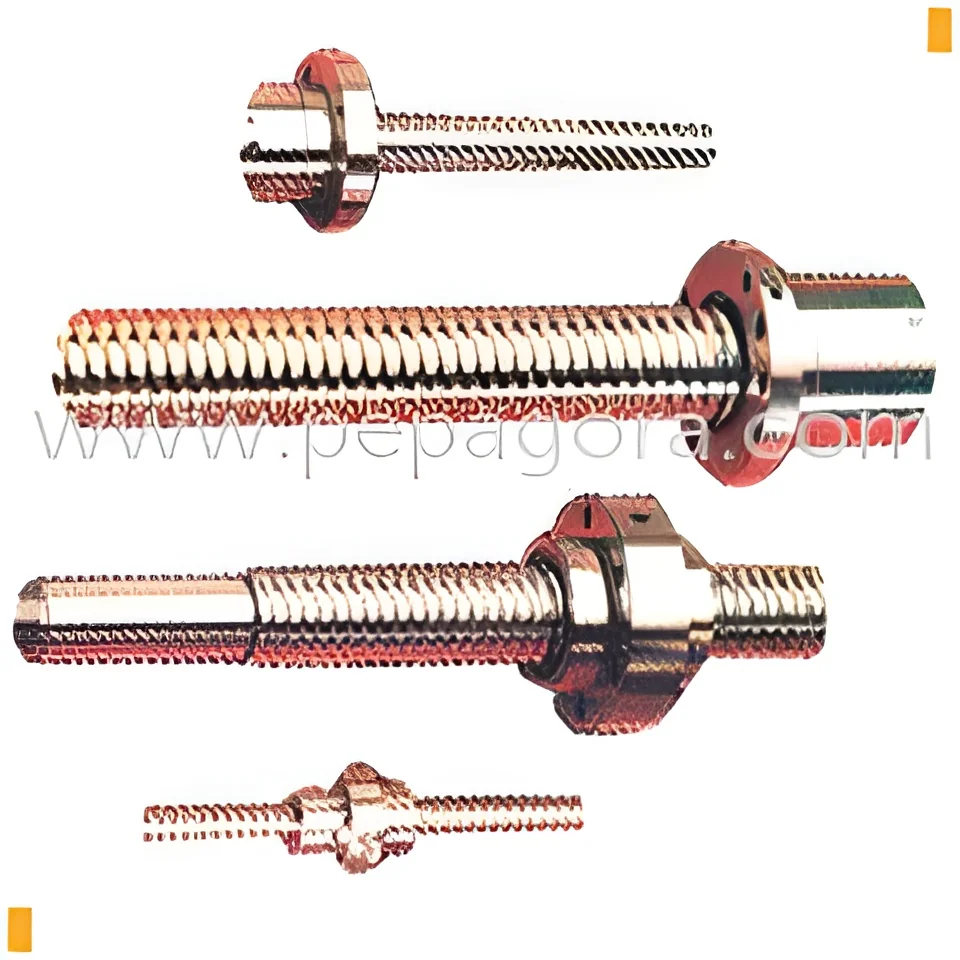
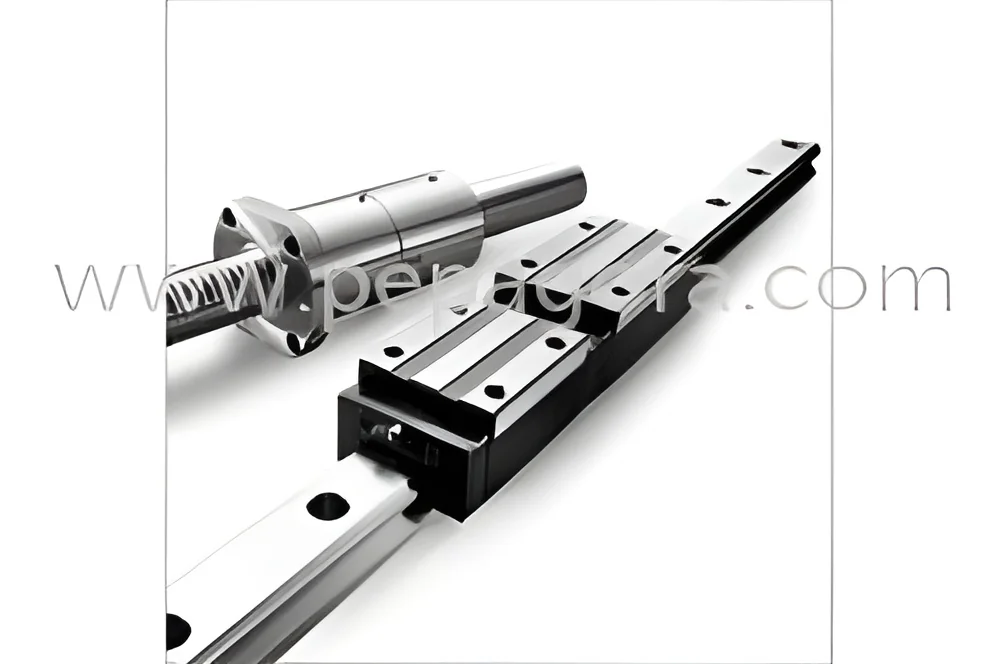
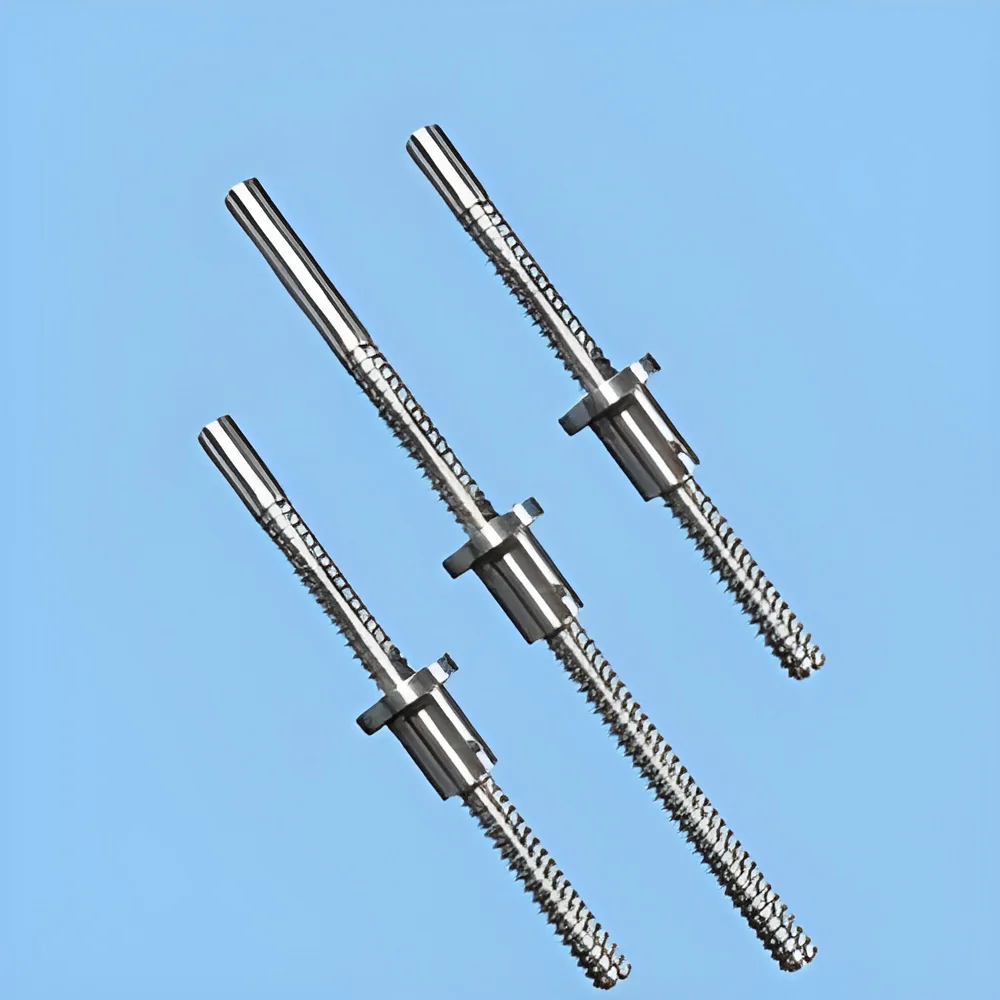
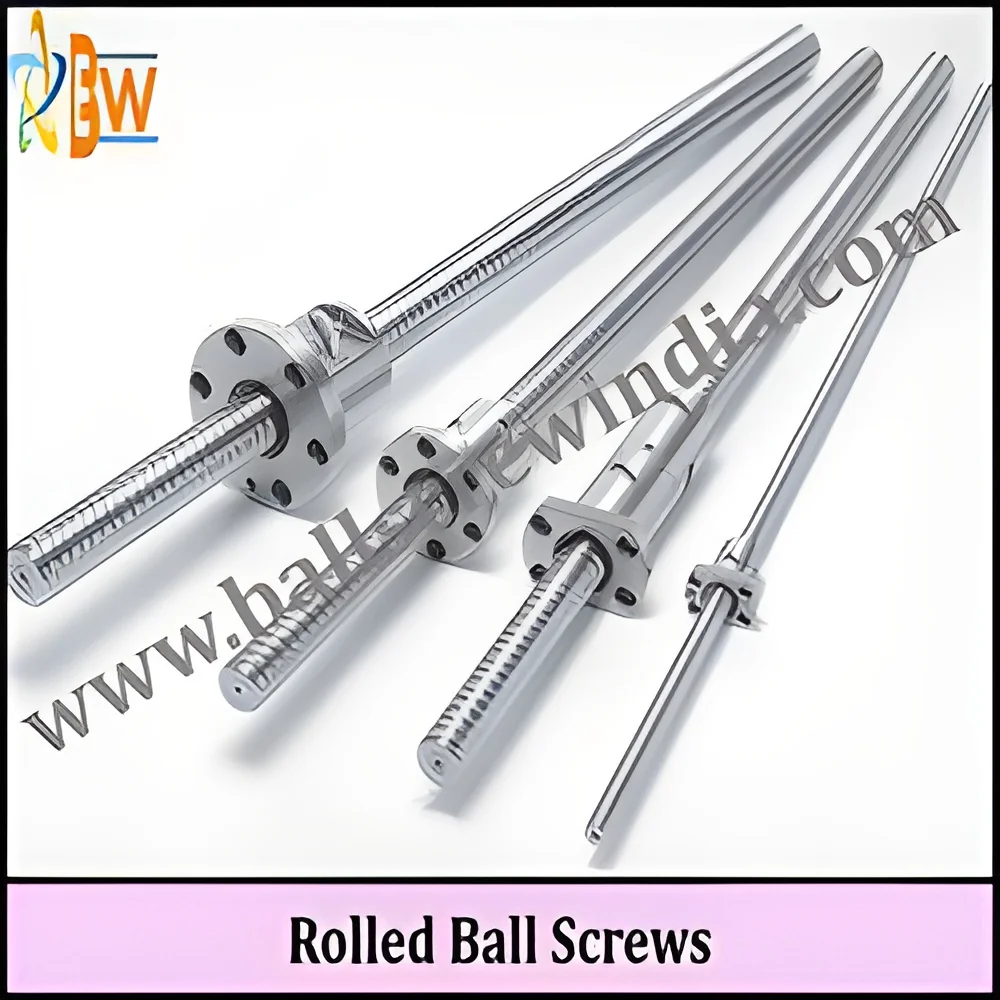
Ball screws and linear guides are precision mechanical components widely used in motion control systems. A ball screw converts rotational motion into linear motion using recirculating ball bearings, which reduce friction and improve efficiency. Linear guides, on the other hand, provide a smooth and accurate linear motion path for moving loads. These components are essential in applications requiring high precision, speed, and reliability.
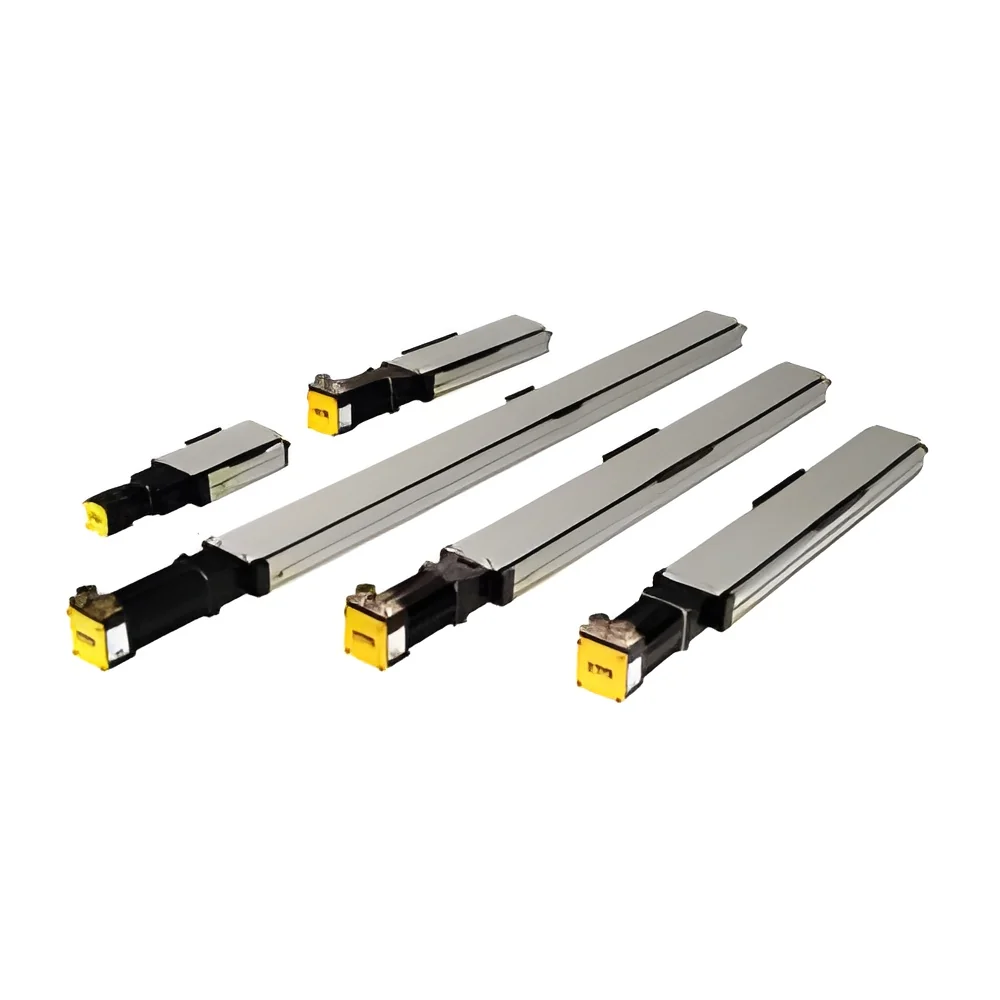
Their primary uses span various industries, including manufacturing, automation, and robotics. Ball screws are commonly found in CNC machines, robotics, and medical equipment, while linear guides support applications such as conveyor systems and assembly lines. The growing demand for automation and precision engineering across sectors drives the market for these products, making them vital to modern industrial operations.
As industries evolve, the relevance of ball screws and linear guides continues to rise. Companies are increasingly investing in advanced motion control solutions to enhance productivity, reduce downtime, and ensure product quality. This trend highlights the importance of sourcing high-quality components that meet the specific needs of diverse applications.
Key Features and Specifications
Ball screws and linear guides offer a range of features that enhance their functionality and performance. Understanding these specifications is crucial for selecting the right components for your application.
Key specifications include:
1. Load Capacity
- Refers to the maximum load the component can support.
- Typically measured in kilograms or pounds.
2. Accuracy Class
- Defines the precision of the linear movement.
- Ranges from standard to high-precision classes.
3. Nut Configuration
- Describes the design of the nut in ball screws.
- Available in various styles such as single or double nut configurations.
4. Diameter and Lead
- Diameter indicates the size of the ball screw shaft.
- Lead refers to the distance the nut travels per one rotation of the screw.
5. Length Options
- Available in multiple lengths to accommodate different applications.
- Custom lengths may be available based on requirements.
6. Material Composition
- Typically made from steel or stainless steel for durability.
- Can include coatings for enhanced corrosion resistance.
7. Operating Temperature Range
- Indicates the temperature limits for optimal performance.
- Data not available for specific ranges.
8. Certification
- CE certification indicates compliance with European safety standards.
In summary, selecting the right ball screws and linear guides involves understanding these key features and specifications to ensure compatibility with your applications.
Common Applications and Use Cases
Ball screws and linear guides are integral to many industrial sectors, supporting a variety of applications.
1. Manufacturing: Used in CNC machining centers for precise positioning of tools and materials.
2. Robotics: Essential for robotic arms, providing accurate and smooth movement for assembly tasks.
3. Medical Equipment: Employed in devices such as MRI machines and surgical robots for precise movements.
4. Packaging: Utilized in automated packaging machines to ensure efficient and reliable operation.
5. Aerospace: Implemented in testing equipment and assembly lines for aircraft components.
6. Automotive: Found in assembly lines for efficient handling of parts and materials.
7. Semiconductor: Used in wafer fabrication equipment for precise material handling.
Product Variants and Subcategories
Ball screws and linear guides come in various forms, each designed for specific applications and environments.
Standard Ball Screws
These are the most commonly used ball screws, designed for general-purpose applications where high efficiency and low friction are required. They are suitable for a wide range of industrial machines.
High-Precision Ball Screws
These variants are engineered for applications requiring extreme accuracy and repeatability. They are often used in high-tech machinery and robotics.
Linear Guide Rails
These provide a smooth linear motion path, ideal for applications involving heavy loads and high speeds. Their design allows for easy installation and maintenance.
Cross Roller Guides
These guides feature rollers arranged in a crisscross pattern, providing enhanced load capacity and rigidity. They are ideal for high-precision applications.
Miniature Linear Guides
Tailored for compact applications, these guides are designed for small machines and devices where space is limited. They maintain high performance despite their size.
Benefits and Advantages
Ball screws and linear guides offer numerous advantages that enhance operational efficiency.
1. High Efficiency: The ball bearing design significantly reduces friction, leading to higher efficiency in motion control.
2. Precision: These components provide high accuracy and repeatability, essential for precision engineering tasks.
3. Durability: Made from robust materials, they are designed to withstand heavy loads and harsh operating conditions.
4. Versatility: Available in various sizes and configurations, suitable for diverse applications across different industries.
5. Maintenance-Free Operation: Many designs require minimal maintenance, reducing downtime and operational costs.
6. Easy Integration: Their standardized dimensions allow for straightforward integration into existing systems.
Buying Guide for B2B Buyers
When sourcing ball screws and linear guides, several factors should be considered to ensure the best fit for your application.
1. Quality Assessment: Evaluate the quality of materials and manufacturing processes to ensure durability and performance. Look for products that meet industry standards.
2. Supplier Verification: Vet potential suppliers by checking their reputation, customer reviews, and certifications. A reliable supplier can provide assurance of product quality.
3. Pricing and MOQ: Understand the pricing structure and minimum order quantities. This will help in budgeting and planning for inventory.
4. Delivery and Lead Times: Confirm delivery schedules and lead times to ensure timely availability of components for your projects.
5. Compliance Requirements: Ensure that the products meet relevant regulatory and safety standards in your industry, including CE certification for European markets.
Compliance and Certifications
Compliance and certification are crucial aspects of sourcing ball screws and linear guides. Manufacturers often adhere to quality standards such as ISO 9001, which ensures consistent quality management practices. Additionally, CE certification indicates that products meet European safety, health, and environmental protection standards.
Safety and testing requirements may also apply, depending on the specific applications of these components. It is essential to confirm that the products have undergone rigorous testing for performance and reliability.
Regional compliance considerations should be taken into account, particularly when dealing with international suppliers. Understanding local regulations can help avoid potential legal and operational issues.
Why Source Ball Screws & Linear Guides from Pepagora?
Pepagora provides a trusted platform for sourcing ball screws and linear guides, offering several key advantages for B2B buyers.
Verified Supplier Network: Pepagora ensures that all suppliers in their network are thoroughly vetted, providing buyers with confidence in the quality of products they source.
Streamlined RFQ Process: The request for quotation process is designed to be efficient and user-friendly, allowing buyers to receive competitive quotes quickly.
Trade Assurance and Support: Buyers are protected through trade assurance policies that ensure timely delivery and quality products, reducing the risk involved in procurement.
Regional Coverage: Pepagora has a broad geographic reach, covering markets in India, the GCC, and Southeast Asia, making it easy for businesses in these regions to find reliable sourcing options.

 IN
IN