What are Machine Lamps & Indicators?
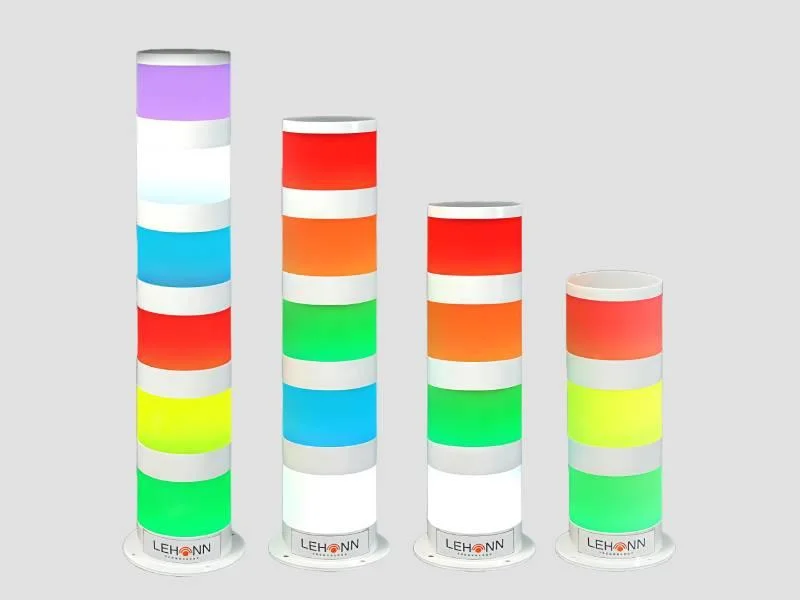
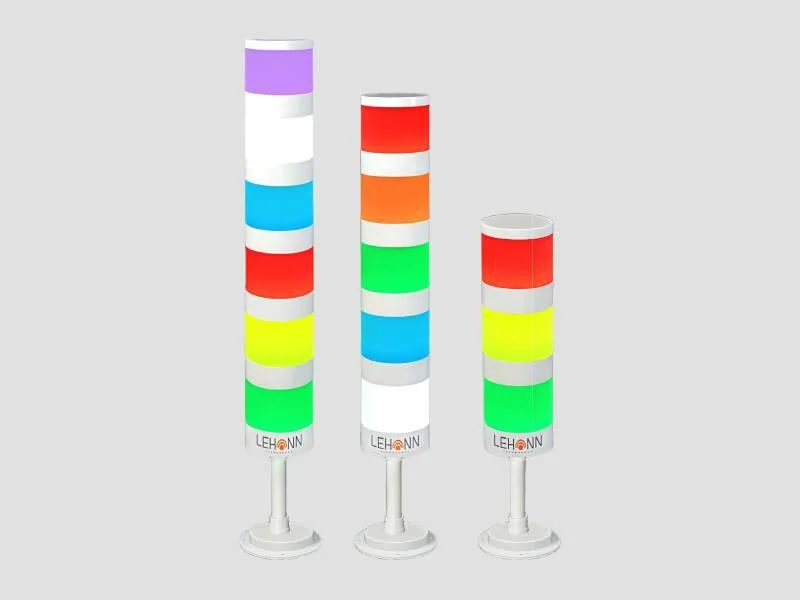
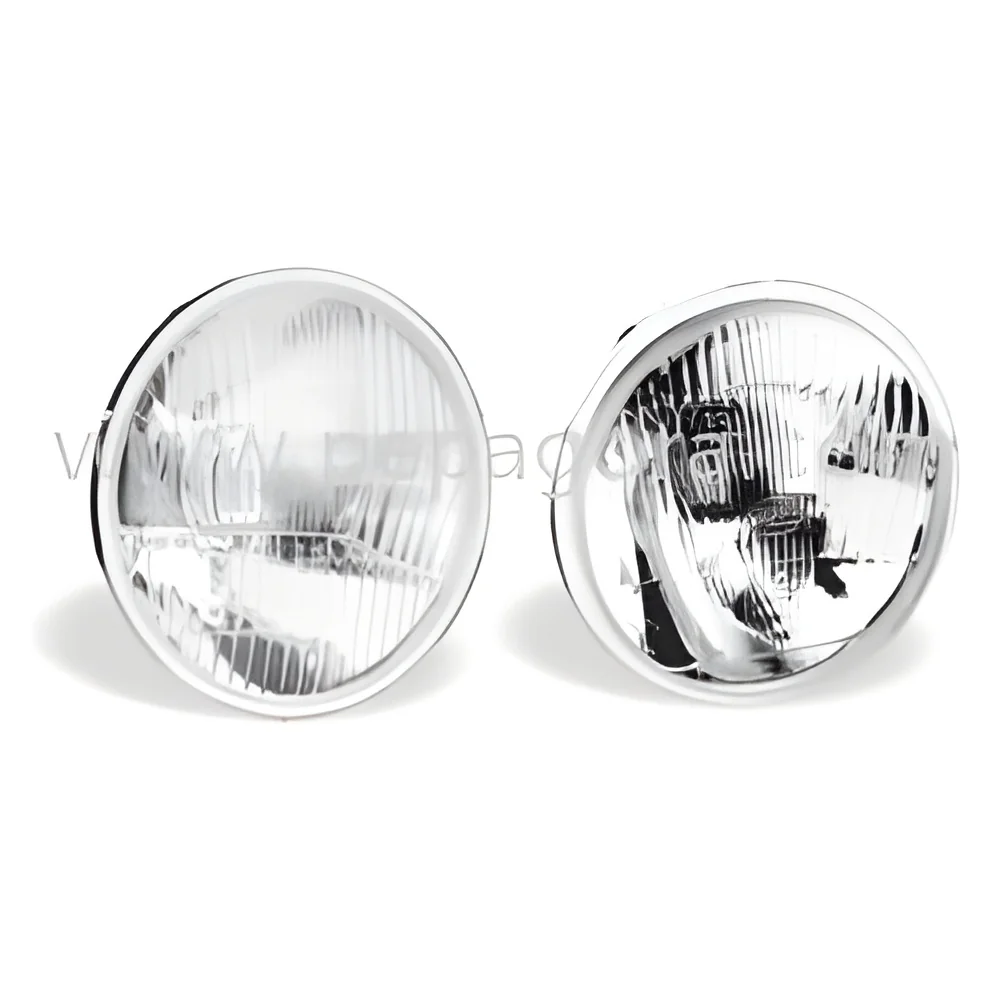
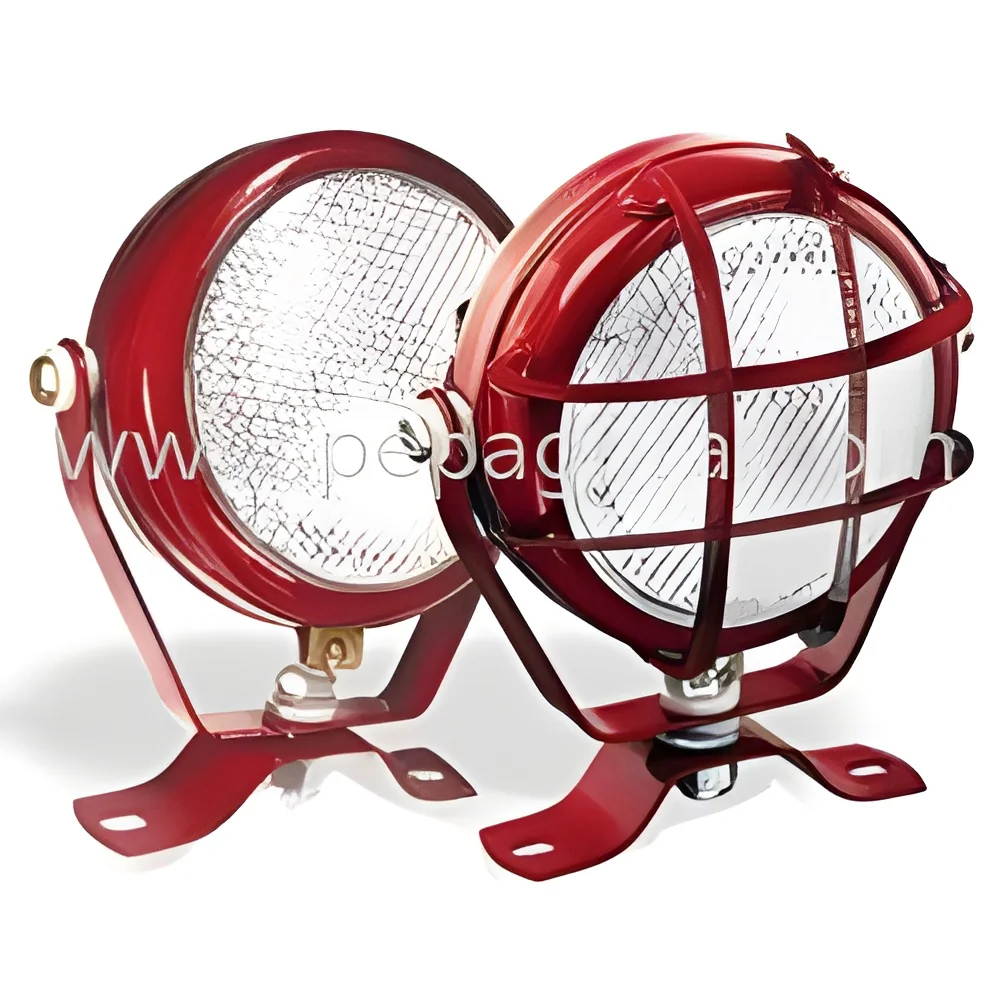
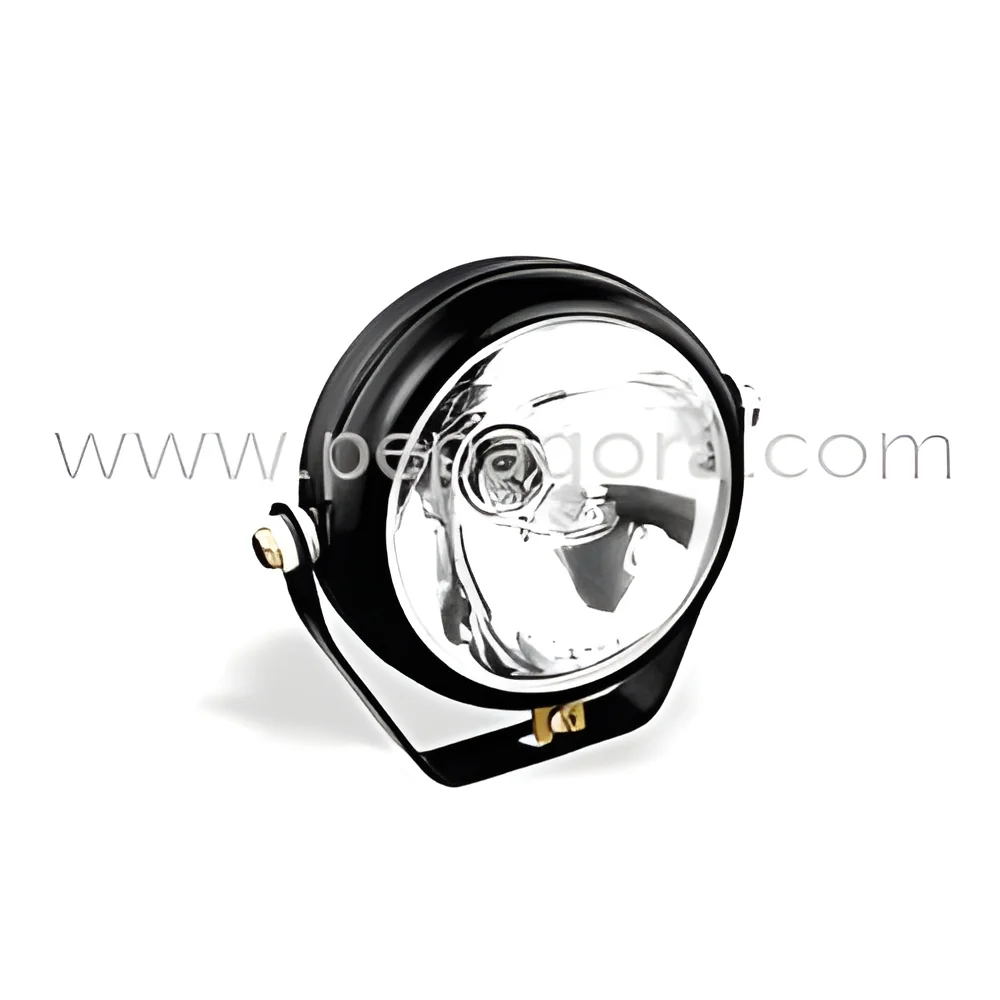
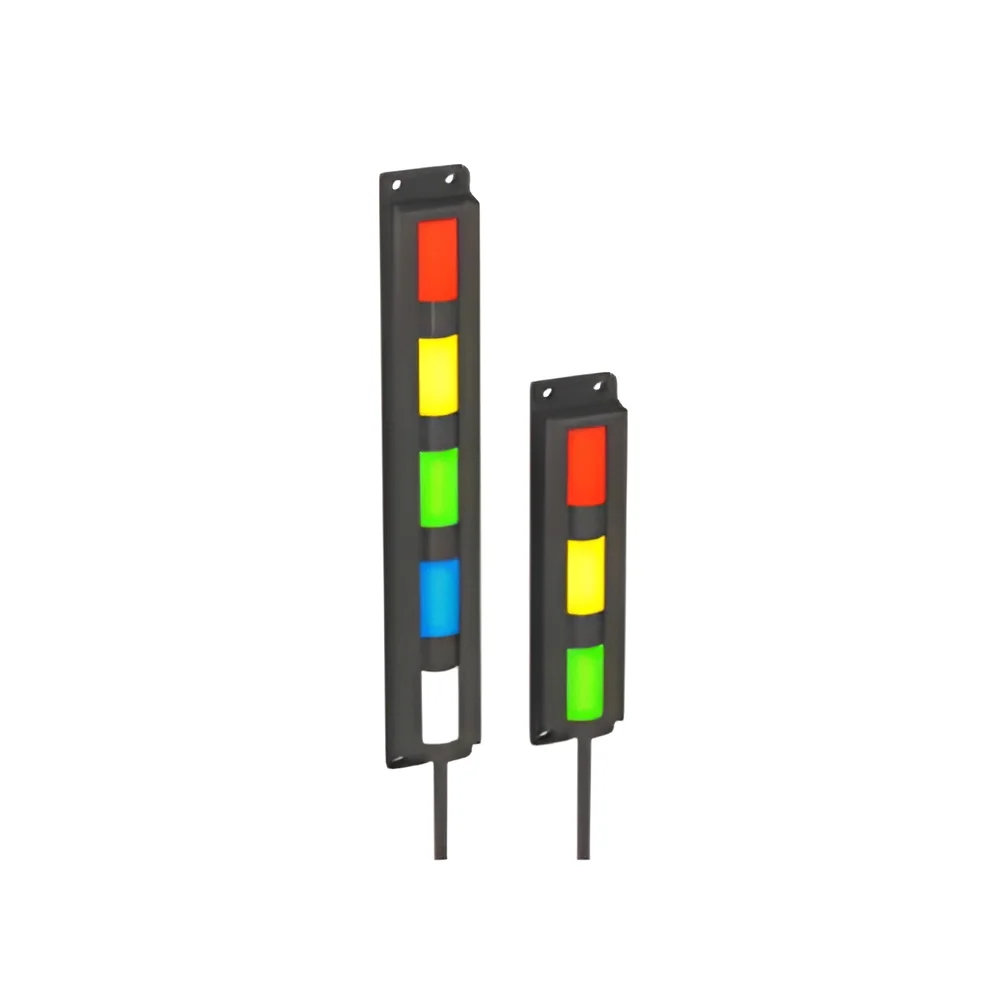
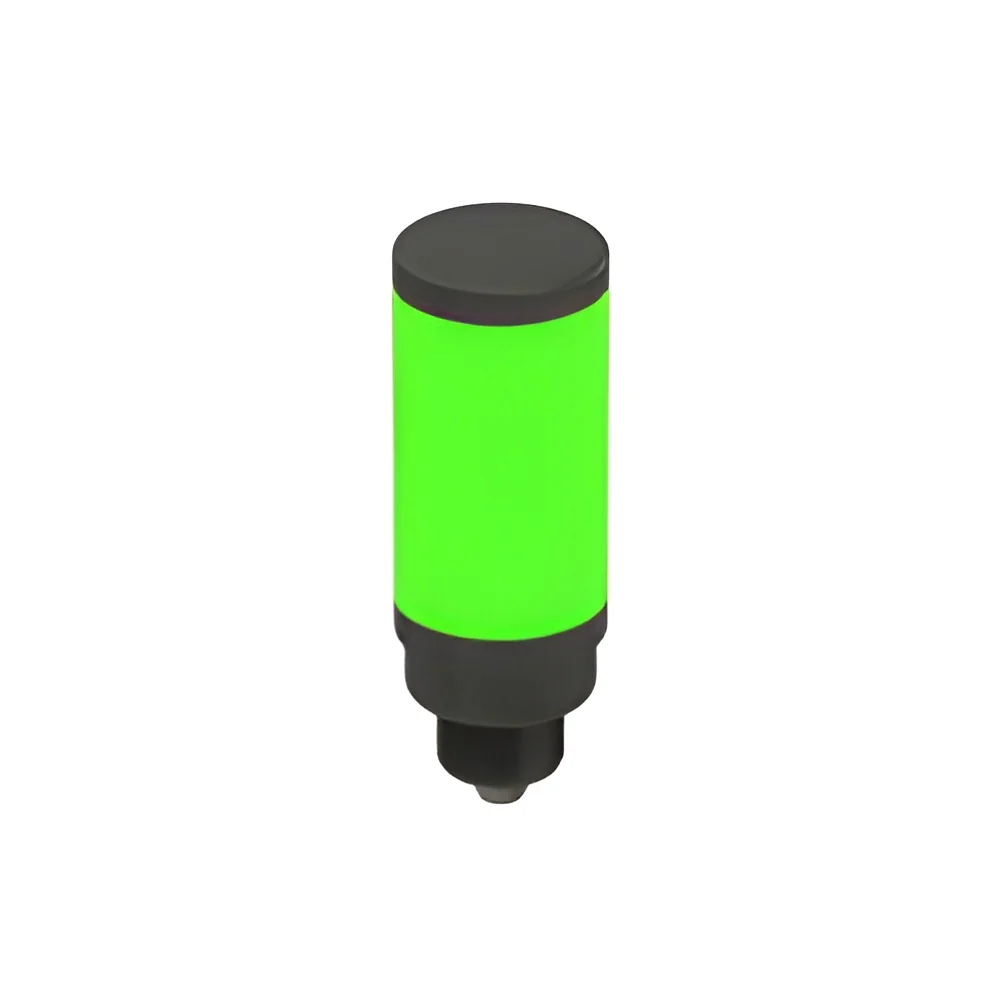
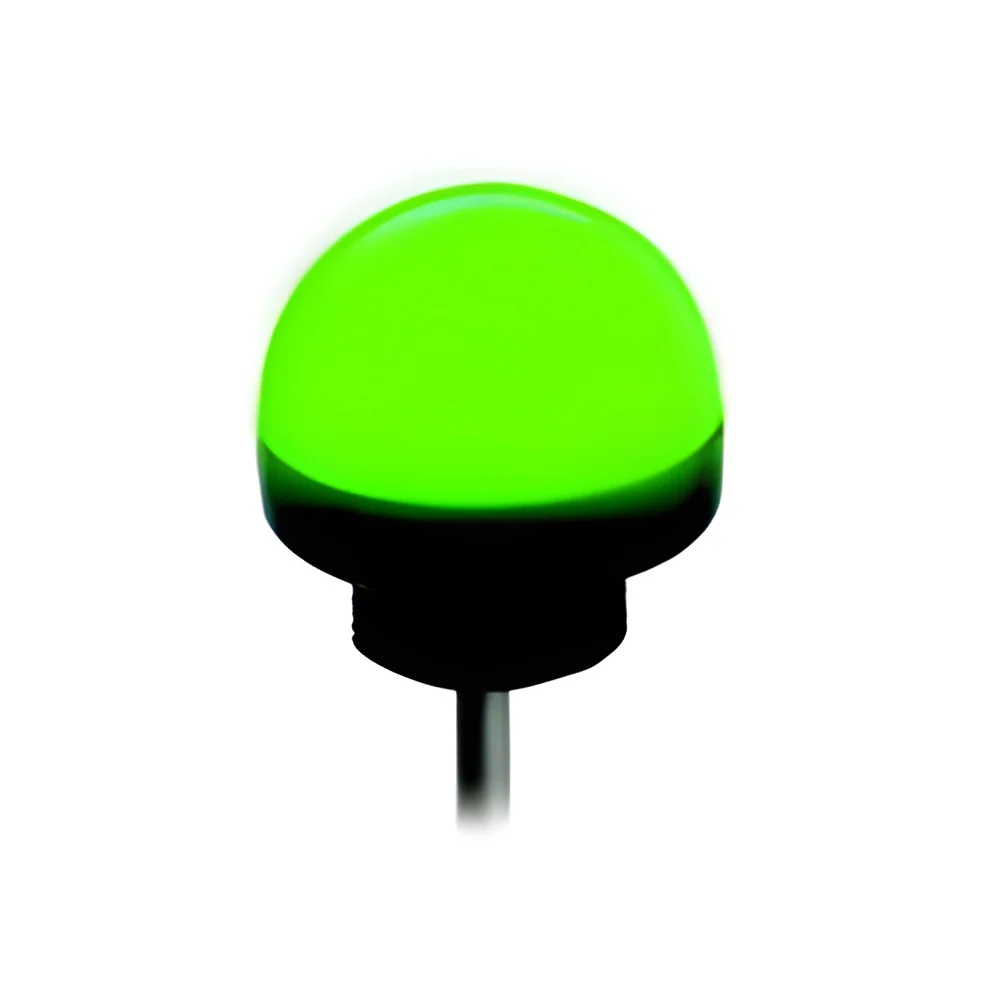
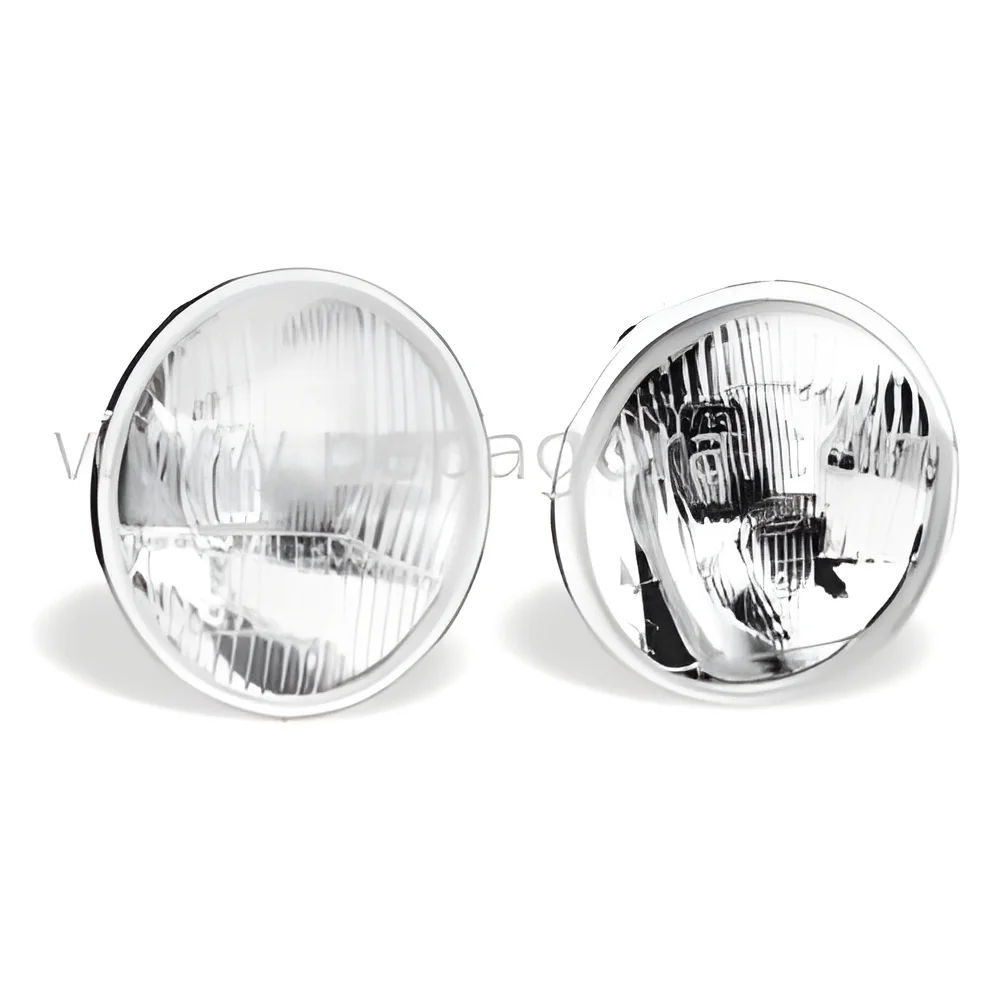
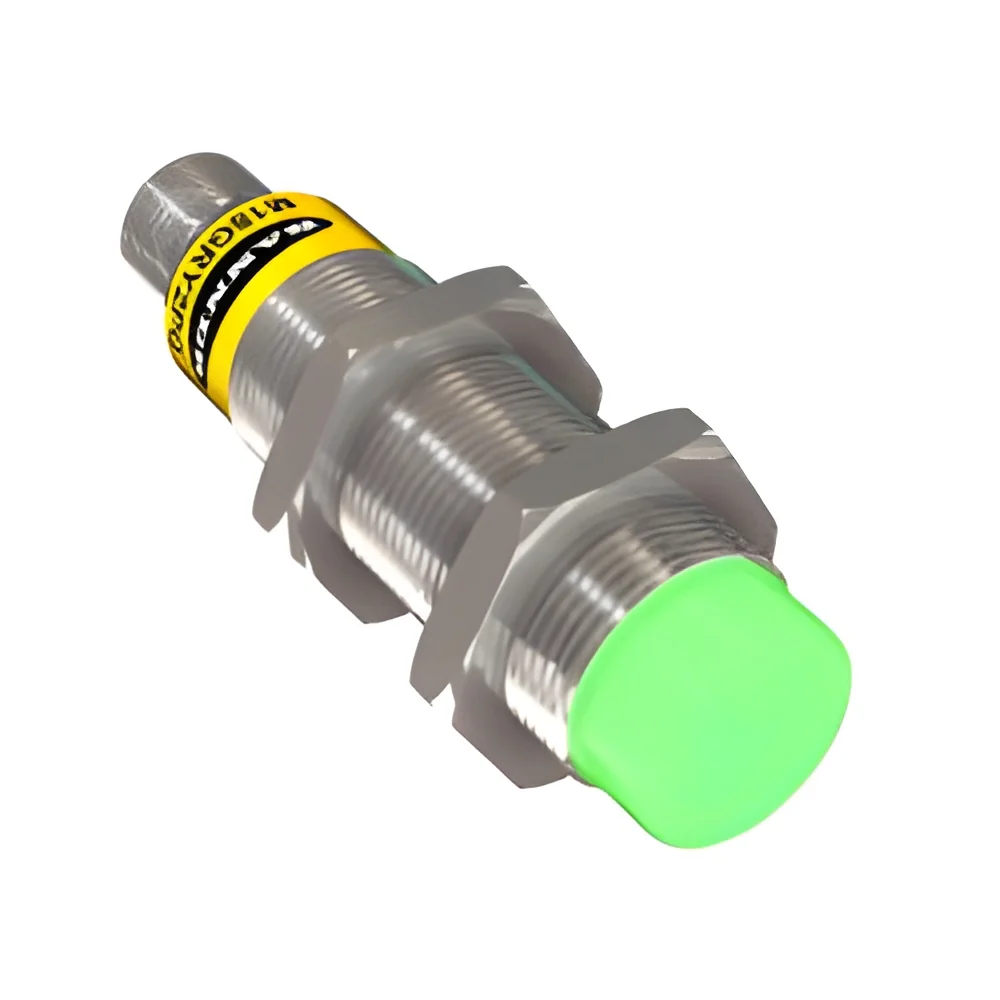
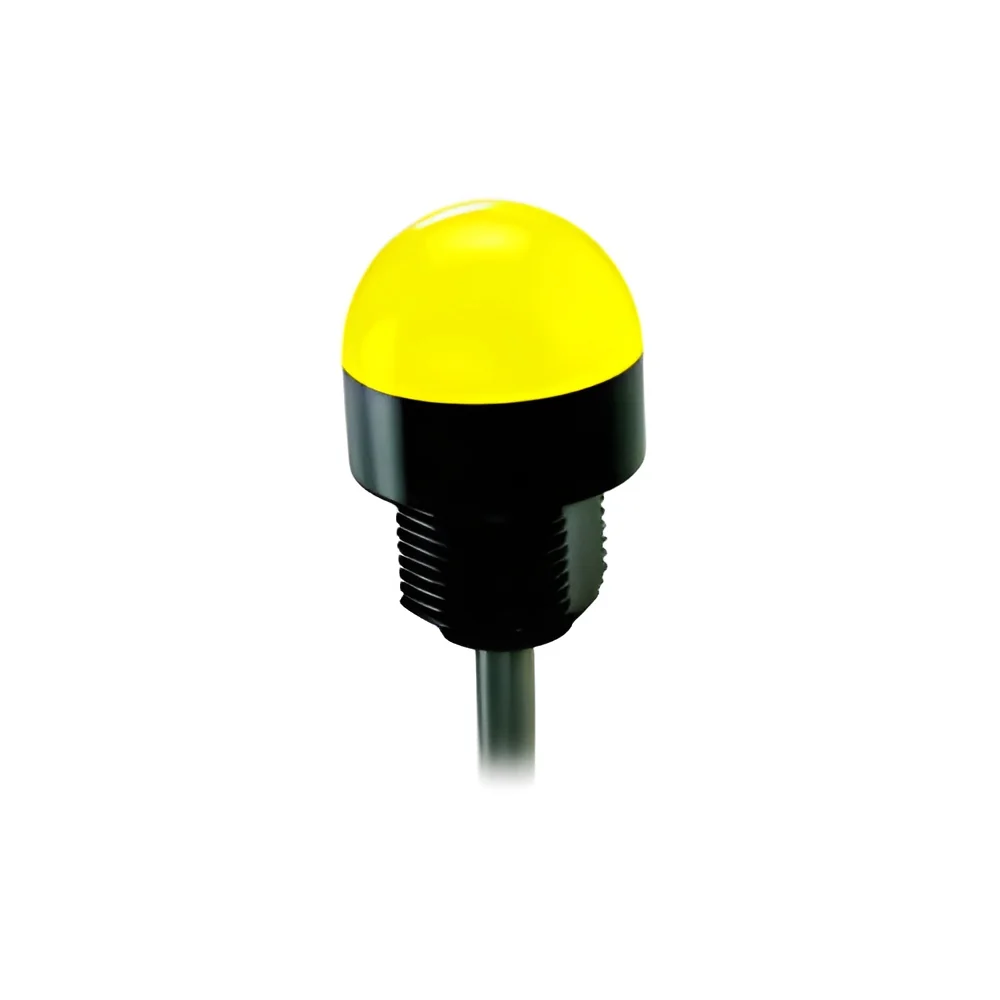
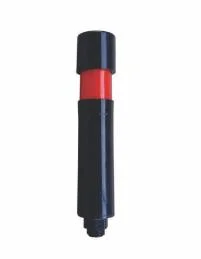
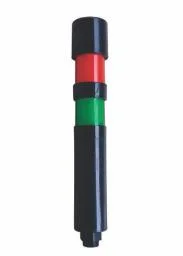
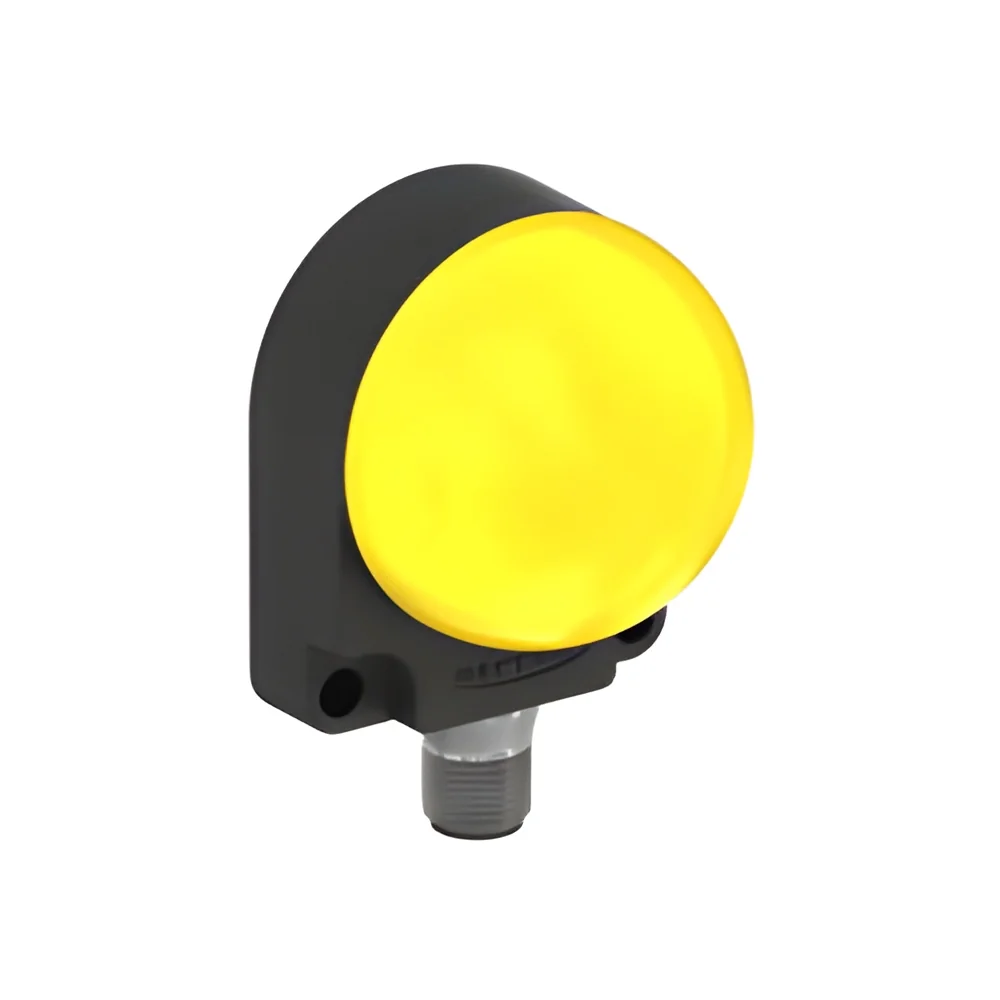
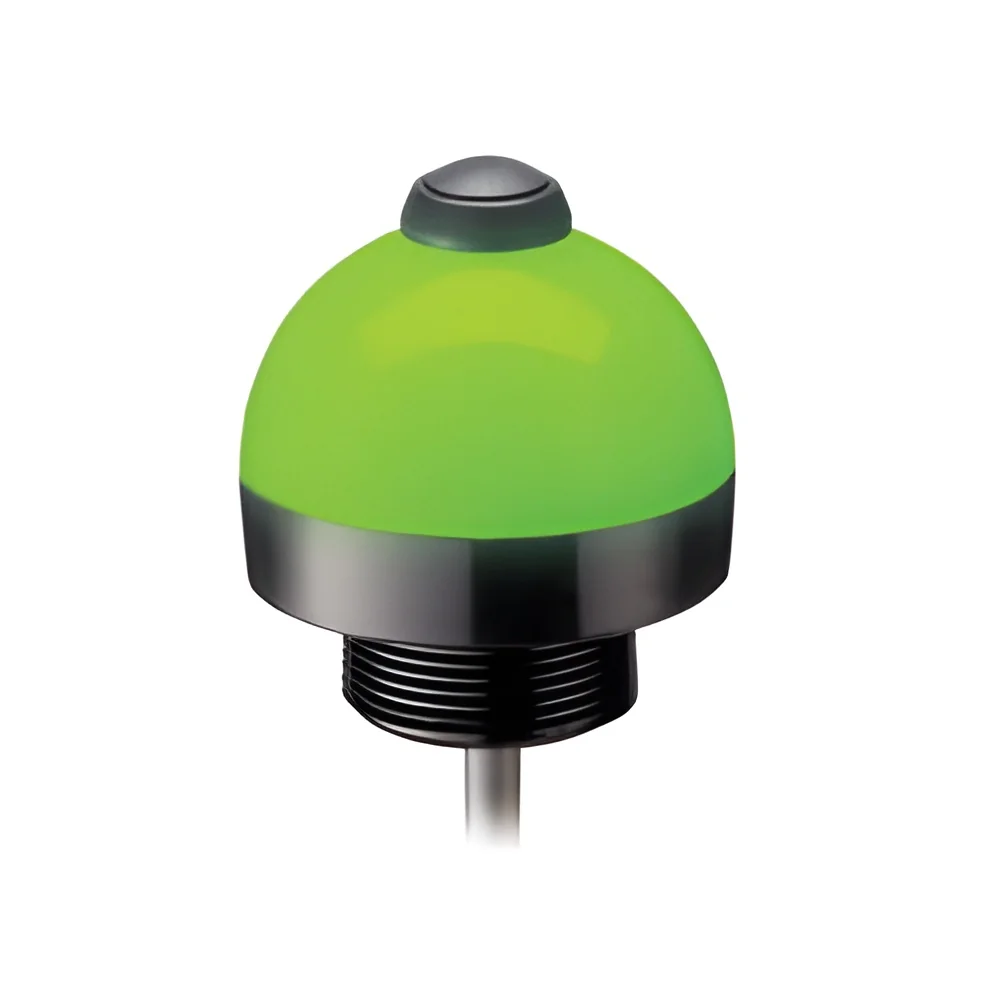
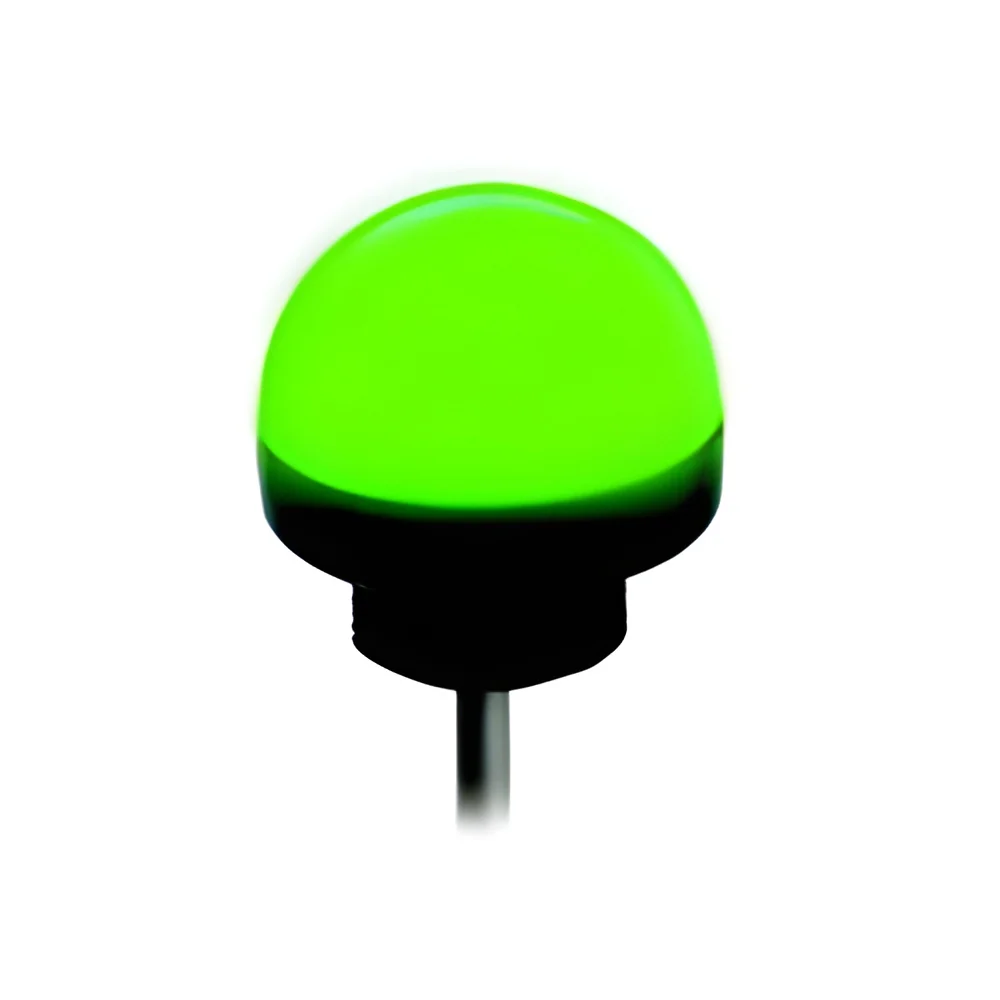
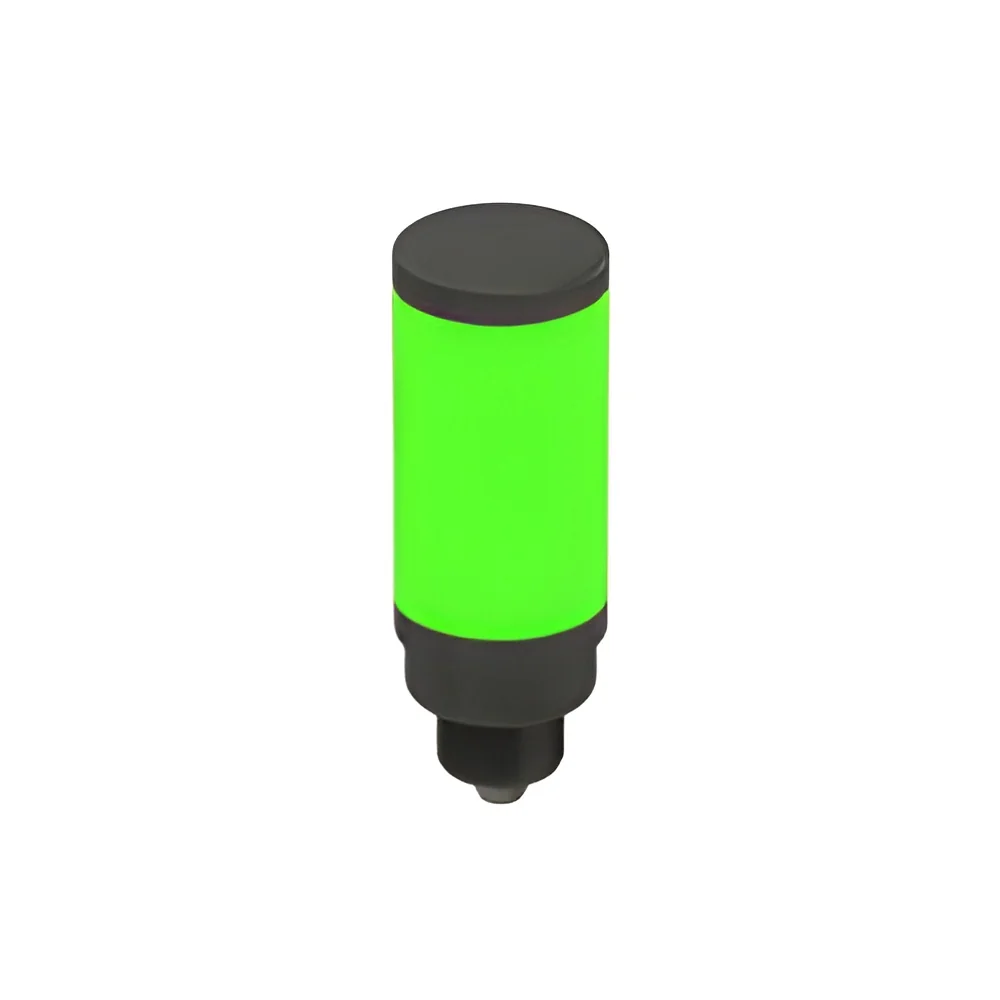
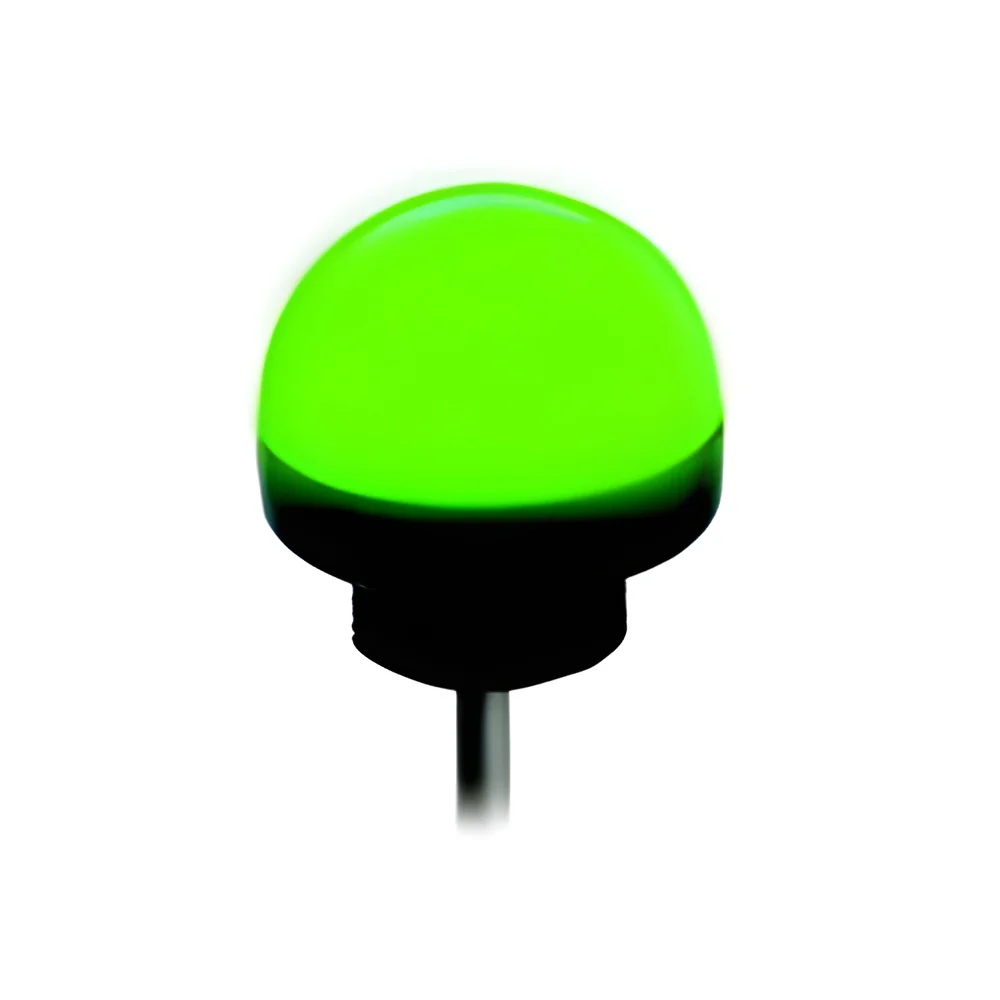
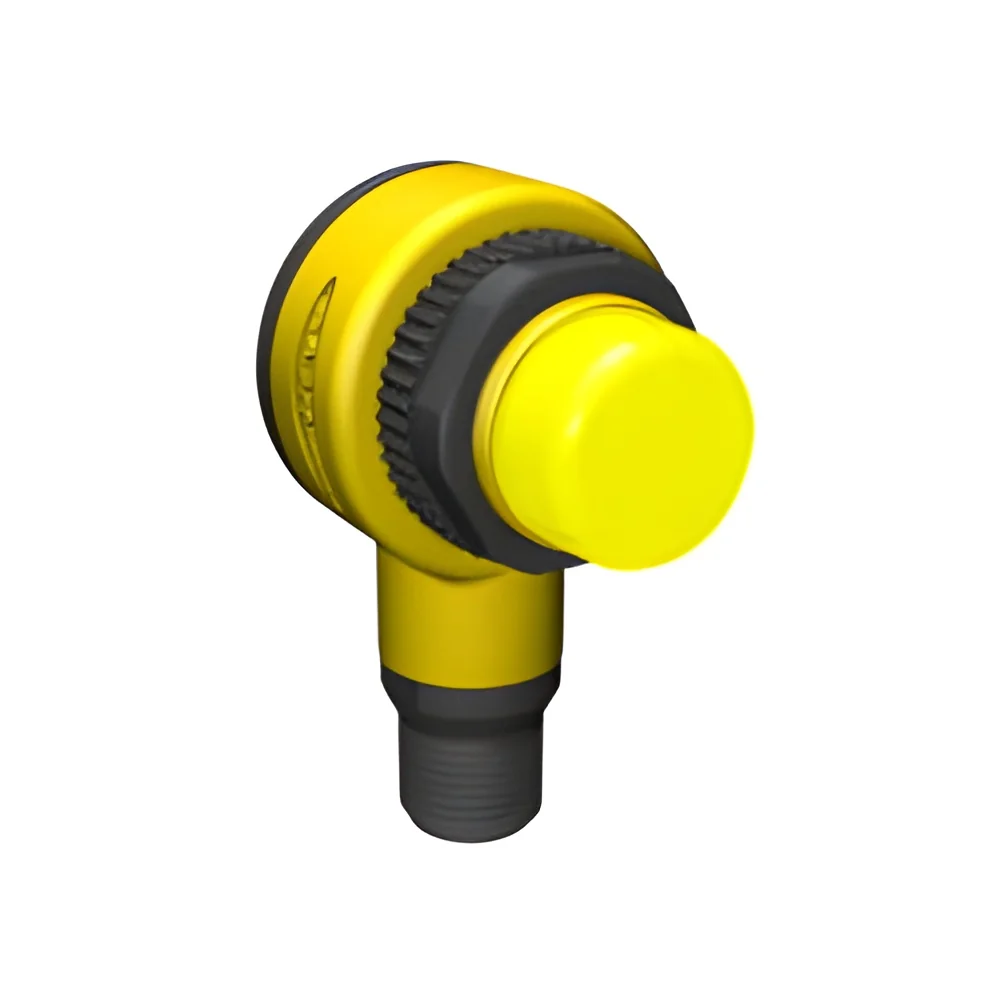
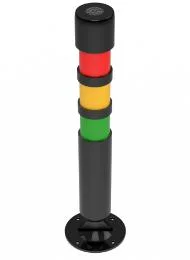
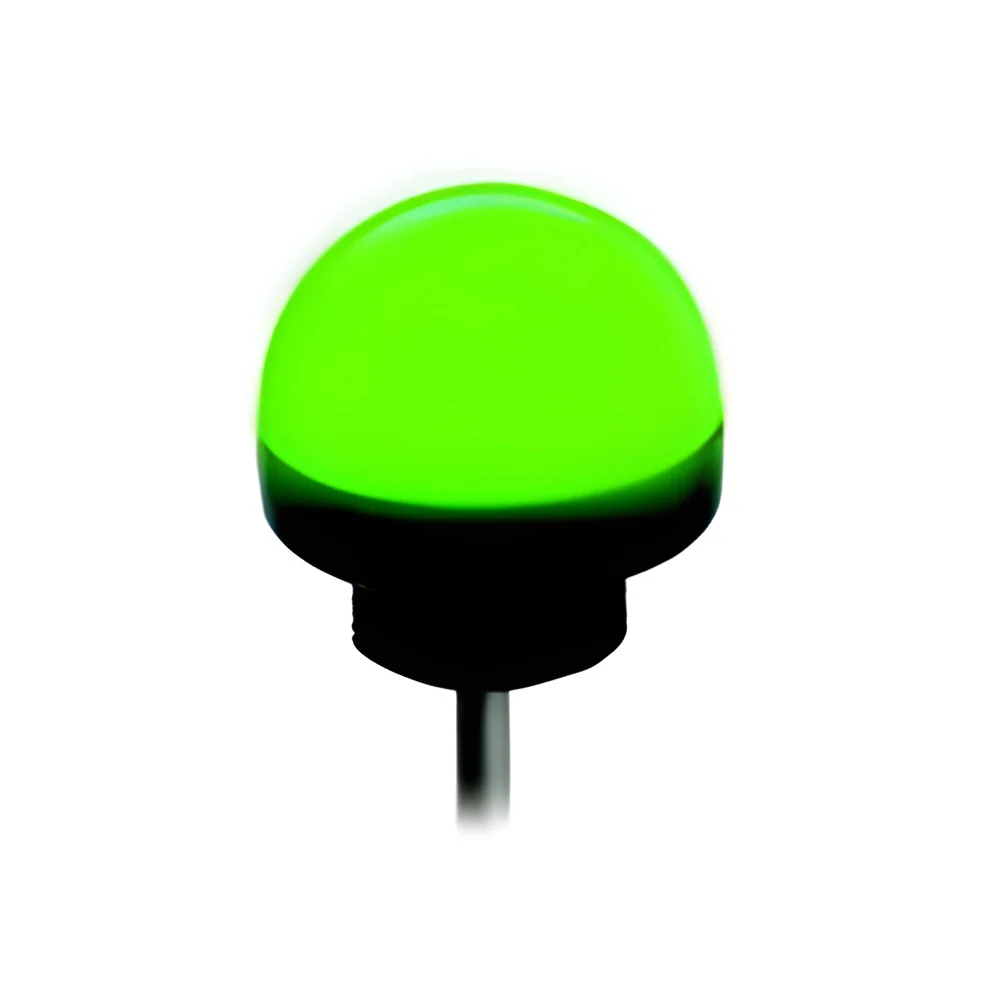
Machine lamps and indicators are specialized lighting and signaling devices used in various industrial applications. These products illuminate workspaces and convey important operational information through visual alerts. They are designed to enhance visibility and safety in manufacturing environments, ensuring that operators and maintenance personnel can quickly assess machine status and performance.
The primary uses of machine lamps and indicators include signaling machine operation, alerting personnel to faults or malfunctions, and providing visual feedback during production processes. These devices are essential in maintaining efficient operations across numerous sectors, including manufacturing, logistics, and assembly lines. As industries continue to prioritize safety and operational efficiency, the demand for reliable machine lamps and indicators remains high, making them a vital component in modern industrial settings.
The relevance of machine lamps and indicators extends across various sectors, highlighting their importance in optimizing workplace safety and productivity. As the manufacturing landscape evolves with advanced technologies, the integration of these devices is crucial for effective communication and monitoring. Their presence is especially prominent in environments where real-time data on machine performance is essential for decision-making and operational continuity.
Key Features and Specifications
Understanding the key features and specifications of machine lamps and indicators is crucial for selecting the right products for specific applications. These devices are characterized by several important specifications that ensure they meet the needs of various industrial environments.
Key specifications include:
1. Lumens Output
- Indicates the brightness of the lamp.
- Typically ranges from 100 to 5000 lumens, depending on the application.
2. Voltage Rating
- Specifies the electrical voltage required to operate the lamp.
- Common voltage ratings include 12V, 24V, and 120V.
3. Color Options
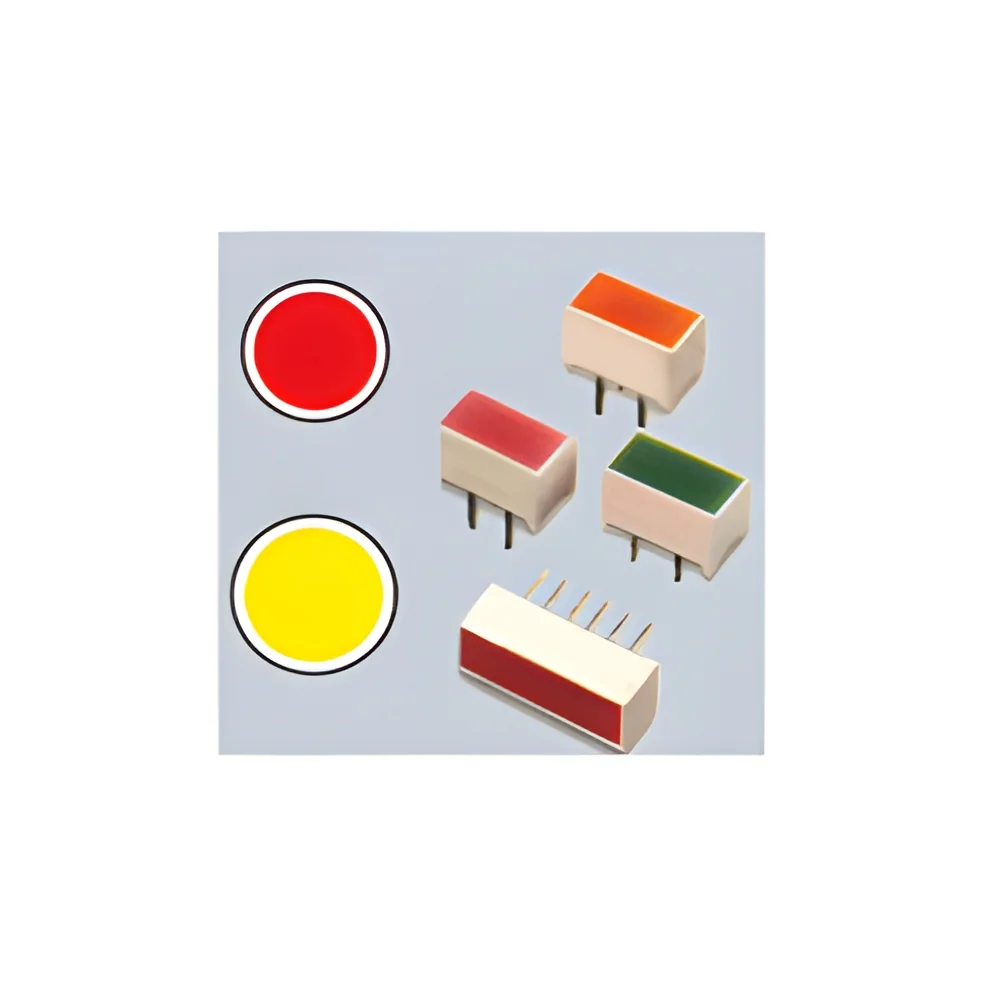
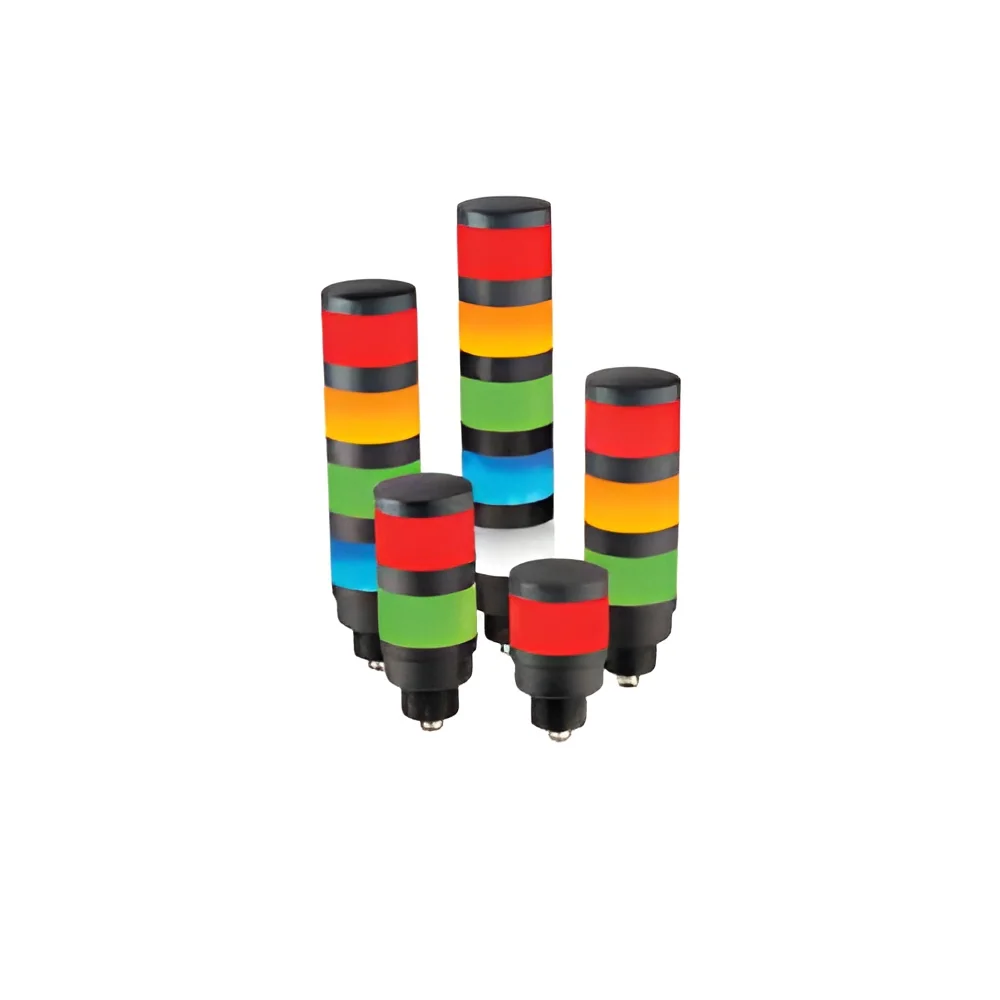
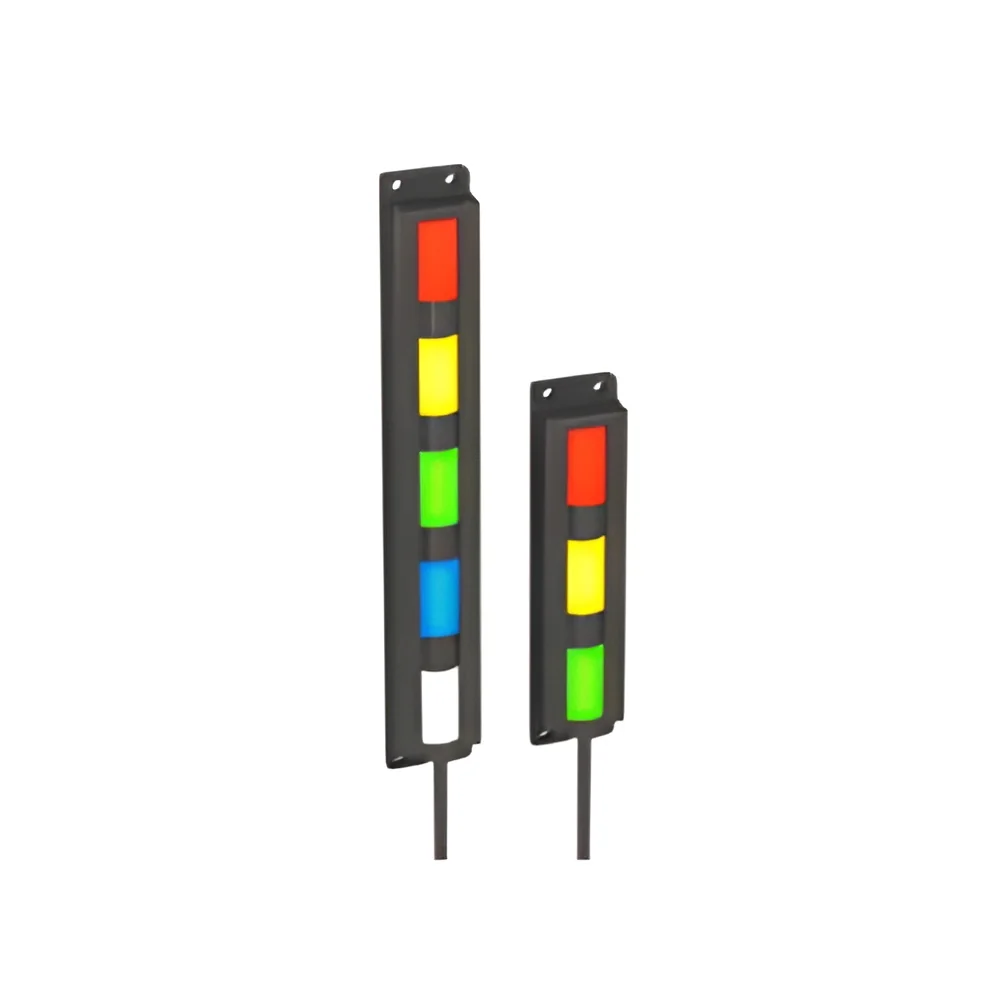
- Available in various colors to convey different signals (e.g., red for stop, green for go).
- Custom colors may also be available for specific applications.
4. Protection Rating
- Indicates the level of protection against dust and moisture.
- Common ratings include IP65 and IP67, which are suitable for harsh environments.
5. Mounting Options
- Various mounting styles are available, including surface mount, panel mount, and hanging options.
- Flexibility in mounting ensures compatibility with different machinery.
6. Operating Temperature Range
- Specifies the temperature range within which the lamp operates effectively.
- Usually ranges from -20°C to 60°C.
7. Lifespan
- Indicates the expected operational life of the lamp, typically measured in hours.
- LED options often boast lifespans exceeding 50,000 hours.
8. Certification
- Many lamps come with certifications, such as CE, ensuring compliance with safety standards.
In summary, understanding these specifications helps businesses select the right machine lamps and indicators tailored to their operational needs, ensuring safety and efficiency.
Common Applications and Use Cases
Machine lamps and indicators play a significant role in various industries, providing essential visibility and signaling functions.
1. Manufacturing: In manufacturing plants, machine lamps indicate operational status, guiding personnel in monitoring machinery and enhancing safety protocols.
2. Logistics: These devices are used in warehouses to signal equipment status and alert workers to potential hazards, improving workflow and efficiency.
3. Automotive: In automotive assembly lines, machine indicators provide real-time feedback on equipment performance, reducing downtime and ensuring quality control.
4. Food Processing: In food production facilities, machine lamps signal equipment statuses and ensure compliance with health and safety regulations.
5. Pharmaceuticals: In pharmaceutical manufacturing, machine indicators help maintain strict adherence to operational standards, ensuring product integrity and safety.
6. Oil and Gas: In this industry, machine lamps are crucial for signaling operational states in hazardous environments, enhancing safety for workers.
7. Aerospace: Machine lamps and indicators are employed in aerospace manufacturing to provide critical information about machinery and processes, ensuring precision and safety.
Product Variants and Subcategories
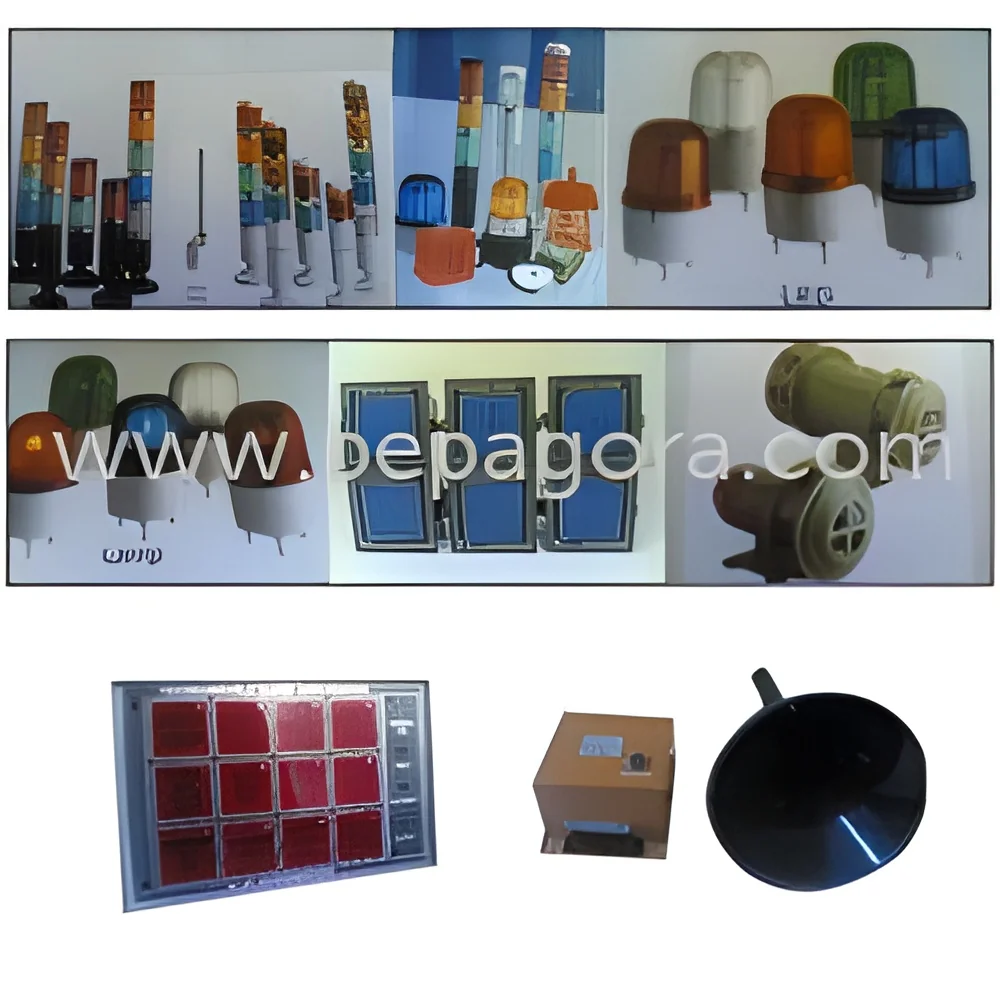
Machine lamps and indicators come in various forms to meet diverse industrial needs. This product diversity allows businesses to choose the most suitable option for their applications.
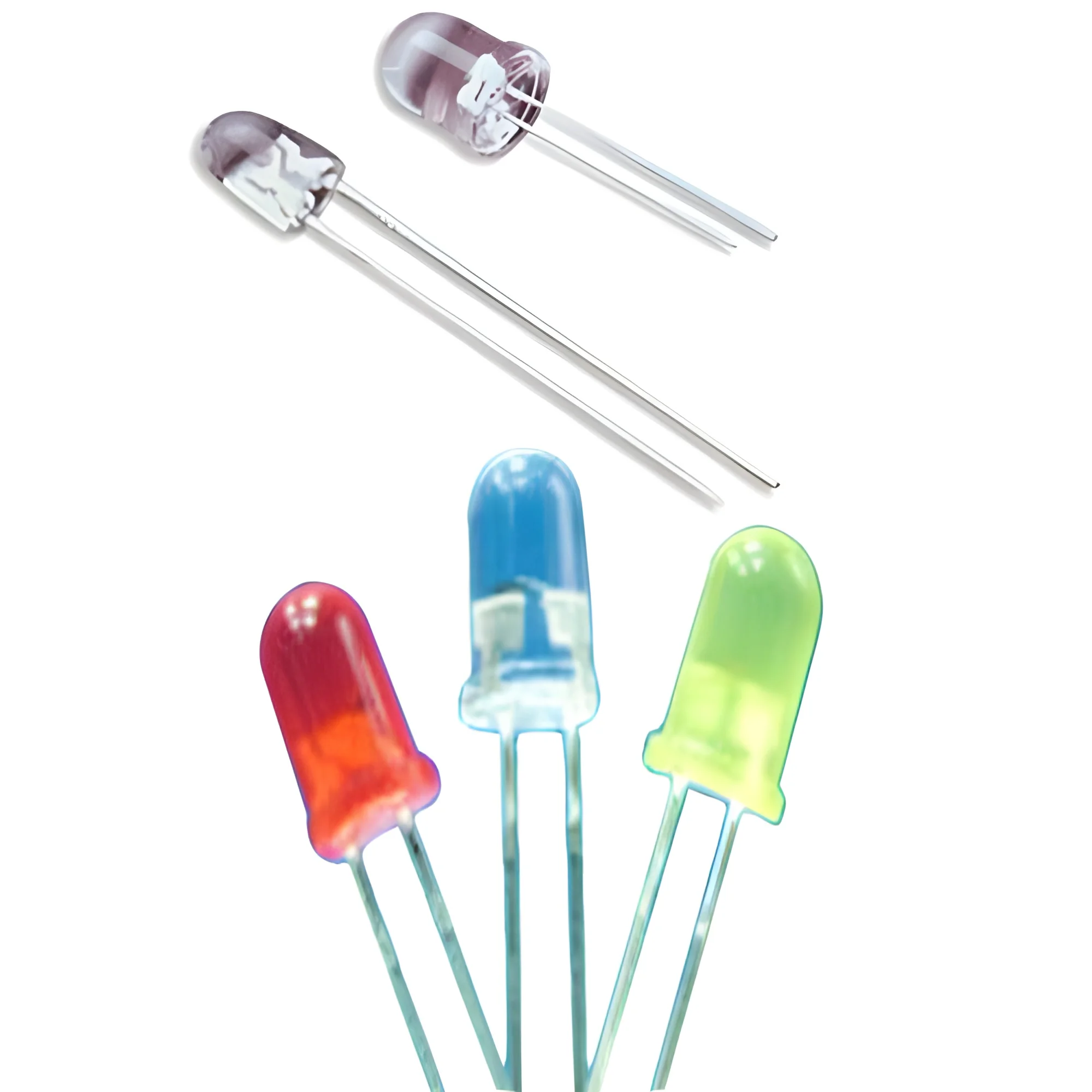
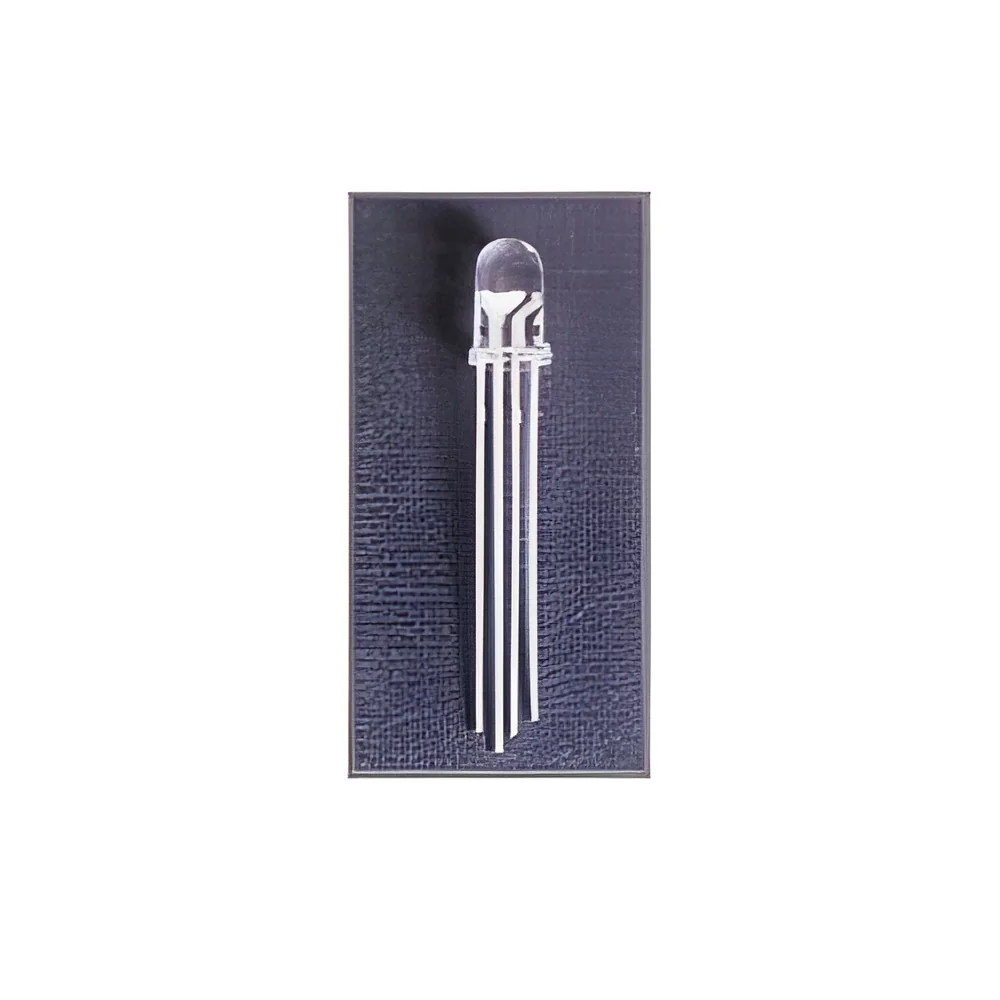
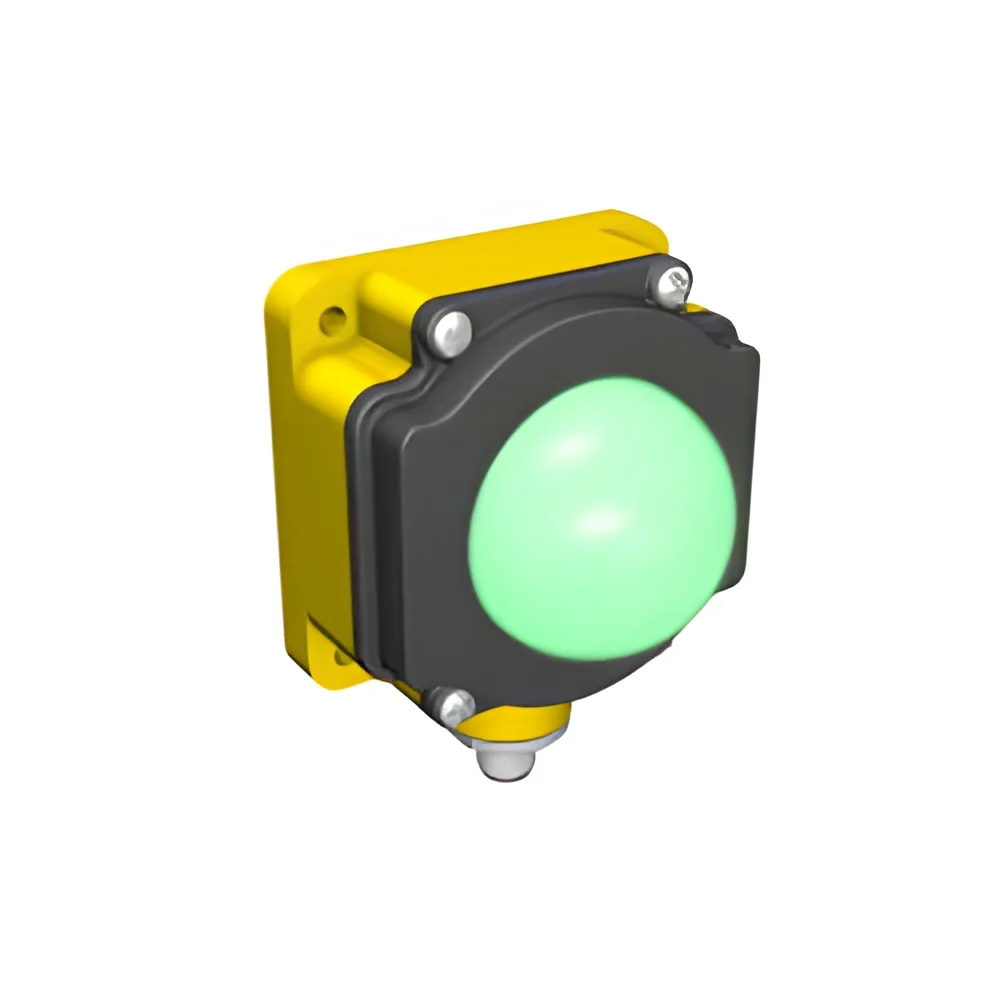
LED Machine Lamps: These lamps utilize LED technology, offering energy efficiency and long lifespan. They are commonly used in environments where low energy consumption is a priority.
Incandescent Indicators: Traditional incandescent lamps are still used in specific applications, providing reliable signaling but with shorter lifespans compared to LEDs.
Fluorescent Indicators: These indicators are employed in larger workspaces, providing broad illumination and effective signaling for machine status.
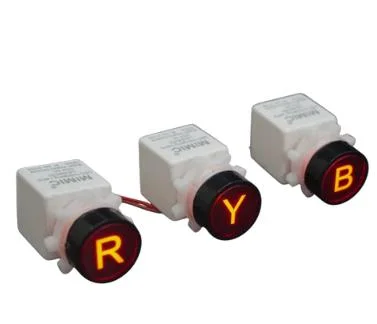
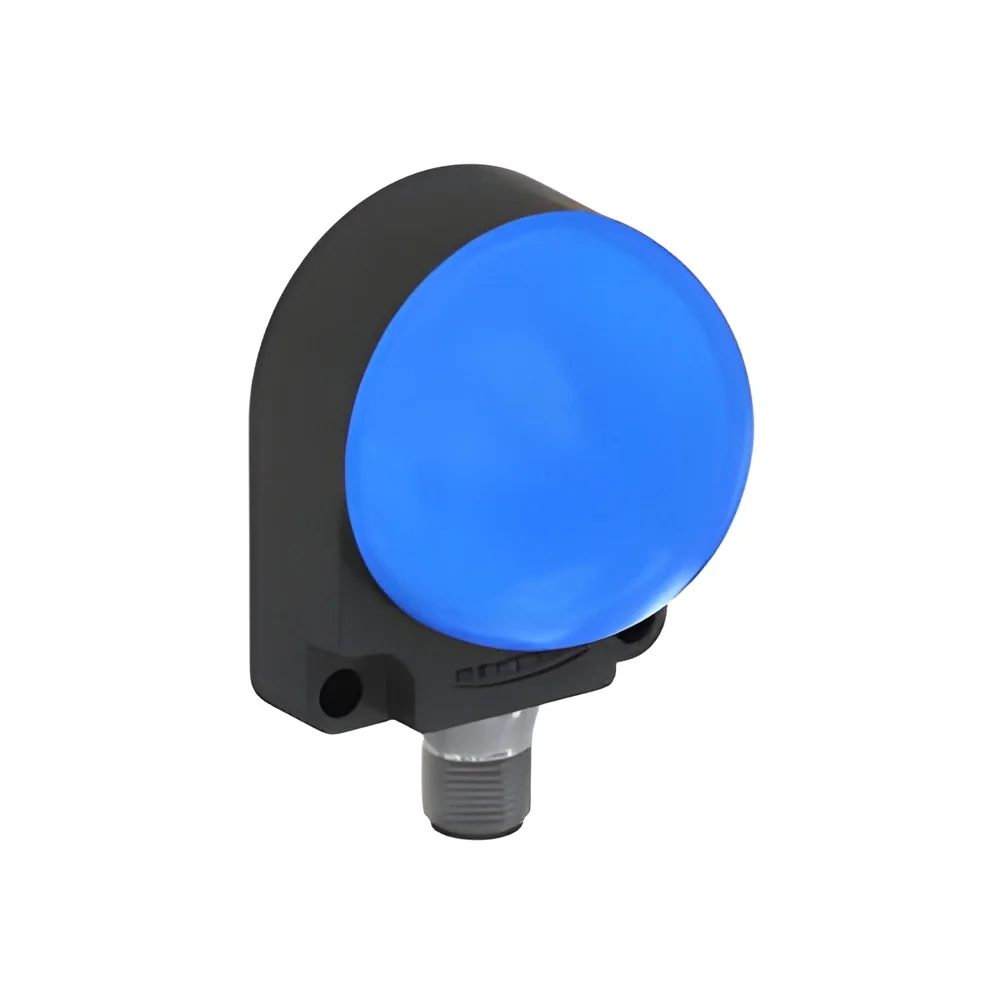
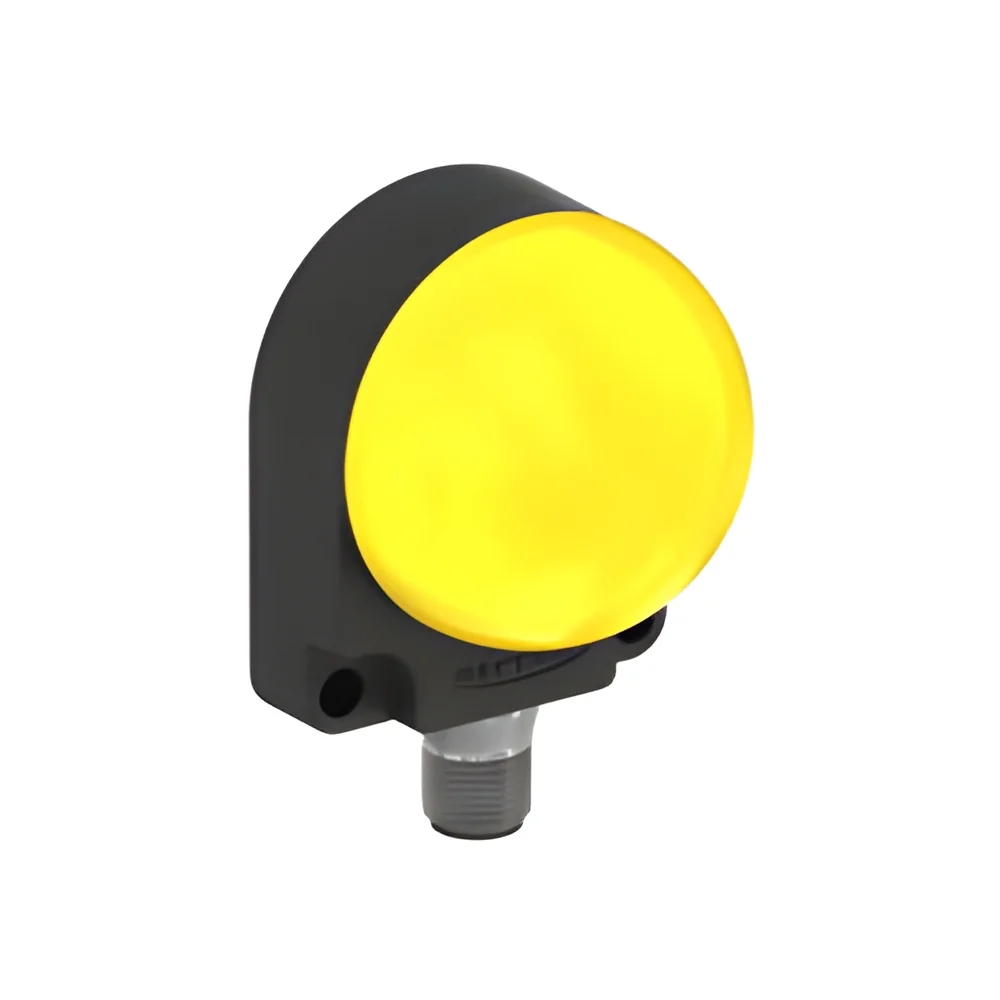
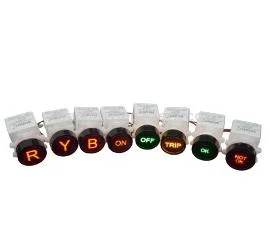
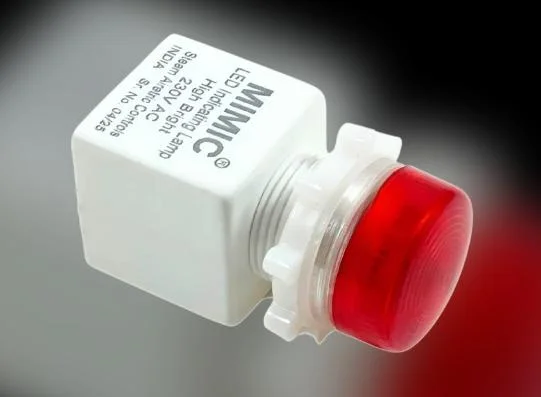
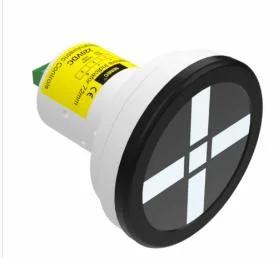
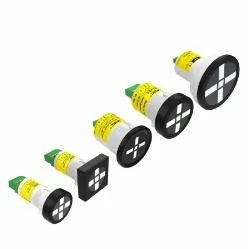
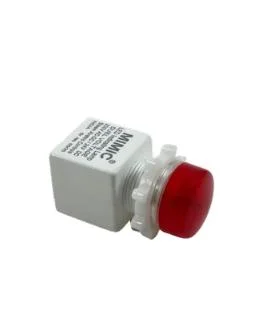
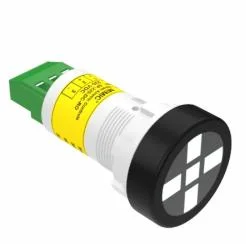
Panel-Mounted Indicators: Designed for integration into control panels, these indicators provide essential information directly to operators.
Portable Machine Lamps: These are battery-operated lamps that can be moved as needed, ideal for maintenance tasks and inspection activities.
Benefits and Advantages
Machine lamps and indicators offer numerous advantages that enhance operational effectiveness in industrial settings.
Key benefits include:
1. Improved Safety: By providing clear visual signals, these devices help prevent accidents and injuries in the workplace.
2. Enhanced Efficiency: Machine indicators allow for real-time monitoring of equipment, reducing downtime and increasing productivity.
3. Versatility: With various types and configurations available, machine lamps can be adapted to meet specific application needs across industries.
4. Energy Efficiency: Many modern machine lamps, particularly LEDs, consume less power, contributing to lower operational costs.
5. Long Lifespan: High-quality machine lamps and indicators have extended operational lives, reducing the need for frequent replacements.
6. Compliance with Standards: Many products meet industry standards, ensuring that businesses adhere to safety regulations and operational benchmarks.
Buying Guide for B2B Buyers
When sourcing machine lamps and indicators, several factors should be considered to ensure the best selection for your business needs.
1. Quality Assessment: Evaluate the quality of the products by checking for certifications and industry standards. Look for reliable brands known for durability and performance.
2. Supplier Verification: Conduct thorough vetting of suppliers to ensure they have a proven track record and positive customer feedback. This helps mitigate risks associated with purchasing.
3. Pricing and MOQ: Understand the pricing structure and minimum order quantities (MOQ) required by suppliers. This information is crucial for budgeting and planning inventory.
4. Delivery and Lead Times: Inquire about the supplier's delivery capabilities and lead times to ensure timely access to products, which is essential for maintaining operations.
5. Compliance Requirements: Ensure that the products meet relevant compliance and safety regulations that apply to your industry, protecting both your business and employees.
Compliance and Certifications
Machine lamps and indicators are subject to various compliance and certification standards that ensure their safety and effectiveness in industrial applications.
Quality standards such as ISO 9001 help ensure that manufacturers maintain consistent quality in their products. Additionally, industry-specific certifications like CE indicate compliance with European health, safety, and environmental protection standards.
Safety and testing requirements are also critical, particularly in industries like food processing and pharmaceuticals, where reliability and safety are paramount. Regular testing ensures that these devices perform as expected under operational conditions.
Regional compliance considerations may vary, so it is important for businesses to understand local regulations that may affect the use of machine lamps and indicators. Adhering to these regulations helps businesses avoid legal repercussions and ensures safe working conditions.
Why Source Machine Lamps & Indicators from Pepagora?
Pepagora provides a trusted platform for sourcing machine lamps and indicators, offering several key advantages to B2B buyers.
Verified Supplier Network: Pepagora features a network of verified suppliers, ensuring that businesses can find reputable sources for high-quality products. This helps buyers make informed decisions with confidence.
Streamlined RFQ Process: The request for quotation (RFQ) process is simplified on Pepagora, allowing buyers to receive competitive pricing and options quickly. This saves time and enhances procurement efficiency.
Trade Assurance and Support: Buyers benefit from trade assurance, which protects their purchases and provides support in case of any issues. This adds a layer of security to transactions.
Regional Coverage: Pepagora has a broad geographic reach, serving businesses in India, the GCC, and Southeast Asia. This wide coverage ensures that buyers can access products and services tailored to their regional needs.

 IN
IN