IN
IN₹
Apparel & Fashion

Description
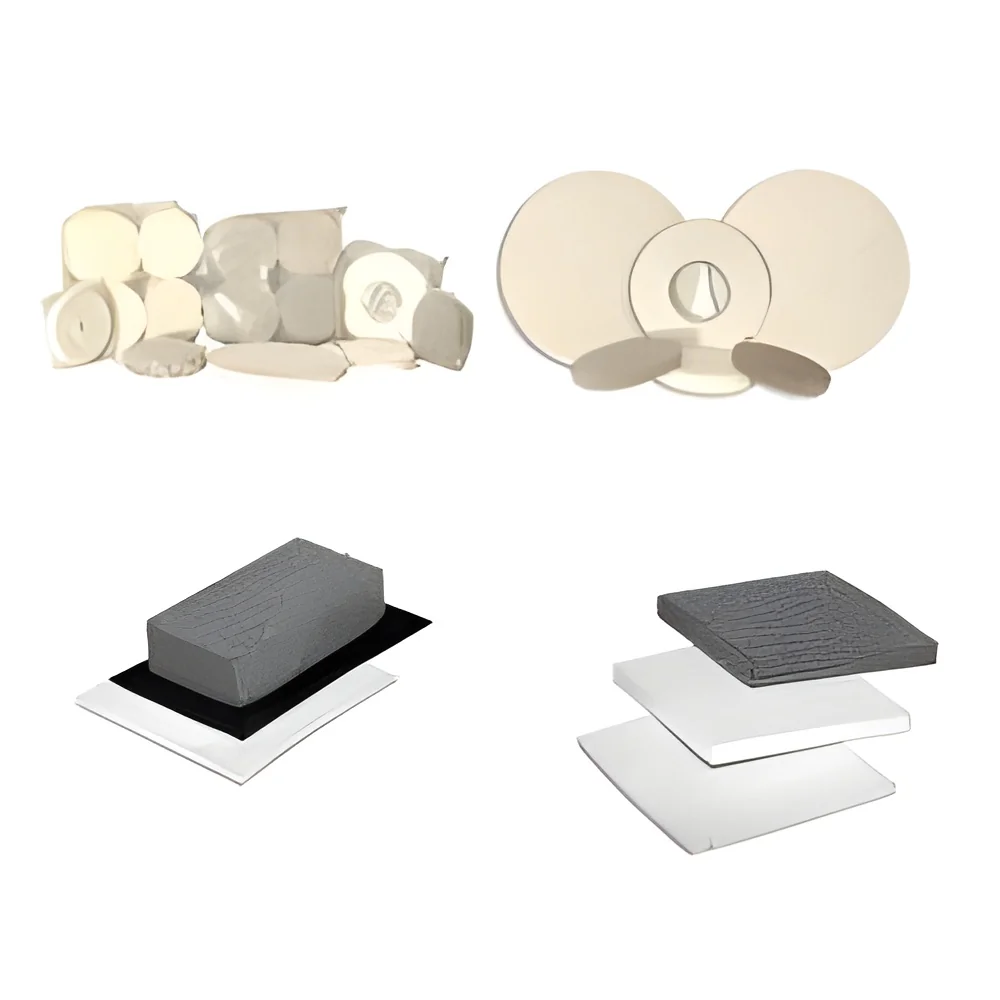
Industrial Grinding Bottom Trays are fundamental components engineered for stability and precision in demanding machining environments. Available in standard 1, 2, and 3 inch sizes, these trays are built with a focus on durability and exact dimensional accuracy. They serve as the critical interface between the grinding machine and the workpiece, ensuring secure positioning that is vital for achieving tight tolerances and superior surface finishes. Manufactured to rigorous specifications, each tray is designed to resist wear, deformation, and thermal stress, providing a long-lasting foundation for repetitive grinding operations. Their reliable performance supports both high-volume production lines and specialized job-shop applications where consistency is non-negotiable.

These trays are indispensable across a spectrum of heavy industries. Metal fabrication and machining centers rely on them for precise surface grinding of plates, blocks, and fabricated parts. The automotive and aerospa...
Industrial Grinding Bottom Trays are fundamental components engineered for stability and precision in demanding machining environments. Available in standard 1, 2, and 3 inch sizes, these trays are built with a focus on durability and exact dimensional accuracy. They serve as the critical interface between the grinding machine and the workpiece, ensuring secure positioning that is vital for achieving tight tolerances and superior surface finishes. Manufactured to rigorous specifications, each tray is designed to resist wear, deformation, and thermal stress, providing a long-lasting foundation for repetitive grinding operations. Their reliable performance supports both high-volume production lines and specialized job-shop applications where consistency is non-negotiable.

These trays are indispensable across a spectrum of heavy industries. Metal fabrication and machining centers rely on them for precise surface grinding of plates, blocks, and fabricated parts. The automotive and aerospace sectors utilize them in the finishing of engine components, landing gear parts, and other critical hardware. General manufacturing employs them for tool maintenance, die making, and component refurbishment. Furthermore, industries processing hard materials like ceramics, composites, and glass incorporate these trays for sizing and edge-work operations. Their universal design and robustness make them a trusted asset wherever material removal with precision is a core process.

The business value of these grinding trays lies in their direct contribution to operational efficiency and cost control. Their exceptional reliability minimizes unplanned downtime caused by component failure, ensuring smoother production flow. The precise fit and durability reduce the frequency of replacements and adjustments, lowering long-term consumable costs. By providing a stable and accurate base, they enhance the quality of the finished workpiece, reducing scrap rates and rework. This reliability translates into predictable machining outcomes, better scheduling accuracy, and ultimately, a stronger reputation for quality with your end customers. Investing in these trays means investing in process stability and output consistency.

Key Features:
- Manufactured in precise 1, 2, and 3 inch standard sizes for common industrial requirements.
- Durable construction using high-grade materials to withstand intense grinding pressures and vibrations.
- Engineered for dimensional stability to ensure consistent workpiece alignment over thousands of cycles.
- Designed for compatibility with a wide range of standard surface grinders and machining fixtures.
- Rigorous quality control ensures each tray meets exact specifications for flatness and tolerance.

Benefits:
- Enhances grinding precision and repeatability for superior part quality and reduced scrap.
- Durable build ensures long service life, reducing replacement frequency and consumable costs.
- Reliable performance minimizes machine downtime, supporting continuous production schedules.
- Easy integration with existing equipment simplifies setup and improves operational workflow.
- Consistent, trusted performance builds confidence in your machining processes and end products.
Specifications
| Additional Information | |
|---|---|
| Country of Origin | India |
Application
These industrial grinding bottom trays deliver stable, precise support for critical machining processes. Engineered for heavy-duty cycles, they maintain exact dimensions under continuous load, ensuring consistent workpiece alignment and surface finish across extended production runs. Their robust construction withstands the vibration and pressure inherent in industrial grinding, making them a dependable component in automated and manual systems alike.
Designed for seamless integration, these trays fit standard grinding equipment used in workshops and factories worldwide. They accommodate various abrasive materials and techniques, from rough stock removal to fine finishing. This versatility makes them suitable for diverse operational environments where precision, repeatability, and minimal downtime are essential for maintaining production schedules and output quality. Real-world applications:
- Supporting precision surface grinding of metal components in fabrication and machine shops.
- Providing a stable base for tool sharpening and reconditioning in maintenance departments.
- Facilitating consistent grinding of automotive parts like valves, shafts, and transmission components.
- Enabling precise material removal in the production of industrial blades and cutting tools.
- Serving as a reliable fixture in glass and ceramic processing for edge finishing and sizing operations.
Trade Details
| Available Stock | In Stock |
| Sample Availability | No |
Payment Terms
| Payment Terms |
|
Company Profile
Kansal Enterprises, New Delhi
 New Delhi, India
New Delhi, IndiaRaw Materials & Chemicals•Manufacturer•Trading Company•Distributor / Wholesaler
Factory Details
Factory SizeBelow 1000 sqm
Annual Production Capacity0
Industrial Grinding Bottom Trays Durable 1 2 3 Inch Sizes
Industrial grinding bottom trays in durable 1, 2, and 3 inch sizes provide reliable support for precision machining. Trusted by manufacturers for consistent performance in demanding metal fabrication and automotive finishing operations.
Min. Order Quantity: 1 unit
Shipping
Shipping fee and delivery date to be negotiated. Contact supplier now for more details.
Kansal Enterprises
 New Delhi, India
New Delhi, IndiaRaw Materials & ChemicalsManufacturer