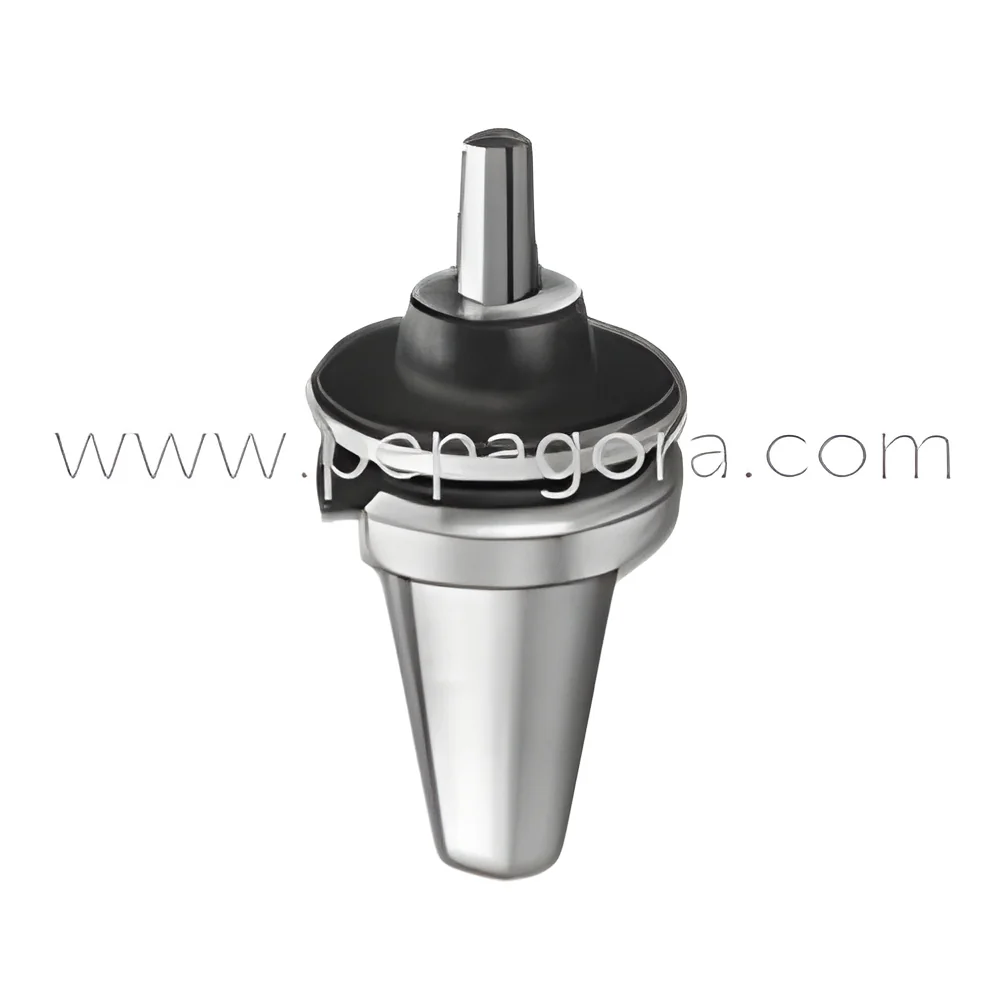
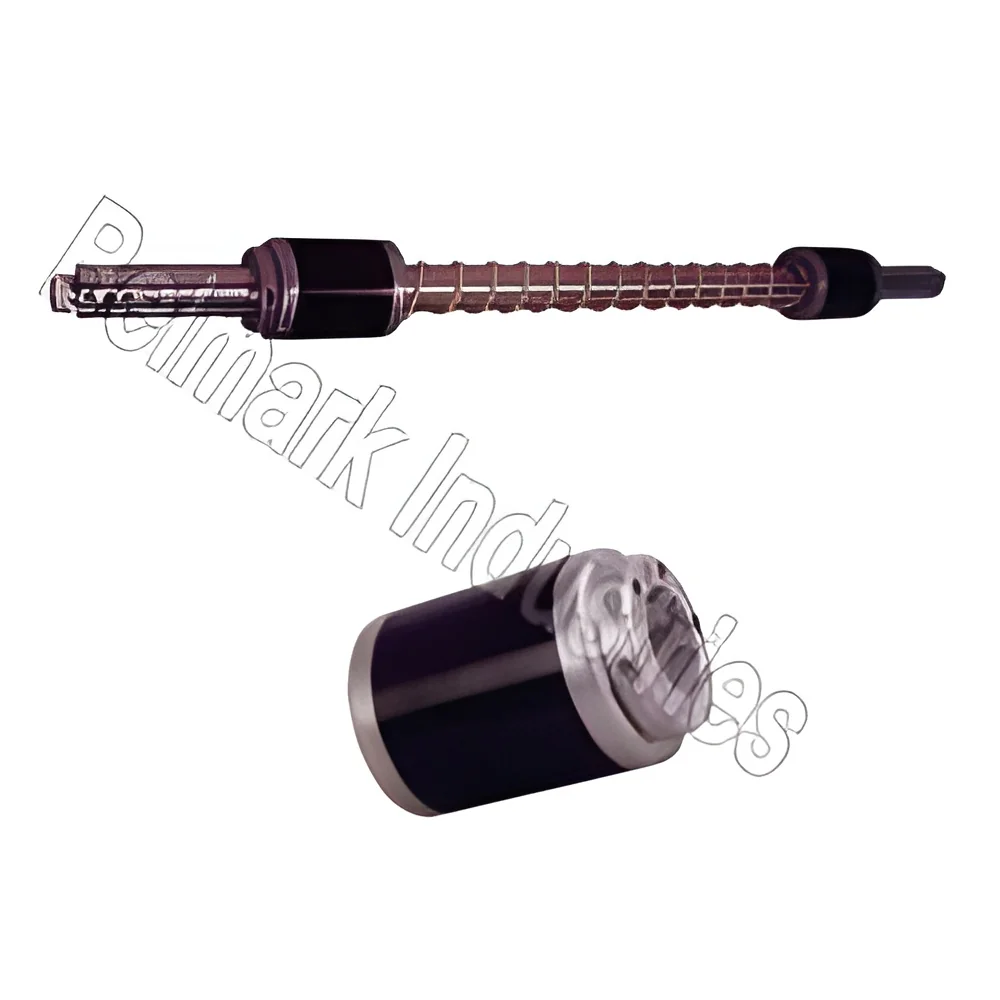
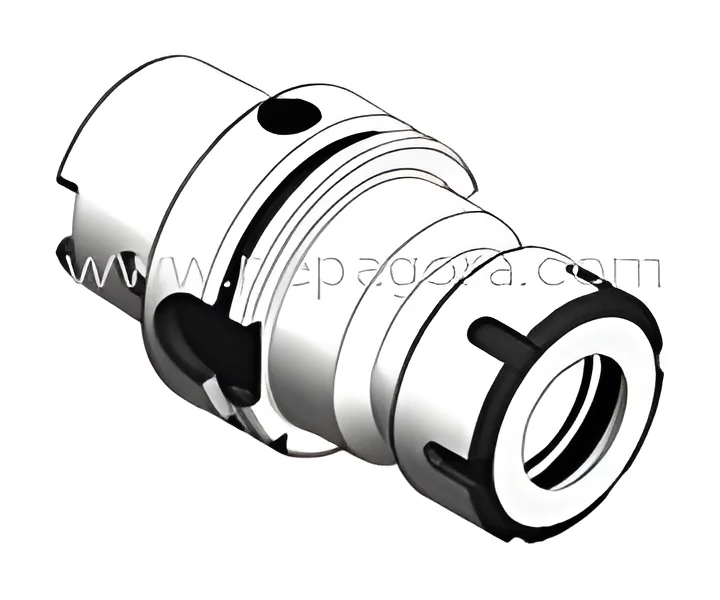
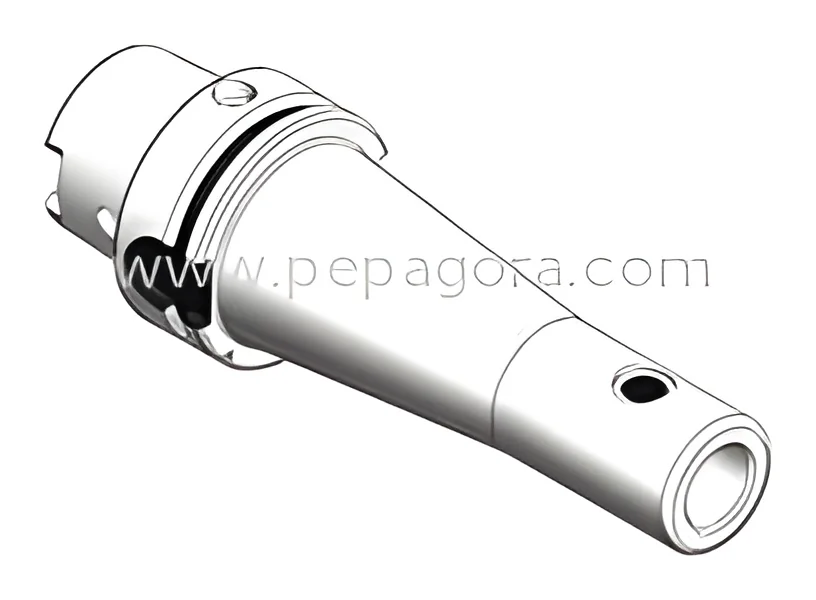
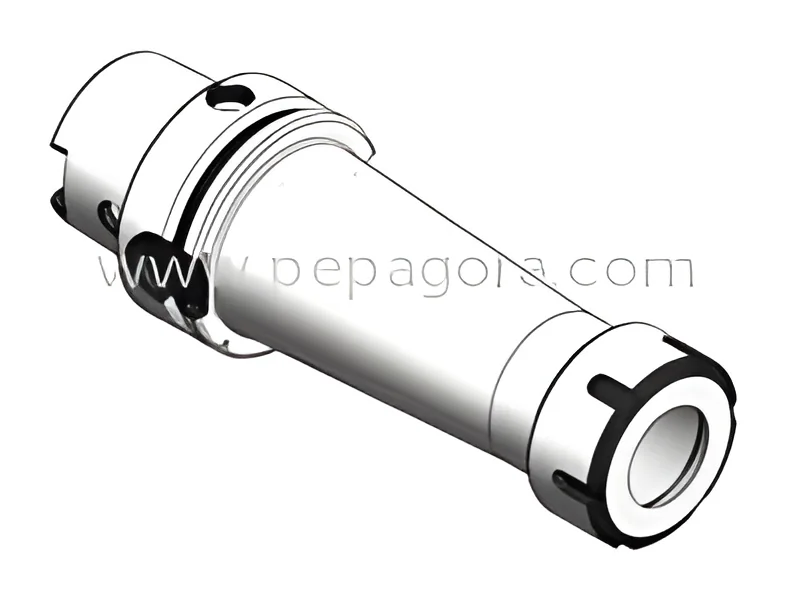
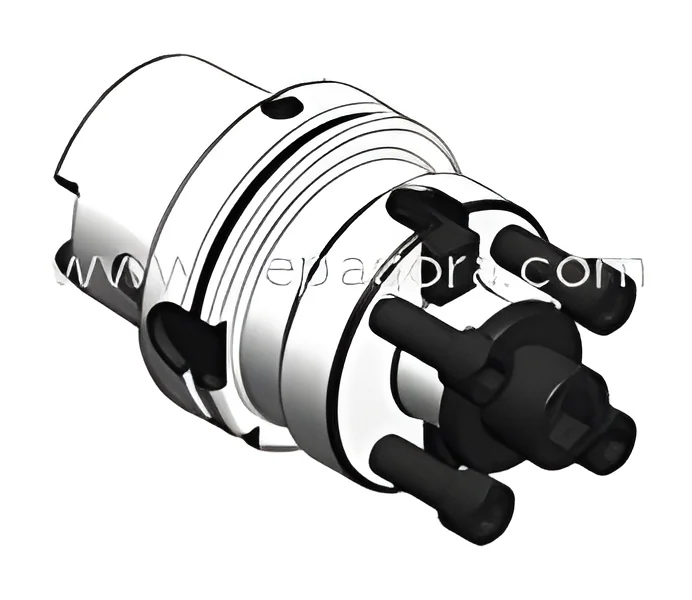
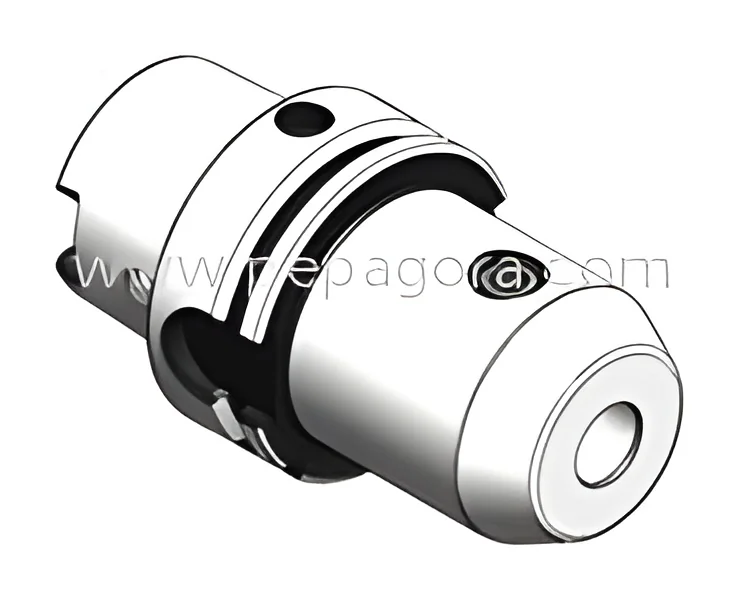
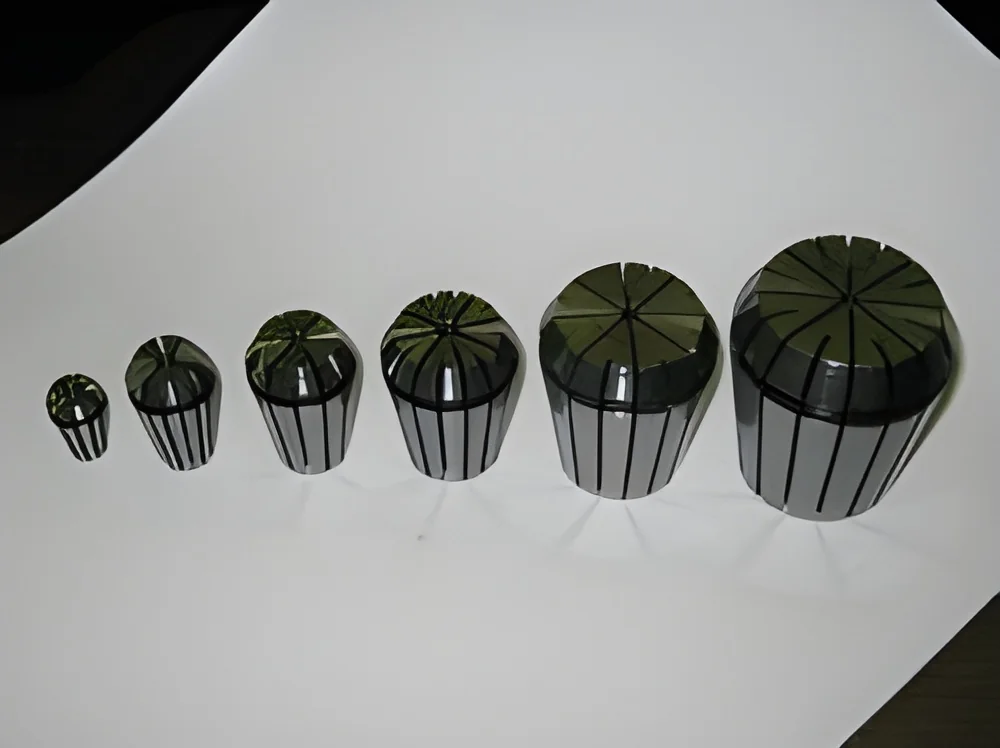
What are Tool Holders & Collets?
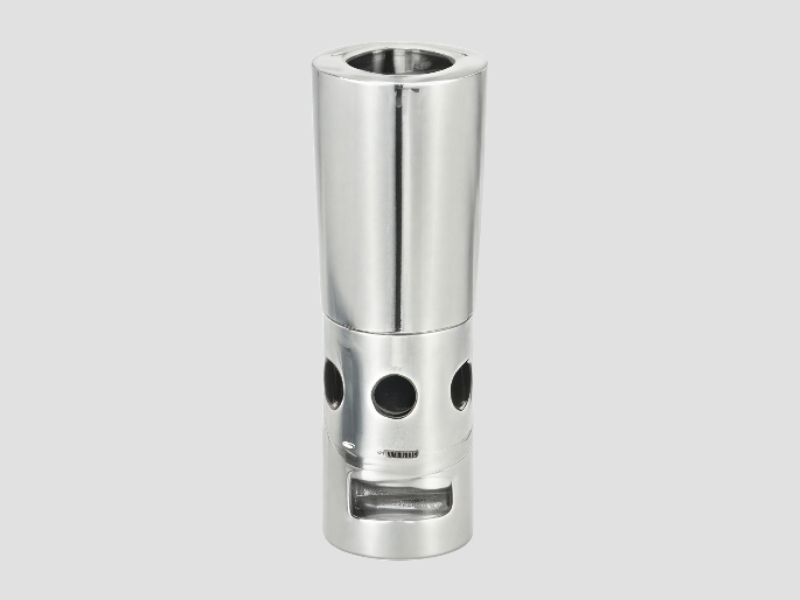
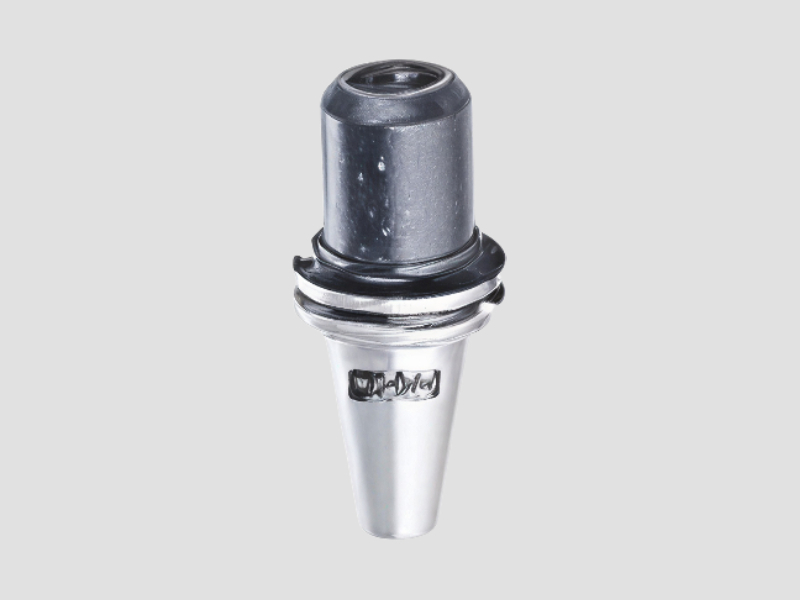
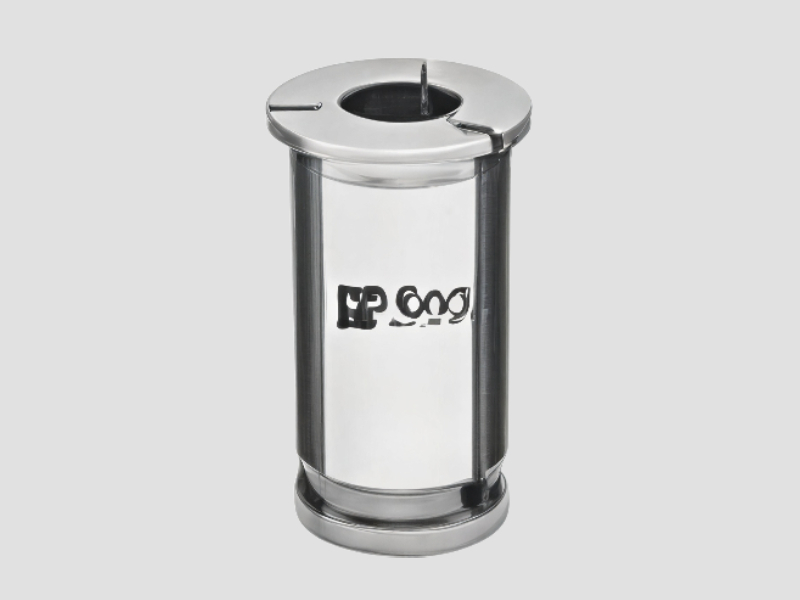
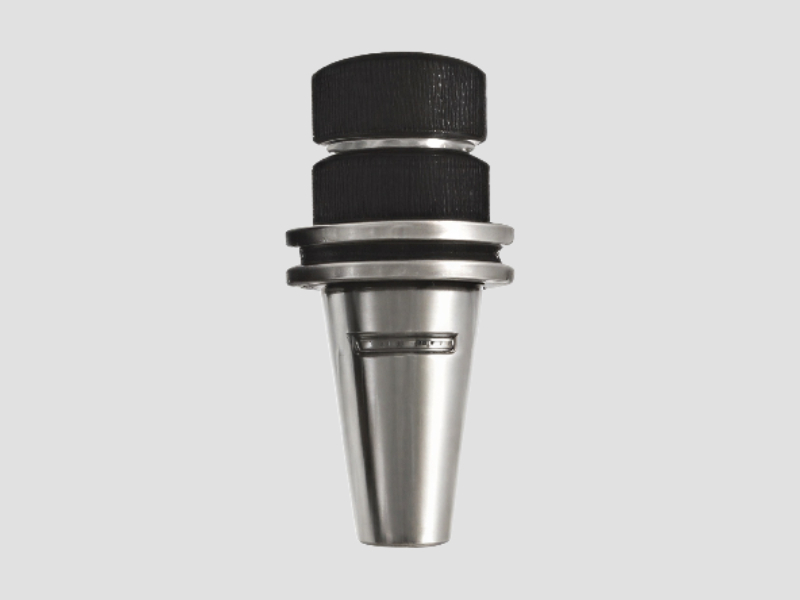
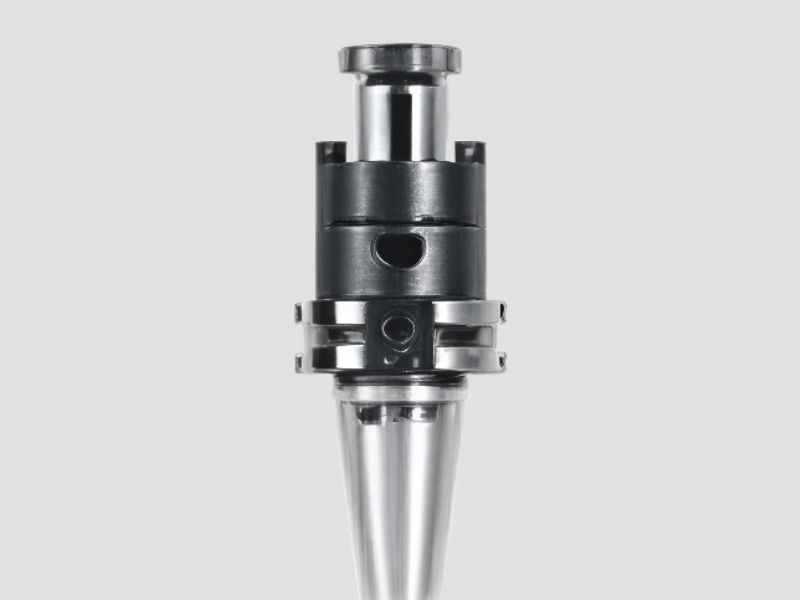
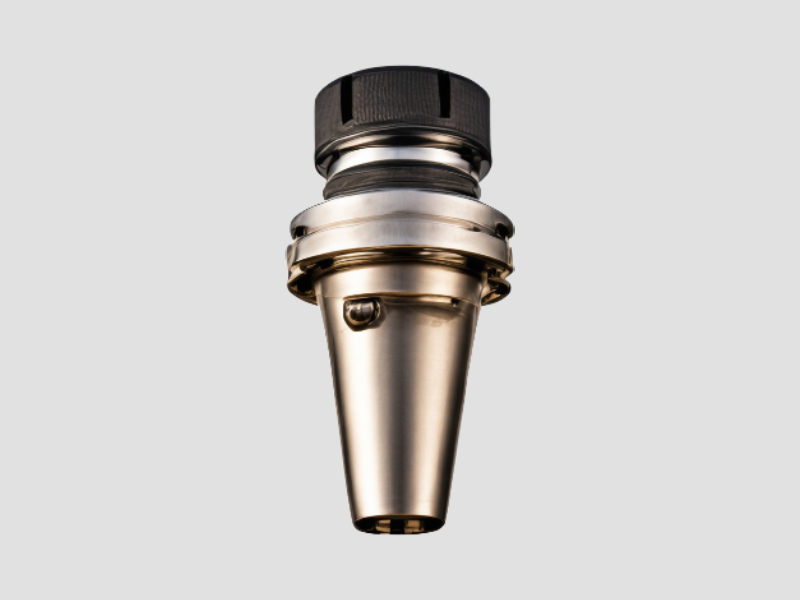
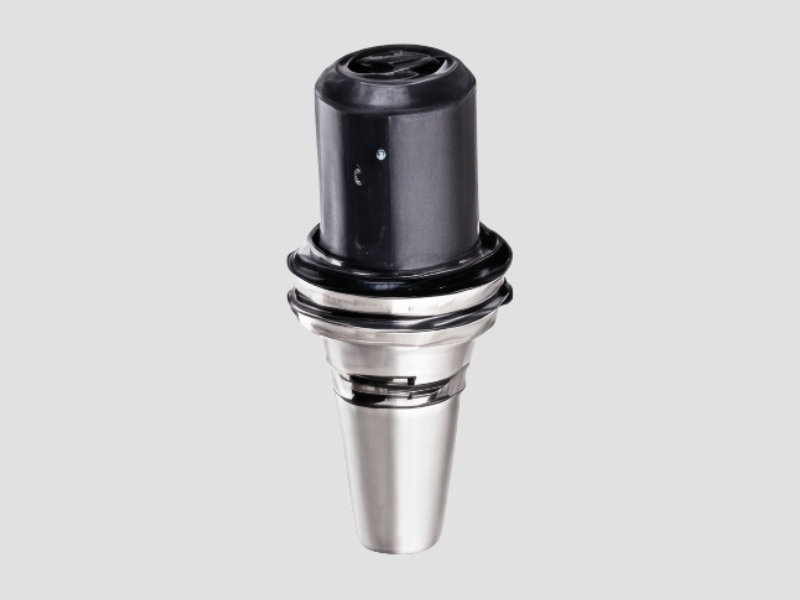
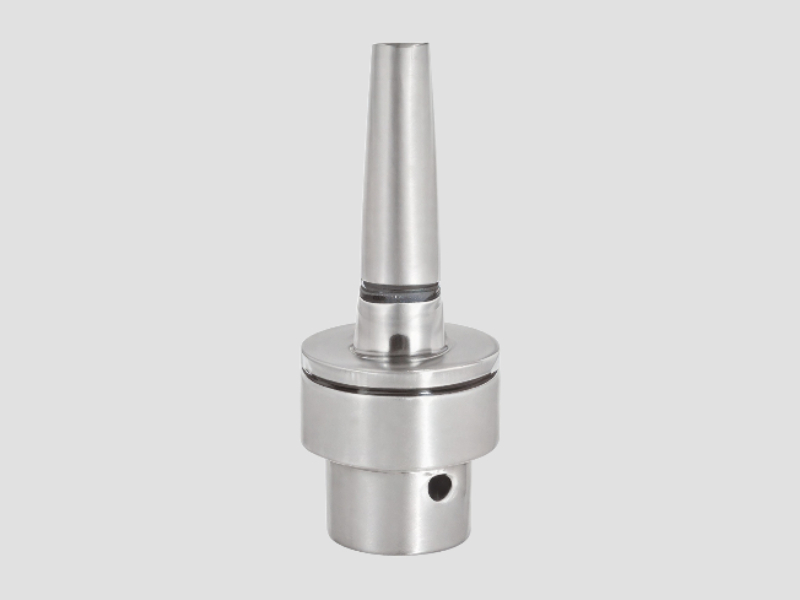
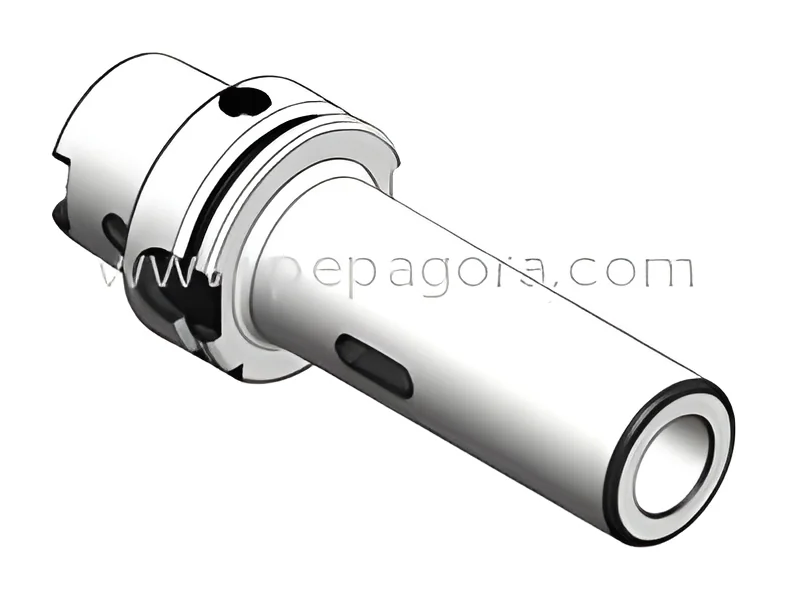
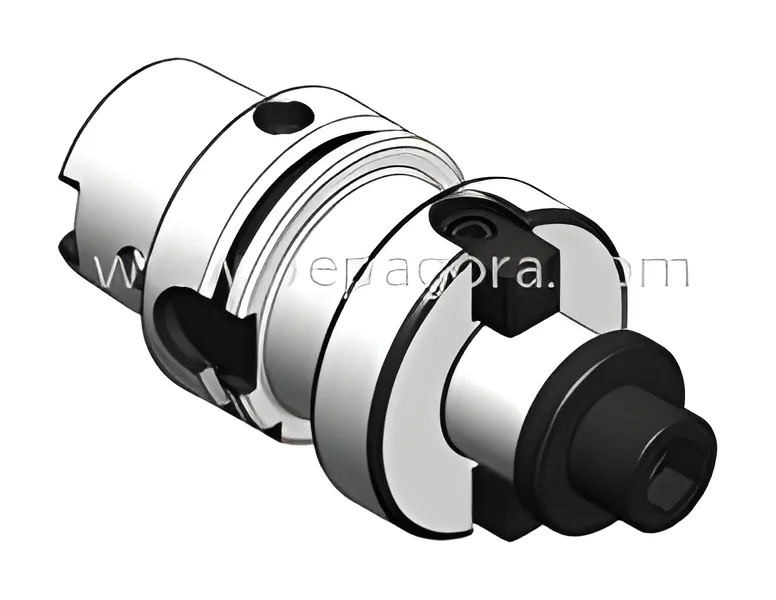
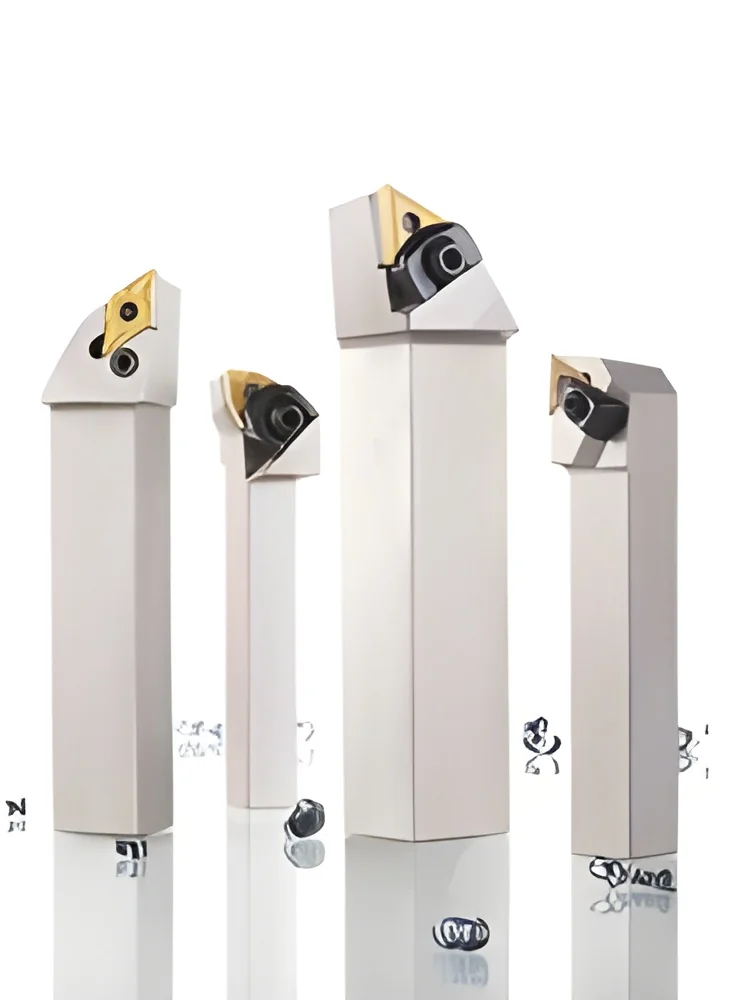
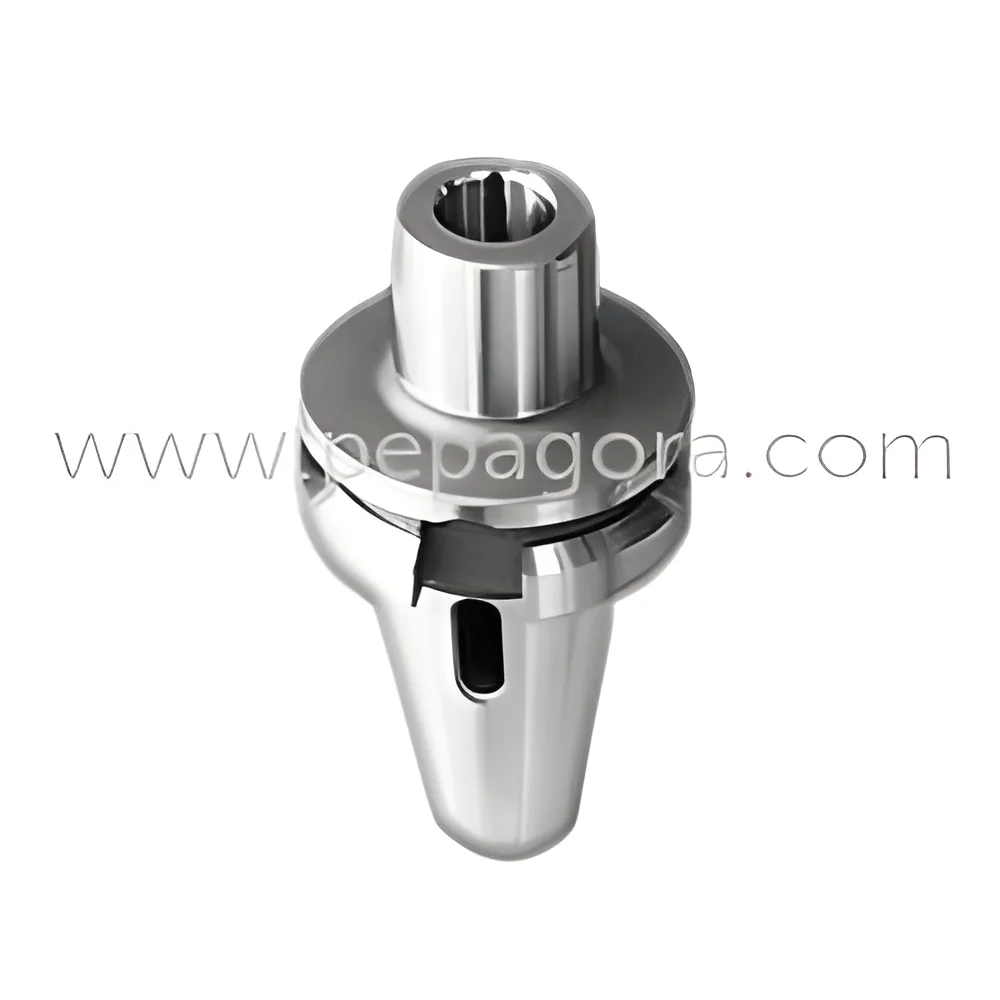
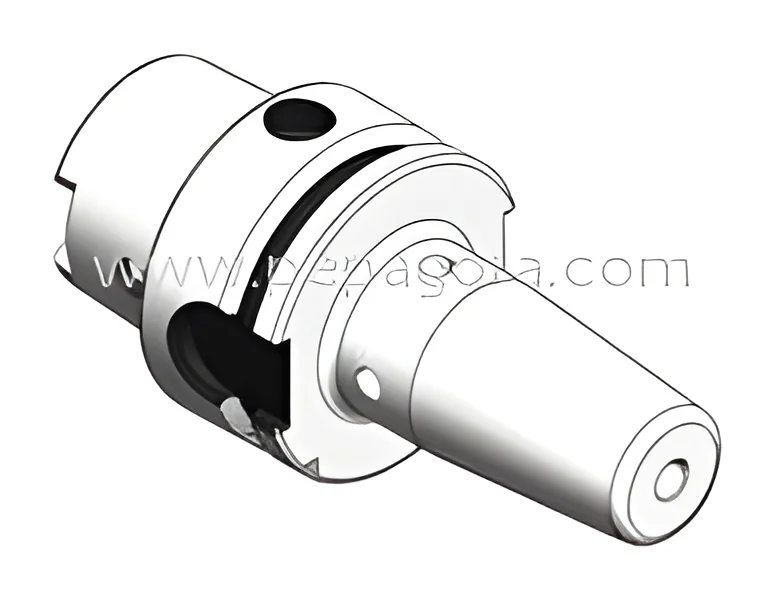
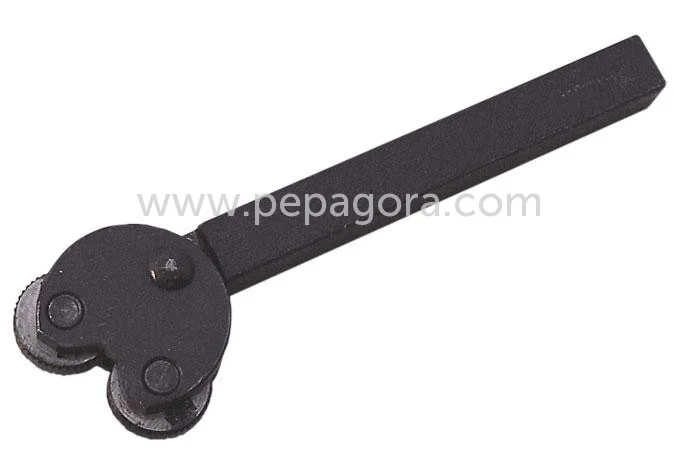
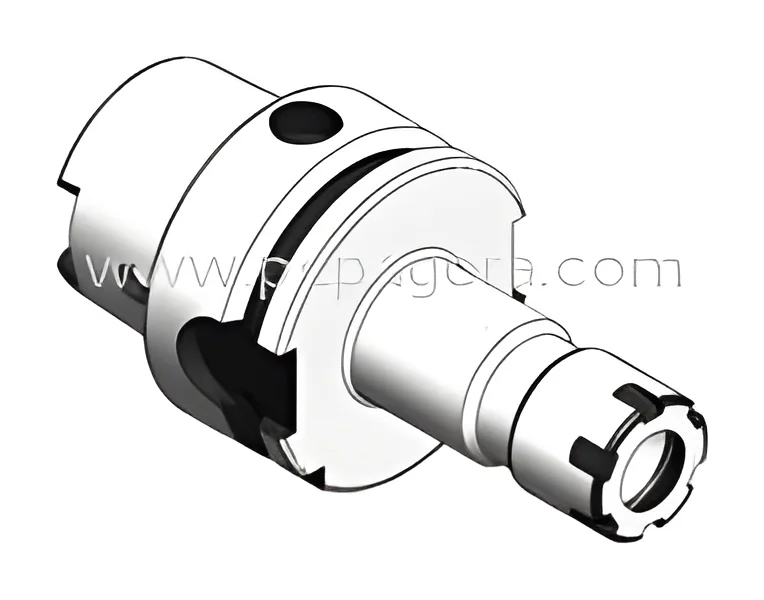
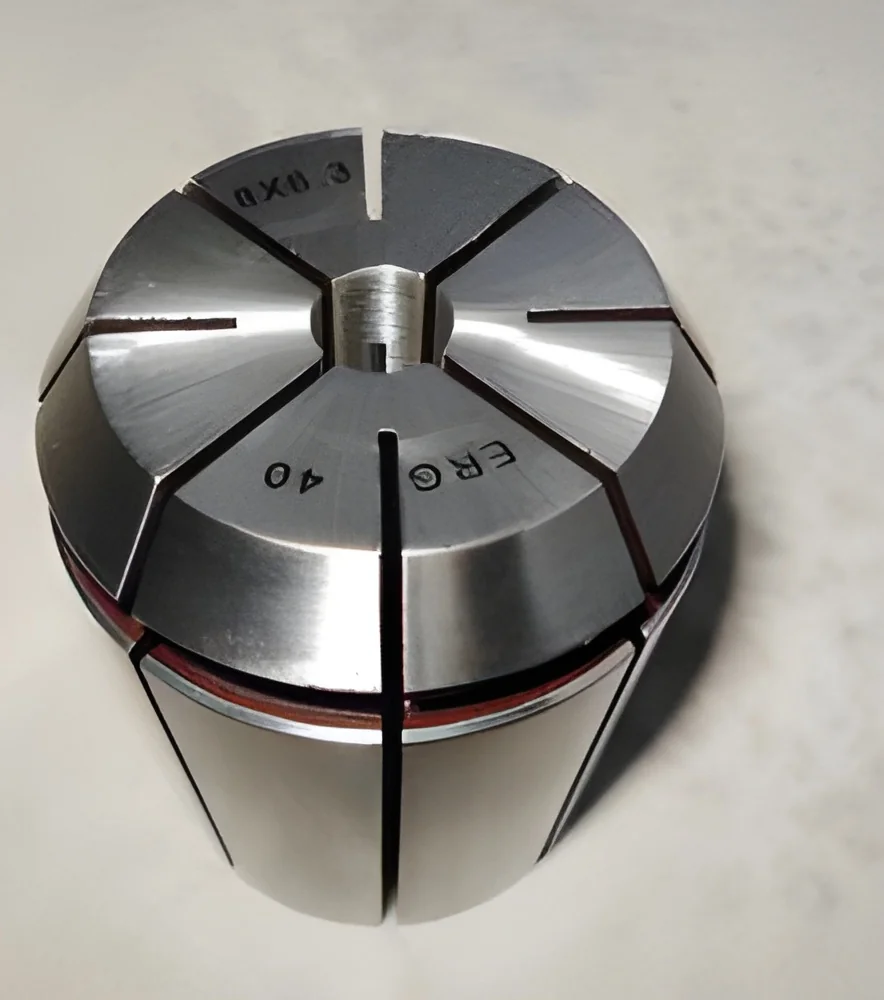
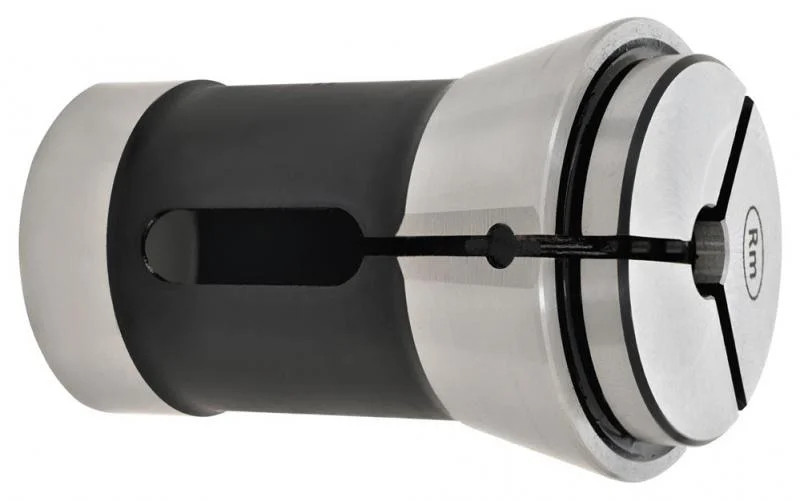
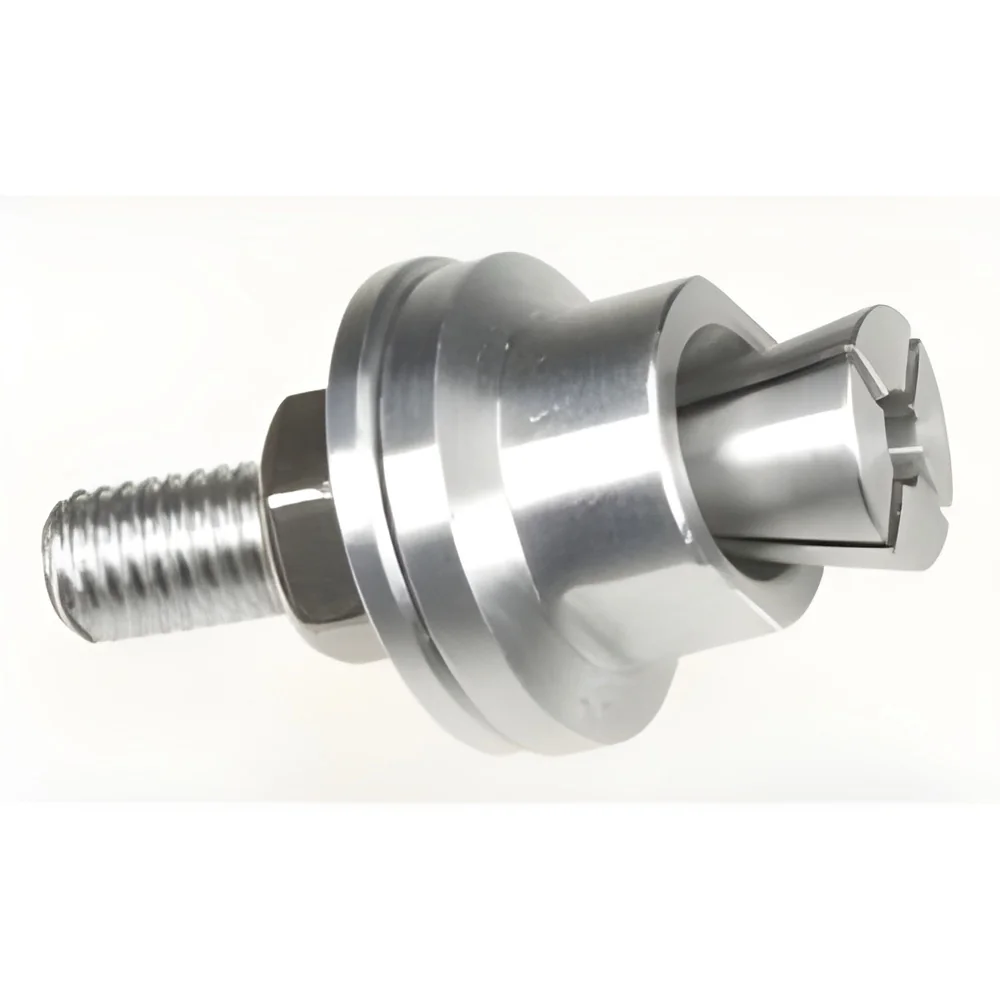
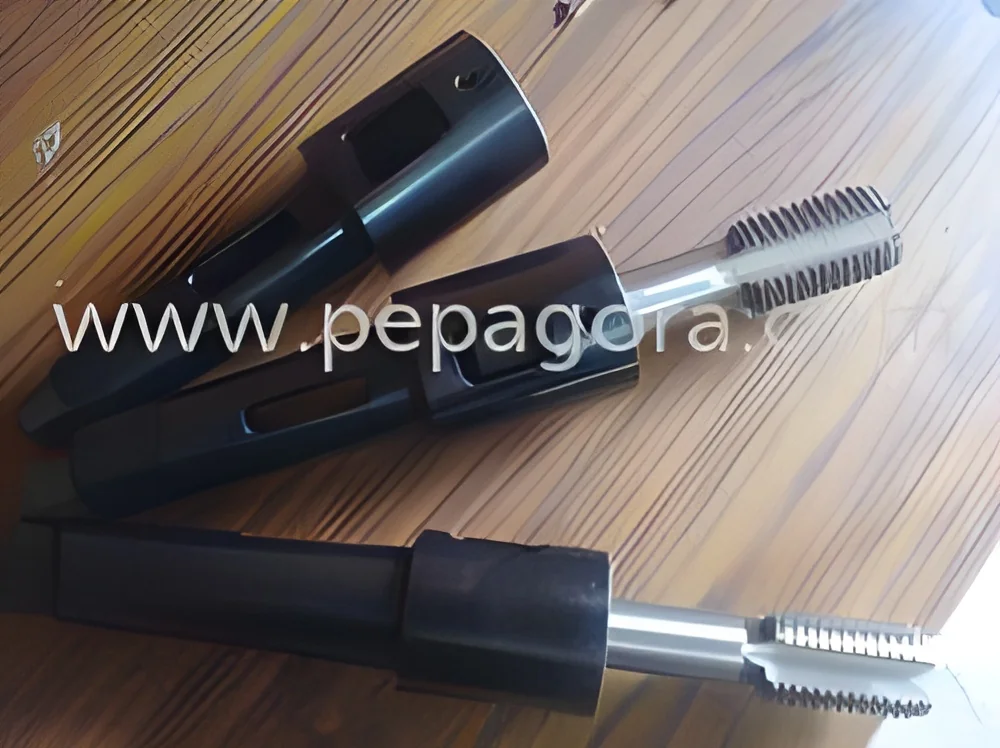
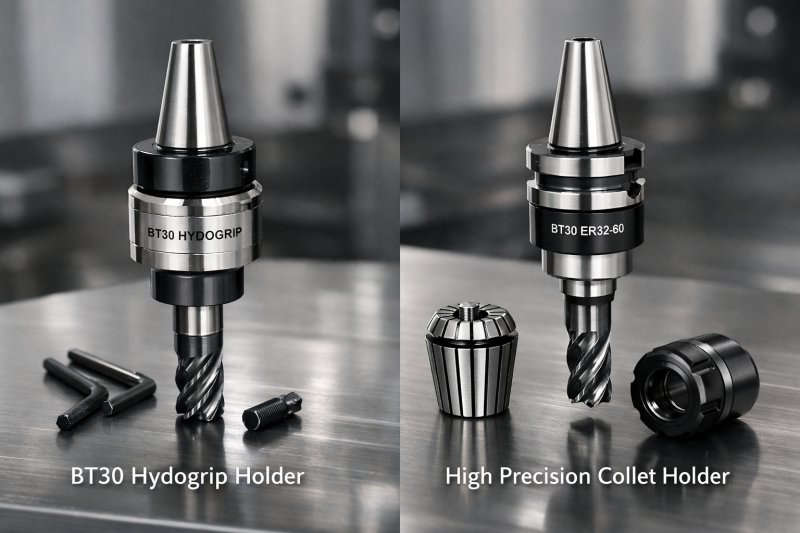
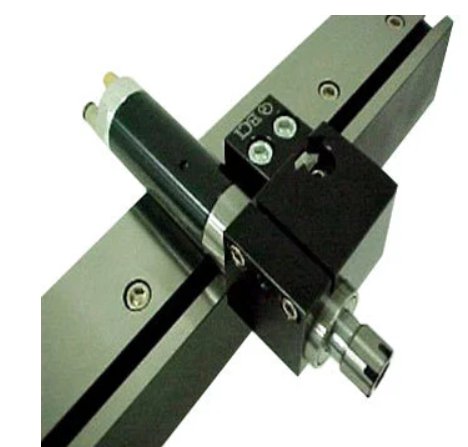
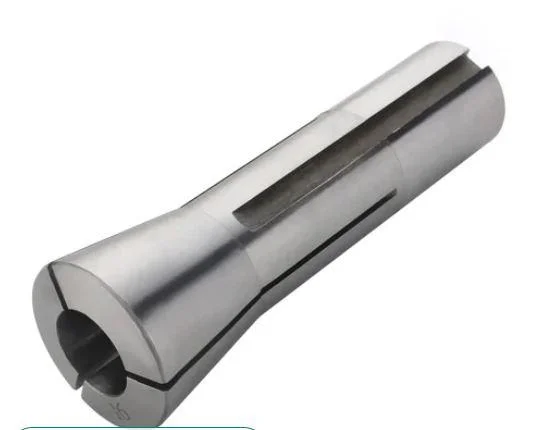
Tool holders and collets are essential components in machining and manufacturing processes, designed to securely hold cutting tools in place. Tool holders provide the necessary interface between the machine spindle and the tool, ensuring stability during operation. Collets, on the other hand, are specialized clamping devices that grip the cutting tool firmly, allowing for accurate machining and minimal vibration.
These products are primarily used in various machining applications, including milling, drilling, and turning. They are critical in industries such as automotive, aerospace, and metalworking, where precision and efficiency are of utmost importance. Tool holders and collets help optimize tool performance, enhance productivity, and ensure consistent quality in production.
In the competitive landscape of manufacturing, the relevance of high-quality tool holders and collets cannot be overstated. As industries evolve and demand for precision increases, businesses must invest in reliable components that can withstand rigorous operational demands. The market for these products is growing, driven by advancements in technology and an increasing focus on automation and efficiency.
Key Features and Specifications
Tool holders and collets offer a range of features that enhance their performance and usability. Understanding these specifications is crucial for selecting the right components for specific applications.
Key specifications include:
1. Material Composition
- Typically made from high-grade steel or carbide
- Ensures durability and resistance to wear
2. Taper Types
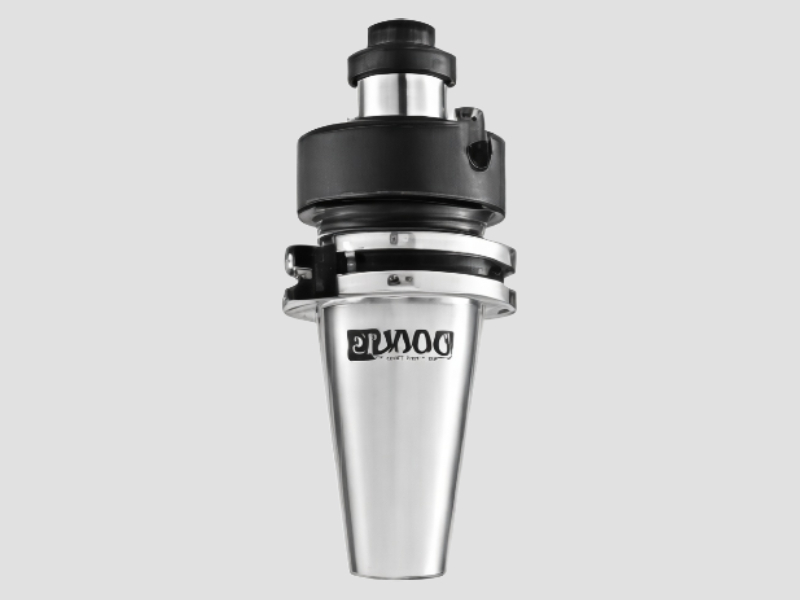
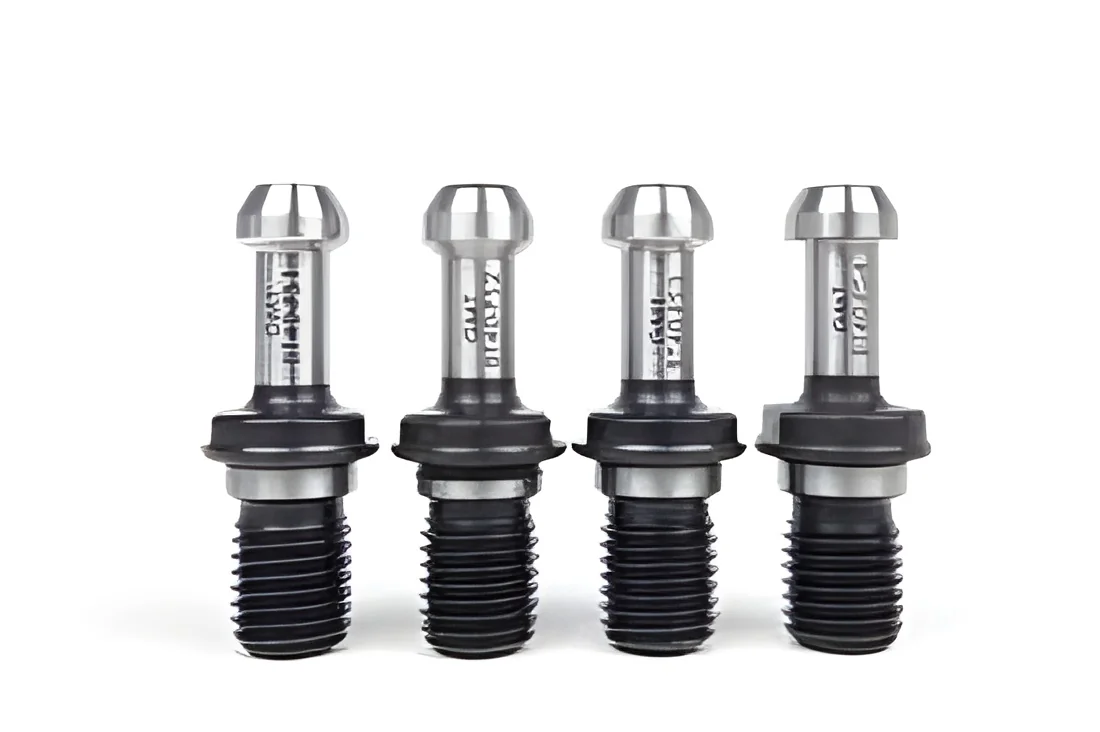
- Commonly available in various taper styles such as Morse, BT, and CAT
- Allows compatibility with different machines
3. Clamping Range
- Collets may have specific gripping ranges, usually from 1/8 inch to 1 inch
- Enables versatility in holding different tool sizes
4. Precision Levels
- High-precision options with tolerances of 0.0001 inches
- Critical for achieving accurate machining results
5. Cooling Features
- Some holders allow for coolant flow through the spindle
- Helps maintain tool temperature and prolongs tool life
6. Weight Considerations
- Lightweight designs available for reduced inertia
- Improves machine performance and reduces fatigue
7. Compatibility
- Must match the machine spindle specifications
- Ensures proper fit and function
8. Finish Quality
- Surface finishes can vary, affecting performance and longevity
- Higher-quality finishes reduce friction and enhance durability
In summary, selecting the right tool holders and collets involves understanding their features and specifications to meet specific machining needs.
Common Applications and Use Cases
Tool holders and collets are utilized across various industries, each with unique applications.
1. Automotive: In the automotive industry, tool holders and collets are used for machining engine components, ensuring precise fits and finishes.
2. Aerospace: Aerospace manufacturers rely on these components for producing lightweight yet strong parts, requiring high precision and reliability.
3. Metalworking: Tool holders and collets are essential in metalworking shops for tasks such as milling and drilling, where accuracy is crucial.
4. Electronics: In electronics manufacturing, these tools are used for fine machining of circuit boards and components.
5. Medical Devices: The production of medical devices often requires high-precision machining, making tool holders and collets vital for quality assurance.
6. Woodworking: In woodworking, these components are used in CNC machines for creating intricate designs and finishes.
7. Oil and Gas: Tool holders and collets support machining operations in the oil and gas sector, where durability and precision are paramount.
Product Variants and Subcategories
Tool holders and collets come in a variety of forms to suit different machining needs.
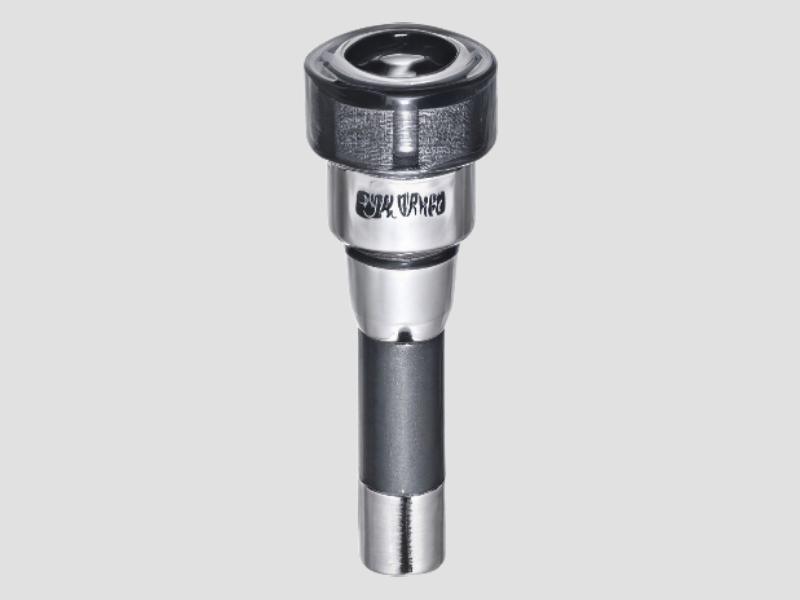
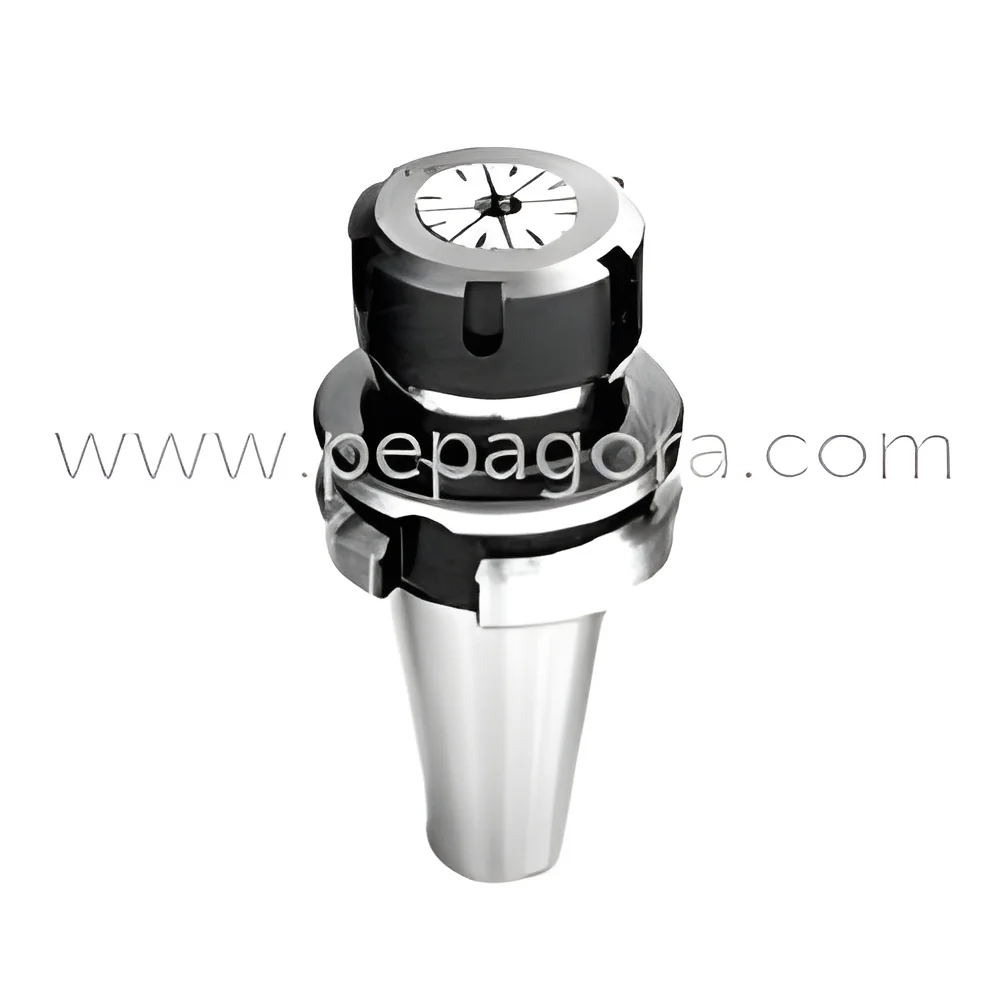
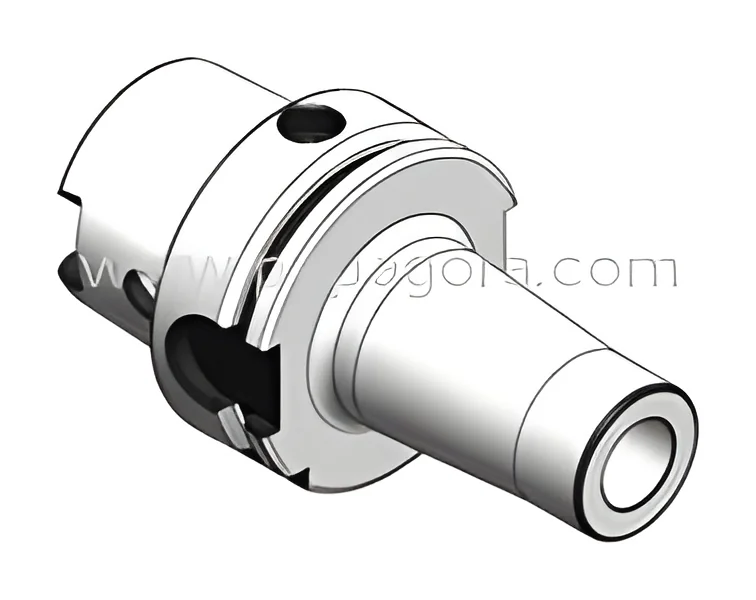
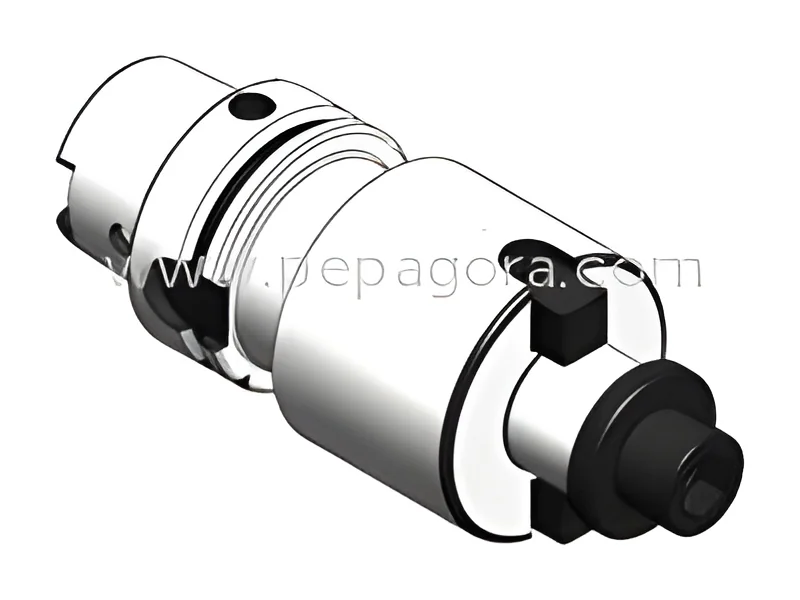
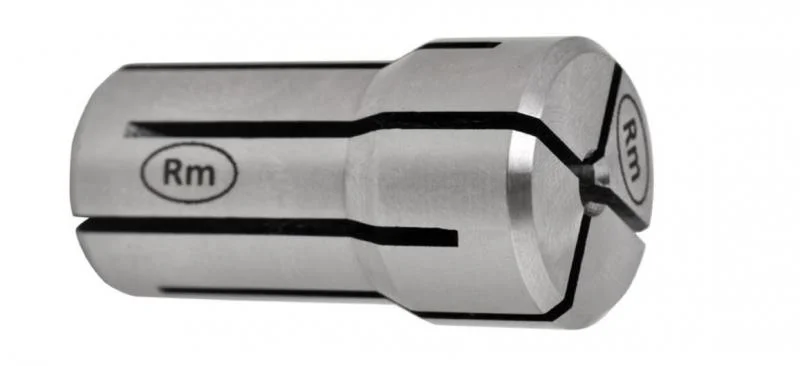
Collet Chucks: These are designed for holding round tools with high precision. They are often used in CNC machines for milling and turning operations, providing excellent grip and minimal runout.
End Mill Holders: These holders are used for securing end mills, which are essential for various milling operations. They are preferred for their stability and ability to handle heavy loads.
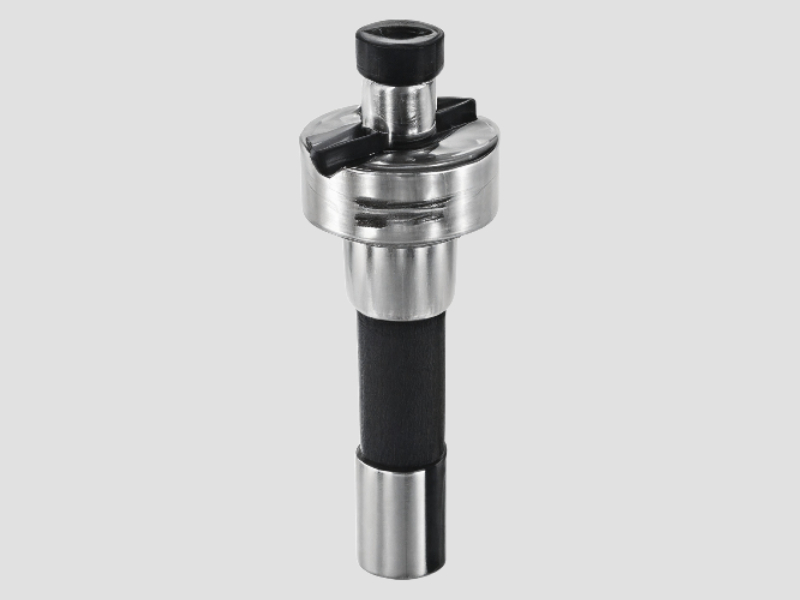
Shell Mill Holders: Used primarily for shell mills, these holders provide a robust solution for larger milling applications, allowing for efficient material removal.
Side Lock Holders: These holders are designed for high-speed applications, providing secure clamping and reduced tool vibration, which is ideal for precision machining.
Benefits and Advantages
Investing in quality tool holders and collets offers numerous advantages to businesses.
1. Enhanced Precision: High-quality holders ensure tools are held securely, resulting in accurate machining and reduced errors.
2. Improved Tool Life: Properly designed holders and collets reduce wear and tear on tools, extending their operational life.
3. Increased Productivity: Reliable tool holders allow for faster setup times and consistent performance, leading to higher output rates.
4. Versatility: A wide range of options ensures compatibility with various tools and machines, making them suitable for diverse applications.
5. Cost Efficiency: Investing in durable holders reduces the need for frequent replacements, resulting in long-term cost savings.
6. Safety Assurance: Using quality components minimizes the risk of tool failure, ensuring a safer working environment.
Buying Guide for B2B Buyers
When sourcing tool holders and collets, several factors should be considered to ensure the best purchase.
1. Quality Assessment: Evaluate the material and construction of the holders and collets. Look for reputable brands known for their quality standards.
2. Supplier Verification: Vet potential suppliers by checking their references, reviews, and certifications to ensure reliability and credibility.
3. Pricing and MOQ: Understand the pricing structure and minimum order quantities required by suppliers. This helps in budgeting and meeting production needs.
4. Delivery and Lead Times: Inquire about logistics and delivery timelines to ensure timely availability of products, which is crucial for maintaining production schedules.
5. Compliance Requirements: Ensure that the products meet industry standards and regulations, such as ISO certifications, to guarantee safety and quality.
Compliance and Certifications
Tool holders and collets must adhere to various compliance standards to ensure quality and safety in manufacturing.
ISO 9001 is a widely recognized quality management standard that ensures consistent quality in production processes. Companies producing tool holders and collets should comply with this standard to maintain high-quality output.
CE certification indicates that the products meet European safety, health, and environmental protection requirements. This is particularly important for manufacturers looking to enter the European market.
Safety requirements, including proper testing and validation of tool holders and collets, are essential to minimize risks during operations. Regular audits and inspections ensure ongoing compliance with safety standards.
Regional compliance may also vary, requiring manufacturers to be aware of specific regulations in different markets. This ensures that products are suitable for global distribution and use.
Why Source Tool Holders & Collets from Pepagora?
Pepagora offers a trusted platform for sourcing tool holders and collets, providing numerous advantages for buyers.
Verified Supplier Network: Pepagora connects buyers with a network of verified suppliers, ensuring that they engage with reputable manufacturers who adhere to quality standards.
Streamlined RFQ Process: The platform features a user-friendly request for quotation (RFQ) process, allowing buyers to easily submit their requirements and receive competitive quotes from multiple suppliers.
Trade Assurance and Support: Buyers benefit from trade assurance programs that offer protection against potential risks, ensuring a safe and secure purchasing experience.
Regional Coverage: With a focus on markets such as India, GCC, and Southeast Asia, Pepagora provides extensive geographic reach, making it easier for businesses to find suitable suppliers in their region.

 IN
IN