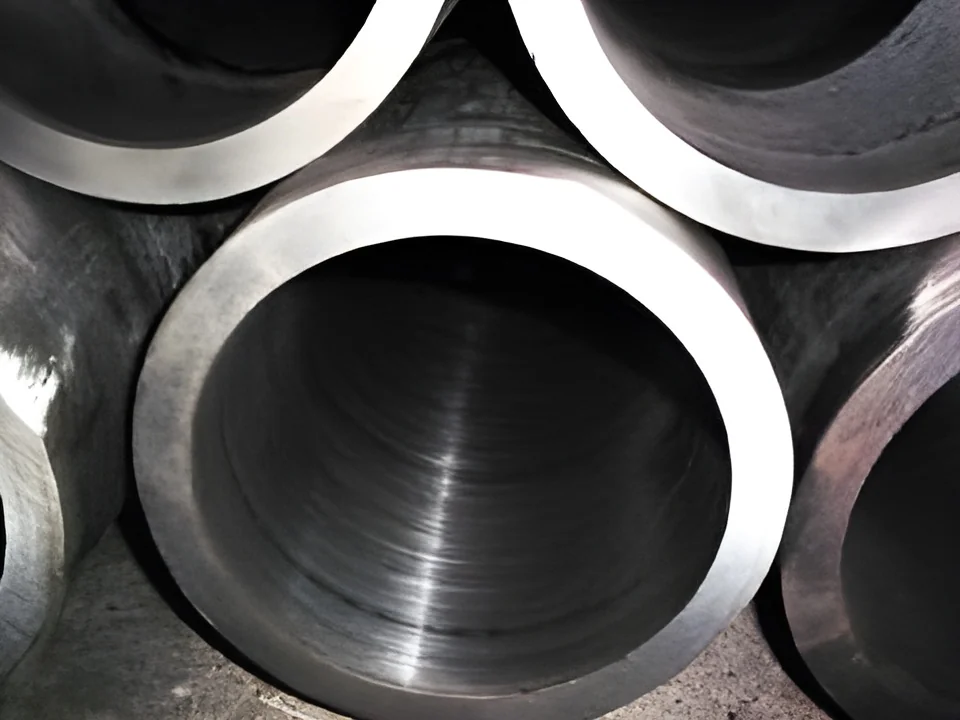
What are Internal Grinding Machines?
Internal grinding machines are precision tools designed for grinding the internal surfaces of cylindrical or conical workpieces. These machines utilize a rotating grinding wheel to achieve high levels of accuracy and surface finish on the internal diameters of holes, tubes, and other components. They are essential in various manufacturing processes, particularly where intricate internal geometries are required.
These machines are widely used in industries such as automotive, aerospace, and tool manufacturing. They enable manufacturers to produce parts that have tight tolerances and smooth surfaces, which are critical for the performance and longevity of mechanical components. In the competitive landscape of industrial manufacturing, internal grinding machines play a vital role by enhancing productivity and ensuring quality in end products.
Key Features and Specifications
Internal grinding machines come with a range of features that enhance their operational capabilities. These include advanced control systems, high-speed spindles, and various grinding wheel options. They are built to accommodate different sizes and shapes of workpieces, making them versatile for various applications.
Key specifications include:
1. Grinding Wheel Size
- Typically ranges from 100 mm to 300 mm in diameter
- Suitable for different internal diameters and types of grinding
2. Spindle Speed
- Varies from 3000 RPM to 6000 RPM
- Allows for efficient grinding of various materials
3. Workpiece Capacity
- Can accommodate workpieces with lengths up to 1500 mm
- Enables processing of longer components
4. Control System
- Equipped with CNC or manual control options
- Facilitates precision adjustments and programming for complex tasks
5. Feed Rate
- Adjustable feed rates from 0.01 mm/rev to 0.1 mm/rev
- Provides flexibility based on material and grinding requirements
6. Cooling System
- Integrated coolant systems to manage heat during grinding
- Improves tool life and workpiece integrity
7. Machine Dimensions
- Typically ranges from 2 m to 5 m in length
- Footprint varies based on machine configuration
8. Weight
- Machines can weigh between 1000 kg to 5000 kg
- Stability is critical for maintaining precision during operation
In summary, internal grinding machines are equipped with a variety of features and specifications that enable manufacturers to produce high-quality internal surfaces with precision and efficiency.
Common Applications and Use Cases
Internal grinding machines are utilized across multiple industries for various applications.
1. Automotive Industry: They are used to grind cylinders and other internal engine components, ensuring precise fit and performance.
2. Aerospace Industry: These machines help in producing complex parts such as turbine housings and fuel injector bodies, where accuracy is paramount.
3. Tool Manufacturing: Internal grinding is essential for creating cutting tools and molds, providing the necessary surface finish and tolerance.
4. Medical Devices: They are employed in the production of precision components for surgical instruments and implants, where surface quality is critical.
5. Electronics: Internal grinding machines are used to manufacture components like housings for electronic devices, requiring fine finishes.
6. Oil and Gas: They process internal surfaces of valves and fittings to ensure reliability in high-pressure environments.
7. General Engineering: These machines are versatile tools in workshops for producing various custom parts with internal features.
Product Variants and Subcategories
Internal grinding machines come in various configurations to meet specific industrial needs.
CNC Internal Grinding Machines: These machines offer automated operation with computer numerical control, allowing for complex grinding tasks with high precision. They are ideal for manufacturers looking for efficiency and repeatability.
Manual Internal Grinding Machines: These are more traditional machines that require operator skill for setup and operation. They are suitable for small-scale production or prototyping where flexibility is needed.
Universal Internal Grinding Machines: These machines can perform both internal and external grinding tasks, providing versatility for workshops with diverse machining requirements.
Benefits and Advantages
Internal grinding machines offer numerous benefits to manufacturers.
1. Precision: They provide high accuracy in internal surface finishes, which is essential for parts that require tight tolerances.
2. Versatility: These machines can handle a variety of workpiece shapes and sizes, making them suitable for different applications across industries.
3. Efficiency: High spindle speeds and advanced control systems reduce processing time, thereby increasing throughput.
4. Enhanced Surface Finish: The grinding process results in superior surface quality compared to other machining methods, reducing the need for additional finishing processes.
5. Cost-Effective: By minimizing waste and maximizing tool life, internal grinding machines can lead to lower production costs over time.
6. Reduced Setup Time: Modern machines with CNC capabilities allow for quick changes in setup, enhancing productivity.
Buying Guide for B2B Buyers
When considering the purchase of internal grinding machines, several factors should be assessed.
1. Quality Assessment: Buyers should evaluate the machine's build quality and components to ensure durability and reliability in operation.
2. Supplier Verification: It is crucial to vet suppliers for credibility and reputation in the industry. Look for reviews and certifications to ensure trustworthiness.
3. Pricing and MOQ: Understand the price range and minimum order quantities. This helps in budgeting and ensures that the purchase aligns with financial expectations.
4. Delivery and Lead Times: Check the estimated delivery times and logistics involved in transporting the machine to your facility to avoid production delays.
5. Compliance Requirements: Ensure that the machines meet relevant industry standards and certifications, which may vary by region and application.
Compliance and Certifications
Compliance with quality standards and certifications is vital for internal grinding machines. ISO 9001 is a key standard that ensures quality management systems are in place, helping manufacturers maintain consistent quality in their products.
Additionally, obtaining certifications like CE indicates that the machines meet safety and performance requirements for the European market.
Safety and testing requirements include regular inspections and adherence to operational guidelines to minimize risks during machine operation.
Regional compliance considerations can vary, so it's essential for buyers to understand the regulations in their specific operating environment.
Why Source Internal Grinding Machines from Pepagora?
Pepagora offers a reliable platform for sourcing internal grinding machines, providing several key advantages to buyers.
Verified Supplier Network: Pepagora maintains a thorough verification process for suppliers, ensuring that buyers are connected with credible manufacturers who meet industry standards.
Streamlined RFQ Process: The platform allows buyers to submit requests for quotations easily, enabling them to receive competitive pricing and options tailored to their needs.
Trade Assurance and Support: Buyers benefit from trade assurance policies that protect their purchases, enhancing confidence in transactions.
Regional Coverage: With a strong presence in regions such as India, GCC, and Southeast Asia, Pepagora facilitates connections between buyers and suppliers across diverse markets, ensuring access to quality machines and support.

 IN
IN