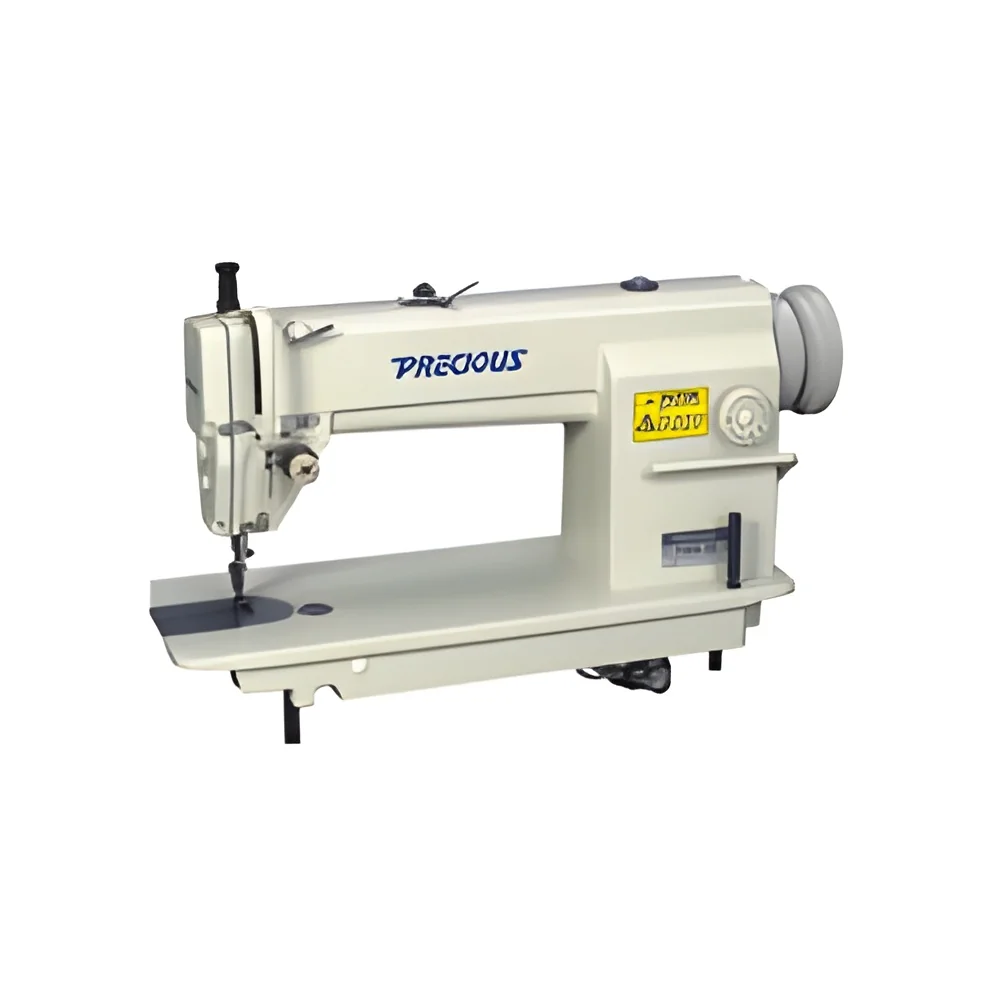
What are Thread Rolling Machines?
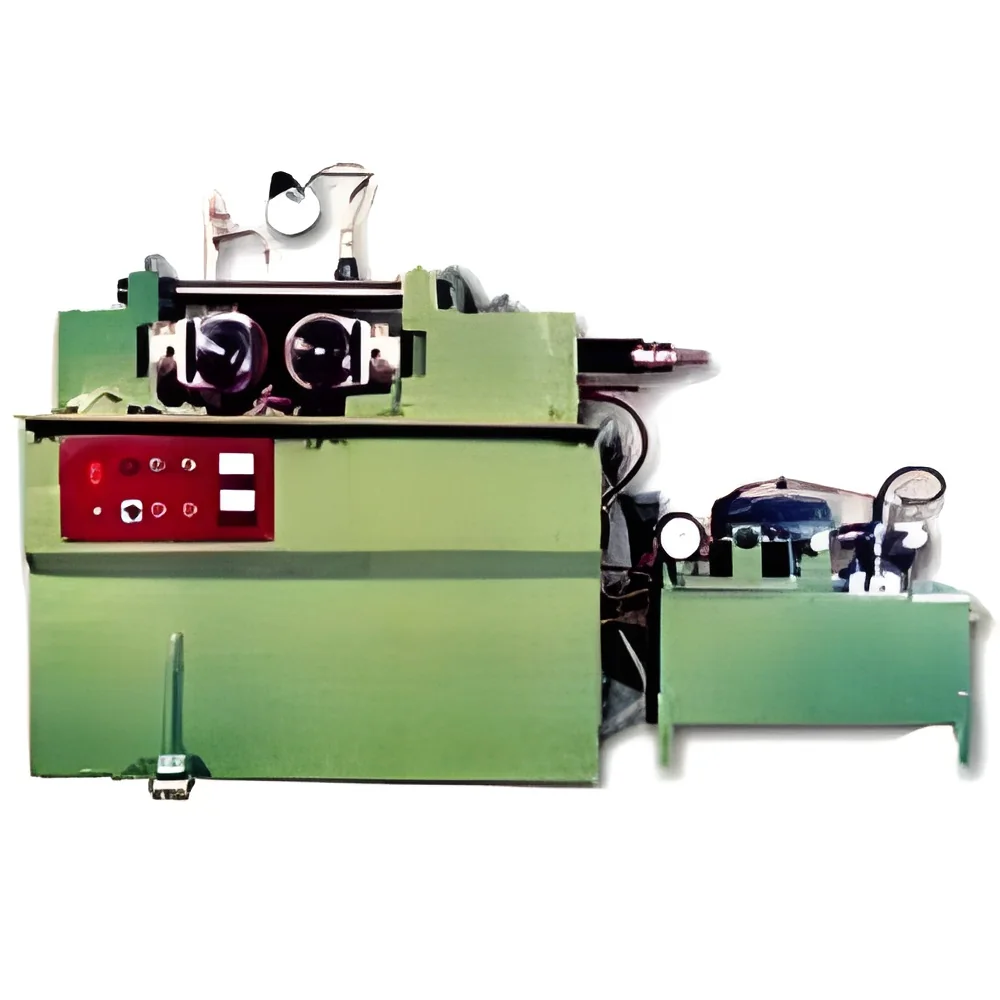
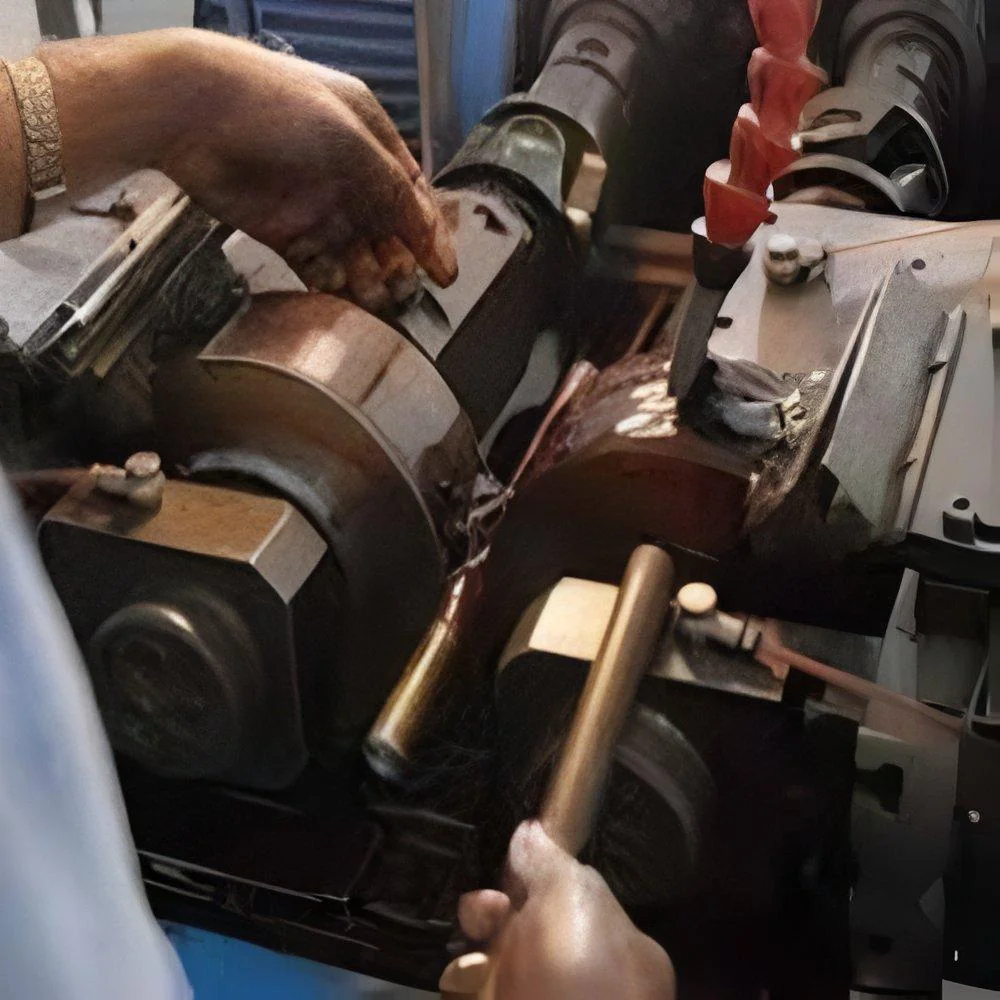
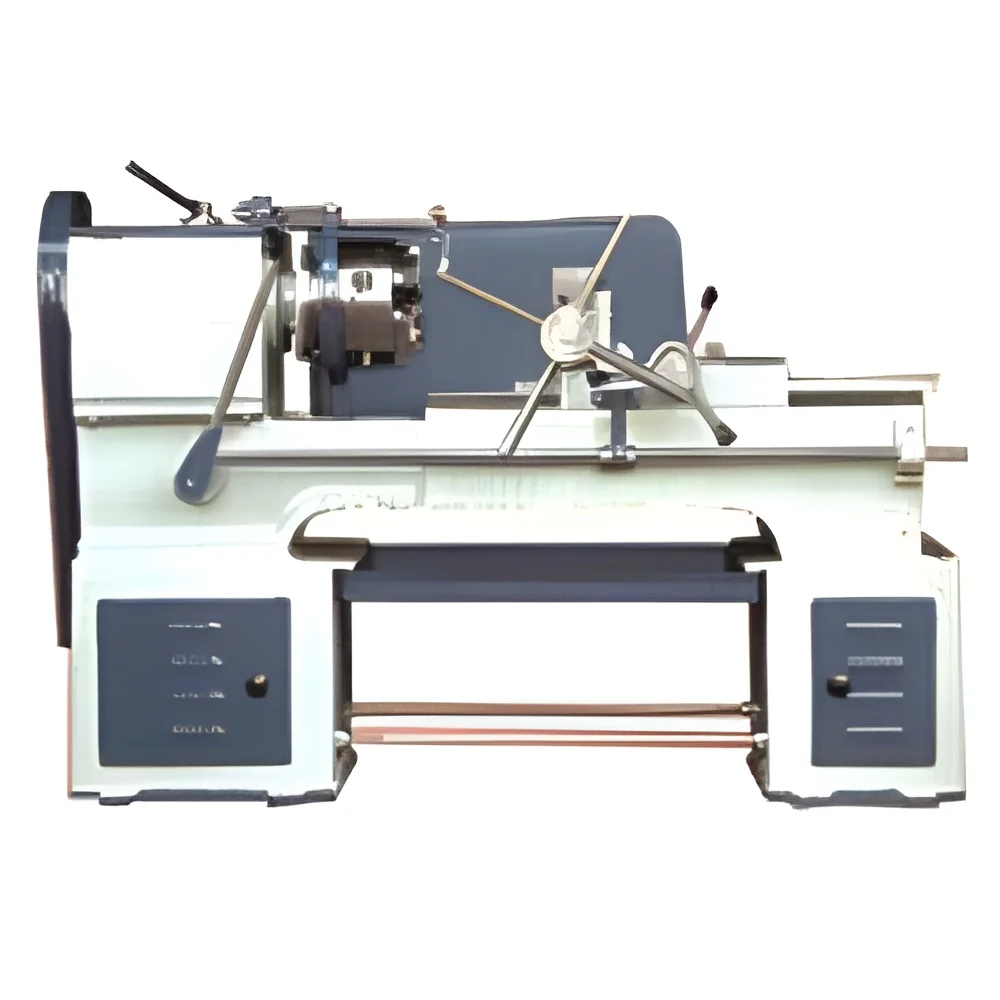
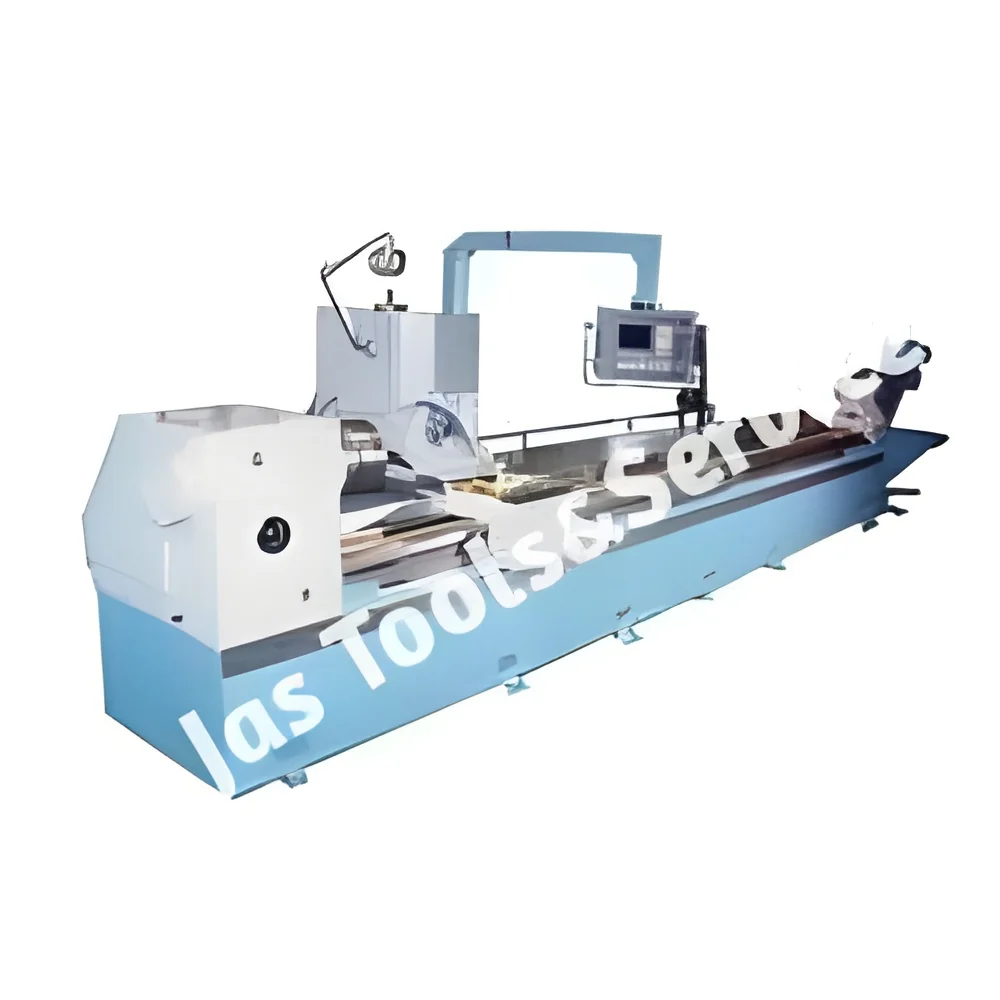
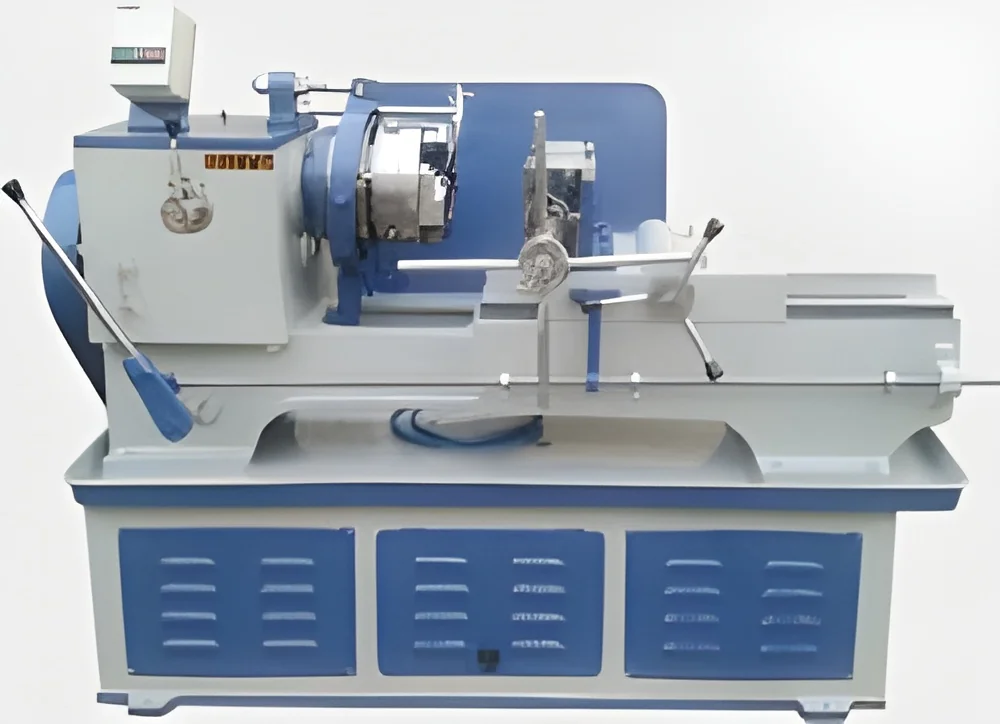
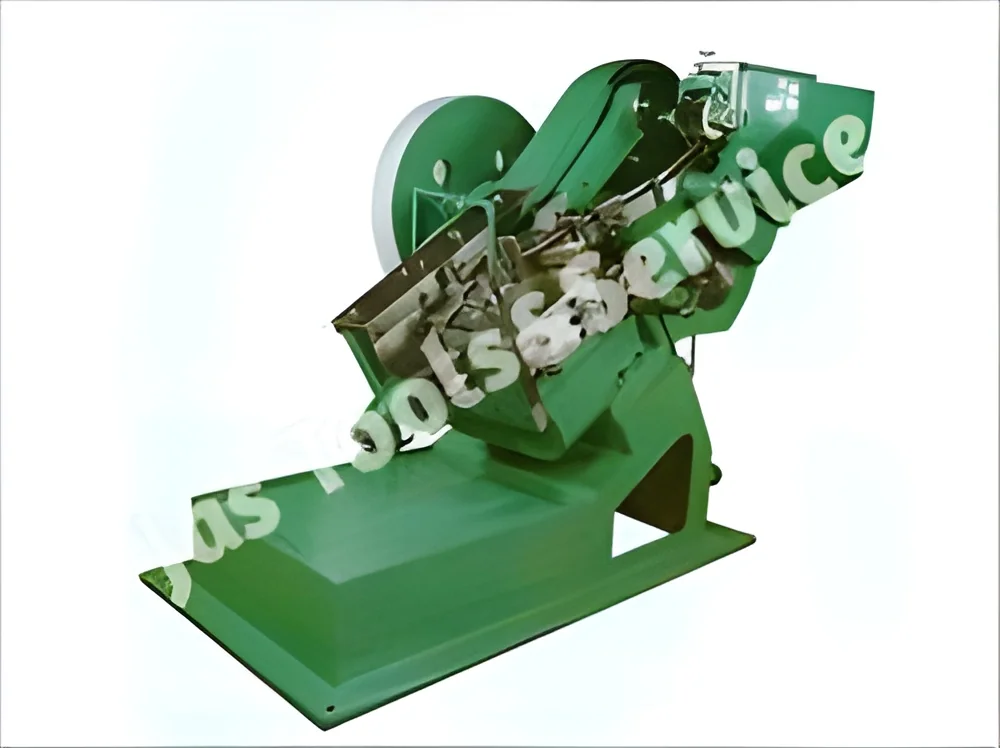
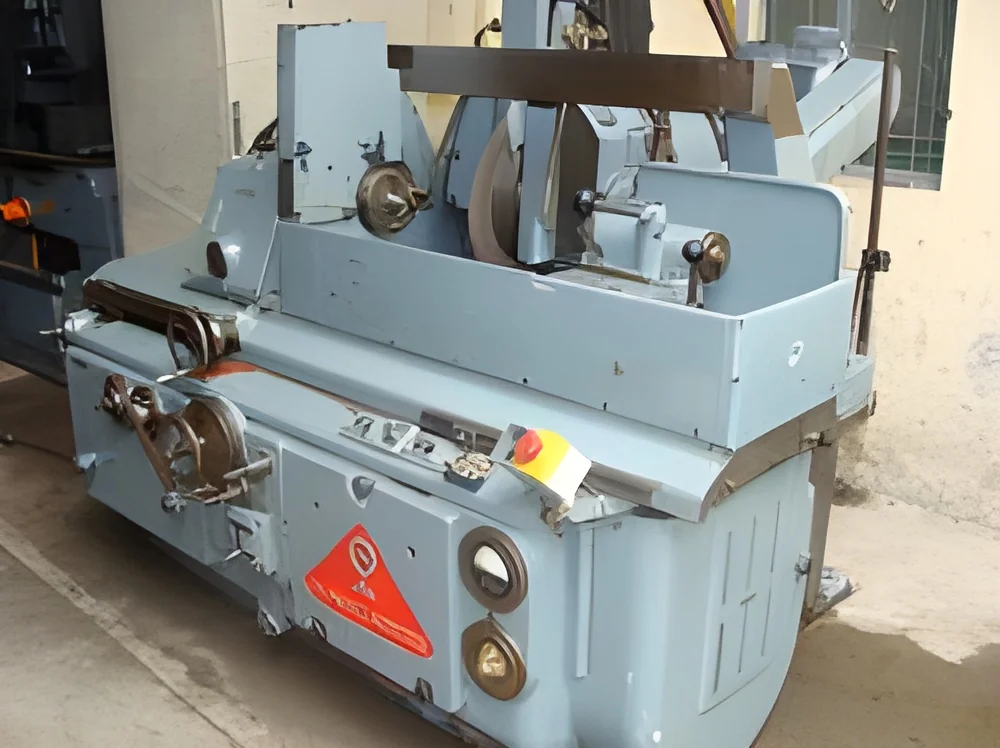
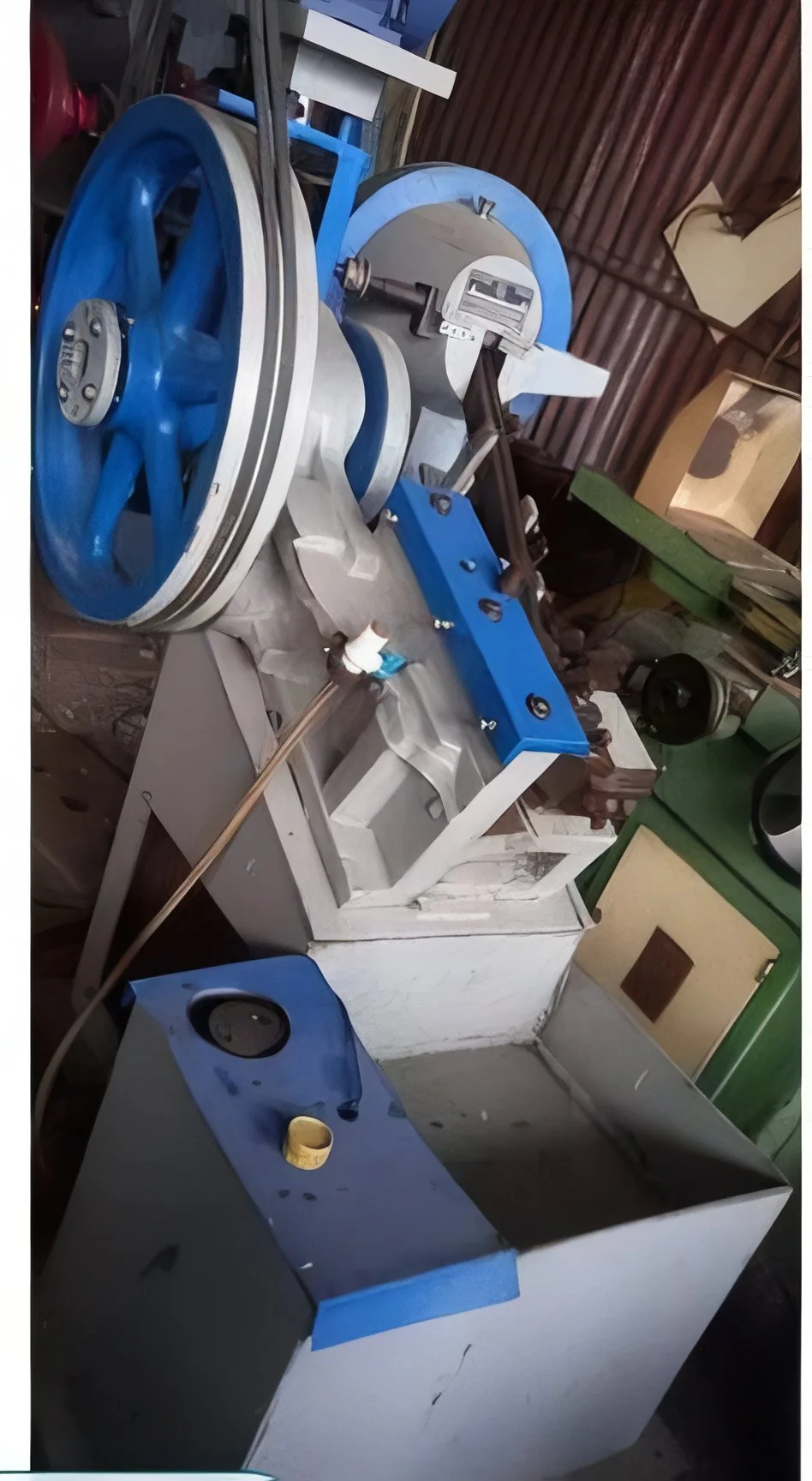
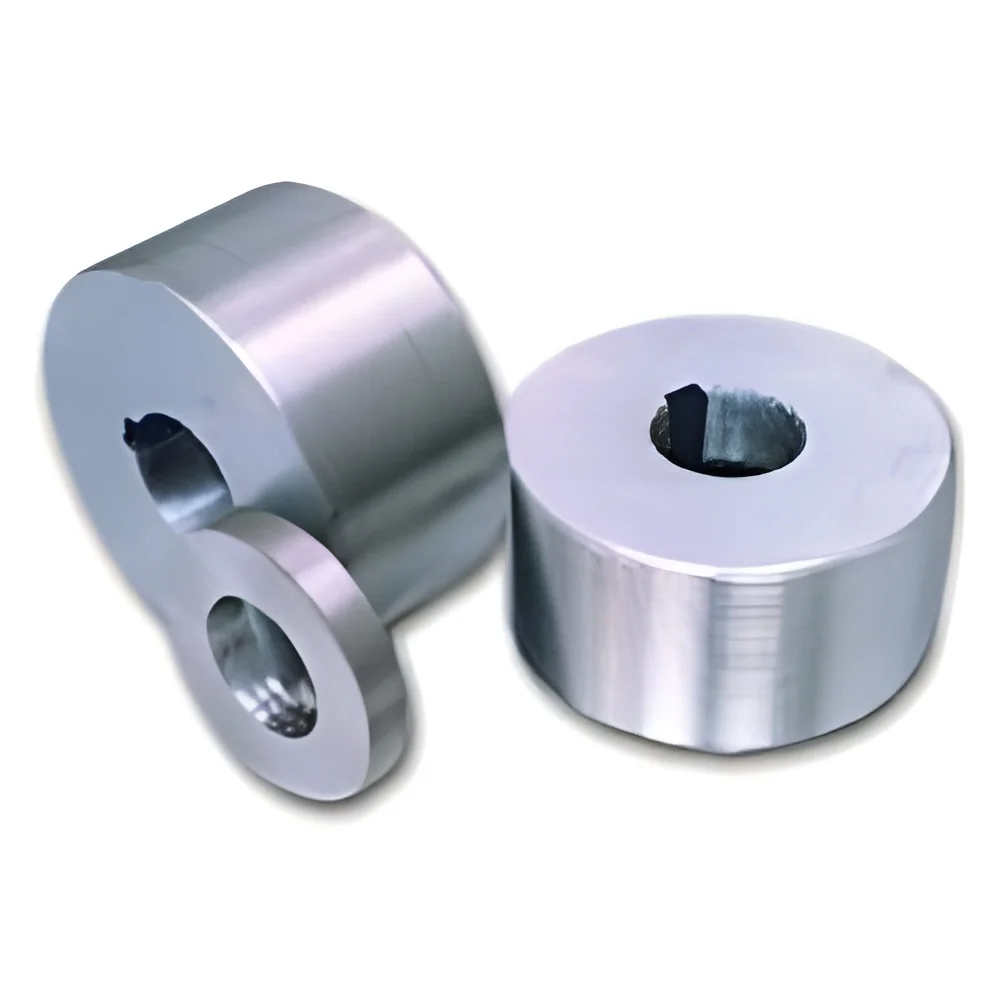
Thread rolling machines are specialized equipment used in manufacturing to create threads on cylindrical workpieces. This process involves the deformation of the material under pressure, resulting in a precise and durable thread profile. Unlike traditional cutting methods, thread rolling produces less waste and can enhance the strength of the threads. The machines typically employ a set of rollers that apply force to the workpiece, creating external threads through a cold working process.
These machines find primary applications in various industries, including automotive, aerospace, and machinery manufacturing. They are essential for producing fasteners such as bolts, screws, and nuts, which require high precision and strength. Thread rolling machines enable manufacturers to meet specific dimensional and mechanical requirements, making them a vital part of the production line. In the current market, the demand for these machines is steadily increasing as industries strive for efficiency and quality in their manufacturing processes.
Key Features and Specifications
Thread rolling machines come equipped with various features that enhance their performance and adaptability. Understanding these specifications is crucial for buyers looking to invest in reliable machinery.
Key specifications include:
1. Rolling Capacity
- This specification refers to the maximum diameter and length of the workpiece that the machine can accommodate.
- Typical ranges vary depending on the machine model.
2. Speed Settings
- Machines feature adjustable speed settings to optimize production rates.
- Speeds can range from low to high, allowing for flexibility in different applications.
3. Power Requirements
- This specification details the electrical power needed to operate the machine effectively.
- Common power ratings range from a few kilowatts to over twenty kilowatts.
4. Thread Profiles
- The machine may support various thread profiles, including metric and imperial threads.
- Compatibility with different profiles is essential for diverse manufacturing needs.
5. Control Systems
- Advanced machines may feature digital control systems for precision and ease of operation.
- These controls allow for better monitoring and adjustments during the rolling process.
6. Build Quality
- High-quality machines are typically constructed from robust materials for durability.
- This specification influences the lifespan and maintenance needs of the machine.
7. Safety Features
- Safety mechanisms such as emergency stops and protective enclosures are standard.
- These features ensure safe operation for the workforce.
8. Dimensions and Weight
- The overall size and weight of the machine can affect installation and mobility.
- Buyers should consider the available floor space and transportation logistics.
In summary, understanding the key features and specifications of thread rolling machines is essential for making informed purchasing decisions. Buyers should assess their specific needs against these specifications to select the most suitable machinery for their operations.
Common Applications and Use Cases
Thread rolling machines serve a wide range of industries, making them versatile tools in manufacturing.
1. Automotive: In the automotive industry, thread rolling machines are utilized to produce bolts, screws, and fasteners essential for vehicle assembly. These components must meet strict quality standards to ensure safety and performance.
2. Aerospace: Aerospace manufacturers rely on thread rolling machines for creating high-strength fasteners used in aircraft and spacecraft. The precision and durability of rolled threads are critical for ensuring the safety of these vehicles.
3. Machinery Manufacturing: In machinery production, thread rolling machines create components that require high tensile strength and resistance to wear. This allows for efficient operation and longevity of the machinery.
4. Electronics: The electronics industry uses thread rolling machines to produce small screws and connectors. These components are crucial for assembling electronic devices and ensuring reliable functionality.
5. Construction: In construction, thread rolling machines help produce various fasteners that secure structural elements. The strength and reliability of rolled threads contribute to the safety of buildings and infrastructure.
6. Medical Devices: Medical device manufacturers utilize thread rolling machines to create precision components needed for devices such as surgical instruments and implants.
7. Oil and Gas: The oil and gas industry relies on thread rolling machines for producing fasteners that can withstand extreme conditions. These components are vital for ensuring the integrity of drilling and extraction equipment.
Product Variants and Subcategories
Thread rolling machines come in various models, each designed to cater to specific manufacturing needs.
Hydraulic Thread Rolling Machine
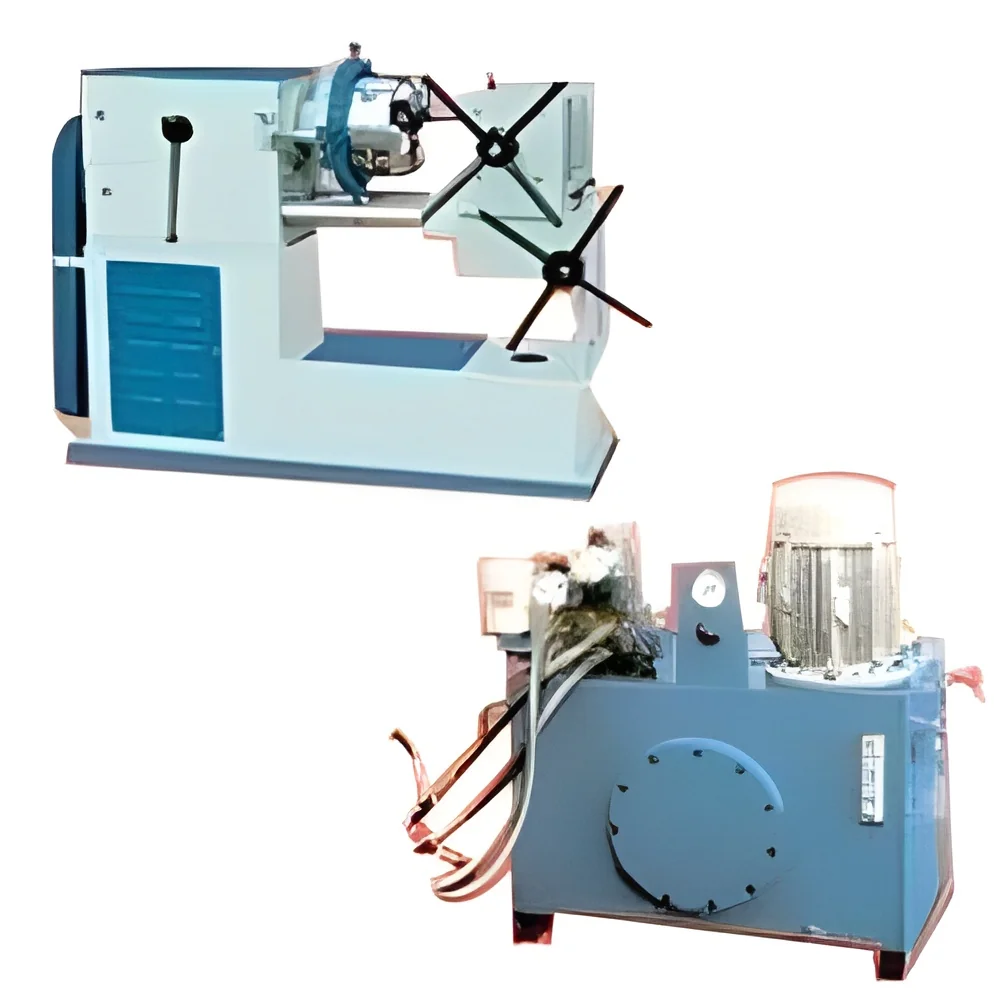
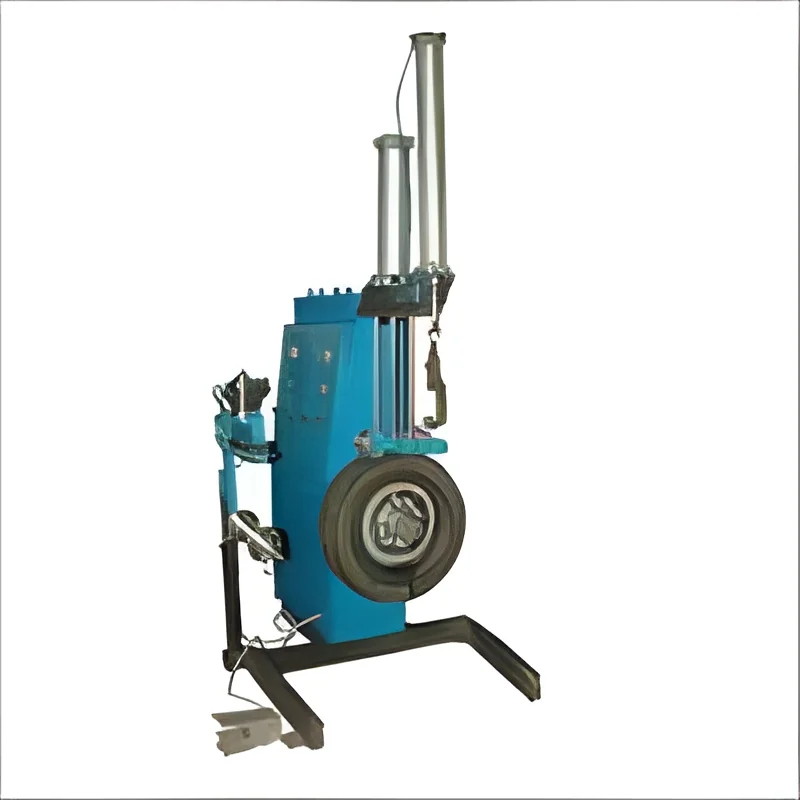
This variant utilizes hydraulic power for enhanced force and precision. It is ideal for heavy-duty applications where high strength is required. These machines are known for their efficiency and ability to handle large production volumes.
Mechanical Thread Rolling Machine
Mechanical models operate using mechanical means, often providing faster cycles for lighter materials. They are typically used in high-speed production environments where quick turnaround times are essential.
CNC Thread Rolling Machine
CNC versions allow for programmable operations, enabling manufacturers to produce complex thread profiles with high accuracy. These machines are suitable for businesses that require flexibility in production.
Benefits and Advantages
Investing in thread rolling machines offers a multitude of benefits for manufacturers.
1. Increased Efficiency: Thread rolling machines significantly reduce production time compared to traditional cutting methods, allowing businesses to meet high demand.
2. Enhanced Strength: The cold working process used in thread rolling increases the tensile strength of the threads, resulting in more durable products.
3. Reduced Waste: This method generates less material waste, making it a more economical and environmentally friendly option.
4. Precision Manufacturing: Thread rolling machines produce highly accurate threads, ensuring that products meet strict specifications and quality standards.
5. Versatility: These machines can accommodate various thread profiles and sizes, making them suitable for diverse applications across different industries.
6. Lower Production Costs: By streamlining the manufacturing process and reducing waste, thread rolling machines can lower overall production costs.
Buying Guide for B2B Buyers
When sourcing thread rolling machines, buyers should consider several important factors to ensure they make the right choice.
1. Quality Assessment: Evaluate the machine's build quality and reliability. Look for manufacturers that adhere to high-quality standards to ensure long-term performance.
2. Supplier Verification: It is essential to vet suppliers by checking their credentials, customer reviews, and experience in the industry to ensure a trustworthy partnership.
3. Pricing and MOQ: Understand the pricing structure and minimum order quantities. This will help in budgeting and assessing the feasibility of the purchase.
4. Delivery and Lead Times: Inquire about the logistics involved in delivery and the expected lead times for receiving the machines to plan production schedules accordingly.
5. Compliance Requirements: Ensure that the machines meet relevant regulatory and safety standards. This includes certifications that may be necessary for specific industries.
Compliance and Certifications
Thread rolling machines must adhere to various quality standards and certifications to ensure they meet industry requirements.
Manufacturers often comply with ISO 9001, which outlines criteria for quality management systems. This standard ensures that products consistently meet customer requirements and regulatory demands.
Additionally, CE certification is important, especially for machines sold in Europe. This certification indicates that the machine meets health, safety, and environmental protection standards.
Safety and testing requirements are crucial for the operation of thread rolling machines. Manufacturers should implement rigorous testing procedures to ensure that their machines operate safely and efficiently.
Regional compliance considerations may also apply, depending on the market location. It is essential for manufacturers and buyers to be aware of local regulations that may impact machine design and operation.
Why Source Thread Rolling Machines from Pepagora?
Pepagora offers a comprehensive platform for sourcing thread rolling machines, providing numerous advantages to B2B buyers.
Verified Supplier Network: Pepagora maintains a network of verified suppliers, ensuring that buyers can trust the quality and reliability of the machines they purchase. This verification process helps mitigate risks associated with supplier selection.
Streamlined RFQ Process: The platform features a streamlined request for quotation (RFQ) process, making it easier for buyers to obtain competitive pricing and terms from multiple suppliers. This saves time and effort in sourcing.
Trade Assurance and Support: Pepagora provides trade assurance and support to buyers, ensuring they are protected throughout the purchasing process. This support includes assistance with negotiations and resolving any potential issues.
Regional Coverage: With a focus on markets in India, the GCC, and Southeast Asia, Pepagora’s platform connects buyers with local suppliers, facilitating easier logistics and communication. This regional focus enhances the overall sourcing experience for B2B buyers.

 IN
IN