IN
IN₹
Apparel & Fashion
Description
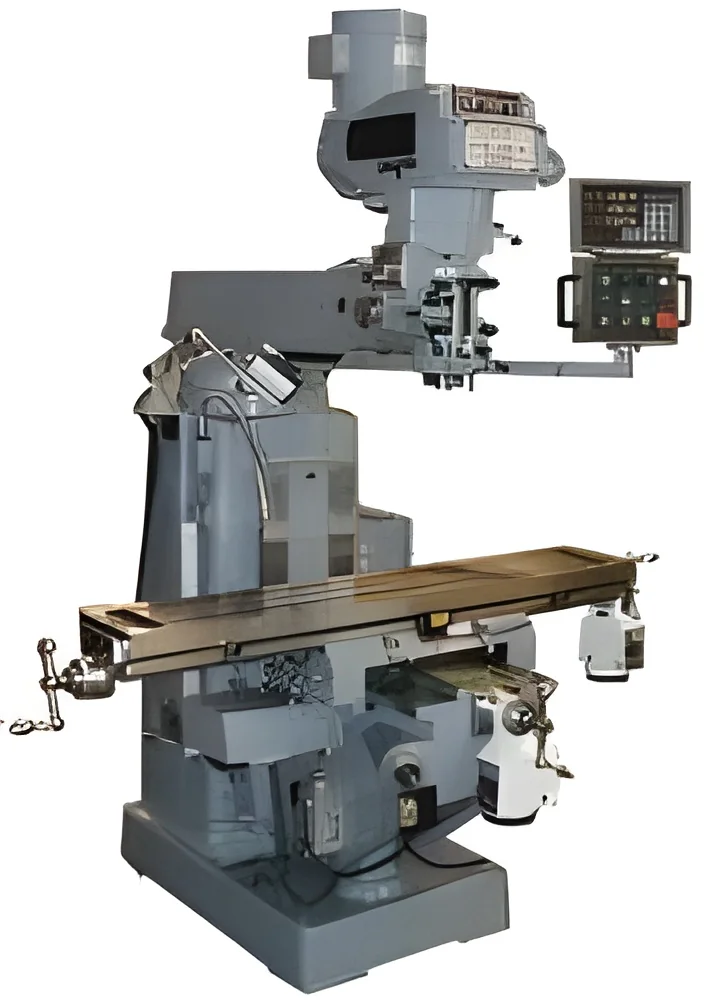
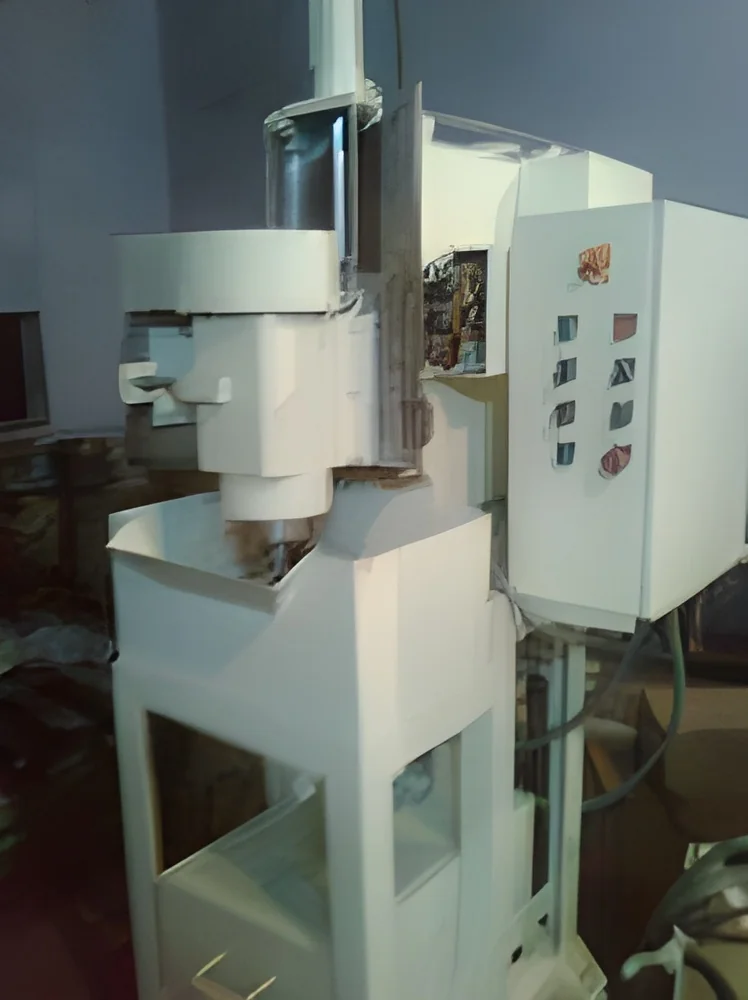
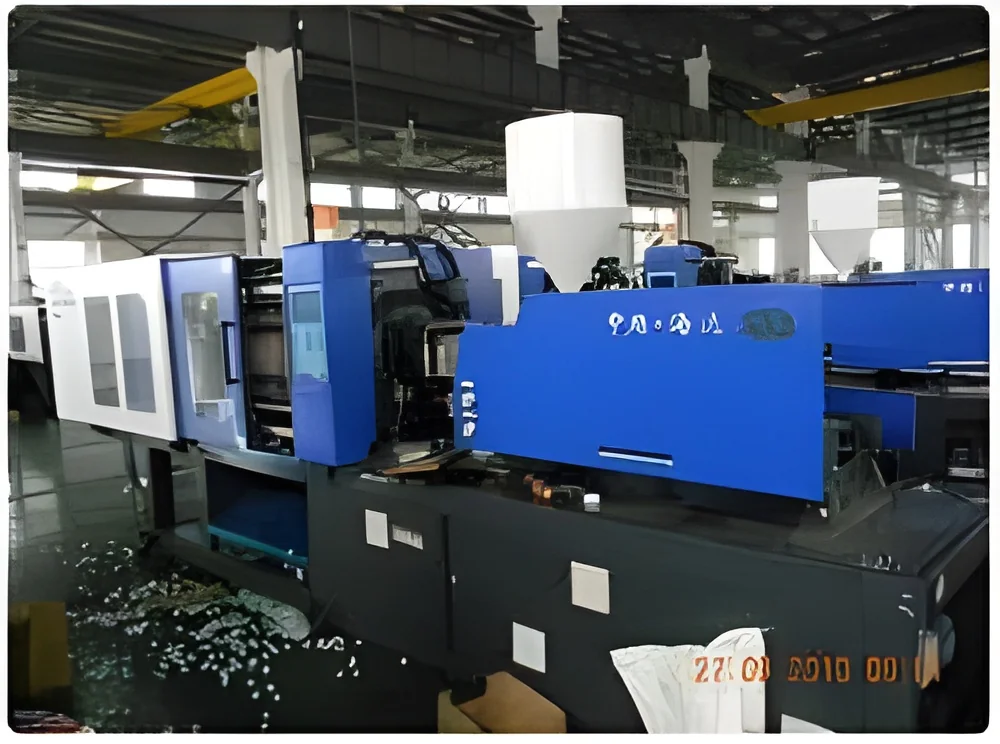
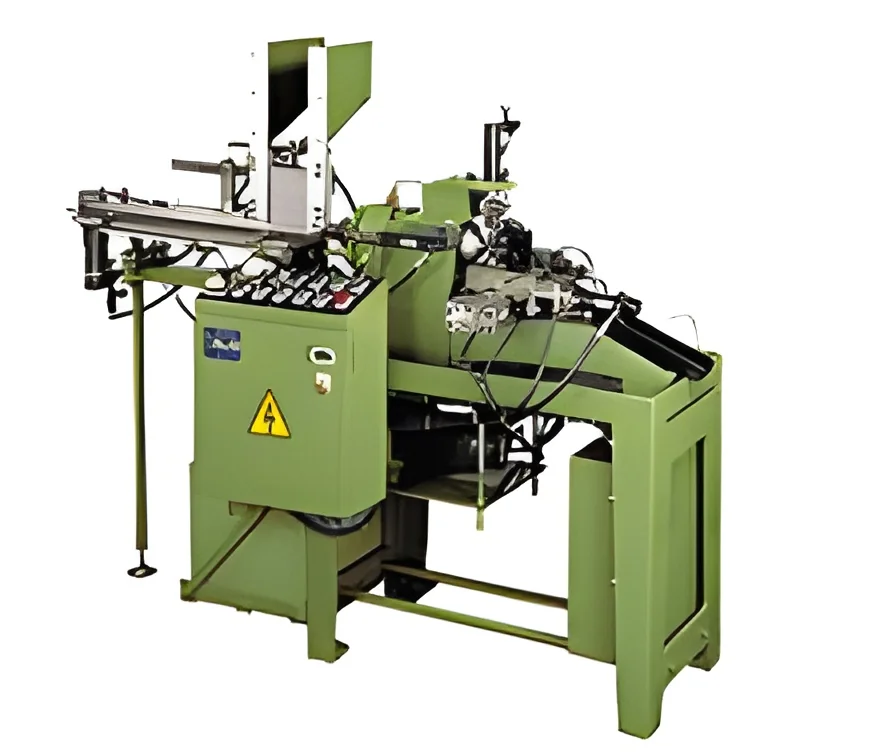
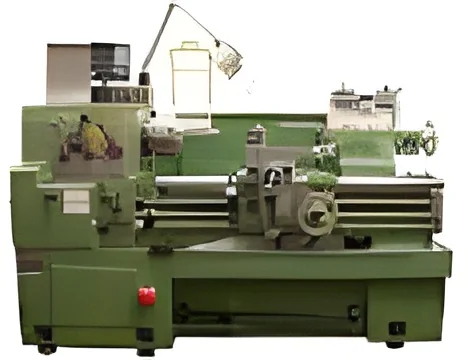
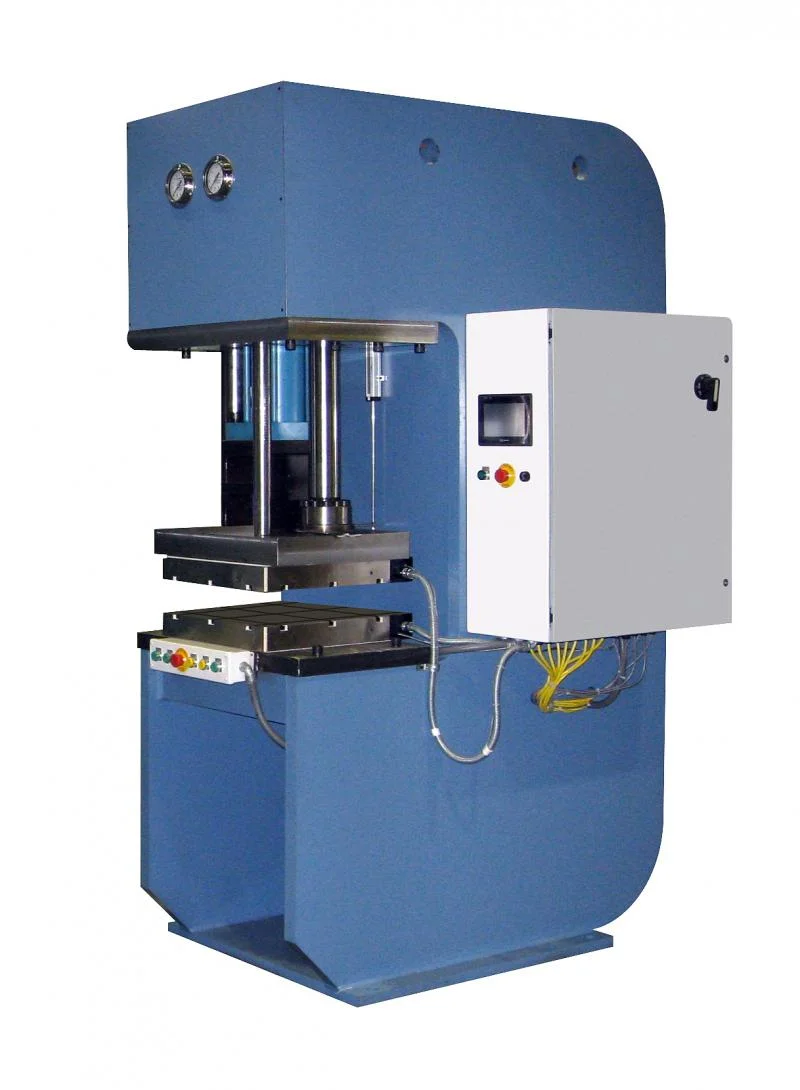
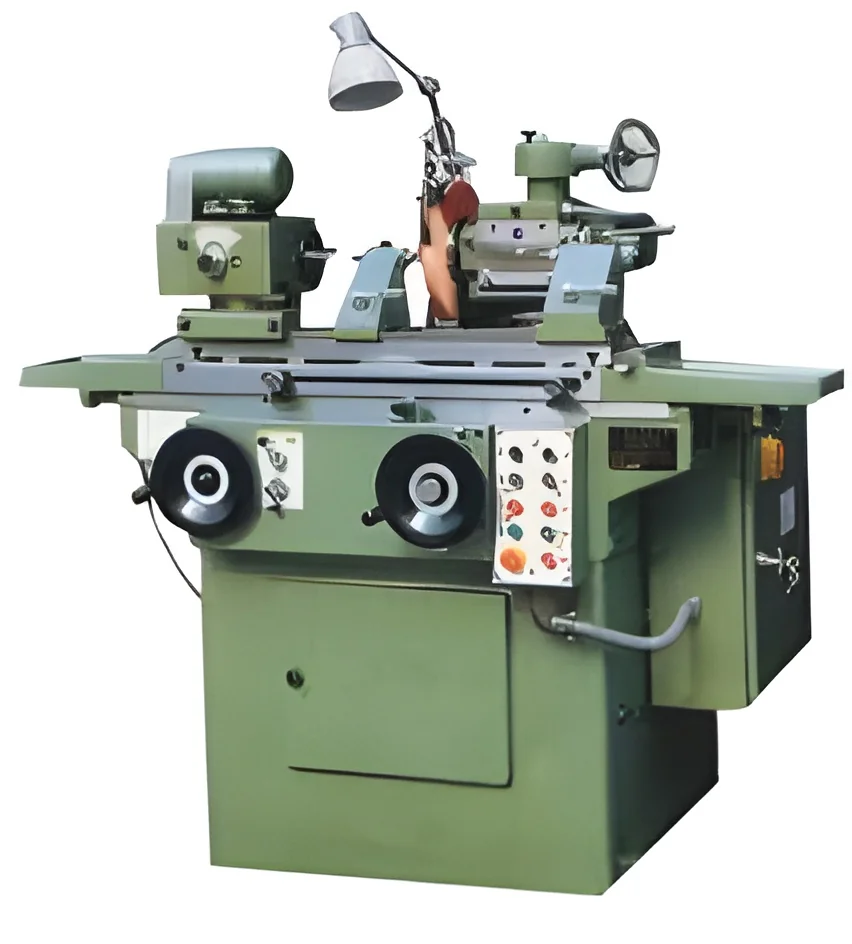
Industrial grinder machines represent essential equipment for precision metal processing operations, engineered to deliver superior grinding performance across diverse manufacturing applications. These machines incorporate advanced grinding technology to achieve exceptional surface finishes and exact dimensional accuracy on metal components. Built for continuous operation in demanding industrial settings, they feature robust construction and reliable mechanical systems that ensure consistent results throughout extended production runs. Their design focuses on maintaining precision while handling various metal types, making them adaptable solutions for numerous metalworking challenges. The importance of these machines in manufacturing workflows is significant as they directly contribute to enhanced product quality and improved production efficiency.

These precision grinding machines find extensive application across multiple industrial sectors including automotive manufacturing, aerosp...
Industrial grinder machines represent essential equipment for precision metal processing operations, engineered to deliver superior grinding performance across diverse manufacturing applications. These machines incorporate advanced grinding technology to achieve exceptional surface finishes and exact dimensional accuracy on metal components. Built for continuous operation in demanding industrial settings, they feature robust construction and reliable mechanical systems that ensure consistent results throughout extended production runs. Their design focuses on maintaining precision while handling various metal types, making them adaptable solutions for numerous metalworking challenges. The importance of these machines in manufacturing workflows is significant as they directly contribute to enhanced product quality and improved production efficiency.

These precision grinding machines find extensive application across multiple industrial sectors including automotive manufacturing, aerospace component production, tool and die manufacturing, and general metal fabrication. In automotive industries, they process critical components like engine parts, transmission elements, and brake system components with precision tolerances. Aerospace applications demand even higher precision standards for processing turbine blades, landing gear components, and structural elements. Tool manufacturers depend on these machines for producing and maintaining cutting tools, molds, and dies with exact specifications. The construction industry utilizes them for processing structural steel components, while general manufacturing applies them to various metal products requiring fine surface finishes and precise dimensional accuracy.

The business value of investing in quality industrial grinder machines extends beyond immediate production benefits to long-term operational advantages. These machines enhance manufacturing reliability by ensuring consistent part quality, reducing rejection rates, and minimizing rework requirements. Their durable construction translates to lower maintenance costs and extended service life, providing excellent return on investment over time. The precision engineering allows businesses to maintain tight tolerances without compromising production efficiency or quality standards. Reliability features include precision spindle systems, advanced vibration damping technology, and thermal stability mechanisms that maintain accuracy during extended operation periods. These attributes make them indispensable assets for businesses focused on quality assurance, production consistency, and operational excellence.

Key Features:
- Robust construction with precision engineering for industrial durability
- Advanced spindle systems maintaining consistent rotational accuracy
- Thermal stability mechanisms preventing accuracy drift during operation
- Comprehensive safety features including emergency stop systems
- Precision grinding parameters for specific material requirements

Benefits:
- Enhanced manufacturing reliability with consistent part quality
- Reduced rejection rates and minimized rework requirements
- Lower maintenance costs and extended service life
- Maintained tight tolerances without compromising efficiency
- Improved operational excellence through precision engineering
Specifications
| Additional Information | |
|---|---|
| Country of Origin | India |
Application
Industrial grinder machines handle critical metalworking tasks including surface finishing, deburring, and material removal with exceptional precision. Their robust design ensures reliable performance in demanding manufacturing environments, processing various metals from steel and aluminum to specialized alloys while maintaining tight tolerances and superior surface quality across continuous production cycles.
These grinding systems serve multiple industrial sectors including automotive manufacturing, aerospace component production, and tool manufacturing facilities. From large-scale metal fabrication shops to specialized precision engineering units, these machines deliver consistent results for diverse industrial requirements. Their versatility makes them essential equipment for businesses requiring exact specifications and reliable metal processing capabilities.
- Surface grinding for automotive engine components and transmission systems
- Precision tool grinding for manufacturing industrial cutting tools and blades
- Deburring and finishing metal castings in foundry and casting operations
- Preparing weld joints and removing excess material in metal fabrication shops
- Sharpening and maintaining industrial machinery components and production tools
Trade Details
| Available Stock | In Stock |
| Sample Availability | No |
Payment Terms
| Payment Terms |
|
Company Profile
Associated Machine Tech, Uttar Pradesh
 Uttar Pradesh, India
Uttar Pradesh, IndiaManufacturer•Distributor / Wholesaler
Factory Details
Factory SizeBelow 1000 sqm
Annual Production Capacity0
Industrial Grinder Machines For Precision Metal Finishing
Industrial grinder machines deliver precision metal finishing for manufacturing applications. These reliable grinders offer consistent quality and durability for processing various metal products with superior surface finishes.
Min. Order Quantity: 1 unit
Shipping
Shipping fee and delivery date to be negotiated. Contact supplier now for more details.
Associated Machine Tech
 Uttar Pradesh, India
Uttar Pradesh, IndiaManufacturer