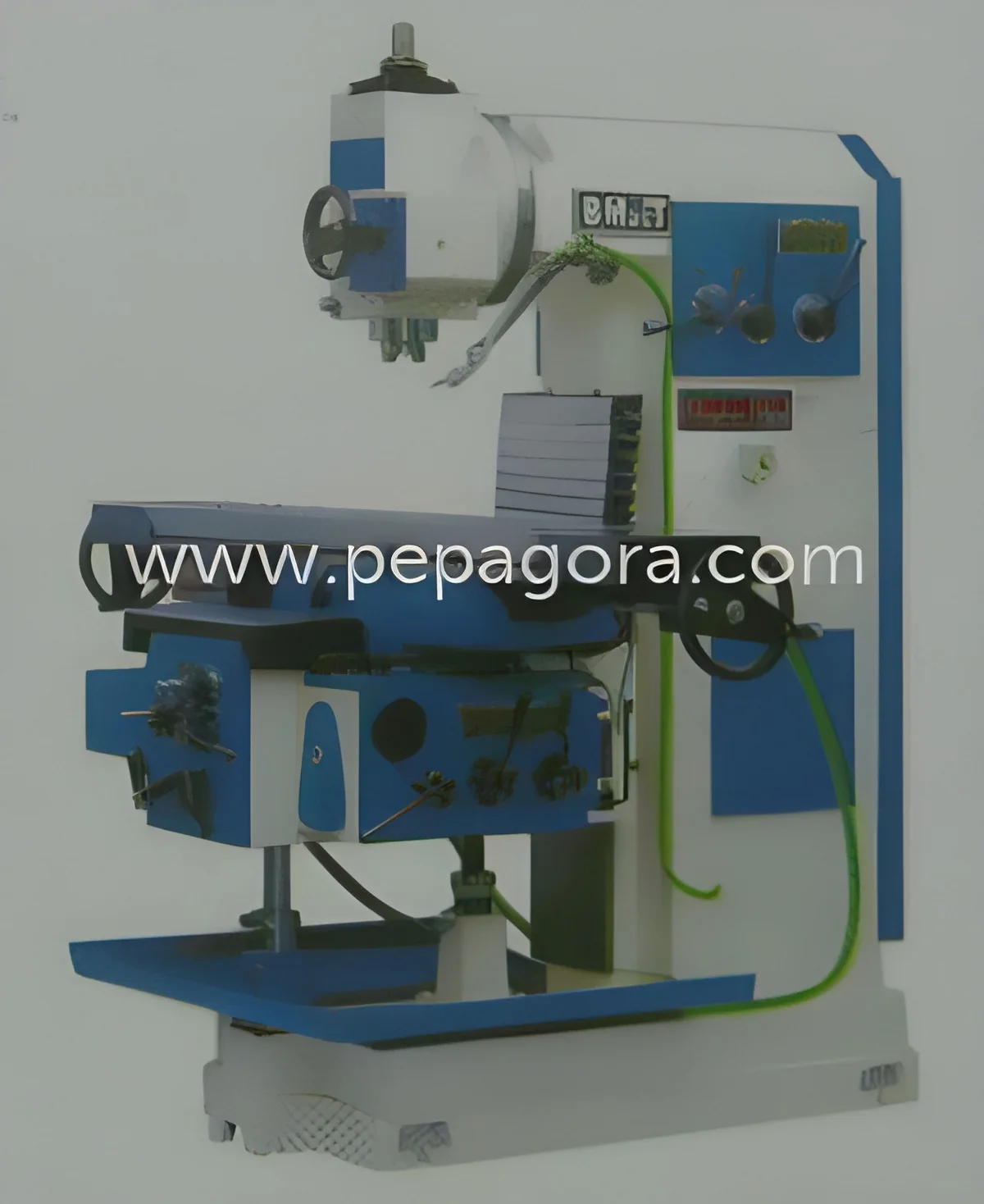
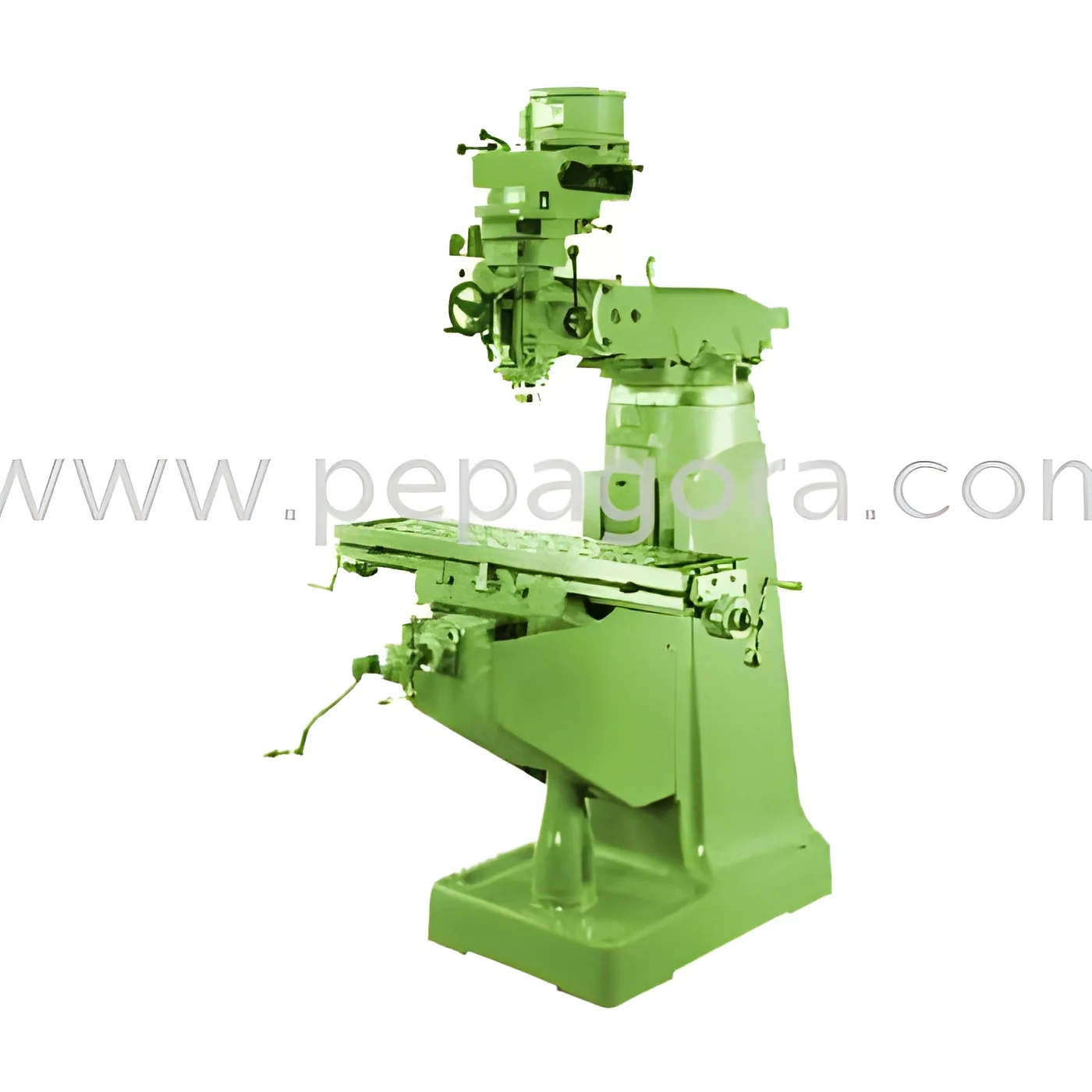
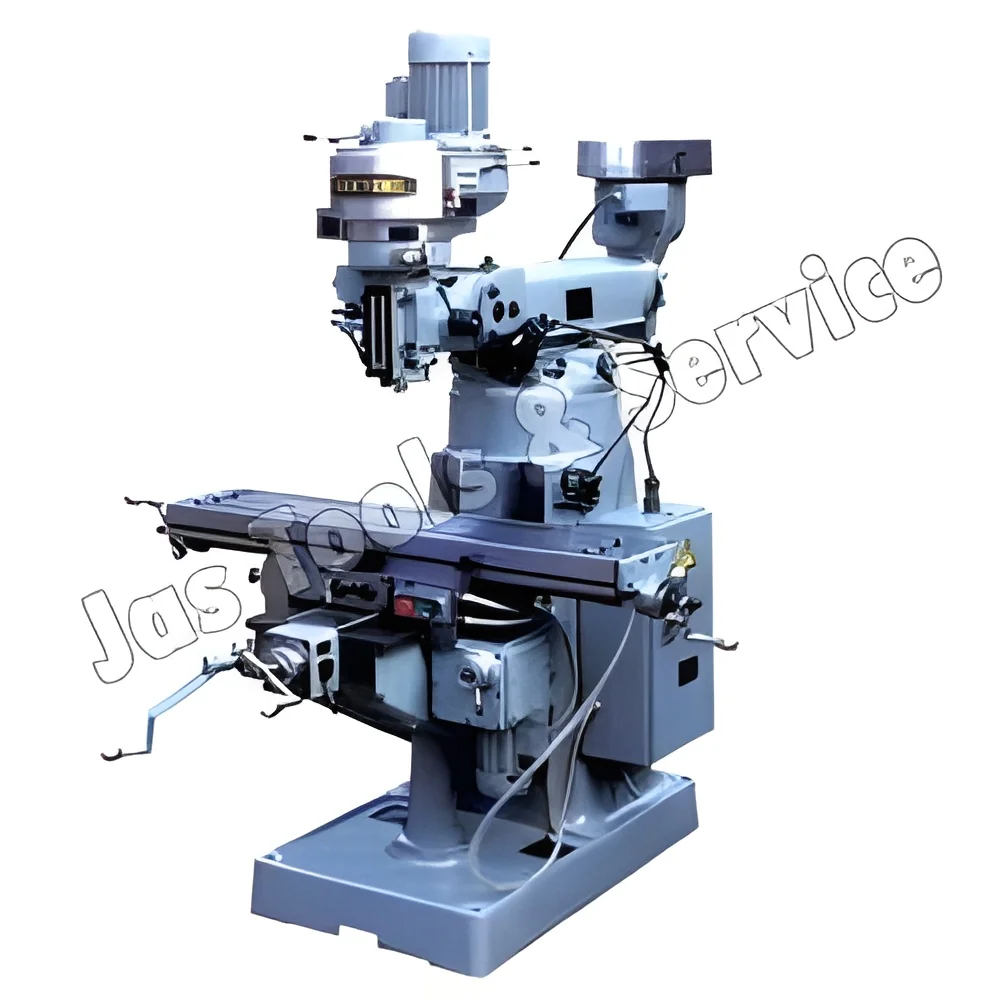
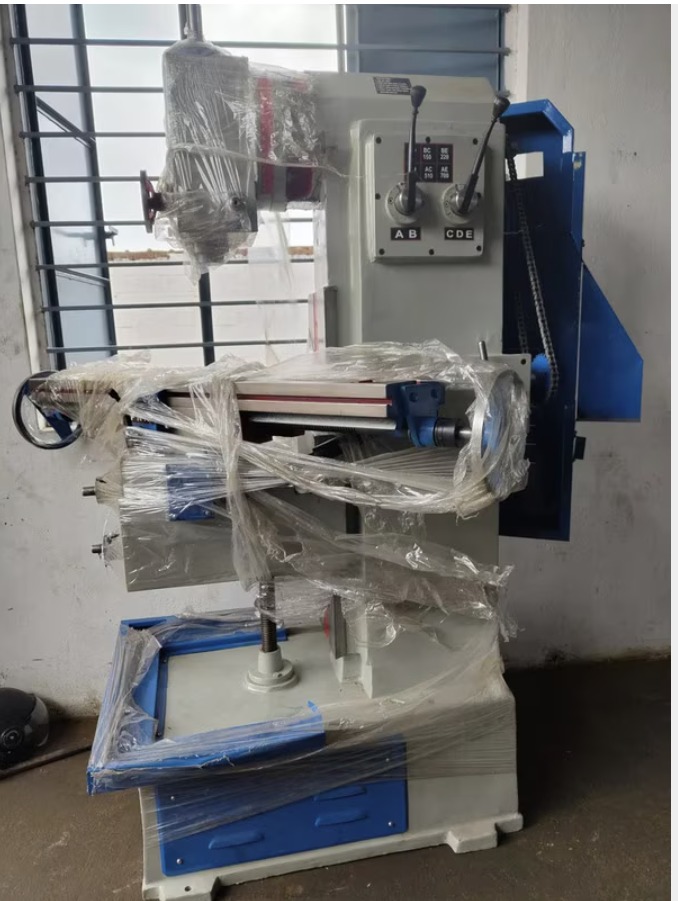
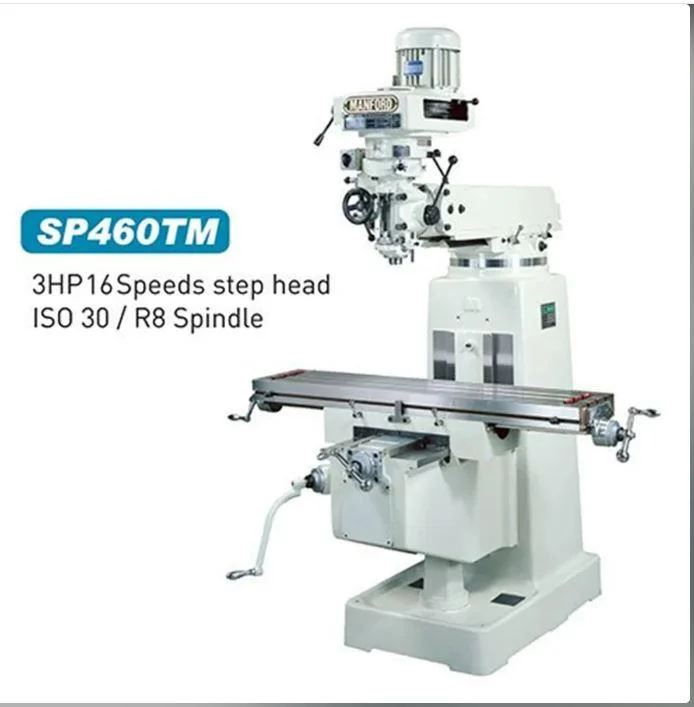
What are Vertical Milling Machines?
Vertical milling machines are essential tools in the manufacturing and machining industries. They are designed to perform a variety of operations, including drilling, milling, and boring. The primary feature of a vertical milling machine is its vertically oriented spindle, which allows for precise control over cutting tools and workpieces. This configuration enables operators to achieve high accuracy and versatility in machining operations.
These machines are widely used in various business applications, particularly in the production of complex parts and components. Industries such as aerospace, automotive, and machinery manufacturing benefit significantly from the capabilities of vertical milling machines. They are suitable for both small batch production and large-scale manufacturing, making them a staple in machine shops and industrial settings. As the demand for precision engineering grows, the relevance of vertical milling machines continues to expand in the market.
Key Features and Specifications
Vertical milling machines come equipped with a wide range of features that enhance their functionality and performance. When selecting a machine, it is essential to consider various specifications that cater to specific manufacturing needs.
Key specifications include:
1. Spindle Speed
- Ranges typically from 100 RPM to 5000 RPM
- Allows for versatility in various milling applications
2. Table Size
- Common dimensions range from 30 inches by 9 inches to 60 inches by 12 inches
- Determines the size of workpieces that can be accommodated
3. Maximum Cutting Depth
- Varies usually from 2 inches to 6 inches
- Impacts the thickness of materials that can be machined
4. Motor Power
- Typically between 1 HP to 10 HP
- Affects the overall performance and workload capacity
5. Tool Holder Type
- Options include R8, NT, and CAT40
- Determines compatibility with various cutting tools
6. Weight
- Machines can range from 500 lbs to over 3000 lbs
- Heavier machines generally offer better stability during operation
7. CNC Capability
- Some models offer CNC controls for automated machining
- Provides enhanced precision and repeatability
8. Axis Travel
- Common ranges include X-axis travel from 20 inches to 50 inches
- Affects the scope of machining operations possible
In summary, understanding these key specifications is crucial for selecting the right vertical milling machine for specific manufacturing needs.
Common Applications and Use Cases
Vertical milling machines find application across numerous industries due to their versatility and precision.
1. Aerospace: In the aerospace sector, vertical milling machines are used to manufacture components such as brackets, engine mounts, and fuselage parts. The high precision required in this industry makes these machines invaluable.
2. Automotive: The automotive industry utilizes vertical milling machines for machining engine blocks, transmission cases, and other critical components. Their ability to handle intricate designs is essential for modern vehicles.
3. Machinery Manufacturing: Vertical milling machines are commonly employed in the production of custom parts for industrial machinery. They enable manufacturers to create complex geometries that are necessary for various machine functions.
4. Electronics: In the electronics industry, these machines are used to produce housings and components for devices. The precision offered by vertical milling machines ensures that electronic parts fit together seamlessly.
5. Defense: The defense sector relies on vertical milling machines for manufacturing parts that require stringent quality standards. Their ability to produce high precision components is vital for defense applications.
6. Medical: Vertical milling machines are used to create surgical instruments and implants. The need for accuracy and reliability in medical devices makes them essential in this field.
7. Tool and Die Making: Tool and die shops use vertical milling machines to create molds and dies. Their versatility allows for the production of various complex shapes.
Product Variants and Subcategories
Vertical milling machines are available in different variants to meet diverse operational needs. Each variant offers unique features and applications.
Knee Mill
Knee mills are characterized by their adjustable knee feature, allowing operators to raise or lower the worktable. This design is ideal for small to medium-sized projects, providing flexibility in machining operations.
Bed Mill
Bed mills have a fixed table and a moving head, which is suitable for larger workpieces. This variant is often used for more extensive milling tasks and is known for its rigidity and stability during operation.
CNC Vertical Mill
CNC vertical mills integrate computer numerical control technology for automated machining processes. They are ideal for high-precision manufacturing and can handle complex designs with ease.
Benefits and Advantages
Vertical milling machines offer several benefits that enhance productivity and efficiency in manufacturing.
1. Precision Machining: Vertical milling machines provide high levels of accuracy, ensuring that parts meet tight tolerances.
2. Versatility: These machines can handle a wide variety of materials and processes, making them suitable for multiple applications.
3. User-Friendly: Many vertical milling machines are designed with intuitive controls, making them easier for operators to use, even with minimal training.
4. Cost-Effective: The ability to perform multiple operations on a single machine can reduce production costs and operational downtime.
5. Space-Saving Design: Vertical milling machines typically occupy less floor space compared to horizontal counterparts, making them suitable for smaller workshops.
6. Customization Options: Many manufacturers offer customization options, allowing businesses to tailor machines to their specific needs.
Buying Guide for B2B Buyers
When sourcing vertical milling machines, there are several crucial factors to consider to ensure you make an informed purchase.
1. Quality Assessment: Look for machines that adhere to industry standards for quality and durability. Check for certifications and user reviews to gauge reliability.
2. Supplier Verification: Vet suppliers thoroughly to ensure they have a good reputation and can provide support and service after the sale. Request references and check their track record.
3. Pricing and MOQ: Evaluate pricing structures and minimum order quantities. Compare quotes from multiple suppliers to find the best deal, while considering the quality of the machine.
4. Delivery and Lead Times: Understand the expected delivery timelines and lead times for orders. This is essential for planning production schedules.
5. Compliance Requirements: Ensure that the machines comply with relevant regulations and standards in your industry to avoid legal issues and ensure safety.
Compliance and Certifications
Vertical milling machines must comply with various quality standards and certifications to ensure they meet industry requirements.
ISO 9001 is a widely recognized standard that ensures manufacturing processes are efficient and consistent. Compliance with this standard demonstrates a commitment to quality management.
CE certification indicates that a product meets European safety standards. This is crucial for machines sold in European markets, ensuring they are safe to operate.
Safety and testing requirements are also critical in the manufacturing of vertical milling machines. These machines should undergo rigorous testing to ensure they meet operational safety standards.
Regional compliance considerations may vary, so it's essential to be aware of specific regulations in the markets you operate in. This ensures that your equipment is compliant and safe for use.
Why Source Vertical Milling Machines from Pepagora?
Pepagora provides a trusted platform for sourcing vertical milling machines, offering several key advantages to buyers.
Verified Supplier Network: Pepagora has established a network of verified suppliers, ensuring that buyers have access to reputable manufacturers. This reduces the risk associated with sourcing equipment.
Streamlined RFQ Process: The request for quotation process is straightforward and efficient, allowing buyers to receive competitive quotes quickly. This saves time and helps in making informed purchasing decisions.
Trade Assurance and Support: Pepagora offers trade assurance, protecting buyers throughout the purchasing process. This includes support for any issues that may arise post-purchase, ensuring a smooth experience.
Regional Coverage: With a focus on markets in India, the GCC, and Southeast Asia, Pepagora provides extensive regional coverage. This allows businesses to connect with suppliers that understand local market needs and compliance requirements.

 IN
IN