
 IN
Strap & Monofilament Extrusion Lines
2 products available
What are Strap & Monofilament Extrusion Lines?
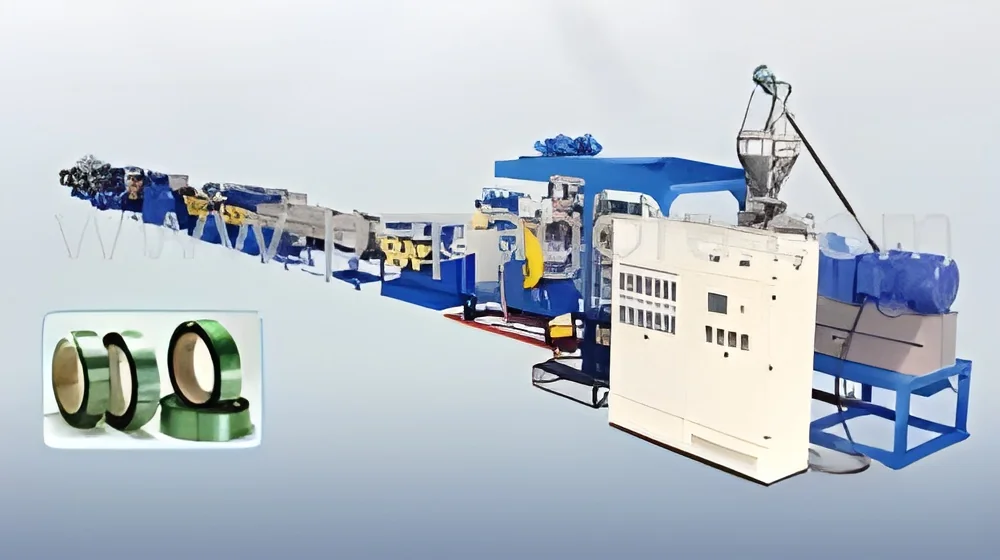
Strap and monofilament extrusion lines are specialized manufacturing systems designed to produce plastic straps and monofilament products through a continuous extrusion process. These lines utilize advanced technology to melt raw polymer materials, which are then formed into strands or straps as they cool and solidify. The extrusion process is highly efficient, allowing for high-volume production with consistent quality and precise dimensions.
These extrusion lines find extensive applications in various industries such as packaging, textiles, and construction. For instance, they are commonly used to produce packaging straps that secure goods for shipping, as well as monofilament products like fishing lines and ropes. The versatility of these machines makes them essential in sectors where durable and reliable materials are needed. The demand for high-performance straps and monofilament products continues to grow, driven by innovations in manufacturing technology and evolving market needs.
Key Features and Specifications
Strap and monofilament extrusion lines come equipped with several features that enhance their performance and efficiency. These specifications are crucial for ensuring that the machinery meets the requirements of different applications.
Key specifications include:
1. Extrusion Capacity
- Determines the maximum output of the line
- Typical ranges from 100 kg/h to 500 kg/h
2. Material Compatibility
- Compatible with various polymers such as polypropylene and polyethylene
- Supports both recycled and virgin materials
3. Temperature Control
- Features precise temperature regulation for optimal melting
- Operating temperature typically ranges from 200°C to 250°C
4. Die Design
- Customizable die configurations for different product shapes
- Options for multi-strand dies for increased output
5. Cooling System
- Integrated water or air cooling systems to solidify extruded products
- Ensures uniform cooling for maintaining product quality
6. Automation Level
- Options for manual or fully automated operations
- Advanced systems include PLC controls for monitoring and adjustments
7. Safety Features
- Equipped with emergency stop mechanisms and safety guards
- Compliance with industry safety standards
8. Energy Efficiency
- Designed to minimize energy consumption during operation
- Incorporates high-efficiency motors and insulation technologies
In summary, the features and specifications of strap and monofilament extrusion lines are designed to enhance production efficiency, adaptability, and safety, making them a vital investment for businesses in need of reliable manufacturing solutions.
Common Applications and Use Cases
Strap and monofilament extrusion lines serve a diverse range of industries, highlighting their versatility and importance in modern manufacturing.
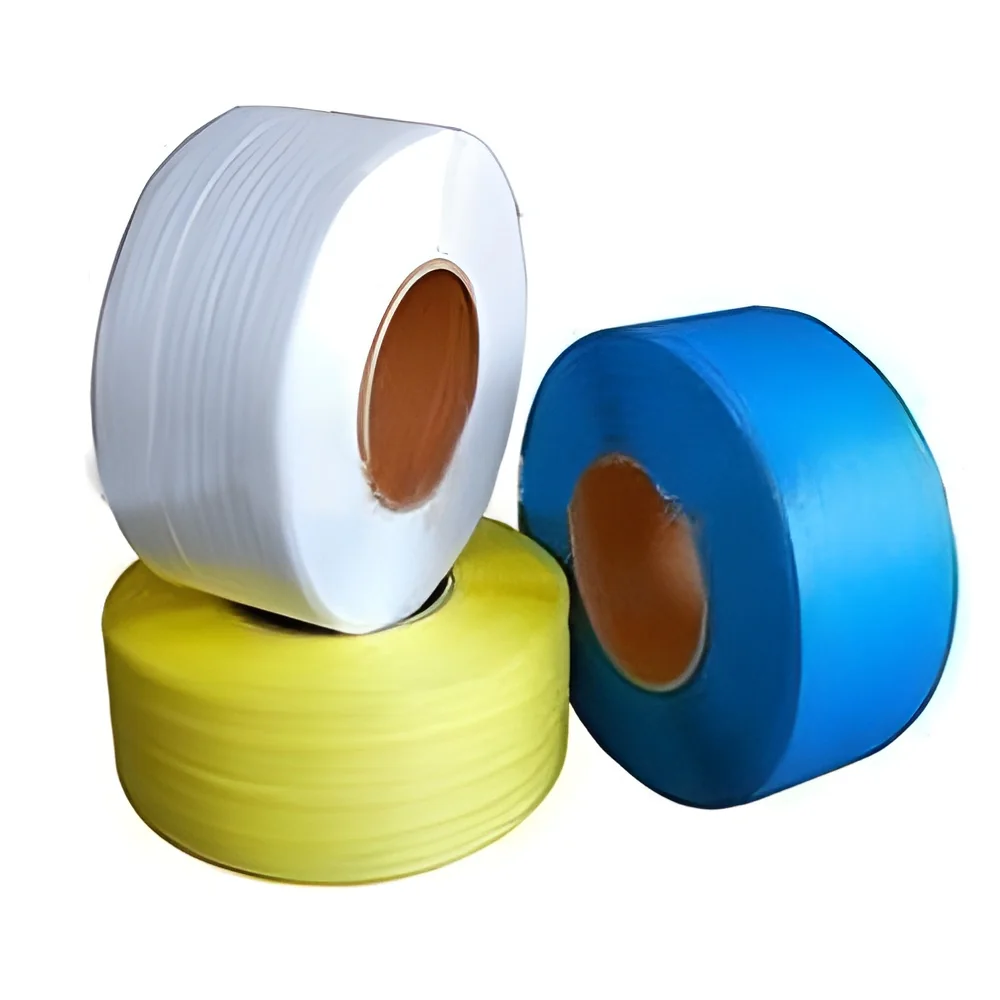
1. Packaging: These lines produce high-strength plastic straps used for bundling and securing packages during shipping and storage, ensuring the integrity of goods until they reach their destination.
2. Textiles: Monofilament products made from these extrusion lines are widely used in the textile industry for applications such as sewing threads and nets, providing durability and resistance to wear.
3. Agriculture: The agricultural sector utilizes monofilament for various applications, including fencing, trellising, and netting, where strength and weather resistance are crucial.
4. Fishing: Monofilament fishing lines produced by these extrusion systems offer anglers reliable and strong options for fishing, catering to both professional and recreational fishermen.
5. Construction: In construction, strap products are used for securing materials and equipment on-site, ensuring safety and stability during various projects.
6. Automotive: Strap materials are also employed in the automotive industry for cargo securing and bundling parts during transport, enhancing efficiency in logistics.
7. Furniture: Monofilament is utilized in the production of outdoor furniture, where weather-resistant properties are essential for longevity.
Product Variants and Subcategories
Strap and monofilament extrusion lines come in various configurations and models to cater to different manufacturing needs.
High-Speed Extrusion Line
This variant is designed for maximum output, featuring advanced automation and high-capacity extruders. It is ideal for manufacturers looking to increase production volume without compromising quality.
Customizable Extrusion Line
This model allows for tailored solutions with adjustable die designs and material inputs. It is perfect for businesses that require flexibility in product specifications and shapes.
Compact Extrusion Line
A space-saving option suitable for smaller operations, this variant offers efficient performance without the need for extensive floor space. It is an excellent choice for startups and smaller manufacturers.
Benefits and Advantages
Investing in strap and monofilament extrusion lines provides numerous benefits that can significantly enhance manufacturing operations.
1. Increased Production Efficiency: These lines are designed for high throughput, allowing businesses to meet growing demand without sacrificing quality.
2. Customization Options: The ability to modify die designs and material inputs enables manufacturers to produce a variety of products, catering to specific market needs.
3. Cost-Effective Operation: With energy-efficient features and reduced waste, these extrusion lines can lower operational costs over time.
4. Improved Product Quality: Advanced temperature control and cooling systems ensure that the final products meet high-quality standards, reducing defects and rework.
5. Enhanced Safety Features: Compliance with safety regulations and the inclusion of safety mechanisms help protect operators and reduce workplace incidents.
6. Versatile Applications: The ability to produce a wide range of products makes these extrusion lines suitable for multiple industries, enhancing their utility.
Buying Guide for B2B Buyers
When sourcing strap and monofilament extrusion lines, it is essential to consider several key factors to ensure a successful purchase.
1. Quality Assessment: Evaluate the quality of the extrusion lines by reviewing technical specifications, materials used, and the manufacturer’s reputation. Look for certifications that indicate compliance with industry standards.
2. Supplier Verification: Vet potential suppliers to ensure they have a reliable track record. Check for customer reviews, past project examples, and industry endorsements to confirm their credibility.
3. Pricing and MOQ: Understand the pricing structure and minimum order quantities. Compare quotes from different suppliers to ensure competitive pricing while considering the total cost of ownership.
4. Delivery and Lead Times: Inquire about delivery schedules and lead times. Reliable suppliers should provide clear timelines to avoid production delays.
5. Compliance Requirements: Ensure that the equipment meets relevant industry regulations and standards. Compliance with safety and quality certifications is essential for operational integrity.
Compliance and Certifications
Strap and monofilament extrusion lines must adhere to various compliance standards and certifications to ensure quality and safety. ISO 9001 is a widely recognized quality management standard that emphasizes consistent quality in manufacturing processes. Compliance with HACCP ensures that the production processes meet food safety standards, particularly relevant for applications in food packaging.
Additionally, CE certification indicates that the equipment meets European safety, health, and environmental protection standards. This certification is crucial for companies looking to operate in or export to European markets. Safety requirements dictate that all machinery must undergo rigorous testing to ensure operator safety and reliable performance.
Regional compliance considerations are also vital, as different regions may have specific regulations governing manufacturing practices, safety standards, and environmental impact. Companies must stay informed about these regulations to ensure compliance and avoid penalties.
Why Source Strap & Monofilament Extrusion Lines from Pepagora?
Pepagora offers a trusted platform for sourcing strap and monofilament extrusion lines, providing several key advantages to buyers.
Verified Supplier Network: The platform connects buyers with a network of verified suppliers, ensuring that all manufacturers meet stringent quality and reliability standards. This verification process gives buyers confidence in their sourcing decisions.
Streamlined RFQ Process: Pepagora’s request for quotation system simplifies the procurement process. Buyers can easily submit their requirements and receive competitive quotes from multiple suppliers, saving time and effort.
Trade Assurance and Support: With trade assurance features, Pepagora protects buyers throughout the transaction process, offering support in case of any disputes or issues. This added layer of protection enhances buyer confidence.
Regional Coverage: Pepagora’s geographic reach spans India, the GCC, and Southeast Asia, making it easy for businesses in these regions to find suitable suppliers. This extensive network ensures that buyers have access to a diverse range of options tailored to their needs.

 India
Frequently Asked Questions
What are Strap & Monofilament Extrusion Lines?
Strap & Monofilament Extrusion Lines are specialized manufacturing systems designed to produce straps and monofilament products from thermoplastic materials. These lines typically consist of extruders, cooling systems, and winding equipment to create high-quality, uniform products used in various applications, including packaging and textiles.
What are the different types of Strap & Monofilament Extrusion Lines?
There are primarily two types of Strap & Monofilament Extrusion Lines: those designed for strap production and those for monofilament production. Strap extrusion lines focus on creating flat or shaped straps, while monofilament lines produce single strands of plastic that can be used in fishing lines, nets, and other applications.
How do I choose the right Strap & Monofilament Extrusion Lines?
Choosing the right Strap & Monofilament Extrusion Lines involves assessing your production requirements, including the type of material, desired output, and product specifications. Additionally, evaluating the manufacturer's reputation, machine efficiency, and support services can help ensure a suitable choice.
What are the standard specifications for Strap & Monofilament Extrusion Lines?
Standard specifications for Strap & Monofilament Extrusion Lines include factors such as the extrusion capacity (measured in kg/h), screw diameter, and the type of materials that can be processed. Other specifications may involve the cooling system design, power consumption, and overall machine dimensions.
What is the price range for Strap & Monofilament Extrusion Lines?
The price range for Strap & Monofilament Extrusion Lines can vary widely based on factors like machine specifications, manufacturer, and included features. Generally, prices can start from a few lakhs to several crores, depending on the complexity and production capabilities of the equipment.
What quality standards apply to Strap & Monofilament Extrusion Lines?
Quality standards for Strap & Monofilament Extrusion Lines typically include compliance with international norms such as ISO and ASTM. These standards ensure that the machines meet safety, efficiency, and performance criteria, which are critical for reliable production.
Where can I find Strap & Monofilament Extrusion Lines suppliers in India?
You can find Strap & Monofilament Extrusion Lines suppliers in India through various channels, including online B2B marketplaces like Pepagora, industry trade shows, and local manufacturing associations. Conducting online research and networking within the industry can also help identify reputable suppliers.
Can Strap & Monofilament Extrusion Lines be customized?
Yes, Strap & Monofilament Extrusion Lines can often be customized to meet specific production needs. Manufacturers may offer options for different screw designs, die configurations, and additional features to enhance the machine's performance based on the customer's requirements.
What is the typical minimum order quantity for Strap & Monofilament Extrusion Lines?
The typical minimum order quantity (MOQ) for Strap & Monofilament Extrusion Lines can vary by supplier, but it generally ranges from one machine to several units, depending on the manufacturer's policies. It's advisable to discuss MOQs directly with potential suppliers to understand their terms.
What is the typical lead time for Strap & Monofilament Extrusion Lines?
The typical lead time for Strap & Monofilament Extrusion Lines can range from a few weeks to several months, depending on the manufacturer's production schedule, customization requirements, and available inventory. It's recommended to confirm lead times during the ordering process to plan accordingly.
Why Businesses Trust Pepagora
Thousands of companies trust Pepagora to source smarter and sell faster
Expand Your Sales Globally

Source Smarter,Grow Faster
