
 IN
Sheet Cutting Machines
32 products available
What are Sheet Cutting Machines?
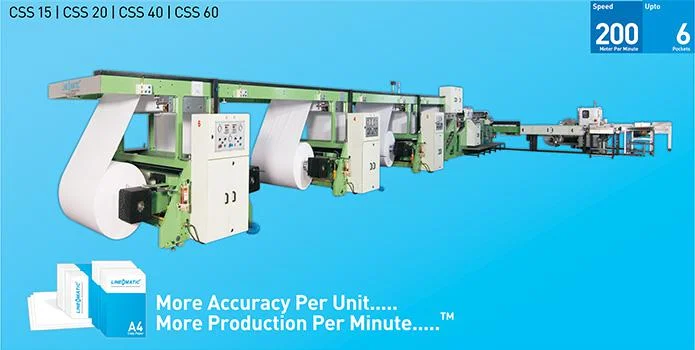
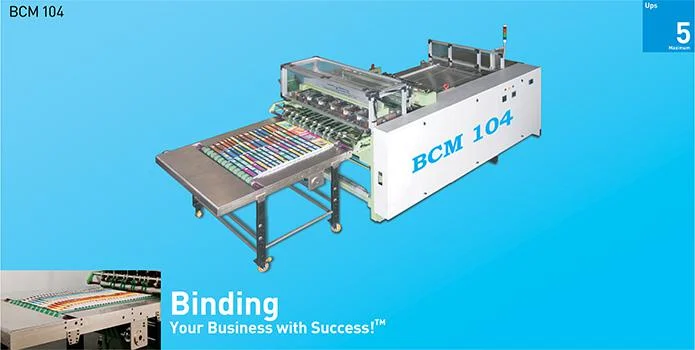
Sheet cutting machines are industrial devices designed to cut sheets of various materials into specified shapes and sizes. These machines are essential in manufacturing processes where precision and efficiency are critical. They operate through different cutting methods, including guillotine cutting, rotary cutting, and laser cutting, depending on the material and application requirements.
The primary uses of sheet cutting machines span across numerous industries such as manufacturing, construction, and packaging. They are used to cut metals, plastics, rubber, and textiles among other materials, making them versatile tools in production lines. Businesses utilize these machines to improve productivity, reduce waste, and ensure consistency in product quality. As industries evolve and demand for precision increases, sheet cutting machines continue to play a vital role in meeting these challenges.
In the current market context, the demand for sheet cutting machines is growing due to the rise in customized manufacturing and the need for high-quality production standards. Companies are increasingly investing in advanced machines that offer automation and enhanced capabilities. This trend is driven by the need to stay competitive and efficient in a rapidly changing industrial landscape.
Key Features and Specifications
Sheet cutting machines are equipped with various features that enhance their functionality and efficiency. Understanding these specifications is crucial for businesses looking to invest in the right equipment.
Key specifications include:
1. Cutting Width
- This refers to the maximum width of the sheet that the machine can cut.
- Typical ranges vary between 1.2 meters to 3 meters, depending on the machine model.
2. Cutting Thickness
- The maximum thickness of the material that can be processed.
- Most machines can handle thicknesses from 0.5 mm to 20 mm.
3. Cutting Speed
- This indicates how quickly the machine can perform cuts.
- Speed can range from 20 to 100 meters per minute based on machine capabilities.
4. Power Requirement
- The total power consumption of the machine, which is crucial for operational efficiency.
- Power ratings typically range from 1.5 kW to 15 kW.
5. Control System
- The type of control system used, such as manual, semi-automatic, or fully automatic.
- Advanced models feature digital controls for enhanced precision.
6. Safety Features
- Essential for protecting operators and ensuring safe operation.
- Includes emergency stop buttons, safety guards, and sensor systems.
7. Dimensions
- Overall size and weight of the machine, impacting installation and space requirements.
- Dimensions vary widely based on machine design.
8. Certification
- Compliance with industry standards such as CE for safety and performance.
- Ensures that the machine meets regulatory requirements.
In summary, selecting the right sheet cutting machine involves understanding these key features and specifications to match specific operational needs.
Common Applications and Use Cases
Sheet cutting machines find applications across various sectors, each with unique requirements.
1. Manufacturing: In this sector, sheet cutting machines are used to produce components for automobiles, electronics, and machinery, allowing for precise cuts that meet strict quality standards.
2. Construction: These machines are essential for cutting materials like metal sheets and plywood for building structures, facilitating faster assembly and reducing material wastage.
3. Packaging: In the packaging industry, sheet cutting machines are employed to produce boxes and displays from cardboard and plastic sheets, ensuring consistent sizes and designs.
4. Textile: In the textile sector, these machines cut fabric sheets for garments and other applications, aiding in efficient production processes.
5. Aerospace: Precision cutting of lightweight materials is crucial in aerospace manufacturing, where these machines help create parts that meet stringent safety and weight requirements.
6. Signage: For the signage industry, sheet cutting machines enable the cutting of acrylic and metal sheets into various shapes and sizes for effective display solutions.
7. Furniture: In furniture manufacturing, these machines cut wood and composite materials to create furniture components with high precision.
Product Variants and Subcategories
Sheet cutting machines come in various types, each designed for specific applications and industries.
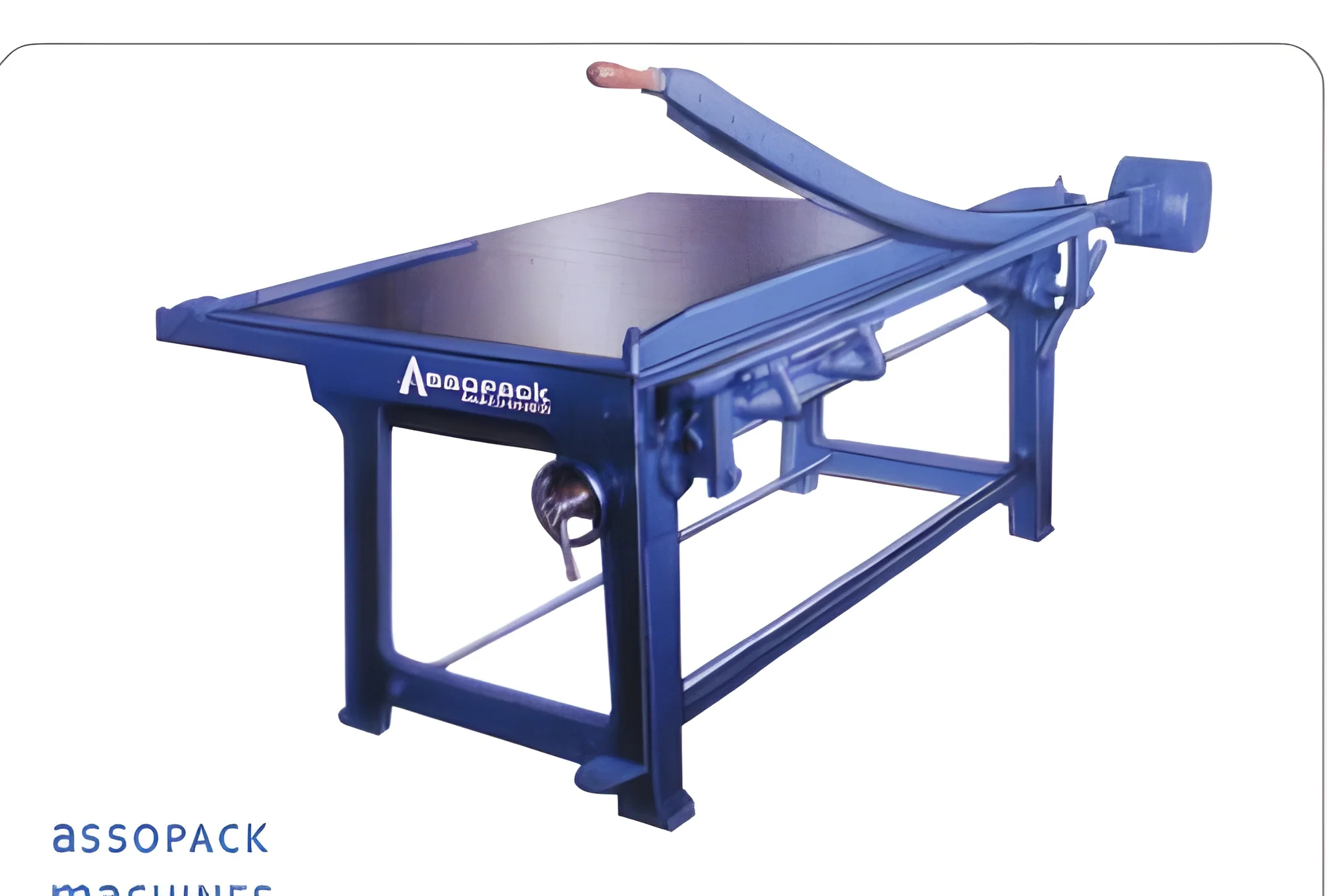
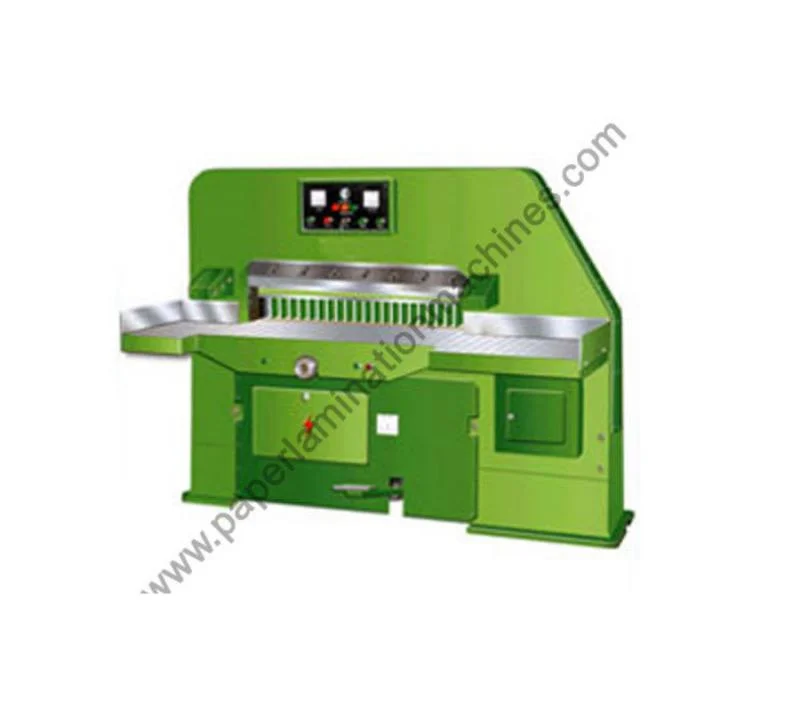
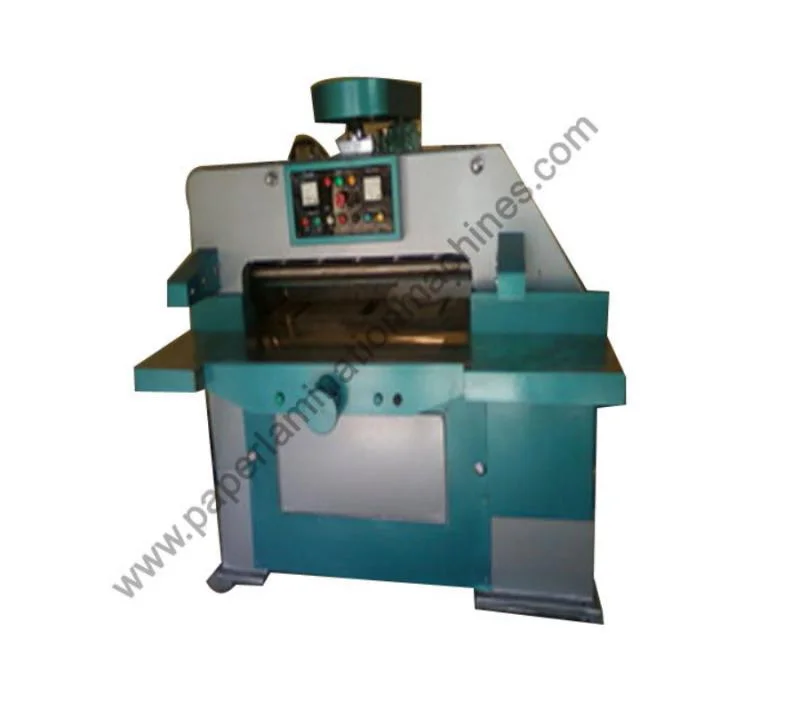
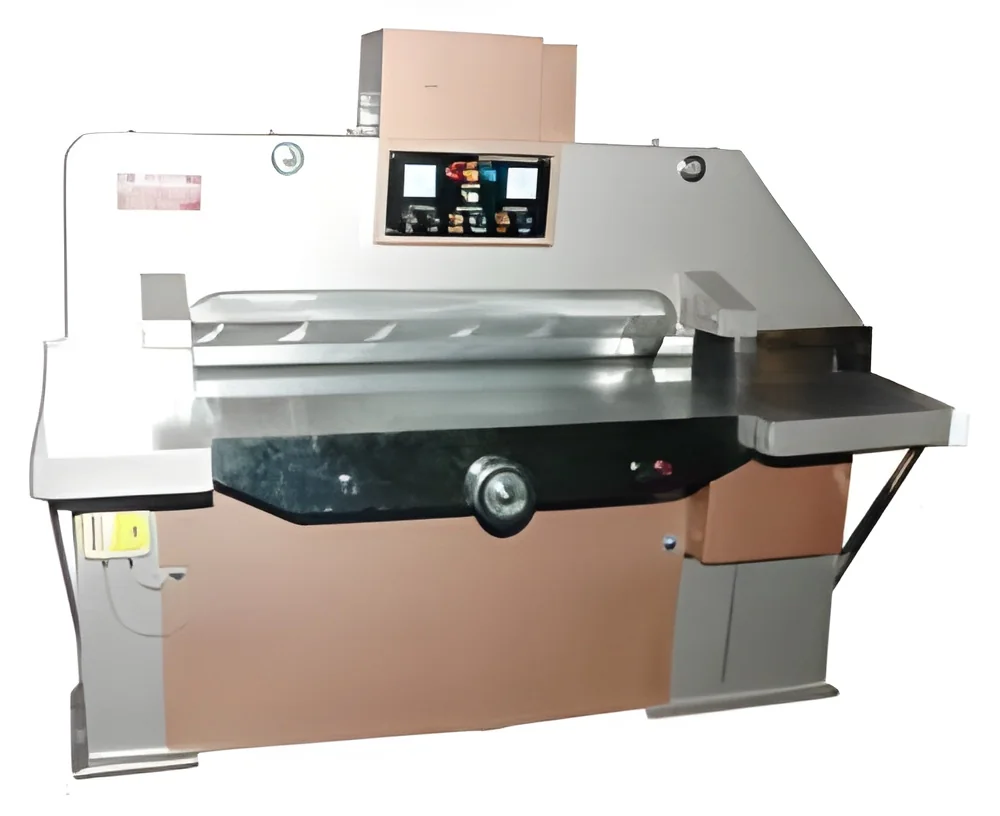
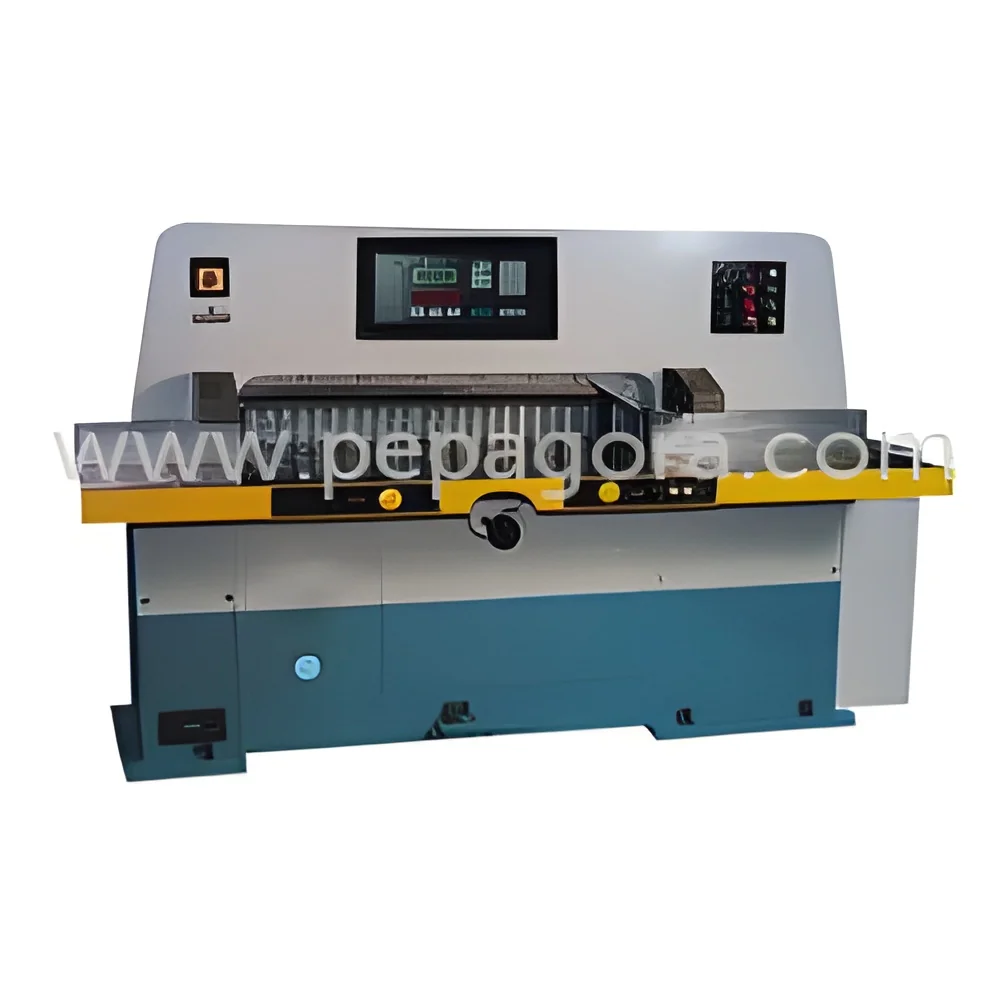
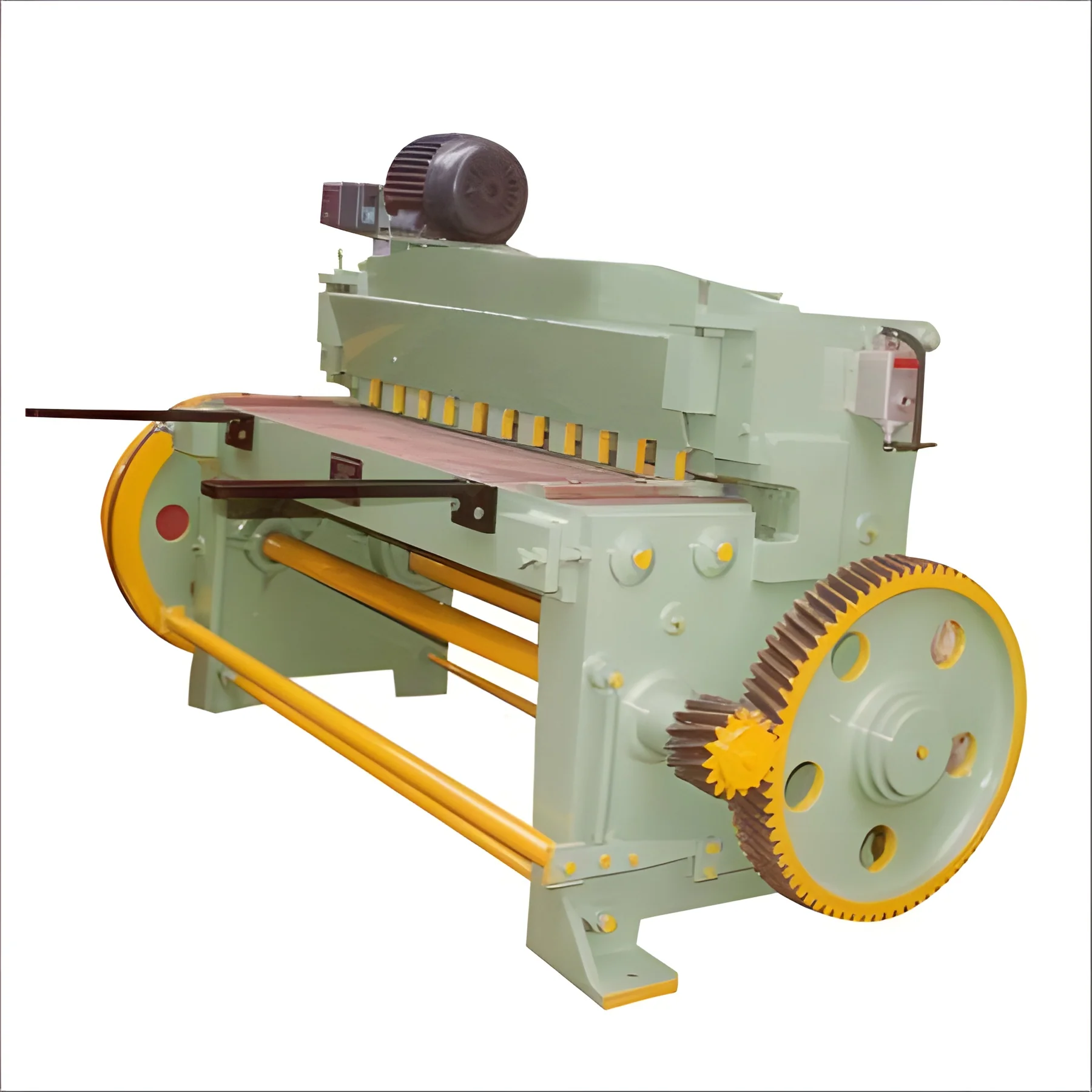
Guillotine Cutter
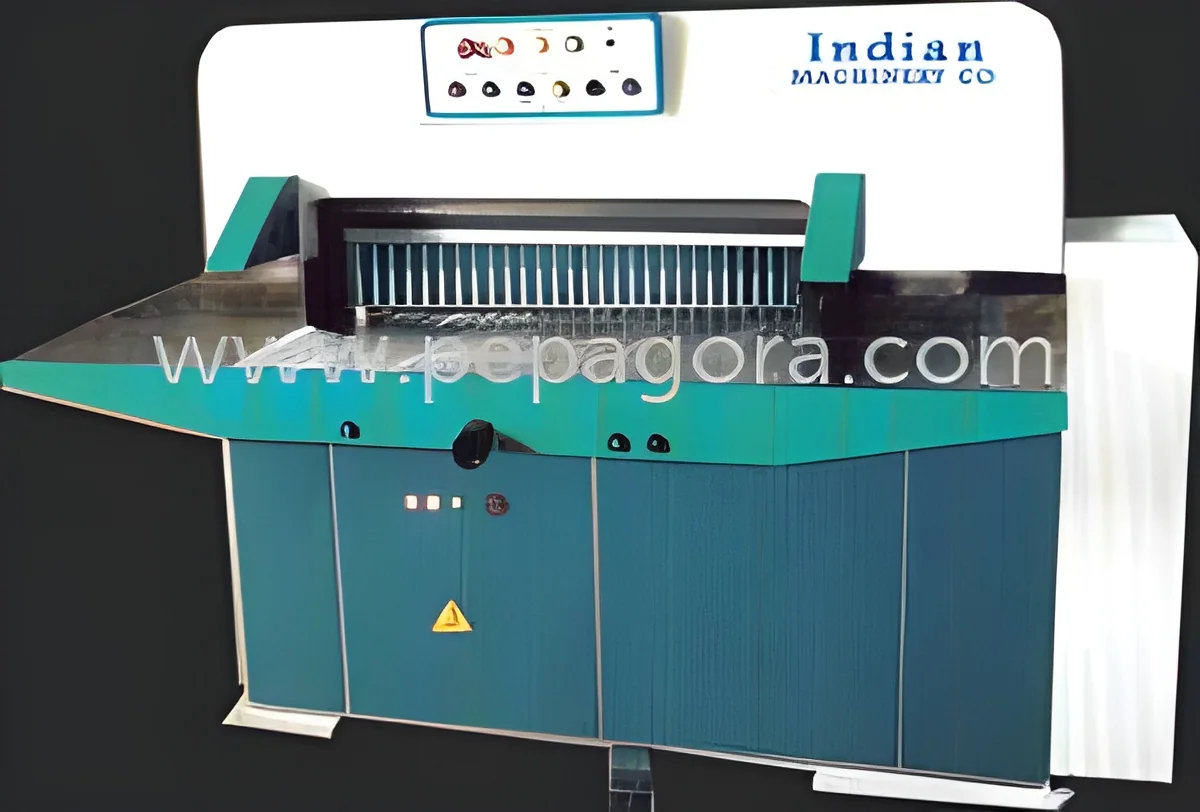
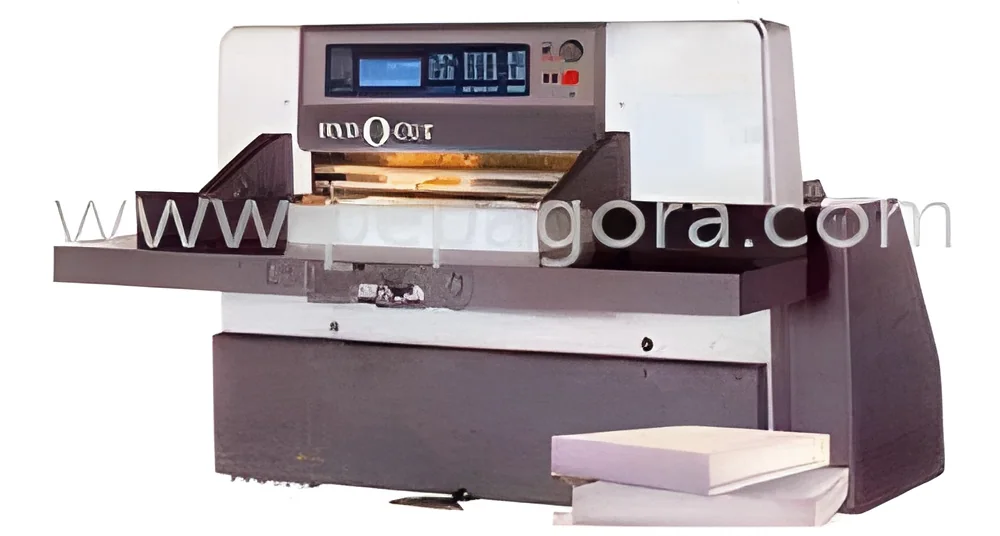
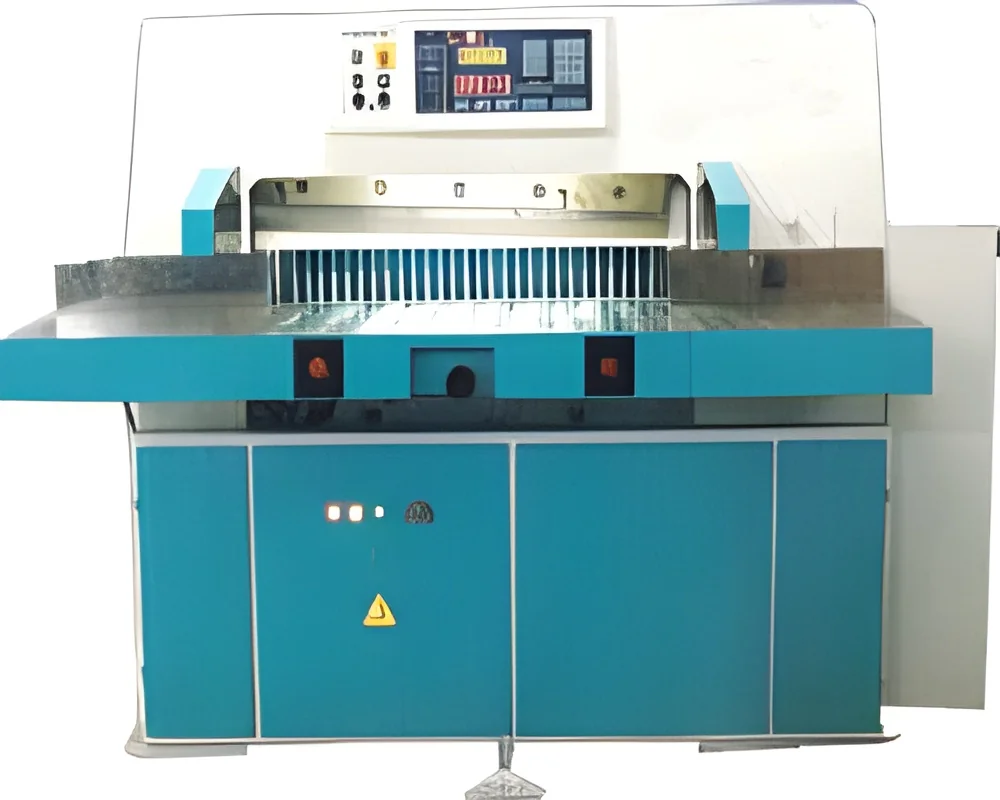
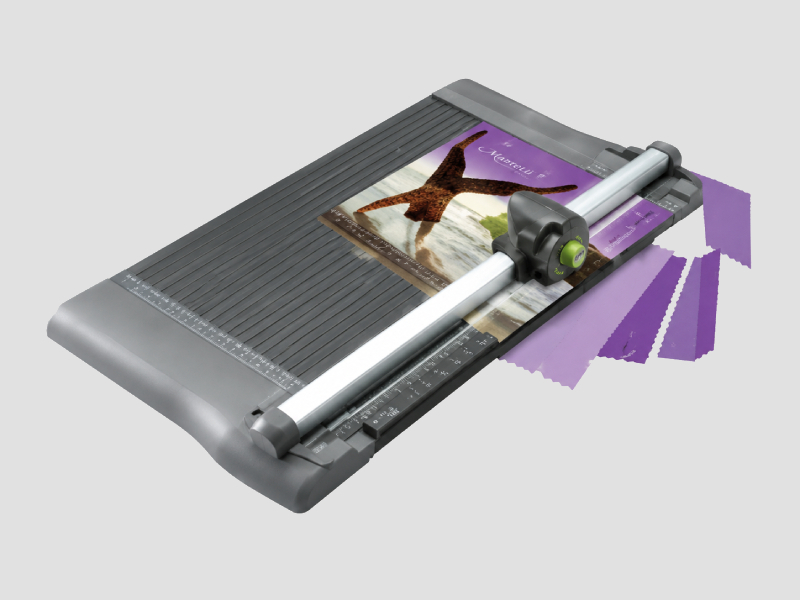
This variant is ideal for cutting sheets of paper, plastic, and thin metals. It features a sharp blade that performs straight cuts and is known for its simplicity and efficiency in high-volume environments.
Laser Cutter
Laser cutting machines provide high precision and versatility. They can cut intricate designs in various materials such as metal, wood, and acrylic. This variant is perfect for industries that require detailed work and complex shapes.
Rotary Cutter
Rotary cutters are commonly used in textile and packaging industries. They operate using a circular blade that rolls over the material, allowing for smooth and continuous cuts. This machine is favored for its speed and efficiency.
Benefits and Advantages
Investing in sheet cutting machines offers numerous advantages for businesses.
1. Precision Cutting: These machines provide high accuracy in cuts, ensuring that products meet exact specifications and reducing the need for rework.
2. Increased Efficiency: Sheet cutting machines can operate at high speeds, significantly improving production rates and reducing lead times.
3. Cost Savings: By minimizing material wastage and enhancing productivity, businesses can achieve better cost management and profitability.
4. Versatility: These machines can cut a wide range of materials, making them suitable for various industries and applications.
5. Automation Features: Advanced models offer automation, reducing the need for manual intervention and improving overall operational efficiency.
6. Enhanced Safety: Modern sheet cutting machines come equipped with safety features that protect operators, promoting a safer working environment.
Buying Guide for B2B Buyers
When sourcing sheet cutting machines, it is important to consider several factors to ensure a successful purchase.
1. Quality Assessment: Evaluate the quality of the machines based on manufacturer reputation, customer reviews, and performance metrics. Quality equipment will lead to better production outcomes.
2. Supplier Verification: Conduct thorough checks on potential suppliers, including their certifications, production capabilities, and past client experiences. This helps in identifying reliable partners.
3. Pricing and MOQ: Understand the pricing structure and minimum order quantities (MOQ). Compare prices across different suppliers to find the best value for your investment.
4. Delivery and Lead Times: Inquire about the delivery schedules and lead times. Timely delivery is crucial for maintaining production schedules.
5. Compliance Requirements: Ensure that the machines meet industry compliance standards and regulations. This may include safety certifications and environmental considerations.
Compliance and Certifications
Compliance and certifications are critical aspects of sheet cutting machines, ensuring they meet industry standards for quality and safety.
Relevant quality standards such as ISO 9001 ensure that manufacturers adhere to consistent quality management practices. This certification is vital for businesses that prioritize quality assurance in their operations.
Additionally, many machines carry the CE mark, indicating compliance with European health, safety, and environmental protection standards. This certification assures buyers of the machine's reliability and safety.
Safety and testing requirements vary by region but generally include assessments of operational safety, performance, and material handling. Buyers should be aware of these requirements to ensure compliance in their respective markets.
Regional compliance considerations may also play a role, particularly in markets like the EU, where stringent regulations may apply. It is essential for businesses to stay informed about these regulations when sourcing equipment.
Why Source Sheet Cutting Machines from Pepagora?
Pepagora provides a trusted platform for sourcing sheet cutting machines, offering several key advantages to B2B buyers.
Verified Supplier Network: Pepagora connects buyers with a network of verified suppliers, ensuring that all partners are vetted for quality and reliability. This minimizes the risk of sourcing issues and enhances buyer confidence.
Streamlined RFQ Process: The platform features a streamlined Request for Quotation (RFQ) process, making it easy for buyers to obtain multiple quotes from various suppliers. This efficiency helps buyers make informed purchasing decisions quickly.
Trade Assurance and Support: Pepagora offers trade assurance and dedicated support to buyers, providing protection against potential sourcing risks. This added layer of security fosters a smoother transaction experience.
Regional Coverage: With a strong presence in markets like India, GCC, and Southeast Asia, Pepagora offers extensive regional coverage. This enables buyers to access a wide range of suppliers and products tailored to their specific needs.
By choosing Pepagora, businesses can simplify their sourcing process for sheet cutting machines while ensuring they receive high-quality products and services.



 India

 India
 India
 India
 India
 India
 India
 India
 India

 India

 India
 India
 India
 India
 India


 India
 India



Frequently Asked Questions
What are Sheet Cutting Machines?
Sheet Cutting Machines are industrial equipment used to cut various types of sheets, including metal, plastic, and paper, into specific sizes and shapes. These machines are essential in manufacturing processes where precise dimensions and clean edges are required.
What are the different types of Sheet Cutting Machines?
There are several types of Sheet Cutting Machines, including guillotine cutters, laser cutting machines, water jet cutters, and die cutting machines. Each type is designed for specific materials and applications, offering varying levels of precision and efficiency.
How do I choose the right Sheet Cutting Machines?
To choose the right Sheet Cutting Machine, consider factors such as the type of material you will be cutting, the thickness of the sheets, and the required precision. Additionally, evaluate the machine's cutting speed, maintenance requirements, and compatibility with your production line.
What are the standard specifications for Sheet Cutting Machines?
Standard specifications for Sheet Cutting Machines may include cutting capacity (thickness and width), cutting speed (sheets per minute), power requirements, and overall dimensions. It's crucial to review these specifications to ensure the machine meets your operational needs.
What is the price range for Sheet Cutting Machines?
The price range for Sheet Cutting Machines can vary widely based on the type, features, and manufacturer. Generally, prices can start from a few thousand rupees for basic models and go up to several lakhs for advanced, high-capacity machines.
What quality standards apply to Sheet Cutting Machines?
Quality standards for Sheet Cutting Machines typically include ISO certifications, safety standards, and industry-specific guidelines. Machines should also comply with national and international regulations to ensure safety and reliability during operation.
Where can I find Sheet Cutting Machines suppliers in India?
You can find Sheet Cutting Machines suppliers in India through online B2B marketplaces like Pepagora, industry trade shows, and local manufacturing associations. It's advisable to review supplier credentials and customer feedback before making a purchase.
Can Sheet Cutting Machines be customized?
Yes, many manufacturers offer customization options for Sheet Cutting Machines to meet specific operational requirements. Customizations may include modifications in size, cutting capacity, and additional features to enhance functionality.
What is the typical minimum order quantity for Sheet Cutting Machines?
The typical minimum order quantity (MOQ) for Sheet Cutting Machines varies by manufacturer but usually starts from one unit for standard models. Larger orders may be required for customized machines or bulk purchases.
What is the typical lead time for Sheet Cutting Machines?
The typical lead time for Sheet Cutting Machines can range from a few weeks to several months, depending on the type of machine, customization requirements, and the manufacturer's production schedule. It is advisable to confirm lead times with the supplier at the time of order.
Why Businesses Trust Pepagora
Thousands of companies trust Pepagora to source smarter and sell faster
Expand Your Sales Globally

Source Smarter,Grow Faster
