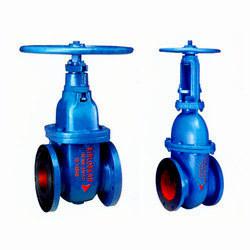
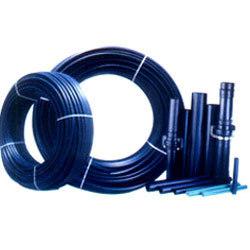
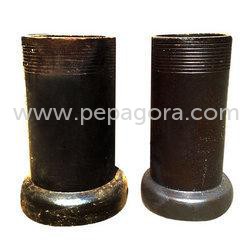
𝗪𝗵𝗮𝘁 𝗮𝗿𝗲 𝗦𝗲𝘄𝗲𝗿𝗮𝗴𝗲 𝗣𝗶𝗽𝗲𝘀 & 𝗠𝗮𝗻𝗵𝗼𝗹𝗲𝘀?
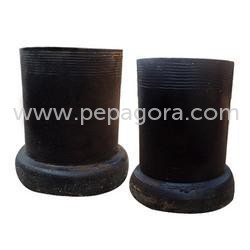
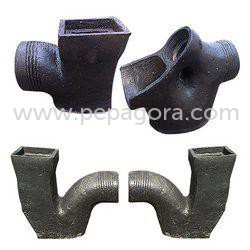
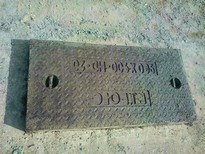
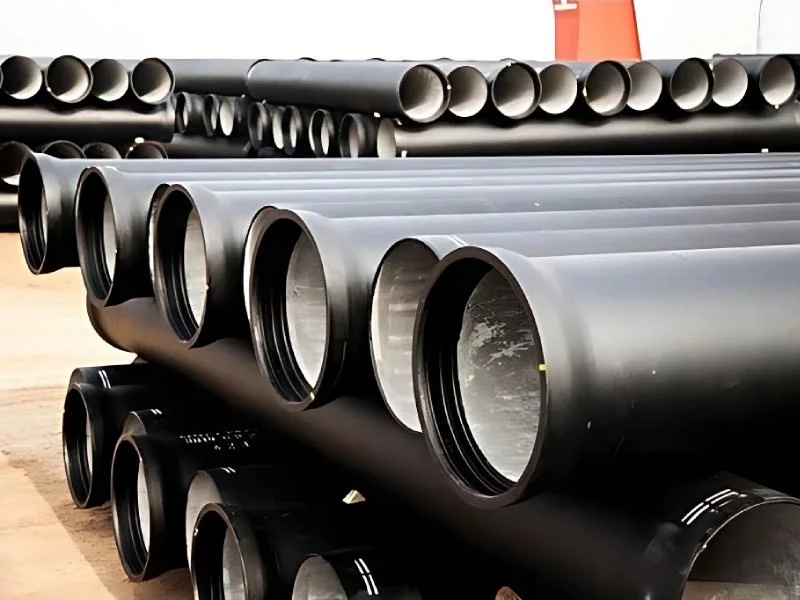
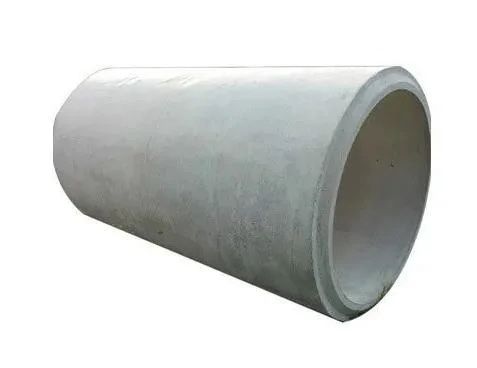
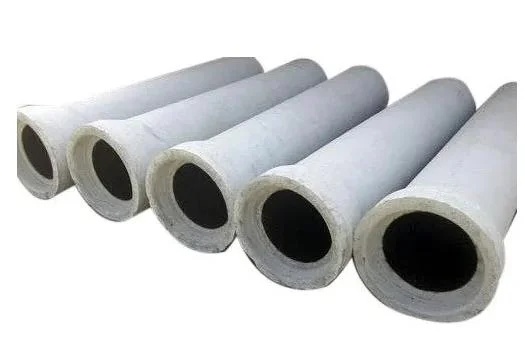
Sewerage pipes and manholes are critical components in sanitation systems, designed to transport waste and stormwater from residential, commercial, and industrial areas. Sewerage pipes are typically made from materials such as PVC, HDPE, or concrete and are used to convey sewage to treatment facilities. Manholes are access points that allow maintenance and inspection of the sewer system, ensuring the proper flow of wastewater and facilitating repairs when necessary.
These products find their primary use in municipal waste management, industrial waste disposal, and stormwater management systems. They are essential for maintaining public health and environmental safety by preventing leaks and overflows. In the context of increasing urbanization and stringent regulations on waste disposal, sewerage pipes and manholes play a pivotal role in effective wastewater management.
The relevance of sewerage pipes and manholes extends across various sectors, including construction, urban planning, and environmental engineering. With growing populations and urban infrastructure development, the demand for reliable sewerage systems is on the rise. This creates a robust market for these products, highlighting their importance in contemporary infrastructure projects.
𝗞𝗲𝘆 𝗙𝗲𝗮𝘁𝘂𝗿𝗲𝘀 𝗮𝗻𝗱 𝗦𝗽𝗲𝗰𝗶𝗳𝗶𝗰𝗮𝘁𝗶𝗼𝗻𝘀
Sewerage pipes and manholes come with several features and specifications that determine their performance and suitability for various applications. Understanding these specifications is crucial for selecting the right products for specific projects.
Key specifications include:
1. Material Type
- Common materials include PVC, HDPE, and concrete.
- Each material offers different levels of durability, flexibility, and resistance to corrosion.
2. Diameter and Size
- Available in various diameters to accommodate different flow rates and volumes.
- Typical sizes range from 4 inches to over 24 inches in diameter.
3. Pressure Ratings
- Pipes are rated for different pressure levels to ensure they can withstand the operational conditions.
- Standard pressure ratings include 6, 10, and 16 bars.
4. Joint Type
- Options include solvent weld, mechanical joints, and rubber gaskets.
- Joint types affect installation methods and long-term performance.
5. Compliance Standards
- Must meet regional and international standards such as CE certification.
- Ensures quality and safety in manufacturing and performance.
6. Installation Requirements
- Different installation techniques may be required based on material and application.
- Consideration of trench depth and backfill material is essential.
7. Lifespan
- Varies by material and environmental factors, typically ranging from 50 to 100 years.
- Longevity impacts overall cost-effectiveness in long-term projects.
8. Environmental Resistance
- Products should be resistant to chemicals, UV exposure, and extreme temperatures.
- Essential for maintaining integrity in varied environmental conditions.
In summary, understanding the features and specifications of sewerage pipes and manholes helps businesses make informed decisions that align with their project requirements and budget constraints.
𝗖𝗼𝗺𝗺𝗼𝗻 𝗔𝗽𝗽𝗹𝗶𝗰𝗮𝘁𝗶𝗼𝗻𝘀 𝗮𝗻𝗱 𝗨𝘀𝗲 𝗖𝗮𝘀𝗲𝘀
Sewerage pipes and manholes serve various industries, each with specific applications that highlight their importance.
1. Construction: These products are integral in building infrastructure for both residential and commercial developments, facilitating efficient waste management from the outset.
2. Municipal Waste Management: Local governments rely on sewerage systems to transport sewage and stormwater, ensuring public health and environmental protection.
3. Industrial Facilities: Many industries, such as manufacturing and food processing, utilize sewerage pipes to manage wastewater and comply with environmental regulations.
4. Agricultural Operations: Farming operations use sewerage systems for effective drainage and waste management, protecting crops and soil quality.
5. Urban Development: In rapidly growing urban areas, sewerage pipes and manholes are essential for supporting increased population density and ensuring adequate sanitation services.
6. Environmental Remediation: These systems play a role in cleanup efforts for contaminated sites, helping to manage and treat wastewater safely.
7. Infrastructure Upgrades: Aging sewer systems often require modern replacements to meet current standards, making these products vital for urban renewal projects.
𝗣𝗿𝗼𝗱𝘂𝗰𝘁 𝗩𝗮𝗿𝗶𝗮𝗻𝘁𝘀 𝗮𝗻𝗱 𝗦𝘂𝗯𝗰𝗮𝘁𝗲𝗴𝗼𝗿𝗶𝗲𝘀
The diversity of sewerage pipes and manholes allows for tailored solutions to meet specific project needs, though detailed subcategories are not specified.
PVC Sewerage Pipes: These lightweight and corrosion-resistant pipes are ideal for residential and light commercial applications. They are easy to install and offer a long service life.
HDPE Sewerage Pipes: Known for their flexibility and toughness, HDPE pipes are suitable for both above-ground and underground applications. They are often used in areas with challenging soil conditions.
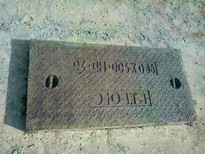
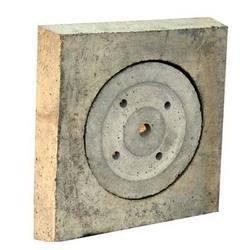
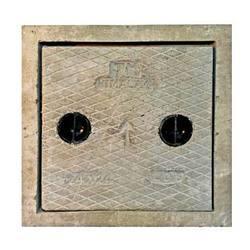
Concrete Manholes: These durable structures provide access to sewer systems for maintenance and inspection. They are commonly installed in municipal applications due to their strength and longevity.
Pre-cast Manholes: These factory-made structures offer quick installation and consistent quality. They are often used in urban developments and large-scale infrastructure projects.
𝗕𝗲𝗻𝗲𝗳𝗶𝘁𝘀 𝗮𝗻𝗱 𝗔𝗱𝘃𝗮𝗻𝘁𝗮𝗴𝗲𝘀
Sourcing sewerage pipes and manholes offers numerous benefits that enhance project efficiency and effectiveness.
1. Durability: These products are built to withstand harsh environmental conditions, ensuring a long lifespan and reduced maintenance costs.
2. Flexibility: Many types of sewerage pipes can adapt to different installation environments and conditions, providing versatility in applications.
3. Cost-Effectiveness: By reducing the need for frequent repairs and replacements, these systems can lead to significant cost savings over time.
4. Compliance with Standards: Sourcing products that meet industry standards ensures safety and reliability in wastewater management.
5. Environmental Protection: Properly installed sewerage systems minimize the risk of leaks and overflows, safeguarding water quality and public health.
6. Efficient Waste Management: These products facilitate the effective transport of wastewater, supporting sanitation efforts and infrastructure development.
𝗕𝘂𝘆𝗶𝗻𝗴 𝗚𝘂𝗶𝗱𝗲 𝗳𝗼𝗿 𝗕𝟮𝗕 𝗕𝘂𝘆𝗲𝗿𝘀
When sourcing sewerage pipes and manholes, several factors should be considered to ensure the best outcome for your project.
1. Quality Assessment: Look for products that meet established quality standards and certifications. This includes checking for compliance with ISO and CE standards to ensure reliability.
2. Supplier Verification: Vetting suppliers is crucial to ensure they have a track record of providing high-quality products. Consider their reputation, customer reviews, and industry experience.
3. Pricing and MOQ: Understand the pricing structure and minimum order quantities. This information helps in budgeting and ensures that you are getting competitive rates.
4. Delivery and Lead Times: Assess the supplier's ability to meet your project timelines. Timely delivery is essential for maintaining project schedules.
5. Compliance Requirements: Be aware of local regulations and compliance needs related to wastewater management. This ensures that the products you source align with legal standards.
𝗖𝗼𝗺𝗽𝗹𝗶𝗮𝗻𝗰𝗲 𝗮𝗻𝗱 𝗖𝗲𝗿𝘁𝗶𝗳𝗶𝗰𝗮𝘁𝗶𝗼𝗻𝘀
Sewerage pipes and manholes must adhere to various quality standards and certifications to ensure their reliability and safety in use. Key standards include ISO 9001, which verifies quality management systems, and CE certification, which indicates compliance with European safety standards.
Industry certifications also play a vital role in ensuring that products meet specific performance criteria. Compliance with safety and testing requirements is essential to minimize risks associated with wastewater management.
Regional compliance considerations may vary based on local regulations and environmental laws. Understanding these requirements is crucial for manufacturers and suppliers in different markets, ensuring that their products are suitable for regional applications.
𝗪𝗵𝘆 𝗦𝗼𝘂𝗿𝗰𝗲 𝗦𝗲𝘄𝗲𝗿𝗮𝗴𝗲 𝗣𝗶𝗽𝗲𝘀 & 𝗠𝗮𝗻𝗵𝗼𝗹𝗲𝘀 𝗳𝗿𝗼𝗺 𝗣𝗲𝗽𝗮𝗴𝗼𝗿𝗮?
Pepagora provides a trusted platform for sourcing sewerage pipes and manholes, offering several key advantages to B2B buyers.
Verified Supplier Network: Pepagora has established a rigorous verification process for suppliers, ensuring that only reputable manufacturers and distributors are listed. This provides peace of mind when selecting a supplier for critical infrastructure projects.
Streamlined RFQ Process: The platform simplifies the request for quotation process, allowing buyers to quickly receive and compare offers from multiple suppliers. This efficiency helps buyers make informed decisions without extensive delays.
Trade Assurance and Support: Pepagora offers trade assurance measures to protect buyers against risks associated with procurement. This includes support for resolving disputes and ensuring timely delivery of products.
Regional Coverage: With a broad geographic reach in India, the GCC, and Southeast Asia, Pepagora connects buyers with suppliers across diverse markets. This enables businesses to access a wide range of products tailored to local requirements.

 IN
IN
 India
India