
 IN
INSelf-Contained Breathing Apparatus (SCBA)
4 products available
Key Features and Specifications
Common Applications and Use Cases
Product Variants and Subcategories
Benefits and Advantages
Buying Guide for B2B Buyers
Compliance and Certifications

 India
India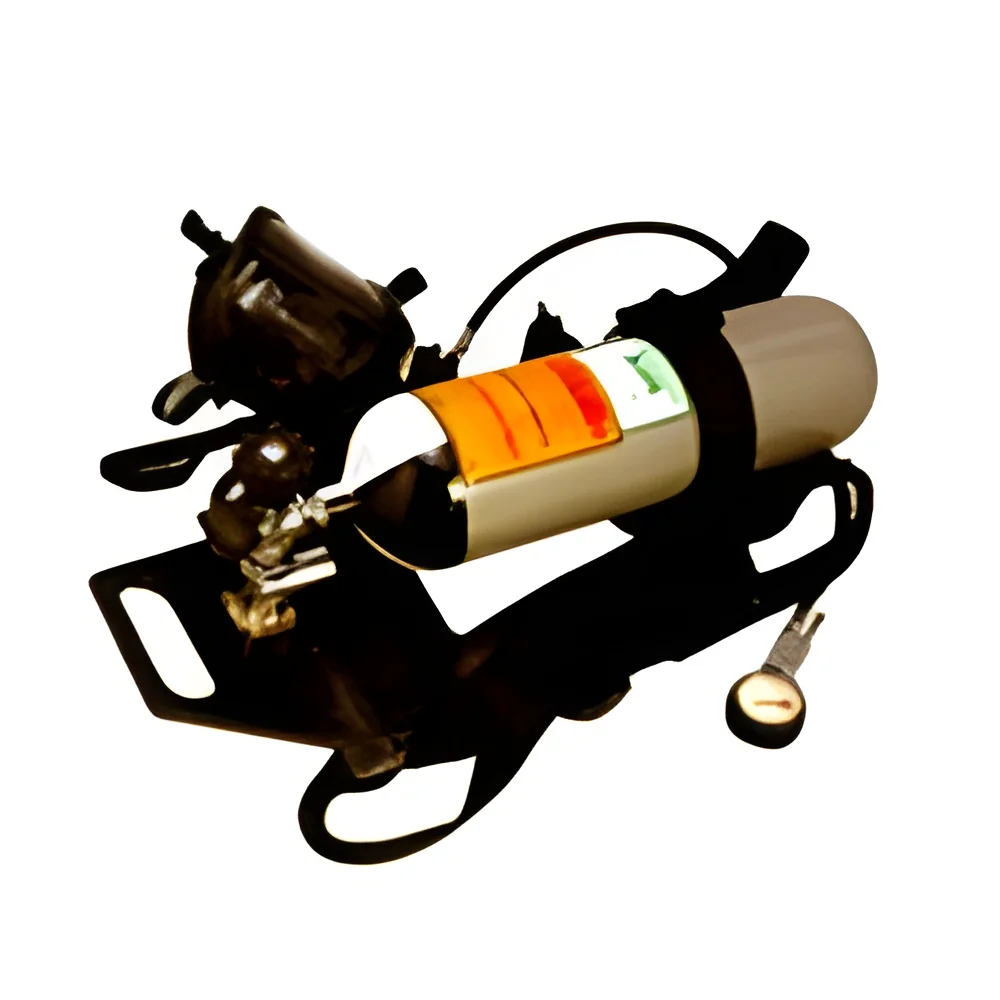
 India
India
 India
India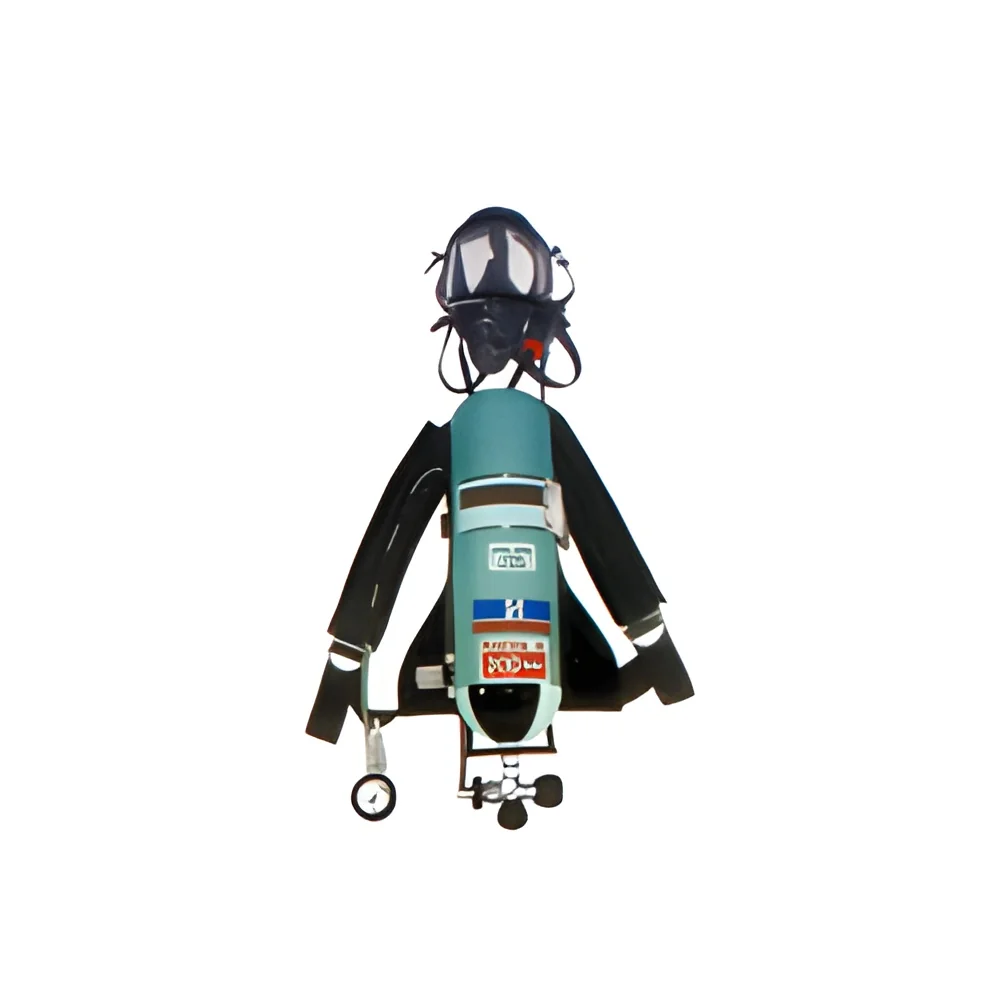
Frequently Asked Questions
What are Self-Contained Breathing Apparatus (SCBA)?
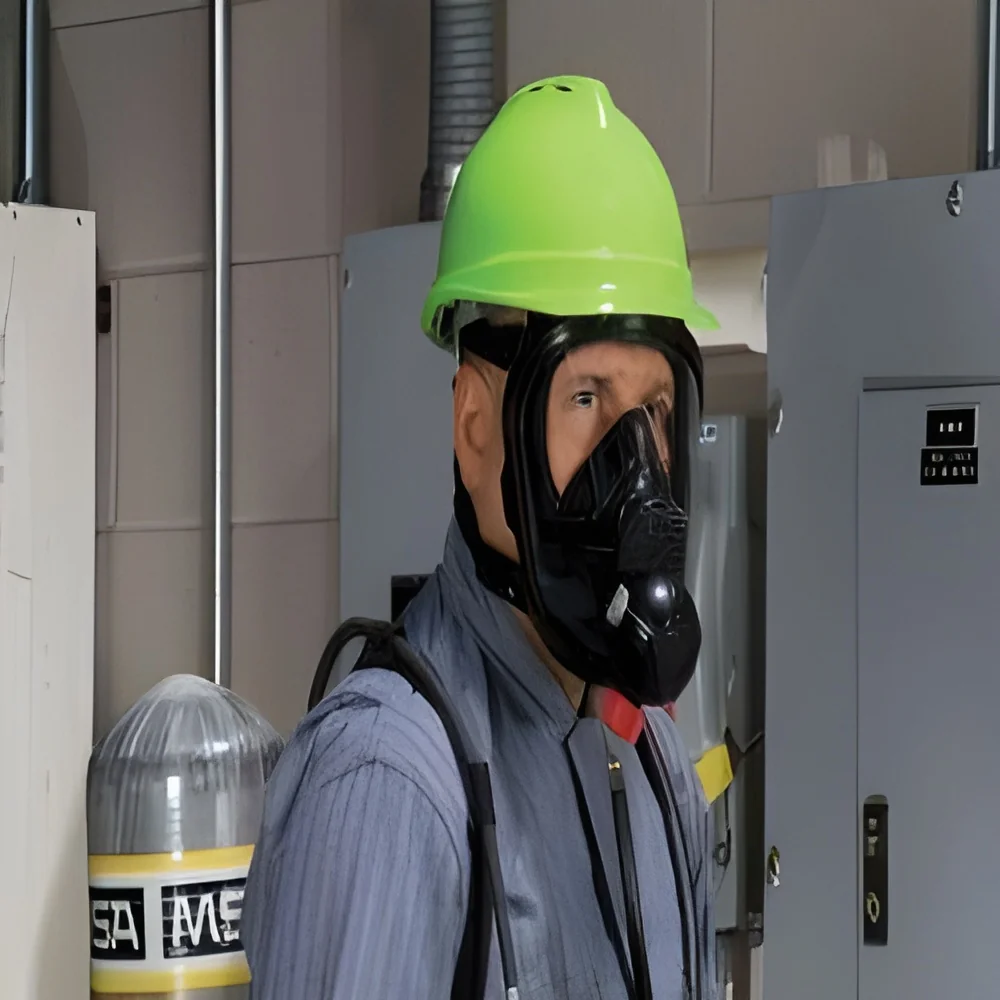
Self-Contained Breathing Apparatus (SCBA) are devices that provide breathable air to the user in environments with insufficient oxygen or hazardous atmospheres. They consist of a high-pressure air tank, a regulator, and a facepiece, allowing the wearer to operate in dangerous situations such as firefighting, industrial work, and rescue operations.
What are the different types of Self-Contained Breathing Apparatus (SCBA)?
There are two main types of Self-Contained Breathing Apparatus (SCBA): open-circuit and closed-circuit. Open-circuit SCBA exhale the exhaled air into the environment, while closed-circuit SCBA recycle the exhaled air, making them suitable for longer-duration use in confined spaces.
How do I choose the right Self-Contained Breathing Apparatus (SCBA)?
Choosing the right Self-Contained Breathing Apparatus (SCBA) involves assessing the specific hazards of your work environment and the duration of use. Consider factors such as the type of air supply, comfort, weight, and fit, along with compliance to relevant safety standards.
What are the standard specifications for Self-Contained Breathing Apparatus (SCBA)?
Standard specifications for Self-Contained Breathing Apparatus (SCBA) include a minimum working pressure of 3000 psi, an air supply duration ranging from 30 to 60 minutes, and compliance with regulatory standards such as NFPA and EN. The equipment should also be tested for impact resistance and heat exposure.
What is the price range for Self-Contained Breathing Apparatus (SCBA)?
The price range for Self-Contained Breathing Apparatus (SCBA) typically varies from INR 25,000 to INR 1,00,000, depending on the brand, specifications, and additional features. Customization and bulk orders may also impact the overall cost.
What quality standards apply to Self-Contained Breathing Apparatus (SCBA)?
Self-Contained Breathing Apparatus (SCBA) must meet various quality standards such as ISO 9001 for quality management systems, and specific safety compliance standards like NFPA 1981 in the U.S. and EN 137 in Europe. These standards ensure the reliability and safety of the equipment.
Where can I find Self-Contained Breathing Apparatus (SCBA) suppliers in India?
You can find Self-Contained Breathing Apparatus (SCBA) suppliers in India through B2B marketplaces like Pepagora, industry trade shows, or by searching online directories. It's advisable to verify suppliers' credentials and read customer reviews before making a purchase.
Can Self-Contained Breathing Apparatus (SCBA) be customized?
Yes, many manufacturers offer customization options for Self-Contained Breathing Apparatus (SCBA) to meet specific user requirements. Customizations may include modifications to the air supply duration, weight adjustments, and enhancements for comfort and usability.
What is the typical minimum order quantity for Self-Contained Breathing Apparatus (SCBA)?
The typical minimum order quantity (MOQ) for Self-Contained Breathing Apparatus (SCBA) can vary by manufacturer but usually ranges from 5 to 10 units. It's best to confirm with individual suppliers as some may have different MOQs based on their production capabilities.
What is the typical lead time for Self-Contained Breathing Apparatus (SCBA)?
The typical lead time for Self-Contained Breathing Apparatus (SCBA) orders can vary widely, ranging from 2 to 8 weeks depending on the manufacturer's production schedule and availability of components. It's advisable to check with the supplier for specific timelines.
Why Businesses Trust Pepagora
Thousands of companies trust Pepagora to source smarter and sell faster
Expand Your Sales Globally

Source Smarter,Grow Faster
