What are Respirators & Dust Masks?
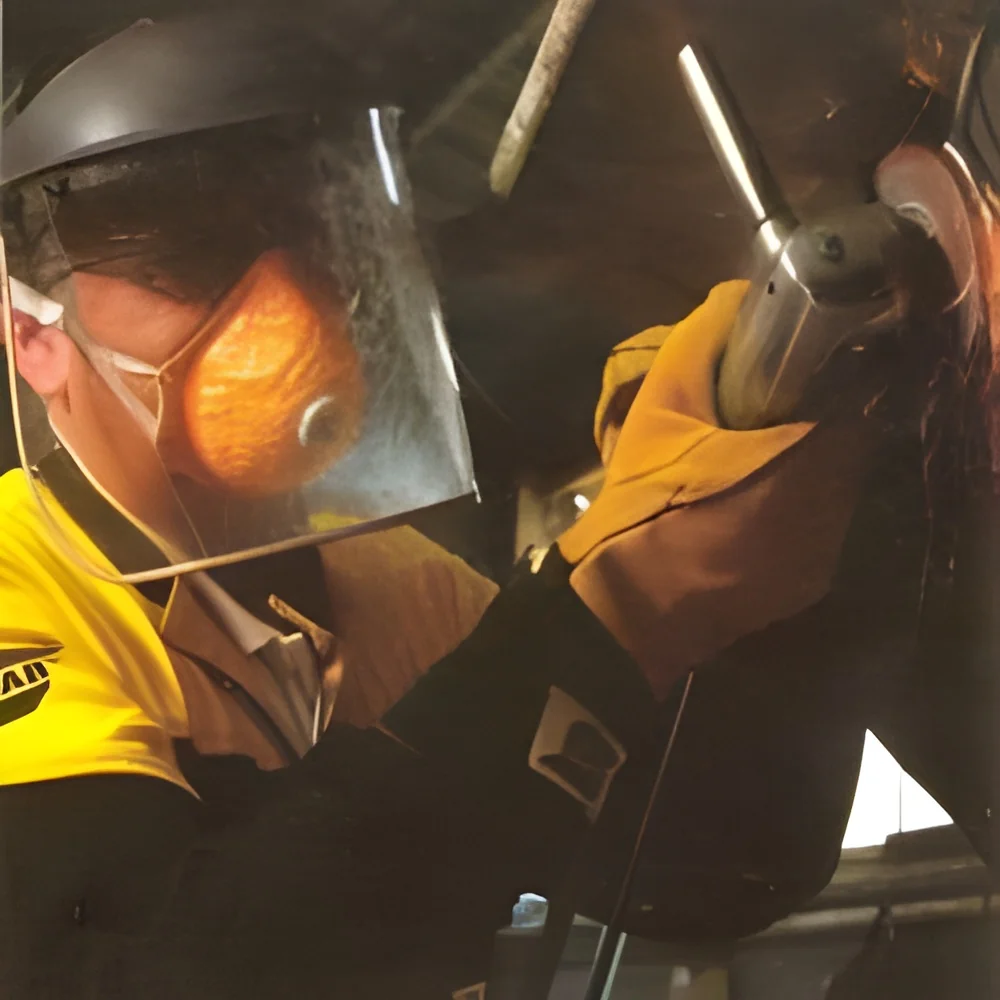
Respirators and dust masks are essential personal protective equipment designed to safeguard the respiratory system from harmful airborne contaminants. Respirators are typically more advanced and offer a higher level of protection by filtering out hazardous particles, gases, and vapors. Dust masks, on the other hand, are generally simpler devices that provide basic protection against non-toxic dust and particulate matter. Both types of equipment are crucial in various industrial and occupational settings.
The primary uses of respirators and dust masks include protecting workers in industries such as construction, manufacturing, healthcare, and agriculture. These products are employed during tasks involving exposure to dust, fumes, chemicals, and infectious agents. As regulations around workplace safety tighten, the demand for effective respiratory protection has increased, making these products highly relevant in today's market.
In the current industrial landscape, the relevance of respirators and dust masks is underscored by the ongoing concerns about air quality and worker safety. The COVID-19 pandemic further highlighted the need for effective respiratory protection, leading to a surge in the adoption of these products. Businesses are increasingly prioritizing employee safety, resulting in a growing market for high-quality respirators and dust masks.
Key Features and Specifications
Respirators and dust masks come with various features that cater to different industrial needs. Understanding the specifications helps businesses select the right product for their specific applications.
Key specifications include:
1. Filtration Efficiency
- This specification indicates the percentage of airborne particles filtered by the mask.
- Common ratings include N95, P95, and others, with N95 filtering at least 95% of airborne particles.
2. Fit Testing
- Ensures that the respirator forms a proper seal around the face to prevent any leakage.
- Fit testing can be qualitative or quantitative, depending on the testing method used.
3. Comfort and Breathability
- This specification relates to the materials used in the construction of the mask, impacting user comfort.
- Look for masks that have adjustable straps and are made from breathable materials.
4. Certification Standards
- Products should meet specific regulatory standards, such as those set by the National Institute for Occupational Safety and Health (NIOSH).
- Compliance with these standards ensures product reliability and safety.
5. Reusability
- Some respirators are designed for single-use, while others can be cleaned and reused.
- Reusable options often have replaceable filters, extending their lifespan.
6. Valve Features
- Masks with exhalation valves can help reduce heat and moisture build-up inside the mask.
- This feature can enhance comfort during extended wear.
7. Moisture Resistance
- Important for environments where exposure to liquids or humidity is possible.
- Look for masks that provide a barrier against moisture infiltration.
8. Packaging and Storage
- Consider how the product is packaged for transport and storage.
- Proper packaging can ensure that masks remain uncontaminated before use.
With these specifications in mind, businesses can make informed decisions about the respiratory protection suited to their operational needs.
Common Applications and Use Cases
Respirators and dust masks are utilized across various industries for effective respiratory protection.
1. Construction: Workers in construction sites often deal with dust, debris, and harmful particles during activities like demolition, sanding, and painting.
2. Manufacturing: Employees in manufacturing environments may be exposed to harmful fumes and particles, particularly in metalworking, woodworking, and chemical industries.
3. Healthcare: In healthcare settings, respirators are vital for protecting medical personnel from airborne pathogens and infectious materials.
4. Agriculture: Farmers and agricultural workers use these products to protect against exposure to pesticides, fertilizers, and other harmful substances.
5. Mining: Miners face significant risks from dust and toxic gases, making respirators essential for safe operations.
6. Firefighting: Firefighters require high-quality respirators to protect against smoke and toxic fumes during firefighting operations.
7. Cleanroom Environments: Industries like pharmaceuticals and electronics rely on dust masks to maintain cleanroom standards and protect sensitive equipment.
Product Variants and Subcategories
Respirators and dust masks come in various types to meet diverse needs and applications. The diversity allows businesses to choose products that best fit their specific requirements.
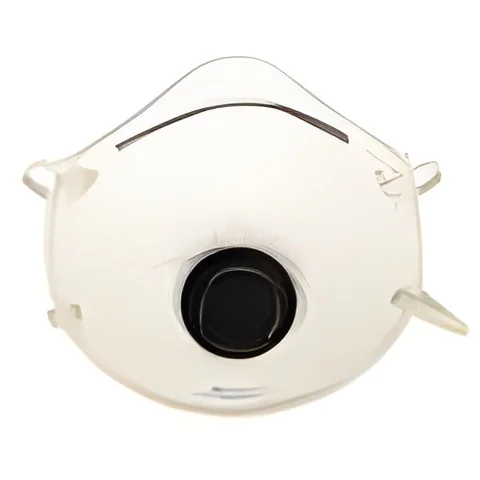
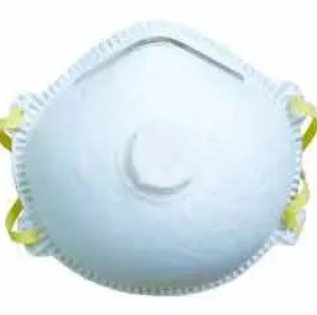
N95 Respirator: This variant filters out at least 95% of airborne particles and is commonly used in healthcare and construction settings. It provides a snug fit and is suitable for environments with non-oil-based particulates.
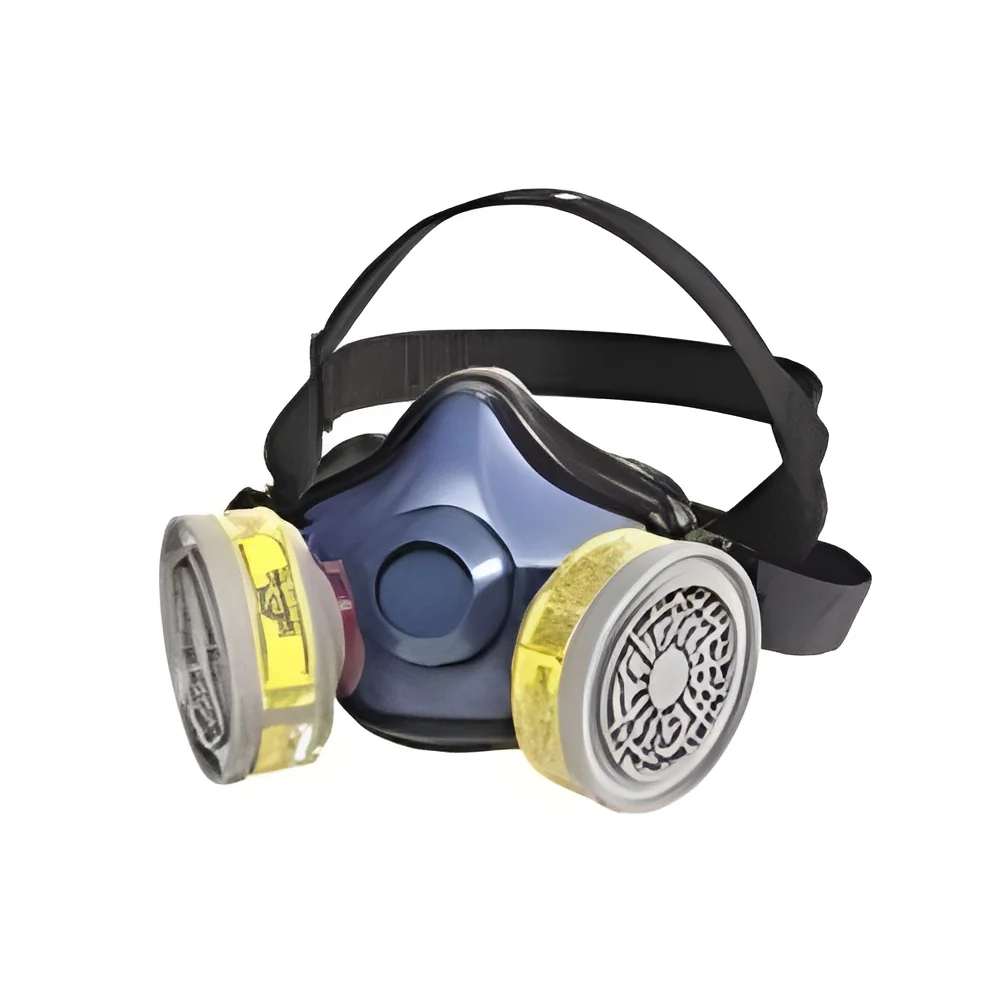
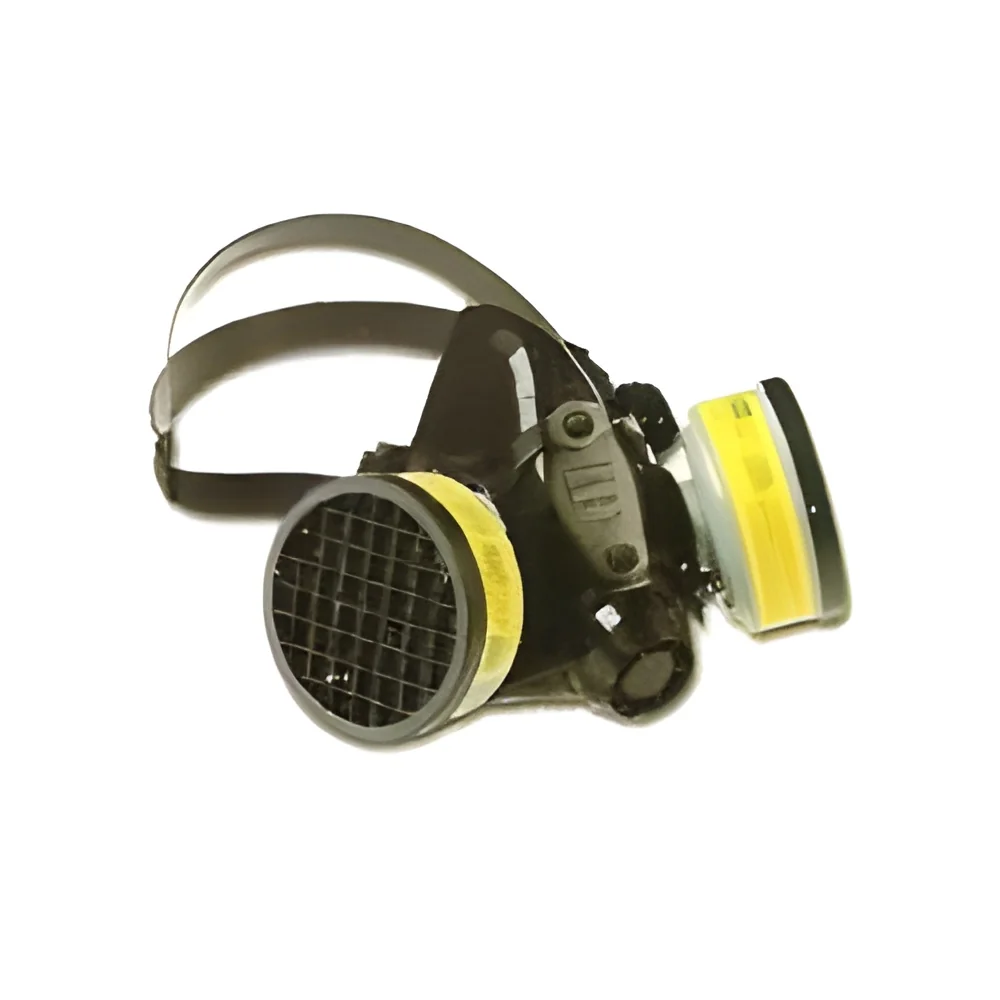
Half-Face Respirator: Designed for more demanding applications, this respirator covers the nose and mouth and can accommodate various filter cartridges for different hazards. It is ideal for use in chemical handling and manufacturing.
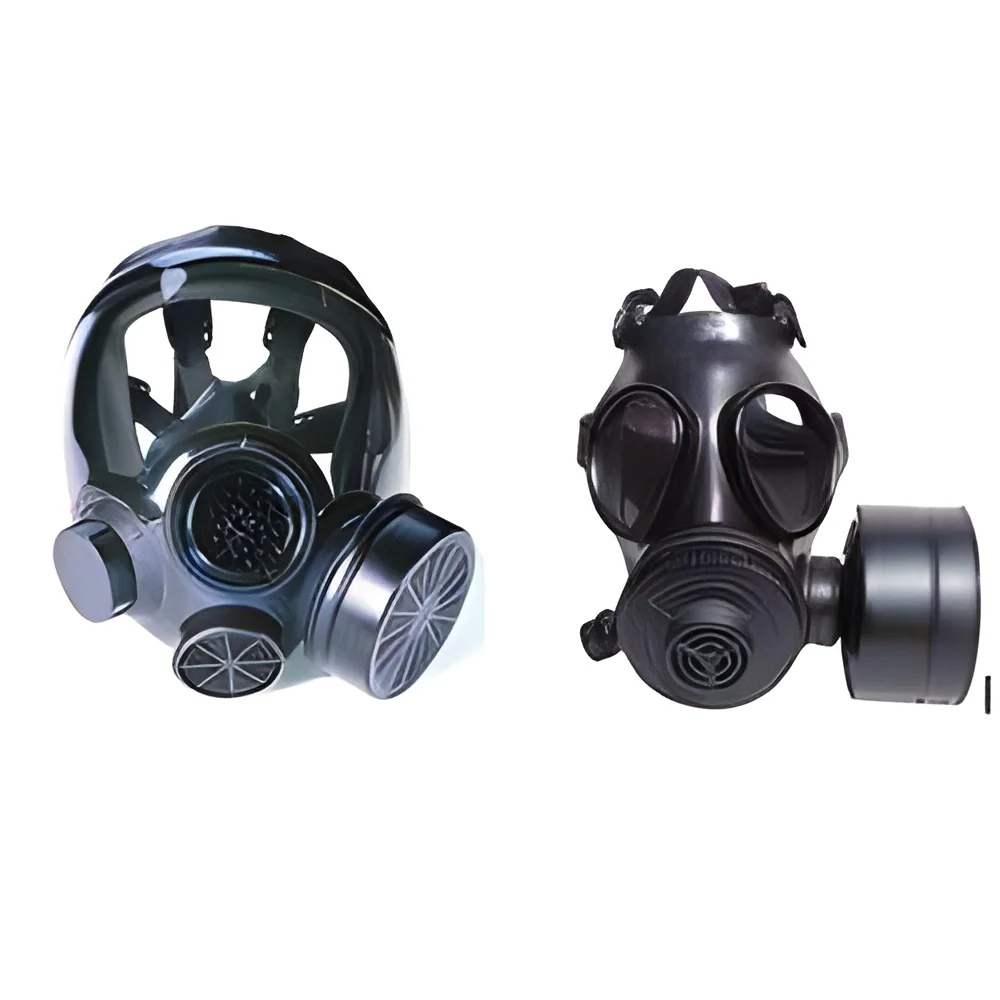
Full-Face Respirator: Offering comprehensive protection, this variant covers the entire face and provides eye protection as well. It is commonly used in hazardous environments where high levels of exposure are present.
Disposable Dust Mask: Lightweight and easy to use, disposable dust masks offer basic protection against non-toxic dust. They are suitable for tasks like yard work, cleaning, or light construction.
Reusable Respirator: These masks can be cleaned and reused, often featuring replaceable filters. They are economical for businesses that require long-term use in moderately hazardous environments.
Benefits and Advantages
Investing in respirators and dust masks offers several advantages for businesses aiming to enhance workplace safety.
1. Enhanced Worker Safety: Providing effective respiratory protection significantly reduces the risk of respiratory illnesses among employees.
2. Regulatory Compliance: Using certified respiratory protection helps businesses comply with occupational health and safety regulations.
3. Increased Productivity: Workers are less likely to experience fatigue and health issues, leading to improved focus and productivity.
4. Cost-Effectiveness: Reusable masks with replaceable filters can reduce long-term costs associated with disposable options.
5. Versatility: With various options available, businesses can choose masks tailored to specific applications and hazards.
6. Employee Morale: Providing quality safety equipment boosts employee confidence in the workplace, fostering a positive work environment.
Buying Guide for B2B Buyers
Sourcing the right respirators and dust masks requires careful consideration of several key factors.
1. Quality Assessment: Ensure that the products meet industry standards and have undergone rigorous testing for safety and efficacy. Look for certifications from recognized bodies.
2. Supplier Verification: Vet potential suppliers to confirm their reliability and reputation. Check for customer reviews and ask for product samples when possible.
3. Pricing and MOQ: Understand the pricing structure and minimum order quantities (MOQ) required by suppliers. This will help in budgeting and stock management.
4. Delivery and Lead Times: Consider logistics and delivery schedules to ensure timely availability of products, especially in urgent situations.
5. Compliance Requirements: Be aware of local and international regulations regarding respiratory protection to ensure that the products sourced comply with necessary standards.
Compliance and Certifications
Respirators and dust masks must adhere to specific compliance and certification standards to ensure user safety and product reliability. Relevant quality standards include ISO 9001, which focuses on quality management systems, and others that apply to specific industries.
Industry certifications, such as CE marking, indicate that the product meets European safety, health, and environmental protection standards. This certification is crucial for businesses operating in or exporting to European markets.
Safety and testing requirements are essential for ensuring that respirators and dust masks effectively protect users. These requirements often involve rigorous testing for filtration efficiency, fit, and durability.
Additionally, regional compliance considerations must be taken into account. Local regulations may dictate specific safety standards or require additional certifications depending on the geographical area of operation.
Why Source Respirators & Dust Masks from Pepagora?
Pepagora provides a trusted platform for sourcing respirators and dust masks, offering several key advantages to B2B buyers.
Verified Supplier Network: Pepagora's network includes thoroughly vetted suppliers who meet stringent quality and safety standards. This ensures that buyers receive reliable products tailored to their needs.
Streamlined RFQ Process: The request for quotation (RFQ) system allows buyers to easily compare offers from multiple suppliers, simplifying the purchasing process. This transparency helps businesses make informed decisions quickly.
Trade Assurance and Support: Buyers can benefit from trade assurance programs that protect their transactions. This support includes assistance with quality assurance and dispute resolution, providing peace of mind throughout the sourcing process.
Regional Coverage: Pepagora has a broad geographical reach, serving markets in India, the GCC, and Southeast Asia. This allows buyers to access a diverse range of products and suppliers, ensuring they find the right respiratory protection for their specific applications.

 IN
IN