What are Emergency Eye Wash Stations?
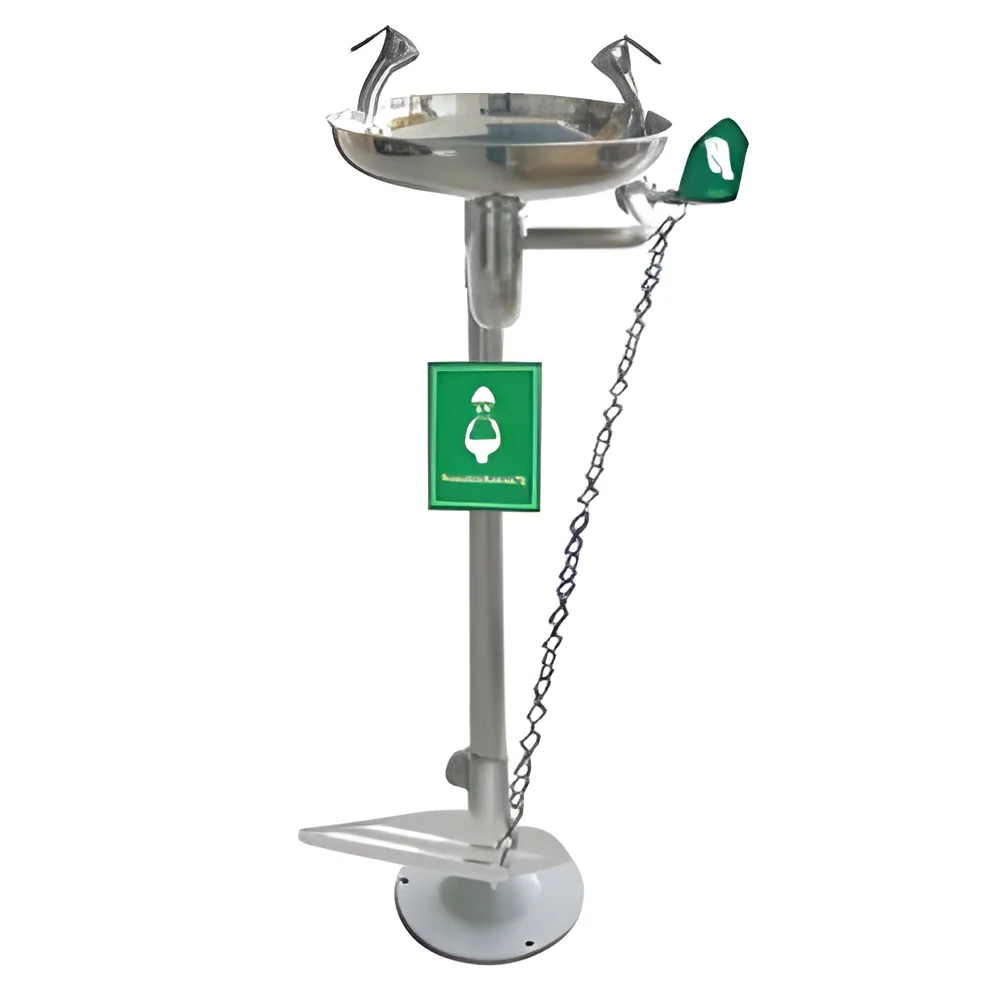
Emergency eye wash stations are critical safety devices designed to provide immediate eye irrigation in the event of exposure to hazardous substances. These stations are equipped with a source of flushing fluid, typically sterile water or saline, and are strategically located in areas where eye hazards are present. Their primary function is to minimize damage to the eyes by flushing out contaminants quickly and effectively.
These stations are essential in various workplaces, particularly in environments like laboratories, manufacturing plants, and chemical processing facilities. They are crucial in industries where employees are at risk of chemical splashes, dust, or other eye irritants. The availability of emergency eye wash stations not only enhances workplace safety but also ensures compliance with health and safety regulations, thereby reducing liability for employers.
The market for emergency eye wash stations is growing, driven by the increasing awareness of workplace safety and stringent regulations. Industries are investing in safety equipment to protect workers and meet compliance standards. As businesses continue to prioritize employee safety, the demand for high-quality emergency eye wash stations is expected to rise.
Key Features and Specifications
Emergency eye wash stations are designed with several key features that enhance their functionality and reliability. Understanding these specifications is essential for businesses looking to implement effective safety measures.
Key specifications include:
1. Flushing Fluid Type
- Sterile water or saline solution is typically used.
- Must meet specific safety standards for eye irrigation.
2. Flow Rate
- The standard flow rate should be at least 0.4 gallons per minute.
- Ensures effective flushing during an emergency.
3. Activation Method
- Hands-free operation is preferred for ease of use.
- Foot pedals or push handles are common activation methods.
4. Duration of Flow
- Must provide a continuous flow for a minimum of 15 minutes.
- Ensures adequate time for decontamination.
5. Visibility and Accessibility
- Stations should be clearly marked and easily accessible.
- Must be located within 10 seconds of the hazard.
6. Temperature Control
- Units may include temperature regulation features.
- Ensures flushing fluid is at a comfortable temperature for use.
7. Maintenance Requirements
- Regular checks and maintenance are needed to ensure functionality.
- Some models include self-test features for monitoring.
8. Compliance Standards
- Must meet ANSI Z358.1 standards for emergency eyewash stations.
- Compliance with local and international safety regulations is essential.
In summary, understanding the key features and specifications of emergency eye wash stations is vital for ensuring workplace safety and meeting regulatory requirements.
Common Applications and Use Cases
Emergency eye wash stations have a wide range of applications across various industries. Their installation is critical wherever there is a risk of eye exposure to harmful substances.
1. Laboratories: In research and testing environments, chemicals are frequently handled. Eye wash stations provide immediate relief in case of accidental splashes.
2. Manufacturing Plants: Factories often utilize hazardous materials. Eye wash stations are essential for workers who may come into contact with these substances.
3. Chemical Processing: Facilities that deal with corrosive chemicals require eye wash stations to ensure quick first aid response in emergencies.
4. Construction Sites: Workers on construction sites may be exposed to dust, debris, and chemicals. Eye wash stations are vital for maintaining safety standards.
5. Healthcare Facilities: In hospitals and clinics, eye wash stations can help staff respond to chemical spills or accidental exposure to irritants.
6. Automotive Shops: Mechanics and technicians often work with solvents and chemicals. Eye wash stations safeguard against potential eye injuries.
7. Educational Institutions: Schools and universities with laboratories must have eye wash stations to protect students and staff during experiments.
Product Variants and Subcategories
Emergency eye wash stations come in various designs to suit different environments and needs. Understanding these variants can help businesses choose the right solution.
Wall-Mounted Eye Wash Station: This variant is designed for permanent installation on walls. It is space-saving and ideal for areas with limited floor space.
Portable Eye Wash Station: A flexible solution that can be moved to different locations as needed. This variant is useful in outdoor settings or temporary work areas.
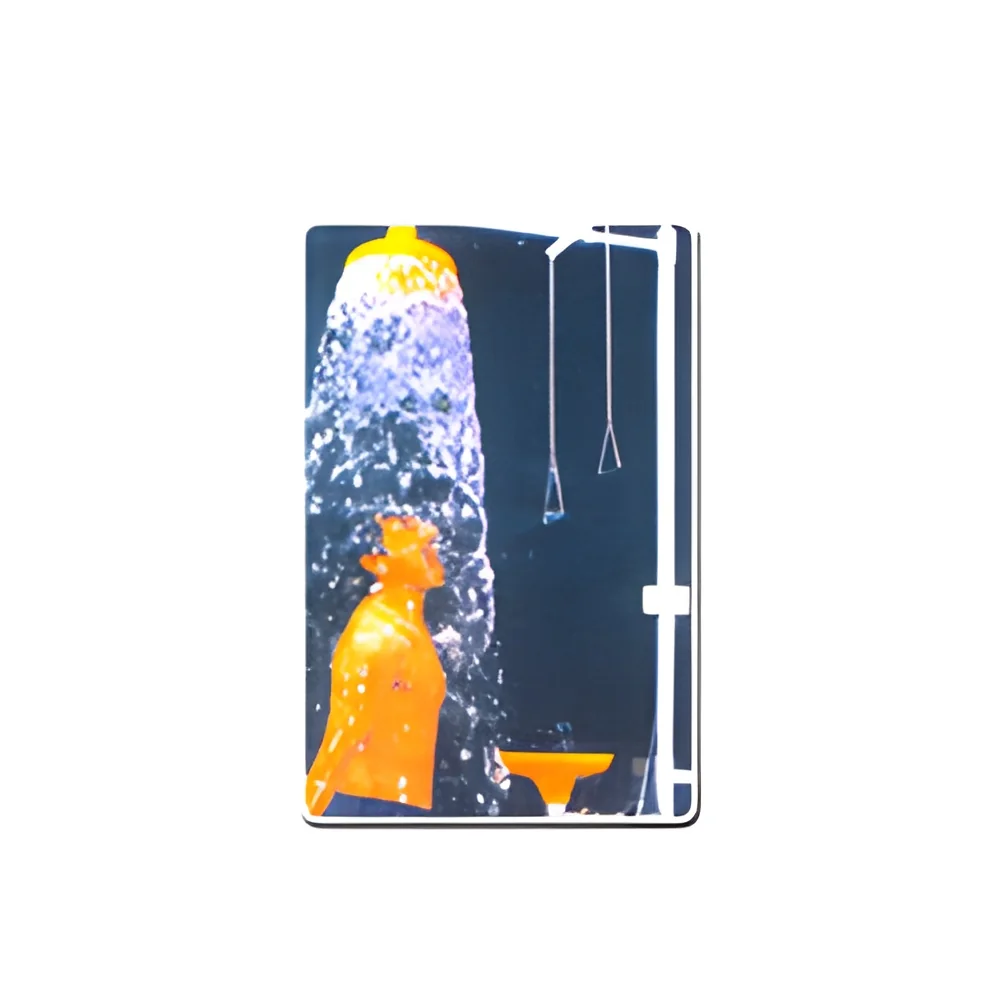
Combination Eye Wash and Shower Station: This all-in-one solution provides both eye washing and body shower capabilities. It is perfect for high-risk environments requiring comprehensive safety measures.
Self-Contained Eye Wash Station: This unit includes an integrated water supply, making it suitable for remote or outdoor locations without plumbing access.
Benefits and Advantages
Investing in emergency eye wash stations offers several significant benefits to businesses and employees alike.
Key benefits include:
1. Enhanced Safety: Provides immediate access to flushing fluid, minimizing eye injuries and ensuring quick response during emergencies.
2. Regulatory Compliance: Helps businesses meet OSHA and ANSI standards, reducing legal liabilities and enhancing workplace safety.
3. Increased Employee Confidence: Knowing that safety measures are in place boosts employee morale and trust in the workplace.
4. Cost-Effective Solution: Prevents costly medical treatments and lost workdays due to eye injuries by ensuring prompt first aid.
5. Easy Maintenance: Designed for straightforward upkeep, ensuring that stations remain functional and ready for use when needed.
6. Customizable Options: Available in various models and configurations to meet specific industry needs and workplace layouts.
Buying Guide for B2B Buyers
When sourcing emergency eye wash stations, several factors should be considered to ensure that the right product is selected for your business needs.
1. Quality Assessment: Evaluate the build quality and materials used in the eye wash stations. Look for products that meet industry standards and have a proven track record.
2. Supplier Verification: Research and vet potential suppliers. Ensure they have a good reputation and can provide reliable support and service.
3. Pricing and MOQ: Consider the overall cost and minimum order quantities. Compare prices from different suppliers to find the best value without compromising on quality.
4. Delivery and Lead Times: Discuss delivery options and lead times with suppliers to ensure you receive your stations when needed.
5. Compliance Requirements: Confirm that the emergency eye wash stations meet all relevant safety regulations and industry standards to avoid potential compliance issues.
Compliance and Certifications
Emergency eye wash stations must adhere to various quality standards and regulations to ensure safety and effectiveness.
Relevant quality standards include ISO 9001, which focuses on quality management systems, and HACCP, which emphasizes food safety. Compliance with GDP guidelines ensures that products are delivered safely and effectively.
Industry certifications, such as CE marking, indicate that the products meet European safety standards. This certification is crucial for businesses operating in or exporting to European markets.
Safety and testing requirements are essential to validate the performance of eye wash stations. Regular testing ensures that units function correctly and provide adequate flushing capabilities in emergencies.
Regional compliance considerations may vary, so businesses should be aware of local regulations and standards that apply to emergency eye wash stations in their area.
Why Source Emergency Eye Wash Stations from Pepagora?
Pepagora offers a reliable platform for sourcing emergency eye wash stations with numerous advantages for businesses.
Verified Supplier Network: Pepagora connects buyers with a network of verified suppliers, ensuring that you source high-quality products from reputable manufacturers.
Streamlined RFQ Process: The platform simplifies the quotation process, allowing buyers to request quotes from multiple suppliers efficiently, saving time and resources.
Trade Assurance and Support: Pepagora provides trade assurance, protecting buyers throughout the purchasing process. Buyers can feel secure knowing that their transactions are safeguarded.
Regional Coverage: With a strong presence in India, the GCC, and Southeast Asia, Pepagora offers extensive geographic coverage, making it easier for businesses to find local suppliers and support for emergency eye wash stations.

 IN
IN