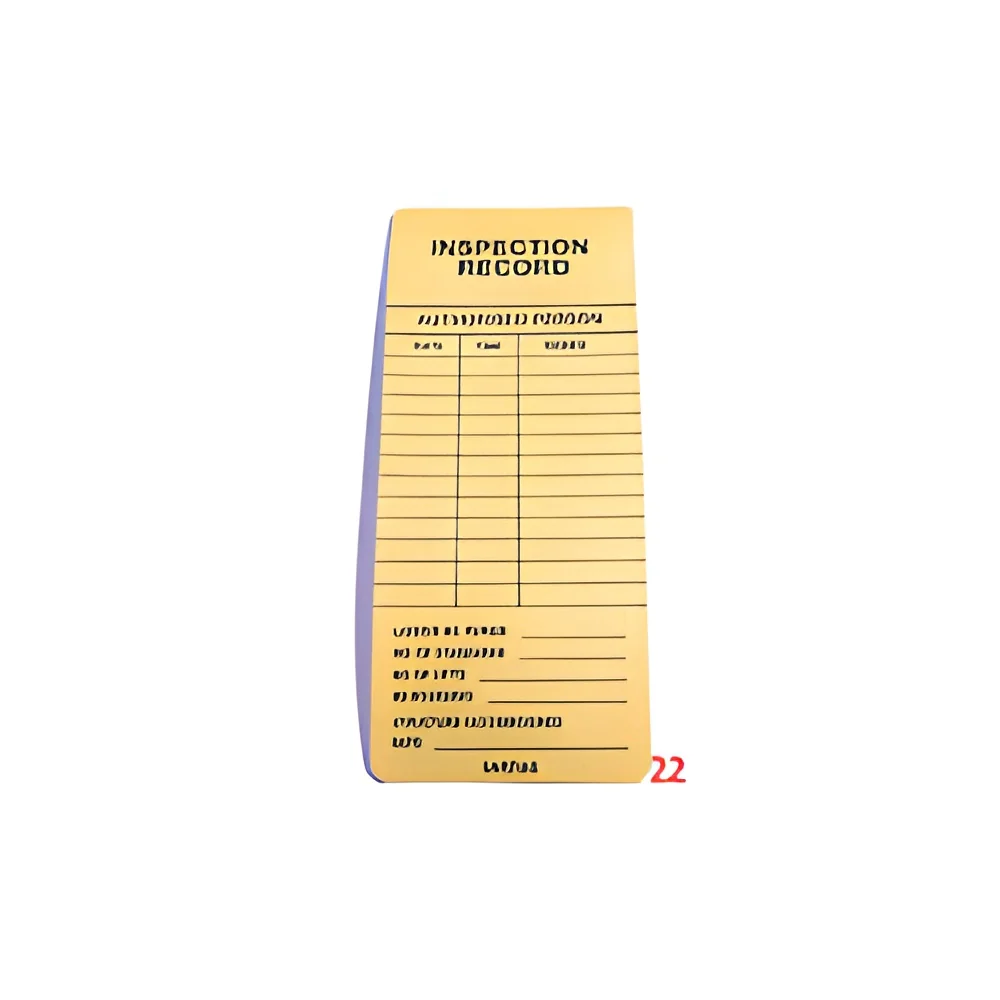
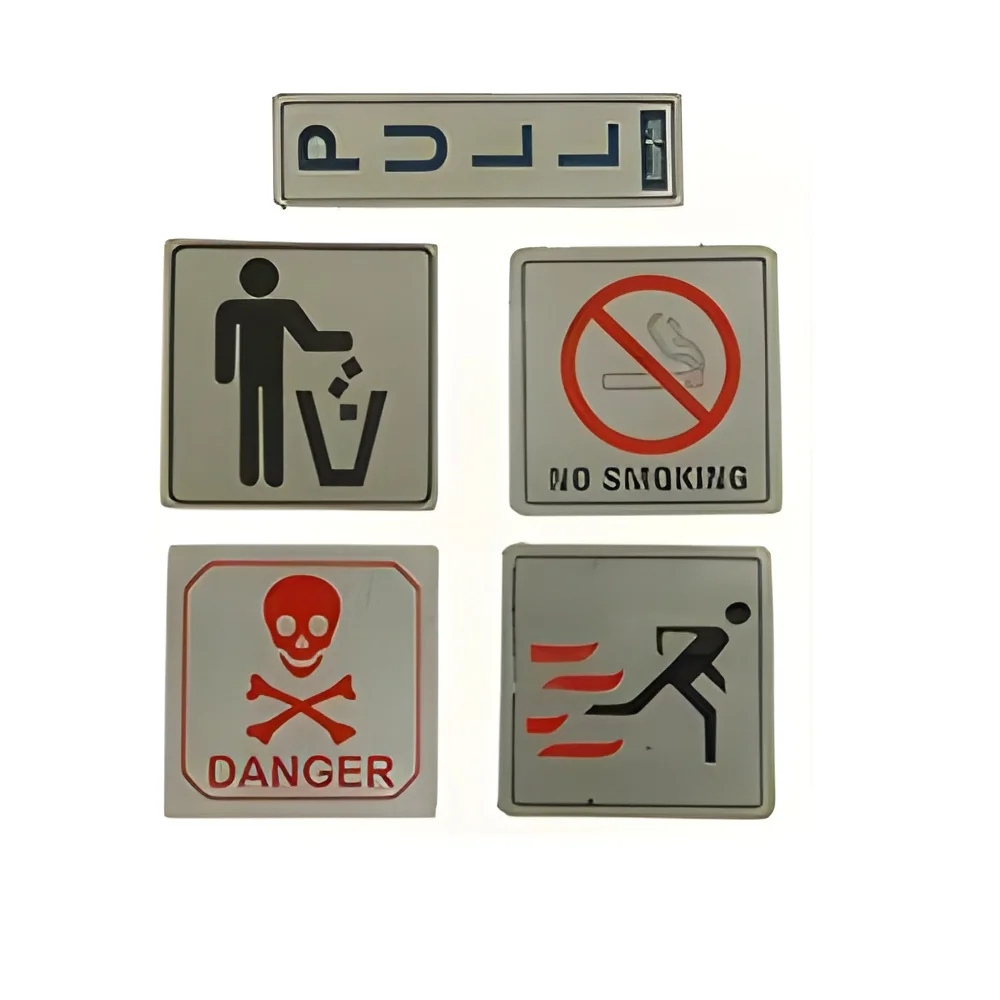
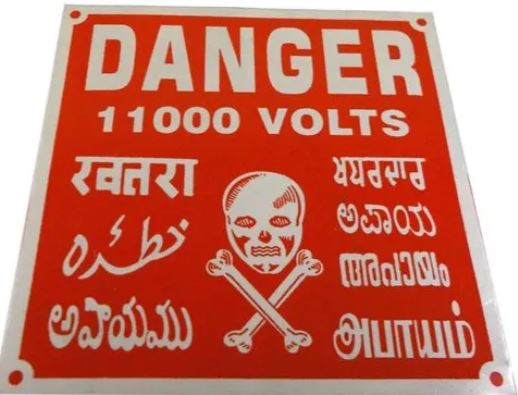
What are Hazard Signs?
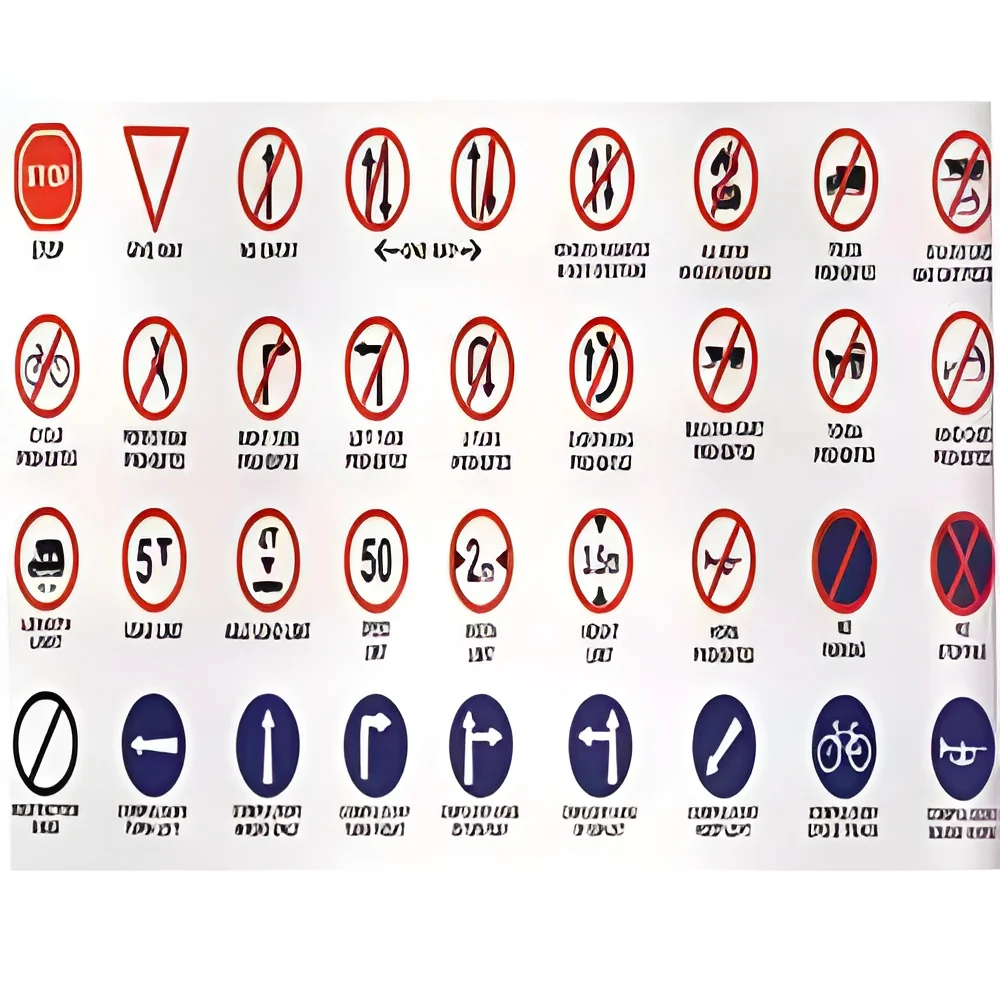
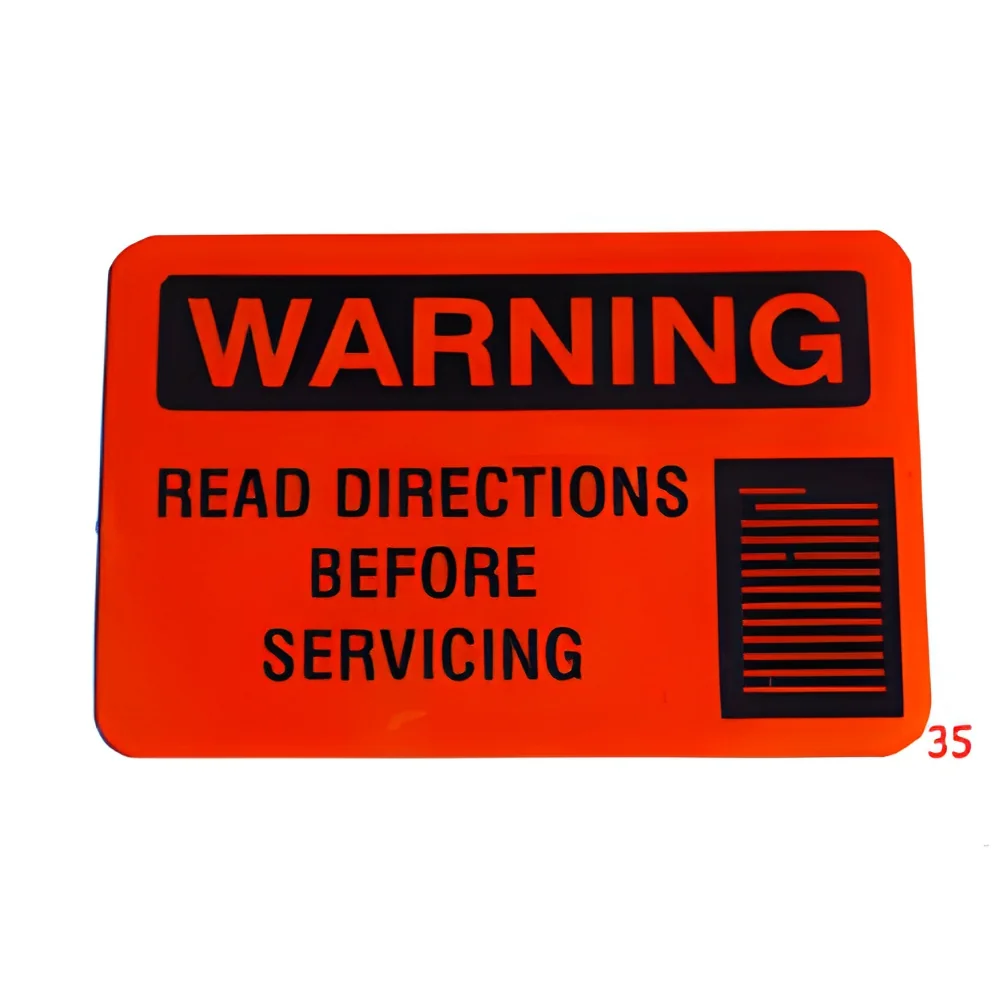
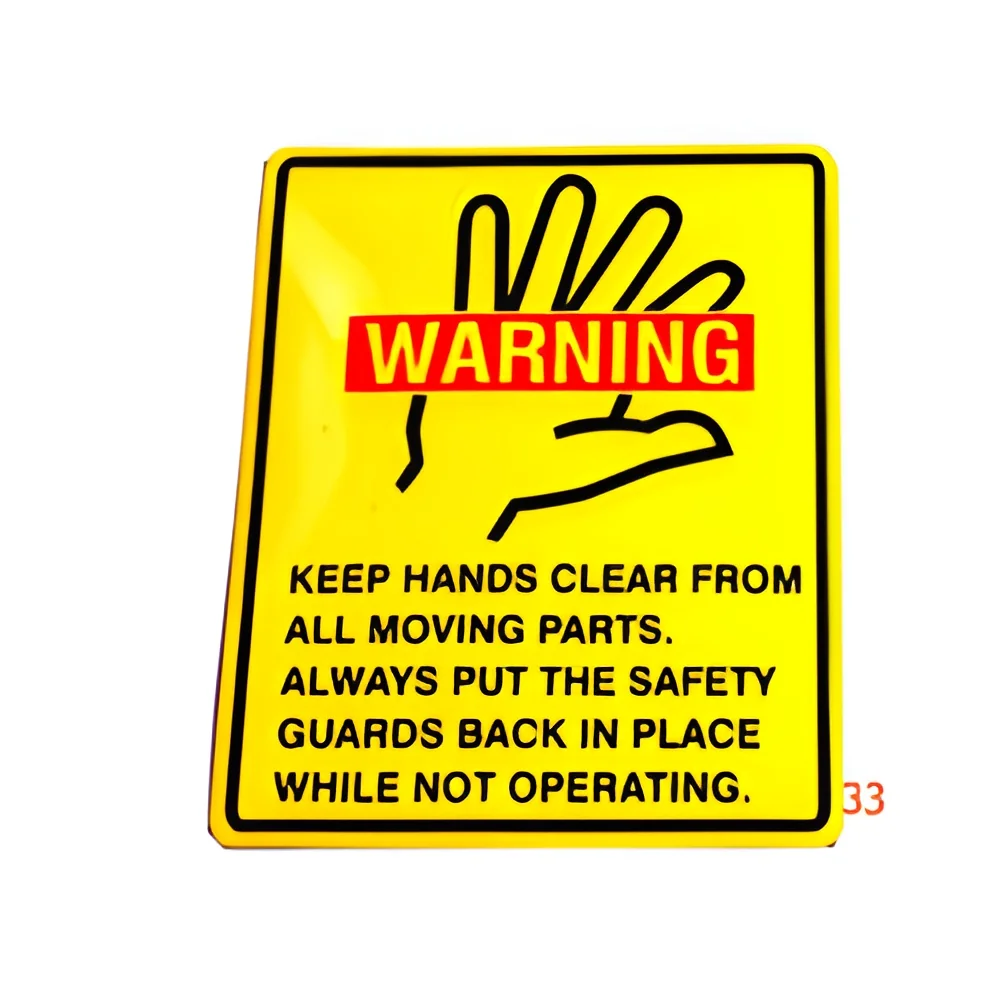
Hazard signs are essential visual indicators used to communicate potential risks and safety information in various environments. These signs are designed to alert individuals to hazards that may pose dangers, such as chemical spills, electrical risks, or machinery issues. The primary function of hazard signs is to ensure safety and compliance with regulatory standards in workplaces and public areas.
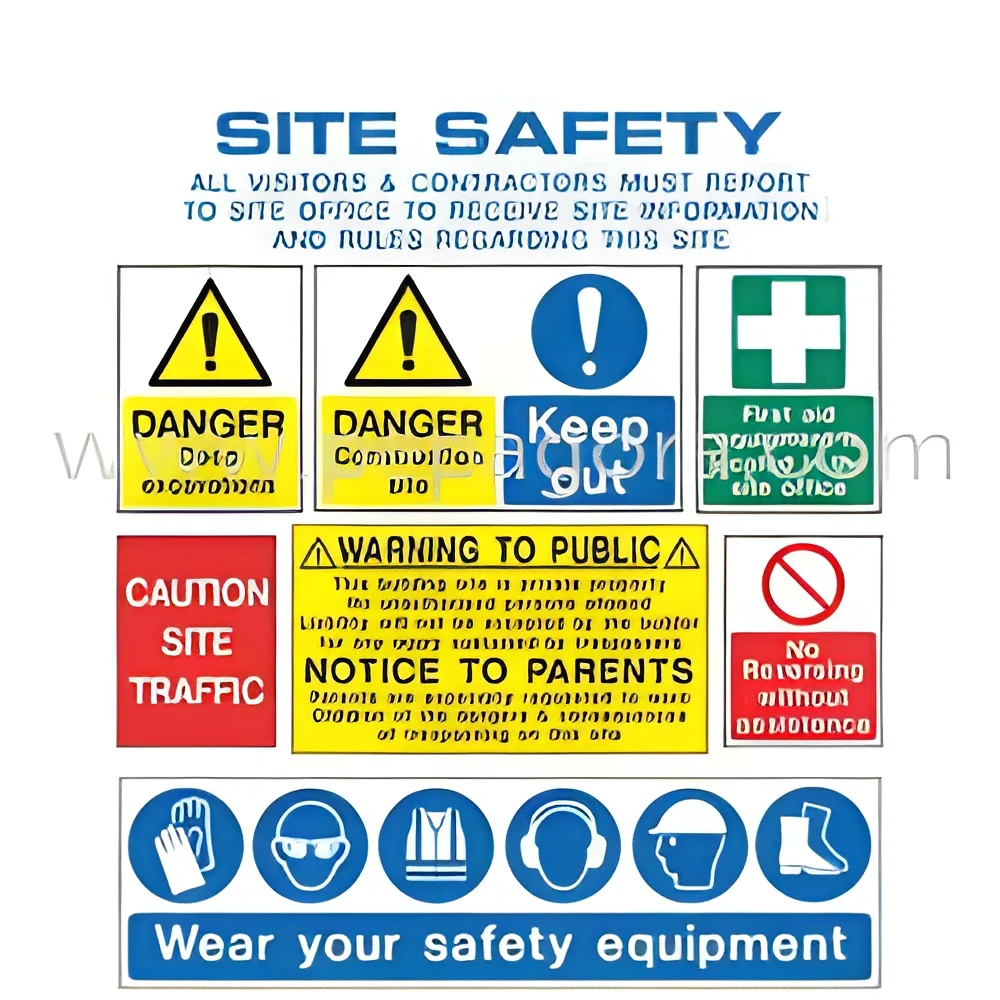
In business applications, hazard signs play a critical role in maintaining safety protocols. They are used across multiple industries, including manufacturing, construction, healthcare, and transportation. By clearly marking hazardous areas or conditions, these signs help prevent accidents and promote a culture of safety among employees and visitors. With increasing regulations surrounding workplace safety, the demand for high-quality hazard signs continues to grow in the market.
Key Features and Specifications
Hazard signs are characterized by specific features that ensure they are effective in communicating risks. These signs often come in various materials, sizes, and designs, tailored to specific environments and applications.
Key specifications include:
1. Material Type
- Common materials include plastic, metal, and vinyl.
- Each material is chosen based on durability and environmental resistance.
2. Size Options
- Available in standard sizes such as 12x12 inches, 18x18 inches, or custom dimensions.
- Size selection depends on visibility requirements in different settings.
3. Color Coding
- Utilizes universal colors like yellow for caution, red for danger, and green for safety.
- Color choice enhances recognition and response to hazards.
4. Reflective Properties
- Some signs feature reflective coatings for visibility in low-light conditions.
- This property is vital for outdoor or dimly lit workplaces.
5. Compliance Standards
- Many signs meet safety standards such as those set by OSHA or ISO.
- Compliance ensures that signs are legally recognized and effective.
6. Customization Options
- Signs can be tailored with company logos, specific messages, or unique symbols.
- Customization enhances relevance to the specific workplace environment.
7. Weather Resistance
- Signs are designed to withstand various weather conditions, including rain and UV exposure.
- This durability ensures longevity in outdoor applications.
8. Installation Methods
- Various installation options are available, including adhesive backing or mounting holes.
- The choice of method impacts the sign's placement and visibility.
In summary, hazard signs are crucial safety tools characterized by specific features and specifications that cater to diverse needs across industries.
Common Applications and Use Cases
Hazard signs find applications across many sectors to enhance workplace safety and compliance.
1. Manufacturing: In manufacturing facilities, hazard signs are used to indicate areas with heavy machinery, chemical storage, or potential slip hazards, ensuring workers are aware of their surroundings.
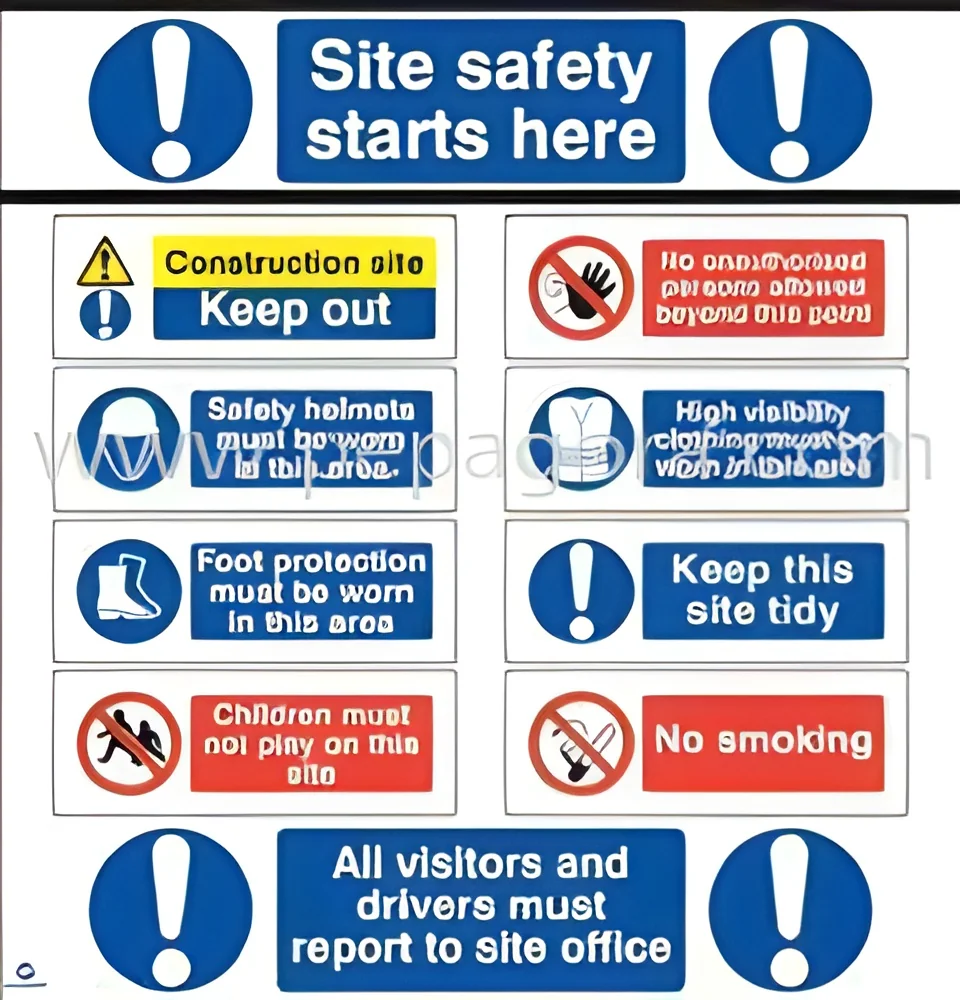
2. Construction: Construction sites utilize hazard signs to warn about potential dangers such as falling objects, electrical hazards, and restricted areas, protecting both workers and visitors on site.
3. Healthcare: In healthcare settings, hazard signs indicate biohazard areas, radiation zones, and other risks, helping maintain safety protocols for staff and patients.
4. Transportation: Hazard signs are critical in transportation sectors to warn of road conditions, vehicle hazards, and loading zones, enhancing safety for drivers and pedestrians.
5. Oil and Gas: In oil and gas industries, signs are employed to indicate hazardous materials and safety procedures, ensuring compliance with safety regulations.
6. Food Processing: Hazard signs in food processing facilities alert workers to areas requiring hygiene and sanitation, preventing contamination and promoting food safety.
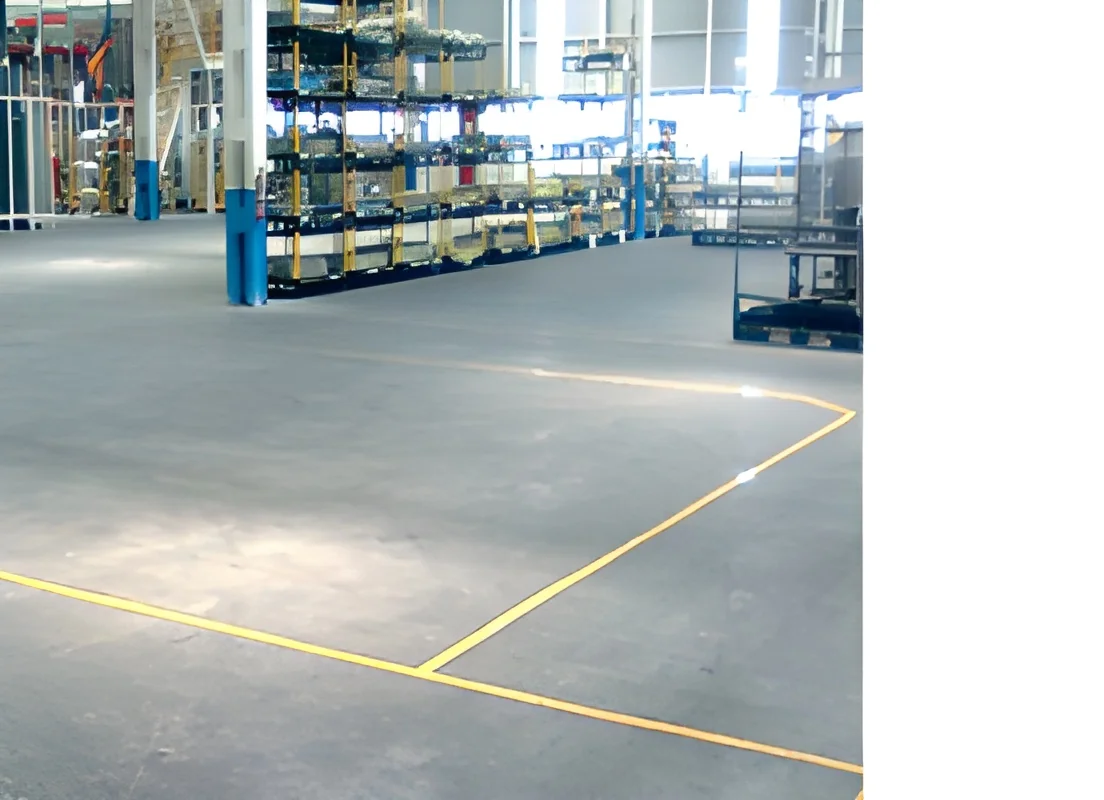
7. Warehousing: Warehouses use hazard signs to mark areas with heavy lifting equipment, hazardous materials, and emergency exits, improving overall safety.
Product Variants and Subcategories
Hazard signs come in a variety of forms to meet specific needs in different environments.
Caution Signs
Caution signs are typically yellow and used to alert individuals to potential risks that require attention, such as wet floors or low-hanging obstacles. Their design emphasizes the need for caution without indicating immediate danger.
Danger Signs
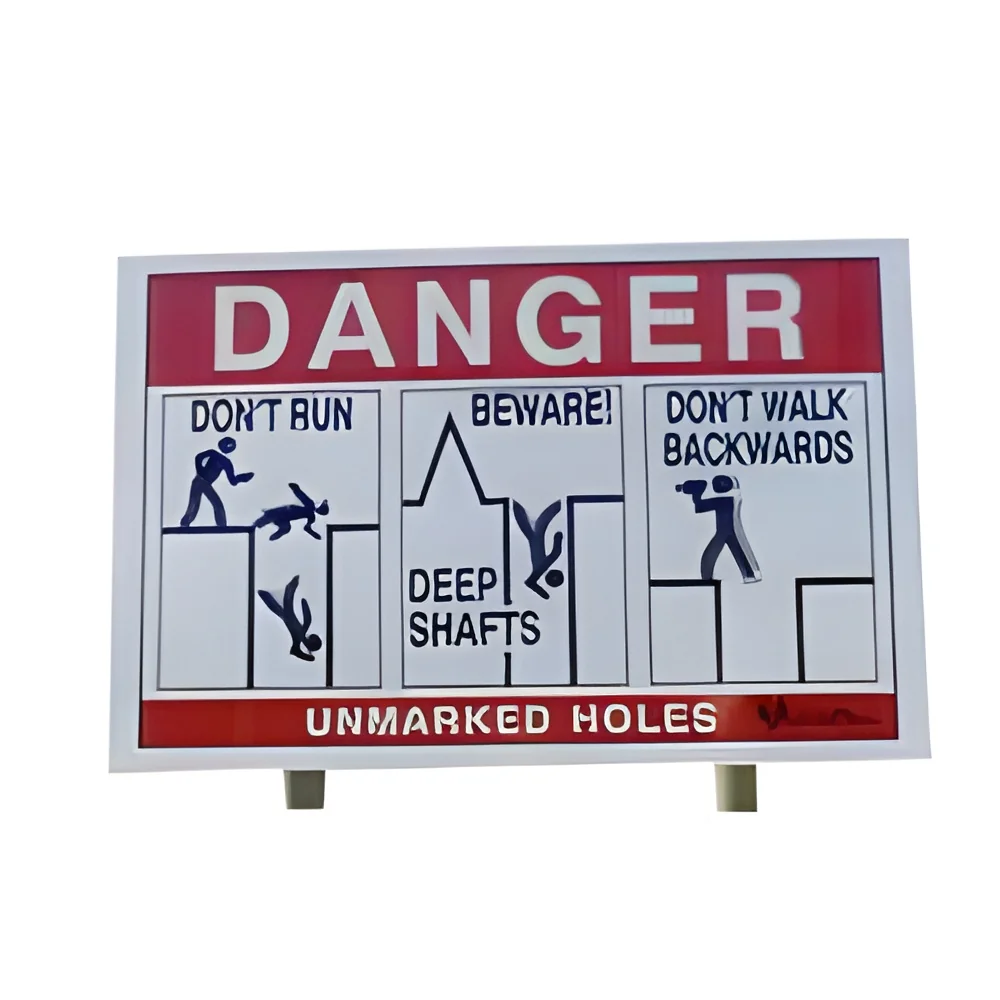
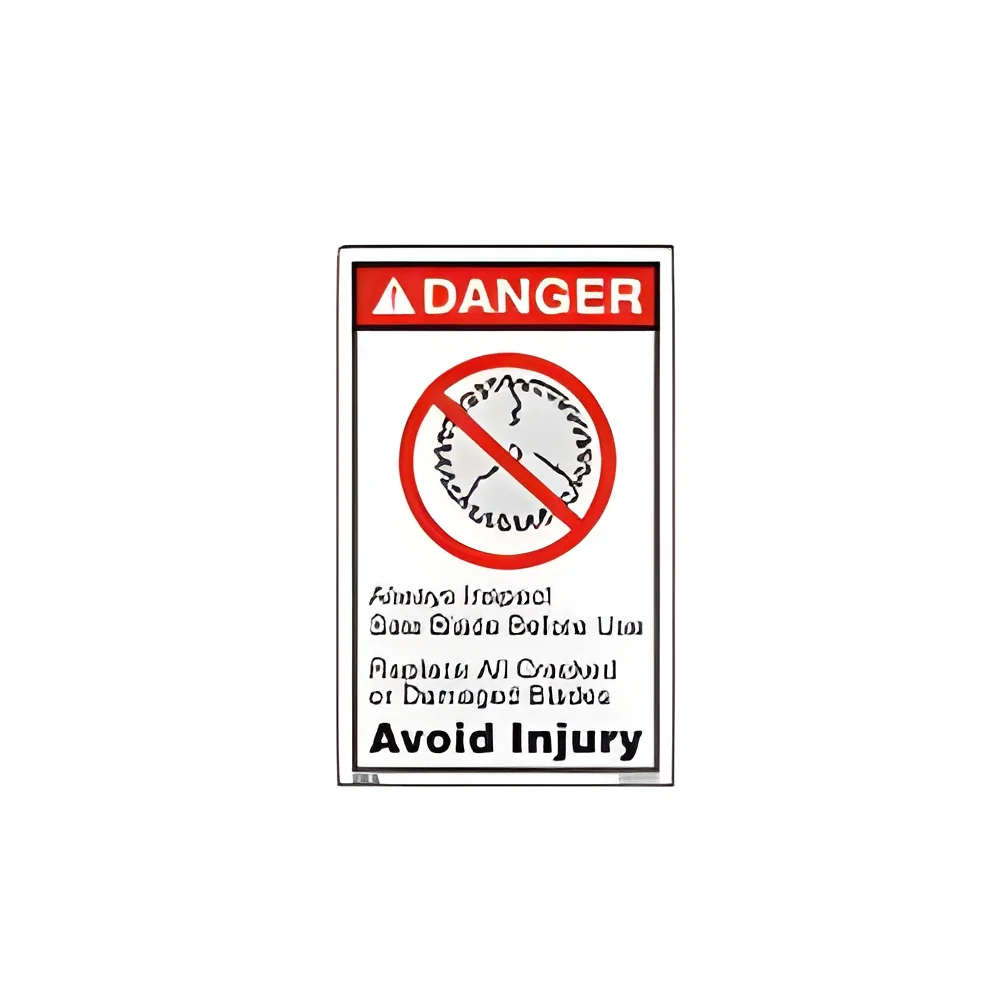
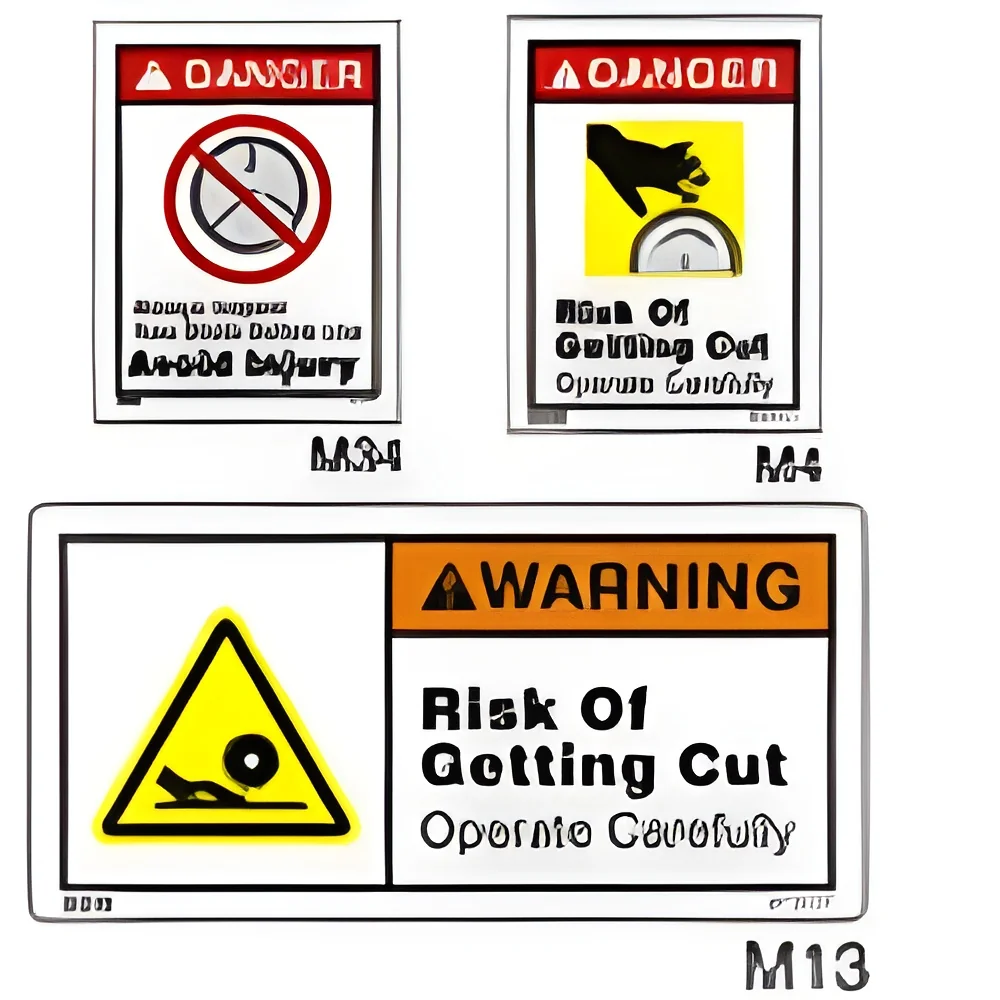
Danger signs are usually red and indicate an immediate threat to safety. These signs are employed in situations such as electrical hazards or toxic chemical storage, where urgent action may be required.
Warning Signs
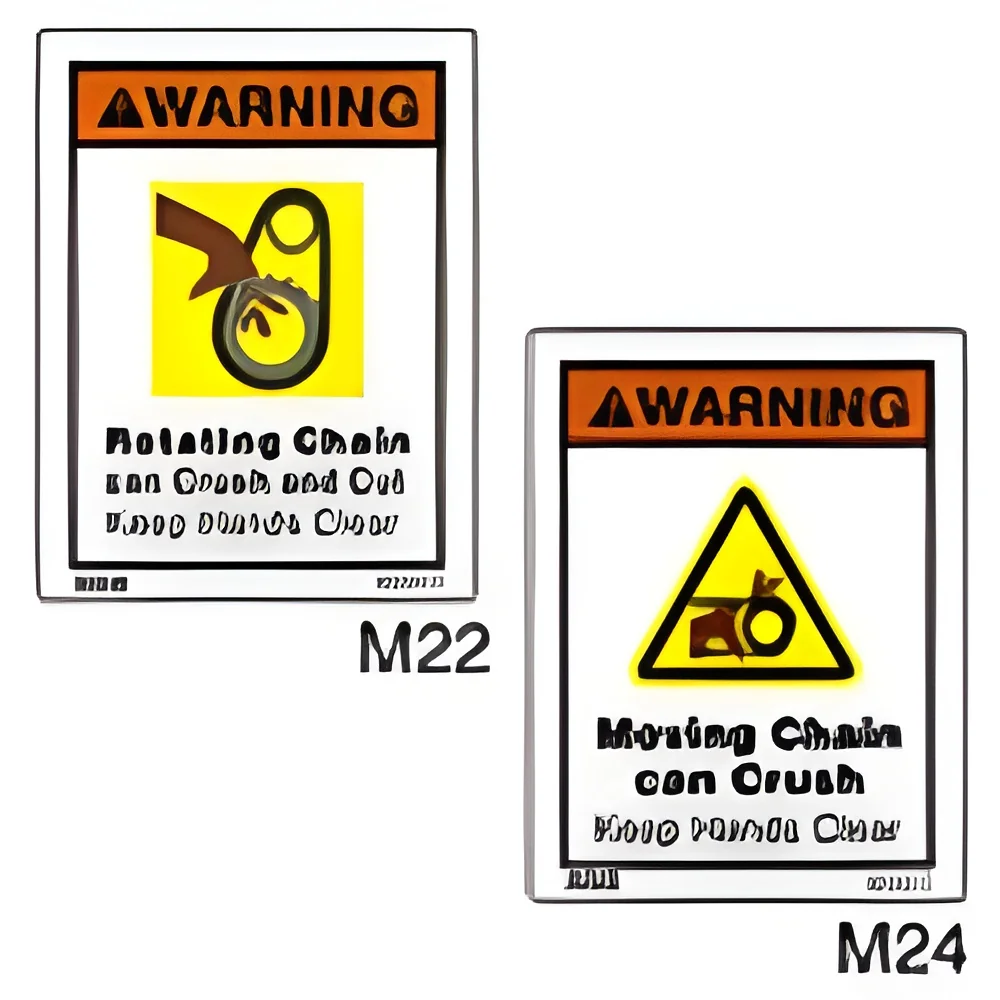
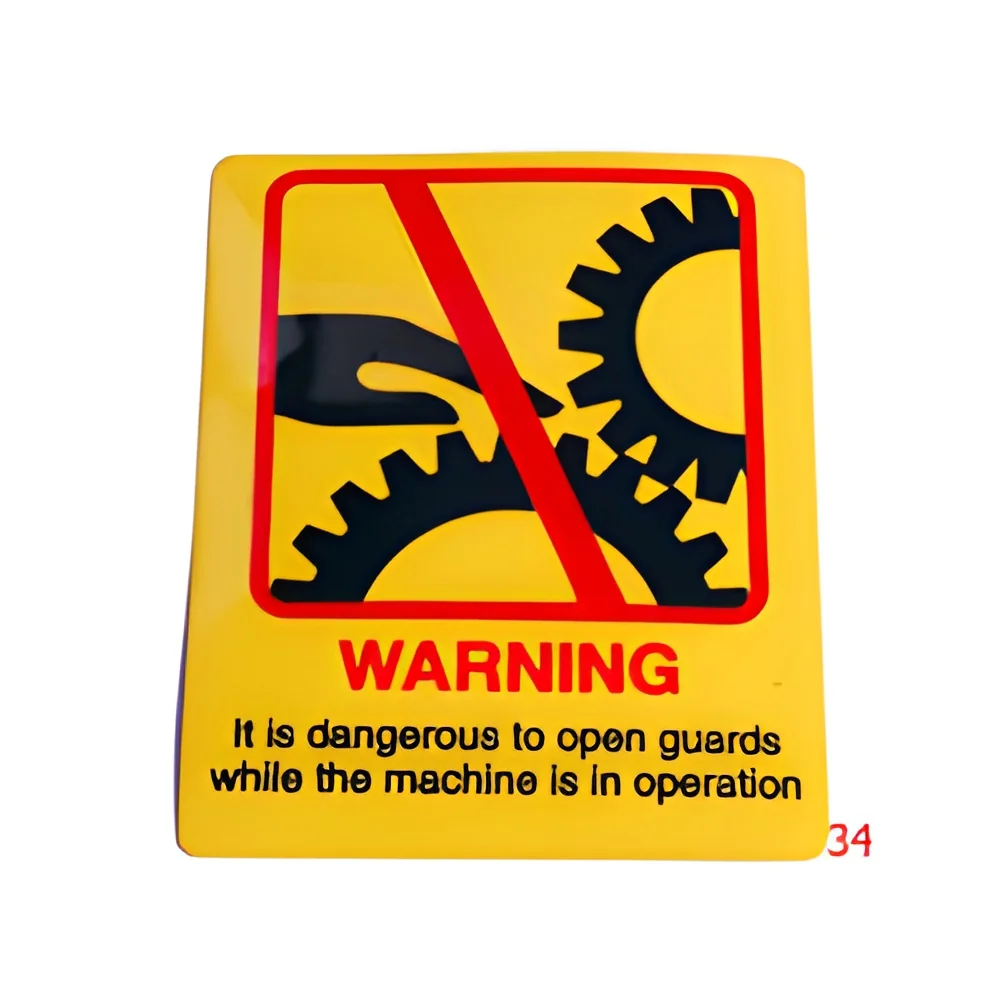
Warning signs incorporate a triangular shape and typically use a black symbol on a yellow background. They alert individuals to potential hazards that may not be immediately obvious, such as slippery surfaces or machinery in operation.
Emergency Exit Signs
These signs guide individuals to safe exits during emergencies. They are often illuminated or reflective to ensure visibility, even in low-light conditions, and are crucial in evacuation planning.
Benefits and Advantages
The use of hazard signs provides numerous benefits to businesses and organizations.
1. Enhanced Safety: By clearly marking hazards, these signs help prevent accidents and injuries in the workplace.
2. Regulatory Compliance: Hazard signs ensure that businesses comply with safety regulations, reducing the risk of legal issues and fines.
3. Increased Awareness: Signs promote awareness among employees and visitors, fostering a culture of safety throughout the organization.
4. Customization: Businesses can tailor signs to meet specific needs, ensuring relevance to their unique operating environments.
5. Cost-Effective: Investing in hazard signs is a cost-effective measure to prevent accidents, which can lead to significant financial losses.
6. Easy Installation: Many hazard signs come with simple installation options, allowing for quick deployment in various settings.
Buying Guide for B2B Buyers
When sourcing hazard signs, it is essential for B2B buyers to consider several key factors to ensure they make informed purchasing decisions.
1. Quality Assessment: Buyers should evaluate the quality of materials and construction. Durable signs can withstand environmental conditions and provide long-lasting use.
2. Supplier Verification: It is crucial to vet suppliers for reliability and reputation. Look for suppliers who provide certifications and have a proven track record in the industry.
3. Pricing and MOQ: Buyers should compare pricing across different suppliers and be aware of minimum order quantities. Understanding the cost structure helps in budgeting for safety expenditures.
4. Delivery and Lead Times: Consider logistics and delivery timelines when placing orders. Timely delivery is vital for ensuring that safety measures are implemented without delay.
5. Compliance Requirements: Ensure that the signs meet relevant regulatory standards for safety in your specific industry. This could include compliance with OSHA, ISO, or other local regulations.
Compliance and Certifications
Hazard signs must adhere to various quality standards and certifications to ensure safety and effectiveness. Common relevant standards include ISO 9001, which focuses on quality management systems, and HACCP, which outlines food safety practices.
Additionally, industry certifications such as CE mark signify that the products meet European safety standards. Compliance with safety and testing requirements is crucial for hazard signs, as it ensures their effectiveness in communicating risks.
Regional compliance considerations may also apply, depending on local regulations governing workplace safety and signage. Businesses should stay informed about these regulations to ensure their hazard signs are compliant and effective.
Why Source Hazard Signs from Pepagora?
Pepagora provides a trusted platform for sourcing hazard signs, offering several key advantages to B2B buyers.
Verified Supplier Network: Pepagora features a network of verified suppliers, ensuring that buyers can procure high-quality products from reputable sources. This verification process enhances trust and reliability in the purchasing process.
Streamlined RFQ Process: The platform simplifies the request for quotation (RFQ) process, allowing buyers to easily obtain competitive bids from multiple suppliers. This efficiency can lead to better pricing and terms.
Trade Assurance and Support: Buyers benefit from trade assurance programs that protect their purchases and provide support throughout the buying process. This protection fosters confidence in sourcing decisions.
Regional Coverage: Pepagora offers extensive regional coverage, including areas such as India, GCC, and Southeast Asia. This broad reach enables buyers to connect with local suppliers, enhancing the efficiency of their procurement efforts.

 IN
IN