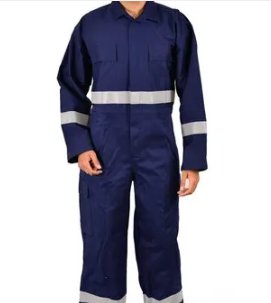
𝗪𝗵𝗮𝘁 𝗮𝗿𝗲 𝗙𝗹𝗮𝗺𝗲-𝗥𝗲𝘀𝗶𝘀𝘁𝗮𝗻𝘁 𝗖𝗹𝗼𝘁𝗵𝗶𝗻𝗴?
Flame-resistant clothing is specialized apparel designed to provide protection against fire and heat hazards. These garments are manufactured from materials that are inherently resistant to ignition and minimize the extent of burn injuries. They are crucial in environments where workers are at risk of fire exposure, ensuring safety and compliance with industry regulations.
The primary uses of flame-resistant clothing span various industries, including oil and gas, electrical, manufacturing, and emergency services. In these sectors, workers frequently encounter flammable materials or high-temperature conditions. Consequently, the use of flame-resistant clothing is not only a matter of safety but also often a legal requirement to protect employees from potential hazards.
In the current market, flame-resistant clothing is gaining increased relevance as safety regulations become stricter and awareness of workplace safety rises. Companies are investing in high-quality protective gear to ensure the safety of their workforce, reflecting a growing commitment to maintaining a safe working environment.
𝗞𝗲𝘆 𝗙𝗲𝗮𝘁𝘂𝗿𝗲𝘀 𝗮𝗻𝗱 𝗦𝗽𝗲𝗰𝗶𝗳𝗶𝗰𝗮𝘁𝗶𝗼𝗻𝘀
Flame-resistant clothing includes a range of features that enhance safety and comfort. These garments are engineered to withstand high temperatures and resist flaming ignition. The following specifications are critical when evaluating flame-resistant clothing.
Key specifications include:
1. Fabric Type
- Typically made from materials such as Nomex, Kevlar, or treated cotton.
- Ensures durability and resistance to flame.
2. Arc Rating
- Measured in cal/cm², indicating the level of protection against electrical arcs.
- Helps in determining the suitability for electrical work environments.
3. Certification Standards
- Must comply with industry standards like ASTM F1506 or NFPA 70E.
- Ensures the clothing meets specific safety requirements.
4. Fit and Comfort
- Available in various styles, including coveralls, jackets, and trousers.
- Designed for mobility and ease of wear in demanding work conditions.
5. Color Options
- Typically available in high-visibility colors for added safety.
- Enhances visibility in low-light environments.
6. Maintenance Requirements
- Should be machine washable to enable easy maintenance.
- Retains flame-resistant properties even after multiple washes.
In summary, understanding the key features and specifications of flame-resistant clothing is essential for selecting the right protective gear for specific work environments.
𝗖𝗼𝗺𝗺𝗼𝗻 𝗔𝗽𝗽𝗹𝗶𝗰𝗮𝘁𝗶𝗼𝗻𝘀 𝗮𝗻𝗱 𝗨𝘀𝗲 𝗖𝗮𝘀𝗲𝘀
Flame-resistant clothing serves a wide range of industries, ensuring worker safety across various applications.
1. Oil and Gas: Workers in this industry face significant fire hazards from flammable gases and liquids. Flame-resistant clothing is essential for drilling, refining, and transportation operations.
2. Electrical: Electricians and maintenance workers utilize flame-resistant garments to protect against arc flash incidents. The clothing minimizes the risk of severe burns from electrical failures.
3. Manufacturing: In manufacturing settings, employees are often exposed to high heat from machinery. Flame-resistant clothing protects against potential ignition from sparks.
4. Emergency Services: Firefighters rely on flame-resistant clothing to shield them from extreme heat and flames during firefighting operations. The gear is vital for their safety and effectiveness.
5. Aerospace: Technicians working on aircraft may encounter flammable materials. Flame-resistant clothing provides essential protection while ensuring compliance with safety standards.
6. Mining: Workers in the mining sector face potential fire hazards from equipment and materials. Flame-resistant apparel helps to mitigate these risks.
7. Automotive: In automotive manufacturing and repair, flame-resistant clothing is crucial for workers dealing with flammable substances like fuels and oils.
𝗣𝗿𝗼𝗱𝘂𝗰𝘁 𝗩𝗮𝗿𝗶𝗮𝗻𝘁𝘀 𝗮𝗻𝗱 𝗦𝘂𝗯𝗰𝗮𝘁𝗲𝗴𝗼𝗿𝗶𝗲𝘀
Flame-resistant clothing comes in various forms to meet the unique needs of different industries.
Coveralls: These are one-piece garments designed for full-body protection. They provide convenience and ensure safety in high-risk environments.
Jackets: Flame-resistant jackets are ideal for workers who require upper body protection. They can be layered for added warmth and safety.
Trousers: These provide essential protection for the lower body. They are often designed to be worn with other flame-resistant garments.
Shirts: Flame-resistant shirts are suitable for various applications, offering comfort without compromising safety.
𝗕𝗲𝗻𝗲𝗳𝗶𝘁𝘀 𝗮𝗻𝗱 𝗔𝗱𝘃𝗮𝗻𝘁𝗮𝗴𝗲𝘀
Investing in flame-resistant clothing offers numerous advantages for businesses and employees alike.
1. Enhanced Safety: Provides critical protection against fire hazards, reducing the risk of severe injuries.
2. Compliance Assurance: Helps companies meet regulatory requirements for workplace safety.
3. Durability: Designed to withstand harsh conditions, ensuring long-lasting use.
4. Improved Employee Morale: Workers feel safer in an environment with proper protective gear, leading to increased productivity.
5. Versatility: Suitable for a wide range of industries and applications, making it a flexible solution for businesses.
6. Cost-Effectiveness: While initial investment may be higher, the long-term benefits and protection reduce potential costs from workplace accidents.
𝗕𝘂𝘆𝗶𝗻𝗴 𝗚𝘂𝗶𝗱𝗲 𝗳𝗼𝗿 𝗕𝟮𝗕 𝗕𝘂𝘆𝗲𝗿𝘀
When sourcing flame-resistant clothing, it is important to consider several key factors to ensure the best choice for your business needs.
1. Quality Assessment: Look for garments made from high-quality, flame-resistant materials that have been tested and certified. Check for compliance with relevant safety standards.
2. Supplier Verification: Vet suppliers to ensure they are reputable and provide reliable products. Look for certifications and customer testimonials.
3. Pricing and MOQ: Evaluate the pricing structure and minimum order quantities (MOQ) to ensure they align with your budget and needs.
4. Delivery and Lead Times: Consider the logistics involved in the supply chain, including delivery schedules and lead times to ensure timely availability.
5. Compliance Requirements: Familiarize yourself with any industry-specific regulations that may impact your choice of flame-resistant clothing.
𝗖𝗼𝗺𝗽𝗹𝗶𝗮𝗻𝗰𝗲 𝗮𝗻𝗱 𝗖𝗲𝗿𝘁𝗶𝗳𝗶𝗰𝗮𝘁𝗶𝗼𝗻𝘀
Flame-resistant clothing must adhere to various quality standards and certifications to ensure safety and effectiveness.
Key relevant standards include ISO 9001 for quality management systems, which ensures consistent quality in manufacturing processes. Additionally, compliance with HACCP and GDP standards is critical for industries that require stringent safety protocols.
Industry certifications, such as CE marking, indicate that products meet European health and safety requirements, providing additional assurance of quality.
Safety and testing requirements are essential to validate the flame-resistance properties of the clothing. Regular testing ensures that garments maintain their protective qualities over time.
Regional compliance considerations may vary by country, so it is essential for manufacturers to stay informed about local regulations affecting flame-resistant clothing.
𝗪𝗵𝘆 𝗦𝗼𝘂𝗿𝗰𝗲 𝗙𝗹𝗮𝗺𝗲-𝗥𝗲𝘀𝗶𝘀𝘁𝗮𝗻𝘁 𝗖𝗹𝗼𝘁𝗵𝗶𝗻𝗴 𝗳𝗿𝗼𝗺 𝗣𝗲𝗽𝗮𝗴𝗼𝗿𝗮?
Pepagora provides an effective platform for sourcing flame-resistant clothing, offering several distinct advantages for businesses.
Verified Supplier Network: Pepagora connects buyers with a verified network of suppliers, ensuring quality and reliability in the products offered. This reduces the risk associated with sourcing.
Streamlined RFQ Process: The platform features a simplified request-for-quotation system, making it easy for buyers to obtain competitive pricing and detailed product information.
Trade Assurance and Support: Pepagora offers trade assurance to protect buyer investments, coupled with dedicated support to assist throughout the purchasing process.
Regional Coverage: With a strong presence in India, the GCC, and Southeast Asia, Pepagora provides extensive geographic reach, ensuring accessibility to flame-resistant clothing across various markets.

 IN
IN